
Can You Overdose on CBD? Safety, Limits and UK Advice
What “overdose” means with CBD
When we talk about an “overdose”, most people picture a substance that can stop your breathing or cause a life-threatening emergency at a certain amount. CBD does not fit neatly into that box in the way opioids or alcohol can.
With CBD, it is usually more accurate to think in terms of taking “more than your body likes”. That can lead to unpleasant side effects, wasted money, and in some cases extra risk if you are combining CBD with certain medications.
CBD is not intoxicating, but it can still affect you
CBD does not produce a “high” like THC. Still, many people report that CBD can feel subtly calming, or sometimes a bit sedating, depending on the person and the dose. If you take far more than you need, that “subtle” effect can become “I feel wiped out”, especially if you are new to it.
UK safety guidance and realistic upper limits
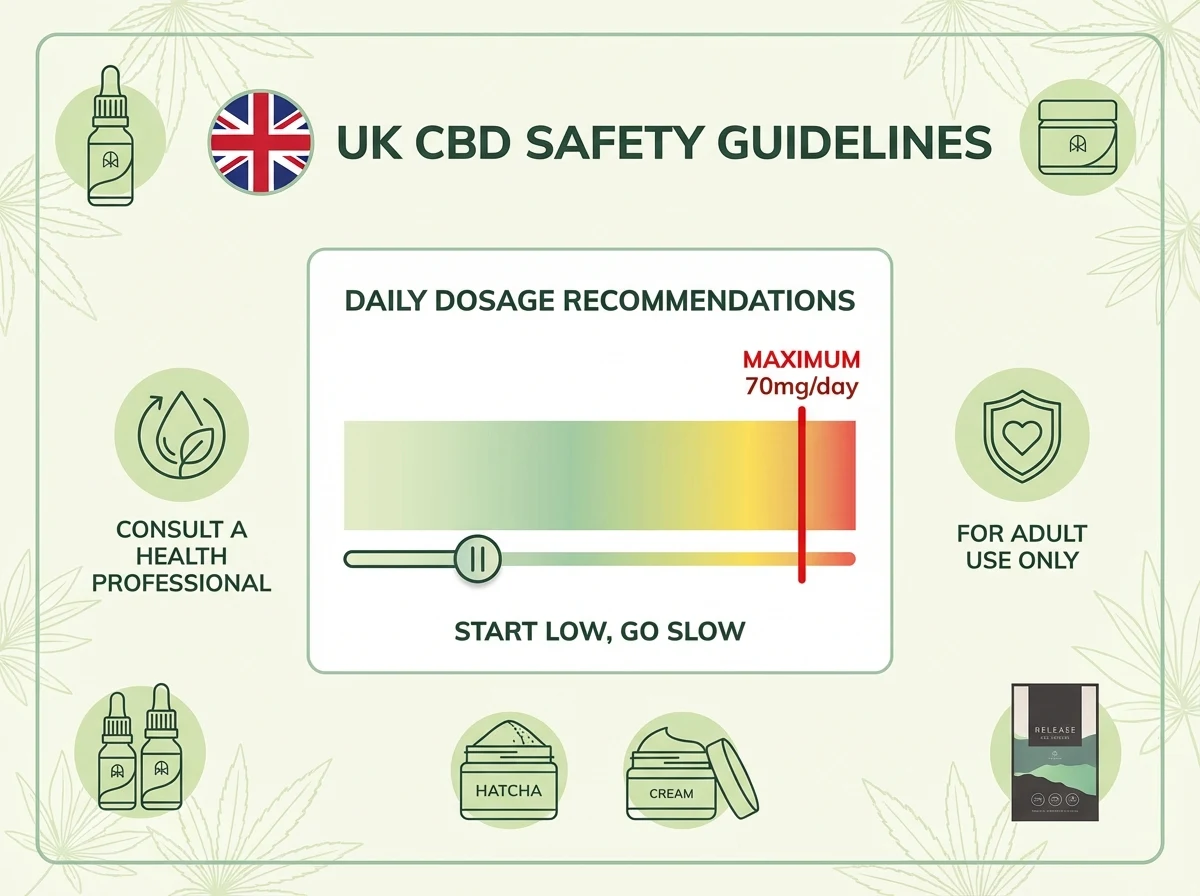
If you are in the UK and you want one simple number to anchor yourself, this is it: the Food Standards Agency (FSA) advises healthy adults not to exceed 70mg CBD per day.
Consider this as a cautious public health guideline, not a perfect personalised prescription. Some people choose to take less and feel great. Others experiment higher, but that is where I want you to slow down, track how you feel, and be especially mindful of medication interactions.
Why the 70mg figure matters in practice
In practice, this means if you are stacking products (oil plus a drink plus a capsule, for example), it is easy to drift higher than you intended. It is also why label clarity matters. You want to know how many milligrams you are taking, not just how many drops or “servings”.
If you want help working out a sensible starting point, a tool like our CBD dosage calculator can give you a practical baseline, then you adjust based on your own response.
What taking too much CBD can feel like
The reality is that “too much CBD” is usually more uncomfortable than dangerous, but it can still ruin your day. People’s sensitivity varies a lot, and your experience depends on dose, product type, and what else is in your system.
Commonly reported signs you have taken more than you need
Some users report:
- Sleepiness or feeling “heavy”, especially in the afternoon
- Light-headedness or feeling a bit spaced out
- Digestive upset (nausea, loose stools, stomach discomfort)
- Dry mouth
- Reduced appetite in some people
If this happens, the usual move is simple: stop, hydrate, eat something plain, and give it time. Then restart later at a lower dose.
When to take symptoms seriously
Seek urgent medical advice if you feel severely unwell, faint, have chest pain, trouble breathing, severe allergic-type reactions, or if a child or pet has consumed CBD. Also, if you are taking prescription medication and notice anything unusual after adding CBD, speak to your pharmacist or GP.
Why “too much” happens more easily than you think
What many people overlook is that CBD dosing is not just about milligrams. It is also about how you take it, how quickly it absorbs, and whether you are repeating doses too soon.
Different formats absorb differently
Sublingual CBD oil (held under the tongue) typically has a slower onset than inhalation, but it can still build over time. Water-soluble CBD tends to feel faster for many people because it mixes more readily in liquids and is designed for improved absorption.
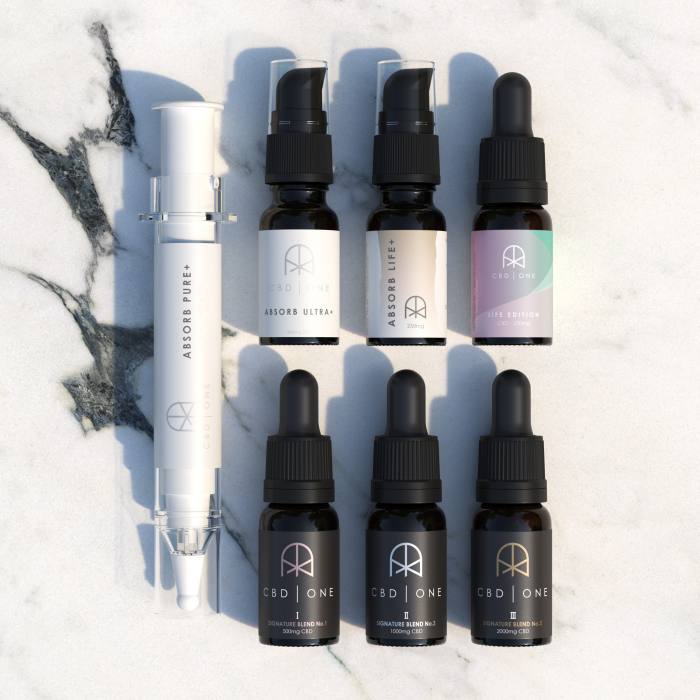
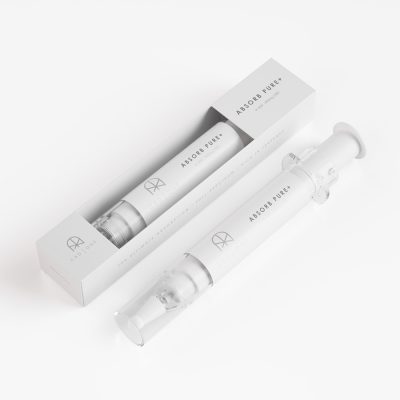
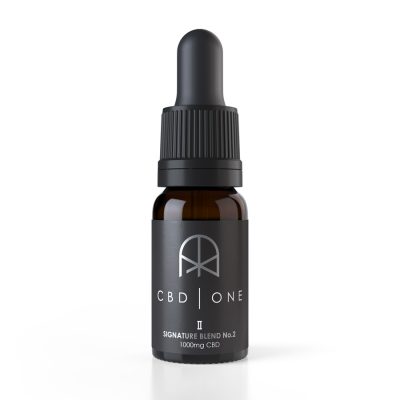
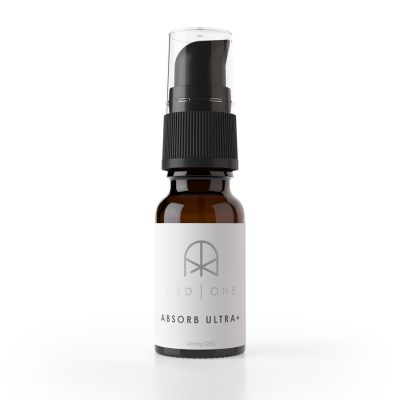
At CBD One, we offer both traditional full spectrum oils and water-soluble options, partly because people have different routines. Some like the slow, steady ritual of oil drops. Others prefer adding a pump of a water-soluble product to a morning drink.
“I felt nothing, so I took more” is a common trap
Think of it this way: CBD is not a painkiller that always has a clear on-off switch. Some effects are subtle, and timing matters. If you redose before the first amount has peaked, you can accidentally pile dose on dose, then feel it all at once later.
How to take CBD more safely and confidently
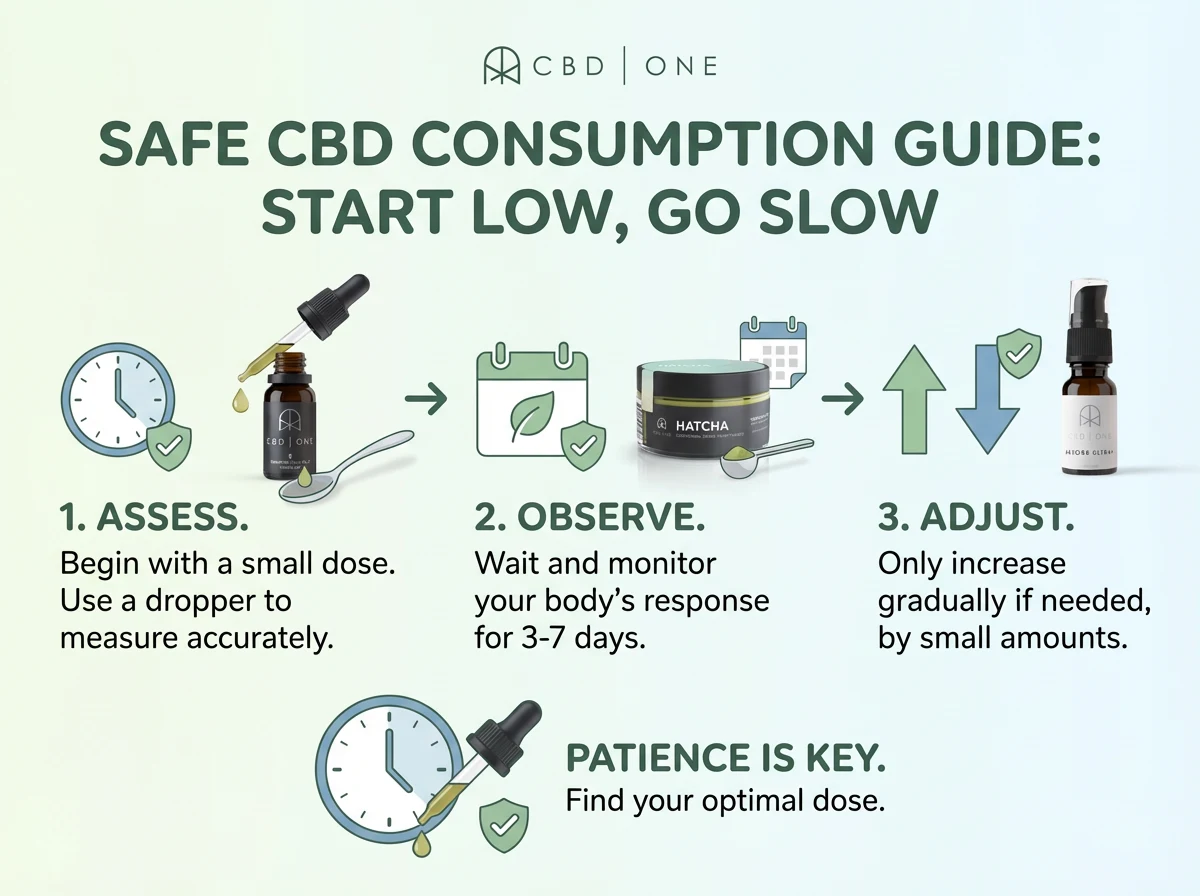
From a practical standpoint, the safest approach is boring but effective: start low, go slow, and keep notes.
A simple “start low and go slow” approach
- Start with a low amount once daily for 3 to 7 days
- If needed, increase gradually in small steps
- Change one thing at a time (dose or timing, not both)
- Stay mindful of the FSA’s 70mg per day guidance for healthy adults
Now, when it comes to choosing strength, clarity helps. A higher percentage oil is not “better”, it is just more concentrated. It can be great for experienced users, but it also makes it easier to overshoot if you are casual with the dropper.
If you are unsure about technique, how to take CBD oil is worth a read, because how long you hold it under the tongue and how consistent you are can change your experience.
Be extra cautious if you take medication
CBD can interact with some medicines. This is not about fear, it is about being sensible. If you take any regular medication, speak to a healthcare professional before using CBD, and have a look at our guide on CBD and medication so you know what questions to ask.
Special situations: gummies, weed, NHS prescriptions, flying
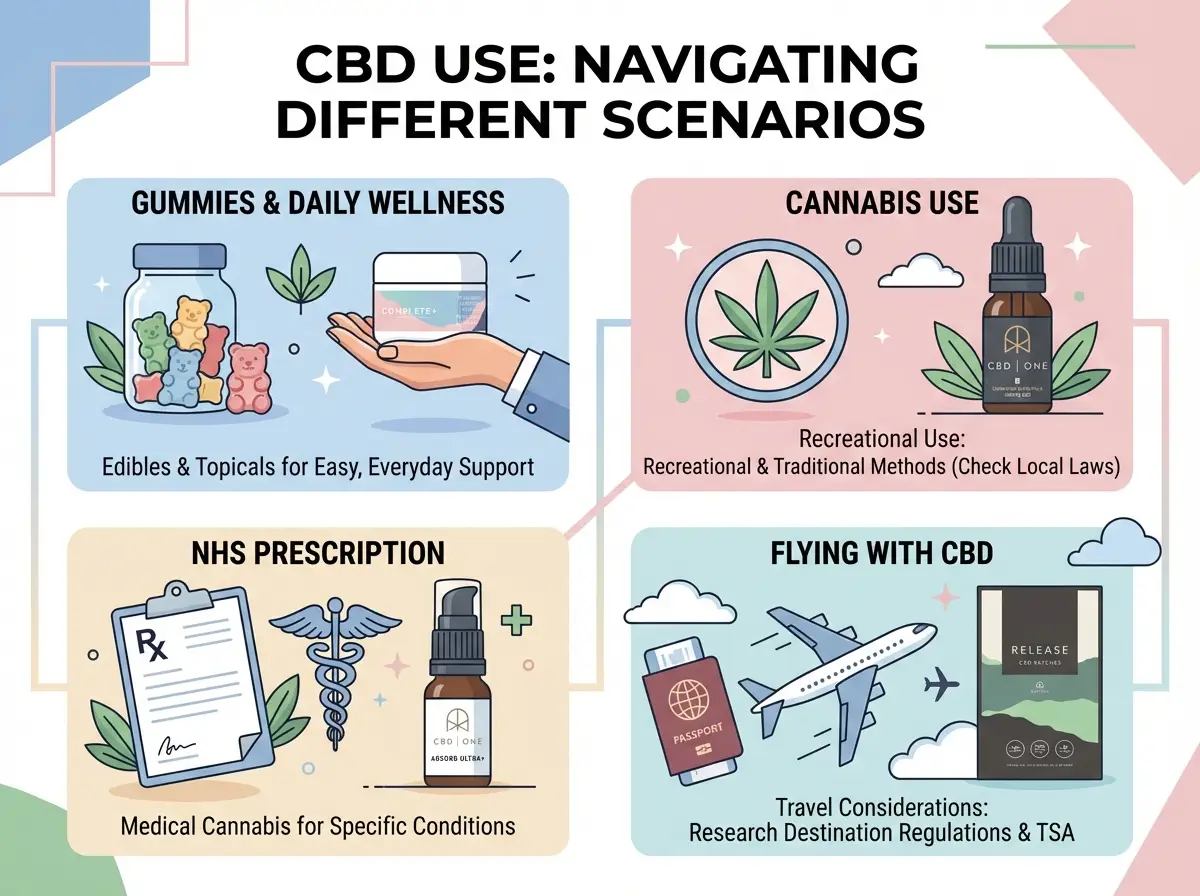
Can you overdose on CBD oil in the UK?
In the UK, “overdose” in the life-threatening sense is not the typical concern with CBD oils used as directed. The more realistic issue is taking more than you tolerate, then feeling overly drowsy, nauseous, or washed out.
Your bigger safety lever is dose control, product quality, and avoiding risky combinations. If you want a broader foundation on oils, visit our main CBD Oil guide.
Can you overdose on CBD gummies (and why Reddit stories vary)
People search “can you overdose on CBD gummies reddit” because gummy experiences are all over the place. A big reason is inconsistency between brands, plus the temptation to treat them like sweets and take several.
CBD One does not sell gummies, and one reason is simple: it can be harder for consumers to keep dosing intentional when it looks and tastes like confectionery. Whether it is a gummy, capsule, oil, or drink, your body still responds to milligrams, so treat it like a supplement, not a snack.
Can you overdose on weed vs CBD?
“Can you overdose on weed” is usually about THC-rich cannabis. THC can be intoxicating and can cause anxiety, paranoia, rapid heart rate, and impaired judgement in some people, especially at higher doses or in new users.
CBD is different: it is non-intoxicating. Still, if you are using products that contain THC (even trace amounts in full spectrum), be mindful of sensitivity and UK rules, especially around driving and work policies.
Can you get CBD on prescription via the NHS?
This is a common confusion. Over-the-counter CBD wellness products are not prescription medicines. In limited cases, specialist doctors can prescribe certain cannabis-based medicines in the UK, but that is not the same as buying CBD oil as a food supplement.
If you are wondering about that difference, our article Does CBD Oil Need A Prescription? explains it in plain English.
Can you take CBD oil on a plane in the UK?
Many people travel with CBD as part of their routine, but rules vary by country and airline. You also need to think about liquids allowances and having the product in its original packaging.
For a practical checklist, read Can You Take CBD Oil On A Plane? before you fly.
Quality checks that reduce risk (and improve confidence)
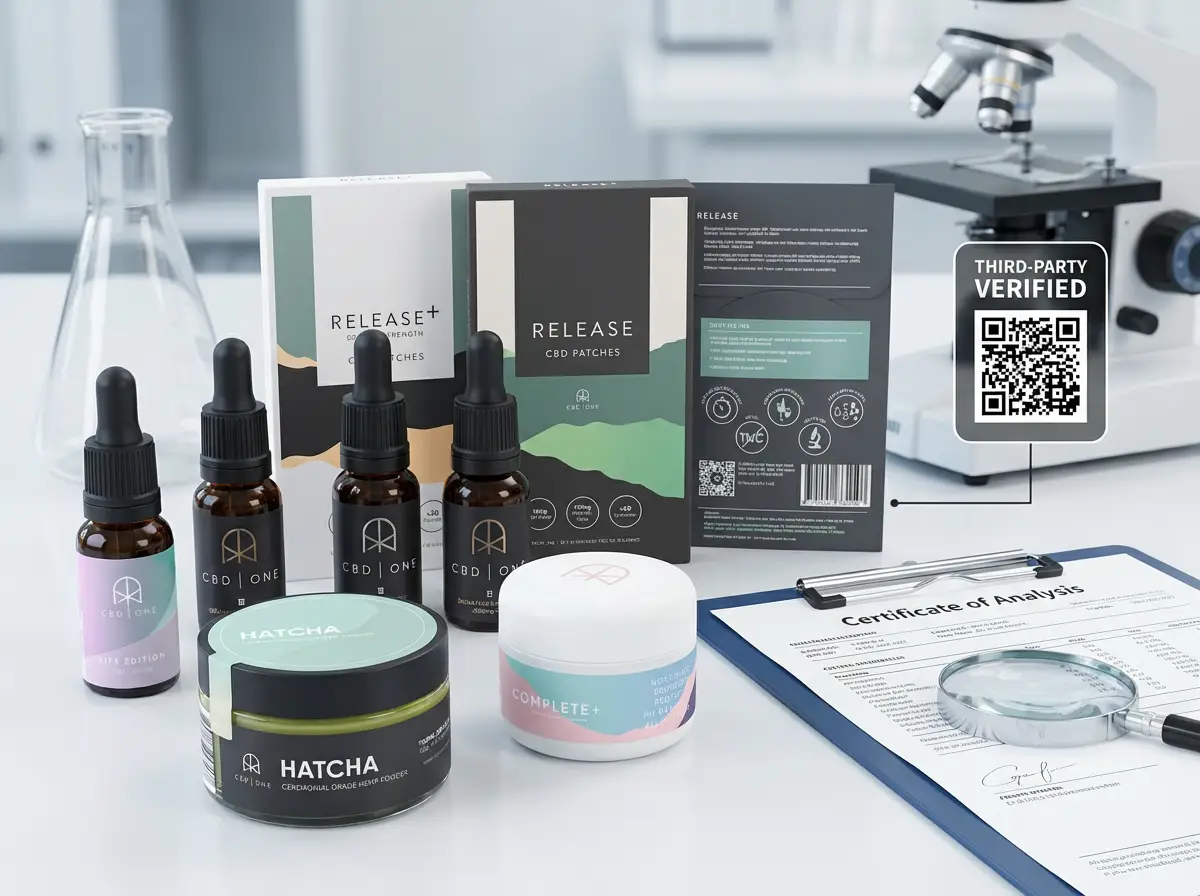
If you want to reduce the chance of a bad experience, quality is a huge part of the picture. Not because “premium” is a buzzword, but because accurate labels and sensible manufacturing help you dose consistently.
What to look for on the label and website
- Clear CBD content in mg per bottle and ideally mg per serving
- Independent lab testing (a Certificate of Analysis)
- Transparent ingredient list (carrier oils, emulsifiers, flavourings)
- Stated spectrum: full spectrum, broad spectrum, or isolate
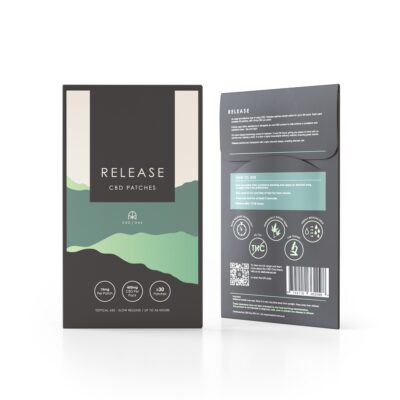
One example from our range: our traditional oils are full spectrum with a listed bioavailability of about 12%, while our transdermal patches state high bioavailability (40%+ on the product information). That difference matters, because higher absorption can mean you need less, not more.
If you are comparing options side by side, our CBD product comparison can help you understand which format fits your routine.
If you prefer exploring by format, you can browse CBD Oils or Water Soluble CBD and focus on clear milligram information rather than hype.
And if you are still getting your bearings on what “good” looks like, our CBD buying guide walks you through the basics without the fluff.
Accidentally took a high dose? What to do right now
If you have just realised you took far more CBD than you intended, the first step is to take your foot off the accelerator. Do not “balance it out” with another supplement, and do not keep experimenting to see what happens.
A calm checklist that usually helps
- Stop taking more CBD for the day
- Drink water, and eat something simple if you feel nauseous
- Clear your schedule if you can, and avoid driving or operating machinery if you feel drowsy
- Avoid alcohol, which can add to sleepiness for some people
- Write down what you took, when you took it, and roughly how many mg it was
Most of the time, it is a “wait it out” situation. CBD can take time to fully land, especially with oils and edibles. If you feel severely unwell, if symptoms feel out of proportion, or if a child or pet has taken CBD, seek urgent medical advice and share the details you noted down.
CBD, alcohol, caffeine, and other supplements: what changes the experience
People rarely take CBD in a vacuum. They take it after coffee, with an evening drink, alongside magnesium, or on a day where they have barely eaten. That context can change how “too much” feels.
CBD and alcohol
Some people find the combination makes them feel sleepier than either one alone. If you are still learning your dose, it is worth keeping CBD and alcohol separate, at least at first, so you can tell what is doing what.
CBD and caffeine
Caffeine can mask how tired you are, until it wears off. So you might think your CBD dose is “doing nothing”, then later feel heavy and foggy. If you are prone to this, consider taking CBD at a consistent time that is not right on top of strong coffee.
CBD with other calming supplements
If you stack CBD with other supplements people often use for winding down, you may find you need less CBD, not more. From a practical standpoint, change one variable at a time so you can learn your personal response without guesswork.
Why very high doses can feel “worse”, not “better”
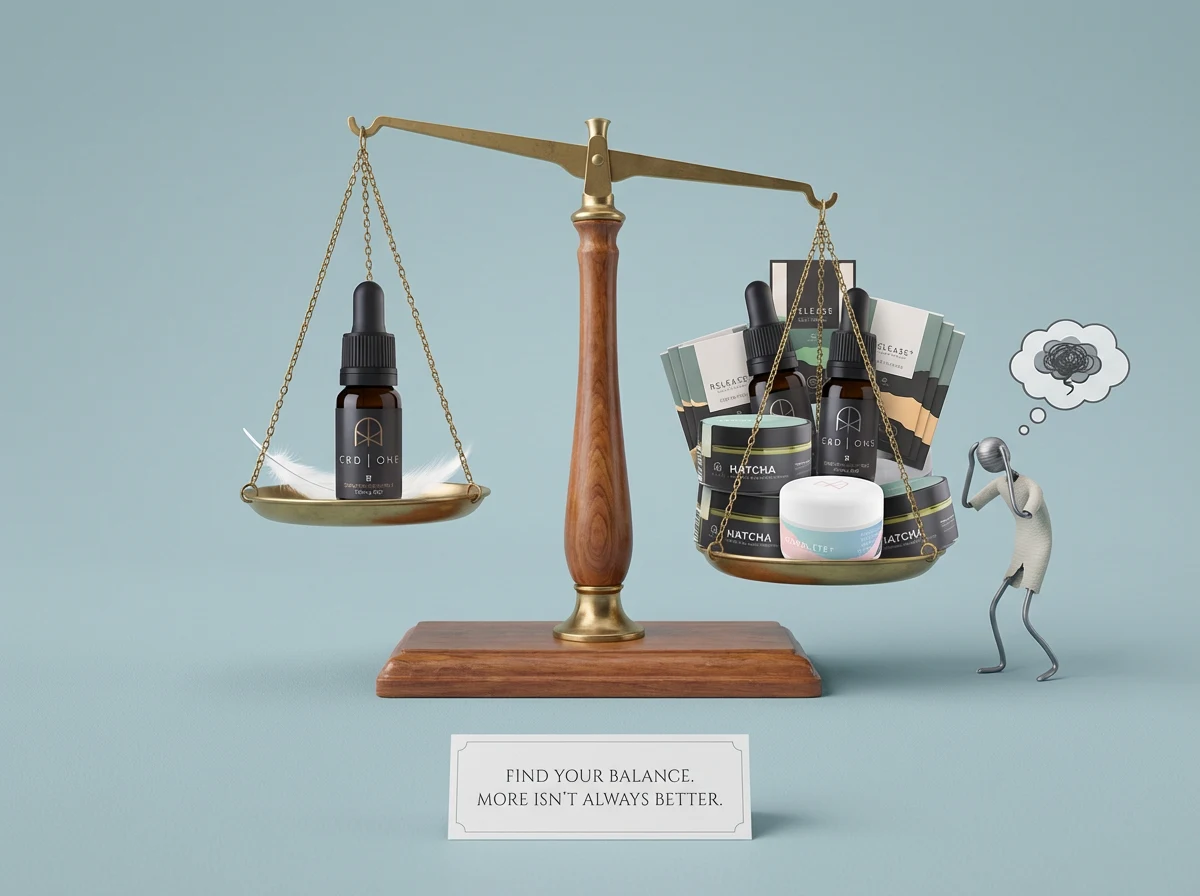
One gap in a lot of CBD conversations is the assumption that more is always better. With CBD, many people find there is a “sweet spot” where they feel balanced, and then beyond that point they feel flat, sleepy, or slightly off.
Consider this: if your goal is a steady, supportive routine, chasing a strong sensation can backfire. The aim is not to take the biggest amount you can tolerate. It is to take the smallest amount that fits your day.
Why this matters for accidental “overdoses”
It explains why someone can take a very high amount and feel worse than when they take a modest amount consistently. It also explains why re-dosing too soon can suddenly tip you over that edge, even if each individual serving did not look huge on paper.
CBD safety for specific groups: who should be extra cautious
Most healthy adults use CBD without major issues, but there are a few situations where I would want you to slow right down and get proper guidance.
Pregnancy and breastfeeding
If you are pregnant or breastfeeding, it is generally sensible to avoid CBD unless a qualified healthcare professional has advised otherwise. This is not about scare stories, it is about being cautious where good safety data is limited.
People with liver concerns
If you have known liver problems, or you have been told your liver enzymes are raised, speak to a healthcare professional before using CBD. This is especially important if you are taking regular medication.
Older adults and anyone on multiple medications
As routines get more complex, so do interactions. If you are on more than one prescription, or you already take medicines that make you sleepy, start low and keep your approach simple. A pharmacist can be a great first step for quick, practical advice.
Children and pets
This article is written for adult wellness use. If a child or pet accidentally consumes CBD, seek medical or veterinary advice promptly, even if they seem fine at first.
Understanding labels: mg per bottle vs mg per ml vs mg per drop
Here is where a lot of “overdose” stories start: someone thinks they took “a dropper” and assumes that means a small amount, but the oil is very concentrated. Or they take “a serving” and do not realise a serving is multiple pumps, capsules, or gummies.
A quick way to sanity-check what you are taking
- Look for total mg CBD per bottle or pack, then find mg per serving
- If it only shows mg per ml, check how many ml you actually take
- If it only shows a percentage, find the mg number elsewhere on the label or website before you start
Now, when it comes to droppers, be careful with assumptions. Droppers vary, and “full dropper” is not a precise measurement unless the brand clearly states the ml amount and the mg per ml. This is why clean, transparent labelling is not just a nice-to-have, it is a safety feature.
Frequently Asked Questions
Can you overdose on CBD?
Most of the time, when people say “overdose” with CBD, they mean taking too much and feeling unpleasant rather than anything life-threatening. Many users tolerate CBD well, but higher doses can leave you very sleepy, light-headed, or with digestive upset. In the UK, the FSA advises healthy adults not to exceed 70mg CBD per day, which is a sensible safety anchor. If you feel unwell after CBD, stop, hydrate, and lower your dose next time. If you take medication, check with a GP or pharmacist first.
Can you overdose on CBD oil UK products specifically?
UK-compliant CBD oils are sold as supplements, not medicines, and they should be labelled with CBD content so you can dose responsibly. The more common issue is misjudging how many milligrams you are taking, or re-dosing too quickly because you expected instant effects. If your oil is full spectrum, it may also contain trace THC within legal limits, which some people are more sensitive to. Aim for consistent dosing, stick close to the FSA’s 70mg per day advice for healthy adults, and choose lab-tested products.
What happens if you take too much CBD oil at once?
For many people, taking too much CBD in one go leads to feeling overly drowsy or “foggy”, sometimes with nausea, diarrhoea, or a heavy, sluggish feeling. It can also lower your drive to do things, which is fine if you are winding down, but not ideal before work, driving, or training. Give it time to pass and do not keep topping up. Next time, reduce the amount and consider splitting your dose into smaller servings across the day.
How much CBD is “too much” for a beginner?
There is no universal number because body weight, sensitivity, stress levels, sleep, and product format all change the experience. That said, beginners often do best with a low starting amount once daily, then increasing slowly every few days if needed. If you jump straight to a high-strength product or take repeated doses in a short window, you are more likely to feel wiped out or nauseous. Use the FSA’s 70mg per day guideline for healthy adults as a ceiling, and keep notes so you learn your own sweet spot.
Can you overdose on CBD gummies?
CBD gummies are easy to overdo simply because they feel like sweets. The risk is usually not “danger” but discomfort, especially if you take several and then realise the total milligrams add up quickly. Another issue is that some gummies contain sugar alcohols or other ingredients that can upset your stomach on their own. If you use gummies, count the milligrams, not the pieces. Treat them like a supplement, and avoid mixing multiple CBD products in the same day until you know how you respond.
Can CBD interact with medications and make an “overdose” feel worse?
Yes, medication interactions are one of the most important reasons to be cautious with CBD. CBD can affect how your body processes certain medicines, which may change how strongly they work. That is not something you want to guess with. If you take prescription medication, especially anything with a “grapefruit warning” or anything that affects sleepiness, speak to a pharmacist or GP before using CBD. Keep your CBD dose low and consistent, and watch for any unexpected changes in how you feel.
Is CBD safer than weed? Can you overdose on weed instead?
CBD and THC-rich cannabis are not the same experience. CBD is non-intoxicating, while THC can impair judgement and coordination and, in some people, trigger anxiety or paranoia at higher doses. People rarely mean “overdose” medically with weed, but they do mean “too much THC”, which can feel intense and distressing. If you are using any product with THC (even trace amounts in full spectrum CBD), be mindful of sensitivity and UK rules around driving and workplace testing. If you feel overwhelmed, rest, hydrate, and seek help if symptoms are severe.
Can you build a tolerance to CBD and end up taking too much?
Some people feel they need to adjust their CBD dose over time, while others stay steady for months. It is not always “tolerance” in a strict sense. Sometimes your routine changes, your stress changes, or you swap product formats and absorption changes. If you keep increasing dose because you are chasing a feeling, pause and reassess: are you sleeping, eating, and recovering well? Consider lowering dose for a week, then restarting. The goal is the smallest amount that fits your routine, not the biggest number on the bottle.
What should you do if you think you have taken too much CBD?
First, do not panic. Stop taking more, drink water, and eat something light if your stomach feels off. Avoid alcohol and avoid driving if you feel drowsy or light-headed. Most mild side effects pass with time. If symptoms feel severe, if you have fainted, if you have chest pain, trouble breathing, or if a child has taken CBD, seek urgent medical advice. If you are on medication and notice unusual symptoms, speak to a pharmacist or GP and tell them exactly what you took and how much.
Can you take CBD oil on a plane UK travellers?
Often yes, but you need to plan it properly. Keep CBD in its original packaging, check the liquid volume rules for hand luggage, and research the rules of the country you are travelling to, not just the UK. Some countries treat CBD very differently, even if it is legal at home. If your product is full spectrum, remember it can contain trace THC within legal limits, and that can raise questions in stricter jurisdictions. For a step-by-step travel checklist, see our plane guide linked above.
What if I took 100mg of CBD by mistake?
If you are a healthy adult and you have accidentally taken 100mg, the most common outcome is that you feel more of the “too much” effects: heavy tiredness, light-headedness, or digestive upset. Stop taking more for the day, drink water, eat something light, and avoid alcohol and driving if you feel drowsy. If you take prescription medication, or you feel severely unwell, speak to a pharmacist, GP, or urgent care and tell them exactly what you took.
What if I took a very high amount, like 1000mg or more?
Very high amounts are more likely to cause unpleasant side effects, and they can increase the chance of problems if you are taking other medicines. If you have taken an unusually high amount and you feel unwell, do not keep experimenting, do not take more CBD, and do not mix with alcohol. If symptoms are severe, or you are worried, seek urgent medical advice. If you are on prescription medication, it is especially important to speak to a healthcare professional.
Why do some people feel nothing from CBD, then feel “too much” later?
Timing and format play a big role. Oils can take time to peak, and edibles can take longer still. If you re-dose too soon because you expected a fast effect, you can end up stacking servings and feeling it all later. The simplest fix is to be consistent, give each dose time, and increase slowly over days rather than piling doses into one afternoon.
Key Takeaways
- Most CBD “overdose” concerns are really about taking more than you tolerate, not a life-threatening dose.
- The UK FSA advises healthy adults not to exceed 70mg CBD per day.
- Taking too much may cause sleepiness, light-headedness, dry mouth, or digestive upset, especially if you re-dose too soon.
- If you take prescription medication, speak to a GP or pharmacist before using CBD due to potential interactions.
- Choose lab-tested products with clear mg labelling so you can dose consistently and confidently.
Conclusion
So, can you overdose on CBD? For most people, CBD is less about a dangerous “overdose” and more about finding a dose that suits your body and your day. When you take too much, the most common outcome is that you feel groggy, nauseous, or just not quite yourself. That is your cue to pull back, simplify, and go slower.
If you keep one principle in mind, make it this: dose intentionally. Know your milligrams, give each dose time to land, and avoid stacking multiple CBD products until you understand your own response. Stay close to the FSA’s 70mg per day guidance for healthy adults, and be extra cautious if you take medication.
If you want a calm way to choose a format and routine, explore our guides and feel free to reach out for sensible help.
If you are unsure where to start, you can speak to Nick for free advice and guidance.