
CBD Pain Relief: Complete UK Guide 2026
CBD and pain: what it can and cannot do

If you are searching “CBD for pain relief”, it is usually because you want help feeling more comfortable day to day. That might mean post-gym soreness, tight muscles from stress, or joint stiffness that makes you feel older than you are.
The reality is: CBD in the UK is sold as a food supplement or cosmetic, not as a medicine. So no brand can legally tell you it “treats pain”, “reduces inflammation”, or “heals arthritis”. If you see that language, take it as a red flag rather than a promise.
What CBD can do for many people is support a sense of balance, relaxation, and recovery as part of a routine. Some users report feeling less “wired”, sleeping more steadily, or feeling more able to cope with everyday physical stressors. Those changes can influence how you experience discomfort, even if CBD is not directly “numbing” anything.
If you want foundational CBD knowledge first, it is worth reading our main guide on CBD Oil, then coming back here for the pain-focused angles.
How CBD may support comfort (in plain English)
Your endocannabinoid system is the “balancing network”
Most of the interest around CBD comes back to the endocannabinoid system (ECS). Think of the ECS like a set of dials and sensors that helps your body keep things steady: sleep, mood, stress response, and how “turned up” or “turned down” certain signals feel.
CBD does not work like a standard painkiller. It is better to think of it as something that may support regulation. For some people, that shows up as feeling calmer in the body, less tense, or more settled after activity.
Why “whole plant” matters to some people
Now, when it comes to CBD extracts, you will see terms like “full spectrum” and “isolate”. Full spectrum means the extract contains CBD plus other naturally occurring compounds from hemp, including minor cannabinoids and terpenes, with only trace THC within legal limits.
Some people prefer full spectrum because of the idea of the “entourage effect”, where plant compounds work better together than alone. Others prefer isolate if they want CBD only. Neither is automatically “right”, but it helps to know what you are buying and why.
From a practical standpoint, CBD tends to work best when you give it time and consistency. Many people do not notice much from a one-off dose taken randomly. Routine matters.
Choosing the right format: oil, patches, topicals, and water soluble
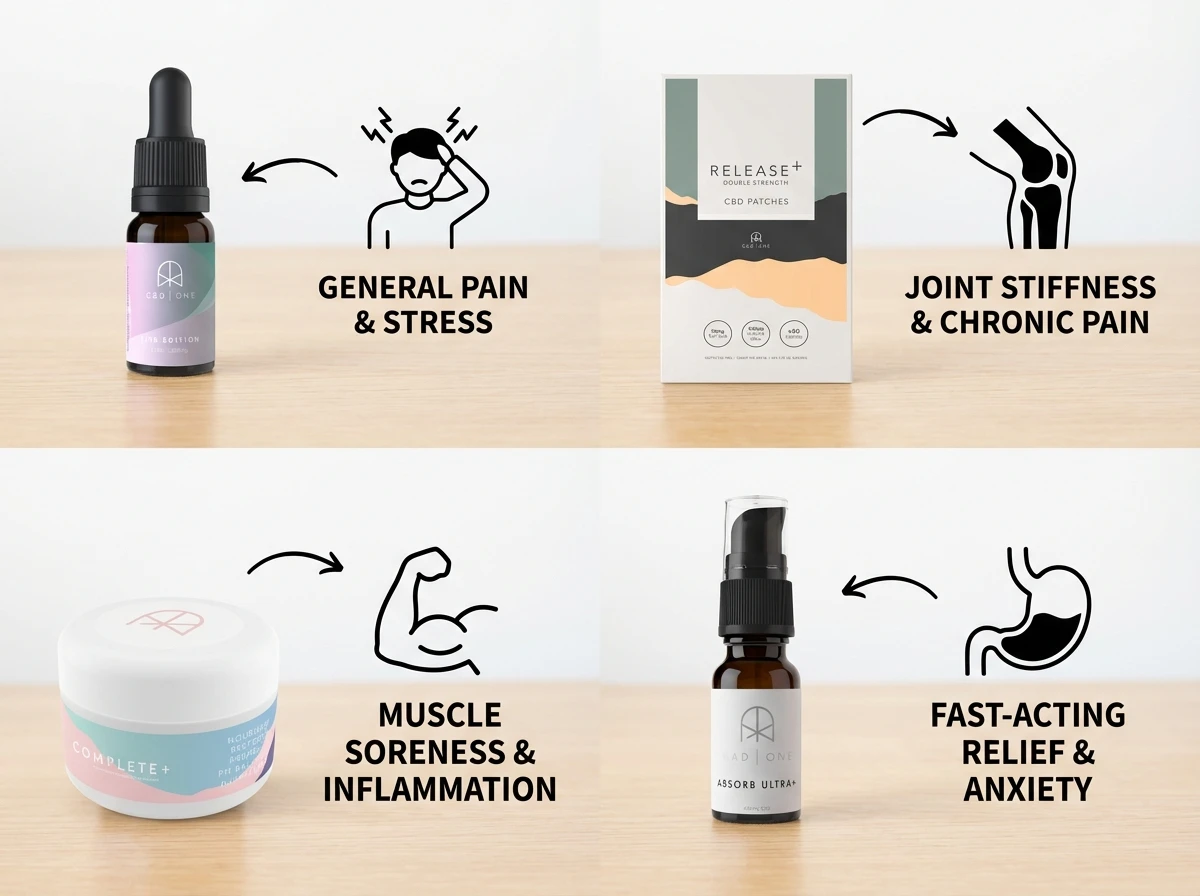
People often ask me “what is the best CBD for joint pain relief?” The honest answer is that the “best” choice is usually the one you will actually use consistently, at a sensible dose, from a brand you trust.
CBD oil (sublingual) for whole-body support
CBD oils are typically taken under the tongue. This can suit people who want a simple daily ritual and more of a whole-body effect. Absorption varies by person, and even by what you have eaten, but oils are popular because the dosing is flexible.
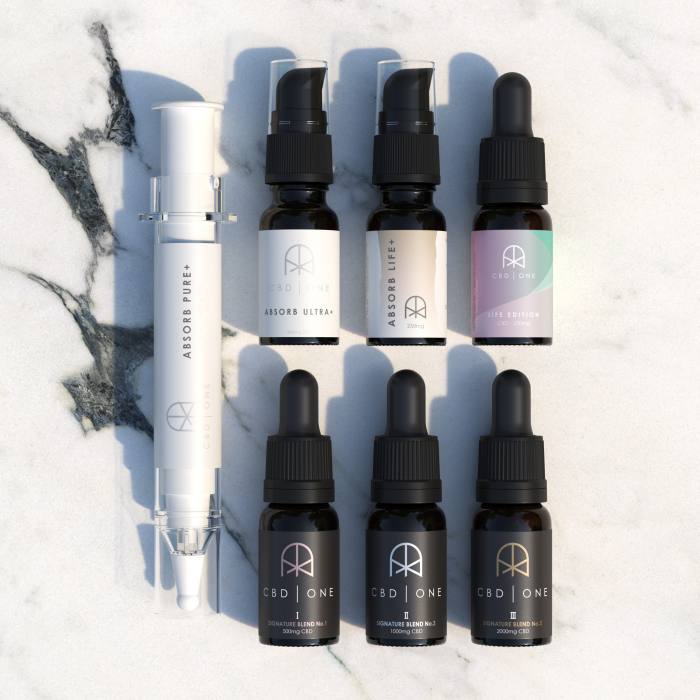
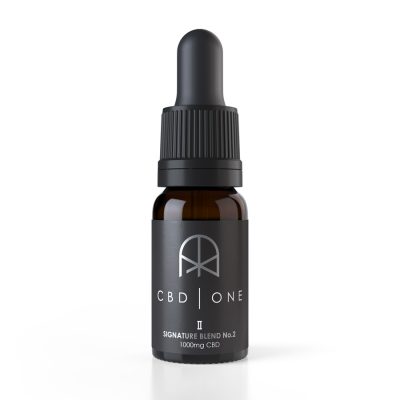
At CBD One, our oils are full spectrum and designed around the entourage effect approach. For example, our 10% CBD Oil [1000mg CBD] is a balanced option many adults choose for a steady daily routine, while higher strengths like 20% suit experienced users. (That is education, not a promise of results.)
If you want to browse formats rather than individual bottles, the CBD Oils category is a helpful starting point.
CBD patches for steady, measured dosing
Patches are a different approach. Instead of drops or capsules, you apply a patch to clean, dry skin and let it release CBD slowly over time. Some people like this for consistent dosing through the day, especially if they are busy or do not want to remember multiple servings.
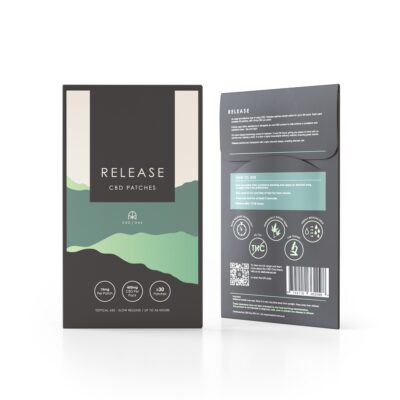
CBD One’s patch range includes options like CBD Patches [30 x 15mg] | Release and higher strength patches, and they are THC-free (CBD isolate). Our sheet data lists bioavailability at 40%+ for the 15mg patches, which is one reason some users like transdermal delivery. If patches interest you, read CBD Patches: Everything You Need To Know before you buy anything.
Patch placement, wear time, and skin tips
What many people overlook is that patches are only as “good” as the way you use them. If a patch is lifting, rubbing, or sitting on irritated skin, you are not giving it a fair chance.
- Choose a clean, dry area of skin with minimal hair, and avoid moisturiser right before application.
- Press firmly for a few seconds so the adhesive bonds properly, then try not to stretch the skin area straight away.
- Rotate placement day to day if you are using patches regularly, especially if your skin is sensitive.
- If you get redness, itching, or irritation, remove the patch and give that area time to settle before trying again.
Also, “steady release” is the point. Patches are not typically the format people choose when they want a rapid, noticeable effect. They are more about consistency and convenience.
CBD creams and balms (topicals) for local application
If your discomfort feels very “specific” to one area, like calves after a run or hands after gardening, topical CBD can feel like a more targeted ritual. You apply it to the skin, often alongside massage, heat, or mobility work.
Just keep your expectations realistic. Topicals are about local application and skin experience. They are not a shortcut around the foundations like movement, strength, and recovery. You can explore topical formats here: Topical CBD.
Water soluble CBD for people who dislike oil taste
Some people struggle with the earthy flavour of oils or just prefer adding CBD to a morning drink. Water soluble CBD is designed to mix into hot or cold drinks more easily than standard oils.
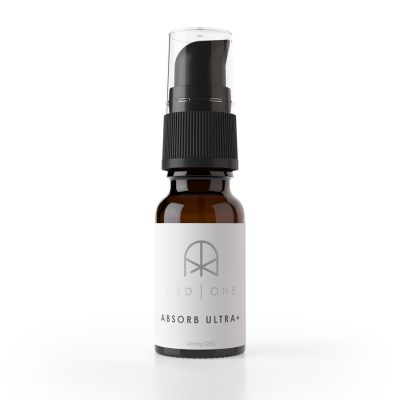
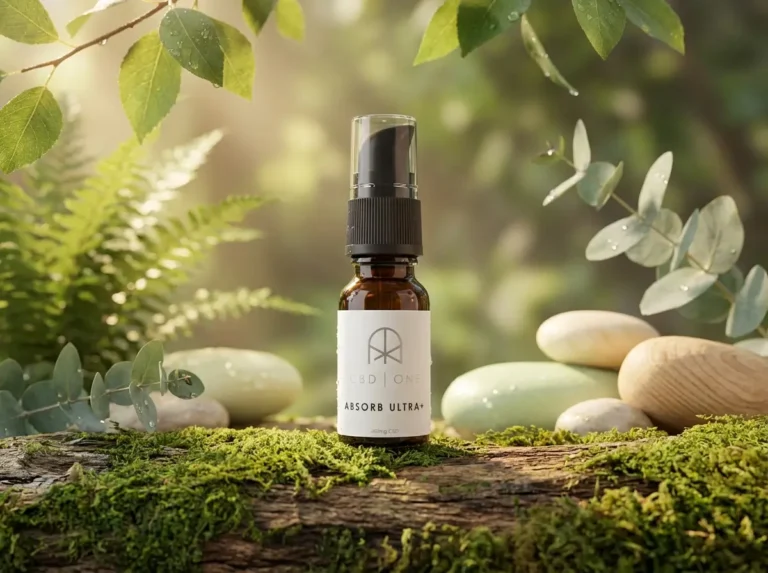
One example from our range is Absorb Ultra+, a full spectrum water soluble formula you can add to tea or coffee. This format often appeals to people who value convenience and consistency over “counting drops”.
What about CBD capsules for pain relief in the UK?
Capsules can be convenient and discreet, but they are not currently part of the CBD One range shown in our live product sheet. In general, capsules tend to have slower onset because they go through digestion first. Some people love the simplicity, others prefer the flexibility of oils or the steady approach of patches.
How to choose a format for different types of everyday discomfort
If you are trying to figure out what to buy, it helps to be specific about what “pain” means for you. In clinic, people use that one word for lots of different experiences, and your CBD format choice should match the job.
Here are a few practical patterns I see, without pretending CBD is a cure or a quick fix.
If it feels “general” or tied to stress, sleep, or recovery
When discomfort is wrapped up with poor sleep, a busy nervous system, or that wired-but-tired feeling, people often prefer a whole-body format. For some, that is a sublingual oil routine. For others, it is water soluble CBD because it is easier to take at the same time every day.
If it feels “local”, like one stubborn area
If one area is grabbing your attention, topicals can make sense. Not because they are magic, but because the application becomes a mini recovery ritual. A few minutes of self-massage, warmth, and gentler movement can matter, and CBD can be part of that overall experience.
If you want consistency without thinking about it
If your main struggle is remembering drops or working out timing, patches are often the simplest tool. You are essentially choosing a measured, slow approach that suits a busy day. If you go this route, take skin prep and placement seriously, because it affects how consistently you use them.
If you are tempted by “strongest” or “fastest” marketing
The reality is that “strongest” is often just shorthand for “most CBD per serving”, and that is not always the smartest starting point. Many people do better with a lower amount they can tolerate comfortably, taken consistently, rather than pushing hard and then giving up because they feel groggy or unsettled.
How to use topicals properly (so you actually get value from them)
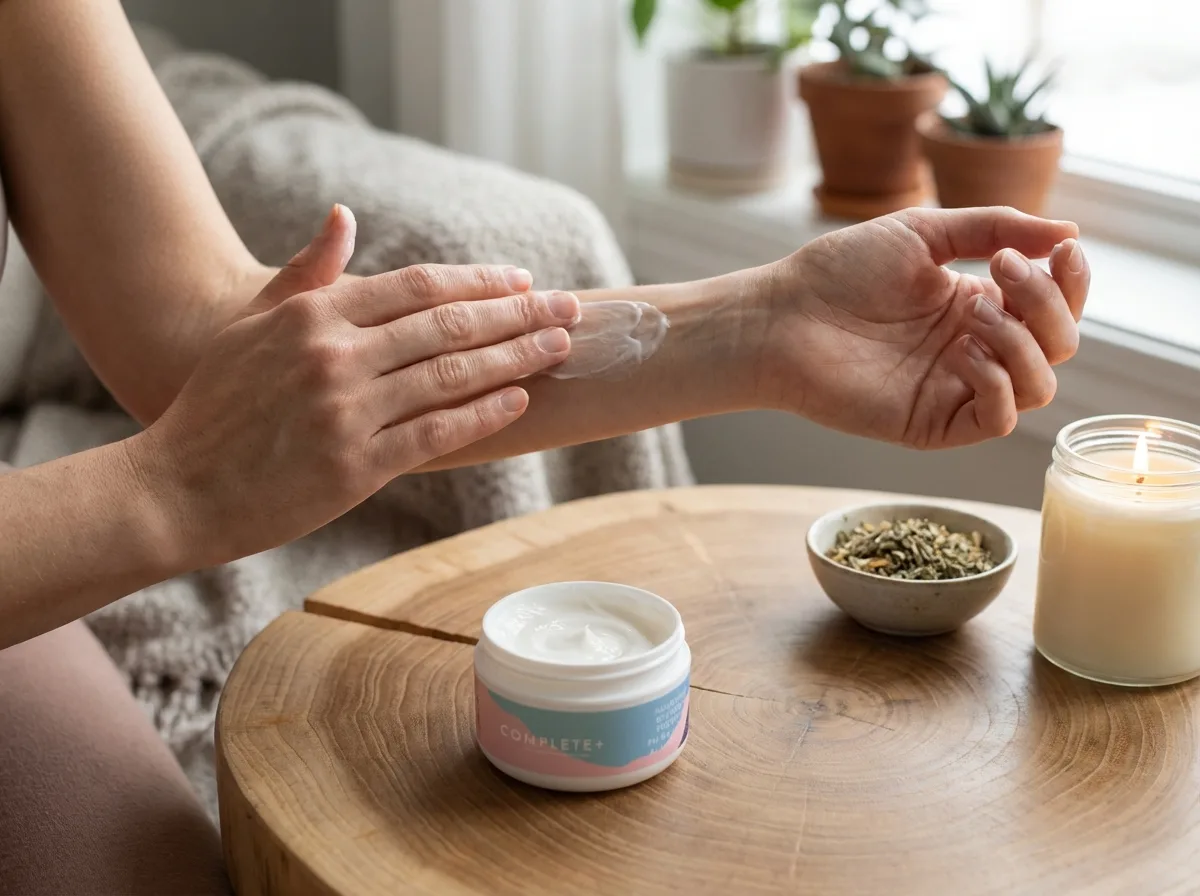
Topicals are one of the most misunderstood CBD formats. People sometimes apply a tiny amount once, expect a dramatic change, then write CBD off completely. Consider this instead: treat topical CBD as part of a practical, physical routine.
Use enough, and take your time
A topical works best when it becomes a two to five minute habit, not a rushed swipe. Apply a reasonable amount, then massage it in. The massage itself can be useful, especially after sitting all day or after training.
Pair it with heat or movement, if that suits you
If you know you respond well to warmth, a shower, bath, or heat pack can make a topical routine feel more effective, simply because your body is more relaxed. On the other side, gentle mobility straight after application can help you check in with what feels tight versus what feels weak or guarded.
Be sensible about skin and ingredients
Topicals are still products you put on your skin. If you are sensitive, patch test first, avoid broken skin, and keep an eye on ingredients like essential oils or strong fragrances. If irritation shows up, stop using it and keep things simple.
How to use CBD for comfort: simple routines that make sense
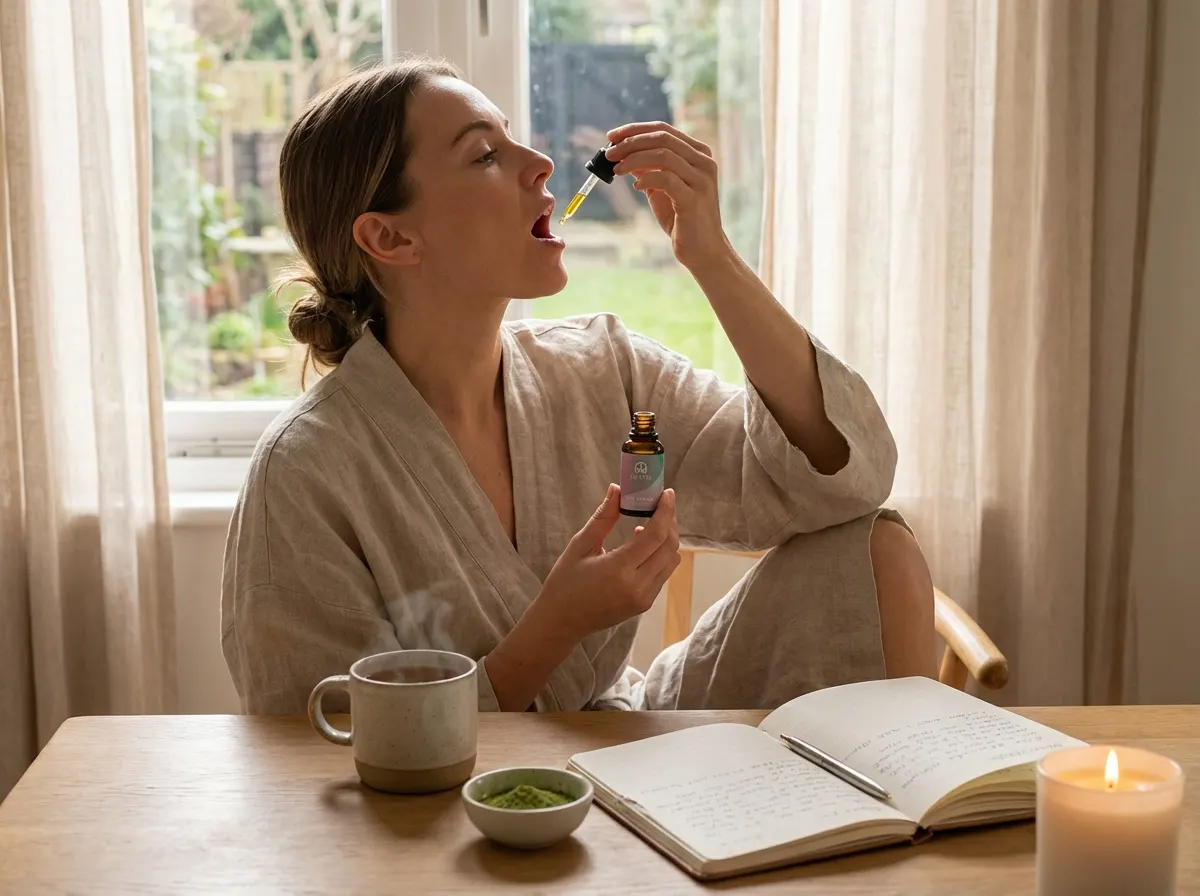
When people tell me CBD “did nothing”, it is usually one of three things: the product was low quality, the dose was too small (or inconsistent), or expectations were unrealistic.
Start low, go slow, and keep notes
In practice, this means choosing a modest starting amount and sticking with it for a few days. Then you adjust gradually. Your ideal amount depends on your body size, sensitivity, your routine, and what you are trying to support (sleep, post-exercise recovery, daily comfort).
UK guidance from the Food Standards Agency (FSA) recommends healthy adults do not exceed 70mg of CBD per day. If you are unsure how to translate that into drops, pumps, or patches, use the CBD Dosage Calculator as a practical reference point.
Pair CBD with the habits that actually move the needle
Consider this: discomfort is often the result of load, stress, sleep debt, and repetition. CBD may support your routine, but it cannot replace the basics.
- Movement: gentle mobility, walking, and strength work tailored to you
- Recovery: sleep routine, hydration, protein, and rest days
- Local care: heat, massage, or topical rituals if they suit you
- Consistency: the same time each day often beats “as needed” guessing
Give it a fair trial
Many people find CBD is subtle. You might notice “I slept better”, “I felt less tense”, or “my morning stiffness felt a bit easier to manage” rather than a dramatic switch-off. If you want to understand timings and what to expect, our guide on How Long Does CBD Take To Work? is a useful read.
Quality and label reading in the UK: what to look for
If you are comparing “CBD oil Holland and Barrett for pain relief” versus an independent brand, I would zoom out from the retailer and focus on fundamentals: what is in it, how it is tested, and whether the lab report matches the label.
Quality checklist (simple, but important)
- Clear CBD content: mg per bottle and ideally mg per serving
- Spectrum stated: full spectrum, broad spectrum, or isolate
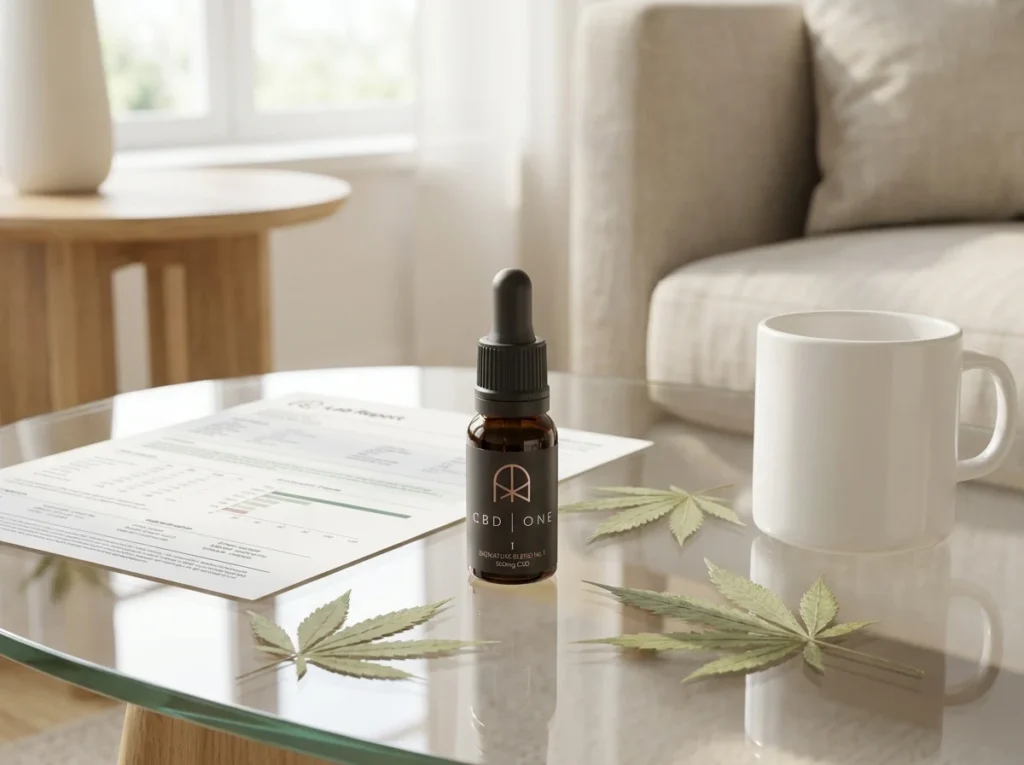
- Independent lab testing: a recent certificate of analysis you can actually access
- Ingredient transparency: carrier oil, flavourings, and allergens clearly listed
- Realistic language: avoids medical claims and miracle promises
Why brand philosophy can matter
What many people overlook is that CBD is not just “CBD”. The farming, extraction, and formulation choices show up in taste, consistency, and how confident you feel using it daily.
CBD One products in our live sheet are vegan and plant based, and several lines are full spectrum with lab verification listed. That does not make them “better” for everyone, but it is an example of the kind of transparency you should expect from any company you buy from.
If you want help comparing options sensibly, the CBD Product Comparison page is designed to make the differences clearer without the hype.
UK rules and reality checks (legal, THC, and “medical cannabis” confusion)
A lot of CBD confusion comes from the fact that people mix up three different things: over-the-counter CBD supplements, cosmetic topicals, and prescribed medical cannabis.
CBD supplements are not the same as medical cannabis
In the UK, some cannabis-based medicines can be prescribed in specific situations by specialist doctors. That is separate from wellness CBD oils and patches you can buy online. If you ever see a CBD brand trying to blur that line, be cautious.
Full spectrum and THC: what “trace” really means
Full spectrum products can contain trace THC within legal limits. That is one reason some people prefer CBD isolate formats, particularly if they have workplace testing concerns. It is also why lab reports matter. “Legal” does not automatically mean “zero THC”, and “THC-free” should be backed up by a certificate of analysis, not just a label claim.
“CBD near me” and marketplace shopping
If you are buying from a shop, a marketplace, or a big retailer, the same checklist still applies: clear CBD content, stated spectrum, and accessible third-party testing. Convenience is great, but not if you cannot verify what you are taking.
Safety, side effects, and interactions
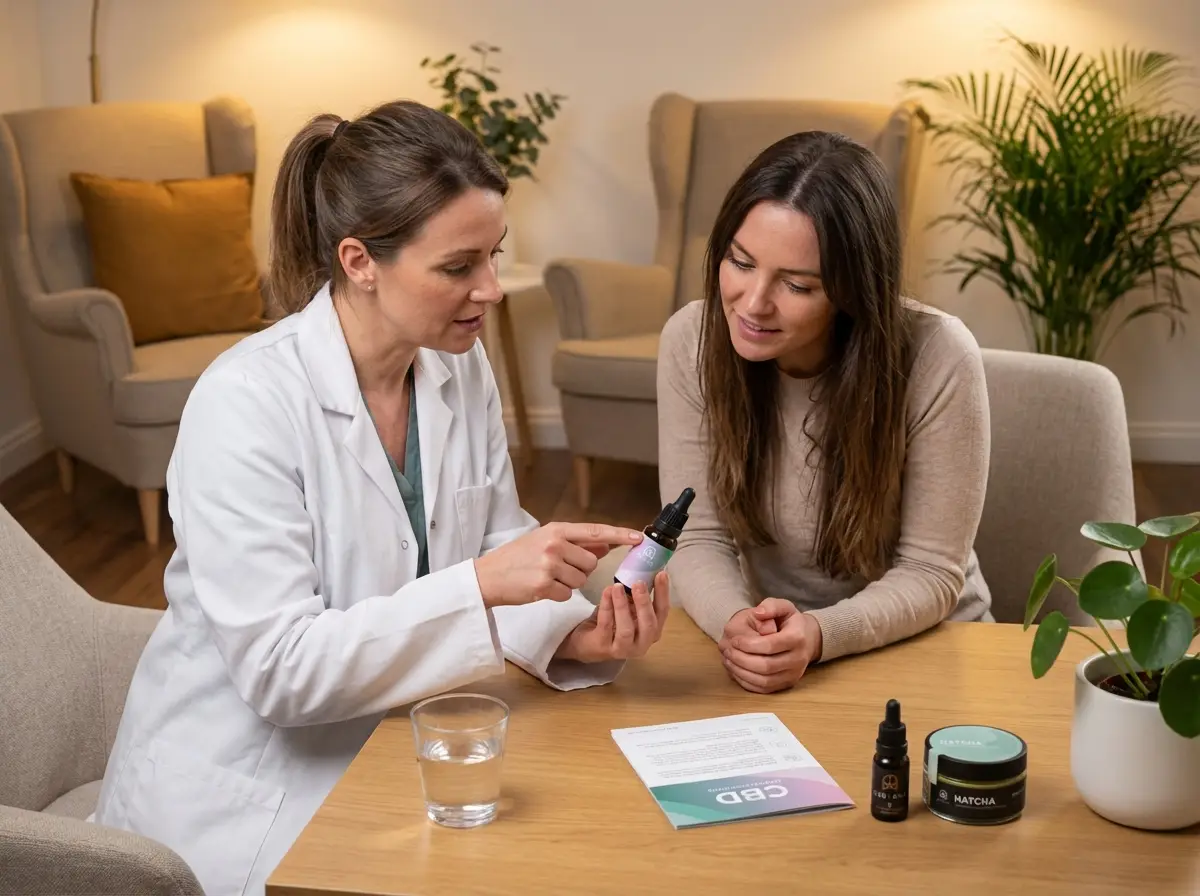
CBD is generally well tolerated by many adults, but “natural” does not automatically mean “risk free”. Your safety comes first, especially if you are taking prescription medication or managing a health condition.
Possible side effects
Some users report mild side effects such as sleepiness, changes in appetite, digestive upset, or feeling a bit “dry” (mouth or eyes). Often this is dose related, which is another reason starting low makes sense.
Speak to your GP if you take medication
CBD can interact with some medicines. If you are on anything prescribed, especially medicines with a grapefruit warning, blood thinners, anti-epileptics, or complex medication plans, check in with a pharmacist or GP before using CBD.
This is important enough that I recommend reading CBD and Medication before you experiment.
Driving and work considerations
Full spectrum products can contain trace THC within legal limits, which is different from being “THC-free”. If you are regularly tested at work, patches made with CBD isolate may be a more suitable conversation to have, but nothing can be guaranteed. Always choose products with accessible lab reports and be cautious with timing if you feel drowsy.
Frequently Asked Questions
Does CBD work for pain relief?
CBD is not licensed as a pain medicine in the UK, so it should not be presented as a treatment or a cure. That said, many people use CBD as part of a wider comfort and recovery routine. Some users report that CBD helps them feel calmer, less tense, or better able to cope with everyday niggles, which can change how discomfort feels. The key is realistic expectations, consistent use, and choosing a quality product with clear lab testing. If pain is persistent, severe, or new, speak with a healthcare professional.
What is the best CBD for joint pain relief?
The “best” CBD is usually the format you will use consistently. Oils can suit people who want flexible dosing and whole-body support. Topicals can suit people who like local application alongside massage or mobility work. Patches can suit people who want measured, steady dosing across the day. Quality matters more than trends, so look for clear CBD content, a stated spectrum (full spectrum or isolate), and a current independent lab report. If you are unsure, use a simple diary for a week to track dose, timing, and how you feel.
Is CBD oil better than CBD cream for pain relief?
They are different tools. CBD oil is generally used for broader, whole-body support because it is taken orally (often under the tongue). A CBD cream is applied to the skin, so it is usually chosen for a local ritual, for example after training or as part of a self-massage routine. Neither option should be framed as a medical solution. Think of it this way: oil is about your overall system and routine, cream is about a specific area and the soothing process of applying it.
Are CBD patches good for pain relief?
CBD patches are popular with people who want consistency. You apply them to clean, dry skin and they release CBD slowly over many hours. Some users prefer this because they do not have to remember multiple doses, and the amount per patch is clearly measured. Still, patches are not “stronger” just because they are patches. Your results depend on the patch quality, your routine, and your individual response. If you are considering patches, it is worth reading the basics first: placement, wear time, and what “transdermal” actually means.
Do CBD capsules for pain relief work in the UK?
Capsules can work well for people who want a set amount each time and do not like the taste of oils. Because capsules go through digestion, they can take longer to kick in than sublingual oils, and the effects may feel more gradual. The UK market varies a lot in quality, so look for reputable brands with clear lab testing and transparent dosing per capsule. If you are taking other supplements or medications, check with a pharmacist or GP first, as interactions can still apply.
How much CBD should I take for pain relief?
There is no universal dose for “pain relief” because CBD is not a medicine and people respond very differently. A sensible approach is “start low and go slow”, then adjust gradually while keeping notes. Healthy adults in the UK are advised by the FSA not to exceed 70mg CBD per day. Your ideal amount may be much lower than that. If you want a practical way to estimate servings from different product types, use the CBD Dosage Calculator and consider speaking to a healthcare professional for personalised advice.
How long does CBD take to work for discomfort?
Timing depends on format and your body. Sublingual oils are often noticed sooner than swallowed formats because they can absorb through tissues in the mouth. Capsules and edibles tend to be slower because they go through digestion. Patches release slowly over many hours, so the experience can feel steadier rather than immediate. Topicals are more about the local ritual of application and massage. If you want a more detailed breakdown of timings and what affects absorption, read How Long Does CBD Take To Work?.
Can I take CBD with ibuprofen or other painkillers?
This is where I want you to be cautious. CBD can interact with some medications, and everyone’s situation is different. While some people do combine CBD with over-the-counter pain relief, it is not something I can recommend universally. If you take regular medication, have liver concerns, or use multiple products, speak to a pharmacist or GP first. A good first step is to read CBD and Medication, then bring that information into a proper healthcare conversation.
Is full spectrum CBD better for pain relief than isolate?
Some users prefer full spectrum because it contains CBD alongside other hemp compounds, which may contribute to the entourage effect. Others choose isolate because it is CBD only, often with a focus on being THC-free. Neither is automatically better, and research is still evolving. Your choice might come down to personal preference, sensitivity, workplace testing concerns, and how you feel using each format. Whatever you choose, prioritise quality, clear lab reports, and realistic expectations rather than getting pulled into “strongest is best” marketing.
What should I look for when buying CBD for pain relief in the UK?
Focus on transparency and compliance rather than big promises. Check the label for total CBD in mg, the spectrum (full spectrum or isolate), and ingredients. Look for independent lab reports that confirm cannabinoid content and screen for contaminants. Be wary of products that claim to “treat pain” or reference diseases, as that is not compliant in the UK. For a calmer way to compare options, use a structured resource like our CBD Buying Guide and take your time.
Is CBD legal in the UK for pain relief?
CBD products can be legal to buy in the UK when they meet the relevant rules, but they still cannot be sold as a treatment for pain. In simple terms: a brand can talk about general wellbeing support and product quality, but it should not claim CBD “treats” or “cures” anything. If you are unsure, choose companies that are transparent with lab reports and keep their language realistic and compliant.
Will CBD show on a drug test?
CBD itself is not usually what workplace drug tests are looking for. The bigger issue is THC. Full spectrum products can contain trace THC within legal limits, and while many people use them without issues, no result can be guaranteed. If testing is a serious concern for you, it may be worth discussing CBD isolate options and being extra strict about choosing products with accessible, up-to-date lab reports.
Can CBD help quickly?
Some people feel something fairly quickly with sublingual oils, while others find it subtle or notice it more over time. Patches are designed for a steadier release, so they are not usually the “quick” choice. Topicals can feel comforting as part of massage and self-care, but that is different from a fast, dramatic change. If you are aiming for long-term support, consistency tends to matter more than chasing immediate effects.
Key Takeaways
- CBD is not a medicine in the UK, so it cannot be marketed as a pain treatment, but many people use it to support everyday comfort routines.
- Your format matters: oils are flexible, patches are steady and measured, topicals suit local rituals, and water soluble options can be easier to take consistently.
- Start low, go slow, and stay under the FSA recommended maximum of 70mg CBD per day for healthy adults.
- Quality is non-negotiable: clear mg content, stated spectrum, and accessible independent lab testing.
- If you take medication or have ongoing pain, speak to your GP or pharmacist before using CBD.
Conclusion
If you are exploring CBD pain relief, I would encourage you to keep it simple and grounded. CBD may support comfort indirectly by helping you feel more settled, improving recovery routines, or taking the edge off everyday physical stress for some people. But it is not a “fix”, and it should never replace proper assessment if pain is persistent, worsening, or affecting your sleep and mood.
Choose a format you can stick with, start with a low amount, and track what you notice for a couple of weeks. Pay more attention to product quality and lab reports than flashy claims, and always think about CBD as one part of a bigger toolkit that includes movement, strength, sleep, and stress management.
If you want help choosing a sensible starting point, explore our CBD Buying Guide and keep your routine consistent.