
Hemp Oil for Pain: Complete UK Guide (2026)
In this guide, I will walk you through what hemp oil is, how it differs from CBD oil, what we do and do not know about “pain” support, and how to choose and use products safely and sensibly in the UK.
What people mean by “hemp oil” in the UK
When someone says “hemp oil”, they usually mean one of these:
- Hemp seed oil: pressed from hemp seeds, used as a food oil or in skincare. It contains little to no CBD.
- CBD oil: a hemp extract (typically from the aerial parts of the plant) blended into a carrier oil. This is where you get meaningful CBD content.
Consider this: many products online are labelled “hemp oil” because it sounds familiar, even when they are actually CBD oils, or they are hemp seed oils marketed in a way that makes you think they contain cannabinoids.
If you want the clearest overview of the difference, this existing article is a good companion read: Hemp Oil vs CBD Oil.
A quick label check that saves you money
If the bottle lists “CBD” in milligrams (mg), it is a CBD product. If it only lists “hemp seed oil” (or “Cannabis sativa seed oil”) with no CBD mg, it is a seed oil product.
That one detail changes the whole conversation about “hemp oil for pain”.
Hemp seed oil vs CBD oil for pain: the real differences
Think of hemp seed oil like olive oil: it is a nutritional oil with fats and plant compounds, often used to support general wellbeing as part of diet and lifestyle.
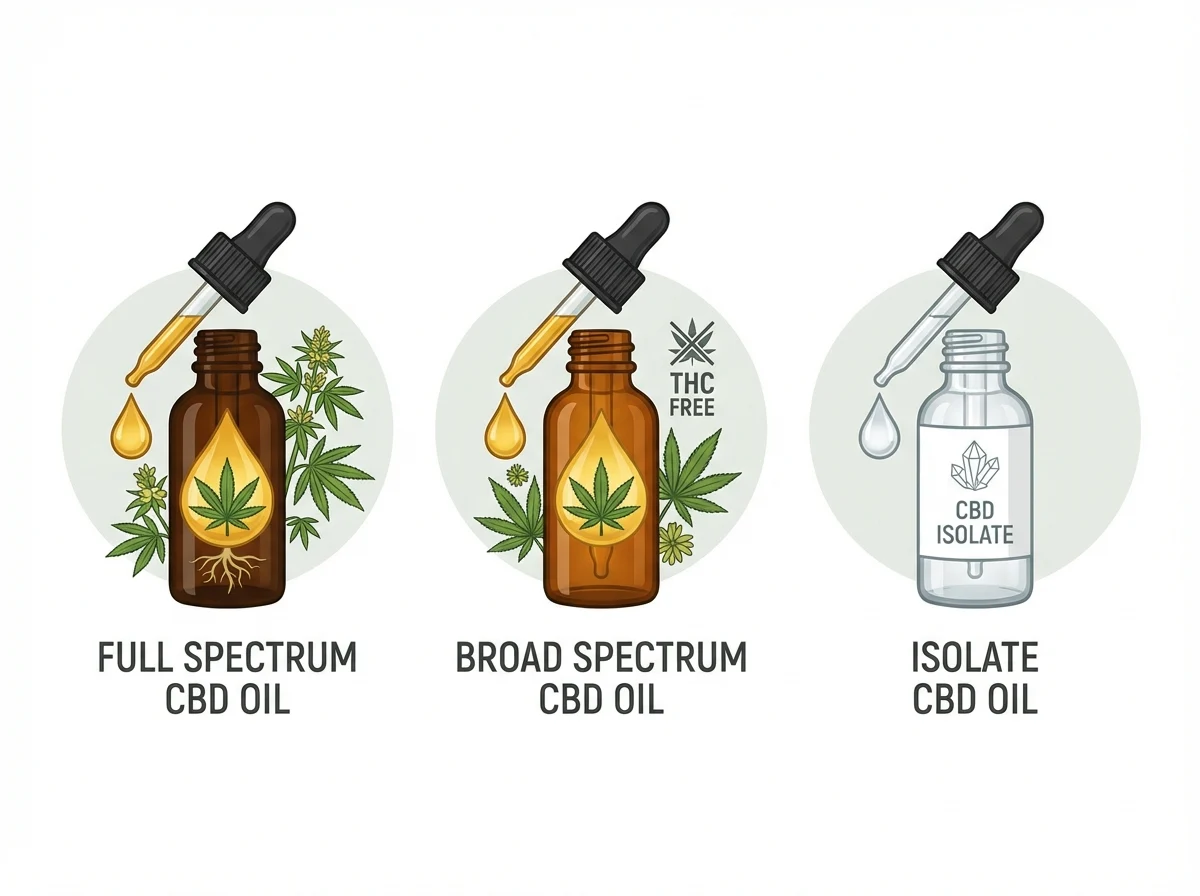
CBD oil is different. It is used for its cannabinoid content, especially CBD, and sometimes other naturally occurring compounds depending on the spectrum (full spectrum, broad spectrum, isolate).
Why “CBD hemp oil” is a confusing phrase
People often search for “CBD hemp oil for pain”, but brands use the wording differently. Some mean “CBD oil made from hemp”. Others mean “hemp seed oil with added CBD”. The only reliable method is to look for the CBD content in mg and check a lab report (often called a COA, certificate of analysis).
What does “full spectrum” actually mean?
Full spectrum CBD products contain CBD plus minor cannabinoids, terpenes, and other plant compounds, with trace THC within legal limits. Many people prefer full spectrum because of the “entourage effect”, which is the idea that plant compounds may work better together than alone.
If you want the deeper explanation, have a look at The Entourage Effect.
From a practical standpoint, if you are comparing products, you will also want to understand strength and what those percentages mean. These two guides help: CBD Oil Strength Guide and CBD Oil Dosage Guide.
“Hemp oil” on labels: common UK marketing terms that confuse shoppers
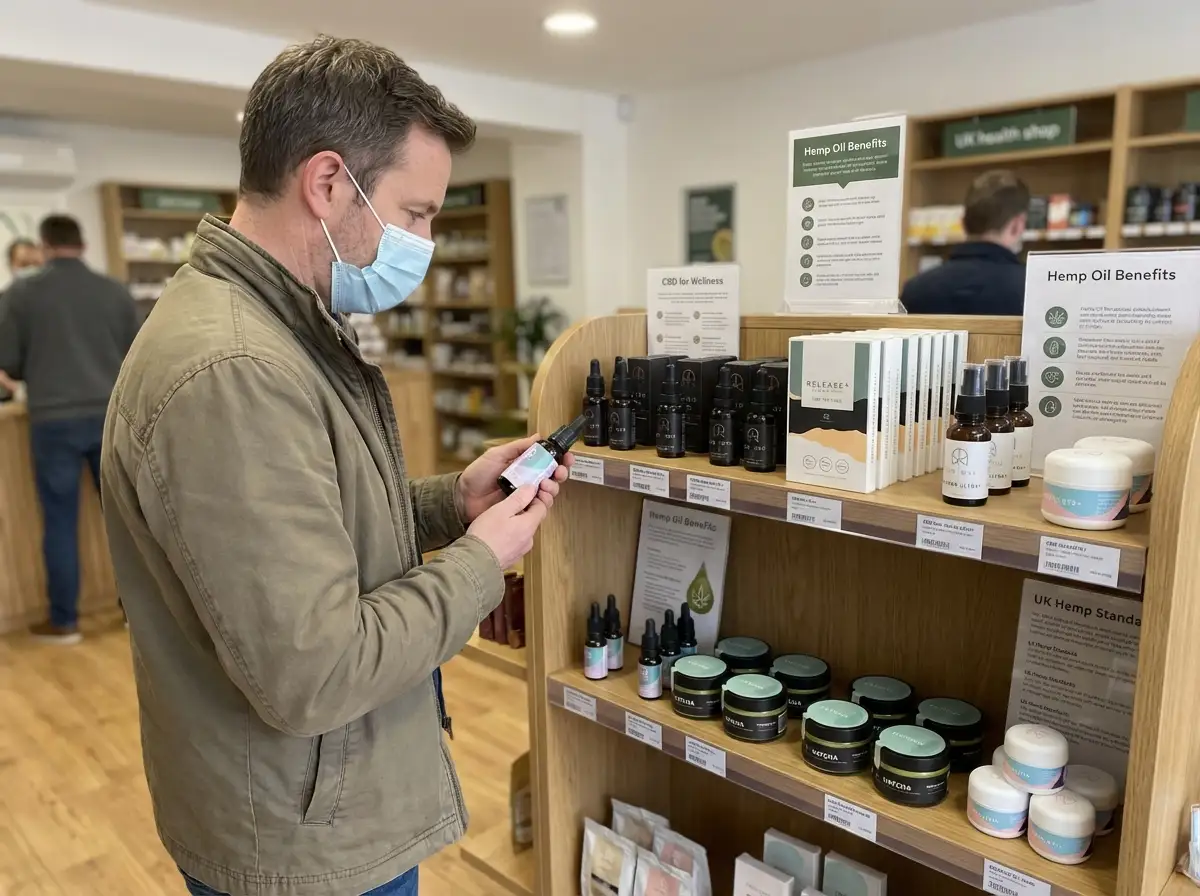
What many people overlook is that “hemp oil” is not a regulated product category term in the same way as, say, “olive oil”. It is a phrase, and brands use it in different ways.
So if you are shopping with “pain support” in mind, it helps to recognise a few patterns that come up again and again.
Hemp drops, hemp extract, hemp tincture
These phrases can describe a CBD oil, but they can also be used for hemp seed oil products that contain no meaningful cannabinoids. Do not assume. Look for CBD shown in mg, and ideally a batch-specific COA.
Hemp seed oil vs hemp extract (and why it matters)
“Hemp seed oil” is pressed from seeds. “Hemp extract” usually means an extract from the aerial parts of the plant, which is where cannabinoids come from. If you see “hemp extract” but no CBD mg listed, treat it as a red flag for unclear labelling.
Hemp oil capsules
Capsules are a good example of why checking matters. Some “hemp oil capsules” are simply hemp seed oil in a capsule, which is essentially a convenient way to take a nutritional oil. Others are CBD capsules, where the label will tell you CBD in mg per capsule. Two totally different expectations.
Can hemp oil help with pain? What’s realistic
This is where honesty matters. “Pain” is not one simple thing. It can be muscular, joint-related, nerve-related, stress-linked, inflammatory, or a mix. That also means no oil, hemp or otherwise, is a guaranteed fix.
Hemp seed oil, as a food oil, may support general wellbeing because it contains fatty acids and is often used as part of a balanced diet. Some people also like it topically because it feels nourishing on dry or irritated skin. But it is not a high-CBD product, so it is not really a cannabinoid-led approach.
CBD oil is the product people usually mean when they are looking for a cannabinoid-led option. Some users report that CBD supports comfort, helps them feel more relaxed around physical tension, or supports better sleep, which can change how you cope day to day. The reality is the research is still developing, and responses vary massively from person to person.
Why expectations often get people disappointed
What many people overlook is that CBD is not an “instant numbing” product. For a lot of people it is more about nudging the body towards balance, especially when paired with sensible routines like movement, hydration, sleep consistency, and stress management.
If you want a foundational explainer on how CBD interacts with the body, you may find this useful: How Does CBD Oil Work?
How to use hemp seed oil for pain (practical options)
If what you have is hemp seed oil (food grade), the most sensible way to think about it is as a lifestyle support, not a targeted “pain product”.
Using hemp seed oil in your routine
Many people use hemp seed oil in simple ways: drizzled over salads, added to smoothies, or used in dips. It is usually best used cold, rather than heated, to protect the fatty acids.
In practice, this means you would use it like any other nutritious oil: consistently and as part of the bigger picture. If you are dealing with persistent or severe pain, I would not rely on hemp seed oil alone. It is worth speaking to a pharmacist, physio, or GP to get clarity on what is driving the symptoms.
Topical use: skin comfort vs deep “pain”
Some people apply hemp seed oil to dry skin after a shower, especially around areas that feel tight. That can feel comforting, but it is not the same as a targeted approach for deeper discomfort.
If you want to explore topical options that are designed specifically for skin application, you can browse the Topical CBD category to understand what these products are and how they are typically used.
How to use CBD oil safely if pain is your goal
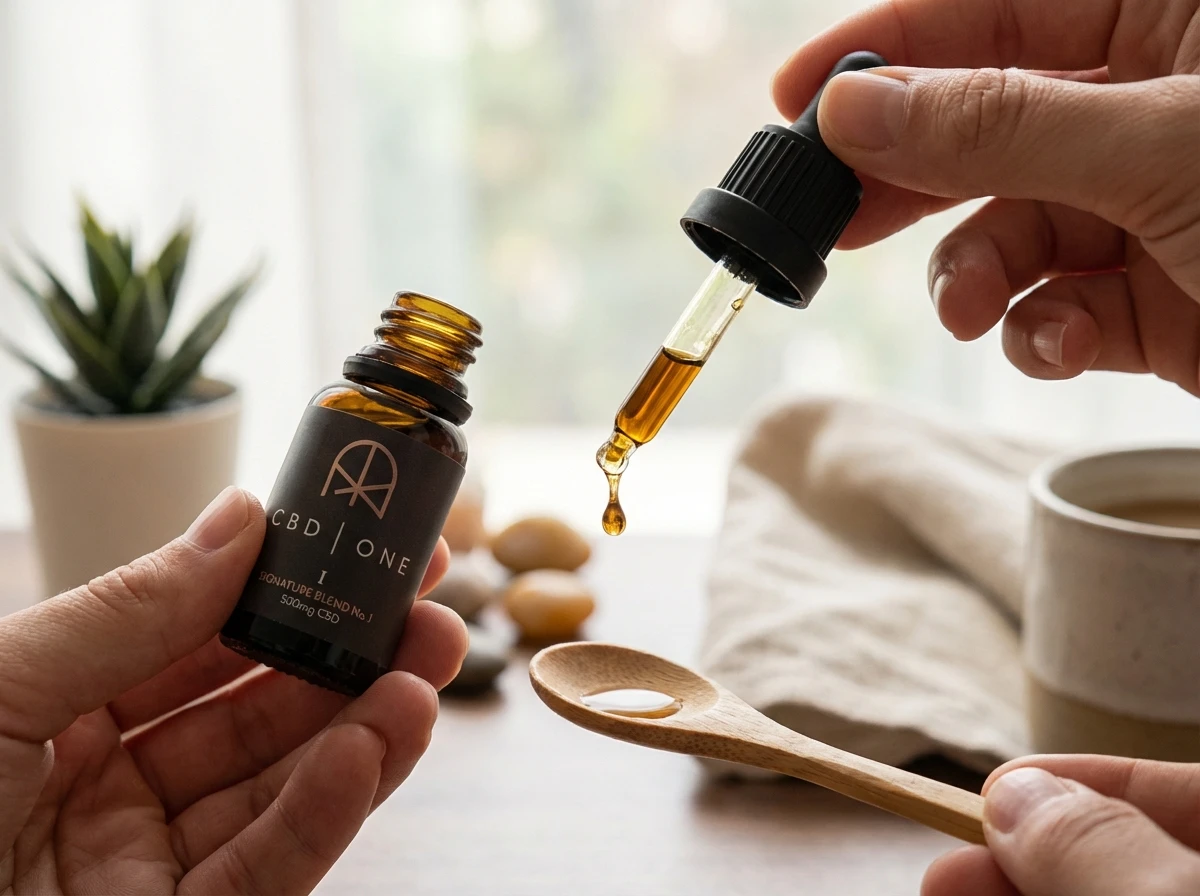
Now, when it comes to CBD oil, the goal is usually simple: find a dose and routine that feels supportive, without overdoing it or chasing a quick fix.
Start low, go slow, stay consistent
In the UK, the Food Standards Agency suggests healthy adults do not exceed 70mg CBD per day. That is not a “target”, it is a safety guideline. Many people use much less than that.
A sensible approach is to start with a low amount, keep it steady for several days, and only then adjust. If you want a clear walkthrough, read How to Take CBD Oil.
Absorption matters more than people think
CBD oils are often taken under the tongue. This can improve absorption compared to swallowing straight away. CBD One’s full spectrum CBD oils, for example, list a bioavailability of around 0.12 (12%), which is typical for oil-based formats.
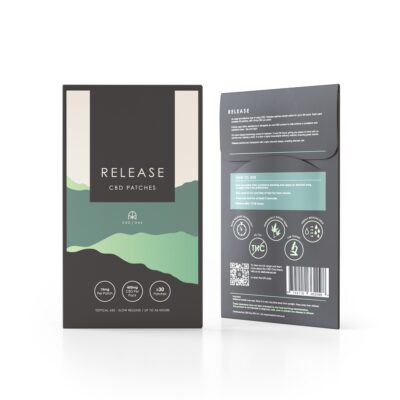
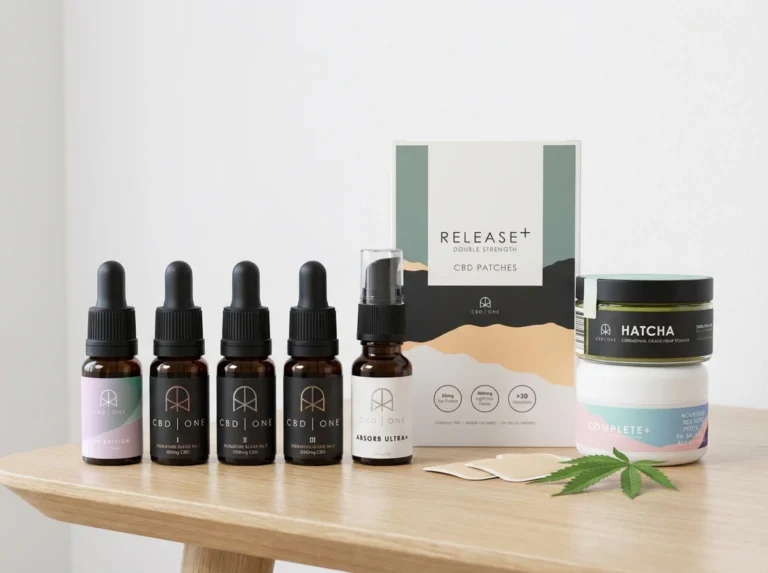
Some people prefer other formats for convenience or consistent dosing. Transdermal patches are one example. CBD One has patch options like CBD Patches [30 x 15mg] | Release (listed with 40%+ bioavailability), which some users like for steady, measured dosing through the day. It is not “better” for everyone, it is just a different delivery route.
Check medication interactions first
If you take prescription medication, speak to your GP or pharmacist before using CBD. CBD can affect how your body processes certain medicines.
This guide explains it in plain English: CBD and Medication.
Hemp oil safety and side effects: what to watch for
It is easy to assume that because something is plant-based, it is automatically risk-free. The reality is more nuanced. Safety depends on which “hemp oil” you are using, how much you take, and what else is going on with your health and medication.
Hemp seed oil: food-like, but still not for everyone
Hemp seed oil is generally used like other dietary oils. The main issues I see in practice are practical rather than dramatic: some people simply do not tolerate oily foods well, and some people overdo it quickly because it feels “healthy”. If you are on a specific diet, have digestive sensitivities, or are managing calorie intake closely, it is worth treating it like any other oil and introducing it gradually.
CBD oil: possible side effects and why they happen
With CBD, some users report things like feeling more tired than expected, a dry mouth, light-headedness, or stomach upset. Sometimes that is CBD, sometimes it is the carrier oil, and sometimes it is simply that the dose was too high for that person at that moment.
Consider this: if you take CBD and you feel “off”, that is useful information. It usually means you need to reduce the amount, change the timing, or pause and reassess rather than pushing through.
When to be extra cautious
If you are pregnant, breastfeeding, have liver problems, or you take prescription medication, it is worth having a proper conversation with a healthcare professional before using CBD. And if your pain is new, severe, worsening, or comes with symptoms like unexplained weight loss, fever, numbness, or changes in bowel or bladder function, that is not a “try another oil” situation, it deserves a timely clinical check.
Choosing a quality product in the UK (labels, testing, legality)
When someone asks me what the “best CBD oil for pain management UK” is, I always slow the conversation down. “Best” depends on your sensitivity, your experience with CBD, your preferences (taste, routine, format), and whether you need to avoid THC completely.
Think of it this way: your first job is not to find the strongest oil. Your first job is to find a product you can trust and use consistently.
What to look for on the label
- CBD listed in mg (for the full bottle) and ideally per serving
- Clear spectrum type (full spectrum, broad spectrum, isolate)
- Batch-specific lab report (COA) showing cannabinoid content
- Clear ingredients list (carrier oil matters for taste and tolerance)
Strength: avoid guessing
Higher percentage does not automatically mean “more effective”. It can simply mean you need fewer drops for the same mg dose. If you are unsure, use a guide like CBD Oil Strength Guide to translate percentages into a practical routine.
Where to browse, if you are comparing oils
If you want to see examples of UK full spectrum oils and how strengths are presented, the CBD Oils category page is a straightforward starting point.
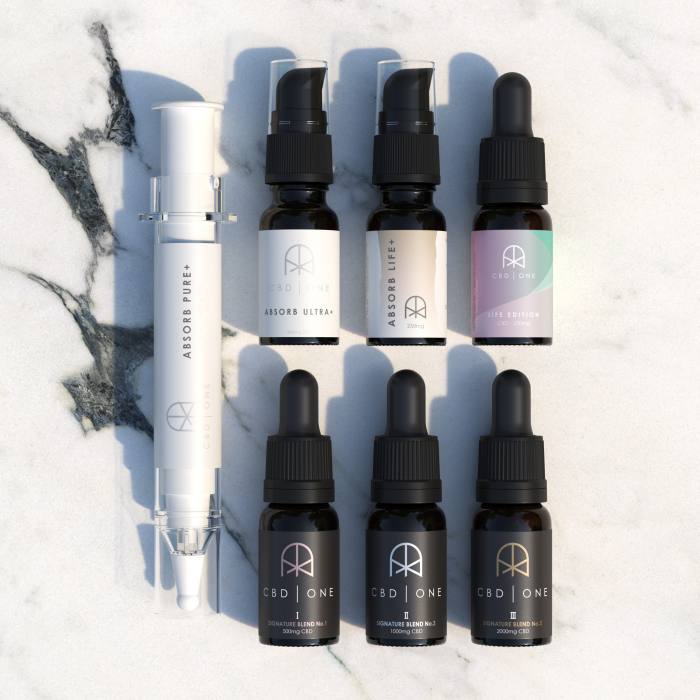
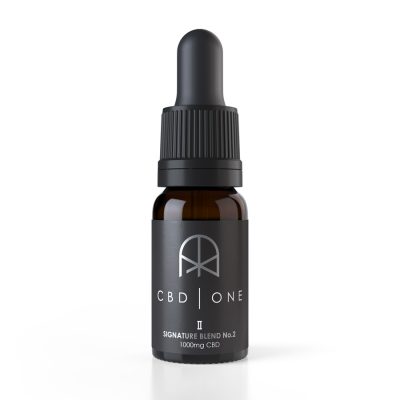
One example from CBD One is their full spectrum Signature Blend oils, which are blended with hempseed oil and designed to keep a rich terpene profile. That “whole plant” approach is popular with people who like the entourage effect philosophy, but it is still important to choose based on your needs, not marketing.
What about “Blessed CBD shop” searches?
People often search phrases like “CBD oil for back pain blessed cbd shop” or “CBD oil for joint pain blessedcbd shop” when they are comparing brands. I cannot comment on other retailers’ products here.
What I can say is this: whichever brand you look at, the same quality rules apply. Check the CBD mg, check the COA, check the ingredient list, and be wary of any brand making medical claims. In the UK, CBD products are not medicines and should not be marketed as if they are.
Is hemp oil legal in the UK? A simple breakdown
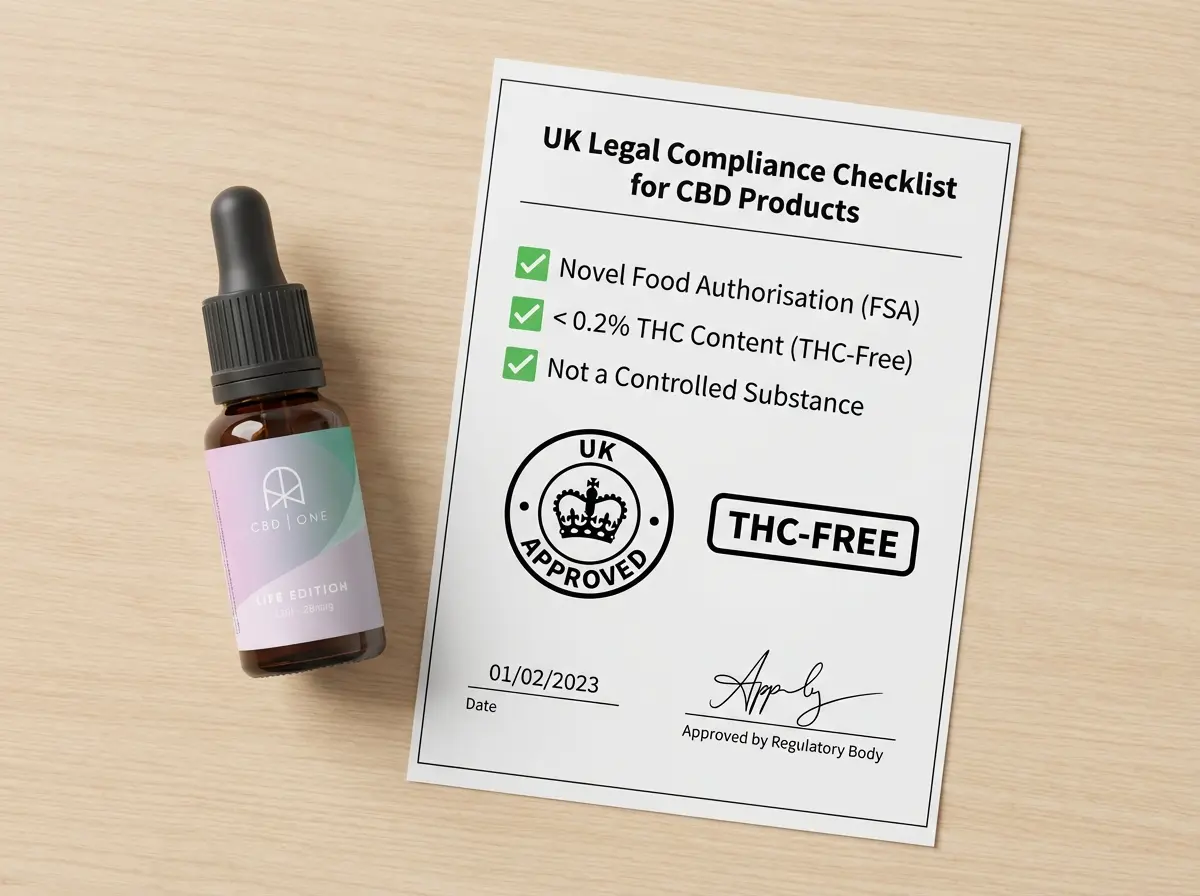
This is a really common question, and the confusion usually comes from the fact that people bundle hemp, CBD, and cannabis into one mental category.
Hemp seed oil
Hemp seed oil is a food or cosmetic ingredient. You will see it sold in supermarkets and health shops, and it is generally not controversial in the way people assume “cannabis products” are. It should be marketed and labelled as a food oil or skincare ingredient, not as a medical product.
CBD oil (hemp extract products)
CBD products can be sold legally in the UK when they meet relevant requirements, including THC limits and the rules that apply to ingestible CBD as a novel food. In day-to-day terms, you want a brand that is transparent, tests its batches, and does not make medical claims.
The reality is that “legal” and “good quality” are not the same thing. A product can look legitimate on a website and still be poorly labelled. That is why you always come back to the basics: CBD in mg, spectrum type, and a batch-specific COA.
How to choose between oils, capsules, patches, and topicals (without overcomplicating it)
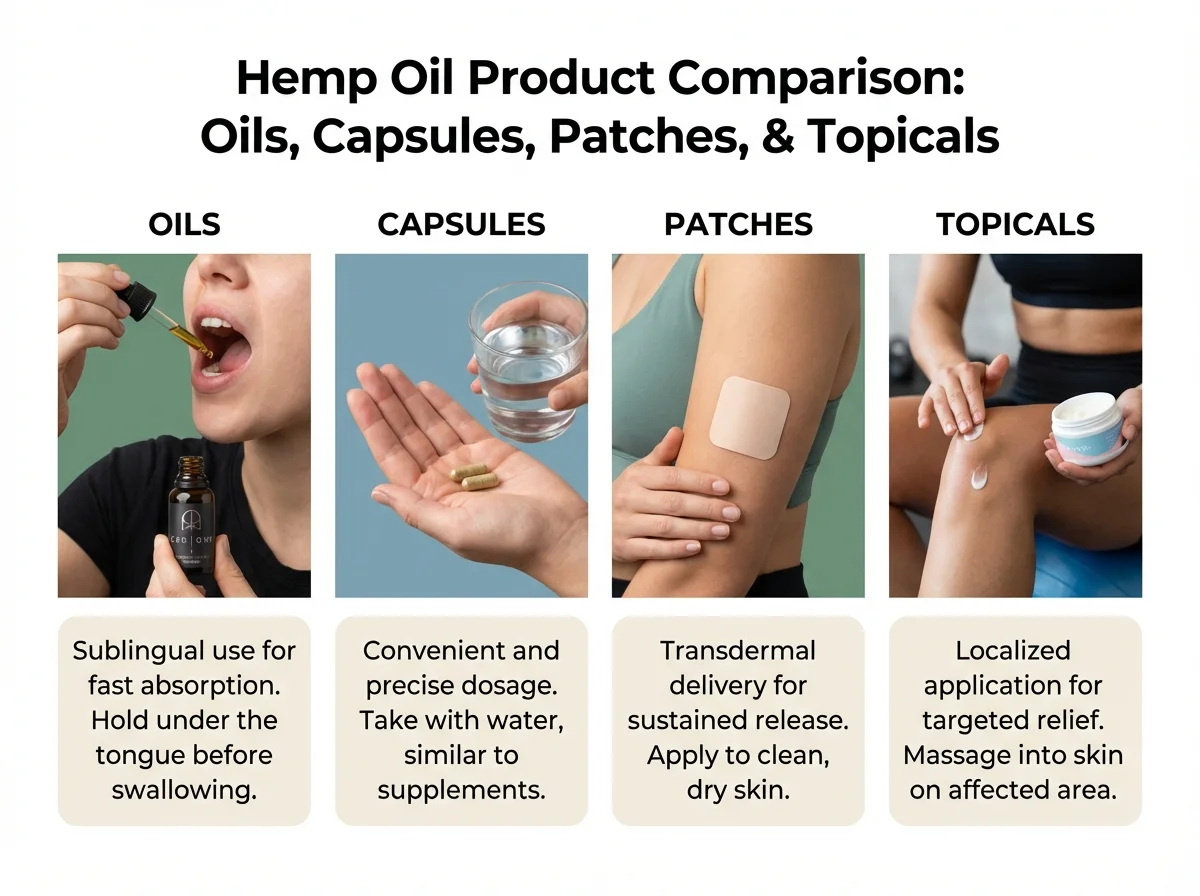
When people are searching “hemp oil for pain”, they are often really asking: “What is the simplest thing I can actually stick with?” That is a good question, because consistency matters.
Oils: flexible dosing, but you need a routine
Oils give you the most flexibility. You can adjust drop by drop, and many people like the under-the-tongue approach. The trade-off is that you have to be willing to measure, and you have to accept that taste can be part of the experience with full spectrum products.
Capsules: simple and discreet
Capsules are popular because they are easy. You know exactly what you are taking each time. The trade-off is less flexibility, and it is a swallowed format, so it is generally slower than holding oil under the tongue.
Patches: measured, steady release through the day
Patches are for people who like a “set it and forget it” option. Some users report that the steady nature suits them better than peaks and dips. From a practical standpoint, it can also be easier to track, because you are not counting drops multiple times a day.
Topicals: for local use and skin comfort
Topicals are a different conversation because they are applied to the skin. People tend to use them alongside other routines, like after training, after a hot shower, or when they are doing self-massage. If you like that hands-on ritual, topicals can fit nicely into a comfort routine.
Think of it this way: the “right” format is the one you will actually use consistently, within sensible safety guidelines, while keeping expectations realistic.
Other options and routines that matter just as much
If pain is part of your daily life, the product is only one piece of the puzzle. As an osteopath, I see this all the time: the best “support” often comes from stacking small wins.
Build a simple “comfort routine” around your day
Consider this: a two-minute morning mobility routine, a short walk after meals, enough protein and hydration, and a consistent bedtime can change how your body feels and how you cope with discomfort. If you add CBD, it tends to work best when it becomes part of that rhythm, not a last-minute rescue.
Oral vs topical: they are different conversations
Topicals act on the skin and local tissues where applied, while oral CBD is taken systemically. Some people like having both in a routine, but it depends on what you are trying to support and how you respond.
If you are choosing between formats, this is where a neutral comparison article can help. If you are shopping for oils specifically, you can also look at Best CBD Oil UK to understand what “good” tends to look like in the UK market (without falling for hype).
At CBD One, we are full spectrum across our core CBD oil range because we believe the entourage effect is how nature intended hemp extracts to be used. That said, some people specifically need THC-free formats, which is why isolate products like patches can also have a place for certain users.
Frequently Asked Questions
Is hemp oil the same as CBD oil for pain?
No, and this is the biggest source of confusion. Hemp seed oil comes from the seeds and is mainly a nutritional oil with little to no CBD. CBD oil is made from hemp extract and contains meaningful amounts of CBD (listed in mg on the label). If you are looking for a cannabinoid-led option, you are usually looking for CBD oil, not hemp seed oil. If you are ever unsure, check whether the label states “CBD” in mg and look for a lab report.
Does hemp seed oil have CBD in it?
In most cases, no. Hemp seeds contain negligible cannabinoids, so cold-pressed hemp seed oil is not a reliable source of CBD. Some products blend hemp seed oil with added CBD extract, which is different. The practical tip is simple: if the product does not list CBD content in mg, assume it is not a CBD product. If you want to understand the terminology better, reading How to Take CBD Oil can help you decode labels and serving sizes.
Can CBD oil help with pain relief?
Some people report that CBD supports comfort, relaxation, or better sleep, which can influence how they experience day-to-day discomfort. Research is still evolving, and it is not the same as saying CBD “treats pain”. Your results can depend on the type of discomfort, your stress levels, your sleep, your dose, and the product quality. If pain is persistent, severe, or worsening, speak to a GP or clinician to rule out anything that needs proper assessment.
How do I use hemp seed oil for pain?
If it is a food-grade hemp seed oil, use it like a nutritious dietary oil: consistently, and usually without heating it aggressively. People often drizzle it over salads or mix it into smoothies. For topical use, some apply it to dry skin for comfort, but that is more about skin nourishment than deep pain support. If you are aiming for cannabinoid support instead, you probably want a CBD-labelled product where the CBD mg are clearly stated.
What is the safest way to start CBD oil if pain is my main reason?
Start low, go slow, and keep it consistent for at least several days before changing anything. Aim to track basics like your sleep, stress, and how your body feels across the day, rather than expecting an instant switch. Stay within the FSA guidance of no more than 70mg CBD per day for healthy adults. For practical steps on timing and technique, the CBD Oil Dosage Guide is a helpful reference.
Is a stronger CBD oil always better for pain?
Not necessarily. Strength mainly changes how much CBD you get per drop, not whether the product is “more effective” for your body. Some people do better with smaller amounts, especially when starting out. Stronger oils can be useful for experienced users who want fewer drops, but they can also make dosing harder if you are sensitive. If you want to compare sensibly, use a guide like CBD Oil Strength Guide rather than guessing.
Can I use CBD if I take medication?
This is a “check first” situation. CBD can interact with how your body metabolises certain medicines. That does not mean it is always unsafe, but it does mean you should speak to your GP or pharmacist before starting CBD if you take prescription medication (or if you have liver problems). This article explains the why and the practical steps: CBD and Medication.
Should I choose oral CBD oil, a topical, or patches for pain?
They are different tools. Oral CBD oil is taken systemically and is often used as part of a daily routine. Topicals are applied to the skin and are popular for local application and skin comfort. Patches offer measured dosing and are designed for slow release over many hours, which some people prefer for consistency. If you are comparing oils specifically, it can help to read Best CBD Oil UK and then decide which format you will realistically use every day.
How do I know if a “hemp oil” product is good quality?
Look for clarity and transparency. A CBD product should clearly state CBD content in mg, show spectrum type, and provide a batch-specific COA from independent testing. A hemp seed oil should clearly state it is cold-pressed seed oil, list ingredients, and be sold as a food or cosmetic product without making medical claims. If any product promises to “cure pain” or replace medication, that is a red flag in the UK market.
Is CBD legal in the UK for pain?
CBD products can be sold legally in the UK when they meet relevant requirements (including THC limits and regulatory compliance), but they are not legal to market as medicines unless they are licensed as such. That means a brand should not claim its CBD “treats” or “cures” pain. If you want the bigger picture on how CBD oils are sold and discussed in the UK, it can also help to read general guidance like How to Take CBD Oil and focus on safe, realistic use.
Are there side effects with hemp seed oil or CBD oil?
Yes, potentially, although they tend to be different conversations. With hemp seed oil, issues are usually about tolerance, digestion, or simply overdoing a rich oil too quickly. With CBD oil, some users report tiredness, dry mouth, light-headedness, or stomach upset, especially if they take more than they need. If you notice unwanted effects, it is usually a sign to reduce the amount, adjust timing, or pause and speak to a healthcare professional if you are unsure.
Is hemp oil legal in the UK?
Hemp seed oil is widely sold as a food or cosmetic ingredient. CBD oil can also be sold legally in the UK when products meet relevant requirements, but it must not be marketed as a medicine. When in doubt, prioritise clear labelling (CBD in mg), a batch-specific COA, and a brand that avoids medical claims.
What is the difference between hemp oil capsules and CBD capsules?
Hemp oil capsules often contain hemp seed oil, which is essentially a nutritional oil in capsule form and usually contains little to no CBD. CBD capsules contain a measured amount of CBD (shown in mg per capsule). If the label does not tell you CBD in mg, assume it is not a CBD capsule.
What does “hemp extract” mean on a label?
It usually suggests an extract from the aerial parts of the hemp plant, which is where cannabinoids come from. But the key detail is still the same: you want CBD content shown in mg, plus a batch-specific COA. “Hemp extract” without clear CBD mg is vague, and vague labelling is not what you want when you are buying for a specific goal.
Key Takeaways
- “Hemp oil” can mean hemp seed oil (nutritional) or CBD oil (cannabinoid-led). Check for CBD listed in mg.
- Hemp seed oil may support general wellbeing, but it usually contains little to no CBD.
- Some users report CBD supports comfort and recovery routines, but it is not a guaranteed pain fix and research is still developing.
- Start low, go slow, and stay within the FSA guidance of 70mg CBD per day for healthy adults.
- If you take medication or have a health condition, speak to your GP or pharmacist before using CBD.
Conclusion
If you are exploring hemp oil for pain, the best first step is simply getting the product category right. Hemp seed oil is a useful, nutritious oil and can be a nice addition to diet and skincare, but it is not the same thing as CBD oil. If what you want is a cannabinoid-led approach, you will need a CBD product that clearly states CBD content in mg and provides independent lab testing.
From a practical standpoint, CBD tends to work best when you treat it as part of a routine, not a one-off. Start with a small amount, track how you feel over time, and focus on the basics that influence discomfort too: movement, sleep, and stress. And if pain is persistent, severe, or changing, it always deserves a proper clinical conversation with your GP.
If you are unsure where to start, explore options calmly and speak to Nick for free, sensible guidance.