
Effects of CBD: Complete UK Guide (2026 Guide)
In this guide, I will talk you through what CBD may feel like, what affects the experience (dose, format, food, and your own biology), and the side effects to watch for. We will also cover CBD drinks, “trip CBD effects” myths, and how to stay within sensible UK guidance.
What “effects of CBD” really means
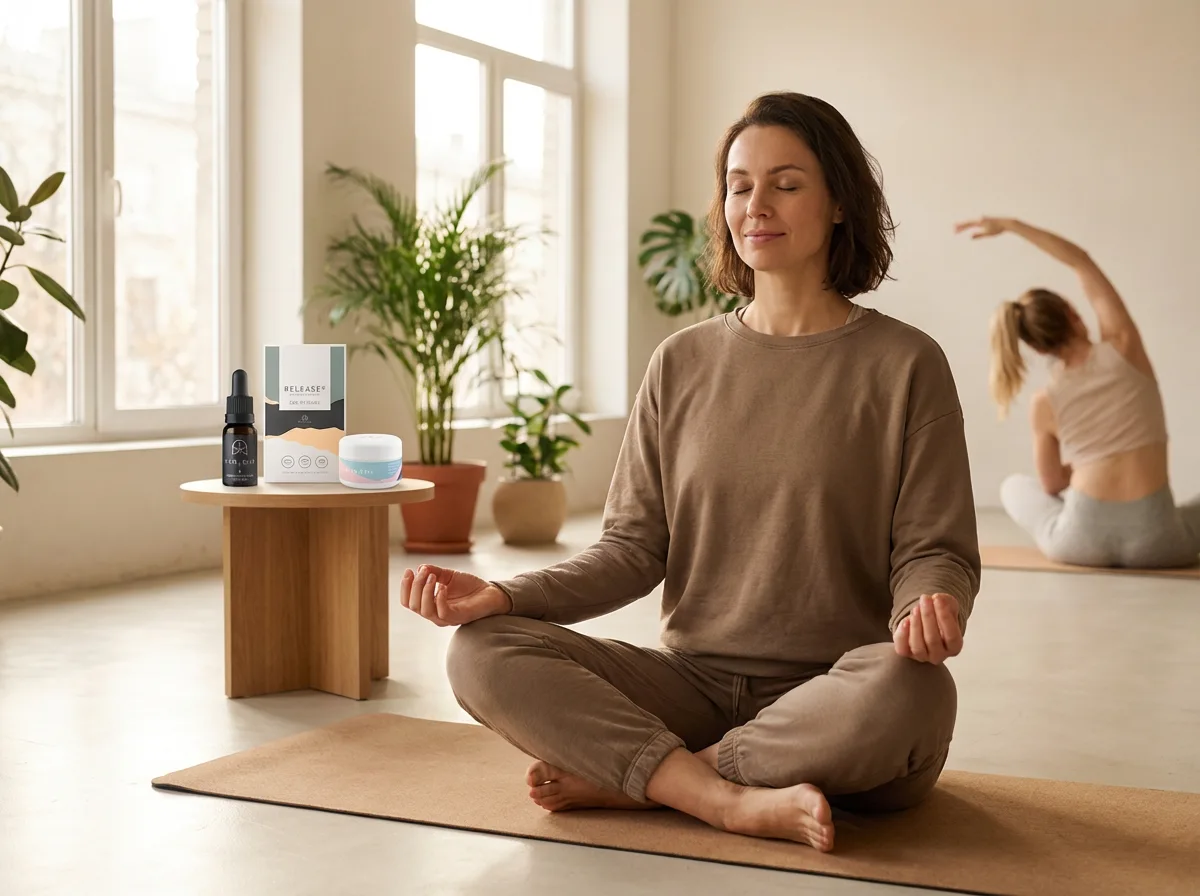
When people say “CBD effects”, they often mean one of two things. They either mean an immediate sensation (like feeling calmer after a stressful day), or they mean gradual changes you notice over time (like feeling more settled in your evening routine).
CBD is a non-intoxicating cannabinoid from the hemp plant. Non-intoxicating is important because it sets expectations. You are not meant to feel “high”, and CBD should not create a dramatic mind-altering experience.
Think of CBD a bit like a volume dial rather than an on-off switch. Some users report a gentle shift in how they cope with everyday stressors, how they feel in their body, or how easily they settle into rest. The reality is, subtle does not mean ineffective. It just means you need a different way of tracking your experience.
If you want the broader basics first, it can help to read our guide on premium CBD oil so the language around hemp extracts, strengths, and labels makes more sense.
What you might feel (and what you probably will not)
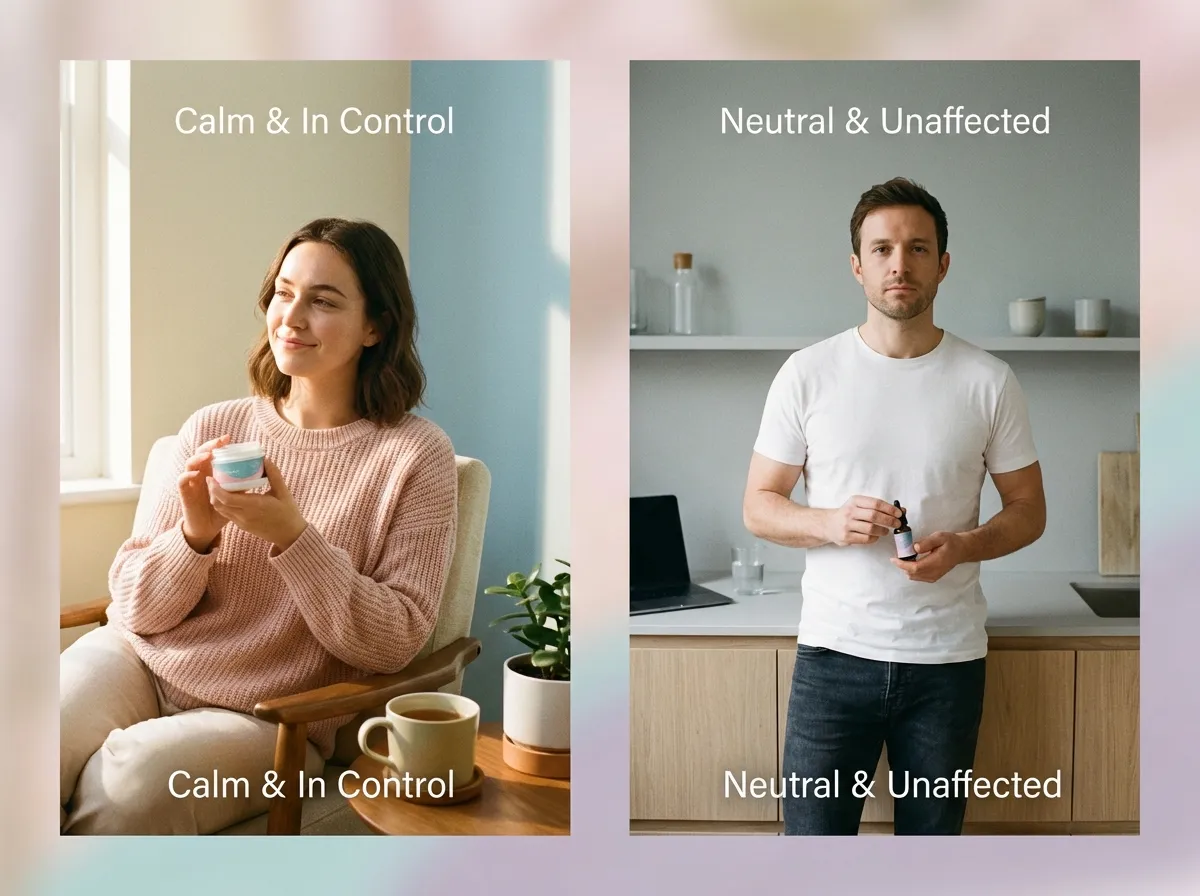
Commonly reported CBD effects
Most people describe CBD as “gentle”. If you notice anything, it often sits in the background rather than taking centre stage.
Some users report:
- A calmer, more even mood after a demanding day
- A sense of physical “unclenching” in the shoulders, jaw, or stomach
- Finding it easier to wind down as part of a bedtime routine
- A steadier feeling when daily stress is high
Consider this. If you only judge CBD by whether it “hits” like caffeine or alcohol, you might miss the more practical effects people use it for.
What CBD should not feel like
You should not feel intoxicated. If someone is talking about “trip CBD effects”, they are usually confusing CBD with high-THC cannabis, taking an inappropriate product, or they have taken far more than they intended.
Full spectrum CBD products in the UK may contain trace THC within legal limits, but they are not designed to make you high. If you feel very impaired, stop using the product and speak with a healthcare professional.
Body effects vs mind effects
What many people overlook is that CBD can be more noticeable in the body than in the mind. Some people do not feel “calm” emotionally, but they feel less physically tense. Others feel mentally quieter, but their body feels the same. Your stress pattern matters.
How CBD affects the body: a simple endocannabinoid system primer
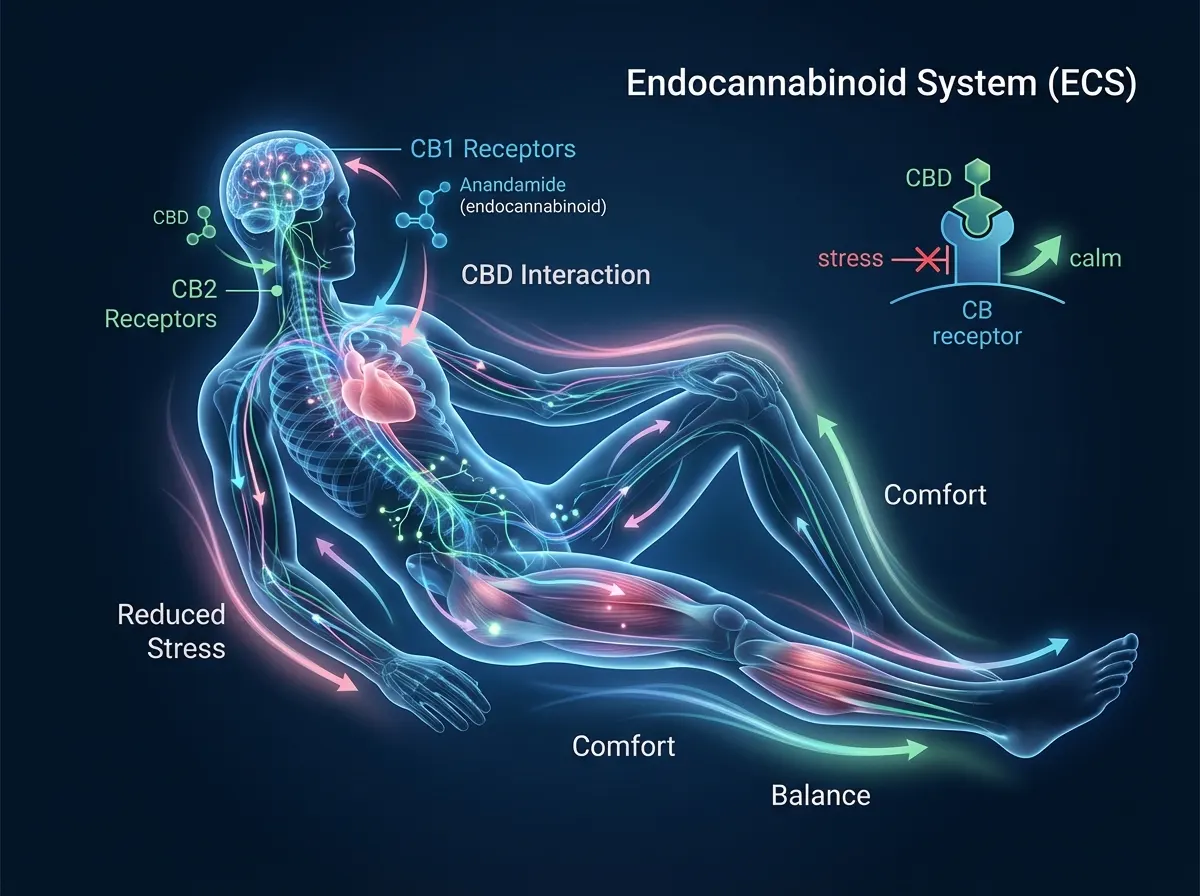
It is hard to make sense of “CBD effects” without at least a basic idea of what CBD is interacting with.
Your body has an internal signalling network called the endocannabinoid system (ECS). Think of it as part of the body’s balancing toolkit. It helps regulate things like stress response, sleep-wake rhythms, appetite, and how you perceive physical discomfort. That does not mean CBD controls these systems directly, but it helps explain why people’s experiences can be so different.
Here is the key point. CBD does not behave like THC. It is not an intoxicant, and it does not switch you into a different mental state. Many researchers describe CBD as working more indirectly, by influencing how your own natural endocannabinoids are used and broken down, and by interacting with multiple receptor systems beyond classic cannabinoid receptors.
From a practical standpoint, this is why CBD can feel like “nothing” at first. If you are looking for a dramatic sensation, you might miss the quieter signals, like feeling less reactive, settling more easily, or feeling a bit more comfortable in your body after a long day.
CBD effects on the brain: what “calm” might mean in real life
People often ask about “CBD effects on the brain”, usually because they want to know if CBD is sedating, stimulating, or mind-altering.
In everyday use, many people describe CBD as mentally “smoothing” rather than sedating. You might feel a little less mentally noisy, or less pulled around by stress. Others describe it as making it easier to switch gears at the end of the day. And some people feel nothing mentally, but notice changes physically.
The reality is that CBD can land differently depending on your baseline. If you are running on adrenaline and caffeine, CBD might feel like a gentle brake. If you are already tired, a higher amount could tip you into drowsiness.
If your goal is daytime support, it is often worth keeping your first few tries on days when you do not need to drive long distances or make big decisions. Not because CBD is intoxicating, but because you are learning how your own body responds.
How long CBD takes to work and how long it lasts
Timing is where expectations often go wrong. The effects of CBD depend heavily on how you take it and what you have eaten that day.
Typical onset times (rough guide)
- CBD oil under the tongue: many people report effects in 15 to 60 minutes
- Swallowed CBD (capsules, edibles, some drinks): often 45 minutes to 2 hours
- Topicals: localised feel, timing varies and is harder to compare
- Patches: designed for slow release, so less “onset” and more steady delivery
In practice, this means your first dose might feel like “nothing”, but your second week might feel noticeably different, especially if you are using CBD consistently rather than randomly.
For a deeper timing breakdown, see How Long Does CBD Take To Work?.
How long do CBD effects last?
How long CBD lasts also varies. Some people prefer smaller doses spread across the day. Others prefer one dose at a consistent time, like after lunch or an hour before bed. Your format matters too, because slower delivery tends to feel steadier, while fast absorption tends to feel more noticeable upfront.
What changes CBD effects: dose, food, format, and quality
Dose: why more is not always better
Many people start too high because they want a strong effect quickly. That can backfire. If CBD makes you feel drowsy, heavy, or mildly light-headed, you might simply have taken more than your sweet spot.
From a practical standpoint, the simplest approach is “start low and go slow”. Use the same amount for several days, pay attention, then adjust. You are looking for the smallest amount that feels useful for your day.
If you want a structured way to think about quantities, our CBD dosage guide is a good next read.
Food: why CBD can feel stronger after a meal
CBD is fat-soluble. Taking CBD with food, especially a meal that contains fat, may change how much is absorbed and how long it lingers. Some people feel more consistent effects with food. Others prefer an empty stomach for a quicker onset.
Format: oils vs water soluble vs patches
Different formats create different “feel”. Not better or worse, just different.
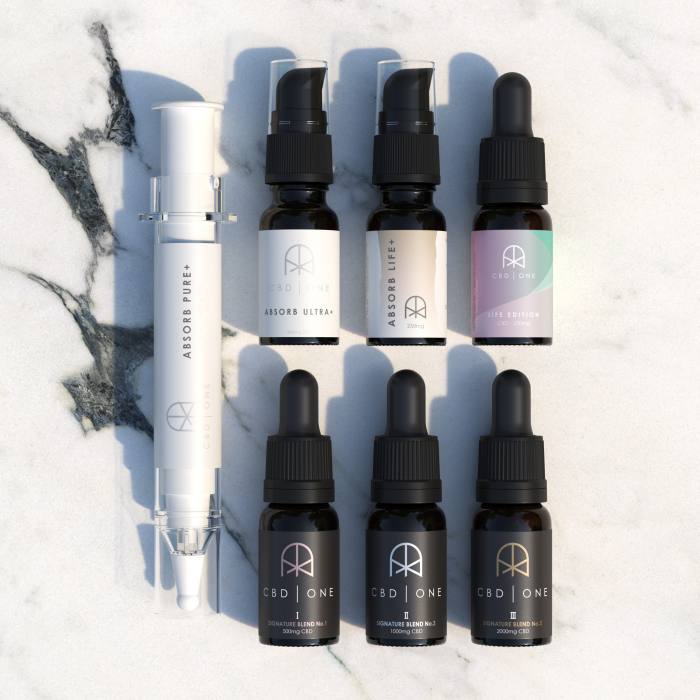
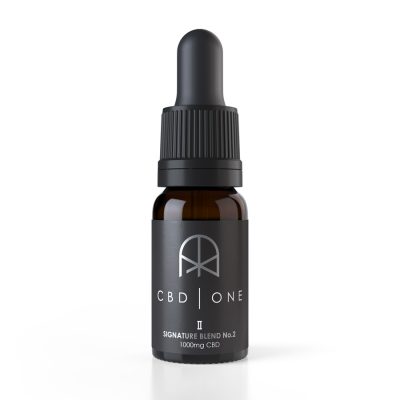
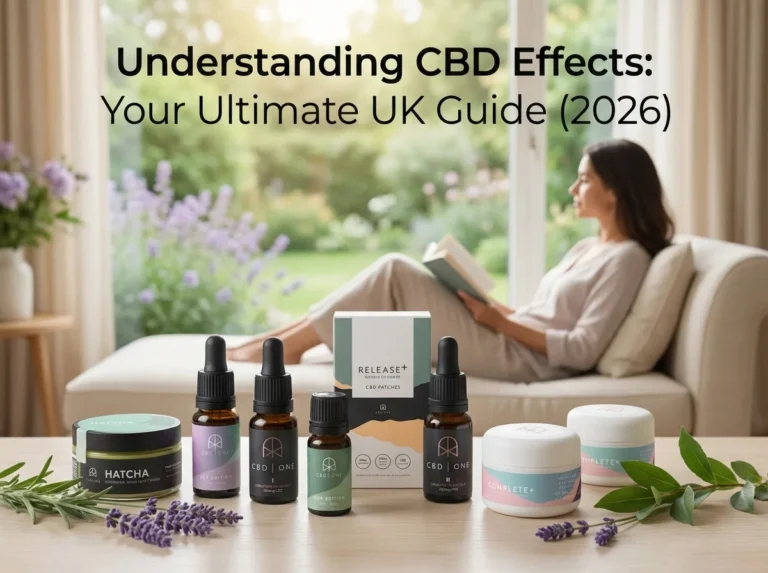
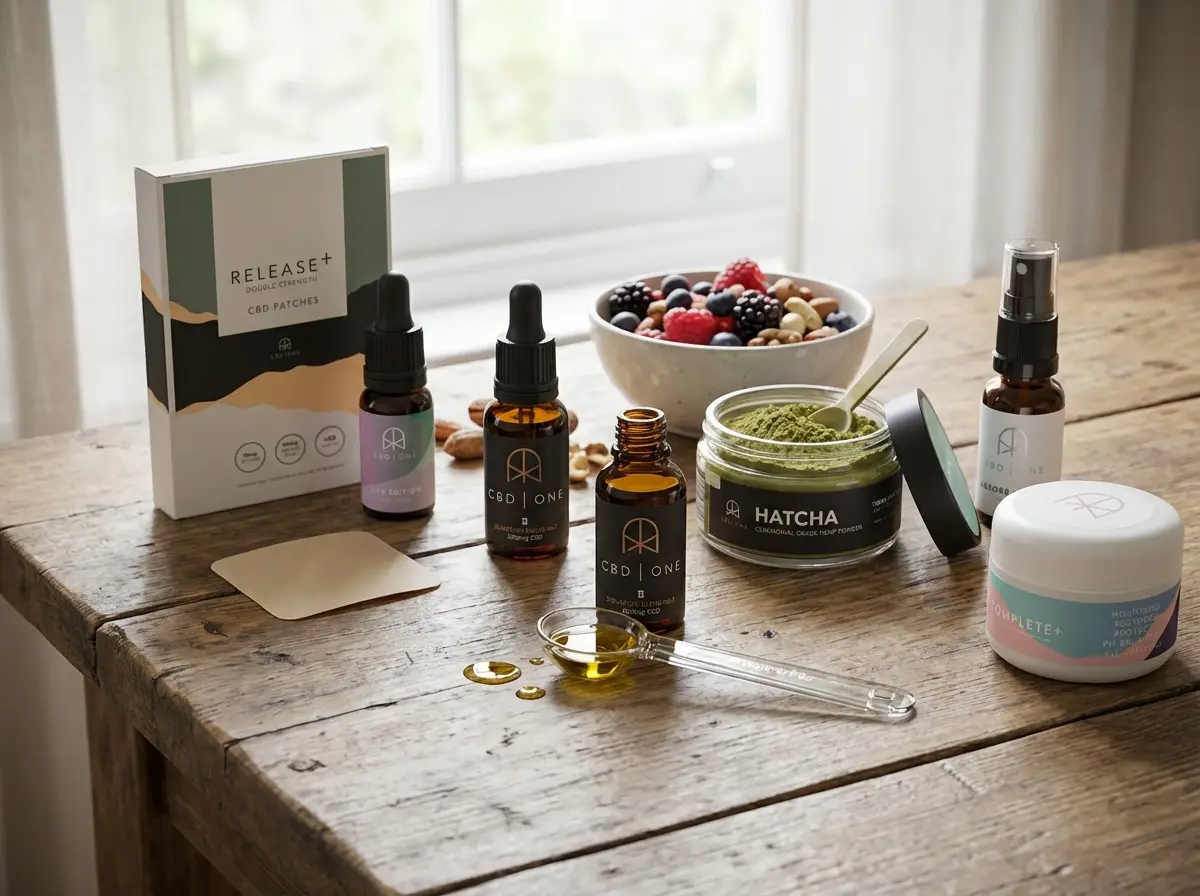
- CBD oils taken under the tongue are popular because you can fine-tune the dose drop by drop. CBD One’s full spectrum oils list a bioavailability of about 0.12, which is typical for sublingual oils.
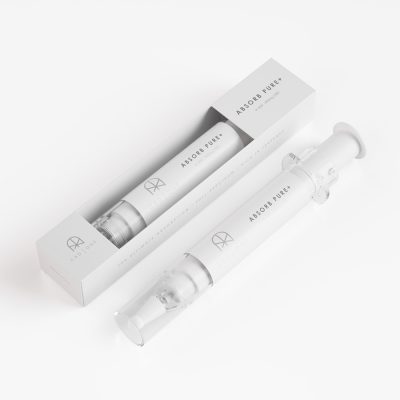
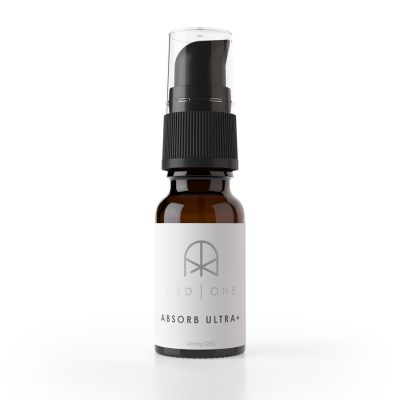
- Water soluble CBD is made to mix into drinks and may feel quicker for some people because it is formulated for absorption in a different way. One example is CBD One’s Absorb range, which uses a pump you can add to hot or cold drinks.
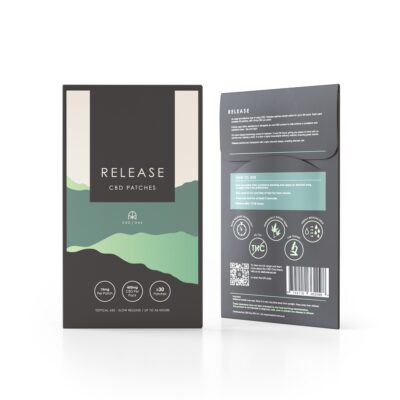
- Patches deliver CBD through the skin over time. CBD One’s Release patches are labelled with “40%+” bioavailability and are designed for 12 to 36 hours of steady release.
Now, when it comes to choosing, it is often about lifestyle. If you hate the taste of oil, you will not take it consistently, and consistency is what usually drives results people notice.
Quality: the boring part that changes everything
Quality is where confidence comes from. Check for clear lab reports, realistic dosing information, and honest labelling about spectrum. Full spectrum products contain CBD plus naturally occurring minor cannabinoids and terpenes, while isolate products are typically THC-free and contain CBD only.
At CBD One, we focus heavily on full spectrum extracts for our oils and water soluble options because we believe the natural mix of compounds matters to many users. We also offer isolate patches for those who specifically want THC-free daily dosing.
Full spectrum vs broad spectrum vs isolate: why the type can change the feel
If you are comparing CBD products purely by how you want to feel, “what type is it?” matters almost as much as “how many milligrams?”
Here is a simple way to think about it:
- Full spectrum: contains CBD plus other naturally occurring hemp compounds (including minor cannabinoids and terpenes). In the UK, this may include trace THC within legal limits. Some people prefer full spectrum because they feel the blend gives a more rounded experience.
- Broad spectrum: similar idea to full spectrum, but with THC removed. Some people look for this if they want to avoid THC for personal reasons.
- Isolate: essentially CBD on its own, with other plant compounds removed. Some people prefer the simplicity, especially if they are sensitive, new to CBD, or want to minimise THC exposure.
What many people overlook is that “stronger” is not always about the number on the bottle. Two products can both say 25 mg per serving, but feel different because one is full spectrum and one is isolate, or because the absorption method is different.
If you are trying to work out what you personally like, pick one type, keep it consistent for at least a week, and track your day-to-day signals. If you change type, change one variable at a time. Otherwise you will never know what made the difference.
CBD oil side effects and safety in the UK
Most people tolerate CBD well, but side effects can happen. The key is knowing what is common, what is dose-related, and what needs extra care.
Commonly reported CBD side effects
CBD side effects are usually mild and often linked to taking more than you need, or combining CBD with other substances.
- Drowsiness or feeling “heavy”, especially at higher doses
- Dry mouth
- Digestive upset (more common with some oils or when taken on an empty stomach)
- Light-headedness
- Changes in appetite
If you are getting side effects, the first adjustment is usually to reduce the dose, take it with food, or change the timing (for example, move it to evenings if it makes you sleepy).
Interactions: the most important safety conversation
Never ignore medication interactions. CBD can affect how your body processes certain medicines. If you take prescription medication, especially anything with a grapefruit warning, speak to your GP or pharmacist before using CBD.
We have a dedicated guide on this here: CBD and Medication.
UK guidance on daily intake
The UK Food Standards Agency (FSA) recommends that healthy adults do not exceed 70 mg of CBD per day. This is a sensible upper guideline, not a target. Many people use much less than that.
What about “negative side effects of CBD gummies”?
Gummies are a common entry point, but they can be tricky because the dose is fixed, they are swallowed (so onset is slower), and it is easy to take “one more” without thinking. Some people also react to sweeteners or additives rather than CBD itself.
CBD One does not sell gummies. That is a deliberate choice because we prefer formats where dosing and quality control are easier to communicate clearly, and where your routine feels more intentional.
CBD and alcohol, caffeine, and nicotine: what to consider
A lot of people do not take CBD in a vacuum. They take it on a day that already includes coffee, maybe a drink after work, and the odd nicotine pouch or vape.
Now, when it comes to combining things, the safest approach is simple: change one variable at a time.
- CBD and alcohol: some people find the combination makes them feel more drowsy, heavier, or a bit “foggy”. If you are trying CBD for the first time, it is sensible to do it on an alcohol-free day so you can read your own signals clearly.
- CBD and caffeine: caffeine can mask whether CBD is making you more relaxed, or more tired. If you are experimenting, keep your coffee routine consistent so you are not guessing.
- CBD and nicotine: nicotine is stimulating, so it can muddy the waters in the same way. If you are using CBD to support calm, it helps to notice whether nicotine is pulling you in the opposite direction.
If you feel unsteady, light-headed, or overly drowsy when combining CBD with anything else, stop and reset. Use CBD on its own, at a lower amount, and ideally with food. And if you have any medical considerations, speak to a healthcare professional before you start mixing substances.
Will CBD show on a drug test in the UK?
This is a big one, especially if you drive for work, operate machinery, or you are in a job with routine testing.
Standard drug tests usually look for THC (or THC metabolites), not CBD. So in theory, CBD should not be the issue. The complication is product type.
Full spectrum CBD in the UK may contain trace THC within legal limits. For many people, that is not a problem day-to-day. But if your workplace has a strict zero-tolerance policy, or you are tested frequently, even trace THC could be a concern.
If drug testing is part of your life, consider this:
- Do not assume “legal” equals “risk-free for drug tests”. Those are different questions.
- Look for clear, up-to-date lab reports and transparent labelling, so you know what you are taking.
- If you want to minimise THC exposure, THC-free isolate formats may be worth exploring, but nothing can be promised as a guaranteed way to pass a test.
If a positive test would have serious consequences for you, it is worth speaking to your employer or occupational health team about what is and is not acceptable, and talking to a pharmacist if you want help understanding labels.
CBD drinks effects, including 30mg CBD drink effects
CBD drinks are everywhere now, from ready-to-drink cans to café add-ons. The question I hear is: “Will I actually feel it?”
What to expect from CBD drinks
CBD drinks effects depend on the formulation. Some drinks use water soluble CBD, which may absorb more predictably than oil-based CBD poured into a drink. Others contain tiny amounts that are more about the ritual than any noticeable effect.
If you are considering drinks, it is worth reading Do CBD Drinks Work? so you know what to look for on a label.
30mg CBD drink effects: is that a lot?
A 30 mg drink can feel significant for some people, especially if they are new to CBD, sensitive to supplements, or taking it on an empty stomach. Others may barely notice it.
Think of it this way. A drink is a single, fixed dose. If 30 mg is too much, you cannot “untake” it. That is why beginners often do better with formats that allow smaller steps and easier adjustment.
A practical alternative if you like the drink routine
If you enjoy the habit of adding CBD to tea or coffee, water soluble pump formats can be easier to tailor. One example is CBD One’s Absorb water soluble range, which is designed to be added to hot or cold drinks in measured pumps.
Building a CBD routine you can actually stick to
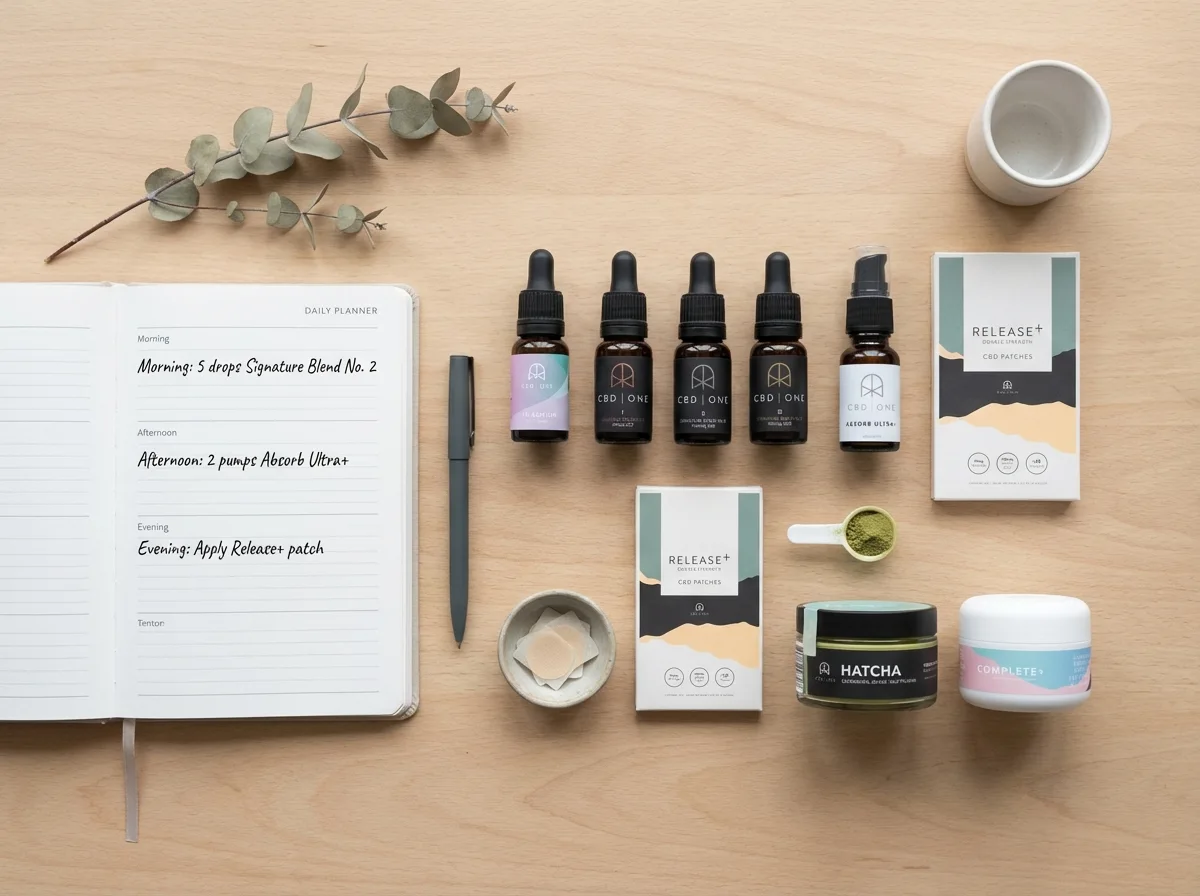
Consistency beats intensity. If you want to understand your own CBD effects, you need a routine that is repeatable.
Start with a simple goal
Instead of “I want to feel something”, pick a practical goal like “I want a calmer evening wind-down”, or “I want a steadier workday”. Then choose a time of day that supports that goal.
Track the right signals
CBD can be subtle, so track small, real things: how quickly you unwind, how tense you feel after meetings, how your evening routine flows. Give it a week or two before you judge it.
Use comparisons when you are unsure what format fits
If you are stuck between oils, water soluble, topicals, or patches, a simple comparison can help you match the format to your lifestyle. Our CBD product comparison guide is a good place to start, and the CBD buying guide will help you spot quality markers without getting overwhelmed.
Where to browse formats (no pressure)
If you simply want to understand what is available in each format, you can browse the CBD One categories for CBD Oils and Water Soluble CBD. Even if you buy elsewhere, knowing the typical label language makes you a sharper shopper.
Frequently Asked Questions
What are the effects of CBD supposed to feel like?
For most people, the effects of CBD feel subtle. Some users describe a calmer, more balanced feeling, or less physical tension in the body. Others notice very little at first and only recognise changes after a consistent routine for a week or two. CBD should not feel intoxicating or mind-altering. If you feel impaired, it may be the wrong product, the wrong dose, or a signal to stop and speak with a healthcare professional.
Does CBD give you a “high” or “trip” effect?
CBD itself is non-intoxicating, so it should not make you high. “Trip CBD effects” is usually a mix-up with high-THC cannabis, mislabelled products, or taking far more than intended. In the UK, reputable CBD products are formulated to stay within legal THC limits, and are not designed to intoxicate you. If you feel unusually spaced out, anxious, or impaired, stop using the product and consider speaking to a pharmacist or GP.
How quickly do CBD oil effects kick in?
CBD oil effects can start anywhere from around 15 to 60 minutes if you take the oil under the tongue and hold it there briefly before swallowing. If you swallow CBD straight away, onset can be slower, often 45 minutes to 2 hours. Your meal timing matters too. Taking CBD with food may change absorption and how long the effects last. For a deeper timing guide, see How Long Does CBD Take To Work?.
How long do CBD effects last?
CBD effects can last a few hours for many people, but it depends on dose, format, and your individual metabolism. Some users prefer smaller doses taken 1 to 3 times per day, while others prefer one consistent dose at the same time daily. Slow-release formats, like patches, are designed to feel steadier and can last longer. The best approach is to pick one routine, stick with it for several days, then adjust based on what you actually notice.
What are the most common CBD oil side effects?
Common CBD oil side effects include drowsiness, dry mouth, digestive upset, light-headedness, and appetite changes. These are often mild and more likely when you take more than you need. If side effects show up, reduce your dose and consider taking CBD with food. It is also worth checking the ingredients in the carrier oil if your stomach is sensitive. If side effects feel strong or worrying, stop and speak to a healthcare professional.
Can CBD interact with medication?
Yes, CBD can interact with some medications by affecting how they are processed in the body. This is especially important if you take prescription medicines, have a grapefruit warning on your medication, or are under medical supervision. Always speak to your GP or pharmacist before starting CBD if you are on medication. For a clear, sensible overview, read CBD and Medication.
What should I expect from CBD drinks effects?
CBD drinks effects vary a lot. Some drinks use water soluble CBD, which may absorb more predictably, while others contain very small amounts where the main “effect” is the wellness ritual itself. Onset is often slower than sublingual oil because the CBD is usually swallowed. If you are curious, check the label for the exact milligrams of CBD per serving and the type of CBD used. This guide may help: Do CBD Drinks Work?.
What are 30mg CBD drink effects likely to feel like?
A 30 mg CBD drink can be noticeable for some people, especially if you are new to CBD, sensitive to supplements, or drinking it on an empty stomach. You might feel more relaxed, a bit drowsy, or simply “softer” around stress. Others may not feel much at all. Because a drink is a fixed dose, it can be less beginner-friendly than a format you can adjust in smaller steps. If unsure, start lower and build gradually.
Is it safe to take CBD every day?
Many people use CBD daily as part of a routine, but “safe” depends on your health, medications, and the product quality. The UK FSA advises healthy adults not to exceed 70 mg of CBD per day. If you have a medical condition, take medication, or are pregnant or breastfeeding, you should speak to a healthcare professional before using CBD. Also stick to reputable brands that provide lab reports and clear dosing information.
How do I choose a CBD product if I only care about the effects?
Start by choosing a format that suits your life: oil for flexible dosing, water soluble CBD if you prefer adding it to drinks, or patches if you want steady delivery. Then look for clear lab testing, transparent cannabinoid information, and realistic dosing guidance. If you want help comparing formats, our CBD product comparison is a useful shortcut, and the CBD buying guide will help you avoid low-quality options.
Is CBD legal in the UK?
In the UK, CBD products derived from approved industrial hemp strains can be sold, but they must meet legal requirements around THC and how the product is marketed. Reputable brands will be transparent about testing and labelling, and they will avoid making medical claims. If you are unsure, look for clear lab reports and realistic dosing guidance, and be cautious of products that sound too good to be true.
Can CBD make you feel anxious or panicky?
Some people report feeling a bit unsettled with CBD, usually when they take more than they need, try a new product on an already stressful day, or combine CBD with lots of caffeine or alcohol. CBD should not feel like a “rush”, so if you feel wired, panicky, or overly spaced out, stop and reassess. Consider lowering the amount, taking it with food, and choosing a calmer time to trial it. If anxiety is a significant part of your health picture, it is worth speaking to a healthcare professional before experimenting further.
Will CBD show up on a drug test?
Most drug tests are designed to detect THC (or THC metabolites), not CBD. However, full spectrum products may contain trace THC within legal limits, and that can be a concern in strict workplace testing environments. If drug testing is part of your job, it is sensible to be cautious, use products with clear lab reports, and consider speaking to a pharmacist if you need help interpreting labels. Nothing can be guaranteed when it comes to drug test outcomes.
Key Takeaways
- The effects of CBD are usually subtle and build with a consistent routine, not a dramatic “hit”.
- How you take CBD changes the experience: oils, water soluble products, and patches can feel different.
- Common CBD side effects are often dose-related. If you feel off, reduce the dose and reassess.
- Medication interactions matter. Speak to a GP or pharmacist if you take prescription medicines.
- The UK FSA advises healthy adults not to exceed 70 mg CBD per day.
Conclusion
If you are exploring the effects of CBD, the best mindset is curious and patient. CBD is not supposed to feel like a sedative or a stimulant. For many people, it is more like a gentle nudge towards balance, especially when it is paired with the basics that actually move the needle: sleep hygiene, movement, hydration, and a calmer evening routine.
Start with a low amount, keep your approach consistent for at least a week, and track real-world signals like how you unwind, how you feel after stressful moments, and whether your routine feels easier to maintain. If you get side effects, pull the dose back. If you take medication, make that GP or pharmacist conversation part of your plan from day one.
If you want a second opinion on format or dosing, speak to Nick for free advice and take the guesswork out.