

Running With Sciatica: Can CBD Help? (2026 Guide)
In this guide I will walk you through practical, common-sense decisions: when running might be okay, when it is a clear “not today”, what to do before and after a run, and where CBD might fit into a sensible recovery routine. I will also cover medication safety basics, because mixing pain relief products without checking is one of the easiest ways to accidentally cause problems.
What sciatica can feel like (and why runners get it)
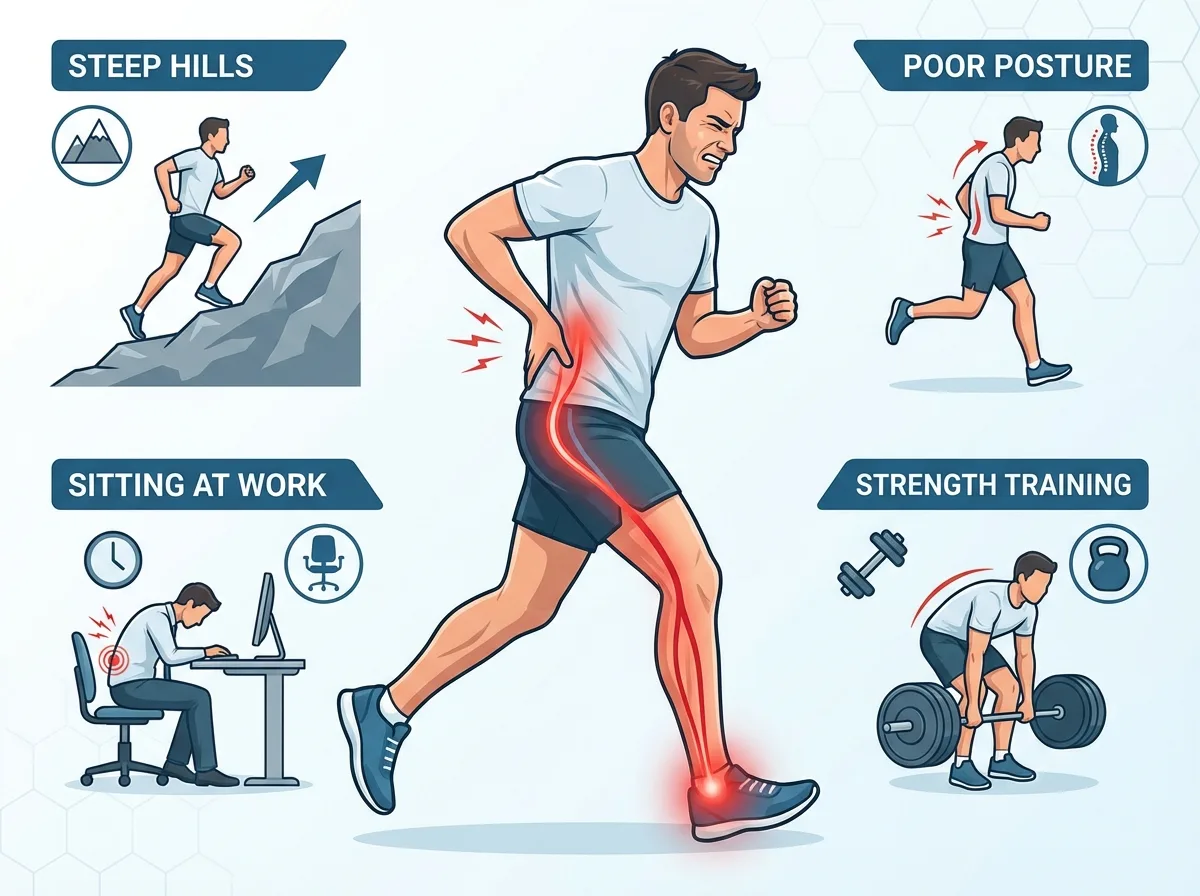
Sciatica is a term people use when pain, tingling, burning, numbness, or altered sensation follows a sciatic nerve pattern, usually down one leg. Some people feel it mainly in the glute. Others feel it in the calf, shin, or even the foot. It can come with back stiffness, or you might barely notice your back at all.
Consider this: your sciatic nerve is like a thick electrical cable. It does not like being compressed, irritated, or repeatedly tensioned. Running is not automatically “bad”, but it is repetitive. If something is already sensitised, repetition can amplify it.
Why runners commonly flare sciatica
From a practical standpoint, sciatica often shows up when training load spikes or recovery drops. That might be sudden hill work, a longer run than usual, lots of sitting at work, poor sleep, or strength work that your body was not prepared for.
Technique and tissue tolerance matter too. Hip stiffness, limited ankle movement, or glute weakness can shift load into the lower back and irritate structures around the nerve. That does not mean you need “perfect form”. It just means your current capacity and your current training plan need to match.
Should you run with sciatica? A simple decision check
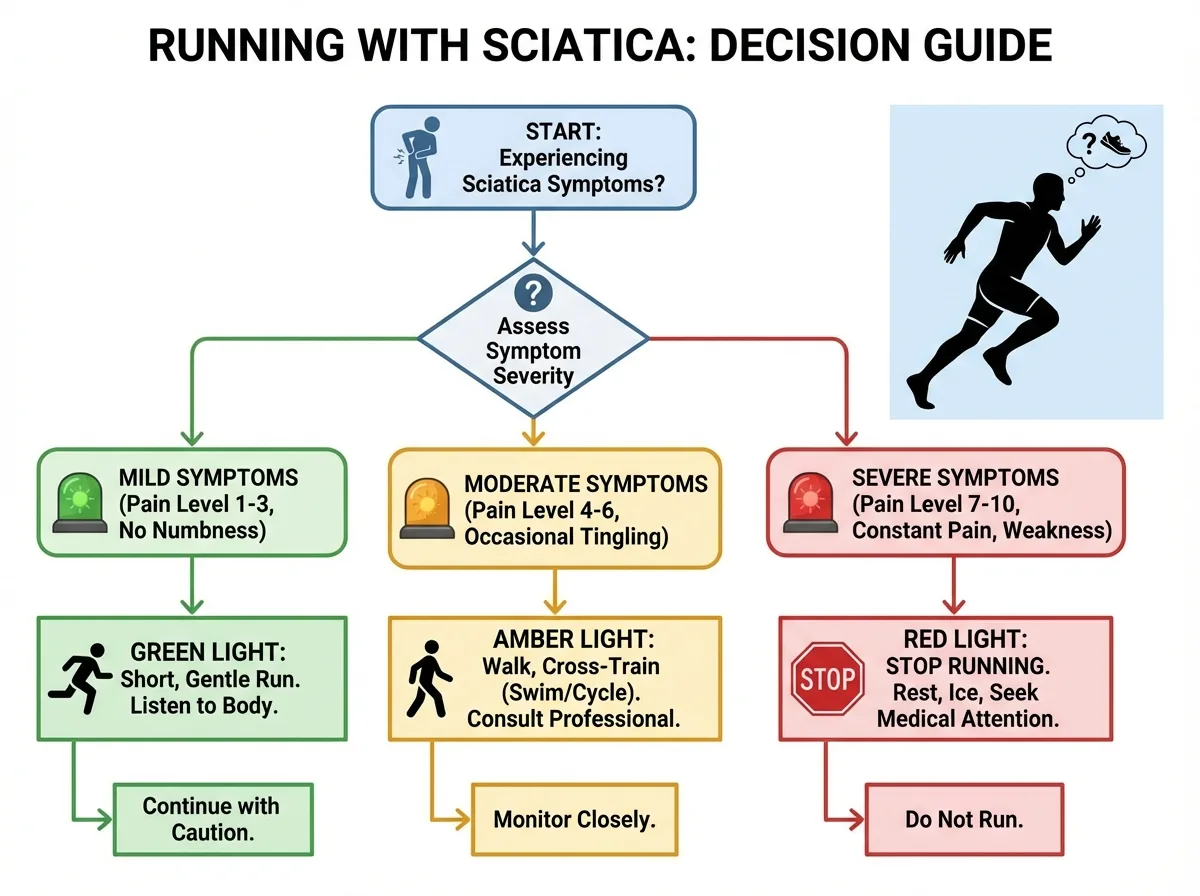
The reality is that some people can run lightly with mild sciatica symptoms, and others should pause running completely for a short time. The key is to make a calm decision based on what your body is doing today, not what you wish it was doing.
When it is sensible to pause and get checked
Seek urgent medical help if you have red flag symptoms such as loss of bladder or bowel control, saddle numbness, significant or rapidly worsening weakness, or severe unrelenting pain after a major trauma. If you are unsure, it is always worth calling 111 for guidance.
If your symptoms are persistent, getting worse, or you have ongoing numbness or weakness, speak to a GP or a qualified clinician before trying to “run through it”.
A practical “green, amber, red” approach
- Green: Mild symptoms that settle as you warm up, no weakness, no spreading numbness, and symptoms are no worse the next day. Easy running may be okay.
- Amber: Pain changes your gait, symptoms spike during the run, or you feel worse for 24 to 48 hours afterwards. Reduce volume, slow down, and switch to walk-run or cross-training.
- Red: Severe pain, clear weakness, worsening numbness, or pain that keeps escalating despite backing off. Pause running and get assessed.
If you want a broader CBD foundation before you decide anything, start with the basics on premium CBD oil so you understand what you are actually taking.
How to adjust training without losing your mind
Most runners do not struggle with motivation. They struggle with uncertainty. You do not want to detrain, but you also do not want to gamble with your back.
What to change first
Think of it this way: intensity and hills increase load quickly. If sciatica is simmering, remove the “spikes” first. Keep running flatter, slower, and shorter. You are aiming for “boringly easy”.
Walk-run sessions can be a brilliant bridge. For example, 2 minutes easy jog, 1 minute walk, repeated for 20 minutes. If symptoms stay calm during the run and for the next day, you can gradually extend the jogging segments.
Supportive strength, not punishment strength
What many people overlook is that heavy strength work can flare symptoms just as much as running can, especially if you go hard on deadlifts, deep hip hinging, or high-volume lunges during a flare.
During sensitive phases, keep strength work simple: gentle hip work, calf strength, light core control, and short sessions. Consistency beats hero workouts.
Fast “calm it down” strategies (realistic, not magic)
You might see things online like “sciatica relief in 8 minutes”. Sometimes a short routine helps. Sometimes it does not, because the driver is not a tight muscle, it is an irritated nerve or a sensitive spinal segment.
In practice, your goal is to reduce irritation, then gradually rebuild tolerance.
Try this “reset” sequence (8 to 10 minutes)
- Gentle walking for 3 to 5 minutes: keep it easy, just get things moving.
- Comfortable positions: lie on your back with knees bent, or on your side with a pillow between knees for 2 minutes.
- Light mobility: pelvic tilts or knee rolls for 1 to 2 minutes, staying well inside a comfortable range.
- Stop if symptoms shoot sharply down the leg or significantly worsen.
Now, when it comes to stretching, be careful with aggressive hamstring stretching during a flare. Many people stretch the back of the leg because it feels tight, but what you might be feeling is neural tension, not a short hamstring. Pushing that hard can sometimes aggravate symptoms.
Can CBD help with sciatica? What we know, and what we do not
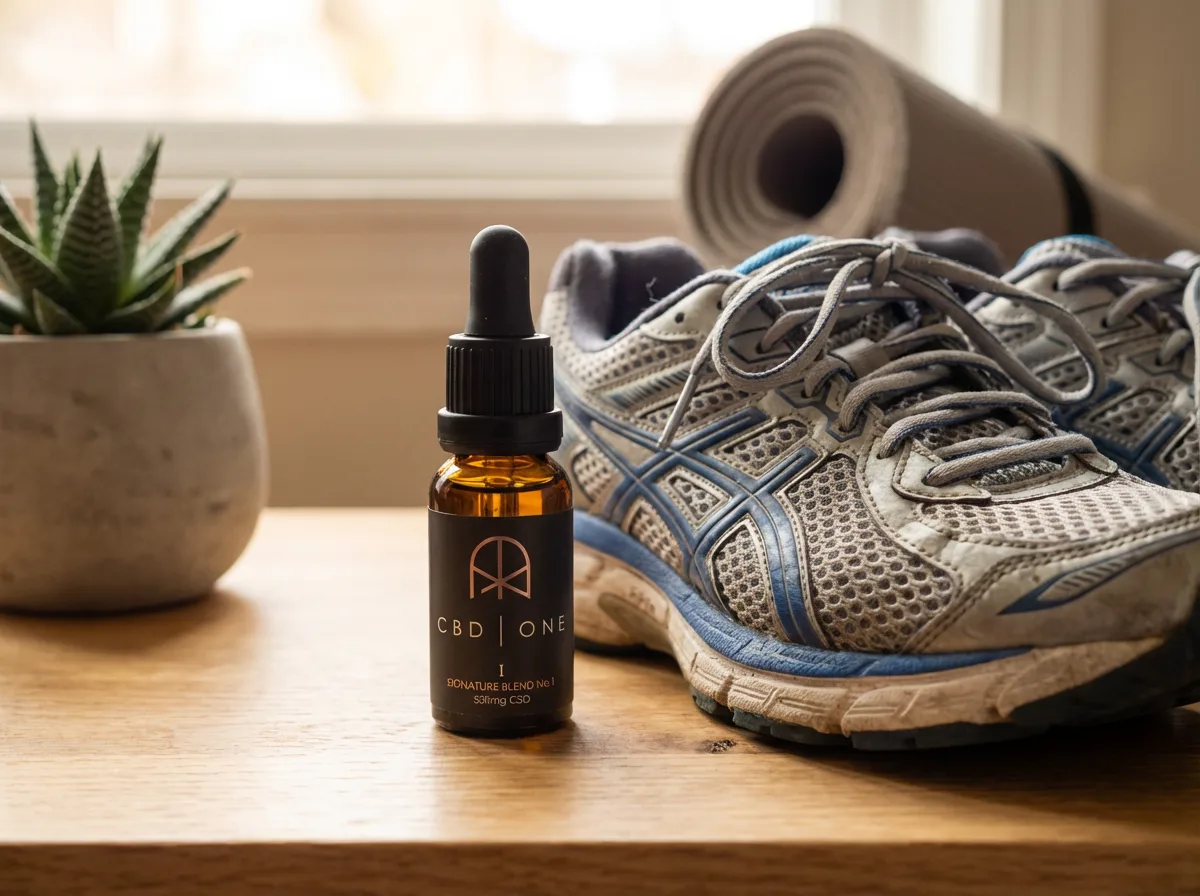
People ask me “can CBD help with sciatica?” and I understand why. Sciatica can affect sleep, mood, and your confidence in movement. Anything that might take the edge off feels worth exploring.
The honest answer is that CBD is not a cure for sciatica, and it should not be marketed as one. Research is still exploring how CBD might influence discomfort, inflammation pathways, stress responses, and sleep quality. Anecdotally, some people report that CBD helps them feel more comfortable, more settled, or less wound up about the pain. Others feel very little.
Why CBD might feel helpful to some runners
When you are dealing with nerve pain, the nervous system can become more “protective”. That can show up as increased sensitivity, poor sleep, or a feeling of being on edge. Some users find CBD fits well as part of an evening wind-down routine, which may indirectly support recovery habits like better sleep, calmer breathing, and less catastrophising.
If anxiety is part of the picture, it is common to wonder “does CBD help with anxiety?” Some people say it helps them feel calmer, but effects vary. If anxiety feels persistent or overwhelming, it is worth speaking to your GP or a mental health professional alongside any supplement routine.
CBD basics that matter for expectations
CBD (cannabidiol) is a non-intoxicating cannabinoid from hemp. It does not “get you high”. If you use a full spectrum product, it may contain a range of cannabinoids and terpenes plus trace THC within legal limits. Many people choose full spectrum because of the CBD benefits discussion around the Entourage Effect, but there is no universal best choice.
Dosage is personal. The UK Food Standards Agency suggests healthy adults should not take more than 70mg CBD per day. If you want help working out a sensible starting point, a tool like a CBD dosage guide can be a helpful reference, but it is still wise to start low and build slowly.
Topicals, patches, oils, drinks: choosing a CBD format sensibly
If you are searching for the “best cream for sciatica pain”, it usually means you want something you can apply directly to a sore area like the glute, lower back, or hip.
Here’s the thing: topicals may feel soothing for tight, achy muscles around the problem area, but they are unlikely to reach a deep nerve root. That does not make them pointless. It just sets a realistic expectation: topicals are often about local comfort and your recovery ritual.
Common CBD formats and why runners pick them
- CBD topicals: useful for massage and local comfort. Explore the Topical CBD category if you prefer that approach.
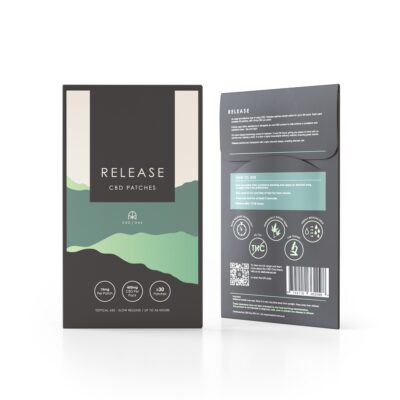
- CBD patches: a measured dose delivered over many hours. Some runners like patches for consistent, low-effort routines. If you want the deep dive, read CBD Patches: Everything You Need To Know.
- CBD oil drops: flexible dosing and a familiar format. Absorption varies and it can take time to find your “sweet spot”.
- Water soluble CBD: designed to mix into drinks, which some people find easier than oils. You can browse Water Soluble CBD for examples of this format.
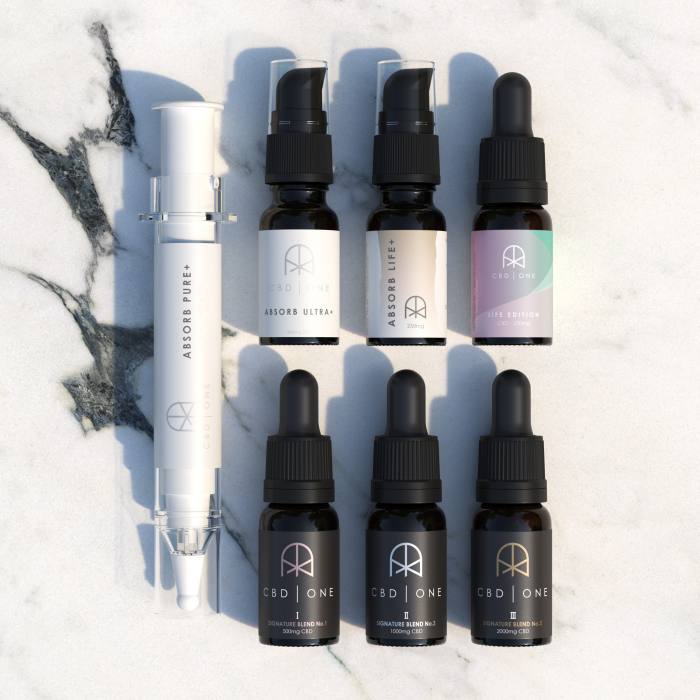
One example from our own range at CBD One is that we focus heavily on full spectrum extracts across oils and water soluble options, because we like the “whole plant” philosophy behind the Entourage Effect. It is not the only approach, but it is one we find fits real-world routines.
Choosing a product: a quick quality checklist
When you are comparing options, a CBD product comparison can stop you getting lost in marketing.
- Look for clear cannabinoid content in mg (not just “hemp extract”).
- Check the spectrum: isolate vs broad spectrum vs full spectrum.
- Look for third-party lab reports (Certificates of Analysis).
- Be cautious with unrealistic claims around pain, sciatica, or “instant cures”.
Medication safety: ibuprofen, naproxen, and CBD
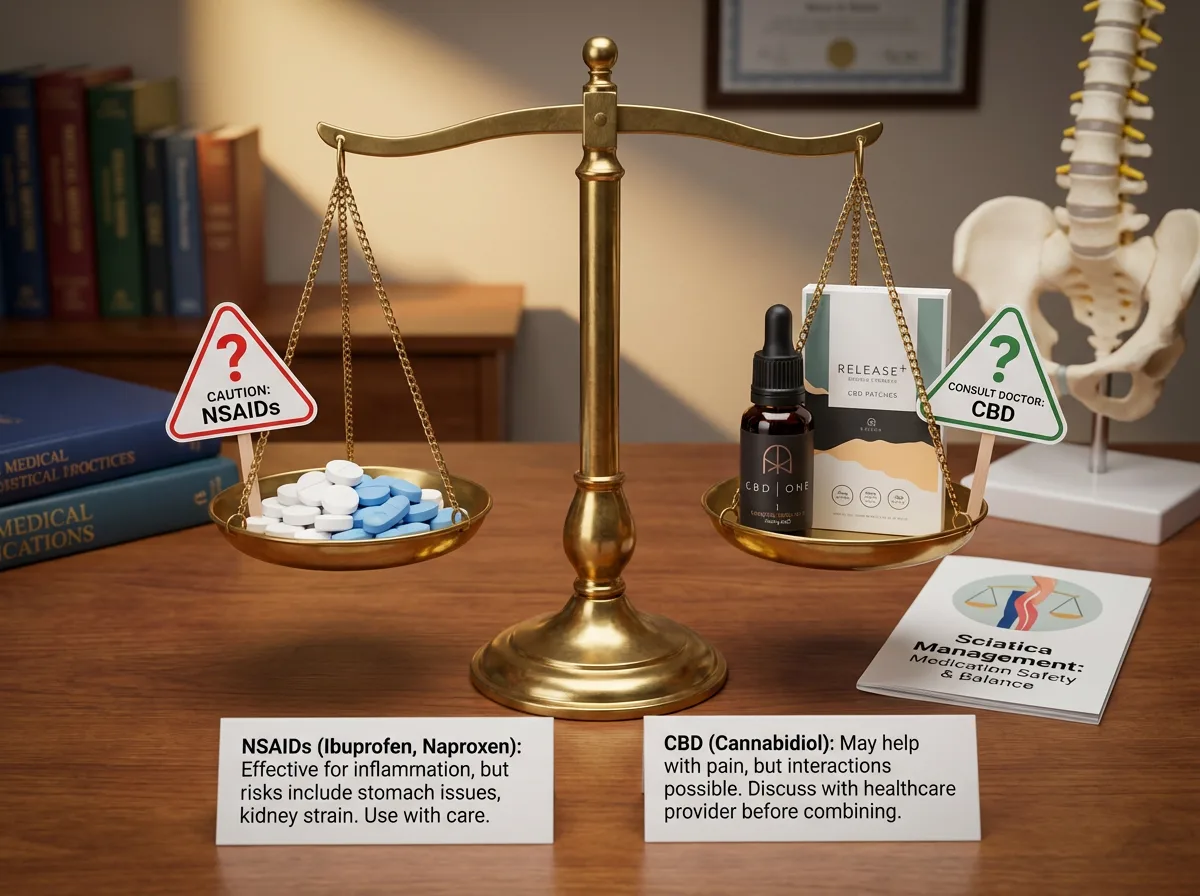
This is a big one, because people often self-manage sciatica with over-the-counter pain relief. It is sensible to be careful here.
Can you take ibuprofen with naproxen?
Generally, ibuprofen and naproxen are both NSAIDs (non-steroidal anti-inflammatory drugs). Many people should not combine NSAIDs unless a clinician has specifically advised it, because it can increase the risk of side effects such as stomach irritation, bleeding risk, and kidney strain. If you are unsure what is safe for you, check with a pharmacist or GP.
If someone has suggested naproxen for sciatica, follow their advice carefully and read the patient information leaflet. And if you have asthma, stomach ulcers, kidney problems, are on blood thinners, or have other health conditions, you really do need personalised guidance.
Can CBD be taken alongside medication?
CBD can interact with some medications, mainly because it can affect how your liver processes certain drugs. That does not mean “CBD is dangerous”. It means you should be sensible.
If you take regular medication, especially blood thinners, anti-epileptics, or complex prescriptions, read CBD and Medication and speak to your GP or pharmacist before adding CBD.
Hydration and electrolytes for UK runners (and why it matters)
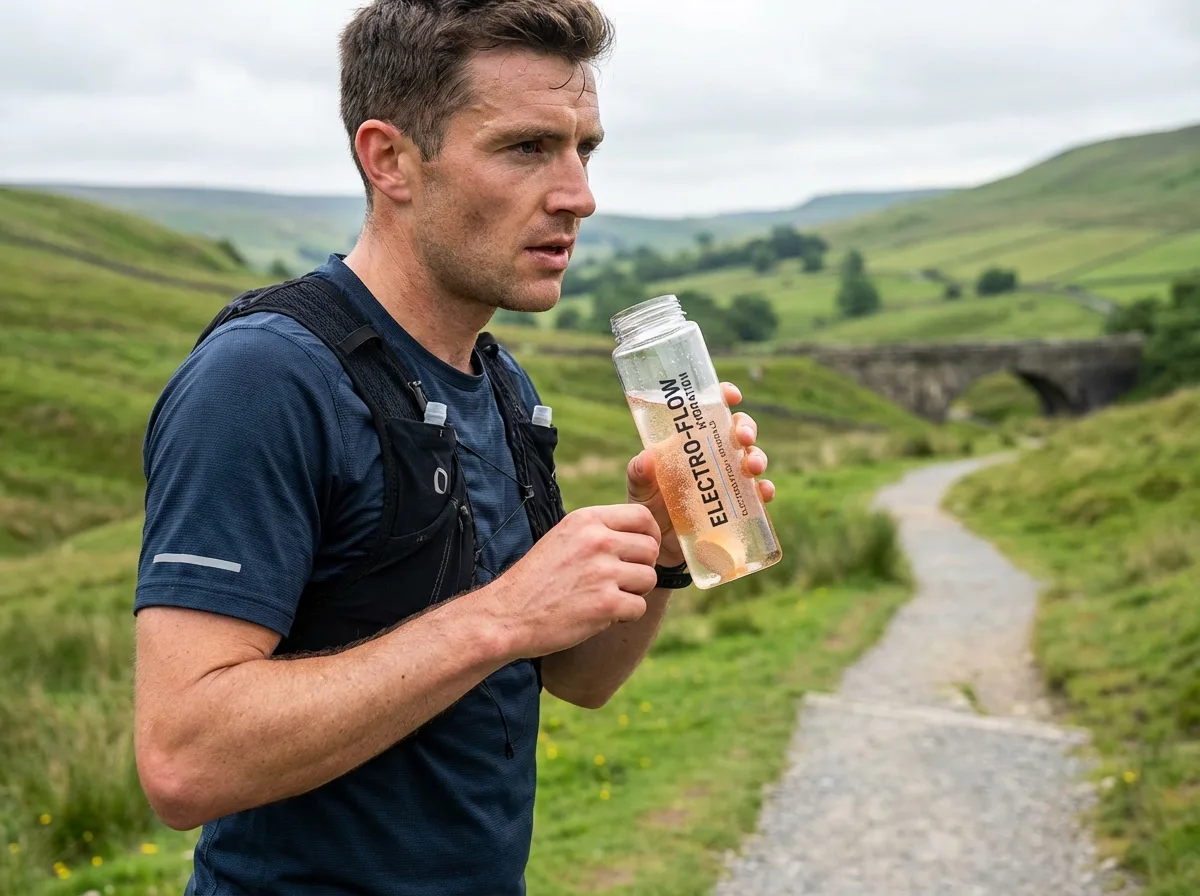
Electrolytes will not “fix” sciatica, but hydration affects cramping, perceived effort, and recovery. When you are already dealing with pain, the last thing you need is a dehydration headache and tight calves on top.
When electrolytes can be worth it
For many UK runners, electrolytes are most useful when you are sweating a lot, running longer, or training in warmer conditions. If you are looking at drinks with electrolytes in the UK, check labels for sodium content and total sugar. Some are essentially soft drinks with a sports label.
A simple option is electrolyte tablets you add to water. If you are doing shorter, easy runs, plain water and normal meals are often enough.
Frequently Asked Questions
Can you run with sciatica pain?
Sometimes, yes, but it depends on severity and how your symptoms behave. If running changes your gait, makes symptoms spread further down the leg, or leaves you worse for 24 to 48 hours, that is usually a sign to scale back or pause. If symptoms are mild and settle as you warm up, a short, easy, flat run might be okay. If you have worsening numbness, weakness, or any red flag symptoms, get assessed before running. When in doubt, choose the safer option for a week and reassess.
What is the safest way to start running again after a sciatica flare?
Start with walk-run sessions and keep the effort genuinely easy. Think 15 to 25 minutes total time, with more walking than jogging at first. Avoid hills and speed work initially, and check your response the next day. If you feel the same or better, you can gradually increase the jogging intervals or total time by small steps. If you feel worse, scale back and consider an assessment. Consistency beats intensity here, and small wins rebuild confidence.
Can CBD help with sciatica?
CBD is not a treatment for sciatica, and the research is still developing. Some people report that CBD helps them feel more comfortable, sleep a bit better, or feel less stressed during a flare, which can support recovery habits. Others do not notice much. If you choose to try CBD, keep expectations realistic and focus on how it fits your broader plan: load management, gentle movement, strength, and good sleep. If you are on medication, check interactions with a pharmacist or GP first.
Does CBD help with sciatica inflammation?
It is tempting to think in simple terms like “CBD reduces inflammation so it will fix it”, but bodies are rarely that straightforward. While CBD is being studied for its effects on inflammation pathways, that is not the same as proving it will reduce sciatica symptoms for everyone. Sciatica can be driven by mechanical irritation, nerve sensitivity, and protective muscle guarding, not just inflammation. If you try CBD, track your day-to-day response and keep it as one part of a sensible routine rather than the whole strategy.
What is the best cream for sciatica pain?
Topical creams can be helpful for local muscle discomfort around the hip, glute, or lower back, but they are unlikely to reach a deep nerve root. A “best” cream is usually one you will actually use consistently, that feels soothing on your skin, and that supports gentle massage and movement. If you are considering a CBD topical, look for clear CBD content in mg and a third-party lab report. If pain is severe, spreading, or linked with numbness or weakness, get assessed rather than relying on creams.
Are CBD patches a good option for runners?
Some runners like patches because they are discreet and offer a measured amount over many hours, which can suit busy days when you do not want to think about dosing. CBD patches sold in the UK are often made with CBD isolate, which is typically THC-free, an important consideration for tested athletes. That said, everyone responds differently, and patches are not a “better” option, just a different format. If you are curious, read CBD Patches: Everything You Need To Know before choosing.
Can you take ibuprofen with naproxen for sciatica?
Usually you should not combine ibuprofen and naproxen unless a healthcare professional tells you to, because they are both NSAIDs and stacking them can raise side effect risks. If you are in significant pain, speak with a pharmacist about safer options and dosing, especially if you have stomach issues, asthma, kidney problems, high blood pressure, or you take other medication. It is also worth reviewing non-medication strategies, like pacing, gentle walking, and sleep support, rather than relying only on tablets.
Can you take CBD with naproxen?
Some people do, but you should check with a pharmacist or GP first because CBD can interact with certain medications. Naproxen itself has safety considerations, and combining multiple things without guidance is rarely wise. If you are taking any regular medication, it is worth reading CBD and Medication and having a quick conversation with a clinician who knows your history. If you do try CBD, start low, go slow, and stay within the FSA guidance of 70mg per day for healthy adults.
Does CBD help with anxiety when pain is flaring?
Some users report that CBD helps them feel calmer, especially as part of an evening wind-down routine. Others feel no noticeable difference. Pain and anxiety can feed each other, so anything that supports relaxation, breathing, and sleep can be useful, even if it is indirect. If you are using CBD for calm, focus on consistency rather than chasing a big “hit”. If anxiety is persistent, intrusive, or affecting daily life, speak to your GP or a qualified mental health professional for proper support.
What are good drinks with electrolytes in the UK for runners?
Electrolyte tablets you add to water are often a simple, low-sugar option for UK runners, especially if you sweat heavily or run longer. For bottled sports drinks, check the label for sodium and total sugar, because some are more like fizzy drinks than performance hydration. Electrolytes are most relevant for long runs, warm conditions, or if you are cramping frequently. For easy, shorter runs, water plus normal meals is often enough. If you have medical conditions that affect salt balance, ask your GP before increasing sodium intake.
How do I work out a CBD dose if I want to try it?
Start low and build slowly, giving each dose a few days before changing it. Many people find a consistent daily routine works better than random “as needed” use, particularly for sleep and general wellbeing. Keep within the UK Food Standards Agency recommendation of no more than 70mg CBD per day for healthy adults. A simple way to get your bearings is a CBD dosage guide, then adjust based on your response. If you take medication, check interactions first.
Key Takeaways
- Running with sciatica can be possible, but only if symptoms stay stable and your gait is not altered.
- Remove intensity first: flatter routes, slower pace, and walk-run sessions can keep you moving without poking the bear.
- CBD may support comfort, sleep, or stress for some people, but it is not a cure and results vary.
- Do not stack NSAIDs like ibuprofen and naproxen unless a clinician advises it.
- If you try CBD, start low, go slow, and stay within the FSA guidance of 70mg per day for healthy adults.
Conclusion
If you are dealing with running with sciatica, try to avoid the two extremes: complete rest for weeks on end, or forcing your way through every run. Most people do better with calm pacing. Keep movement gentle, remove intensity spikes, build strength gradually, and track your next-day response like it is part of training data.
Now, when it comes to CBD, think of it as a potential helper for your wider routine, not the solution on its own. Some runners use CBD oils, water soluble CBD in a drink, or a patch as part of their evening wind-down, especially when symptoms are making them tense or disrupting sleep. If you want to explore options, a CBD product comparison can help you choose based on format and quality rather than hype.
If you are unsure where to start, explore and take your time. Speak to a pharmacist or GP if medication is involved.
If you want a second pair of eyes on your routine, you can always reach out for free guidance.