

Does CBD Help With Sleep: Complete UK Guide 2026
Here’s the thing. CBD is not a sleeping tablet, and in the UK it cannot be marketed as a medicine. The research is still developing, and people respond very differently. That said, some users report that CBD supports relaxation and helps them feel more ready for sleep, especially when stress is part of the picture.
This guide will help you make sense of what CBD can realistically do, how to use it sensibly, what to look for on labels, and how to build a sleep routine that actually sticks.
Why sleep is complicated (and why quick fixes fail)
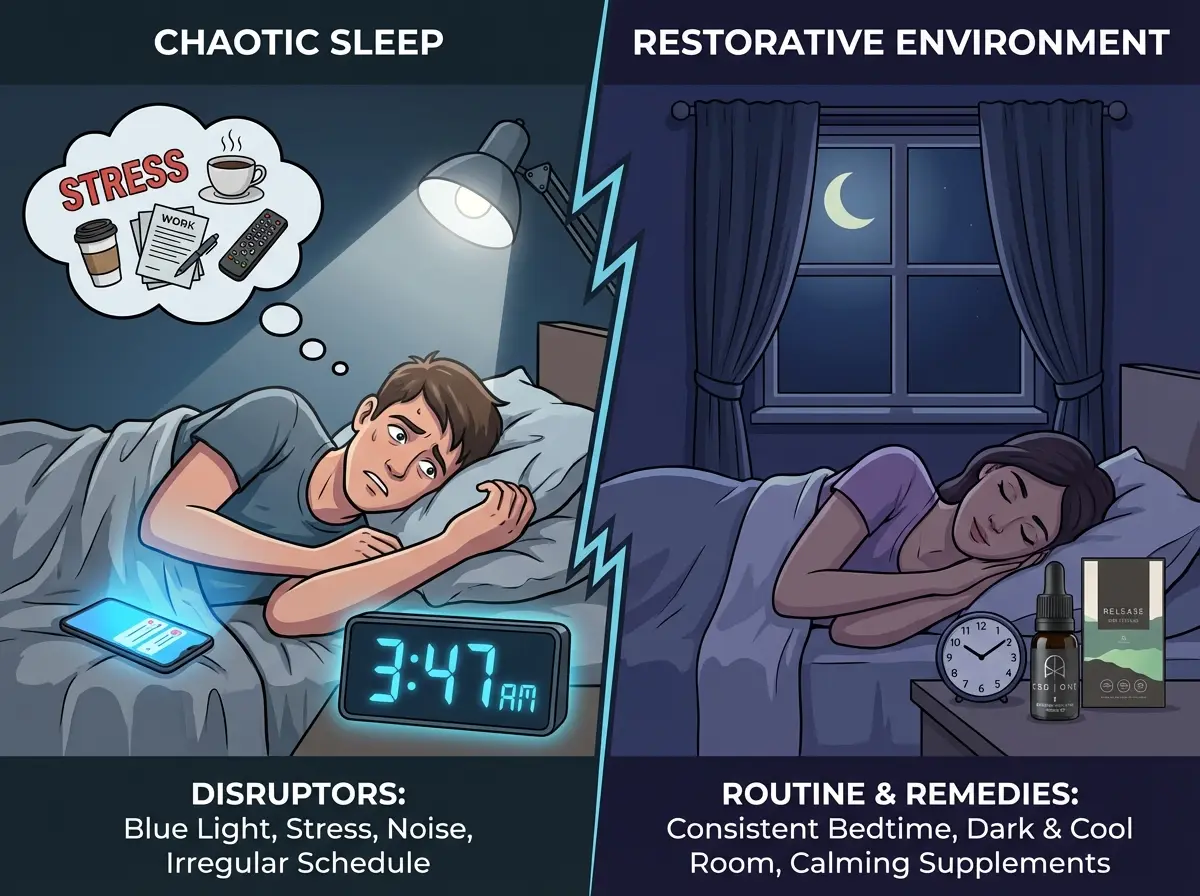
When people ask me about CBD and sleep, I usually start with a simple question: what kind of “bad sleep” are you dealing with?
Struggling to fall asleep is different from waking at 3am. Light, restless sleep feels different again. Each of these can have different drivers, like stress, pain, overheating, alcohol, late meals, hormones, blue light, or simply an inconsistent routine.
Consider this. If your nervous system is stuck in “on” mode all evening, your body may not easily switch into rest, even if you feel exhausted. In practice, this means the most helpful approach is often layered: a consistent bedtime, better light habits, a wind-down ritual, and only then supportive tools like CBD.
If you want a broader foundation on CBD itself before narrowing in on sleep, it is worth reading our parent guide on CBD oil.
Does CBD help with sleep? What we know in 2026
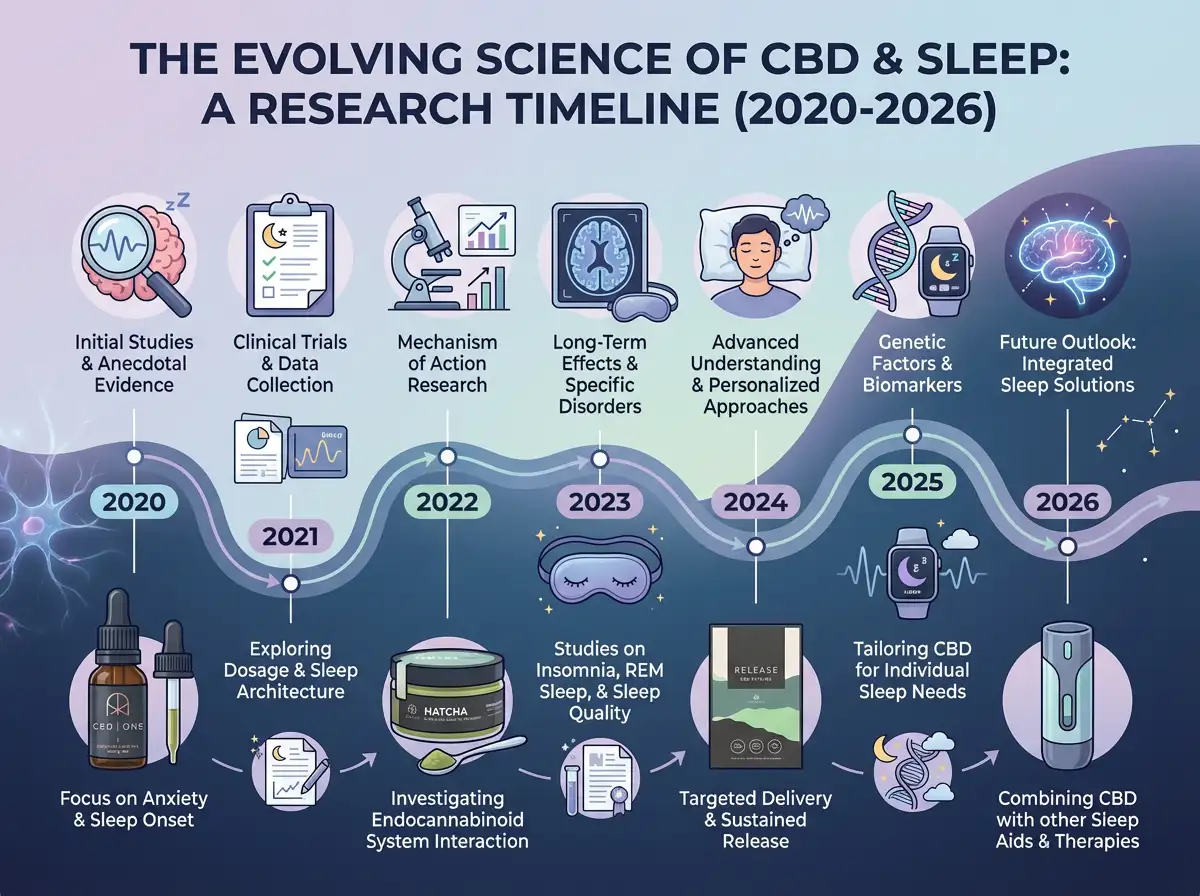
So, does CBD help with sleep? The honest answer is: it might help some people, but it is not a guaranteed fix, and it will not work the same way for everyone.
Research is exploring CBD for sleep in a few different ways, including how it may affect stress, discomfort, and the sleep-wake cycle. But the evidence is still mixed, and many studies use different CBD doses, different product types, and sometimes include other cannabinoids. That makes it hard to translate directly into “take X mg and you will sleep.”
From a practical standpoint, the most common real-world pattern I hear is this: some people feel more settled in the evening, less mentally “busy”, and more able to keep to a bedtime routine. Others feel nothing at all. A smaller group feel more alert if they take CBD too late, which is why timing and dose matter.
One more important point for the UK: CBD products are classed as food supplements, not medicines. Any brand claiming CBD “treats insomnia” is not being responsible.
How CBD may influence sleep and your wind-down
CBD and your endocannabinoid system, in plain English
Think of the endocannabinoid system (ECS) as part of your body’s balancing network. It is involved in lots of everyday functions, including mood, stress response, and sleep regulation.
CBD does not “knock you out”. Instead, it may support balance by interacting indirectly with ECS signalling and other pathways that influence how you feel in yourself. In practice, this is why many people describe CBD as helping them “unclench” rather than sedating them.
What about CBD for sleep and anxiety?
A very common search is “does CBD help with sleep and anxiety”. The reality is that worry and sleep are tightly linked. If your mind is racing, your body does not always get the message that it is safe to rest.
Some users report CBD helps them feel calmer at night, which can make it easier to fall asleep. That is different from saying CBD treats anxiety. If anxiety is severe, persistent, or affecting daily life, it is worth speaking to your GP and getting the right support alongside any supplement.
CBD, THC, and why “full spectrum” comes up so often
You will see “full spectrum” on a lot of sleep-focused CBD conversations. Full spectrum products contain CBD plus naturally occurring minor cannabinoids and plant compounds, with only trace THC within legal limits.
What many people overlook is that a plant extract is not just one ingredient. Some people prefer full spectrum because of the “Entourage Effect”, which is the idea that cannabinoids and terpenes may work better together than alone. If you want a deeper explanation, you can read The Entourage Effect.
CBD oil vs drinks vs patches for bedtime routines
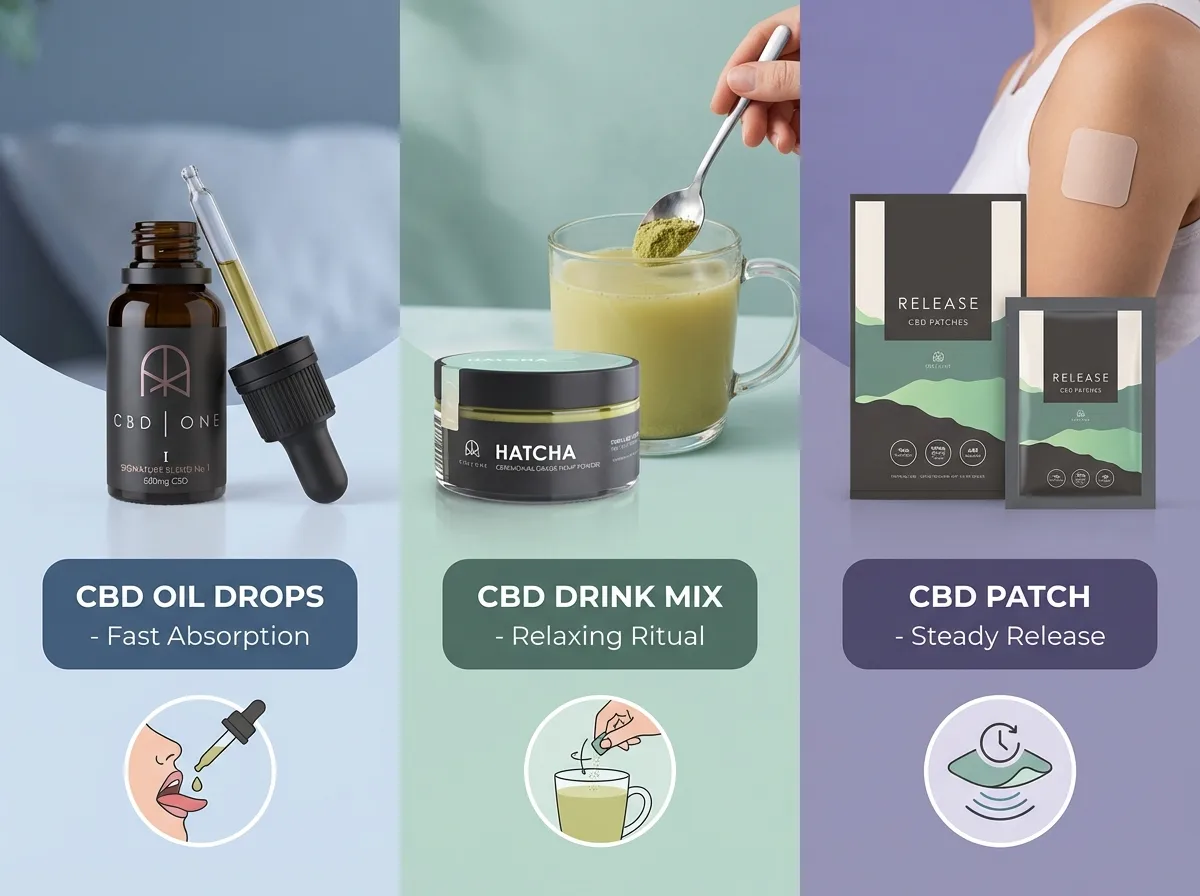
Now, when it comes to using CBD for sleep, the format you choose often matters as much as the ingredient itself. Not because one is “best”, but because each fits a different routine and absorption pathway.
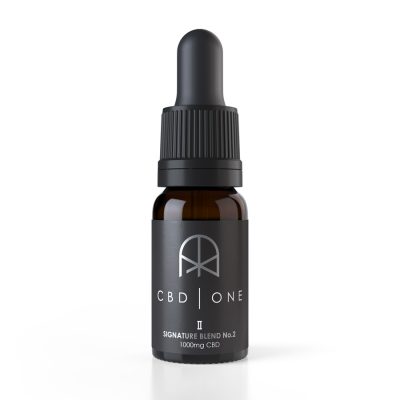
CBD oil drops (classic bedtime option)
CBD oil is usually taken under the tongue for a short period before swallowing. Many people choose oils for evening use because it is simple, flexible, and easy to adjust drop by drop.
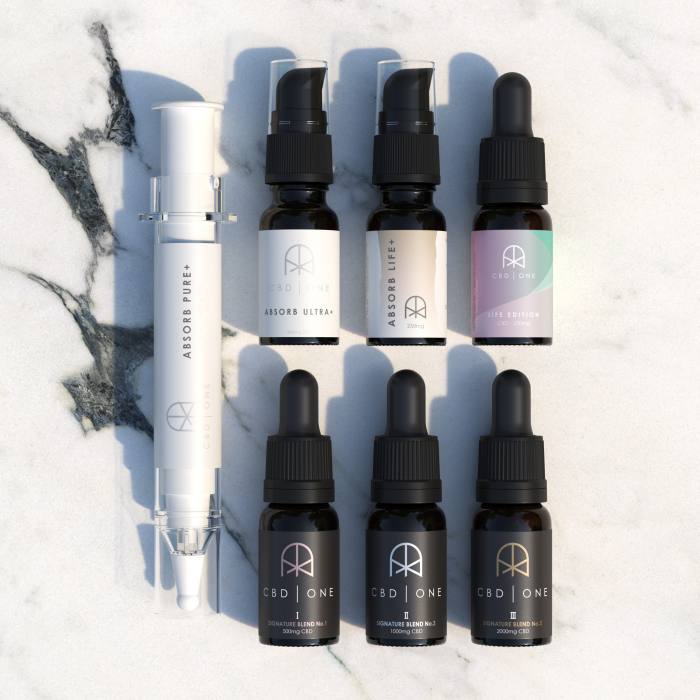
At CBD One, our core oils are full spectrum, and we keep the approach simple: consistent quality, lab verification, and strengths that let you build a routine slowly rather than guessing.
If you want to browse formats rather than specific strengths, the CBD Oils category is the cleanest place to start.
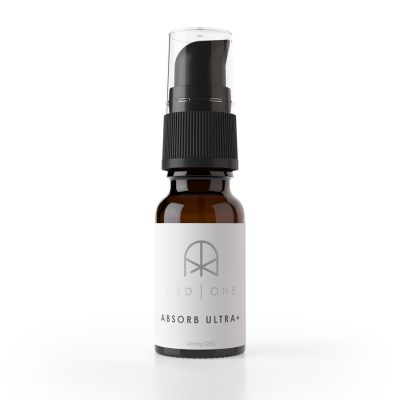
Water soluble CBD (easy if you dislike oil taste)
If you are someone who struggles with the taste of CBD oil, water soluble CBD can be an easier fit. It mixes into a hot or cold drink, which naturally suits a “tea and book” wind-down routine.
CBD One’s Absorb range is one example of a water soluble, full-spectrum option designed for simple daily use. You can see the broader format here: Water Soluble CBD.
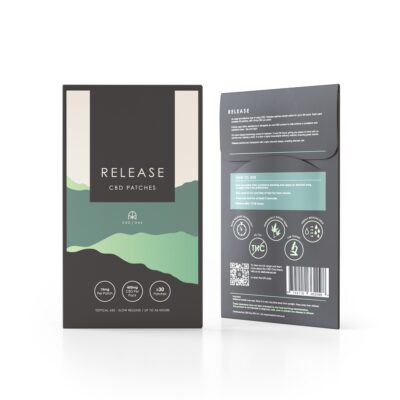
CBD patches (steady release, but not for everyone)
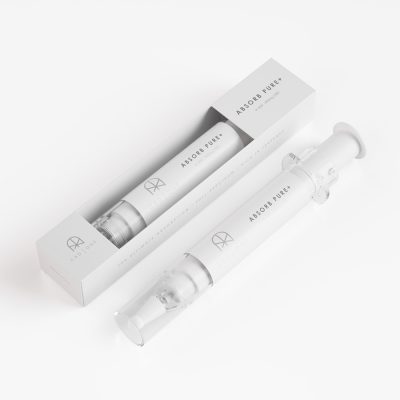
CBD patches sit on the skin and deliver a measured amount over time. Some people like them because they are discreet and consistent, especially if they wake in the night and do not want to re-dose.
CBD One patches are CBD isolate and THC-free, with slow-release use described as up to 12–36 hours depending on the patch. That might appeal if you want a steady approach, but it is a different feel compared to full spectrum oils.
Timing and dosage: practical UK guidance
The question I hear most after “does CBD help with sleep” is “how much should I take, and when?”
Start low, go slow, and change one thing at a time
CBD is individual. Your body size, stress levels, sleep patterns, and sensitivity all play a part. A sensible approach is to start with a low amount, keep it consistent for several nights, then adjust gradually if you need to.
In the UK, the Food Standards Agency recommends healthy adults do not exceed 70 mg CBD per day. That is a useful safety ceiling, not a target to aim for on day one.
When to take CBD for sleep
Many people take CBD 30 to 90 minutes before bed, then keep the rest of their routine the same. Consider this as an experiment: pick one dose, one time, and stick with it for a week.
If you are unsure how quickly CBD might feel noticeable for you, this guide on How Long Does CBD Take To Work? will help you set realistic expectations.
Use tools that remove guesswork
Because products vary a lot in strength, it is easy to under-dose, over-dose, or simply lose track. A calculator can help you translate “drops” or “pumps” into milligrams so you can be consistent night to night.
If you want help with that, use our CBD Dosage Calculator and keep a simple note of your bedtime, dose, and how you slept.
Quality and safety checks (UK specific)
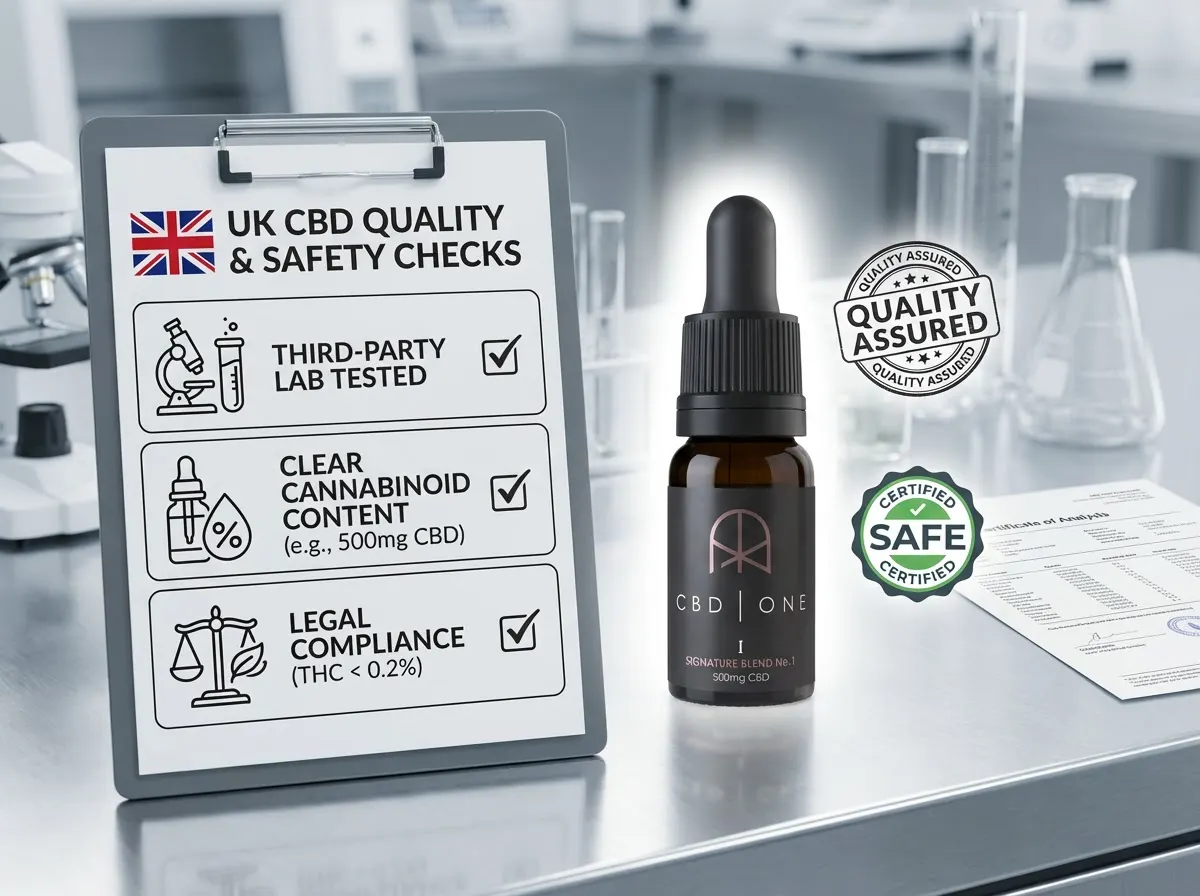
The reality is that sleep makes you vulnerable to marketing. When you are tired, any promise sounds tempting. Quality checks protect you from wasting money, and more importantly, from taking something you do not trust.
Look for lab reports and clear cannabinoid information
A reputable CBD product should have third-party lab testing and a certificate of analysis available. You want to see cannabinoid content clearly stated, ideally batch-specific.
If a label is vague, or the brand cannot show testing, move on.
Be careful with medication interactions
If you take prescription medication, speak to your GP or pharmacist before using CBD. CBD can interact with some medicines, and it is not worth guessing, especially if you are using CBD nightly.
For a sensible overview, read CBD and Medication.
Compare options without getting overwhelmed
It helps to have a simple framework: spectrum (full spectrum vs isolate), format (oil, water soluble, patch), strength, and lab testing. That is usually enough to make a confident choice without falling into analysis paralysis.
If you want a side-by-side way of thinking about options, see our CBD Product Comparison. For a broader “how to choose a reputable brand” read our CBD Buying Guide.
A realistic CBD sleep ritual you can actually follow
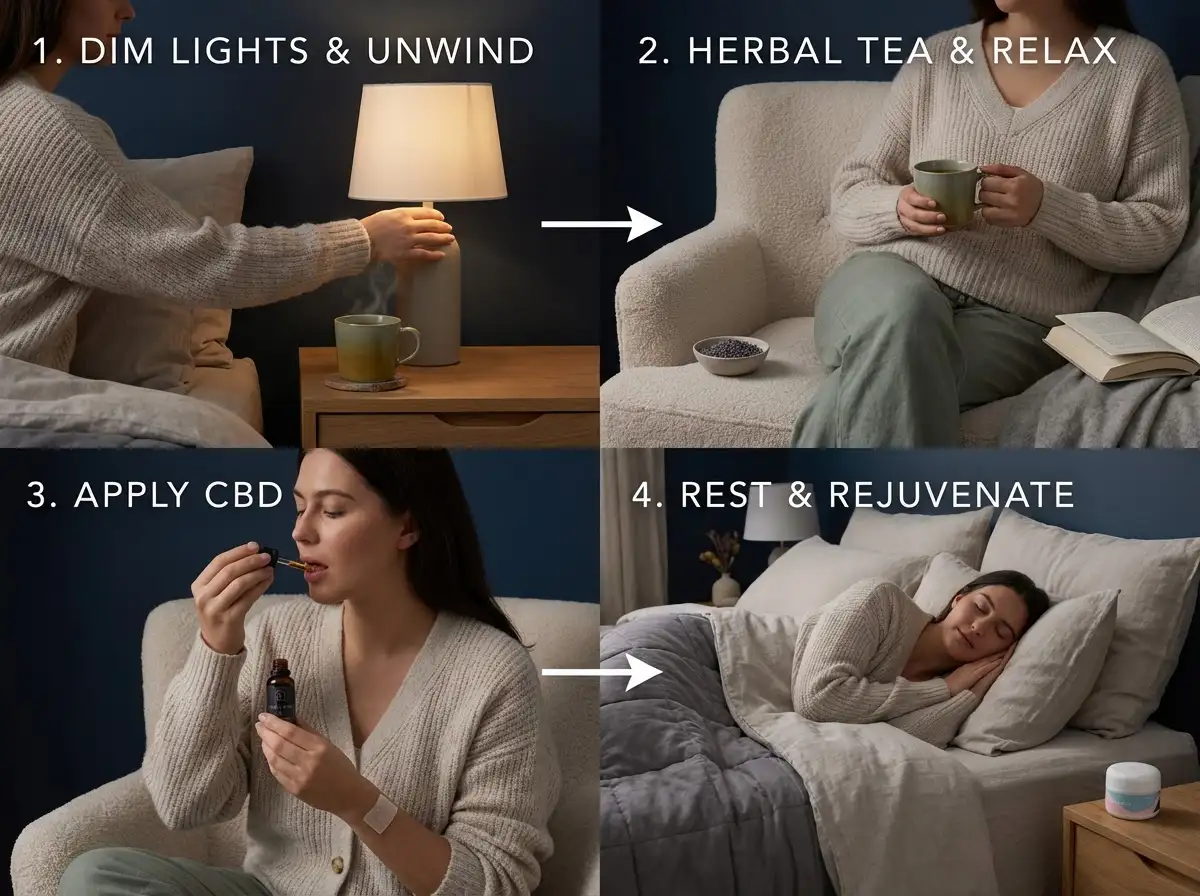
Think of CBD as a support act, not the main event. Your routine is what teaches your body that sleep is coming.
A simple 20 minute wind-down plan
- Pick a consistent time: aim for the same bedtime and wake time most days.
- Dim lights and lower stimulation: reduce overhead lighting and scrolling.
- Take CBD at the same point in the routine: for example, after brushing your teeth.
- Choose one calming cue: a short stretch, a warm shower, or a few minutes of slow breathing.
- Keep your room cool and dark: comfort beats willpower at 2am.
What to track for 7 nights
Instead of obsessing over “perfect sleep”, track two or three simple things: how long it took you to fall asleep, how many times you woke, and how you felt on waking.
After a week, you will have a clearer answer than any review online about whether CBD is helping your sleep routine, and what to tweak next.
What outcomes you can realistically expect (and how to tell if it is working)
One reason CBD gets a mixed reputation for sleep is that people measure the wrong thing. If you expect to feel “knocked out”, you might be disappointed. If your goal is to feel less wired and more consistent, you might notice a shift.
From a practical standpoint, there are a few changes people commonly look for when they trial CBD as part of a bedtime routine:
- Falling asleep with less mental noise, even if it still takes a while.
- Fewer stress-driven wake-ups, especially the kind where your mind starts planning tomorrow at 3am.
- Less evening tension, so you actually follow through on the wind-down you planned.
- A steadier rhythm, where bedtime stops feeling like a battle every night.
Consider this as your test. Pick one “win” that matters to you, track it for 7 nights, and ignore everything else. If your chosen win does not improve at all after a consistent trial, it is a sign to adjust timing, dose, format, or to look at other foundations like light exposure, alcohol, late meals, or room temperature.
Why CBD sometimes makes people feel more awake at night
This catches people off guard. You take something to help you wind down, and you feel a bit too switched on. It does not happen to everyone, but it is common enough to plan for.
Here are a few reasons it can happen:
- You took more than your “comfortable” amount. Some people find higher amounts feel stimulating rather than calming.
- Your timing is too late. If you take CBD right before you get into bed, you might be paying attention to every little shift in how you feel.
- Your evening routine is still high stimulation. CBD cannot fully counteract bright screens, intense work, late-night news, or a very hot room.
- You are someone who feels clearer and more focused when you are less tense. That can feel like wakefulness, even though it is really just “less frazzled”.
If you notice this, the simplest adjustment is to take CBD earlier in the evening, reduce the amount, and keep everything else the same for several nights. Change one variable at a time so you learn what your body is responding to.
Can you take CBD every night for sleep?
Many people do use CBD daily, including in the evening, but it is worth being sensible about it.
Here’s the thing. If you are using CBD as part of a routine, consistency usually matters more than chasing a bigger amount. Daily use is also when it becomes most important to think about product quality, lab testing, and medication interactions.
If you are a healthy adult, staying within the UK Food Standards Agency guideline of 70 mg CBD per day is a reasonable safety boundary. If you have health conditions, take medication, or you are using other supplements that make you drowsy, it is worth checking in with a pharmacist or GP before you turn CBD into a nightly habit.
Consider taking short “check-ins” with yourself every few weeks. Is it still helping your routine, or has it become a substitute for the basics? CBD can be supportive, but your sleep foundations still do most of the heavy lifting.
UK-specific notes: NHS, workplace testing, and travel
CBD and the NHS: why guidance can feel limited
A common search is “CBD oil for insomnia NHS”. The reality is that the NHS generally focuses on treatments with strong clinical evidence and clear licensing. Over-the-counter CBD is sold as a supplement, so it sits outside the normal pathway for prescribed sleep support.
That does not mean you cannot use CBD. It simply means you should treat it as a personal, optional tool. If sleep is severely affecting your wellbeing, or you have symptoms that worry you, speak to your GP so you are not trying to handle it alone.
Workplace drug testing and sports rules
Full spectrum products contain only trace THC within legal limits, but “trace” does not always mean “zero”. If your job has strict testing, or you compete under rules that are very strict, this matters.
From a practical standpoint, consider this: if you need the lowest possible risk of THC exposure, an isolate product is often the more straightforward choice. If you prefer full spectrum, choose a brand with clear lab reports so you can see what is actually in the bottle.
Travelling with CBD
CBD rules vary a lot between countries, even within Europe. If you travel, check the rules for your destination, not just the UK. Keep products in original packaging and make sure the labelling is clear. If you are unsure, it may be safer to buy locally where it is legal, or pause during travel rather than risk issues at the border.
Frequently Asked Questions
Does CBD help with sleep straight away?
Some people report feeling more relaxed the first time they use CBD, while others notice nothing at all for days. It depends on the dose, product type, your sensitivity, and what is actually driving your sleep problem. In practice, I suggest giving a consistent dose and timing at least 5 to 7 nights before you judge it. Sleep is also strongly influenced by routine, light, caffeine, stress, and alcohol. CBD may support a wind-down, but it will not “override” poor sleep habits.
Does CBD oil help with sleep in the UK, or is it just hype?
In the UK, CBD is sold as a food supplement, so it cannot legally be marketed as a treatment for insomnia or any medical condition. That said, many UK users do report using CBD oil as part of a bedtime routine to feel calmer and more settled. The evidence base is still evolving and results vary. The best way to approach it is as a personal trial with sensible expectations: pick a reputable, lab-tested product, start low, and track your sleep for a week or two.
How does CBD oil help with sleep, if it is not a sedative?
CBD is not typically described as a “knockout” ingredient. Instead, research is exploring how it may influence systems linked to stress response, relaxation, and balance, including the endocannabinoid system. If stress, tension, or mental busyness is what keeps you awake, feeling calmer in the evening can indirectly support sleep. Some people also report that CBD helps them feel more comfortable at night, which again may make sleep easier. It is still very individual, and it is not a guaranteed effect.
Does CBD help you sleep better, or just fall asleep faster?
People use the phrase “sleep better” to mean different things. Some want to fall asleep faster, some want fewer night wakes, and others want deeper, more refreshing sleep. Anecdotally, CBD users report benefits in different areas, but there is no one consistent outcome for everyone. If you are trialling CBD, define your goal first. For example, “I want my mind to feel quieter at bedtime” or “I want to stop waking and checking the clock.” That makes it easier to decide if it is helping.
Does CBD help with sleep and anxiety?
Sleep and anxiety often feed into each other. If your nervous system is on high alert at night, you can feel tired but wired. Some people report CBD helps them feel calmer, which can make it easier to stick to a wind-down routine and fall asleep. That is not the same as CBD treating anxiety. If anxiety is frequent, overwhelming, or affecting your day-to-day life, speak to your GP. CBD may be a supportive tool, but it should not replace proper assessment or care.
What is the best time to take CBD for sleep?
Many people take CBD 30 to 90 minutes before bed, but there is no single “perfect” timing. Oils, drinks, and patches can all feel different in terms of onset and duration. The key is consistency: take it at the same time for several nights and see how you respond. If you feel too alert at bedtime, try taking it earlier in the evening. If you wake in the night, you may prefer a longer-lasting format or a slightly adjusted routine. Change one variable at a time.
How much CBD should I take for sleep in the UK?
There is no universal sleep dose, and you will see wildly different numbers online. A sensible approach is to start low and increase gradually only if needed. The UK Food Standards Agency recommends healthy adults do not exceed 70 mg CBD per day. That is a safety guideline, not a recommended “sleep dose”. Because products vary in strength, use a milligram-based approach rather than guessing. If you want to remove the maths, use a tool like a dosage calculator and keep a brief sleep diary while you adjust.
Can I take CBD with sleeping tablets or antidepressants?
This is a “check with a professional” situation. CBD can interact with some medicines, and combining supplements with prescription sleep aids can increase the risk of unwanted effects like excessive drowsiness or next-day grogginess. If you take any prescription medication, speak to your GP or pharmacist before using CBD regularly, especially at night. If you have already started and you notice side effects, stop using it and ask for advice. Your safety matters more than pushing through.
Is full spectrum CBD better for sleep than isolate?
Some people prefer full spectrum products because they contain CBD alongside minor cannabinoids and plant compounds, which may contribute to the Entourage Effect. Others prefer isolate because it is THC-free and feels more predictable for them. Neither is automatically “better” for sleep. Your choice may come down to personal preference, your sensitivity, and any workplace or sporting rules you need to follow. Whatever you choose, look for third-party lab testing and clear labelling so you know exactly what you are taking.
Will CBD make me feel groggy the next day?
Most people do not report a “hangover” effect from CBD in the way they might with strong sleep aids, but it can happen, particularly if you take too much, combine it with alcohol, or use it alongside sedating medications. If you feel groggy, reduce your dose, take it earlier, or pause and reassess. It also helps to check the basics: hydration, room temperature, late meals, and screen time can all create morning fatigue that gets blamed on CBD. If you are concerned, speak to a healthcare professional.
Does CBD make you sleepy or just relaxed?
Many people describe CBD as calming rather than sedating. In other words, you might feel less tense, less mentally busy, or more comfortable, and that can make it easier to fall asleep. Some people do feel sleepy, especially at higher amounts, while others feel a little more alert if they take it too late. If you are trialling CBD for sleep, focus on whether it helps your wind-down and routine, not whether it makes you feel drowsy in the moment.
Is it okay to take CBD every night?
Many adults choose to use CBD daily, including at night, but it is still a supplement, so it is worth being thoughtful. Keep your approach consistent, stay within the UK Food Standards Agency guideline of 70 mg CBD per day for healthy adults, and prioritise quality and lab testing. If you take medication, or if you have any health conditions, speak to your GP or pharmacist before making it a nightly habit.
Does CBD help with sleep apnoea?
If you suspect sleep apnoea, or you have symptoms like loud snoring, gasping at night, or excessive daytime sleepiness, speak to your GP. CBD is not a substitute for assessment and support for breathing-related sleep issues. Some people explore CBD for general relaxation, but it should not delay getting checked if you think there is an underlying problem.
Key Takeaways
- CBD may support sleep for some people, often by helping them feel calmer at night, but it is not a guaranteed fix or a medicine.
- Choose a format that fits your routine: oils for flexibility, water soluble for easy evenings, patches for steady measured dosing.
- Start low, stay consistent for a week, and do not exceed the UK FSA guideline of 70 mg CBD per day for healthy adults.
- Prioritise quality: third-party lab tests, clear cannabinoid labelling, and realistic claims.
- If you take medication or have a health condition, speak to your GP or pharmacist before using CBD, especially at night.
Conclusion
If you are asking “does CBD help with sleep?”, you are probably looking for something that feels natural, steady, and supportive rather than another harsh quick fix. That is a sensible mindset.
CBD may help some people feel more relaxed in the evening and more able to stick to a wind-down routine. It may do very little for others. The most reliable approach is to treat it like a personal experiment: pick a reputable, lab-tested product, use a low dose consistently, track your sleep for 7 nights, then adjust one step at a time.
At CBD One, we are big believers in routine and transparency. If you are unsure what format or strength fits your evenings, Nick offers free health advice to help you choose sensibly.
Explore, go slowly, and keep the goal simple: build a calmer night, one repeatable habit at a time.
If you want help getting started, explore our guides or speak to Nick for free, practical advice.