
CBD Therapy: Complete UK Guide (2026 Guide)
This guide is here to help you understand what “CBD therapy” can realistically mean, how CBD works in the body in plain English, and how to think about safety, interactions, and product quality. I will also share practical ways to build a routine, without making any promises about outcomes, because everyone responds differently.
What “CBD therapy” actually means in the UK
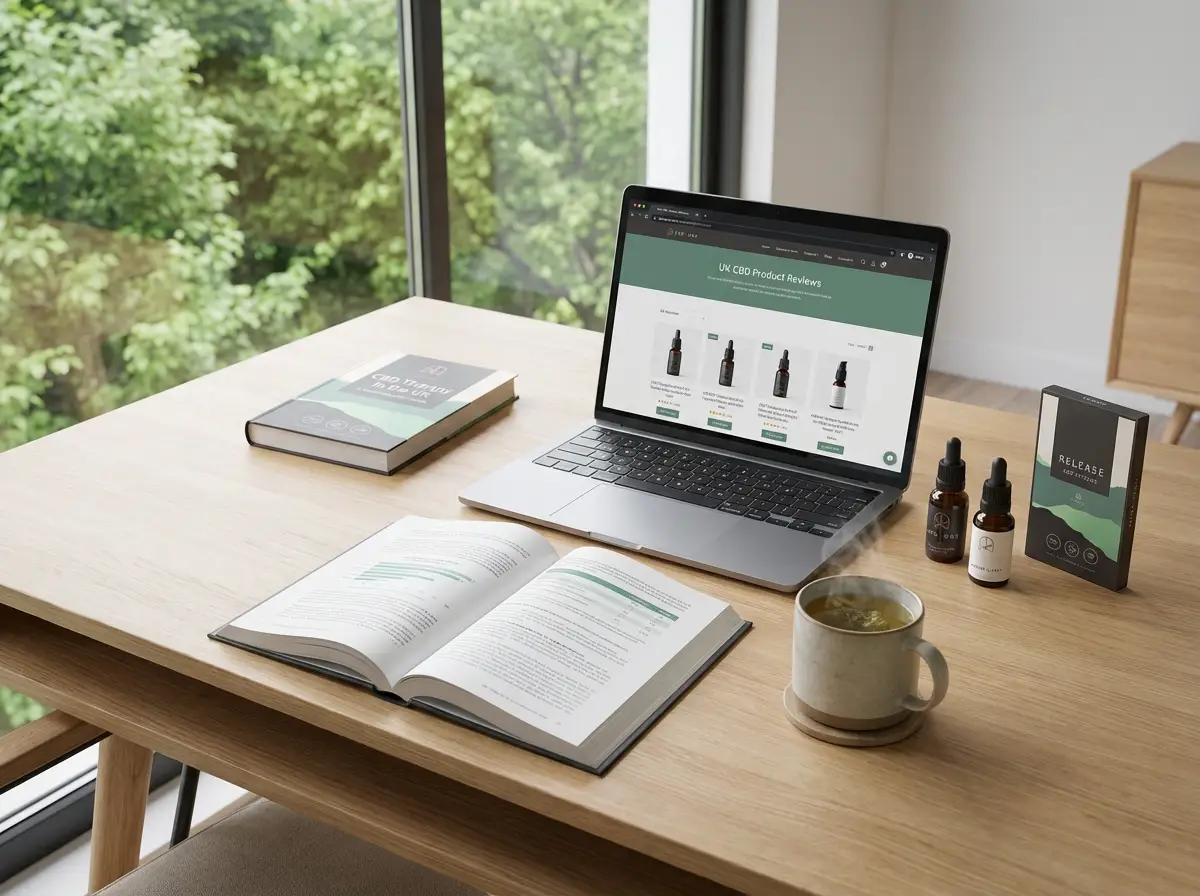
When people say “CBD therapy”, they usually mean one of two things: using CBD as a regular wellness supplement, or using CBD alongside a wider support plan (sleep routine, stress management, training, recovery, physiotherapy, counselling, and so on).
Now, when it comes to UK rules, CBD products are not medicines. That means brands cannot legally claim CBD “treats” anxiety, pain, cancer, or anything else. If you see that kind of language, it is a red flag.
From a practical standpoint, a healthier way to think about CBD is like this: it is a tool some people choose to support balance and daily wellbeing. Your routine still does the heavy lifting. Your sleep window, your nutrition, your movement, your recovery habits, your environment, and your stress load all matter.
If you are brand new to the basics, it can help to read premium CBD oil first, then come back here.
How CBD works (and what it does not do)
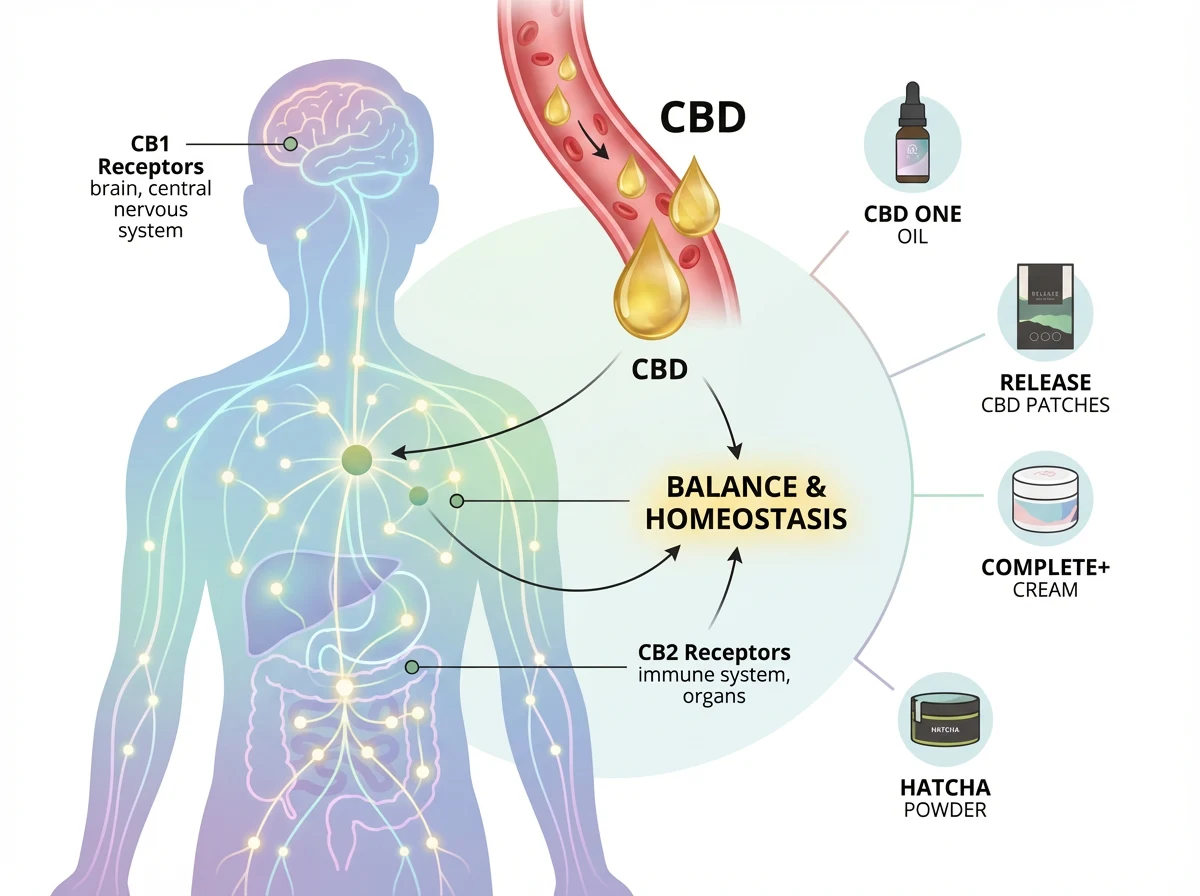
CBD (cannabidiol) is a non-intoxicating compound from the hemp plant. Non-intoxicating is important. It does not make you feel “high” in the way THC does.
The simple explanation: your body likes balance
Your body has a built-in network called the endocannabinoid system (ECS). Think of it like a set of dials and sensors that help regulate balance across things like mood, sleep-wake rhythms, appetite, and recovery. CBD does not “take over” this system. Research is still ongoing, but CBD seems to influence the ECS indirectly, which may help the body respond to stressors more smoothly.
The reality is that CBD is not a sedative, not a stimulant, and not a quick fix. Some people feel effects quickly, others notice nothing for a while, and some decide it is not for them. That variability is normal.
Full spectrum vs isolate: why people talk about “synergy”
You will see terms like “full spectrum” and “isolate”. Full spectrum generally means CBD plus other naturally occurring hemp compounds, including minor cannabinoids and aromatic compounds called terpenes, with trace THC within legal limits. Many people choose full spectrum because they like the idea of the compounds working together (often called the Entourage Effect).
CBD with chemotherapy or immunotherapy: what to consider
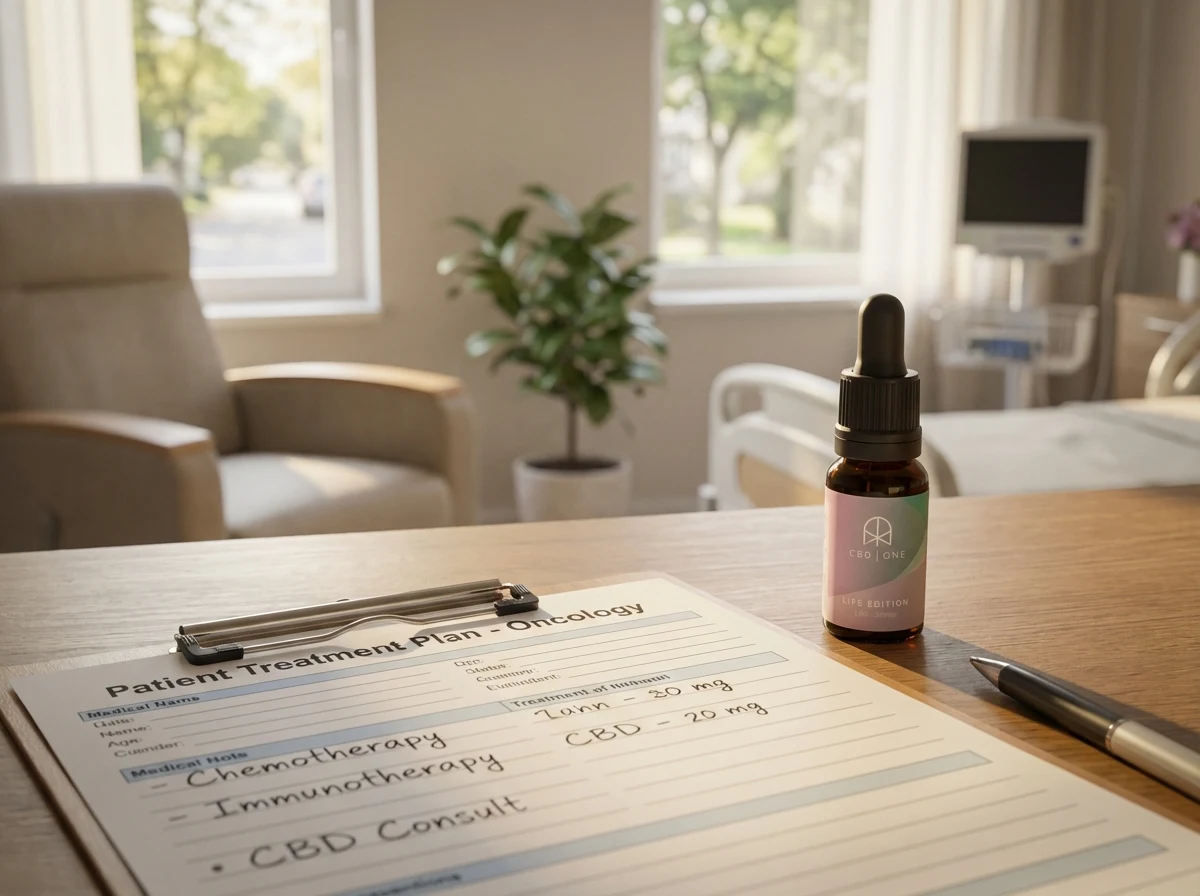
If your search includes “can I use CBD with chemotherapy?” or “CBD and immunotherapy”, please treat this as a medical conversation first, not a supplement decision.
Never start CBD during cancer treatment without speaking to your oncology team or GP. That is not scare-mongering. It is basic safety. Many medicines are processed by liver enzymes (including the CYP450 family), and CBD can affect how those enzymes work. In practice, this means CBD can potentially change how some medicines are broken down, which may alter levels in your body.
Consider this: chemotherapy and immunotherapy protocols can be finely balanced. Even “natural” supplements can complicate things. Your clinicians need the full picture to advise you properly, including your dose, product type, and timing.
Common situations people ask about
CBD oil for chemotherapy is often searched in the context of comfort, appetite, sleep, or general coping. People also ask about “CBD oil and chemotherapy” because they want to avoid anything that might interfere with treatment.
CBD oil and immunotherapy is another big one. Immunotherapy works by influencing immune signalling, so it makes sense to be cautious about adding any supplement without guidance.
If you want a grounded overview of interactions, I recommend reading CBD and Medication and then taking that information to your GP or consultant.
CBD formats and routines: what “CBD therapy” looks like day to day
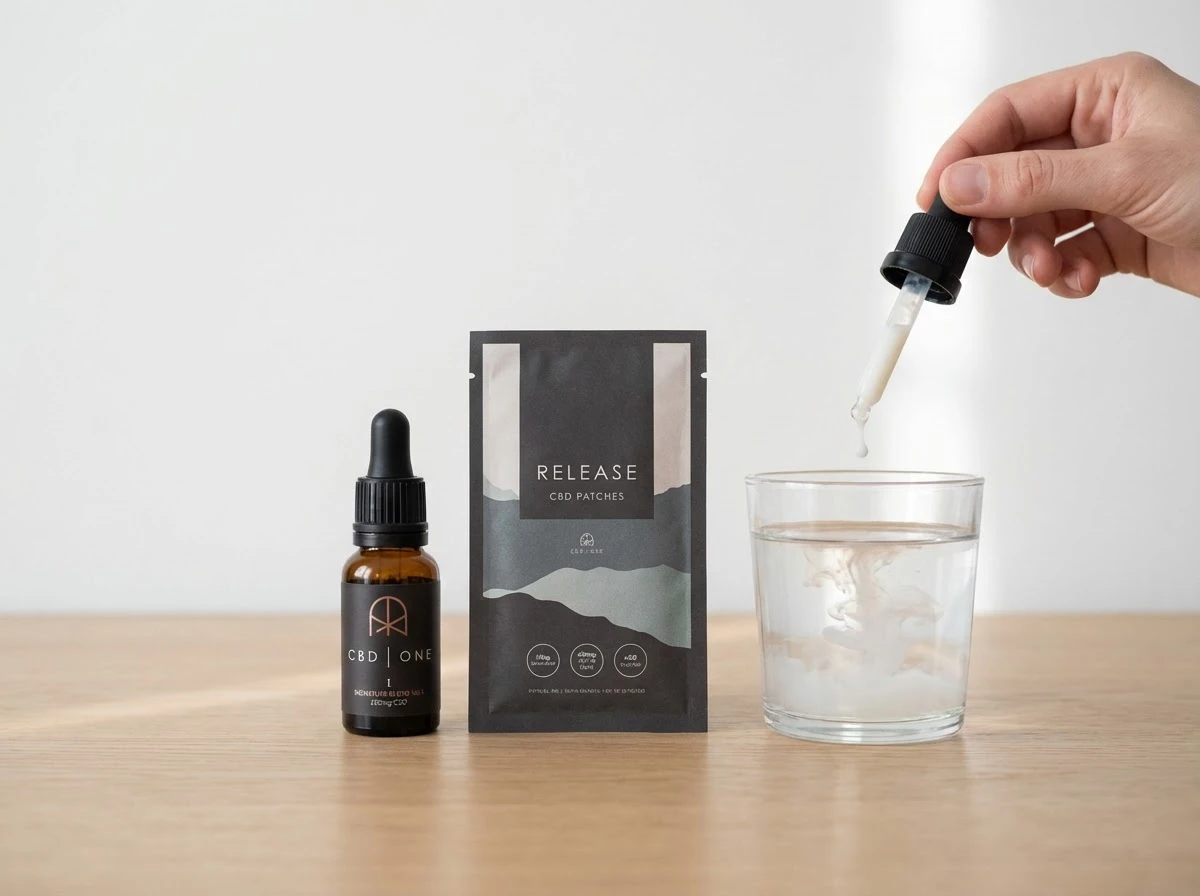
What many people overlook is that “CBD therapy” is usually not a single dose. It is a routine. And the format you choose can change how easy it is to stay consistent.
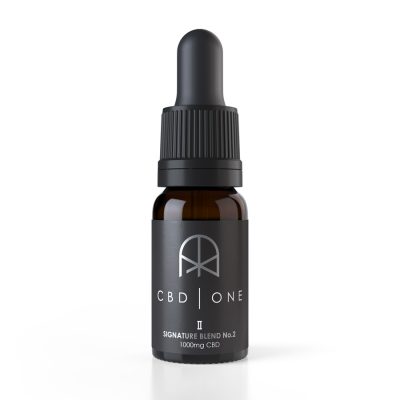
CBD oil drops (sublingual)
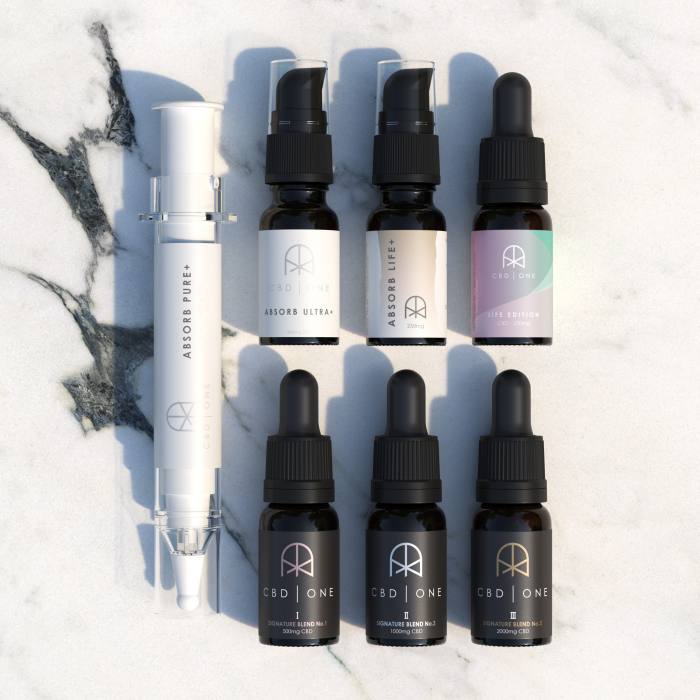
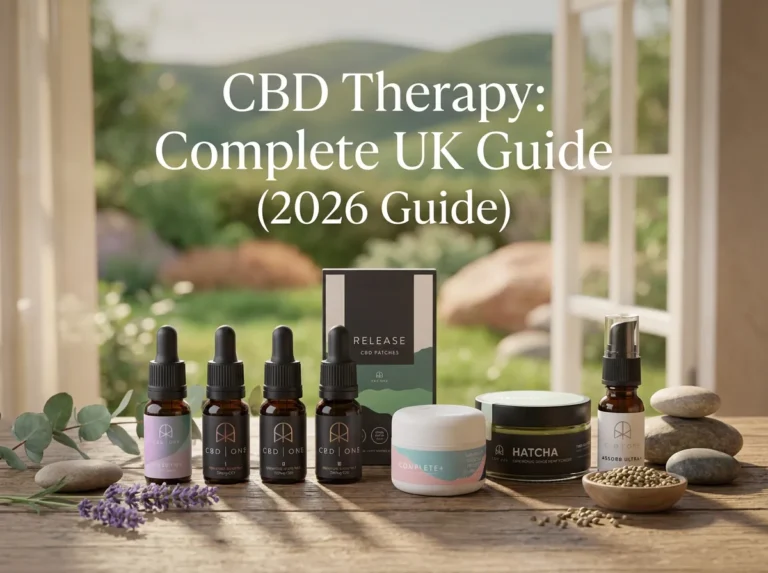
Oils are popular because they are simple and flexible. You place drops under the tongue, hold briefly, then swallow. CBD One oils list a typical bioavailability figure of about 0.12 (12%), which is a helpful reminder that not everything you take necessarily gets used by the body.
If you want to browse formats rather than individual products, the CBD Oils category is an easy place to compare strengths and decide what suits your routine.
Water soluble CBD (mix into drinks)
Some people dislike the earthy taste of hemp oils, or they simply prefer a “morning drink ritual”. Water soluble CBD is designed to mix into hot or cold drinks and can be easier to take consistently.
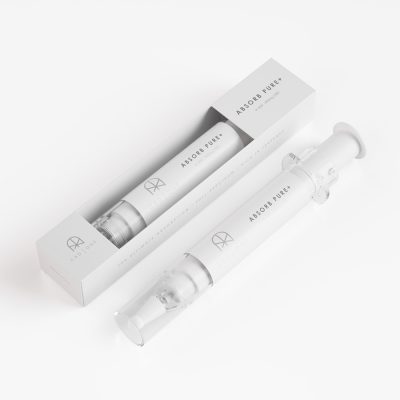
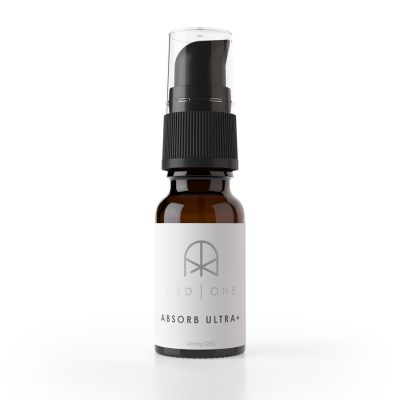
One example from our range is Absorb Ultra+, a full spectrum water soluble product taken via a pump. It is designed for convenience so you can add a measured amount to a coffee, tea, or smoothie. If that format appeals, you can explore the Water Soluble CBD category to understand the options.
CBD patches (steady, measured delivery)
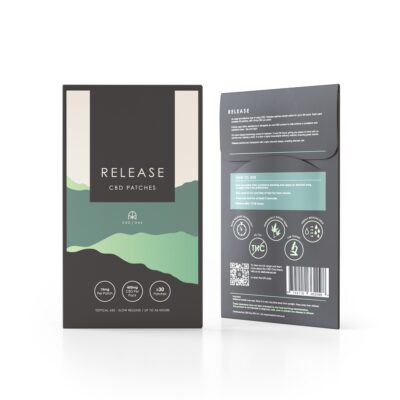
Patches are a different approach. Instead of taking CBD by mouth, you apply a patch to clean, dry, hair-free skin and leave it on for 12 to 36 hours depending on the product. Many people like patches because they remove the guesswork of counting drops and keep things consistent.
CBD One patches are CBD isolate (THC-free) and are described as “40%+” bioavailability for the 15 mg option. If you are curious about how patches compare to oils, CBD Patches: Everything You Need To Know is worth a read.
Dose basics: how people approach “CBD therapy” safely
Dose is where most confusion lives, because everyone wants a number. The honest answer is that CBD dosing is individual. Your body size, sensitivity, the product format, your routine, and your goal all influence what feels right.
Start low, go slow (and track it)
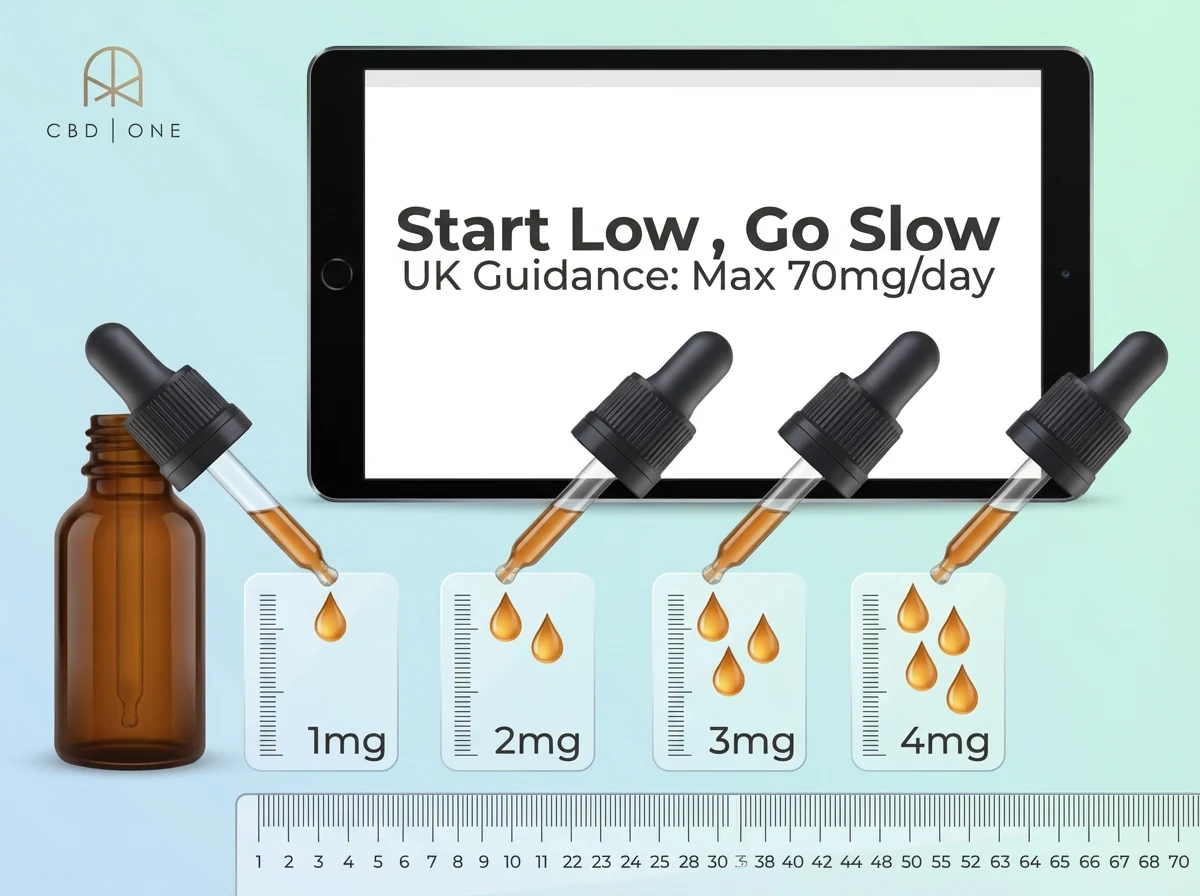
In practice, this means start with a low amount for a few days, notice how you feel, then adjust gradually. Keep it boring and consistent. A little note in your phone is enough: time of day, amount, and what you noticed.
For healthy adults, the UK Food Standards Agency (FSA) advises not exceeding 70 mg of CBD per day. If you are taking medications, have liver issues, or are under medical supervision, speak to a clinician before using CBD at all.
If you like calculators, use them as a starting point, not as gospel. You can explore our CBD dosage guide to sense-check your approach.
Quality and labels: how to choose a product you can trust
Here is the thing. Most negative CBD experiences I hear about are not “CBD problems”. They are quality, labelling, or dosing problems.
What to look for on the label
- Clear CBD content in mg per bottle and ideally mg per serving
- Spectrum stated (full spectrum, broad spectrum, or isolate)
- Batch-level third-party lab reports (a Certificate of Analysis)
- Realistic guidance and safety warnings, including age limits and pregnancy advice
Choosing a format that matches your life
Think of it this way. The “best” CBD is the one you will actually take consistently and comfortably. If you travel a lot, patches might be easy. If you already have a morning drink ritual, water soluble might suit you. If you prefer precision and flexibility, oils are a classic.
If you want help comparing options, a sensible next step is a proper CBD product comparison so you are not guessing.
At CBD One, we focus on full spectrum across our core oil and water soluble ranges because we believe the Entourage Effect is how nature intended hemp extracts to be experienced. That said, isolate formats like patches can suit people who want a THC-free option.
Before you buy anything, I would also point you to a practical CBD buying guide. It can save you money and disappointment.
“CBD therapy near me”: clinics, practitioners, and realistic expectations
People sometimes expect “CBD therapy” to mean a clinic-based service. In the UK, you might find massage therapists, osteopaths, physiotherapists, or wellness practitioners who talk about CBD as part of recovery routines, usually via topical products or general education.
That can be helpful, as long as the boundaries are clear. A practitioner can support your lifestyle plan, your movement programme, and your self-care habits. They should not diagnose, prescribe CBD as a medicine, or tell you to replace your medication.
If you are working with a practitioner (in the UK or elsewhere), ask simple questions: What product quality checks do they rely on? Do they encourage GP involvement for medications? Do they talk in terms of “support” rather than “treat”?
Frequently Asked Questions
What does “CBD therapy” mean?
Most of the time, “CBD therapy” is just shorthand for using CBD as part of a wellness routine. In the UK, CBD is generally sold as a food supplement, not a medicine, so it is not classed as a medical therapy. People might use it alongside habits like better sleep routines, exercise, breathwork, stretching, and stress management. It can also mean topical use, patches, or water soluble CBD in drinks. The key is to keep expectations realistic and focus on consistency and quality.
Can CBD replace anxiety medication or antidepressants?
No, you should not treat CBD as a replacement for prescribed medication. Some people search “CBD therapy for anxiety” because they want a gentler, more natural-feeling option. I understand that. But changing medication should always be done with your GP or prescriber. CBD may interact with some medicines and may not be appropriate for everyone. If you are considering CBD alongside mental health support, talk to a clinician and think of CBD as an optional wellness add-on, not a substitute.
Can I use CBD with chemotherapy?
If you are having chemotherapy, do not start CBD without speaking to your oncology team or GP. CBD can affect enzymes involved in how some medicines are metabolised, which could potentially change medicine levels in your body. That matters during chemo, where dosing and timing are carefully planned. If your team is open to the conversation, bring the exact product, strength, and intended daily amount. It is also worth asking about timing, because sometimes spacing supplements away from medications is part of a safer plan.
Is CBD oil safe with immunotherapy?
Immunotherapy is another area where you need clinical guidance before adding supplements. People ask about “CBD and immunotherapy” because they want support with sleep, stress, or comfort during treatment. The cautious approach is to assume interactions are possible and get personalised advice from your consultant or GP. If you do get the green light, keep your dose low, track how you respond, and avoid changing multiple things at once. Your medical team needs a clear baseline to work from.
What is the difference between full spectrum CBD and CBD isolate?
Full spectrum CBD contains CBD plus other natural hemp compounds like minor cannabinoids and terpenes, with trace THC within legal limits. Many people choose it because they like the “team effort” idea, often described as the Entourage Effect. CBD isolate is purified CBD with no other cannabinoids, and it is typically THC-free. That can be useful for people who prefer to avoid any THC exposure. Neither is automatically “better”. It depends on your preferences, sensitivity, and what fits your routine.
How much CBD should I take for a “CBD therapy” routine?
There is no one perfect dose. A sensible approach is start low, stay consistent for several days, then increase gradually if needed. Keep a simple note of the amount and time of day so you can spot patterns. For healthy adults, the UK FSA recommends not exceeding 70 mg of CBD per day. If you take medications or have underlying health conditions, speak to a GP first. Dose also depends on format, oils, water soluble CBD, and patches can feel different.
Are CBD patches better than CBD oil?
They are not better, just different. Oils give flexible dosing but require you to measure drops and keep a routine. Patches give a measured amount over time and can feel more “set and forget”, which some people love. CBD One patches are isolate (THC-free) and designed for slow release over 12 to 36 hours depending on the patch. If you are choosing between them, think about lifestyle: travel, workdays, taste preferences, and whether you want steady delivery or more day-to-day control.
How do I know if a CBD product is good quality?
Look for clear CBD content in mg, an honest statement of spectrum (full spectrum or isolate), and third-party lab reports for the batch you are buying. The label should include safety warnings and sensible use instructions, not medical promises. Be wary of vague “hemp extract” claims with no numbers, or brands that avoid showing lab tests. Quality is what gives you confidence. You deserve to know what is in your bottle, and you should be able to verify it without chasing customer support.
Is it legal to buy CBD in the UK?
CBD products are widely sold in the UK, but they must meet certain requirements. Reputable brands follow UK guidance around THC limits and Novel Food compliance, and they avoid making medical claims. From a consumer perspective, the main takeaway is to buy from a company that is transparent about testing and ingredients. If you are unsure, start with education and choose products that clearly state their CBD content, spectrum, and provide a Certificate of Analysis.
What about “physiotherapy sydney cbd” and other location-based searches?
This comes up when people are looking for CBD-informed practitioners or clinics, often outside the UK. The principle is the same wherever you live: a practitioner can support your rehab plan and lifestyle habits, but they should not present CBD as a medical treatment or replace medical advice. If a clinic sells CBD, ask about product testing, THC status, and dosing guidance. If you are on any medication, your safest step is still to involve a GP or pharmacist, even if the practitioner is very confident.
Key Takeaways
- “CBD therapy” usually means a CBD wellness routine, not a medical treatment, especially in the UK.
- If you are having chemotherapy or immunotherapy, speak to your oncology team or GP before using CBD.
- Choose a format you will stick with: oils for flexibility, water soluble for drink routines, patches for steady measured delivery.
- Start low and go slow, and remember the FSA guidance of no more than 70 mg CBD per day for healthy adults.
- Quality matters: clear mg content, stated spectrum, and third-party lab reports should be non-negotiable.
Conclusion
CBD can be a calm, practical addition to your self-care, but it works best when you treat it as part of a bigger picture. Your sleep routine, your movement, your stress habits, and your consistency matter just as much as the product itself. If you are simply exploring “CBD therapy”, start with education, choose a format that fits your day, and keep your dosing conservative while you learn how you respond.
If your question involves chemotherapy, immunotherapy, or prescription medication, slow things down and bring your clinician into the conversation. CBD is not “just a supplement” when it sits alongside complex treatment plans.
If you want help choosing a sensible starting point, explore our guides, or speak to Nick for free advice.