

CBD Sleep Aid: Complete UK Guide 2026
What You Will Learn
- What people mean by “CBD sleep aid” in the UK
- Does CBD aid sleep, and what does that really mean?
- CBD sleep aid formats: oils, water soluble, patches
- How to build a simple CBD wind-down routine
- CBD oil sleep aid dosing basics (UK safety-first)
- How to choose a quality CBD sleep aid product
- When to take CBD for sleep support (timing that makes sense)
- Why CBD might feel different from night to night
- CBD sleep aid safety: side effects, next-day grogginess, and interactions
- When to speak to your GP first
What people mean by “CBD sleep aid” in the UK
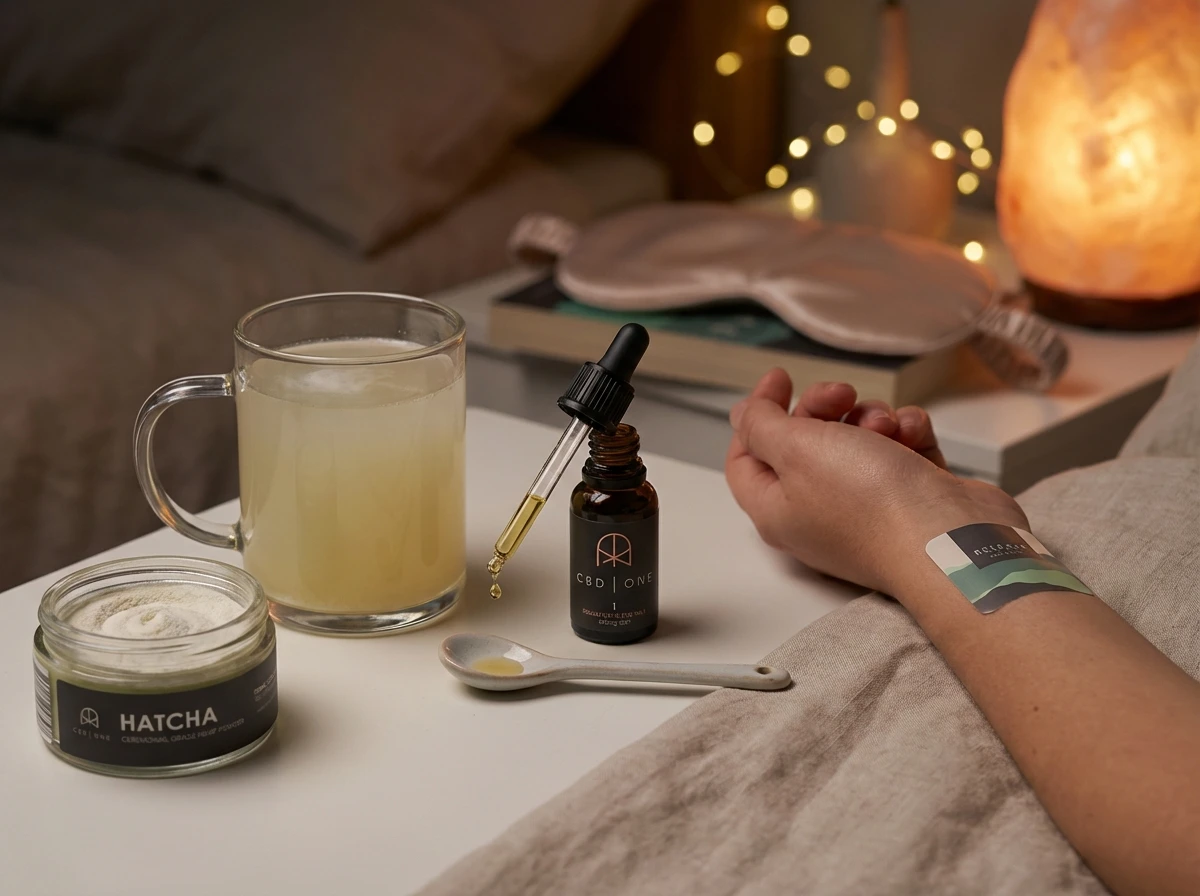
When someone says “CBD sleep aid”, they usually mean a CBD product they take in the evening to help them feel more settled at bedtime. Not knocked out, just calmer and less “wired”.
From a UK regulations standpoint, CBD products are sold as food supplements. That means they should not claim to treat insomnia or any medical sleep disorder. So you will often see softer language like “support relaxation” or “part of your night-time routine”.
If you are completely new to CBD, it is worth reading our parent overview on CBD Oil first, because understanding the basics makes sleep-specific choices much easier.
Sleep is not one thing
Consider this: two people can both say “I can’t sleep”, but one is struggling to fall asleep, while the other falls asleep fine and wakes at 3am every night. Your approach, with or without CBD, will often differ depending on which pattern you recognise.
Does CBD aid sleep?

The reality is that CBD is best understood as something that may support the conditions around sleep, rather than acting like a sleeping tablet. Some users report that CBD helps them unwind, feel less tense, or feel more comfortable in their body at night. Those shifts can make sleep feel easier.
Research is still developing, and results are mixed. That is normal with wellness supplements because sleep is influenced by stress, alcohol, caffeine, hormones, pain, light exposure, routine, and a dozen other factors.
Think of it this way: if your nervous system is like a car engine still revving at bedtime, CBD for some people feels like taking the foot slightly off the accelerator. It is not necessarily the brake.
Full spectrum vs isolate, and why people talk about it
Full spectrum CBD contains CBD alongside minor cannabinoids and plant compounds, with trace THC within legal limits. Some people prefer full spectrum because of the “Entourage Effect” idea, where plant compounds work better together than alone. Others prefer isolate products that are THC-free.
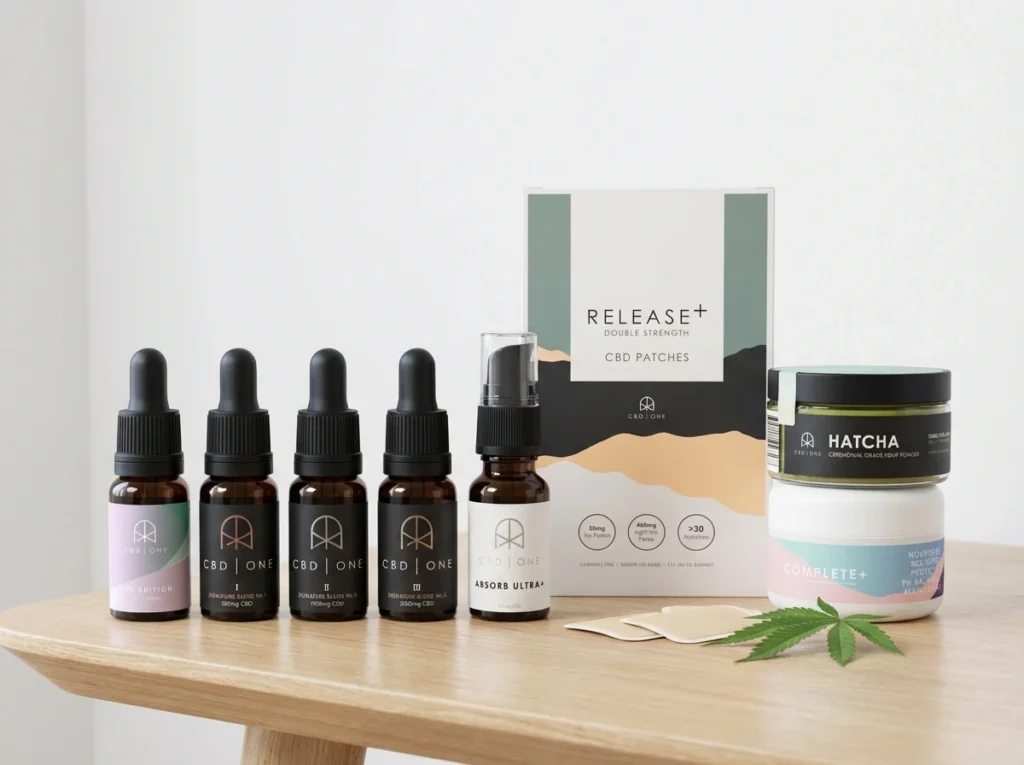
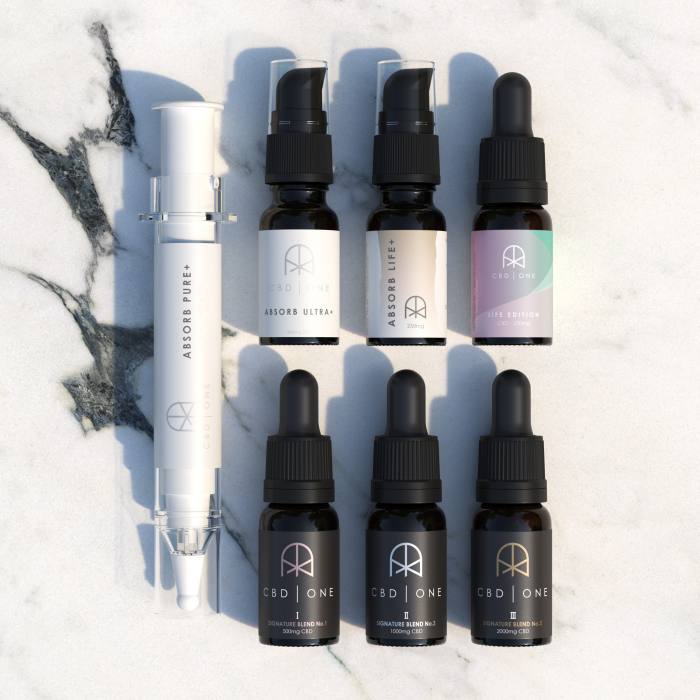
One example from our range: CBD One focuses on full spectrum oils and water soluble formulas, while our Release patches use isolate and are THC-free. Different tools for different preferences, and that choice matters when you are building a sleep routine.
CBD sleep aid formats: oils, water soluble, and patches
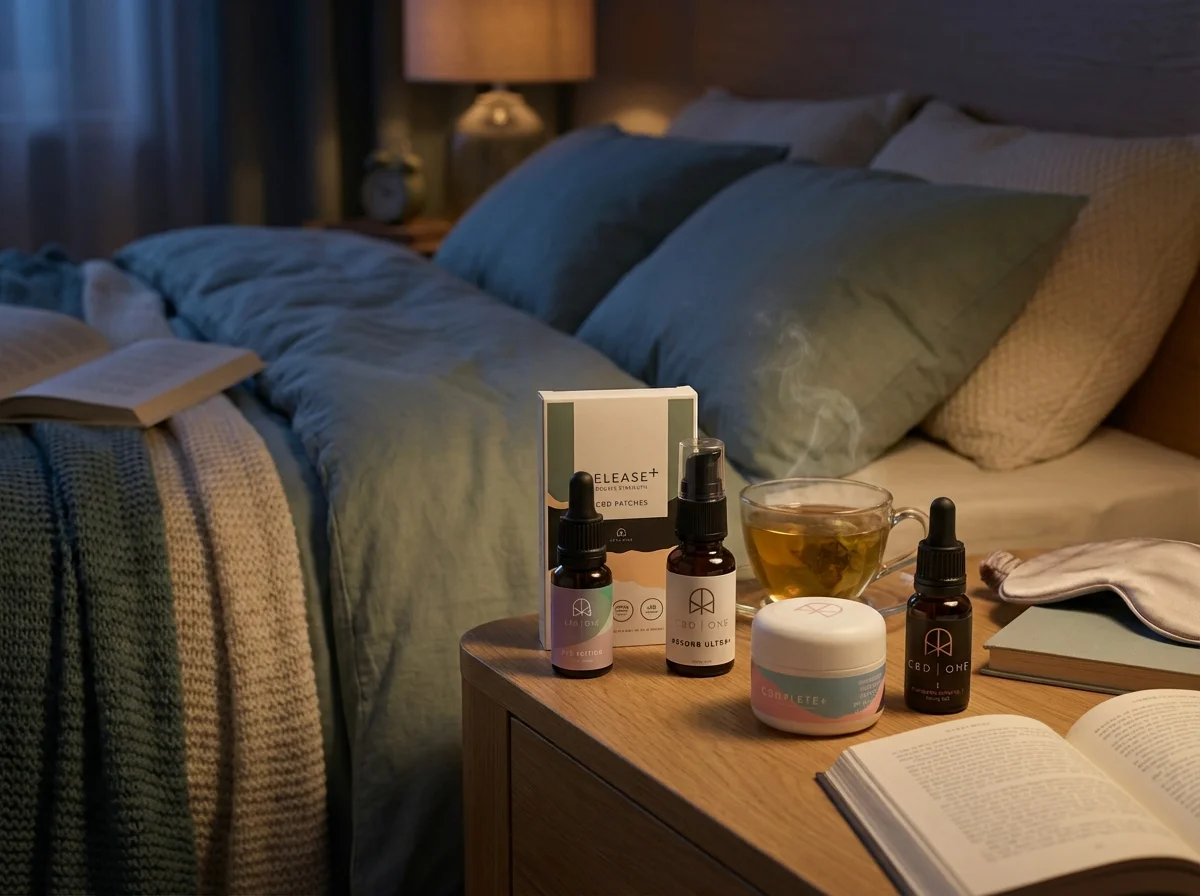
Now, when it comes to using CBD for sleep support, the format you choose can change how it fits into your evening. It is not just “strength”. It is also routine, taste, and how quickly you feel it.
CBD oil for sleep aid: the classic under-the-tongue option
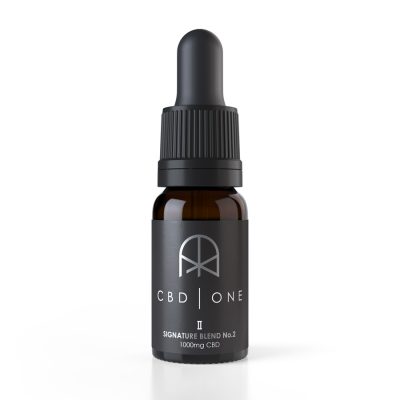
CBD oils are usually taken sublingually, meaning you hold the drops under your tongue for a short time before swallowing. In our products, oils list a bioavailability figure around 12%, which is one reason people hold them under the tongue rather than swallowing straight away.
If you like a simple night-time ritual, oils can be a great fit. If you dislike the natural hemp taste, you may prefer another format. Our guide on How Long Does CBD Take To Work? helps set expectations for timing.
Water soluble CBD: easy to add to a drink
Water soluble CBD is designed to mix into hot or cold drinks. Practically, this suits people who already have a night-time tea routine and want something that feels seamless, without the “oil drop” moment.
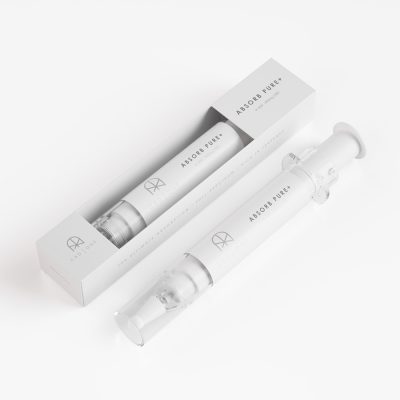
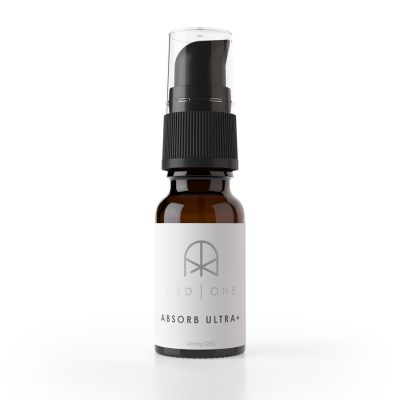
CBD One’s water soluble options include products like Absorb Ultra+ and Absorb Pure+, which are full spectrum and used via a pump into a drink. If you are browsing formats, the Water Soluble CBD category is the simplest place to compare what is available.
CBD patches: slow, steady, and THC-free
What many people overlook is consistency. Some people do not want a “hit” of something in the evening, they want a measured release across the night.
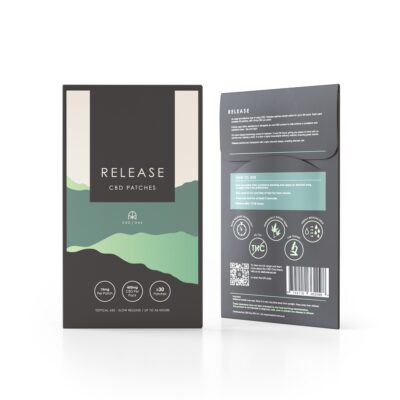
Transdermal patches can suit that mindset. In our range, Release patches provide a fixed mg-per-patch amount and are designed for slow release (often quoted as 12 to 36 hours depending on the patch). The isolate base also means they are THC-free, which some users prefer.
How to build a simple CBD wind-down routine
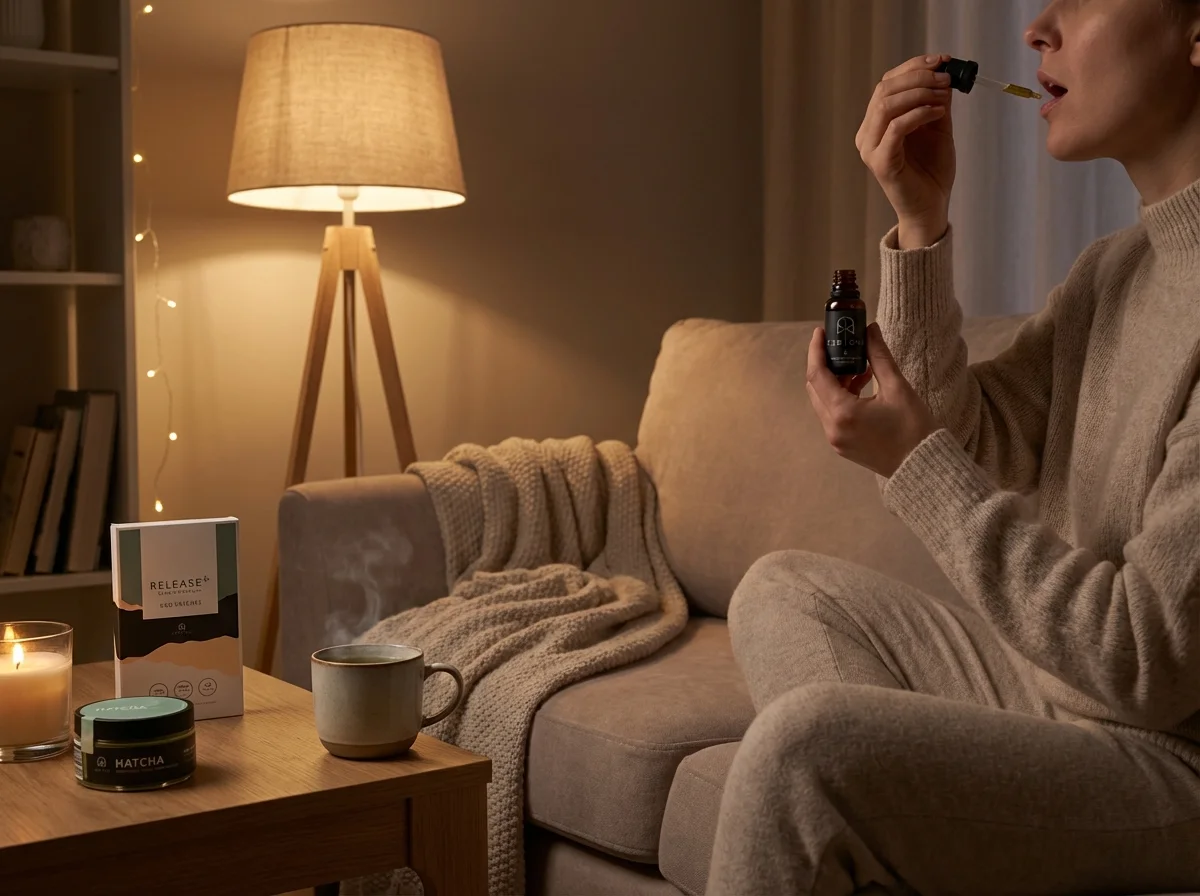
If you want CBD to be useful, pair it with the basics. I know that sounds boring, but it is where the wins usually come from.
A realistic evening routine (example)
From a practical standpoint, I often suggest choosing one “anchor habit” and attaching CBD to it. For example: after brushing your teeth, you take your CBD oil. Or while the kettle boils, you add water soluble CBD to your drink.
Then you keep everything else boringly consistent for a week: similar bedtime, phone out of the bedroom if you can manage it, and caffeine earlier in the day. In practice, this means you can actually notice whether CBD is doing anything for you, instead of changing ten variables at once.
What to avoid when trialling CBD for sleep
- Changing your bedtime, alcohol intake, and CBD dose all in the same week
- Taking a large dose on night one because you “need it to work”
- Assuming more mg always means better sleep
If you want a structured way to think about your personal amount, use our CBD Dosage Calculator as a starting point, then adjust slowly based on how you feel.
CBD oil sleep aid dosing basics (UK safety-first)
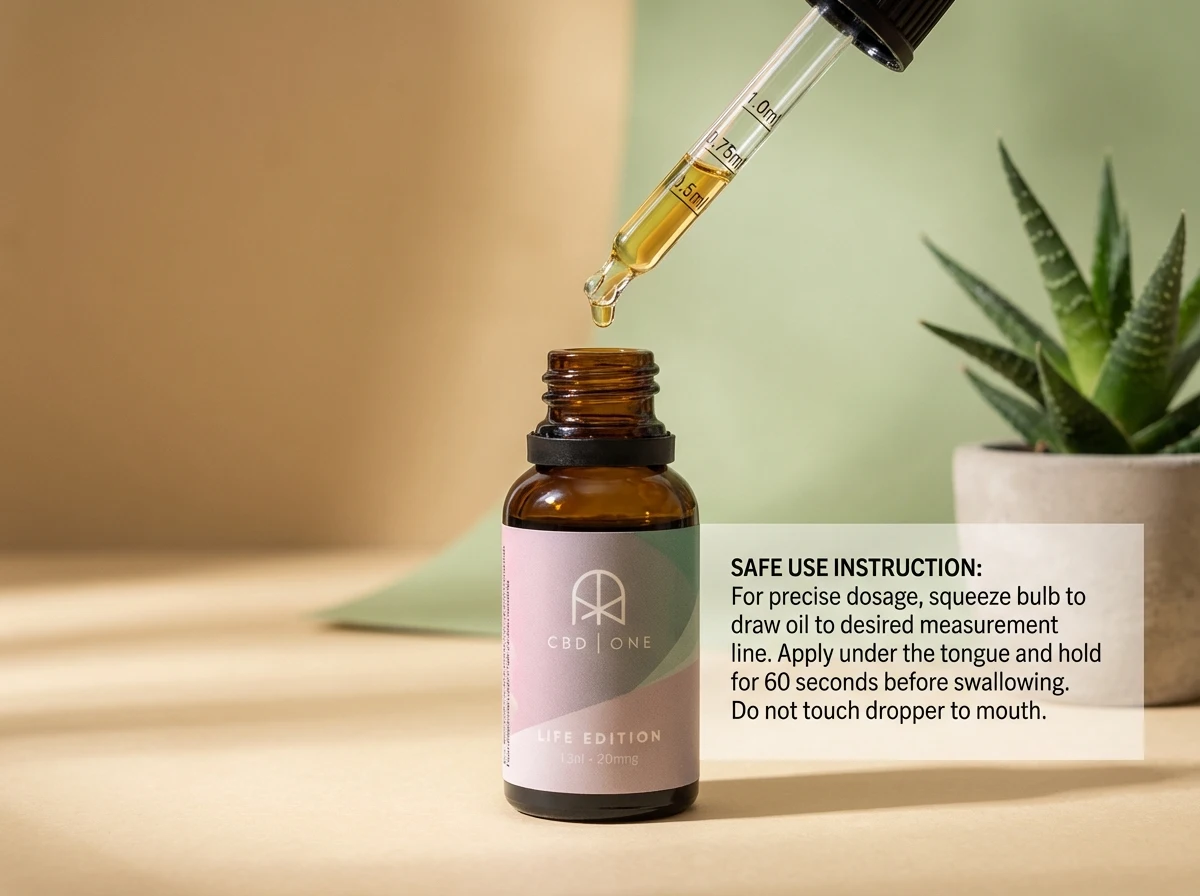
Dosage is where people either give up too soon or overdo it. The sweet spot is usually “enough to notice, not so much that you feel groggy the next day”.
UK FSA guidance recommends healthy adults do not exceed 70mg CBD per day. That is a safety guideline, not a target. Many people choose less, especially when starting.
A gentle “start low, go slow” approach
- Start with a low amount in the evening for 3 to 7 days
- If needed, increase gradually, one change at a time
- Keep a simple note of dose, timing, and sleep quality
If you are comparing options, our CBD Product Comparison article helps you weigh up formats, strengths, and what matters most for your routine. For broader shopping guidance, the CBD Buying Guide is a good companion read.
How to choose a quality CBD sleep aid product (without the marketing fluff)
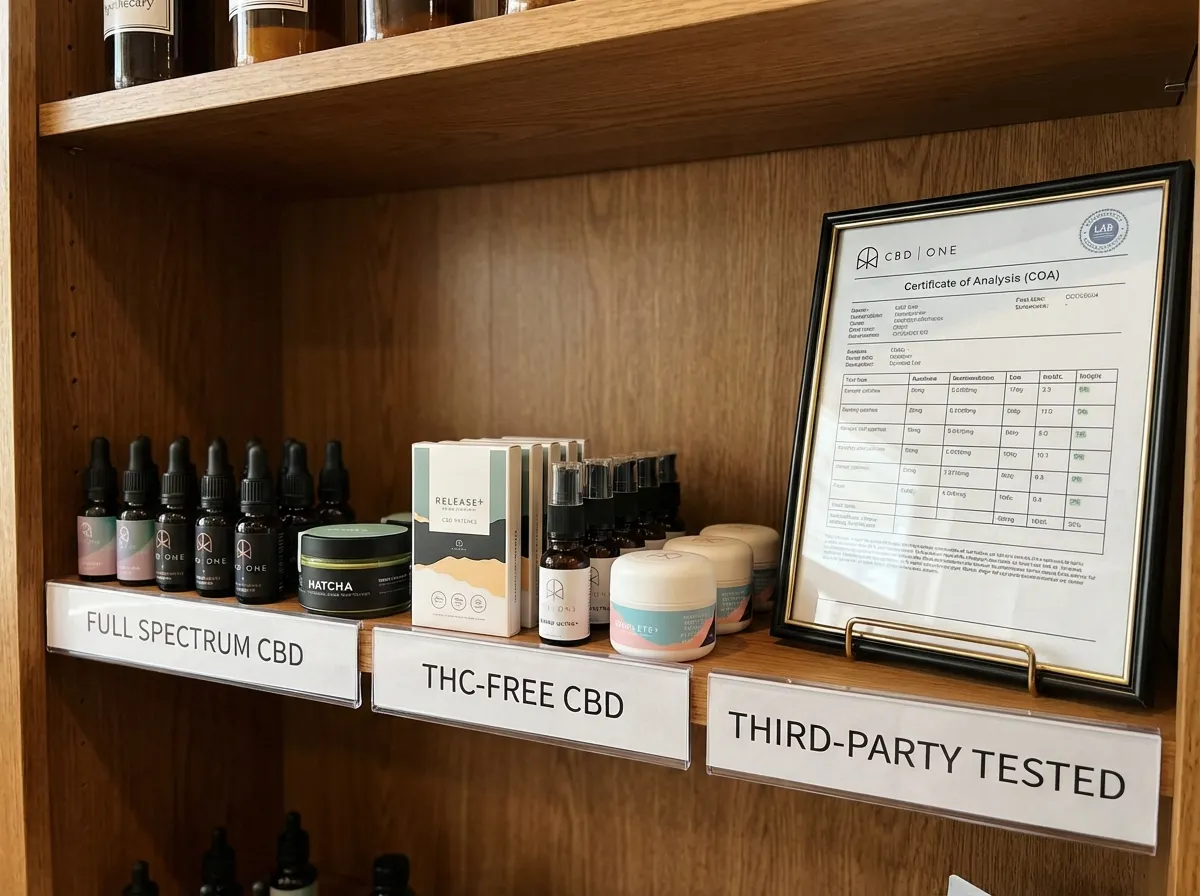
When you are tired, it is easy to fall for bold promises. Instead, look for boring signs of quality. They are boring for a reason: they are measurable.
Label checks that actually matter
- Cannabinoid spectrum: full spectrum, broad spectrum, or isolate
- CBD amount per bottle and per serving (mg), not just a vague “strength”
- Batch testing and access to a certificate of analysis (COA)
- Clear ingredients list (especially if you have sensitivities)
- Realistic usage directions and sensible warnings
Choosing a format that you will stick with
People love asking for the “best CBD oil for sleep aid”, but the best option is the one you will use consistently for long enough to judge it fairly.
If oils fit your ritual, explore the CBD Oils range and choose a strength that matches your experience level. If taste is your barrier, water soluble formats can be easier to maintain long term.
When to take CBD for sleep support (timing that makes sense)
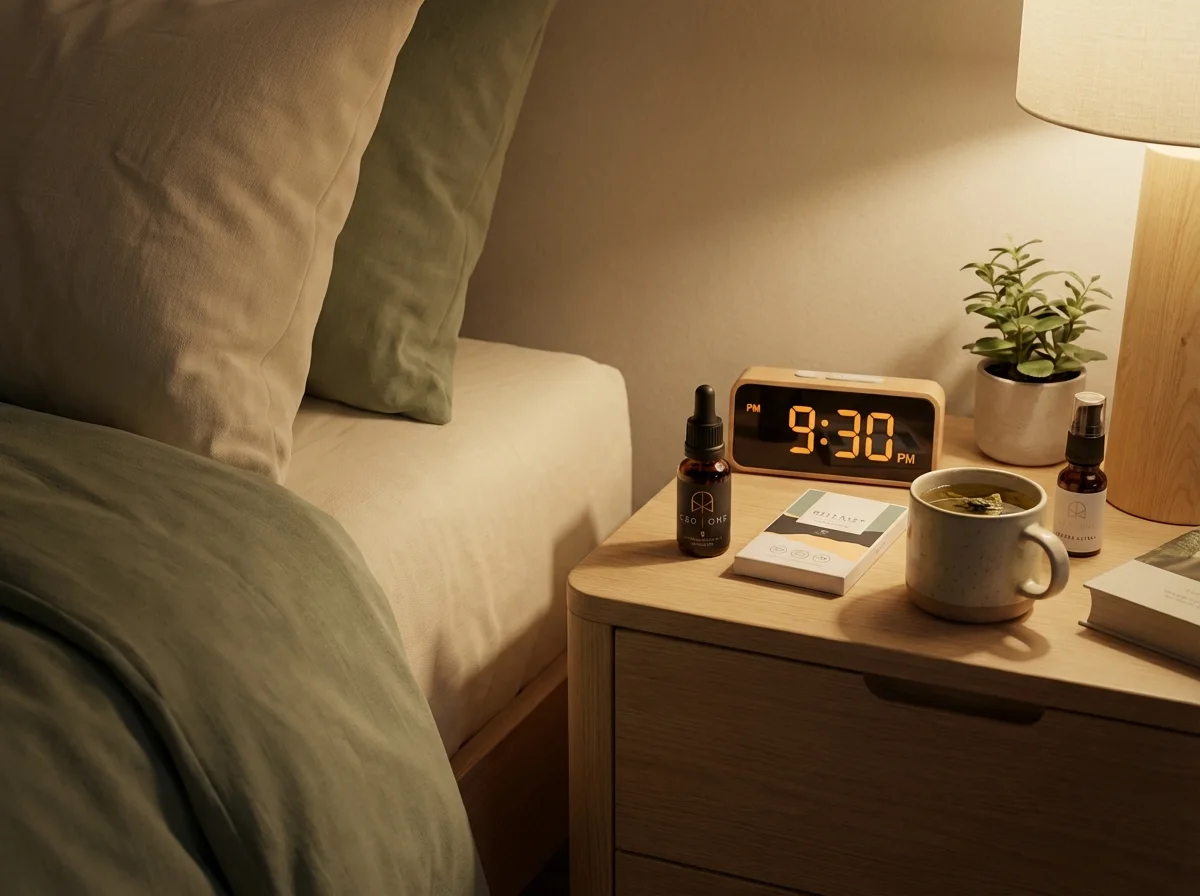
One of the most common questions I hear is: “When should I take CBD for sleep?” It is a fair question, because if your timing is off, you can end up thinking CBD “doesn’t work”, when really it just does not match your evening rhythm.
Here’s the thing: the goal is not to time CBD like a knockout. The goal is to support your wind-down, so your body has a chance to do what it already knows how to do.
Timing by format: oils vs water soluble vs patches
Oils used under the tongue are often chosen when you want a clear evening moment: drops, a pause, then bed. Many people take them somewhere in the last hour or two before lights out, then adjust based on how they feel over a few nights.
Water soluble CBD tends to work best when it is attached to something you already do, like an evening tea. If you drink your tea very close to bedtime and it makes you get up to wee, consider moving the drink earlier. The routine matters as much as the CBD.
Patches are different. Because they are designed for slow release, they are not about a “bedtime hit”. They are more like setting a background level for the night and sometimes into the next day, depending on how you respond.
Food, alcohol, and caffeine: the simple factors that change your results
What many people overlook is that the same CBD amount can feel different depending on the rest of your day. A heavy late meal can make you feel sluggish in the morning, even if your CBD dose was sensible. Alcohol can make you fall asleep faster but fragment your sleep later. Late caffeine can keep your nervous system switched on, even when you are tired.
If you are trialling CBD for sleep, keep those variables as steady as you can for a week. That way you are judging CBD, not your Friday night choices.
If you wake at 3am: how some people use CBD in their routine
If your pattern is falling asleep fine but waking in the early hours, you are not alone. In that situation, some people prefer a format that feels more steady across the night, or they bring their CBD earlier into the evening so it supports the whole wind-down rather than just the moment you get into bed.
It is also worth checking the basics: bedroom temperature, light exposure, and whether stress is getting “processed” at 3am because it never got handled at 7pm. CBD may support the routine, but it cannot replace it.
Why CBD might feel different from night to night

If you have ever tried CBD for sleep and thought, “Night one felt great, night two felt like nothing”, that does not automatically mean the product is poor quality or your body is “resistant”. Sleep is just a moving target.
Consider this: stress, hormones, training load, screen time, and even how much daylight you got can all change how your evening feels. CBD sits on top of that, it does not erase it.
From a practical standpoint, this is why I like the boring approach: keep your dose steady for several nights, keep your bedtime routine steady, and only then decide whether you are noticing a consistent shift. If you change your dose every night, you never really learn your baseline.
It also helps to define what “working” means for you. For some people it is falling asleep a bit easier. For others it is fewer “busy thoughts”. For others it is waking up feeling less tense. Those are different outcomes, and being honest about which one you want makes your trial much more useful.
CBD sleep aid safety: side effects, next-day grogginess, and interactions
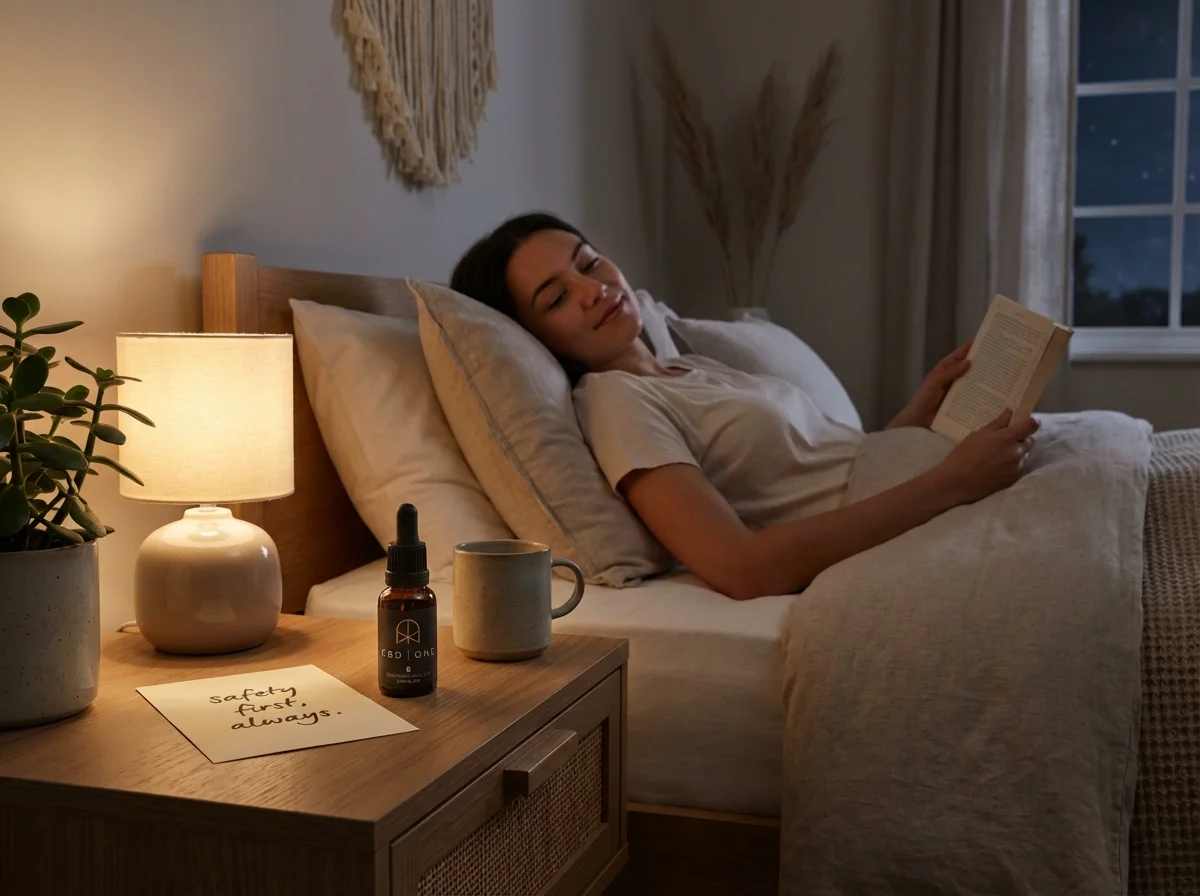
CBD is widely used, but “natural” does not mean “no downsides”. If you are using CBD to support sleep, it is worth knowing what to look out for so you can adjust early and keep it sensible.
Commonly reported side effects (and what to do)
Some users report feeling a bit dry-mouthed, a little lightheaded, or slightly groggy the next morning, especially if they take more than they need. If that happens, the simplest fix is usually to reduce the amount, take it a little earlier, or switch format.
If CBD makes you feel more alert rather than more settled, that can happen too. Some people find CBD feels better in the daytime for general calm, and a different wind-down routine is what supports their sleep. The key is listening to your response, not forcing the “sleep aid” label onto your body.
Mixing CBD with other supplements or sleep products
Many people stack their evenings with things like magnesium, herbal teas, or other supplements. That can be fine, but keep your approach organised: introduce one change at a time, and give it a few nights. Otherwise, you will not know what helped, what hindered, or what simply coincided with a better night.
Medication interactions: where to be cautious
If you take prescription medicines, do not guess. CBD can interact with some medications, and the “grapefruit warning” is a helpful signal that a medicine may be metabolised in a way that could be affected by supplements like CBD.
Speak to a GP or pharmacist before trying CBD if you take regular medication, and do not stop or change prescribed medication without medical advice. For a deeper, safety-first overview, read CBD and Medication.
When to speak to your GP first

CBD is not for everyone. And sleep problems are sometimes a sign that something else needs attention, like stress overload, low mood, hormonal changes, sleep apnoea, or medication side effects.
Speak to your GP or pharmacist if you are taking prescription medicines, especially anything that carries a grapefruit warning, or if you are managing a long-term health condition.
If this is relevant to you, please read CBD and Medication before trying CBD. It will help you have a safer, more confident conversation with a healthcare professional.
Frequently Asked Questions
What is a CBD sleep aid?
A CBD sleep aid usually refers to a CBD product used in the evening to support relaxation and a calmer wind-down. In the UK, CBD is sold as a food supplement, not a medicine, so it cannot be marketed as a treatment for insomnia. Many people use CBD alongside good sleep habits, such as consistent bedtimes, reduced late caffeine, and a calmer pre-bed routine. If your sleep is persistently poor, it is sensible to speak to a GP to rule out underlying causes.
Does CBD aid sleep straight away?
Some people notice an effect on the first night, but many do not. Timing depends on the format, your dose, what you have eaten, and your individual response. Oils held under the tongue may feel quicker than swallowed products, while patches are designed for slow release. The best approach is to keep your routine consistent for at least a few nights so you can judge it fairly. If you want help with timing expectations, see How Long Does CBD Take To Work?.
Is CBD oil for sleep aid better than capsules or gummies?
“Better” really means “better for you”. CBD oil is popular because you can adjust the amount drop by drop and take it sublingually. Capsules can feel simpler but are less flexible. Gummies are convenient, but they add sugar and flavourings, and the CBD is swallowed, which can change how it feels. Whatever you choose, prioritise clear labelling, batch testing, and realistic guidance. Consistency matters more than novelty when you are supporting sleep.
What strength CBD oil sleep aid should I start with?
If you are new to CBD, start with a lower strength and a small amount, then increase gradually if needed. This lets you find your personal “minimum effective” amount without overdoing it. Stronger oils are not automatically better for sleep, especially if you are sensitive. If you want a structured starting point, our CBD Dosage Calculator can help you estimate a gentle range, then you can adjust slowly based on your experience.
How much CBD can I take per day in the UK?
The UK Food Standards Agency (FSA) recommends that healthy adults should not exceed 70mg CBD per day. Treat that as a safety ceiling, not a goal. Many people use less, particularly when they are starting or only using CBD in the evening. If you have any health conditions, are pregnant or breastfeeding, or take medications, speak to a healthcare professional before using CBD. Safety and suitability come first, even with natural supplements.
Will CBD make me feel drowsy the next day?
Some users report feeling a bit heavy or sluggish the next morning, especially if they take too much or take it very late. If that happens, reduce the amount, move your timing earlier, or consider a different format. Also look at the obvious factors: alcohol, late meals, and screens can all affect sleep quality and morning alertness. CBD should feel supportive, not like you are forcing your body to shut down.
Is full spectrum CBD better for a CBD sleep aid?
Full spectrum CBD includes CBD plus other naturally occurring hemp compounds, with trace THC within legal limits. Some people prefer it because of the Entourage Effect theory, where multiple plant compounds work together. Others prefer isolate products that are THC-free, especially if they are drug tested for sport or work. There is no universal answer, but you can choose based on your preferences and tolerances. The key is to buy from a brand that is transparent and lab tests each batch.
Can I take CBD with sleep medication?
This is a situation where you should speak to your GP or pharmacist first. CBD can interact with some medications, and it is not something to guess. Do not stop or change prescribed medication without medical advice. If you want to understand the conversation to have with a clinician, read CBD and Medication. It covers interactions, sensible precautions, and why product quality matters when you are mixing supplements and prescriptions.
What is the best CBD sleep aid product format for beginners?
Beginners often do well with formats that are easy to dose and easy to repeat nightly. Oils are flexible because you can adjust gradually and build a consistent ritual. Water soluble CBD can be convenient if you prefer adding it to an evening drink. Patches offer a measured amount and a slow release feel, and some people like that simplicity. The right choice is the one you can stick with for a week or two so you can judge it properly, without changing everything else at the same time.
How do I choose a quality CBD sleep aid in the UK?
Look for clear CBD content in mg, a defined spectrum (full spectrum, broad spectrum, or isolate), and up-to-date batch lab reports. Avoid products that promise to “cure insomnia” or guarantee results, because that is not how supplements work and it is not compliant in the UK. I also like to see sensible warnings and guidance, including advice to speak to a clinician if you take medication. If you are comparing products, use a checklist style approach and keep it simple: transparency beats hype.
When should I take CBD for sleep?
Most people do best when CBD is taken as part of their wind-down, not as a last-minute rescue. The exact timing depends on format and your routine. Oils used under the tongue are often taken in the last hour or two before bed, water soluble CBD is commonly taken alongside an evening drink, and patches are usually applied earlier because they are designed for slower release. If you are trialling CBD, keep your timing consistent for several nights before you decide whether to adjust it.
Does CBD make you sleepy or just relaxed?
Many people describe CBD as supporting relaxation rather than making them feel sedated. That difference matters, because relaxation can make sleep feel easier without necessarily causing a “drugged” feeling. Some people do feel drowsier with CBD, especially at higher amounts, while others feel more alert. Your response is individual, which is why starting low, going slow, and tracking your experience for a few nights is the most sensible approach.
Is it okay to take CBD every night?
Many adults choose to use CBD regularly, but “okay” depends on your personal situation. If you are a healthy adult and you stay within the UK FSA guidance of no more than 70mg CBD per day, regular use may be reasonable for some people. If you take medication, have a long-term health condition, or you are pregnant or breastfeeding, it is best to speak with a healthcare professional first. It is also worth taking a step back occasionally and checking that your sleep fundamentals are in place, because CBD works best when it supports a routine rather than replacing it.
Can CBD help if I keep waking up at night?
Waking at night can happen for lots of reasons, like stress, alcohol, temperature, light exposure, late meals, or simply a changing schedule. Some users report that CBD supports a calmer night-time routine, which may make it easier to settle again if they wake. If this is a persistent pattern, it is worth speaking to a GP to rule out underlying causes and to get personalised support. From a practical standpoint, focusing on consistency, lowering late stimulation, and choosing a CBD format you can stick with tends to be more helpful than chasing ever-higher amounts.
Key Takeaways
- CBD is not a sleeping tablet, but many people use it to support a calmer wind-down routine.
- Format matters: oils, water soluble CBD, and patches can feel different and fit different evening habits.
- Start low and go slow, and keep within the UK FSA recommended maximum of 70mg CBD per day for healthy adults.
- Prioritise quality: clear mg labelling, spectrum, ingredients, and batch lab reports.
- If you take medication or have persistent sleep issues, speak to a GP or pharmacist before trying CBD.
Conclusion
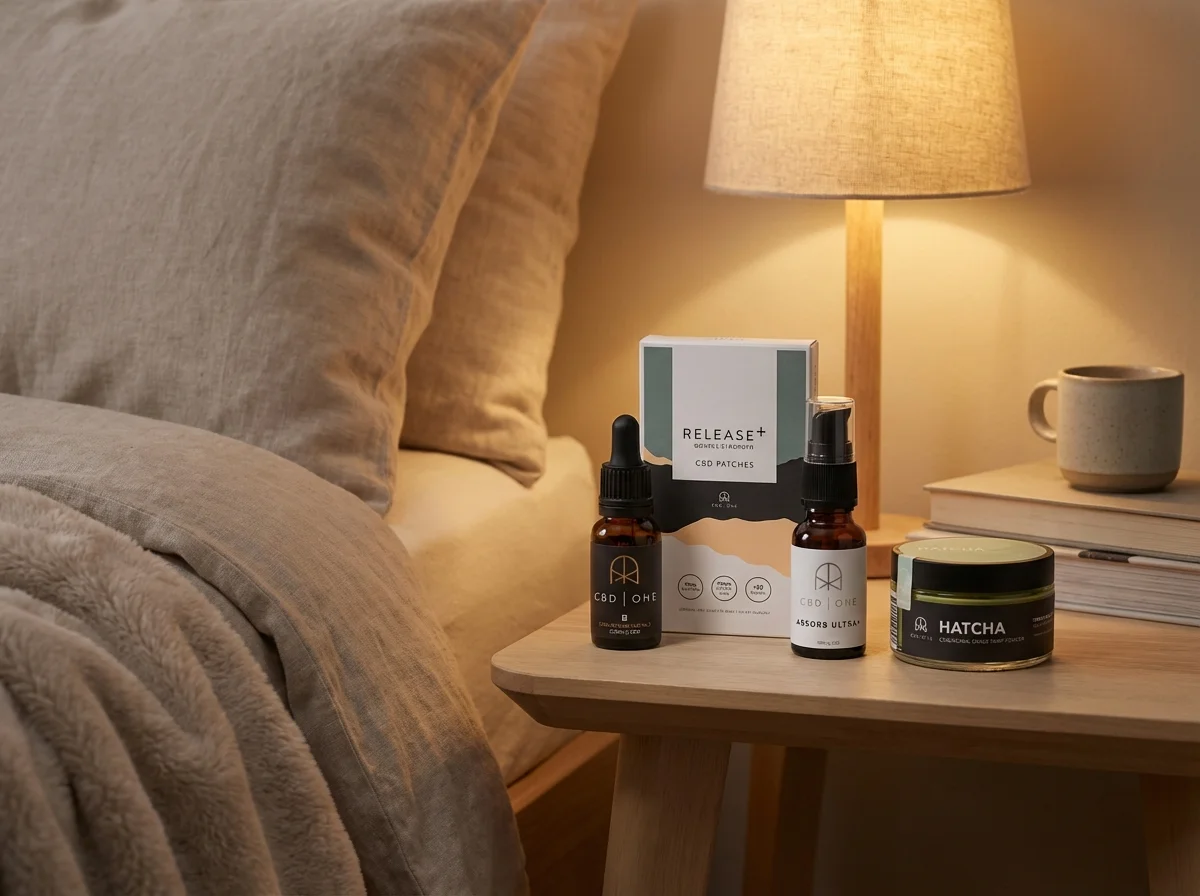
If you are considering CBD as a sleep aid, bring it back to basics: CBD may support relaxation for some people, but it works best when it sits inside a steady evening routine. Choose a format you will actually use, keep your dose sensible, and give yourself a fair trial without changing ten other lifestyle factors at once.
When you are shopping, ignore grand promises and focus on transparent labelling and lab testing. A trustworthy CBD product should tell you exactly what is in it, how to use it, and when to be cautious.
At CBD One, we keep things simple with clearly labelled full spectrum oils and water soluble options, plus THC-free isolate patches for those who prefer that route. If you are unsure where to start, speak to Nick for free advice and we will help you find what fits your routine.
Explore, go slowly, and keep it practical.