
Cannabis Oil UK: Complete UK Guide (2026 Guide)
In this guide, I will help you separate the terms, understand what is legal to buy, and learn how to read labels so you know exactly what you are putting into your routine. No hype, no miracle claims. Just practical, UK-specific clarity you can use in 2026.
What does “cannabis oil” mean in the UK?
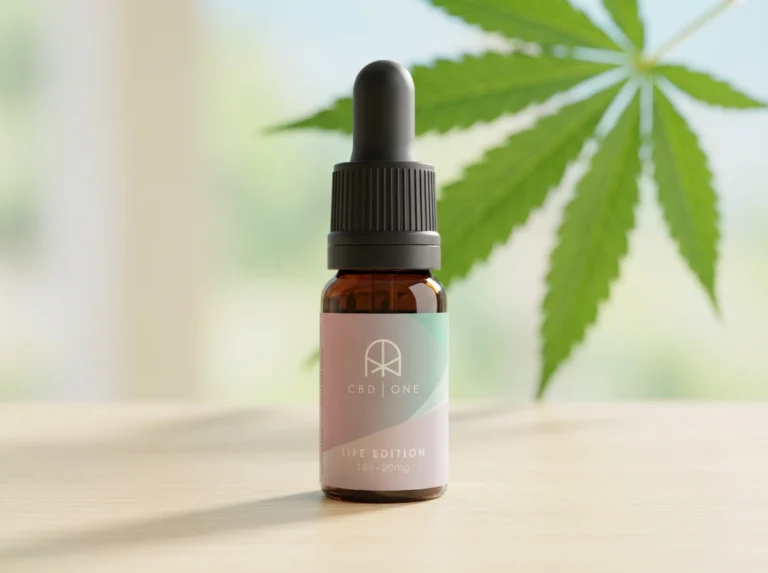
In the UK, “cannabis oil” is not a single regulated product category you can rely on. It is a phrase that gets used for multiple oils made from the cannabis plant family, including hemp.
From a practical standpoint, when most people type “cannabis oil UK” they are usually trying to find either:
- Hemp seed oil (a food or cosmetic oil, no meaningful cannabinoids)
- CBD oil (a hemp extract containing CBD, sold as a food supplement)
- Medical cannabis oil (prescription-only cannabis-based medicines, often containing THC)
Think of it this way. “Cannabis oil” is like saying “herbal oil”. Helpful as a starting point, but you still need to know whether you mean olive oil, tea tree oil, or a specific supplement extract.
If your goal is to understand CBD oil properly, it helps to start with the wider CBD Oil hub here: CBD Oil.
Cannabis sativa seed oil vs CBD oil: what you are actually buying
This is the biggest misunderstanding I see. People buy “cannabis sativa seed oil” (hemp seed oil) expecting CBD, then feel disappointed because they do not notice anything.
What is cannabis sativa seed oil?
Cannabis sativa seed oil is pressed from hemp seeds. It is commonly used in food and skincare. It is valued for its fatty acid profile and vitamin content, not for cannabinoids.
Seeds do not produce cannabinoids in any meaningful amount. Cannabinoids like CBD are concentrated in the flowers and leaves, not the seed itself. So hemp seed oil and CBD oil can both come from hemp, but they are not interchangeable.
What is CBD oil (often called cannabis oil online)?
CBD oil is typically a hemp extract (containing CBD and other plant compounds) mixed into a carrier oil such as hempseed oil. A “full spectrum” CBD oil contains CBD plus minor cannabinoids and terpenes, with only trace THC within legal limits.
If you want a simple comparison, this existing article is worth a read: Hemp Oil vs CBD Oil.
Where CBD One fits (as an example)
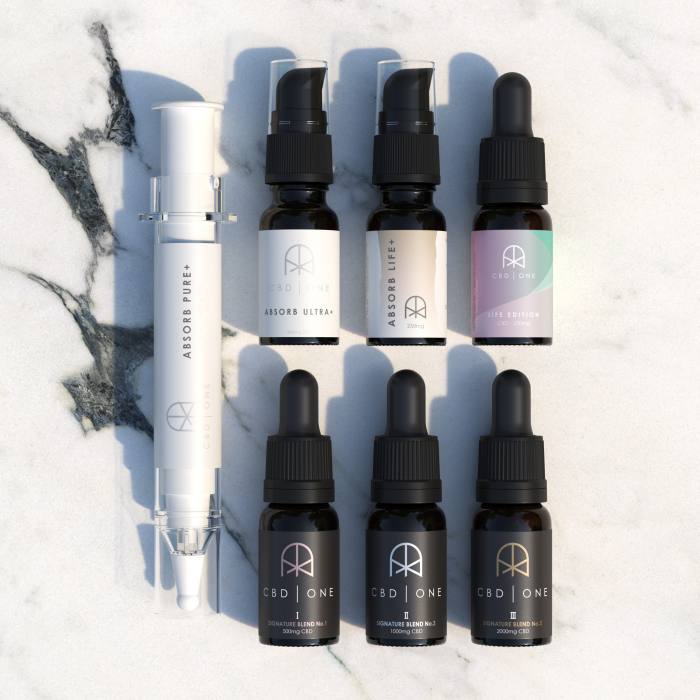
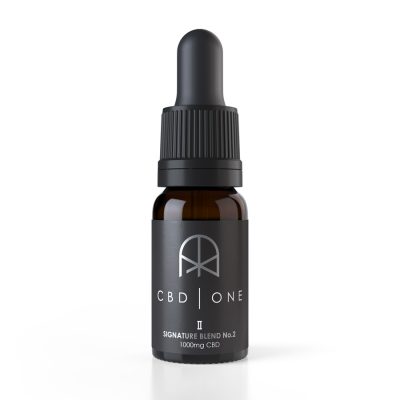
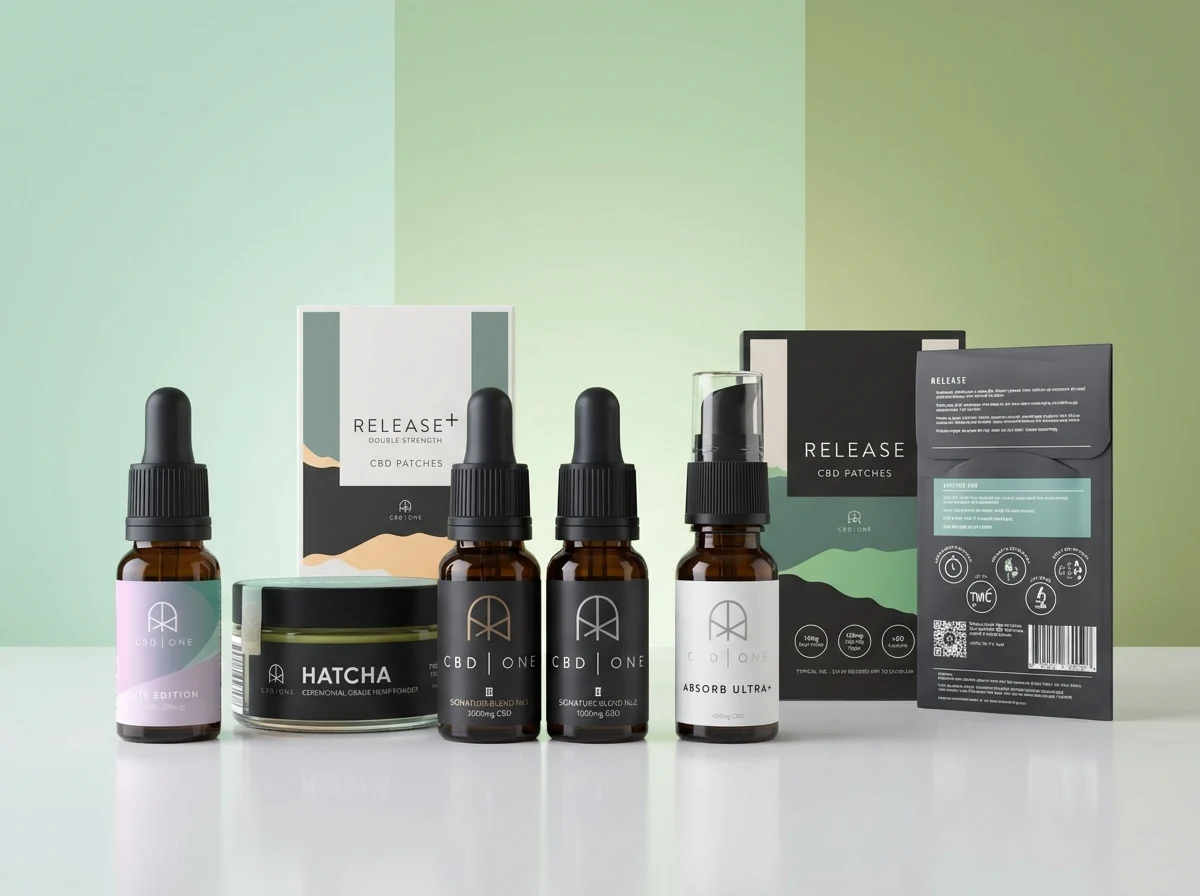
One example is CBD One’s full spectrum oils, which are blended with hempseed oil and lab verified, because we believe whole-plant compounds matter for the Entourage Effect.
Medical cannabis oil in the UK: important distinctions
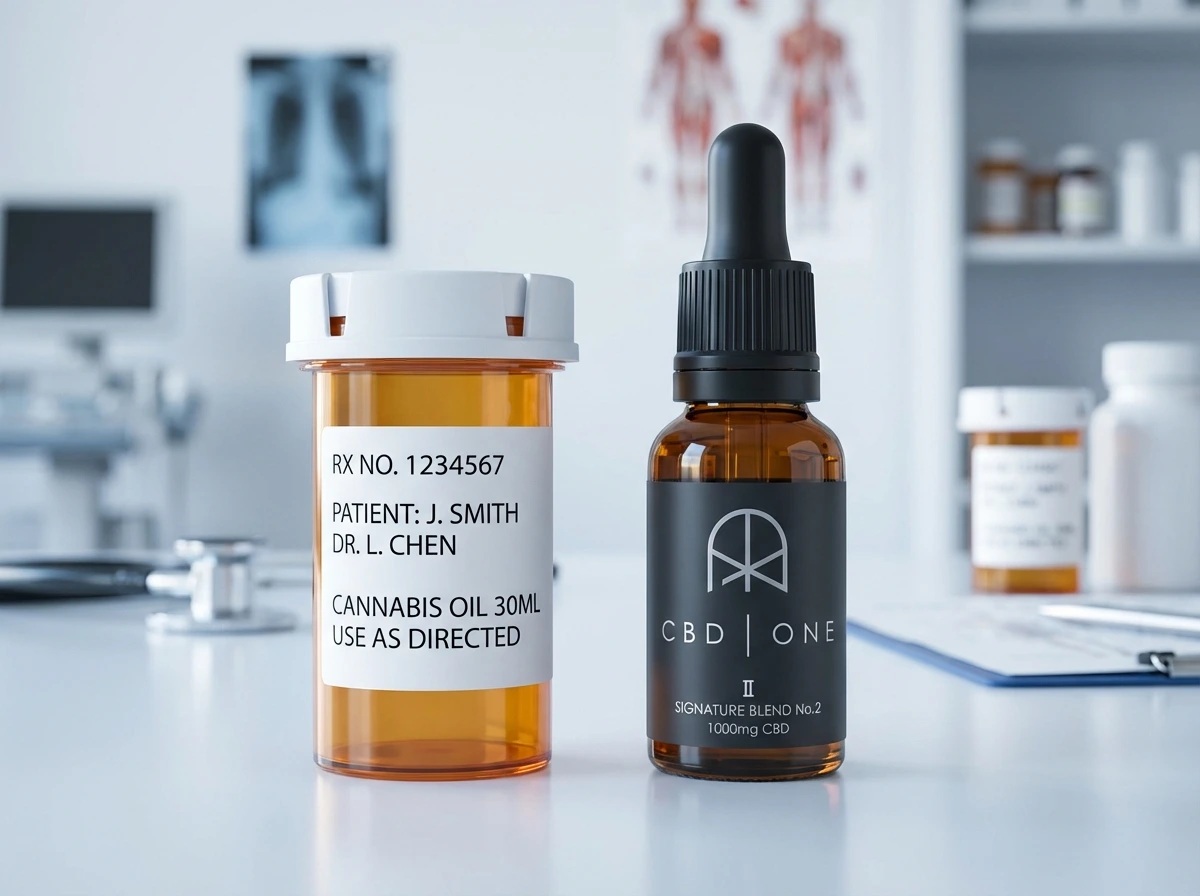
The reality is that “medical cannabis oil” usually refers to prescription-only cannabis-based products for medicinal use. These are not the same thing as CBD supplements you buy online.
Medical cannabis products may contain THC, and they are prescribed by specialist clinicians for specific situations. You cannot legally market over-the-counter CBD products as treatments for conditions, and you should be wary of any brand implying otherwise.
Consider this if you are looking for cannabis oil for pain: it is understandable to explore options when you are uncomfortable, but CBD supplements are not medicines. Some people report that CBD may support relaxation and day-to-day comfort, but it is not a replacement for proper assessment. If pain is persistent, unexplained, worsening, or impacting sleep or mood, speak to your GP.
Cannabis oil UK legality in 2026: what you need to know
Now, when it comes to legality, most confusion comes from mixing up hemp-derived CBD products with THC-containing cannabis oils.
CBD oil legality and THC limits
In the UK, hemp-derived CBD products can be sold provided they meet legal requirements, including limits around controlled cannabinoids like THC. Reputable brands will have third-party lab reports and will not make medical claims.
If you want a deeper legal overview, this guide is helpful: Is CBD Oil Legal in the UK?.
Novel Food and reputable retail claims
UK CBD ingestible products are expected to comply with Food Standards Agency (FSA) Novel Food requirements. You will often see brands referencing Novel Food compliance and providing documentation.
What many people overlook is that “sold in a well-known shop” does not automatically mean a product is right for your needs. Big retailers may stock hemp seed oil, CBD isolate products, and broad spectrum products side-by-side. The label details still matter if you are comparing “cannabis oil Holland and Barrett” style searches with specialist CBD products.
How to judge cannabis oil quality: labels, lab tests, and red flags
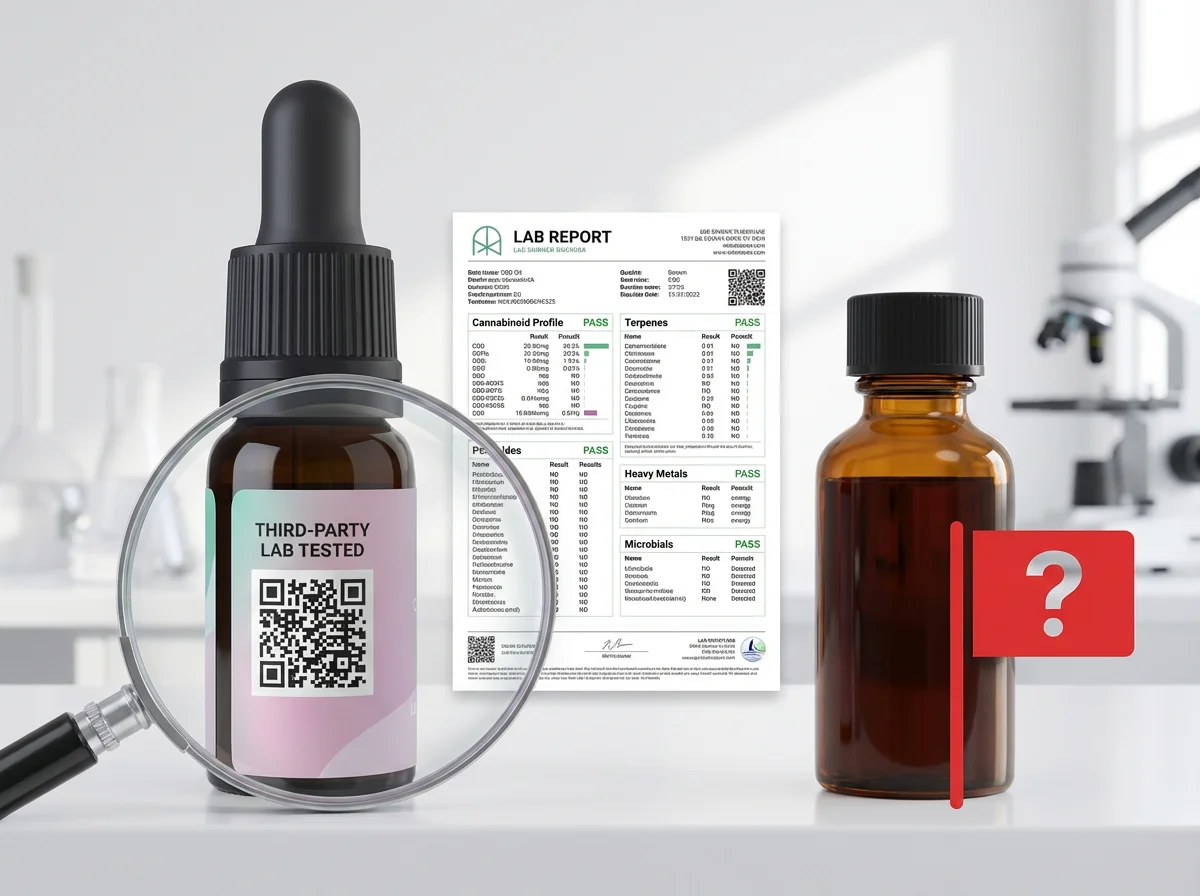
If you take only one thing from this article, let it be this: the label should tell you what is in the bottle, and the lab report should back it up.
What a good label usually includes
- CBD content in mg per bottle (and ideally per serving)
- Spectrum type: full spectrum, broad spectrum, or isolate
- Ingredients list (carrier oil and extract type)
- Clear dosing guidance and warnings
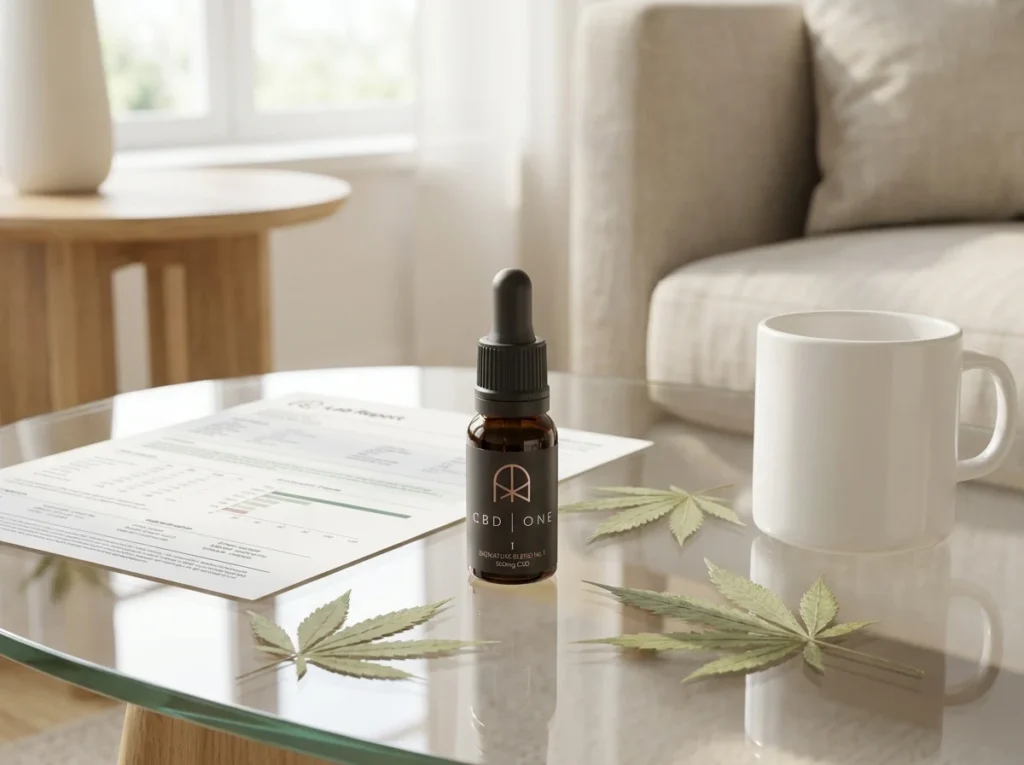
- Batch number that matches a third-party Certificate of Analysis
Lab reports (Certificates of Analysis): what to look for
A proper lab report should confirm cannabinoid content and check for contaminants. It should be recent enough to match your batch. If a brand will not share these, treat that as a red flag.
Common red flags I would avoid
- Medical claims like “treats”, “cures”, or “works for everyone”
- No clear CBD amount in mg (only “hemp extract” with no numbers)
- No batch-specific third-party lab report
- Vague “cannabis oil” wording with no spectrum details
- Unrealistic strength claims that do not add up
How cannabis oil is made: extraction methods and why it matters
People often ask “how to make cannabis oil” because they want more control, or they have seen DIY recipes online. The reality is that the way an oil is produced matters, because it influences consistency, taste, and how confident you can feel about what is actually in each serving.
In supplement CBD products, the process usually starts with extracting cannabinoids and other plant compounds from the aerial parts of hemp, then blending that extract into a carrier oil (or into a water-soluble base, depending on format).
Common extraction approaches you will see mentioned
You might see references to CO2 extraction, ethanol extraction, or other methods. The method itself is not a magic badge, but it should come with two things: transparency and testing.
Think of extraction like making coffee. You can brew it in different ways, but you still want to know what beans were used, what the final strength is, and whether it is clean and consistent.
Why DIY “cannabis oil” is tricky in the UK
Home-made oils are hard to standardise. Even if you start with legal hemp material, the final CBD level can vary widely from batch to batch, and you will not have the same contaminant screening you would expect from a reputable, third-party tested product.
If THC-rich material is involved, you can also stray into controlled substance territory, which is not something to take lightly. For most people building a wellbeing routine, the calm option is a clearly labelled, professionally produced CBD oil with a batch-specific lab report.
Using cannabis oil (CBD) sensibly: routine, dose, and format
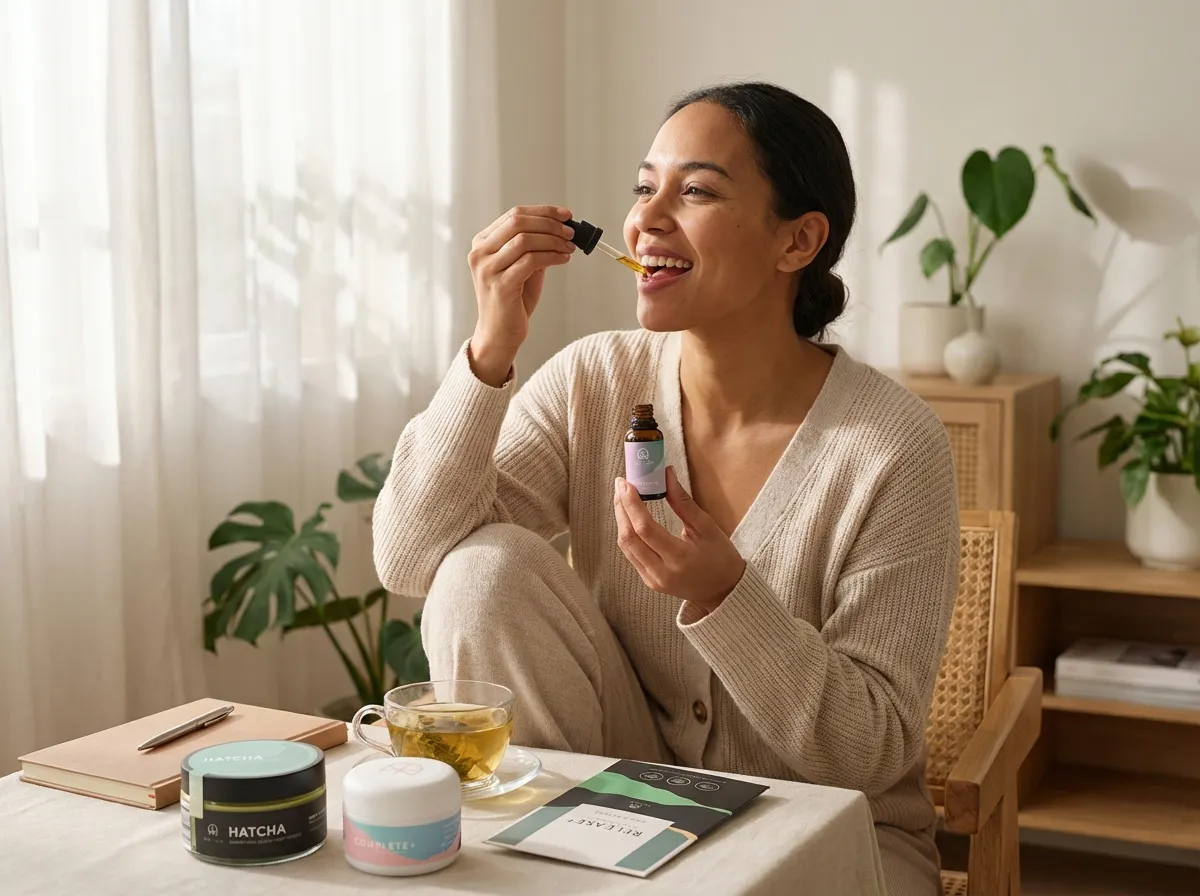
Once you know you are looking at a CBD product (not hemp seed oil), the next step is working out how to use it in a way that feels steady and predictable.
Start low, go slow (and respect the FSA guidance)
People often overcomplicate dosing. In practice, this means choosing a low starting amount, keeping it consistent for several days, then adjusting gradually if needed.
The UK FSA advises healthy adults not to exceed 70mg CBD per day. If you are unsure what you are currently taking, check the mg per drop or mg per serving and do the maths properly.
For a step-by-step approach, use this CBD dosage guide.
How to take CBD oil (so you get consistent results)
With traditional CBD oils, many people use a sublingual approach (under the tongue) to support absorption. You hold it for a short time before swallowing.
If you want the technique, timings, and common mistakes, see: how to take CBD oil.
Strength matters more than most people think
Two bottles can look similar but deliver very different amounts per drop. That is why “percentage” and “mg per bottle” both matter. A 10ml bottle at 10% is not the same experience as a 20ml bottle at a different percentage.
This is exactly what the CBD Oil Strength Guide helps you understand.
Choosing a format: oils vs water soluble
Oils are a classic option and fit well into an evening wind-down ritual. Water-soluble CBD is different. It is designed to mix into drinks, which some people find easier than an earthy-tasting oil.
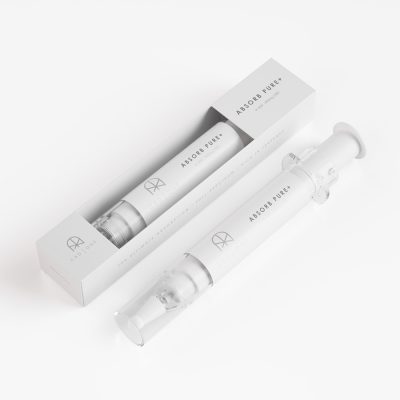
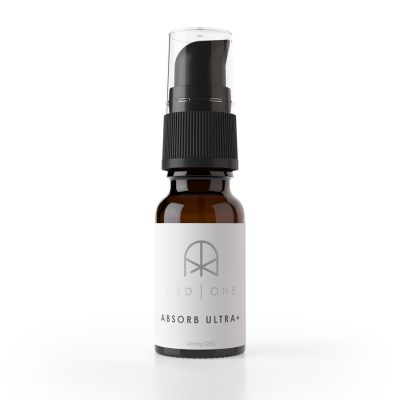
As an example, CBD One’s Absorb Ultra+ is a full spectrum, water-soluble format that you add to a hot or cold drink using a pump. If you prefer the more traditional route, our full spectrum CBD oils sit in the CBD Oils range.
Storage, taste, and shelf life: keeping CBD oil fresh and consistent
Here’s the thing. A lot of “this oil did nothing for me” stories come down to mismatch and inconsistency, rather than the idea of CBD itself. Storage and routine are part of that.
How to store cannabis oil (CBD oil)
Most CBD oils do best when they are kept somewhere cool, dry, and out of direct sunlight. Heat and light can degrade natural plant compounds over time. If you store your bottle on a bright kitchen windowsill, do not be surprised if it tastes more bitter and feels less consistent a few weeks later.
Keep the lid tightly closed, and try not to leave the dropper exposed to air for longer than necessary. If you use a pump-based water-soluble product, the same principle applies: keep it sealed and treat it like a supplement, not a countertop ornament.
What the taste can tell you (and what it cannot)
Full spectrum oils often have a more “planty” taste, because they contain more of the original hemp compounds. Some people enjoy that, others prefer a more neutral profile. A strong taste is not automatically a sign of quality, and a mild taste is not automatically a sign of weakness. The label and lab report still do the real work.
Checking expiry and batch details
It sounds obvious, but always check the expiry date and batch number. If a product does not have a batch reference you can match to a lab report, it is not giving you the basic transparency you need for a consistent routine.
Safety and interactions: who should be cautious with CBD oil

CBD is generally well tolerated by many adults, but “natural” does not mean “risk-free”. This is especially important in the UK, where CBD oils are sold as supplements, not medicines, so the responsibility is on you to use them sensibly.
Possible side effects some people notice
Some people report feeling sleepy, a little lightheaded, or experiencing digestive upset, particularly when they take more than they need, or they are new to CBD. If you feel off, consider reducing your amount, taking it with food, or pausing. Your routine should feel supportive, not like another thing to battle with.
Medication interactions and why your GP matters
If you take prescription medications, it is worth speaking to a pharmacist or GP before adding CBD. CBD may interact with how some medicines are processed, and this is not something to guess your way through. This is also where lab reports matter, because you want to know what is in the product, including trace cannabinoids in full spectrum oils.
Pregnancy, breastfeeding, and other caution groups
If you are pregnant or breastfeeding, the safest option is usually to avoid CBD unless a qualified clinician advises otherwise. The same caution applies if you have a complex medical history, liver concerns, or you have been advised to avoid certain supplements.
Driving and drug testing
Even though legal full spectrum CBD oils contain only trace THC within legal limits, some people prefer to avoid any THC exposure if they are regularly drug tested. If that is you, do not rely on marketing phrases. Check the lab report, and consider choosing an option that aligns with your comfort level.
Buying cannabis oil online in the UK: a calm checklist
Searching “buy cannabis oil online” can take you to everything from hemp seed oil to THC-rich products that are not legally sold as supplements in the UK. So slow it down and use a checklist.
Before you buy, check these basics
- Is it clearly a CBD product (with CBD mg stated), or just hemp seed oil?
- Is the spectrum stated, and does that match what you want?
- Is there a batch-specific third-party lab report?
- Are there sensible warnings, including advice to speak to a GP if on medication?
- Does the brand avoid medical claims and focus on wellbeing language?
Where category pages help
If you are still deciding between formats, it can help to browse by type rather than get lost in the phrase “cannabis oil”. For example, you can compare traditional drops in CBD Oils versus drink-friendly options in Water Soluble CBD.
If you want to explore what many people look for when choosing a premium CBD oil, that guide covers the practical buying questions without the noise.
Frequently Asked Questions
Is cannabis oil legal in the UK?
It depends what you mean by “cannabis oil”. Hemp seed oil is widely legal and sold as food and cosmetic oil. Hemp-derived CBD products are also sold legally in the UK when they meet relevant requirements, including appropriate THC controls, compliant labelling, and Novel Food expectations for ingestible products. THC-containing “cannabis oils” are a different category and may be prescription-only. If you want the legal details in plain English, read Is CBD Oil Legal in the UK?.
What is the difference between cannabis sativa seed oil and CBD oil?
Cannabis sativa seed oil is hemp seed oil. It is pressed from seeds and is used mainly for nutrition and skincare. CBD oil contains cannabidiol (CBD) from the flowering parts of hemp, usually blended into a carrier oil (often hempseed oil). The key difference is cannabinoids: hemp seed oil has no meaningful CBD content, while CBD oil is specifically formulated to deliver a measured amount of CBD. If you are unsure which you have, check for a CBD amount in mg on the label.
Does “full spectrum” cannabis oil mean it contains THC?
Full spectrum CBD oil usually means it contains a range of cannabinoids and terpenes found naturally in hemp, which can include trace THC within legal limits. That trace amount should not be intoxicating, but it can matter for people who are drug tested or who prefer to avoid THC completely. If you need a THC-free approach, some people choose isolate-based options instead. Always check the lab report for cannabinoid breakdown rather than relying on marketing terms alone.
Can cannabis oil help with pain?
People often search “cannabis oil for pain” when they are fed up and looking for something gentler. Some users report that CBD may support relaxation and day-to-day comfort, which can feel relevant when you are dealing with aches. At the same time, CBD is not a medicine and cannot be marketed as a treatment for pain in the UK. If pain is severe, persistent, or comes with symptoms like numbness, weakness, fever, or unexplained weight loss, speak to your GP for proper assessment.
What is medical cannabis oil in the UK?
Medical cannabis oil usually refers to prescription-only cannabis-based products that are supplied for specific clinical needs under specialist care. These products may contain THC, CBD, or a combination, and they are not the same as over-the-counter CBD supplements. It is important not to self-diagnose based on social media stories. If you are considering medical cannabis, the right first step is a conversation with a qualified clinician, especially if you have complex symptoms or take other medication.
How do you take cannabis oil (CBD oil) properly?
Most CBD oils are taken as drops, commonly held under the tongue briefly before swallowing. People do this to support absorption and to make dosing feel consistent. The best routine is the one you can stick to, such as after brushing your teeth in the morning, or as part of an evening wind-down. If you want a simple, step-by-step technique guide, see How To Take CBD Oil. If you use water-soluble CBD, you typically mix it into a drink instead.
How much cannabis oil should I take?
Dose depends on the product type and the CBD strength, plus your own sensitivity. Start low, keep it consistent, and adjust gradually. The UK FSA recommends healthy adults do not exceed 70mg of CBD per day. The practical challenge is working out how many mg you get per drop or per pump, which varies a lot between brands. This is why I recommend using a clear CBD oil dosage guide and checking the label for mg per bottle and suggested serving size.
Is it better to buy cannabis oil online or in shops like Holland and Barrett?
Either can be fine, but the key is transparency. In larger retailers, you may see hemp seed oil, CBD isolate, and broad spectrum or full spectrum CBD products all presented together. Online specialists can sometimes provide clearer lab reports and batch info, but you still need to verify it yourself. Focus on: CBD content in mg, spectrum type, batch-specific third-party testing, sensible compliance language, and realistic guidance. Avoid any product that implies it will diagnose, treat, or cure a condition.
Can I make cannabis oil at home?
People ask “how to make cannabis oil” for lots of reasons: cost, curiosity, or control over ingredients. The issue is consistency and legality. DIY extracts can vary massively in strength and may not be tested for contaminants. If THC is involved, you can also stray into controlled substance territory. For wellness routines, most people are better served by choosing a properly labelled product with a third-party lab report, so you can dose consistently and know what you are taking.
What strength of CBD oil should I choose as a beginner?
Beginners often do well starting with a lower strength so they can learn how their body responds without overshooting. What matters most is not the percentage alone, but the actual CBD amount you take per day in mg. A lower-strength oil can still be effective for some people when used consistently. If you feel stuck, use the CBD Oil Strength Guide to understand percentages, mg per bottle, and how that translates into daily drops.
How long does cannabis oil take to work?
Timing depends on the format and the person. With CBD oil drops, many people feel it fits best when used consistently as part of a routine, rather than expecting a dramatic “on switch” moment. If you take oil under the tongue, some people notice effects sooner than if they swallow it straight away, but your own sensitivity, whether you have eaten, and the strength you take all play a role.
Will cannabis oil get you high?
Hemp seed oil will not. UK-compliant CBD oils are not sold as intoxicating products, and full spectrum CBD oils contain only trace THC within legal limits. That said, if you buy a product that is vaguely labelled, has no lab report, or appears to be a THC-rich “cannabis oil”, you are in different territory. If you want to avoid intoxication risk, stick to reputable CBD products with batch-specific lab reports.
What is “THC oil” and is it the same as cannabis oil?
People sometimes use “THC oil” as shorthand for cannabis oils that are rich in THC. That is not the same thing as CBD oil sold as a supplement in the UK. THC-containing oils are generally controlled, and access may be limited to prescription pathways. If your bottle is labelled as CBD oil and comes with a lab report showing CBD content and only trace THC, it is a different category to THC oil.
Key Takeaways
- “Cannabis oil” in the UK can mean hemp seed oil, CBD oil, or prescription medical cannabis. Always clarify which one you mean.
- Cannabis sativa seed oil (hemp seed oil) is nutritious, but it is not a CBD product.
- For CBD, prioritise clear mg labelling, spectrum type, and batch-specific third-party lab reports.
- Start low, go slow, and keep within the FSA guidance of 70mg CBD per day for healthy adults.
- If you take medication or have ongoing symptoms, speak to a GP before adding CBD to your routine.
Conclusion
When you strip away the marketing, “cannabis oil UK” really comes down to one thing: knowing exactly what is in the bottle. Hemp seed oil is a great everyday ingredient, but it is not CBD. CBD oil is a measured hemp extract used by many people as part of a calm, consistent wellbeing routine. Medical cannabis oil is a separate, prescription pathway and it matters that we do not blur those lines.
If you do decide to try CBD, keep it simple. Choose a transparent product with a proper lab report, pick a strength you can control, and build a ritual you will actually stick to. At CBD One, we are big on that steady approach, and on being honest about what CBD can and cannot do.
If you want a hand choosing a starting point, you can always speak to Nick for free, practical guidance.