
Cannabidiol CBD: Complete UK Guide (2026 Guide)
This guide will help you understand what cannabidiol CBD is, how CBD oil fits into the picture, how to read labels, and how to approach CBD in a sensible, confidence-building way.
What is cannabidiol (CBD), really?
Cannabidiol (CBD) is a non-intoxicating cannabinoid found in the cannabis plant family. In the UK wellness world, it normally comes from hemp, which is cannabis bred to contain naturally low levels of THC (the intoxicating compound).
What many people overlook is that “CBD” can mean different things depending on how it is made. You might see “CBD oil”, “CBD extract”, “hemp extract”, or “cannabidiol” used on labels. Some products contain only CBD. Others contain CBD plus other naturally occurring plant compounds.
If you want the broader context of how CBD oil is defined and used day-to-day, it helps to read our main guide on CBD Oil.
CBD vs hemp seed oil (easy mix-up)
Hemp seed oil (sometimes called hempseed oil) is pressed from hemp seeds and is used as a nutritious carrier oil in many products. It does not naturally contain meaningful amounts of CBD.
CBD oil cannabidiol products usually mean an oil (often hempseed oil or MCT oil) that has had a hemp extract added to it, so you get a measurable amount of CBD per drop or serving.
What “CBD” stands for (and why the name causes confusion)
CBD is simply short for cannabidiol. That is it.
But in everyday life, “CBD” gets used as a catch-all for a whole category of products: oils, capsules, drinks, patches, skincare, and everything in between. That is where beginners get tripped up, because “CBD” might mean:
- CBD the molecule (cannabidiol) listed as an ingredient
- A hemp extract that contains CBD plus other compounds
- A product type like “CBD oil”, which is usually an extract blended into a carrier oil
Consider this: two bottles can both say “CBD” on the front, yet one contains a whole-plant style extract and the other contains purified isolate. Same three letters, very different experience.
How CBD may work in the body (without the jargon)
CBD interacts with a network in your body called the endocannabinoid system (ECS). Think of the ECS as a set of “balancing” signals involved in keeping different systems ticking along in the background, like sleep, stress response, appetite, and discomfort signalling.
The reality is, CBD does not work like a painkiller you feel in 20 minutes every time. Many people describe it as subtle. Some feel nothing at all. Others report they notice changes only once they have been consistent for a couple of weeks and have dialled in a dose that suits them.
Why people talk about the Entourage Effect
When CBD comes with other naturally occurring hemp compounds, some users report they prefer the overall feel. This idea is often referred to as the “Entourage Effect”. If you want a deeper, beginner-friendly explanation, see The Entourage Effect.
CBD vs THC: the difference that matters in real life
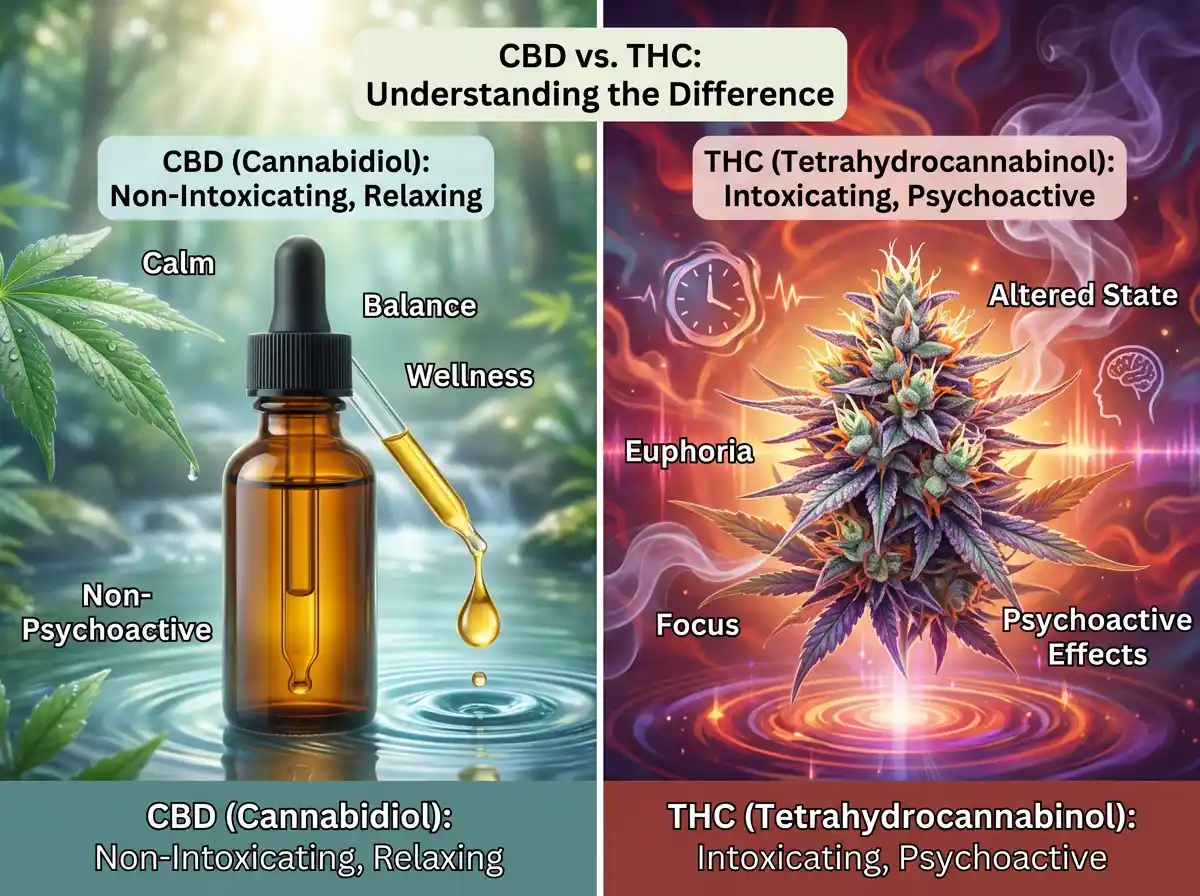
Most confusion around cannabidiol CBD comes down to one question: “Is this the thing that gets you high?” That is THC, not CBD.
THC (tetrahydrocannabinol) is the intoxicating cannabinoid. CBD (cannabidiol) is non-intoxicating. They can come from the same plant family, but they are not interchangeable.
What many people overlook is the wording on labels. “Non-intoxicating” does not automatically mean “THC-free”. Full spectrum CBD contains trace THC within legal limits, which is why some people choose broad spectrum or isolate if they want to minimise THC exposure as much as possible.
If you are ever unsure, bring it back to two practical checks: what spectrum is it, and does the lab report match the batch you are using?
CBD oil cannabidiol and other formats: what changes in practice?
When people search “cbd cannabidiol oil” or “cannabidiol cbd oil uk”, they are usually thinking of drops under the tongue. That is a great place to start because it is simple and gives you flexible dosing.
Now, when it comes to CBD formats, what really changes is how you take it, how easy it is to be consistent, and how the product is absorbed.
Common CBD formats you will see in the UK
- CBD oil: taken under the tongue, then swallowed. Often chosen for routine and flexibility.
- Water soluble CBD: designed to mix into drinks. Often chosen by people who do not enjoy the taste of oils.
- CBD patches: applied to the skin for a slow release approach across the day.
- Topical CBD: creams and balms used on the skin as part of a body care ritual.
A practical example of absorption differences
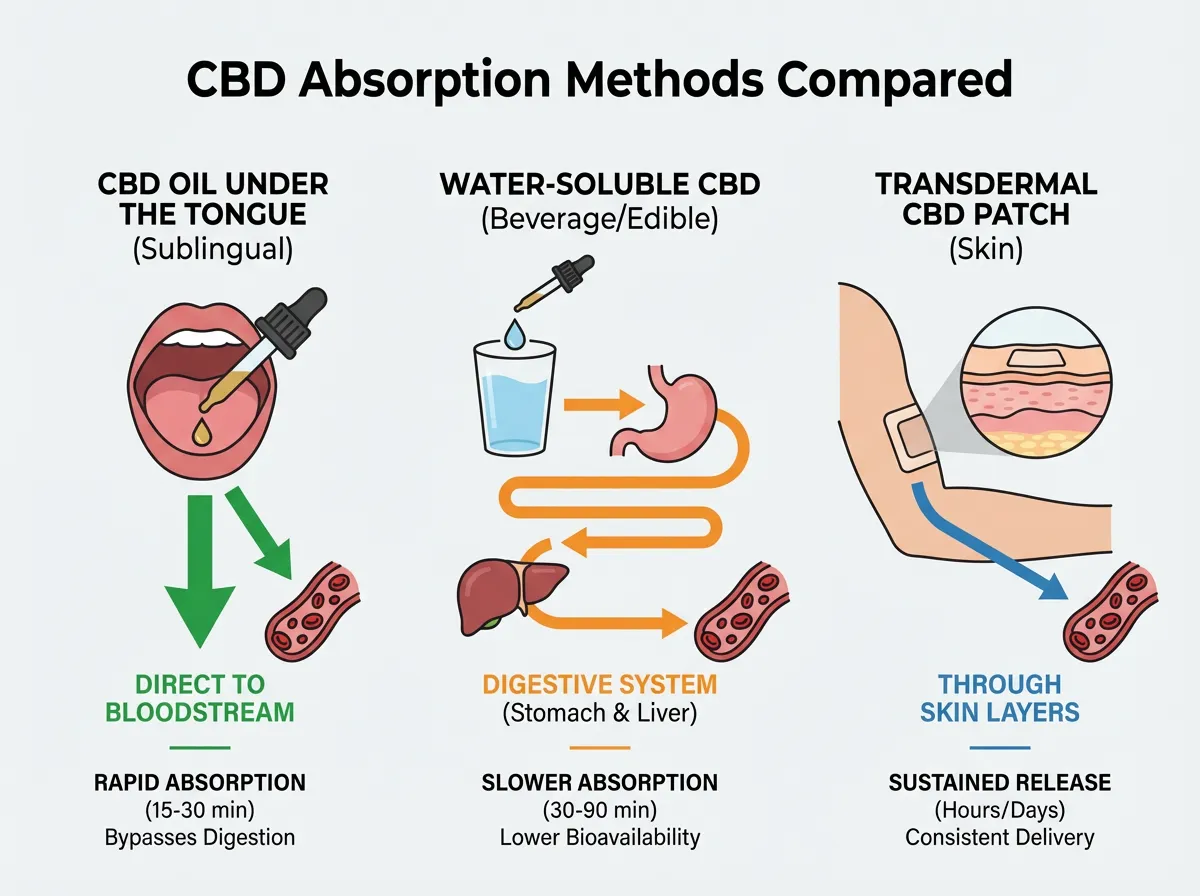
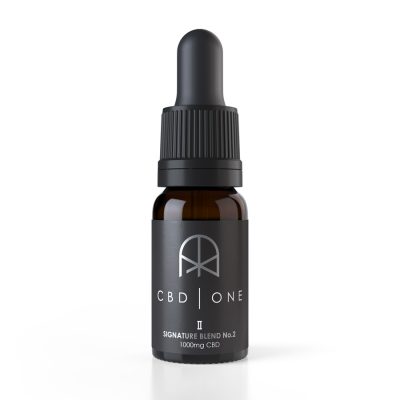
Oils are commonly used sublingually (under the tongue). With CBD One oils, the listed bioavailability is 0.12, which is another way of saying around 12% is a typical estimate for this route in real-world use, depending on the person and how they take it.
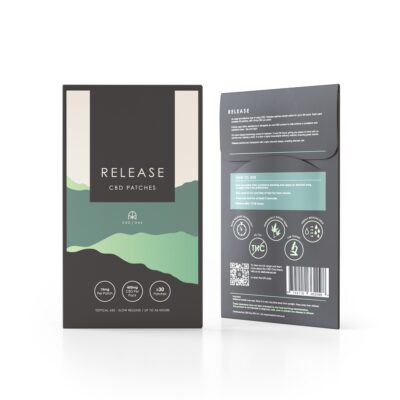
Transdermal patches can be very different. CBD One’s Release patches are described as “40%+” bioavailability via transdermal delivery, and they come in measured doses like 15mg or 30mg per patch. For some people, that measured, once-a-day routine is the main appeal.
If you are curious about drink mixes specifically, you might also enjoy Do CBD Drinks Work? (it breaks down what to look for and what to be cautious about).
A light note on CBD One (as one example)
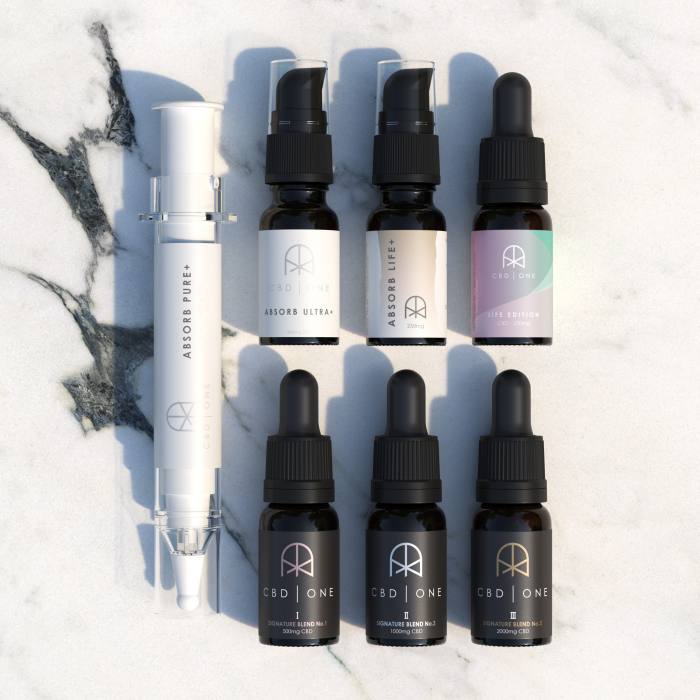
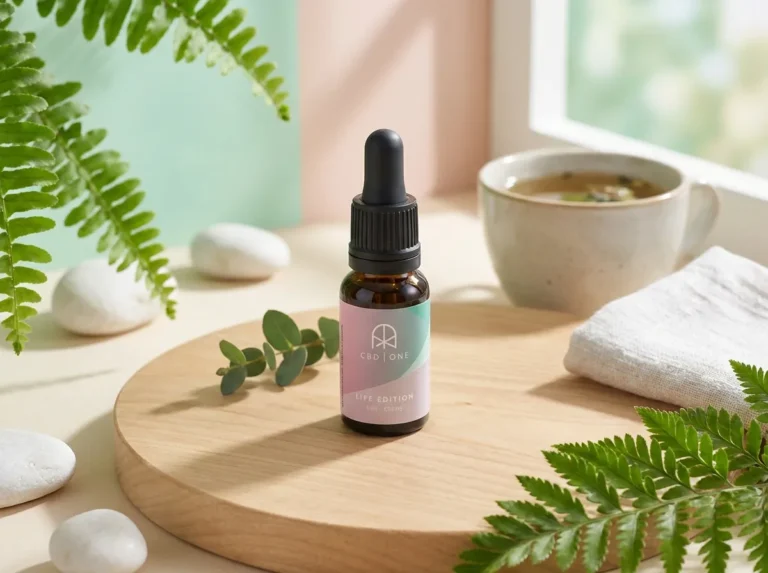
At CBD One, we focus heavily on routine-friendly formats, like full spectrum oils and water soluble options, because consistency is often where people notice the most value.
Full spectrum vs broad spectrum vs isolate: what do these actually mean?
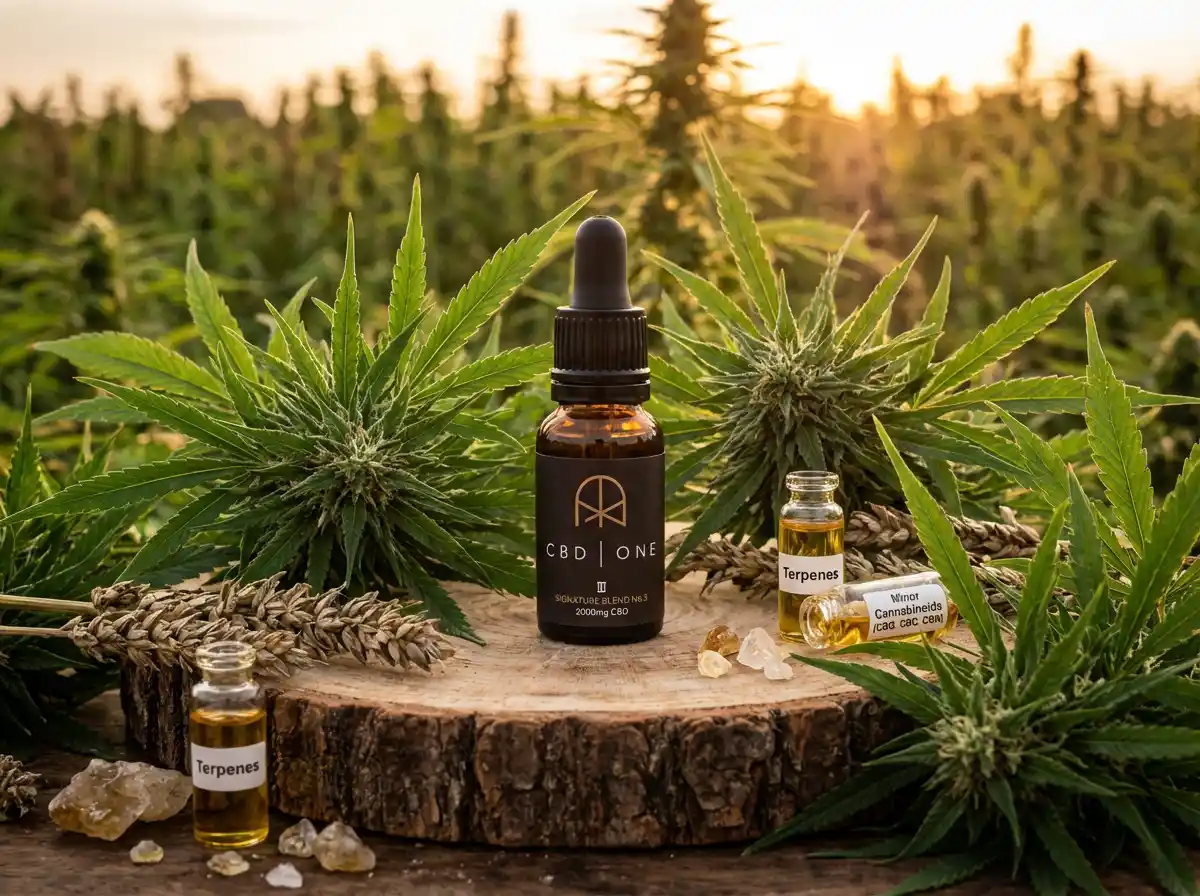
This is where the “broad spectrum cannabidiol CBD oil market” language can make things feel more complex than it needs to be.
From a practical standpoint, you are choosing between how “whole plant” you want your extract to be, and how strict you need to be about THC exposure.
Full spectrum CBD
Full spectrum means CBD plus a range of minor cannabinoids, terpenes, and other natural plant compounds. It also contains trace THC within legal limits. Many people choose full spectrum because they feel it is closer to how the plant works in nature.
If you want to browse that format, the CBD Oils category is a useful reference point for how strengths and lab testing are presented.
Broad spectrum CBD
Broad spectrum usually means a similar “multi-compound” extract, but with THC removed (or reduced to non-detectable levels depending on the product and lab report). Some people prefer broad spectrum if they are anxious about trace THC, for example due to workplace testing.
Consider this: “THC-free” claims still need backing. Always check the Certificate of Analysis (COA) rather than relying on a badge on the front label.
CBD isolate
Isolate is CBD on its own, with everything else removed. It is often used for products that want a neutral flavour profile, or when a measured, THC-free approach is the priority. For example, CBD One Release patches use CBD isolate and are described as THC-free.
Cannabidiol CBD in the UK: legality and regulation basics
CBD is legal to buy and use in the UK, but products must meet specific requirements. Brands also have to be careful about what they claim, because CBD products are not medicines unless they have a medicine licence (which most wellness CBD products do not).
Key UK points to know in 2026
- CBD itself is non-intoxicating, but legal CBD products must keep THC within permitted limits.
- In the UK, ingestible CBD products are regulated under Novel Food rules, overseen by the Food Standards Agency (FSA).
- The FSA advises healthy adults not to exceed 70mg CBD per day. This is guidance, not a personalised medical recommendation.
If you take medicines, do not guess. Speak with a pharmacist or GP first, and use a resource like CBD and Medication to understand why interactions can matter.
A note on vaping, smoking, and “CBD flower” in the UK
You will sometimes see CBD discussed as something to vape, smoke, or buy as “flower”. It is worth separating what is popular from what is practical, and what is clearly regulated from what sits in a greyer area.
From a wellbeing point of view, inhalation is a fast route into the body, but it is also a route that raises extra questions around lung irritation, additives, and product standards. That is one reason many people stick with oils, water soluble products, patches, or topicals, where you can be more consistent and more precise.
As for “CBD flower”, the legal situation is not something to casually assume. Products have to comply with UK controlled substance rules, and what is sold online is not always the same as what is clearly compliant. If you want a stress-free life, choose formats with straightforward lab reports, clear serving information, and a compliance-first approach.
How to choose a quality CBD product (and avoid expensive disappointment)
Most frustration with cannabidiol CBD comes down to one of two things: inconsistent products, or unrealistic expectations.
Think of it this way: if you cannot confirm what is in the bottle, you cannot predict what your experience will be.
Quality checks that are worth your time
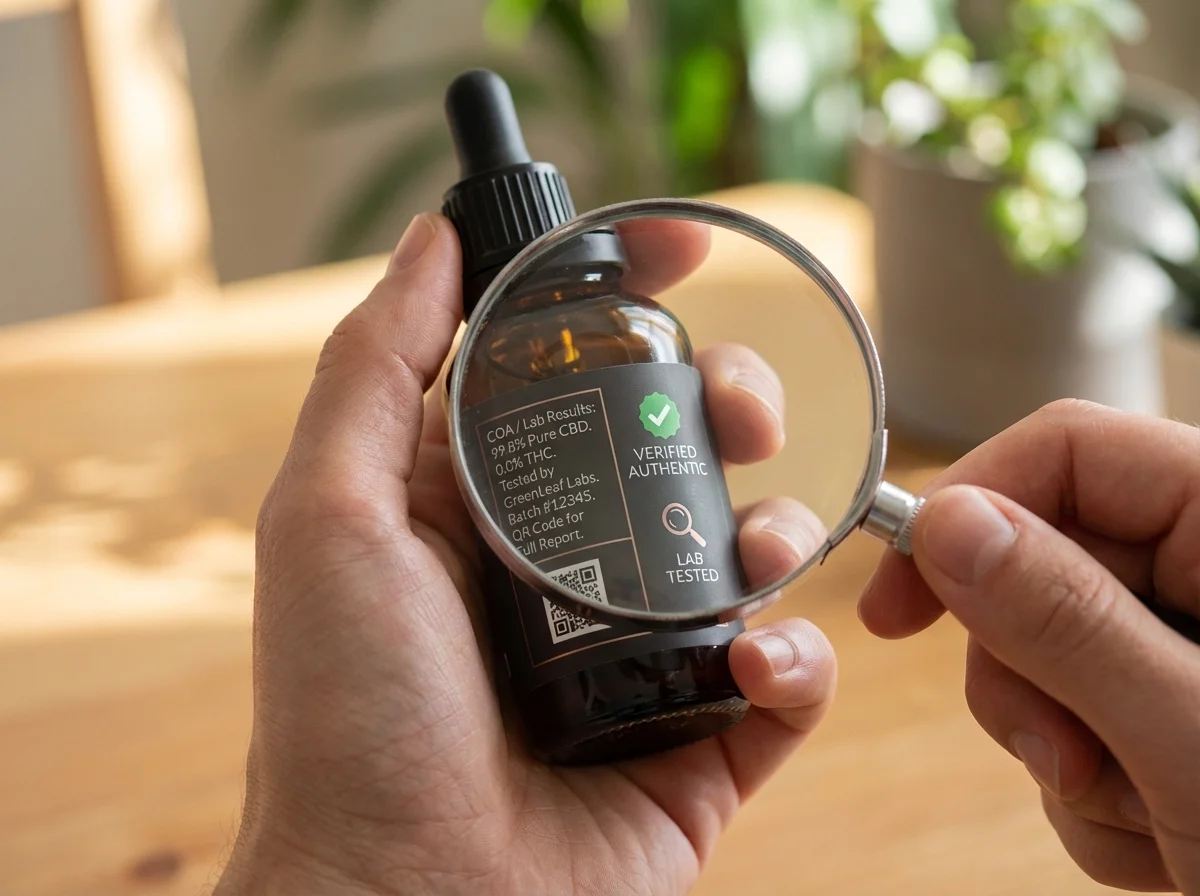
- Clear CBD content: look for mg per bottle and, ideally, mg per serving.
- Independent lab report (COA): confirm cannabinoids and check for unwanted contaminants where available.
- Spectrum clarity: full spectrum vs broad spectrum vs isolate should be stated, not implied.
- Real ingredients list: especially for water soluble products, where emulsifiers and flavourings may be present.
- Practical dosing instructions: vague “take as needed” guidance is rarely helpful for beginners.
If you are comparing formats rather than just brands, CBD Product Comparison can help you weigh up oils vs drinks vs patches in a straightforward way.
Category pages as a “label reading practice”
Even if you are not ready to buy, scanning well-laid-out category pages helps you learn how CBD is presented. For example, compare typical CBD oil listings with the Water Soluble CBD category and notice how serving style and ingredients change.
How CBD is made: extraction and why it matters
This part rarely makes it onto the front of a label, but it affects everything from taste to consistency: how the CBD extract is actually produced.
At a high level, extracting CBD means separating cannabinoids and other desirable plant compounds from the raw hemp material, then refining and formulating that extract into a finished product, like an oil or a drink mix.
Common extraction approaches you will hear about
You will see a few methods mentioned in the UK market. The wording varies, but the practical goal is usually the same: pull out the useful compounds while keeping the extract clean and consistent.
- CO2 extraction: often discussed because it can be tightly controlled and leaves no solvent residue when done well.
- Ethanol extraction: commonly used, and it can be very effective, but it relies on careful processing and proper purification.
- Hydrocarbon solvents: less commonly discussed in “wellness” CBD contexts, and something many careful buyers prefer to avoid unless quality controls are extremely clear.
Here’s the thing: extraction talk can become marketing theatre. The part that matters to you is the end result, the product should have a clear cannabinoid profile, a clean lab report, and a consistent experience from one batch to the next.
COAs explained: what to check beyond “CBD mg”
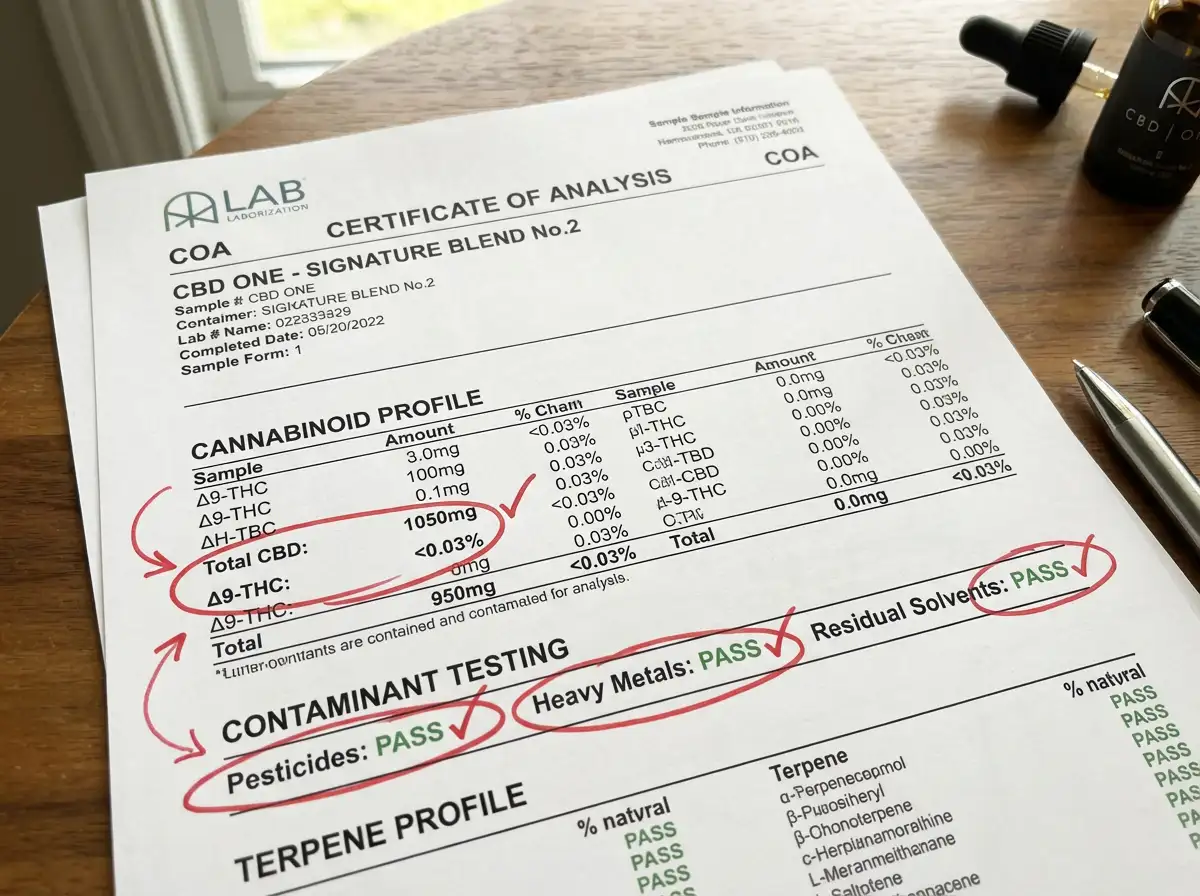
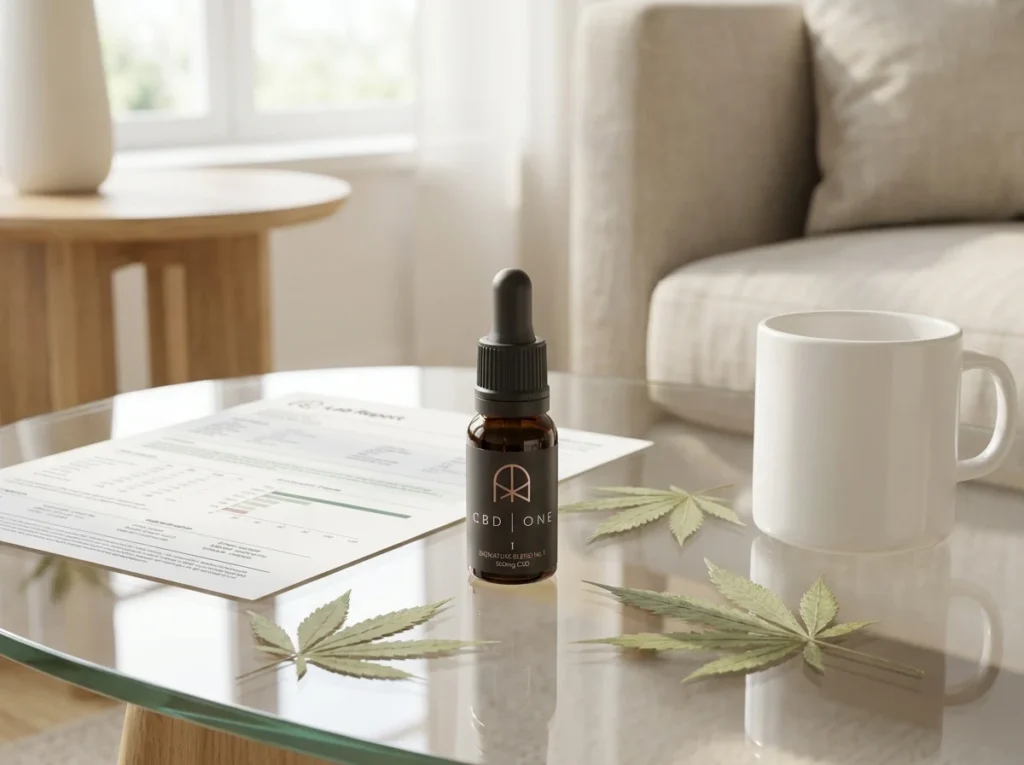
A COA, or Certificate of Analysis, is the third-party lab report for a batch of product. It is one of the few places you can verify whether the label matches reality.
Many people only look for a single number, “Is the CBD amount correct?”, but a COA can tell you more than that.
What to look for on a COA
- Batch or lot number: it should match the product you are holding.
- Cannabinoid profile: CBD content, and if relevant, minor cannabinoids and THC levels.
- Date of the test: newer is generally more meaningful, especially if a brand changes suppliers or formulations.
- Contaminant screening where available: heavy metals, pesticides, microbial contaminants, and residual solvents are the common categories people look for.
Consider this: a COA is only useful if it is easy to access, clearly linked to your batch, and comes from a genuine independent lab. If the report is missing, out of date, or does not match the batch number, that is a sensible reason to walk away.
Dosing basics: start low, go slow, stay consistent
Dosing is where most people overthink it, and it is also where a bit of structure helps.
In practice, this means you start with a small amount, take it the same way at the same time each day, and only increase gradually if you feel you need to. Keep a simple note in your phone for a week or two, because memory is unreliable when life is busy.
A sensible framework (not medical advice)
- Pick a format you can actually stick with (oil, water soluble, patches).
- Start with a low dose for several days.
- Adjust slowly, one change at a time (dose or timing, not both on the same day).
- Stay within the FSA guidance of 70mg per day for healthy adults.
If you want extra support here, you can use a CBD dosage calculator as a starting point, then pressure-test your plan with how you actually feel day to day.
You can also read CBD Buying Guide if you are at the stage of choosing a strength and deciding what “good value” really means.
One more practical point on CBD One products (as an example)
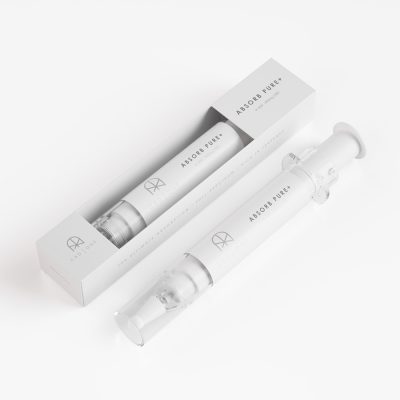
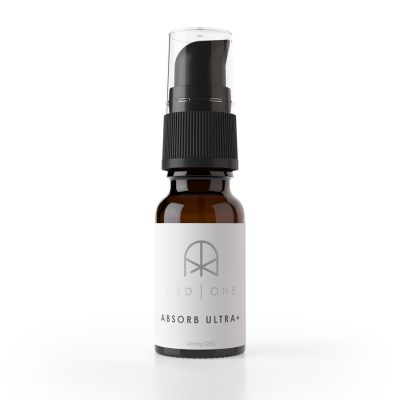
If you prefer classic drops, CBD One full spectrum oils range from 2.5% (250mg per 10ml) up to higher strengths like 20% (2000mg per 10ml), and the suggested use is typically a few drops under the tongue. If you hate the taste of oils, Absorb water soluble products use a pump format you can add to hot or cold drinks.
Frequently Asked Questions
Is cannabidiol CBD the same as cannabis?
Cannabidiol (CBD) comes from the cannabis plant family, but that does not mean it will make you feel “stoned”. CBD is non-intoxicating. Most UK wellness products use hemp-derived extracts, which are naturally low in THC. The important detail is the type of extract (full spectrum, broad spectrum, or isolate) and the lab report that confirms what is actually in the product. If you are unsure, choose a brand that publishes a Certificate of Analysis and makes the spectrum clear on the label.
Will CBD oil get you high?
CBD itself does not cause a “high”. That said, full spectrum CBD products contain trace THC within legal limits, so they are not the same thing as a THC-free isolate product. Most people do not experience intoxication from legal CBD, but individual sensitivity varies, and product quality matters. If you need to avoid THC completely, look for THC-free options supported by third-party lab results, and speak to a professional if you are being drug tested.
How do I read a CBD oil label in the UK?
Start with the total CBD in milligrams (mg) per bottle, then look for the serving size, for example mg per drop or mg per pump. Check the spectrum type (full spectrum, broad spectrum, isolate) and confirm there is a recent third-party lab report (COA). Ingredients matter too, especially in water soluble products which may contain emulsifiers and flavourings. Finally, look for sensible usage guidance and warnings, particularly around pregnancy, breastfeeding, and medication.
What is “full spectrum” cannabidiol CBD oil?
Full spectrum CBD oil contains CBD plus other naturally occurring hemp compounds, such as minor cannabinoids and terpenes. It also contains trace THC within legal limits. Many people choose full spectrum because they feel it offers a more “whole plant” experience, often discussed as the Entourage Effect. The trade-off is that it is not THC-free, so it may not suit everyone. If THC exposure is a concern, broad spectrum or isolate may be a better fit.
What is broad spectrum cannabidiol CBD oil and who is it for?
Broad spectrum is usually designed to include multiple hemp compounds while removing THC. People often look for it when they want something closer to full spectrum, but with less concern about trace THC. The key is not to rely on a marketing claim alone. Ask for a third-party lab report showing THC levels, and check the batch number matches the product you are using. If you are subject to workplace testing, speak to your employer or a healthcare professional before using any cannabinoid product.
How much cannabidiol CBD should I take?
There is no one perfect dose. Many people do best with a “start low, go slow” approach, staying consistent for at least several days before making changes. The UK FSA advises healthy adults not to exceed 70mg CBD per day. If you are smaller, sensitive to supplements, or new to CBD, you may prefer to begin well below that. If you take medications, talk to your GP or pharmacist first because CBD can interact with some medicines.
How long does CBD take to work?
It depends on the format, how you take it, and what you mean by “work”. Some people report noticing effects sooner with formats they find easier to take consistently, while others only notice subtle changes over time. Oils taken under the tongue may be noticed faster than swallowed formats, but it varies. Patches are designed for slow release, which may feel steadier rather than immediate. Keep your routine stable for a couple of weeks and avoid changing multiple variables at once.
Is cannabidiol CBD safe for everyone?
CBD is generally well tolerated by many adults, but “safe for everyone” is too strong. Some people experience side effects such as tiredness, digestive upset, or changes in appetite, especially at higher doses. The bigger issue is medication interactions. If you take prescription medicines, especially anything with a grapefruit warning, speak to a GP or pharmacist before using CBD. Also avoid CBD during pregnancy or breastfeeding unless a qualified clinician advises otherwise.
Can I take CBD with medication?
Sometimes people can, but you should not make that call based on a social media post. CBD may affect how your body metabolises certain medicines. That can change how strongly a medicine works, which is why professional guidance matters. Bring your medication list to a pharmacist or GP and ask directly about CBD. For a clear overview of why interactions are possible and what to do next, read CBD and Medication.
What is the difference between CBD oil and water soluble CBD?
CBD oil is typically an extract blended into a carrier oil and taken as drops, often under the tongue. Water soluble CBD is formulated to mix into liquids, which can be convenient if you dislike the taste of oils or want a simple “add to your morning drink” ritual. Formulation and absorption can differ a lot between products, so look for clear dosing information and lab reports. If you want to compare formats side by side, CBD Product Comparison is a helpful next read.
How do I choose a CBD product without being fooled by marketing?
Ignore big claims and focus on proof. Look for (1) clear CBD content in mg, (2) third-party lab testing, (3) an honest spectrum description, and (4) practical dosing instructions. Then choose a format you can take consistently, because sporadic use is where many people get “nothing happened” experiences. If you are unsure which direction to go, start by reading a solid overview like CBD Buying Guide and keep it simple.
Is CBD a drug in the UK?
CBD is not intoxicating, and it is widely sold as a wellness product in the UK. But “drug” can mean different things in different contexts, legal, medical, and workplace.
From a practical standpoint, most people are really asking whether CBD will impair them or get them into trouble. Legal, compliant CBD should not be intoxicating. The bigger risk tends to come from poorly made products with unclear THC content, or from assumptions like “it says THC-free so it must be fine”. If this topic matters to you, choose products with clear spectrum labelling and third-party lab reports, and speak to a professional if you have a specific concern.
Does CBD show up on a drug test?
Standard workplace drug tests usually look for THC, not CBD. However, full spectrum products can contain trace THC within legal limits, and in theory that could be relevant for highly sensitive testing or heavy, long-term use.
If testing is part of your job, the most sensible step is to speak to your employer and a healthcare professional before using cannabinoid products. If you decide to use CBD anyway, you might prefer options that aim to avoid THC exposure, backed up by a current third-party COA for your batch.
Can I take CBD every day?
Many people use CBD daily because it helps them build a routine and judge their response more clearly. Others prefer using it only at certain times, like in the evenings, or around travel and busy periods.
The key is to keep it simple and stay within sensible guidance. If you are a healthy adult, the FSA advises not exceeding 70mg per day. If you notice side effects like tiredness or digestive upset, that is usually a sign to reduce your amount, change timing, or stop and reassess. If you take medication, speak with a pharmacist or GP before making CBD a daily habit.
What is the “CBD medical abbreviation” people talk about?
In healthcare settings, “CBD” can sometimes refer to other abbreviations that have nothing to do with cannabidiol. That can lead to confusion if you are reading notes, forums, or search results.
If you are talking about supplements and wellbeing products, CBD almost always means cannabidiol. If you are reading something medical, check the context carefully and do not assume it is about hemp or cannabinoid products.
Key Takeaways
- Cannabidiol (CBD) is non-intoxicating, but product type and extract spectrum change the experience.
- Full spectrum contains trace THC within legal limits; broad spectrum aims to remove THC; isolate is CBD only.
- Quality comes down to clear mg dosing, third-party lab reports, and honest labelling.
- Start low, go slow, and stay consistent. Healthy adults should follow the FSA guidance of no more than 70mg CBD per day.
- If you take medication, speak to a GP or pharmacist before using CBD.
Conclusion
Cannabidiol CBD does not need to be confusing, but you do need a few basics nailed down: what spectrum you are using, how much CBD you are actually taking, and whether the brand can prove what is in the product with independent lab testing. After that, your job is simpler than most people think. Pick a format you will use consistently, start with a small dose, and change things slowly.
The reality is that CBD is not a magic fix, and it is not a replacement for good sleep, movement, nutrition, and support from a qualified healthcare professional. But as part of a steady wellness routine, many people find it is worth exploring, especially when they approach it with realistic expectations and good product literacy.
If you are unsure where to start, explore guides, or speak to Nick for free, sensible advice.