

CBD Oil Glasgow: UK Delivery & Best Prices (2026)
CBD Oil in Glasgow: quick buying overview
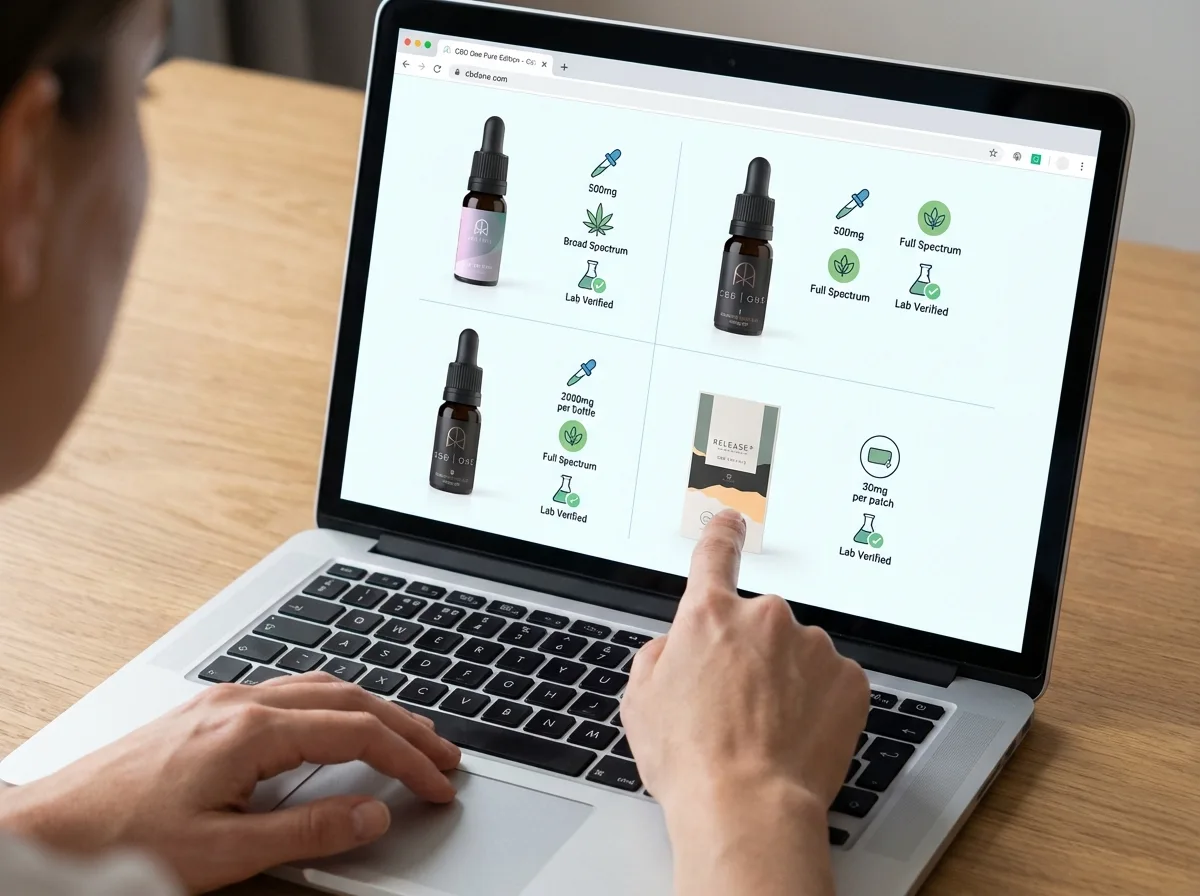
Buying CBD oil in Glasgow is usually a choice between picking something up locally (often limited strengths and inconsistent information) or ordering from a UK brand that provides clearer lab testing, batch consistency, and better strength options delivered to your door.
For most people, the “best” CBD oil is not the highest strength. It is the one that matches your experience level, preferred routine, and tolerance for the natural hemp taste. From a formulation point of view, you will typically see three types:
- Full spectrum CBD oil: CBD plus minor cannabinoids and terpenes, with trace THC within legal limits. Many people choose this for the so-called “entourage effect”.
- Broad spectrum CBD: similar, but THC removed. Useful if you are avoiding THC completely.
- CBD isolate: pure CBD only. Often milder flavour and simplest ingredient profile.
If you are new, starting with a lower strength and building slowly is usually the most sensible approach. If you want a structured approach, our CBD dosage guide breaks it down in plain English.
Key features that matter (and what to ignore)
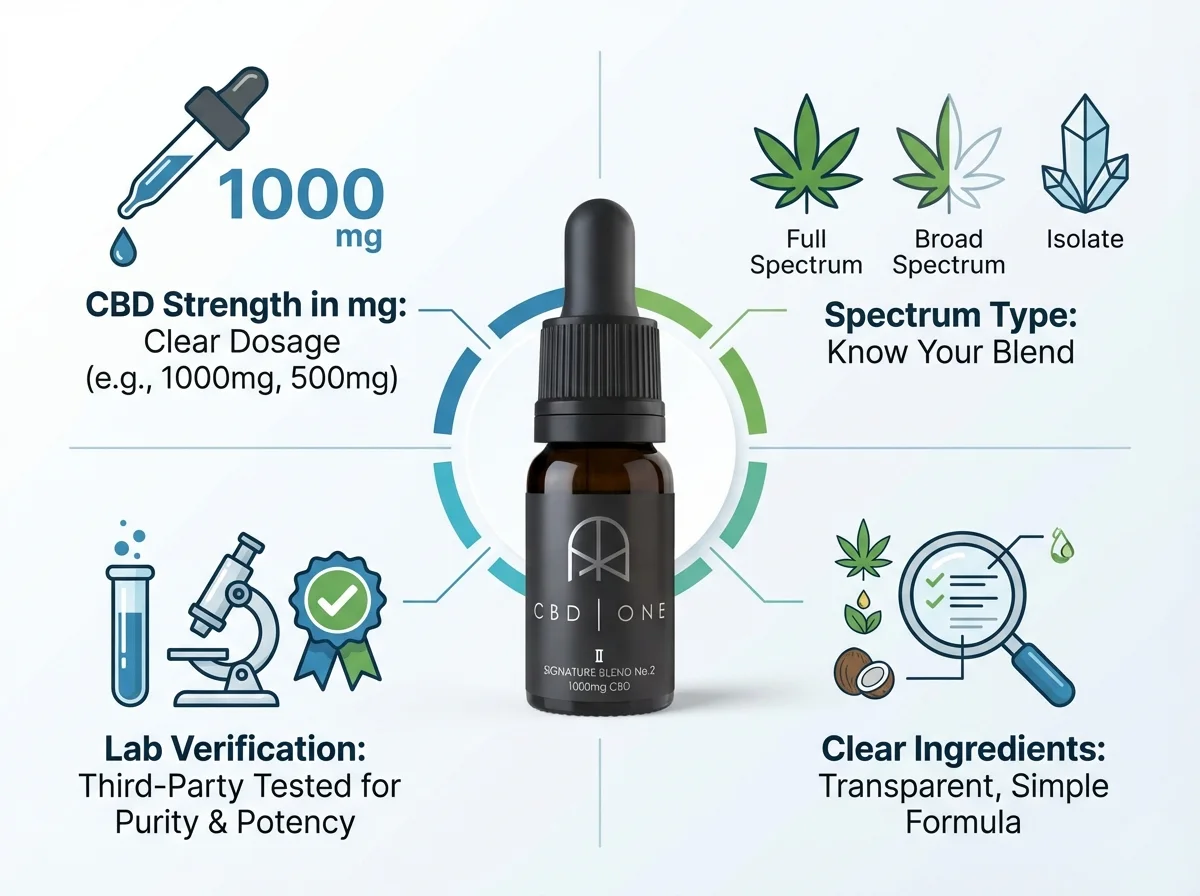
When someone searches “cbd oil Glasgow” they are often comparing price first. That is understandable, but CBD is one of those products where quality signals really do matter. Here is what I would prioritise when deciding what to buy and what to skip.
1) Clear strength labelling (mg per bottle, not just %)
% can be useful, but “mg of CBD per bottle” is what helps you compare value and plan your serving size. For example, a 10ml bottle at 5% typically means 500mg CBD per bottle. If a listing hides the mg figure, I would treat that as a red flag.
2) Spectrum and extract type (full spectrum, broad spectrum, isolate)
Full spectrum oils contain multiple naturally occurring hemp compounds. Some users prefer them for a more “whole plant” experience. Broad spectrum and isolate can be better if you are sensitive to flavour, or you want to avoid any trace THC. If you drive for work or do sport with testing policies, you should be extra cautious and speak to your employer or governing body.
3) Independent lab verification
Good brands test for cannabinoid content and common contaminants. On CBD One product pages, you will see “lab verified” on the oils. That is the kind of language you want to see, rather than vague “premium” claims without evidence.
4) Ingredients and carrier oil
Most CBD oils are hemp extract blended into a carrier oil, commonly hempseed oil. If you have allergies or dietary preferences, check the ingredient list and whether the product is vegan (CBD One oils are listed as 100% plant based).
5) Realistic expectations and compliant claims
CBD is not a medicine, and it is not sold as a cure or treatment for any condition. You will see people talk about “CBD oil benefits” online, but a trustworthy retailer sticks to compliant language like “may support” and “some users report”. If a product page promises to treat anxiety, pain, or sleep disorders, it is not a good sign.
What to ignore: hypey absorption numbers without context
Some products claim “10x more effective” without explaining what that means or how it was measured. Absorption varies by person, dose, and format. If you want a potentially more convenient format than oil drops, you could look at Water Soluble CBD, but still keep your expectations realistic and start low.
Pros and Cons
Strengths
- Convenience in Glasgow: ordering online gives you consistent access to preferred strengths without relying on local availability.
- Better comparability: it is easier to compare mg per bottle, ingredients, and spectrum type across products.
- More choice of strengths: useful if you want to start low and increase gradually rather than jumping to a high-strength bottle.
- Potential routine fit: oils can be used in small, adjustable amounts, making them easier to tailor than fixed-dose formats.
Considerations
- Natural taste: full spectrum oils often taste earthy and “hempy”. If you dislike that, you may need time to adjust.
- Not instant: effects, if you notice them, can be subtle and may take consistent use. It is not like a fast-acting stimulant.
- Possible side effects: some people report drowsiness, digestive upset, or changes in appetite, especially at higher servings.
- Medication interactions: CBD can interact with some medicines. If you take regular medication, read CBD and medication guidance and speak with a pharmacist or GP.
Who it’s for (and who should be cautious)
CBD oil can make sense if you want a simple, adjustable wellness supplement to add to your routine, and you prefer non-inhalation options. It is also a popular choice if you want full spectrum hemp extract rather than CBD isolate alone.
You should be cautious (and speak to a healthcare professional first) if you are pregnant or breastfeeding, have a liver condition, or take prescription medicines. And if you are specifically shopping for CBD oil for dogs in Glasgow, be careful: many human CBD oils are not formulated for pets. Your safest route is to speak to your vet before giving any CBD product to an animal.
Recommended CBD One options with UK delivery (and what to pick first)
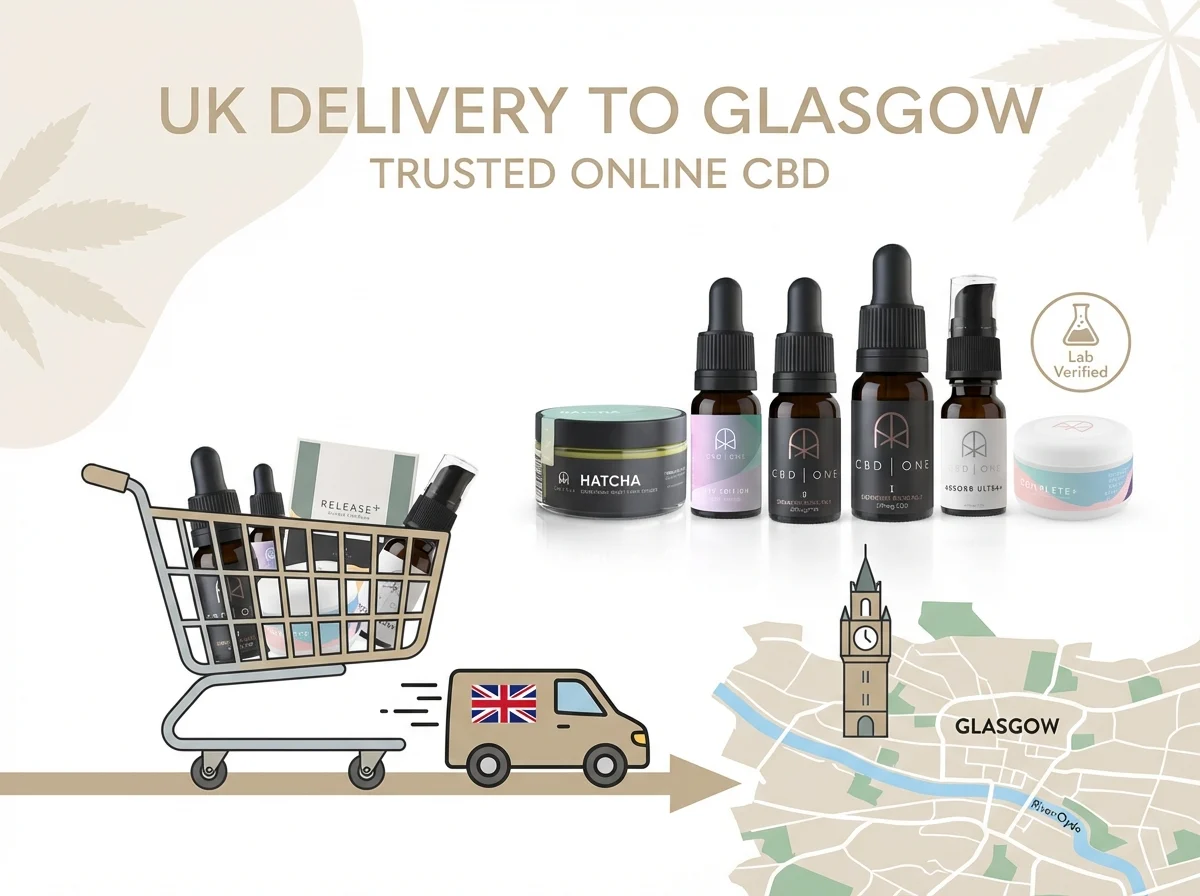
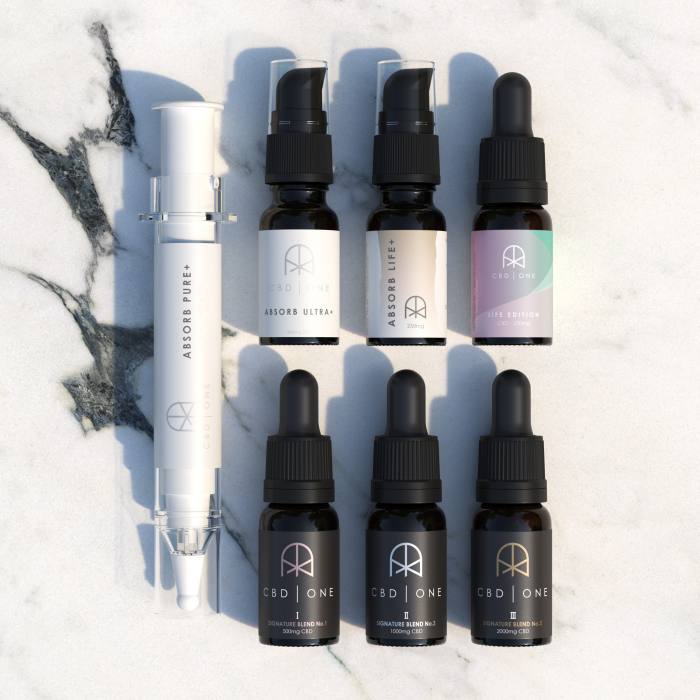
If you want to keep it simple, I would choose based on experience level and how price-sensitive you are. All three options below are full spectrum CBD oils, lab verified, and blended with hempseed oil. They also have that natural earthy flavour you would expect from a whole-plant extract.
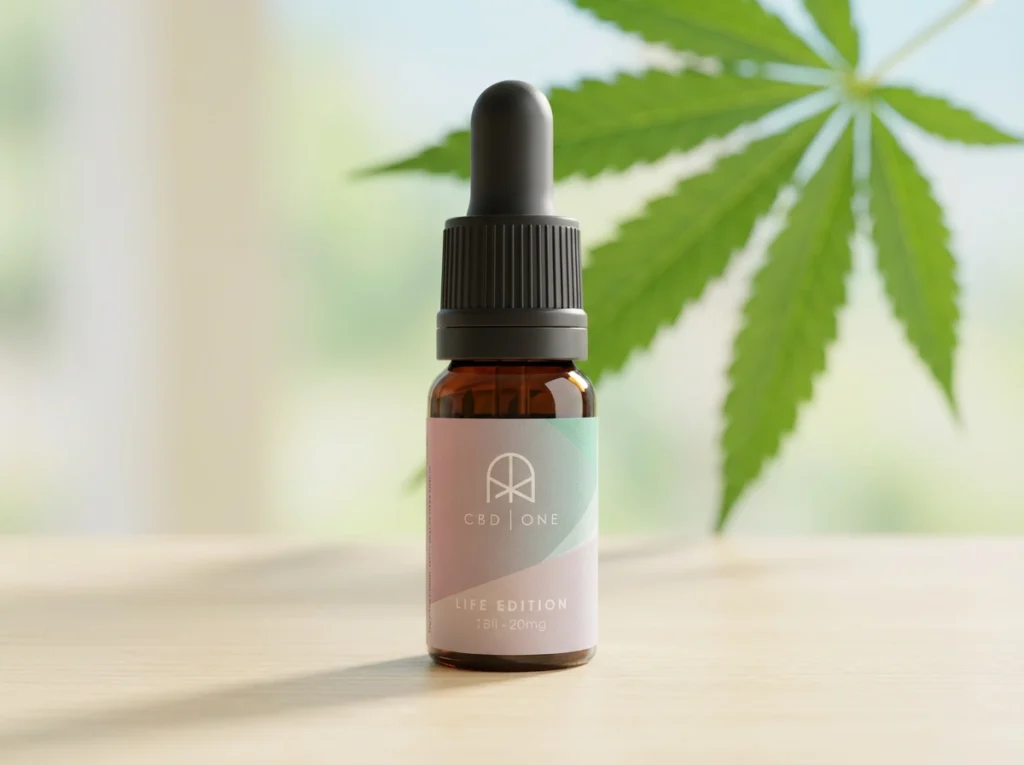
- 2.5% CBD Oil [250mg CBD] | Life Edition (£19.99): a sensible starting point if you are new, cautious, or simply want a lower-cost entry to CBD oil.
- 5% CBD Oil [500mg CBD] (£33.99): a popular “middle ground” if you want more concentration without going high strength straight away.
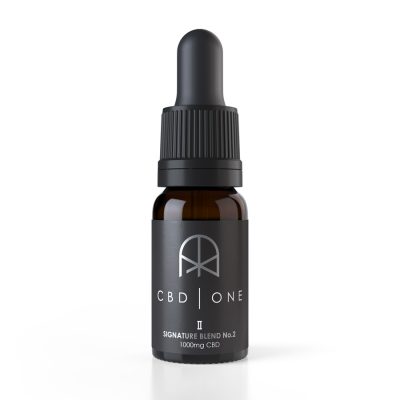
- 10% CBD Oil [1000mg CBD] (£58.99): better suited if you already use CBD and want fewer drops for the same total mg.
Two honest limitations, so you can decide fairly. First, CBD One is a smaller, family-founded brand with a tighter range than some huge marketplaces. Second, we are positioned at the premium end, so the lowest price on the internet is not always our aim. If you want guidance on technique (which genuinely affects results), read how to take CBD oil before you buy.
Buying guide: how to choose the right CBD oil in Glasgow
If you are comparing “best CBD oil” options, here are the criteria I would actually use. This will help you avoid overpaying for marketing and focus on what is likely to matter in day-to-day use.
1) Choose your strength by routine, not bravado
Higher strength is not automatically better. It just means more CBD per drop. If you are unsure, start with a lower strength and track how you feel for a week or two before changing anything. The UK FSA advises healthy adults should not exceed 70mg CBD per day. If you are under medical supervision or have health concerns, use extra caution and speak with a clinician.
2) Decide whether full spectrum is right for you
Full spectrum oils contain trace THC within legal limits. That does not mean they will intoxicate you. If you want a clearer explanation, see Does CBD oil get you high? Still, if your job involves drug testing or strict policies, you may prefer a THC-free format (often isolate-based) to reduce risk.
3) Look for lab verification and transparency
At a minimum, you want confirmation of CBD content. Ideally you also want a batch-specific or recent certificate of analysis that checks for things like pesticides or heavy metals. If a brand is vague about testing, or you cannot find any testing language at all, that is a reason to keep shopping.
4) Compare value properly (cost per mg)
“Best prices” is not just the cheapest bottle. It is the cost per mg of CBD, plus whether you will actually use it. A high-strength bottle might look expensive, but if it lasts longer and you are already experienced, it could be better value. For new users, buying too strong too soon often leads to wasted product.
5) Think about format and lifestyle (oil vs water-soluble)
Oils are flexible and simple. But if you dislike holding oil under your tongue or you want something you can add to a drink, water-soluble options may fit your lifestyle better. You can browse that category here: Water Soluble CBD. Just remember: convenience does not remove the need to start low, especially if you are sensitive.
Quick note on “CBD oil Scotland” legality
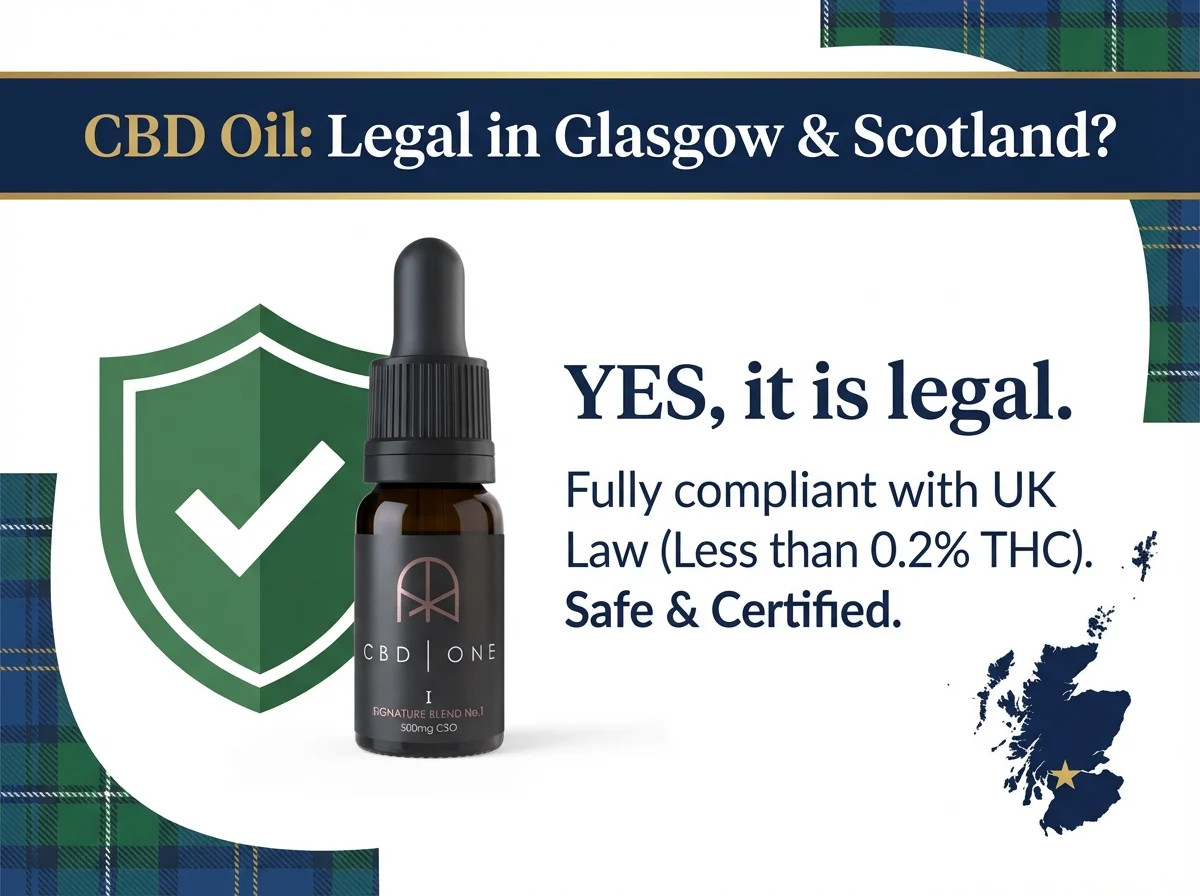
Scotland follows UK-wide rules on retail CBD. CBD is not a controlled substance when sold as a compliant consumer product, and reputable brands will keep THC within legal limits and avoid medical claims. If you see unrealistic medical promises, that is a bigger concern than where the company is based.
If you want a deeper explanation of what people mean when they talk about CBD’s effects, this guide is a helpful next step: CBD benefits (explained as how CBD oil works in the body, without hype).
How to spot a properly compliant CBD oil in the UK (Glasgow buyers)
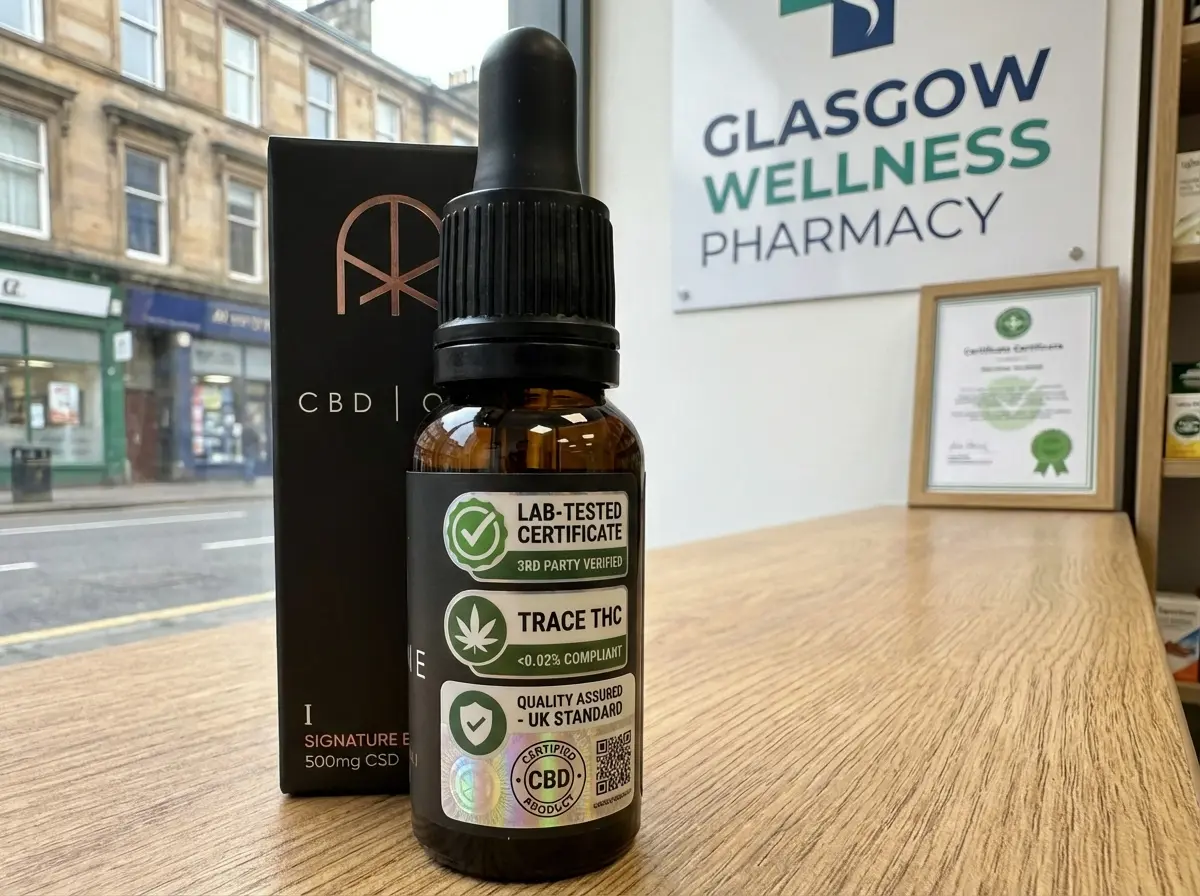
Here’s the thing: in the UK, the “quality conversation” and the “compliance conversation” overlap. A lot. Oils that cut corners often do it in the same places that make a product harder to trust day-to-day.
Look for a product that is sold as a food supplement, not a “treatment”
If you see a CBD oil being marketed with clear promises to fix specific health problems, that is a red flag. Reputable brands keep their language grounded and focus on general wellness support, ingredient transparency, and how to use the product sensibly.
Check the label details you can verify
From a practical standpoint, you want to be able to answer three simple questions from the listing and the label: how much CBD is in the bottle (mg), what type of extract it is (full spectrum, broad spectrum, isolate), and what the carrier oil is. If you cannot find those basics quickly, it is usually not a great buy.
Be wary of vague “lab tested” language without context
Lab testing matters, but words can be used loosely. The most useful testing is the type that confirms cannabinoid content and checks common contaminants. If a brand makes big claims about purity but does not provide any clear testing information, it is reasonable to keep looking.
Full spectrum vs broad spectrum vs isolate: how it affects taste, routine, and testing risk
A lot of guides talk about spectrum like it is purely a science choice. In real life, it often comes down to three things: taste, how consistent you want your routine to feel, and how cautious you need to be about THC policies.
Full spectrum: the most “hemp-like” experience
Full spectrum oils tend to taste the strongest, because you are getting more of the plant’s natural compounds. Many people choose this for a more rounded, whole-plant feel, but you should remember it can include trace THC within legal limits. That is usually fine for most users, but it may not suit everyone’s workplace or sporting policies.
Broad spectrum: a middle ground for THC avoidance
Broad spectrum is often chosen by people who want something closer to full spectrum, but with THC removed. Consider this if you are cautious about even trace THC, and you still want a more “plant-based” profile than isolate alone.
Isolate: simplest ingredients and often the mildest taste
Isolate oils are typically just CBD plus a carrier oil. The taste is often less earthy, and the formula can feel simpler if you are sensitive to flavour or you prefer a minimal ingredient list. The trade-off is that you are not getting the broader mix of hemp compounds that some people look for in a full spectrum oil.
Think of it this way: spectrum is not about chasing a “strongest” option. It is about choosing the version of CBD you are most likely to use consistently.
How long does a bottle last? A practical way to estimate value in Glasgow
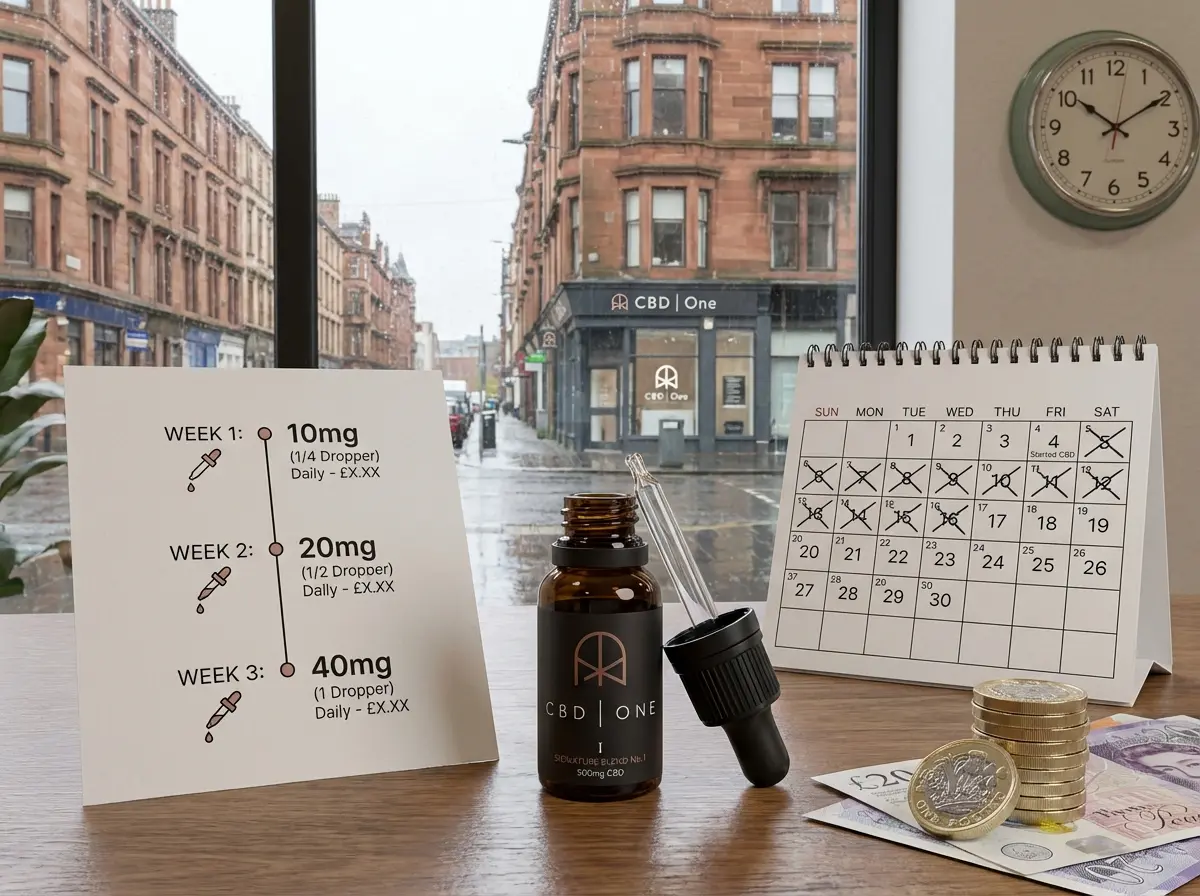
When people ask for the “best prices”, what they often mean is: will I get through this bottle, and will it feel worth it?
A simple way to think about it is to work backwards from the bottle’s total CBD content (in mg) and your planned daily amount. For example, if a bottle contains 500mg CBD in total, and you end up using 10mg per day, that bottle would last around 50 days. If you use 20mg per day, it is closer to 25 days. You do not need to be perfect, you just want a rough estimate so you can compare like-for-like.
What many people overlook is that buying too strong too soon can actually be worse value. If the taste puts you off, or you are unsure how to use it, the bottle can end up sitting in a cupboard. A lower strength that you use consistently often works out as the smarter purchase.
Storage, shelf life, and travelling with CBD oil in Scotland
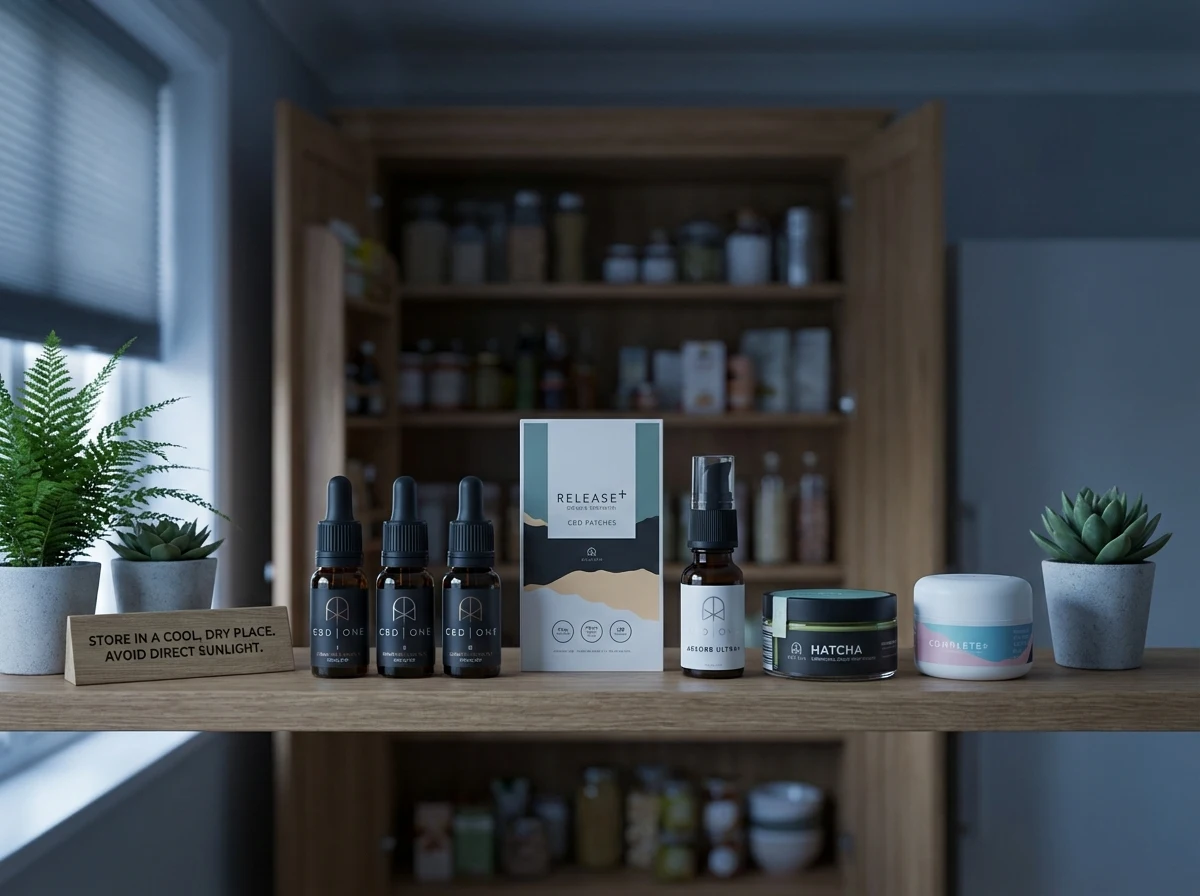
CBD oil is not complicated to store, but a couple of small habits can keep it tasting better and make it last as intended.
Storage basics
Keep CBD oil in a cool, dry place away from direct sunlight, and make sure the lid is closed properly after each use. Heat and light can gradually affect flavour and freshness. If you keep it in your bag or the car, just be mindful that temperature swings can be bigger than you think.
Shelf life and changes in appearance
Over time, oils can look slightly darker, or taste a bit more “planty”, especially with full spectrum extracts. That does not automatically mean it is unsafe, but if anything smells off, looks unusual, or you are unsure, it is sensible to stop using it and contact the retailer for advice. Always check the product’s best-before date on the packaging.
Travelling and local policies
Within the UK, carrying CBD oil is usually straightforward if it is a compliant product in original packaging. If you are travelling for work, sport, or anywhere with strict substance policies, it is worth checking the rules ahead of time. The label, the spectrum type, and the presence of trace THC can all matter in real-world settings.
Frequently Asked Questions
Can I buy CBD oil in Glasgow with fast UK delivery?
Yes. Most people in Glasgow buy online for convenience and access to more strengths. The main thing is choosing a reputable UK retailer that clearly lists CBD content (mg per bottle), ingredients, and whether the oil is full spectrum, broad spectrum, or isolate. Look for lab verification rather than relying on marketing claims.
Is CBD oil legal in Glasgow and Scotland?
CBD products are legal to buy in Glasgow when they are compliant consumer products and sold within UK rules. Full spectrum CBD oil may contain trace THC within legal limits. Brands should avoid medical claims and should provide transparent product information. If you are unsure whether a product is compliant, choose one with clear lab verification and UK-focused labelling.
What strength CBD oil should I start with?
If you are new, starting with a lower strength usually makes the most sense because you can increase gradually. Many people begin with a low-to-mid strength and adjust their serving size over time. Keep the UK FSA guidance in mind: healthy adults should not exceed 70mg CBD per day. If you want a step-by-step approach, use a dosing tracker.
How do I take CBD oil properly?
Most CBD oils are taken under the tongue (sublingually). You place the drops under your tongue, hold for a short period, then swallow. This may improve absorption compared with swallowing immediately. Technique matters more than people think, so it is worth reading a practical guide like how to take CBD oil before deciding a product “doesn’t work”.
Will CBD oil make me high?
CBD itself is non-intoxicating and does not produce a “high” like THC. Full spectrum oils can contain trace THC within legal limits, but they are not intended to be intoxicating. Individual sensitivity varies, and very large servings are never a good idea. If you want the full explanation, see Does CBD oil get you high?.
What are common CBD oil side effects?
CBD is generally well tolerated, but some users report mild side effects such as drowsiness, dry mouth, digestive upset, or changes in appetite, especially when taking higher amounts. Side effects can also be more likely if you combine CBD with alcohol or certain medications. Start low, increase slowly, and stop using it if you feel unwell.
Can I take CBD oil with medication?
CBD can interact with some medicines, including those with “grapefruit warnings”. This does not mean CBD is always unsafe, but it does mean you should check with a pharmacist or GP before using it. If you want a sensible overview of the risks and how to approach it, read CBD and medication.
Is full spectrum CBD oil better than isolate?
Not always. Full spectrum includes minor cannabinoids and terpenes, which some people prefer for a broader “whole plant” profile. Isolate is just CBD, which can be useful if you want the simplest formula and usually a milder taste. Your best choice depends on your preferences, sensitivity, and whether you need to avoid any trace THC.
Can I give CBD oil to my dog?
If you are looking for “CBD oil for dogs UK”, be careful. Many human CBD oils are not designed for pets, and dosing for animals is not the same as for adults. The safest option is to speak to your vet before giving your dog any CBD product. Never assume a higher strength oil is “better” for a pet.
What is the best CBD oil to buy in Glasgow?
The best CBD oil for you is the one that fits your experience level and routine, comes from a transparent brand, and is lab verified. For beginners, a lower strength bottle can be a sensible start. If you already use CBD and want fewer drops, a mid or higher strength can be more convenient. Avoid brands making medical claims or hiding test information.
How do I compare CBD oils quickly without getting lost in marketing?
Focus on a few basics: total CBD in mg per bottle, extract type (full spectrum, broad spectrum, isolate), ingredient list, and whether there is clear lab verification. If those are easy to find, you are usually looking at a more transparent product. If they are hidden behind vague wording, it is sensible to be cautious.
Does higher % CBD oil mean higher quality?
No. A higher percentage only tells you the oil is more concentrated. Quality is more about how well the product is labelled, whether it is tested, and whether the brand is transparent about what is in the bottle. A lower strength from a trustworthy brand can be a better first purchase than a high strength with unclear information.
Can CBD oil show up on a drug test?
CBD itself is not usually what workplace tests look for, but some full spectrum products contain trace THC within legal limits. That can matter if your workplace or sport has strict testing policies. If testing is a concern, consider speaking with your employer or governing body before using CBD, and choose your spectrum type carefully.
Should I take CBD oil in the morning or at night?
It depends on your routine and how you personally respond. Some people prefer CBD as part of a morning routine, others like it in the evening, and some split it. The most helpful approach is to pick one time of day, keep your serving consistent for a week or two, and then adjust if needed. If you feel drowsy, it may suit you better later in the day.
Key Takeaways
- For Glasgow buyers, online UK delivery usually offers better strength choice and clearer information than random local stock.
- Prioritise mg-per-bottle labelling, spectrum type (full, broad, isolate), and lab verification.
- Start low, increase slowly, and stay within the UK FSA guidance of 70mg CBD per day for healthy adults.
- If you take medication, check interactions first and speak to a pharmacist or GP.
- For CBD One, 2.5% is a budget-friendly start, 5% is a balanced step up, and 10% suits experienced users wanting fewer drops.
Conclusion
If you want CBD oil in Glasgow, the smartest “best price” move is choosing something you will actually use consistently, from a brand that is transparent about strength, ingredients, and testing. For most new users, a lower strength full spectrum oil is the easiest starting point, then you can adjust gradually based on your routine and preferences. If you would like a simple, lab-verified option delivered in the UK, explore CBD One’s full spectrum range and start with a strength that feels comfortable: 2.5%, 5%, or 10%.