
CBD and Sertraline: Complete UK Guide 2026
This guide is here to help you think it through sensibly, UK-style. We will cover what sertraline is, how CBD is absorbed, the realistic interaction risks, what to ask your GP or pharmacist, and how to approach dosing if you are given the all-clear. No scare tactics and no promises, just practical education so you can make a confident decision.
What sertraline and CBD are (and why interactions matter)
Sertraline in plain English
Sertraline is a prescription medicine often used for mood and anxiety-related conditions. In the UK, it is commonly prescribed and usually taken once daily, building its effects gradually over weeks rather than hours.
From a practical standpoint, the key detail is that sertraline is processed by your liver, using enzyme systems that also process lots of other medicines and supplements. That is why interactions come up, especially if you add something new on top of a stable routine.
What CBD is and what it is not
CBD (cannabidiol) is a non-intoxicating cannabinoid from hemp. It does not “get you high” like THC, and in the UK it is sold as a wellness supplement, not a medicine.
If you want a quick refresher on the basics, it helps to read CBD oil basics first. It sets expectations properly: CBD is not a replacement for prescribed medication, and it is not something you should use to self-manage mental health symptoms without clinical support.
Why interactions matter even with natural products
“Natural” does not automatically mean “interaction-free”. Grapefruit is natural too, and it is famous for interacting with certain medicines.
CBD can affect some of the same liver enzyme pathways involved in drug metabolism. In practice, this means CBD could, in some cases, change the amount of sertraline circulating in your system. The goal of this article is to help you reduce risk, spot warning signs, and speak to the right professional before experimenting.
How CBD might interact with sertraline
The “liver enzyme” conversation (kept simple)
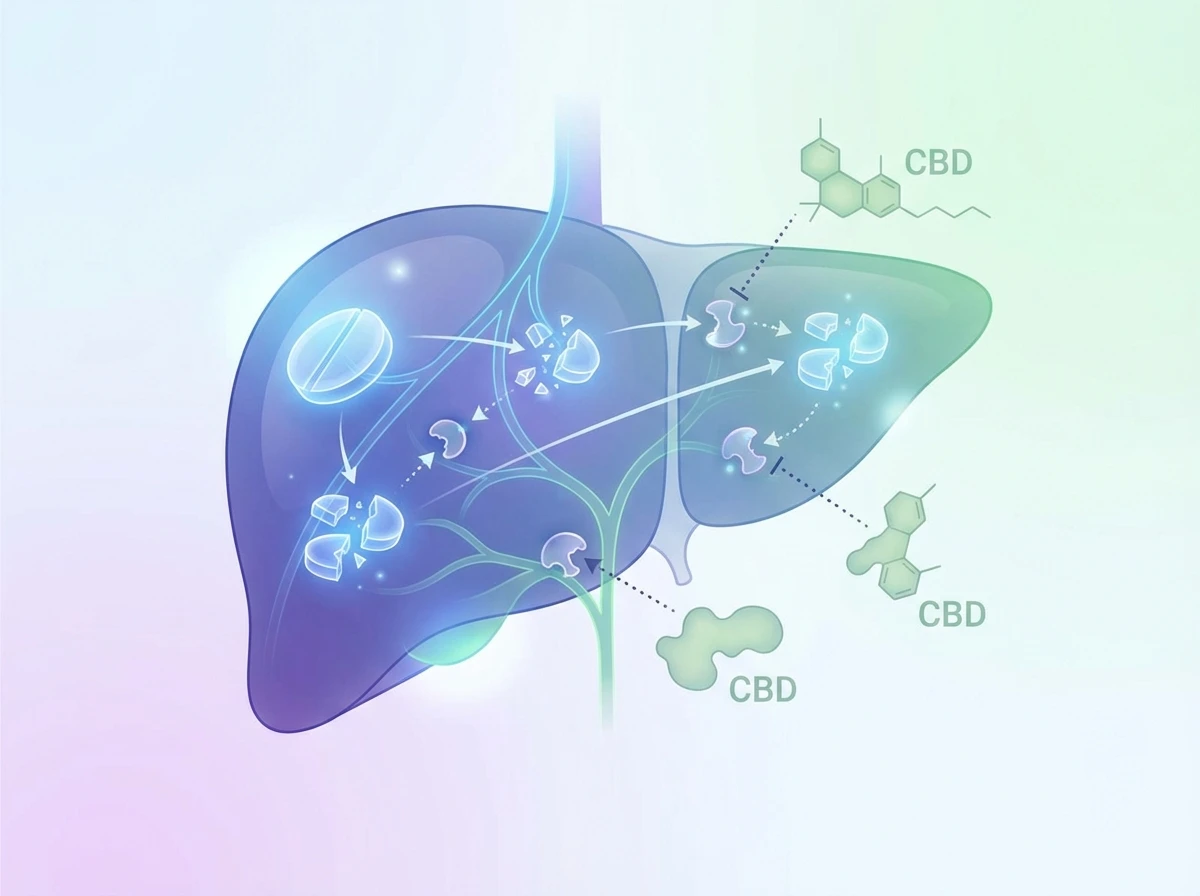
Most potential interactions come back to one theme: metabolism. Your liver uses enzymes (often discussed as CYP enzymes) to break down medicines. CBD can influence some of these enzymes in a dose-dependent way.
Think of it this way: if metabolism slows down, a medicine may hang around longer than expected. If metabolism speeds up, it may clear faster. Either way, it can make your usual dose feel different, even if you have not changed the sertraline itself.
CBD, sedation, and “stacking” calming effects
Some people find CBD makes them feel more relaxed, especially at higher amounts or when they are tired already. Sertraline is not classed as a sedative, but side effects can include feeling drowsy, spaced out, or a bit nauseous, particularly early on or after dose changes.
What many people overlook is the stacking effect. Even if there is no major metabolic interaction for you personally, combining two things that can each affect sleepiness, appetite, or gut function can feel uncomfortable.
Why dose matters more than most people think
Interaction risk tends to increase as CBD intake increases. A micro amount in a low-strength product is not the same conversation as large daily servings, multiple times per day.
In the UK, the Food Standards Agency suggests healthy adults should not exceed 70mg of CBD per day. If you are taking sertraline, it is sensible to treat that as an absolute ceiling and often to stay well below it unless your prescriber advises otherwise.
If you want a broader overview of how CBD can interact with medicines (beyond sertraline), this article is worth bookmarking: CBD and Medication.
Who should be extra careful with CBD and sertraline
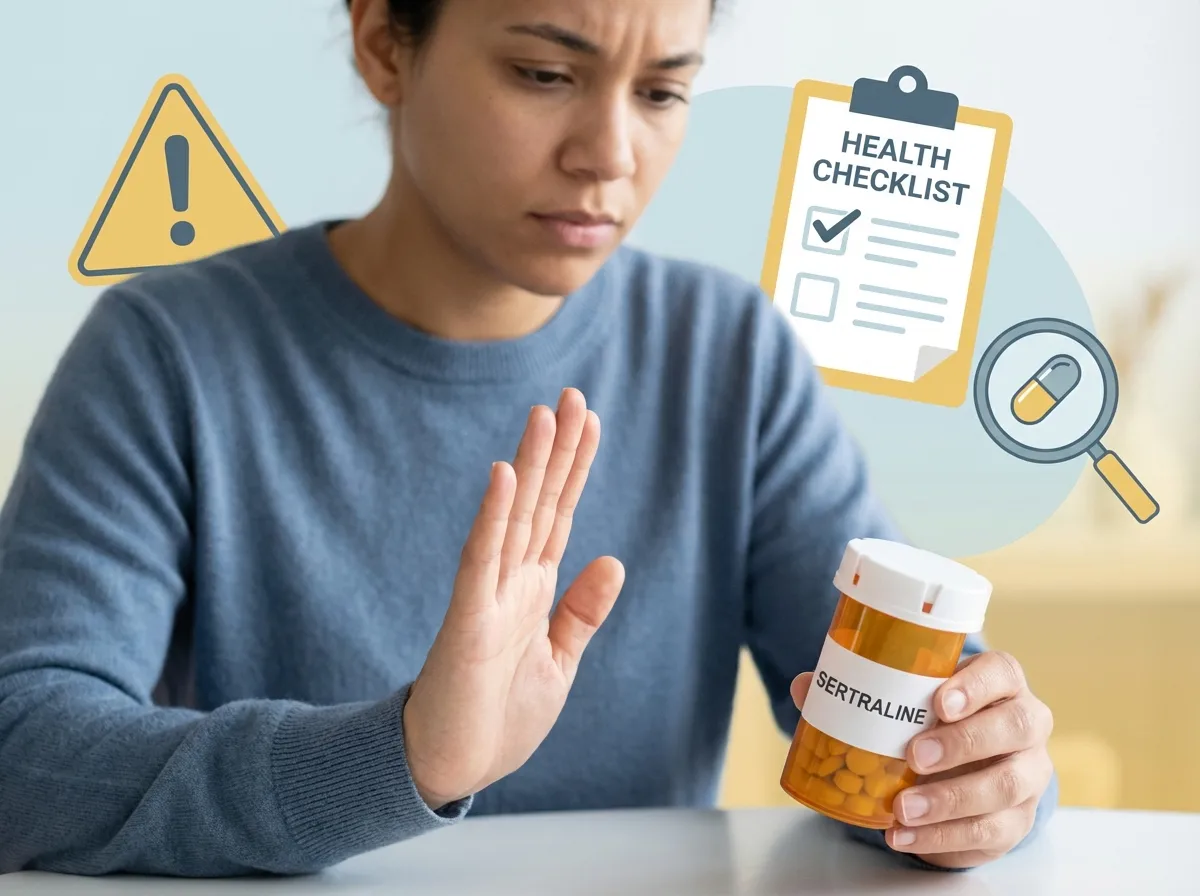
Now, when it comes to real-world decision making, it is not just “CBD plus sertraline” on paper. It is your whole picture: dose, other medicines, alcohol, sleep, stress, and how sensitive you are to side effects.
Be cautious if any of these apply
- You take other medicines alongside sertraline, especially those with sedation effects or those known for CYP-related interactions.
- You have liver concerns, or you have been told your liver enzymes are elevated.
- You are pregnant, breastfeeding, or trying to conceive (this is a “speak to your clinician first” situation).
- You recently started sertraline, recently increased your dose, or you are tapering down. Changes are when side effects are more likely.
- You have a history of sensitivity to supplements, caffeine, or alcohol.
The reality is that even if your friend uses CBD happily, your response may be totally different. Your safest move is to treat this like you would any new supplement while on prescription medication: discuss first, trial carefully, track honestly.
Practical steps before you try CBD (the sensible checklist)
Consider this scenario: you take sertraline in the morning, you have a busy day, and you think “I will try a CBD drink at lunch and see how it goes”. That sounds harmless, but it is not a great first trial because you will not be able to tell what changed, or why.
What to do before your first dose
- Speak to your GP or a pharmacist first, and tell them the exact product type you plan to use (oil, drink, patch) and a realistic daily amount.
- Keep your sertraline routine stable. Do not adjust your medication timing or dose just to “make room” for CBD.
- Choose one CBD product only. Do not stack oil plus drinks plus capsules.
- Plan a calm first trial on a day when you can pay attention to how you feel.
- Write down your baseline for 3 to 5 days first: sleep, energy, appetite, gut comfort, and mood.
If you are also trying to work out a sensible starting amount, use a structured approach like our CBD dosage guide as a framework, then keep it conservative because you are combining with medication.
Choosing a CBD format: oil, drinks, patches and what changes
Most “CBD and sertraline” questions online focus on CBD oil, but format matters because it affects how quickly CBD enters your system and how easy it is to control your serving size.
CBD oil (drops)
CBD oils are usually taken under the tongue. They are popular because you can adjust drop by drop, which is helpful when you are going slowly. Oils also make it easier to keep your routine consistent, which matters when you are observing for side effects.
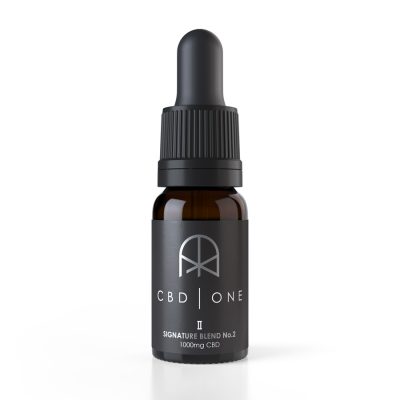
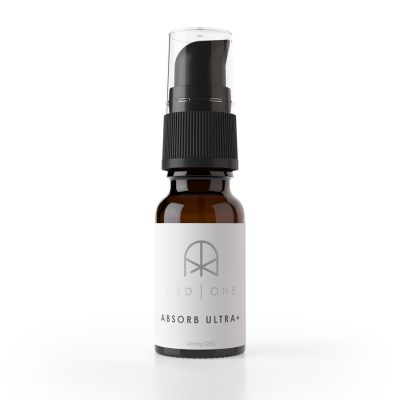
If you are browsing options, the CBD Oils category shows typical strengths and formats you will see in the UK market.
CBD drinks and water-soluble CBD
“CBD drinks and sertraline” is a common search because drinks feel low-commitment. The catch is that many drinks contain small amounts of CBD, and the label can be vague. Water-soluble CBD products are a bit different because they are designed to mix into liquids and may feel faster for some people.
If you are curious about whether drinks are actually worth it, read Do CBD Drinks Work?. Then, if you want to explore dedicated water-mix formats, see Water Soluble CBD.
CBD patches
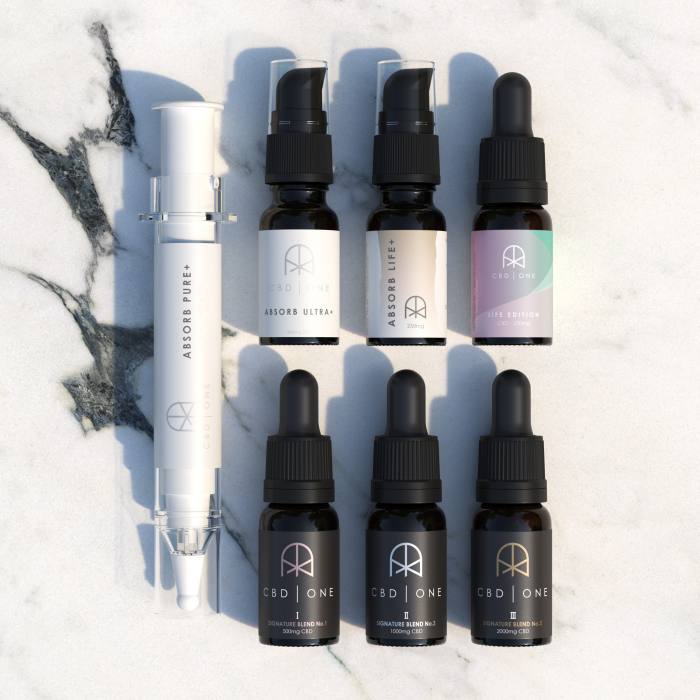
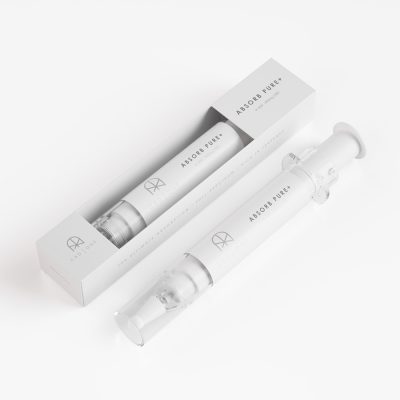
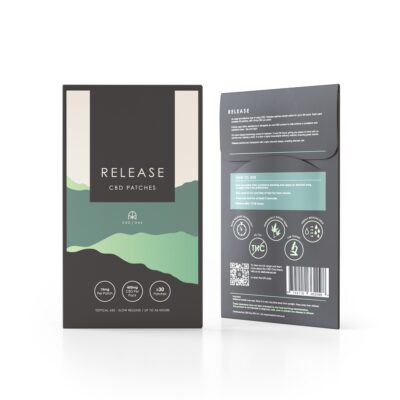
Patches appeal to people who want steady, measured delivery. CBD One offers patches that use CBD isolate and are THC-free, with product information describing slow-release wear times.
That said, if you are assessing interactions with sertraline, “slow and steady” is not automatically safer. It can be harder to judge your true daily intake and harder to stop quickly if you feel off. For a first-time trial alongside medication, many people prefer something you can titrate in smaller steps.
A quick note on full spectrum vs isolate
Full spectrum CBD contains CBD plus other naturally occurring hemp compounds, with trace THC within legal limits. Isolate is CBD-only. Some people prefer isolate when they want to minimise exposure to other cannabinoids.
At CBD One, we focus on full spectrum extracts across our core ingestible range because we believe the plant’s natural mix matters, often called the entourage effect. Patches in the range use CBD isolate for a THC-free option, which can be relevant for certain lifestyles.
Dosing and timing: a cautious, UK-appropriate approach
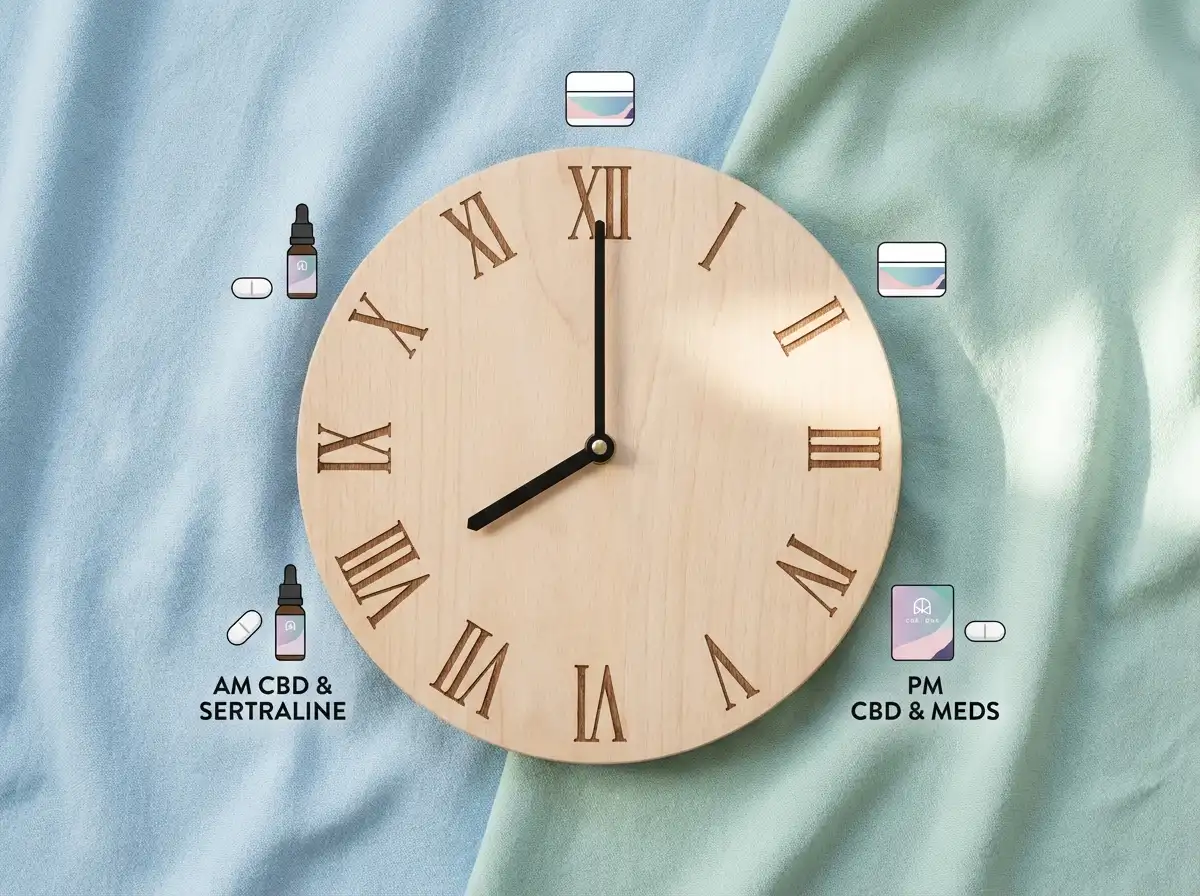
Here’s the thing: no blog can give you a personalised dose for CBD and sertraline. Your prescriber knows your history, your sertraline dose, and any other medicines involved.
What I can do is share a conservative approach that many adults use when their clinician has said CBD is reasonable to trial.
Start low, go slow (especially with sertraline)
- Start with a very low amount once daily for at least 3 to 7 days before changing anything.
- Increase in small steps, not big jumps, and change only one variable at a time.
- Stay well below the FSA’s 70mg per day guidance unless your clinician specifically advises otherwise.
- If you notice unwanted effects, reduce or stop and speak to a pharmacist or GP.
Timing: should you separate CBD and sertraline?
People often ask whether they should take CBD at a different time to sertraline. Separating them can help you observe how each feels, but it does not guarantee you avoid metabolic interaction, because the liver enzyme effect is not just about taking them at the same minute.
In practice, this means timing is more about clarity than safety. If you take sertraline in the morning, you might trial CBD in the evening so you can notice any changes in relaxation or sleepiness more easily. Clear it with your clinician, and keep your timing consistent during the trial period.
How to keep track without overthinking
A simple note on your phone is enough. Record: CBD amount, time taken, sertraline time, sleep quality, appetite, nausea, headache, and daytime drowsiness. If something shifts, you will have useful information for your pharmacist or GP.
If you are choosing between product types or strengths, our CBD product comparison can help you understand the differences without getting lost in marketing.
Other common interaction factors people forget (alcohol, caffeine, grapefruit and supplements)
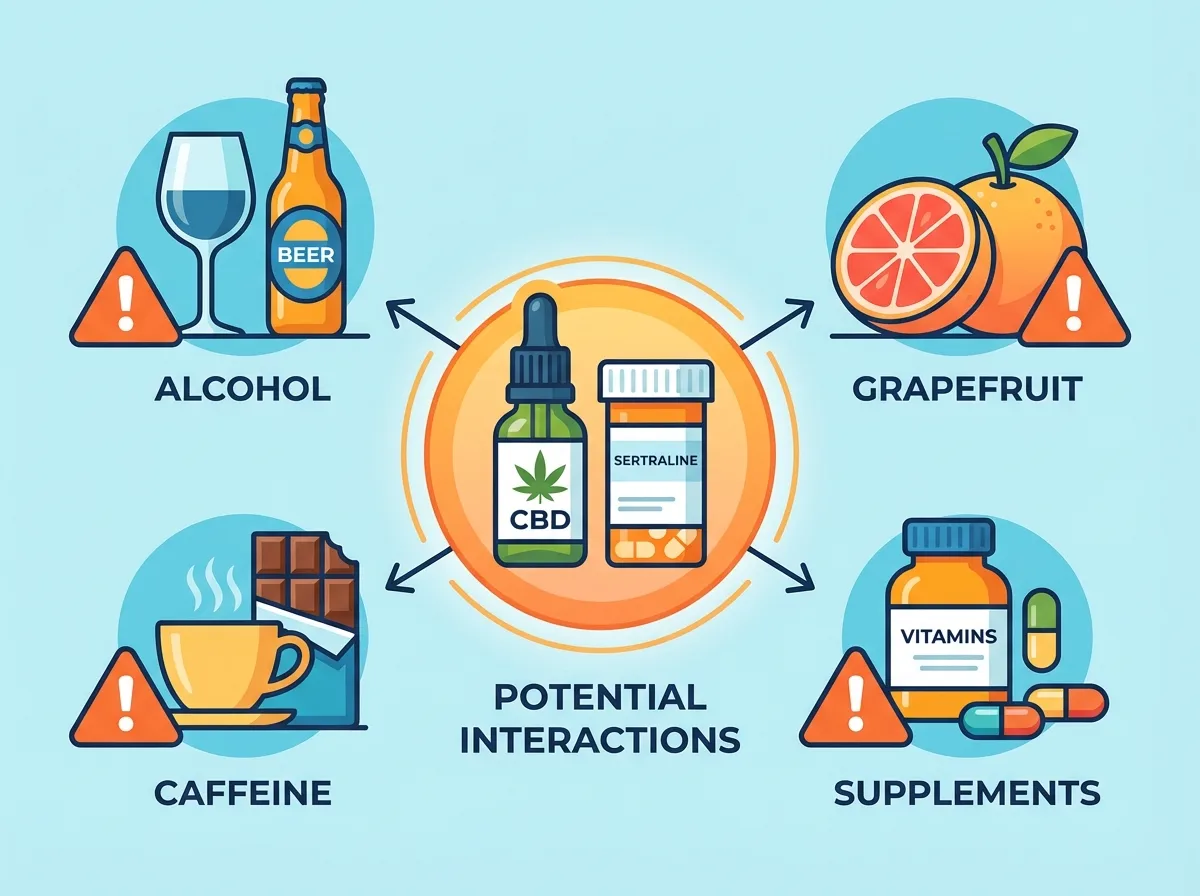
When someone feels “off” after adding CBD, it is tempting to blame CBD immediately. Sometimes that is fair. Other times, it is the combination of a few small things that were already in the mix.
Alcohol: the hidden multiplier
Many people taking sertraline already find alcohol hits them differently. CBD can also leave some users feeling a little more relaxed or sleepy. Put them together and you may simply feel more tired, more foggy, or more unsteady than you expected, even if you are not taking much CBD.
From a practical standpoint, if you are doing a first CBD trial alongside sertraline, it is worth keeping alcohol out of the experiment for a week or two. That way, you are not trying to interpret three variables at once.
Caffeine and stimulants
Sertraline can sometimes feel activating for certain people, especially early on. If your coffee intake is high, you might already be walking a tightrope between “productive” and “wired”.
If you add CBD and then feel jittery or unsettled, it is not always a direct CBD effect. It can be the contrast of caffeine highs and CBD relaxation, or simply an over-stimulated nervous system on that particular day. Keep caffeine consistent during your trial so you can make a fair judgement.
Grapefruit and other supplements
Remember the grapefruit example earlier. It comes up because grapefruit can influence some of the same enzyme pathways that handle medicines. If you regularly have grapefruit, grapefruit juice, or supplements that include grapefruit extract, mention that to your pharmacist or GP when you ask about interactions.
Also keep an eye on “sleep stacks” and “calm stacks”. Magnesium, herbal blends, antihistamines, and other over-the-counter products can all shift drowsiness, gut comfort, and appetite. The cleaner your routine during a trial, the easier it is to spot what is really helping, and what is just muddying the waters.
What to ask your GP or pharmacist (so you actually get a useful answer)

Here’s the thing: “Can I take CBD with sertraline?” is a good question, but it is also a broad one. You will get a much more helpful answer if you bring specifics.
Go in with the details they need
- Your sertraline dose and how long you have been on it.
- Any other medicines, supplements, or regular over-the-counter products you use.
- The CBD format you plan to trial (oil, drink, patch) and the approximate daily amount you have in mind.
- Why you want to try CBD, in plain language, for example “sleep routine” or “general relaxation”, so they understand the context.
- Any past issues with side effects or sensitivities.
Questions worth asking directly
- Is there any reason, based on my medication list, that CBD is a bad idea to trial?
- If I do trial it, what side effects should I prioritise watching for in the first 1 to 2 weeks?
- Do you recommend separating timings for clarity, and if so, how should I track it?
- Would you suggest avoiding alcohol during the trial period?
- If I feel unwell, what is the safest way to stop, and who should I contact?
What many people overlook is that pharmacists are often brilliant for this. They are used to scanning medication lists for interactions, and they can be a faster first step than waiting for a GP appointment.
Lab reports and THC: what matters in the UK if you take sertraline
When you are mixing any supplement with prescription medication, quality is not a nice-to-have. It is how you keep the experience predictable.
Look for clarity on CBD content per serving
Some products only state “hemp extract” or list CBD content per bottle, which makes it hard to know what you are actually taking day to day. If you are on sertraline, you want to be able to answer one simple question: how many milligrams of CBD did I take today?
Third-party testing and batch consistency
Many UK consumers have learned to look for third-party lab reports. That is not about chasing perfection. It is about seeing cannabinoid content and checking that what is on the label matches what is in the bottle, and that the product is being produced with consistent standards.
Full spectrum and trace THC: keep expectations realistic
Full spectrum products can contain trace THC within legal limits. For most people, that does not mean feeling intoxicated. Still, if you are sensitive, if you are cautious about any THC exposure, or if you are regularly tested for work or sport, you might prefer a THC-free option such as an isolate-based format.
Whatever you choose, the key is not the label on the front. It is knowing your daily intake, keeping it steady, and being able to stop quickly if something does not agree with you.
Red flags and when to stop
The goal with any supplement alongside medication is “no surprises”. If something feels noticeably off after adding CBD, take that seriously.
Possible signs you should pause and get advice
- New or worsening dizziness, faintness, or feeling unusually sedated.
- Stomach upset that is stronger than what you normally experience.
- Shaky, agitated, or “wired” feelings you cannot explain with caffeine, sleep loss, or stress.
- Any concerning mood changes, especially if you feel unsafe.
Never change or stop sertraline because of CBD without medical guidance. If you feel unwell or worried, contact your GP, pharmacist, or NHS 111. If you feel at immediate risk, call 999.
Quality matters more when you are mixing with medication
When you take CBD alongside sertraline, you want predictable dosing and clear lab testing. Avoid “mystery” products with vague labels, and be cautious with imported items that do not clearly align with UK expectations around THC limits and testing.
If you are shopping around, use a grounded checklist like our CBD buying guide so you know what good looks like.
One practical example: CBD One products are described as lab verified and made in HACCP-certified facilities, with vegan, plant-based formulations. Those are the sorts of quality signals that matter when you are trying to keep your routine steady and measurable.
Frequently Asked Questions
Can you take CBD with sertraline?
Some people do, but you should not assume it is automatically safe for you. The concern is potential interaction through liver enzyme pathways that process medicines, which may alter how sertraline is metabolised. Even without a major interaction, side effects can “stack”, such as nausea or drowsiness. If you are considering CBD while taking sertraline, speak to your GP or pharmacist first, keep your sertraline stable, and trial CBD cautiously with a low amount and consistent timing.
Is there an interaction between CBD oil and sertraline?
CBD oil is one of the more common formats people use, mainly because it is easy to adjust the serving size. Potential interaction is not really about the oil itself, but about CBD and how it can influence drug metabolism in the liver. If you are given the all-clear to trial it, go slowly, track how you feel, and avoid combining multiple CBD products at once. If you notice stronger-than-usual side effects, stop and get professional advice.
What does the NHS say about sertraline and CBD?
NHS guidance generally encourages caution with supplements and herbal products alongside prescription medicines, especially when interaction risk is possible. You may not find a single, definitive “CBD and sertraline” NHS statement that covers every product type and dose. The safest approach is to treat CBD like any other supplement: discuss it with a healthcare professional who can consider your full medication list, your sertraline dose, and your personal risk factors.
Should I take CBD at a different time of day to sertraline?
Spacing CBD and sertraline apart can help you observe effects more clearly, but it does not guarantee you avoid interaction. That is because metabolism effects can last beyond the moment you take CBD. Many people choose to keep sertraline at their usual time and trial CBD at a consistent different time, often in the evening, so they can judge changes in relaxation or sleepiness. Confirm any plan with your pharmacist or GP, and keep it consistent for at least a week before making adjustments.
Can I use CBD gummies with sertraline?
Gummies add two complications: dosing can be less flexible, and ingredients like sugar or flavourings can confuse the picture if you are monitoring gut side effects. In the UK, gummies also vary a lot in quality and lab testing standards. If you are on sertraline and your clinician has approved a CBD trial, many people prefer oils or measured formats because you can start lower and adjust more gradually. Whatever you choose, prioritise clear lab reports and transparent labelling.
Are CBD drinks safer than CBD oil with sertraline?
Not necessarily. Drinks often contain smaller amounts of CBD, which can feel “safer”, but the label may be unclear, and people can end up taking multiple servings without realising the total. Some water-soluble CBD products may also feel faster acting to certain users. If you are on sertraline, safety is less about the trendiness of the format and more about predictable dosing, quality, and professional guidance. One product, one routine, careful tracking.
What CBD dose is safe with sertraline?
There is no universal safe dose because your sertraline dose, other medicines, and your sensitivity all matter. As a general UK reference point, the FSA advises healthy adults not to exceed 70mg CBD per day, but if you are taking sertraline it is sensible to stay well below that unless your clinician advises otherwise. The common “start low, go slow” approach is about reducing surprises: begin with a low amount, keep it steady for several days, then adjust gradually if needed.
What side effects should I watch for if I combine CBD and sertraline?
Watch for anything that feels new, stronger, or harder to explain than usual. People commonly mention changes in drowsiness, dizziness, appetite, and gut comfort when they introduce CBD, and sertraline can also affect some of those areas, especially at the start or after dose changes. If you feel unusually sedated, lightheaded, agitated, or unwell, stop CBD and speak to a pharmacist or GP. If you feel unsafe or at immediate risk, seek urgent help.
Can CBD replace sertraline?
No. CBD is sold as a wellness supplement in the UK and should not be used as a replacement for prescribed medication. Stopping or changing sertraline can cause withdrawal effects and symptom relapse, so it needs medical supervision. If your goal is to feel more balanced day to day, CBD may be something you explore alongside your existing plan, but only with sensible safeguards: professional advice, conservative dosing, and honest tracking of how you feel.
How do I choose a trustworthy CBD product if I take sertraline?
Prioritise transparency and consistency. Look for clear CBD content per serving, third-party lab reports, and straightforward ingredients. Avoid vague “hemp” products that do not state actual CBD levels, and be cautious with products that promise medical-like results. If you want a practical checklist, use a resource like a buying guide, then choose one product and keep everything else stable while you trial it. When you are mixing CBD with medication, predictability is your friend.
Can CBD make sertraline side effects worse?
It can do, for some people, mainly because of two things: metabolism and stacking. If CBD slows the breakdown of sertraline in your body, you could feel like your usual sertraline dose is hitting harder than normal. And even without that, CBD and sertraline can overlap on day-to-day side effects like nausea, appetite shifts, or drowsiness.
If you notice a clear change after adding CBD, treat that as useful data. Pause CBD, let things settle, and speak to a pharmacist or GP before trying again.
Is it safer to use THC-free CBD with sertraline?
Some people prefer THC-free options because they want to avoid exposure to other cannabinoids, or because they are sensitive and want the simplest product possible. That can be a reasonable preference, but it does not automatically remove interaction considerations, because CBD itself is still the main factor in the enzyme conversation.
So think of THC-free as a “simplicity” choice rather than a guarantee. You still want conservative amounts, predictable labelling, and professional guidance.
Can I drink alcohol if I use CBD and take sertraline?
This is one to be careful with. Alcohol can amplify drowsiness and affect mood and sleep quality, and many people taking sertraline already feel alcohol impacts them more than it used to. If you add CBD on top, it may be harder to predict how you will feel.
If you are trialling CBD for the first time, it is sensible to avoid alcohol during the trial window, or at least keep it minimal and consistent. If you are unsure, ask your pharmacist or GP what is appropriate for you.
Do I need to tell my pharmacist about CBD?
Yes, it is a good idea. Pharmacists deal with medication interactions every day, and CBD is relevant because of how it may influence drug metabolism and side effects. Tell them what format you are using, the rough daily amount, and any other supplements you take.
The goal is not to get told off. It is to keep you safe and help you spot problems early if they do happen.
Key Takeaways
- CBD and sertraline can be a sensible question, but it is not something to trial casually without professional input.
- Potential interactions are mainly about liver metabolism and side effect “stacking”, not about CBD being natural or unnatural.
- Choose predictable dosing and good lab testing. Avoid mixing multiple CBD products during a trial.
- Start low, go slow, and stay conservative. The UK FSA suggests healthy adults should not exceed 70mg CBD per day.
- If anything feels noticeably off, pause CBD and speak to a pharmacist or GP. Never change sertraline without guidance.
Conclusion
If you are taking sertraline and thinking about CBD, you are not being difficult or overcautious. You are being sensible. The safest way to approach it is to assume interactions are possible, keep your medication routine stable, and bring your GP or pharmacist into the decision early. Once you have the all-clear, a slow, measured trial with one product and careful tracking helps you understand your personal response without guesswork.
Quality and clarity matter here. You want to know exactly how much CBD you are taking and to be able to stop quickly if you need to. That is why I always steer people towards simple routines, transparent labelling, and realistic expectations.
If you want help thinking through formats and a cautious starting routine, explore the guides above and speak to Nick for free advice.