
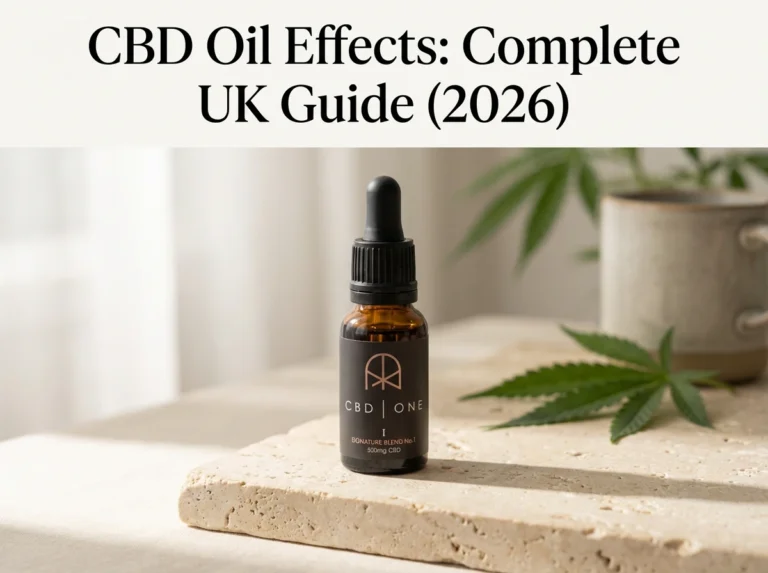
CBD Oil Effects: Complete UK Guide (2026 Guide)
If you want the bigger picture on CBD oils generally, start with our CBD Oil hub here: CBD Oil.
What “CBD oil effects” actually means
When people say “effects”, they often mean one of two things: a noticeable moment (like feeling calmer), or a general shift over time (like feeling more balanced day to day).
CBD (cannabidiol) is a non-intoxicating compound from hemp. It does not “get you high”. Instead, it interacts with your body in a more indirect way, including through the endocannabinoid system, which is involved in regulating many everyday processes like stress response, sleep-wake rhythm, appetite, and immune signalling.
Consider this: the endocannabinoid system is more like a dimmer switch than an on-off button. So a realistic CBD experience is often subtle, especially at lower doses.
Full spectrum vs isolate and the “feel”
One reason CBD oil effects vary is the extract type. Full spectrum CBD includes CBD plus minor cannabinoids, terpenes, and other plant compounds, alongside trace THC within legal limits. Many people choose full spectrum because they like the idea of the whole plant working together, sometimes called the Entourage Effect.
If you want to explore oils specifically, you can browse the CBD Oils category and use the labels as a learning tool while you read this guide.
What people typically notice (and what they don’t)

From a practical standpoint, most CBD oil effects sit in the “I think I feel a bit different” category rather than “wow, that hit me”. That is normal.
Commonly reported effects (subtle, everyday)
Some users report feeling a sense of calm, a quieter mind in the evening, or a smoother transition into their wind-down routine. Others say they notice it most when they stop for a few days and realise they felt “more on edge” without it.
Think of it this way: CBD is often used as a steady background support, not a dramatic event. That’s also why routine matters. Taking it sporadically makes it harder to judge what it does for you.
What you should not expect
The reality is that CBD is not a medicine in the UK, and it cannot be marketed as one. You should not expect CBD oil to diagnose, treat, cure, or prevent any disease. If you are using it alongside a health condition, it’s best viewed as part of a wider wellness routine, and it’s sensible to involve your GP.
Why two people can take the same CBD oil and feel different
What many people overlook is how many variables change CBD’s effects: your body size, your sensitivity, your baseline stress levels, your sleep debt, whether you took it with food, and the product’s cannabinoid profile.
Even timing matters. Some people prefer CBD earlier in the day to take the edge off busy schedules. Others prefer it later as part of a calmer evening ritual.
How fast CBD oil works and how long it lasts
“How long does it take?” is one of the most common questions I get. It’s also where expectations can go wrong, because the route of administration changes everything.
Sublingual CBD oil (under the tongue)
When you use CBD oil under the tongue, you are aiming for sublingual absorption. In practice, this means some of the CBD can enter the bloodstream through the tissues in your mouth before you swallow the rest.
Many people notice effects somewhere within 15 to 60 minutes, though it can be quicker or slower. The duration is often in the 4 to 6 hour range for noticeable effects, but again, it varies by person and dose.
If you want a deeper step-by-step on technique, see how to take CBD oil. A small tweak in how long you hold it can change the experience.
Swallowed CBD oil (capsule-like effect)
If you swallow straight away, CBD behaves more like an oral supplement. You may wait longer to feel anything, often 60 to 120 minutes, and the “peak” can feel softer. Food can slow onset but sometimes makes the experience feel steadier.
Why “how long do the effects of CBD oil last” is hard to pin down
Some effects are moment-to-moment, like feeling more settled after a stressful meeting. Other effects are more about consistency, like feeling that your evenings are more predictable when you keep the same routine for a few weeks.
For more on timing and what influences it, this article helps: How Long Does CBD Take To Work?
Common CBD oil side effects (and how to reduce them)
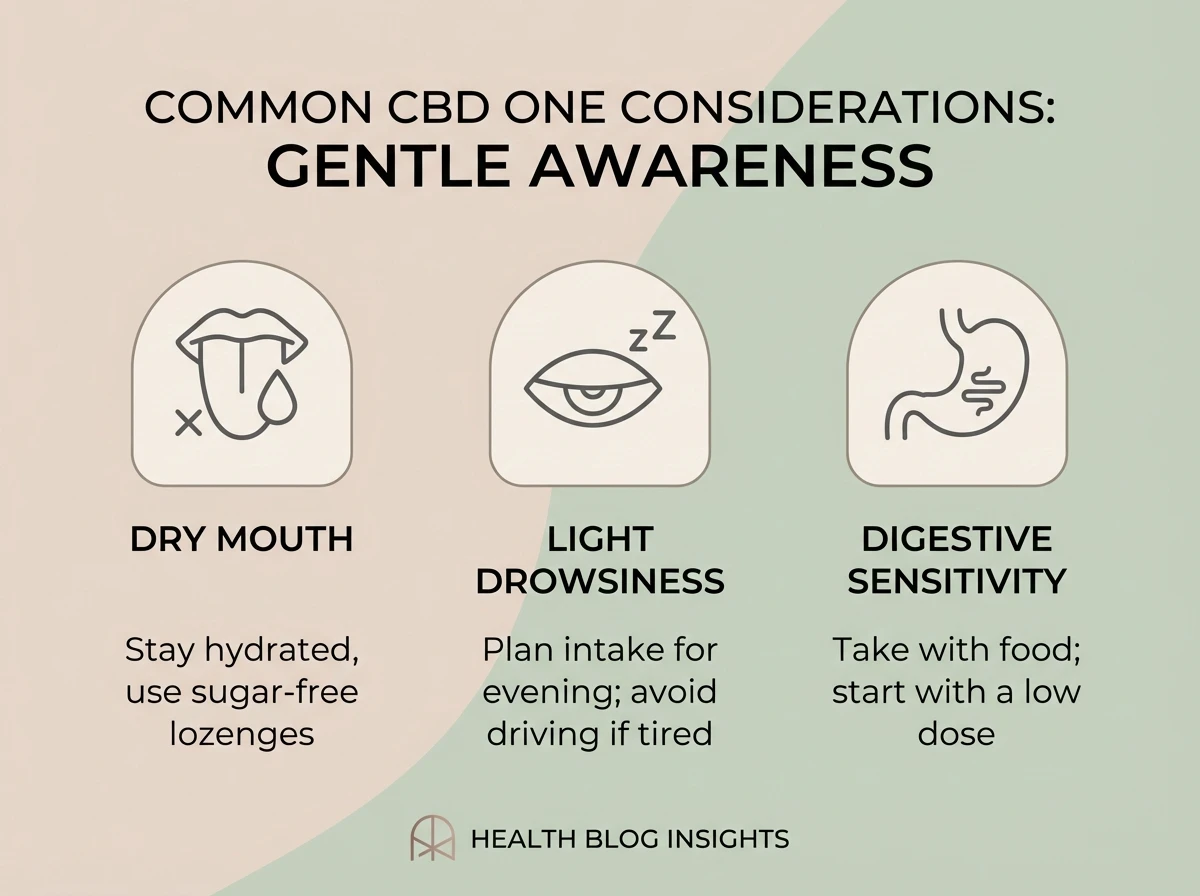
CBD is generally well tolerated by many adults, but that doesn’t mean side effects never happen. The most common issues tend to be mild, and often improve when you adjust dose or timing.
Typical CBD oil side effects
Some users report dry mouth, light drowsiness, changes in appetite, or mild digestive upset. If you feel “too relaxed” or sleepy, that’s often a sign the dose is higher than you need at that moment, or that evening use suits you better than daytime use.
If your stomach feels a bit off, try taking CBD oil with food, or reduce your dose and build up slowly. Also consider the carrier oil. Many CBD oils use hempseed oil or MCT oil, and some people simply tolerate one better than another.
CBD oil under the tongue side effects
Occasionally, people notice a tingling sensation, a strong herbal taste, or mild throat irritation if the oil runs down the back of the throat. This is usually more about the natural plant compounds and texture than CBD itself.
A simple fix is to keep the drops under the tongue, breathe through your nose, and swallow gently after 60 to 120 seconds. If you dislike the taste entirely, a different format may suit you better.
How to reduce side effects in a sensible way
- Start low and go slow, especially if you are new to CBD
- Keep notes for a week: dose, time, food, and how you felt
- Choose consistent timing for a fair comparison
- Avoid combining with alcohol until you understand your response
If you want a structured approach, our CBD dosage guide is a good next read.
CBD oil, the liver, and medication cautions

People sometimes search “cbd oil side effects on liver” and it makes sense. You want to know what you are putting in your body, and you want straight answers.
What we know (and what we do not)
CBD is metabolised in the liver, and high doses of cannabinoids have been associated with changes in liver enzymes in certain contexts. That does not mean standard consumer CBD automatically causes liver problems, but it does mean we should treat the topic with respect, especially if you have existing liver disease or abnormal liver function tests.
Never use CBD as a substitute for medical care. If you have liver concerns, speak to a clinician first and bring the product label so they can advise you properly.
Medication interactions matter more day to day
Now, when it comes to safety, the biggest practical issue I see is CBD and medication interactions. CBD can affect how your body processes certain medicines.
If you take prescription medication, particularly anything with a grapefruit warning, it is wise to speak to your GP or pharmacist before using CBD. This is especially important for blood thinners, anti-epileptics, and some antidepressants, although interactions can be broader than that.
This article goes deeper without the hype: CBD and Medication.
UK guidance on daily amount
The UK Food Standards Agency (FSA) recommends that healthy adults do not exceed 70mg of CBD per day. Some products contain a lot per drop or per serving, so it is worth doing the maths rather than guessing.
Different CBD formats and why they can feel different
A common myth is that all CBD works the same way. In practice, the format can change onset, duration, and even how “noticeable” it feels.
Oils vs water soluble CBD
Traditional CBD oil drops are simple and flexible. Many people like them because you can fine-tune your serving size drop by drop.
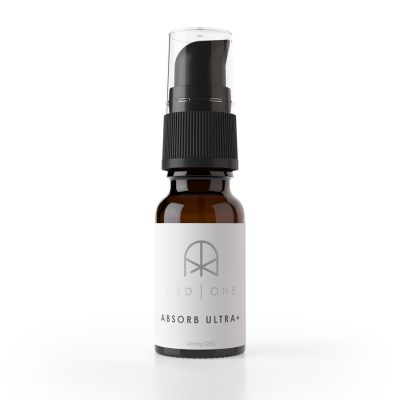
Water soluble CBD is designed to mix into drinks, and some people find it easier to build into a morning ritual. If you want to explore formats, you can compare Water Soluble CBD with oils and see what fits your routine best.
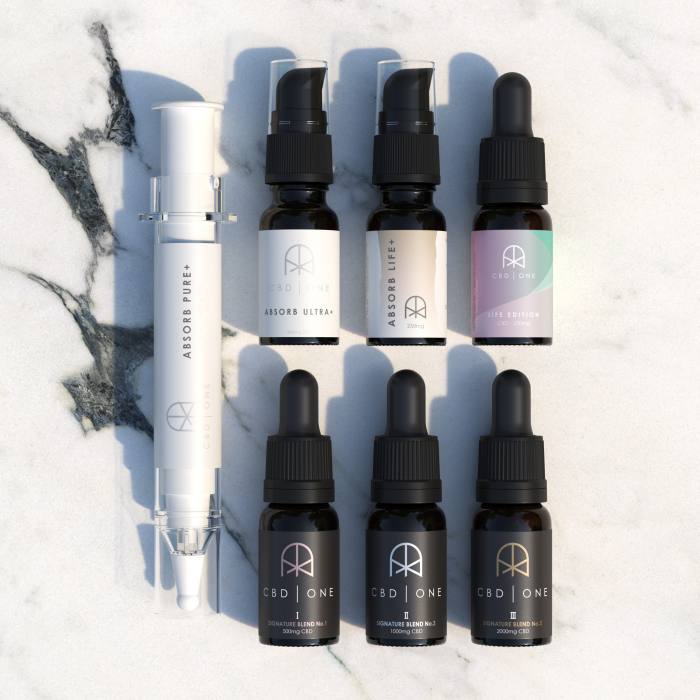
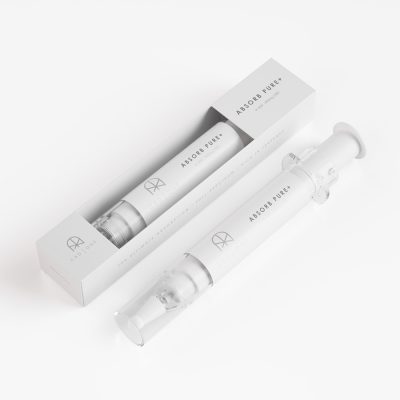
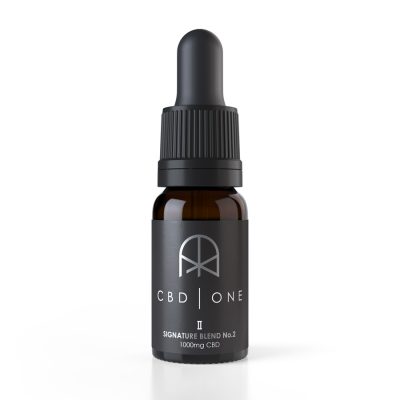
At CBD One, one example is our full spectrum CBD oils (with a listed bioavailability of around 12%) and our water soluble Absorb range, which many customers choose when they want something they can add to coffee or a smoothie.
What about vaping CBD oil effects?
People often ask “what are the effects of vaping CBD oil?” It is important to be clear on language here. You should not vape standard CBD oil tinctures meant for under the tongue. Those products contain carrier oils that are not designed for inhalation.
If you are considering inhaled CBD, look for products specifically made for vaping and follow UK regulations and safety guidance. If you are unsure, it is safer to stick with oral or topical formats.
Choosing strength and setting expectations
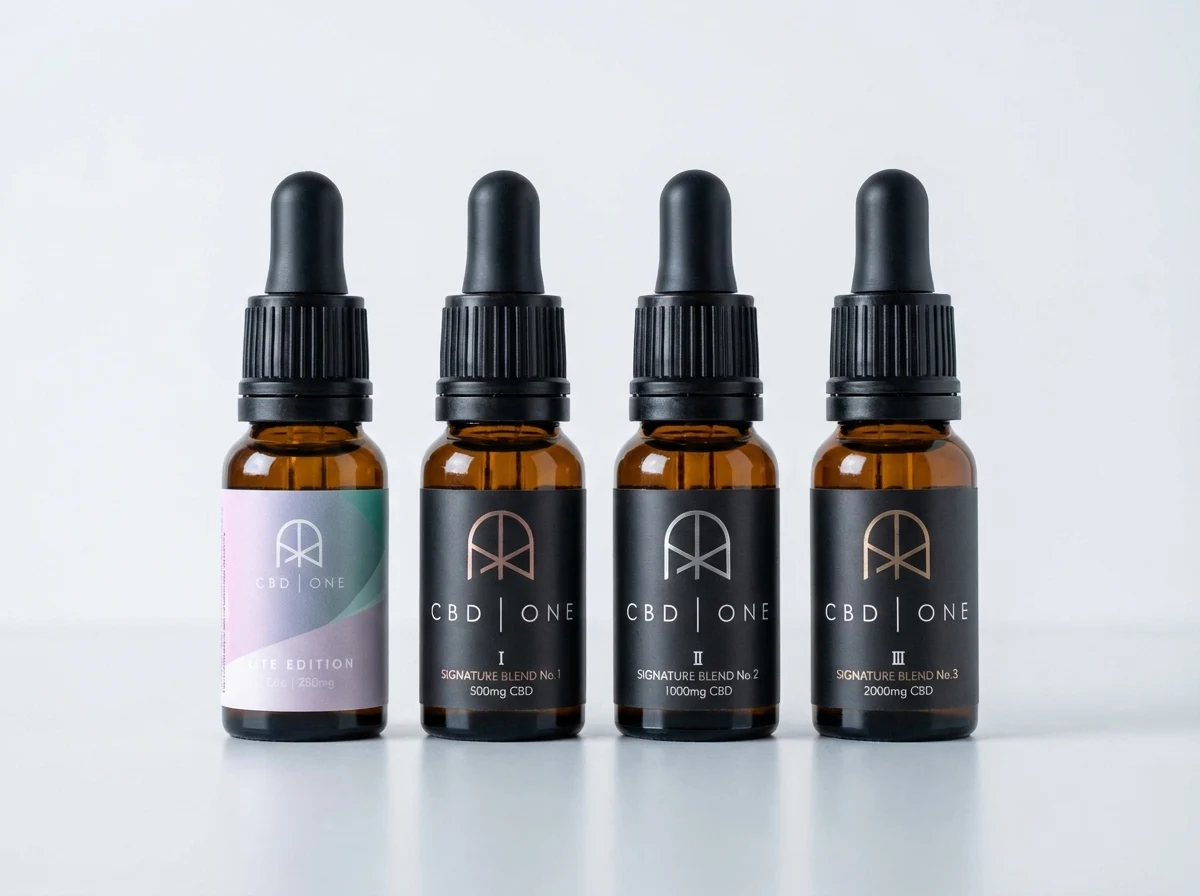
Strength is one of the biggest drivers of what you feel. If your product is low strength and you take a tiny amount, you might not notice much at all. That does not mean CBD “doesn’t work”. It may simply mean you have not found your personal serving.
How to think about strength (without overthinking it)
Start by choosing a strength that matches your experience level and sensitivity. If you are new, many people begin with a lower or mid strength oil and build gradually.
For a proper walkthrough, use the CBD strength guide. It will help you translate bottle percentages and mg content into something you can actually use day to day.
Quality affects confidence
Consider this: if you do not trust what’s in the bottle, it’s almost impossible to judge effects. Look for clear lab verification, transparent ingredients, and realistic guidance on the label.
If you are comparing options, this guide can help you frame the decision sensibly: premium CBD oil.
Where CBD One fits as an example
CBD One focuses on full spectrum oils and lab-verified formulations, because many people prefer a whole-plant approach and clear product information. If you want to browse as a reference point while you learn, the CBD Oils collection lays out strengths in a straightforward way.
What affects CBD oil effects the most (the “variables checklist”)
If you have ever wondered why CBD oil felt noticeable one day and “invisible” the next, this is usually why. CBD is sensitive to context. The oil did not necessarily change, but your body and your day probably did.
The big variables that change your experience
- Your baseline state: if you are already calm, CBD can feel harder to spot. If you are frazzled, you might notice a shift more clearly.
- Food: taking CBD with a meal often changes how it comes on and how long it feels like it lasts.
- Consistency: the more your timing and serving size varies, the harder it is to judge what is actually happening.
- Sleep and stress load: poor sleep can make everything feel “louder” in your system, including drowsiness.
- The extract profile: full spectrum can feel different to isolate because you are not just taking CBD in isolation.
- Serving size: too little can feel like nothing, too much can feel like you have taken the edge off a bit too far.
What many people overlook is that one small change can make the whole experience feel different. The simplest approach is to keep everything steady for a week, then adjust one variable at a time.
Placebo vs “subtle” can look similar
It is also worth saying this out loud: it is normal to question whether what you are feeling is placebo, especially early on. In day-to-day life, placebo and subtle can look almost identical.
From a practical standpoint, the way to make it less guessy is to track something simple and repeatable. For example: how quickly you unwind in the evening, whether you feel wired at bedtime, or how settled you feel after a busy day. You are not hunting for a big moment, you are looking for patterns.
CBD oil effects on the brain: what “calm” can mean
People often search for “CBD effects on brain” because they want to know if CBD changes your mind, your focus, or your mood in a noticeable way.
Here’s the thing: CBD is non-intoxicating, so you should not expect a cannabis “high”. When people describe a mental effect, it is usually closer to feeling less mentally noisy, or less reactive to everyday stress.
Why some people feel clearer, and others feel sleepy
Some users report they feel a little more even, like their thoughts are still there but they do not feel as sticky. Others mainly notice that their body feels heavier and they want an early night.
Often, that difference comes down to timing and serving size. If you take CBD when you are already tired, or you take more than you need, the most noticeable “brain effect” can simply be drowsiness. If you are trying to use CBD during the day, it can be worth adjusting down and using it with intention, not as a big hit.
Driving and focus
If CBD makes you feel sleepy, foggy, or slower than usual, do not drive or operate machinery. Give yourself time to learn your personal response, especially when you change strength, timing, or format.
Long term CBD oil side effects: what people report, and sensible guardrails
“Long term side effects” is a fair question. Not because CBD is inherently scary, but because anything you take regularly should earn its place in your routine.
What people tend to notice over time
Most long term complaints people mention are not dramatic. They are usually things like ongoing dry mouth, feeling a bit more tired than expected, or digestive sensitivity that comes and goes.
Sometimes it is not CBD itself, but the pattern around it. For example, taking CBD late at night, then waking groggy and blaming the CBD, when the real issue was simply going to bed too late in the first place.
A simple “routine audit” you can do every month
- Ask: do I still need the same amount, or have I drifted upwards out of habit?
- Check your timing: does it suit your day, or is it making mornings harder?
- Look at hydration and diet: dry mouth is often easier to manage when your basics are solid.
- If you take other supplements or medicines, keep the interaction conversation open with your pharmacist or GP.
If side effects feel persistent, or your gut says “this isn’t agreeing with me”, it is fine to pause and reset. You are allowed to be sensible with it.
Is CBD oil legal in the UK, and does that change the effects?
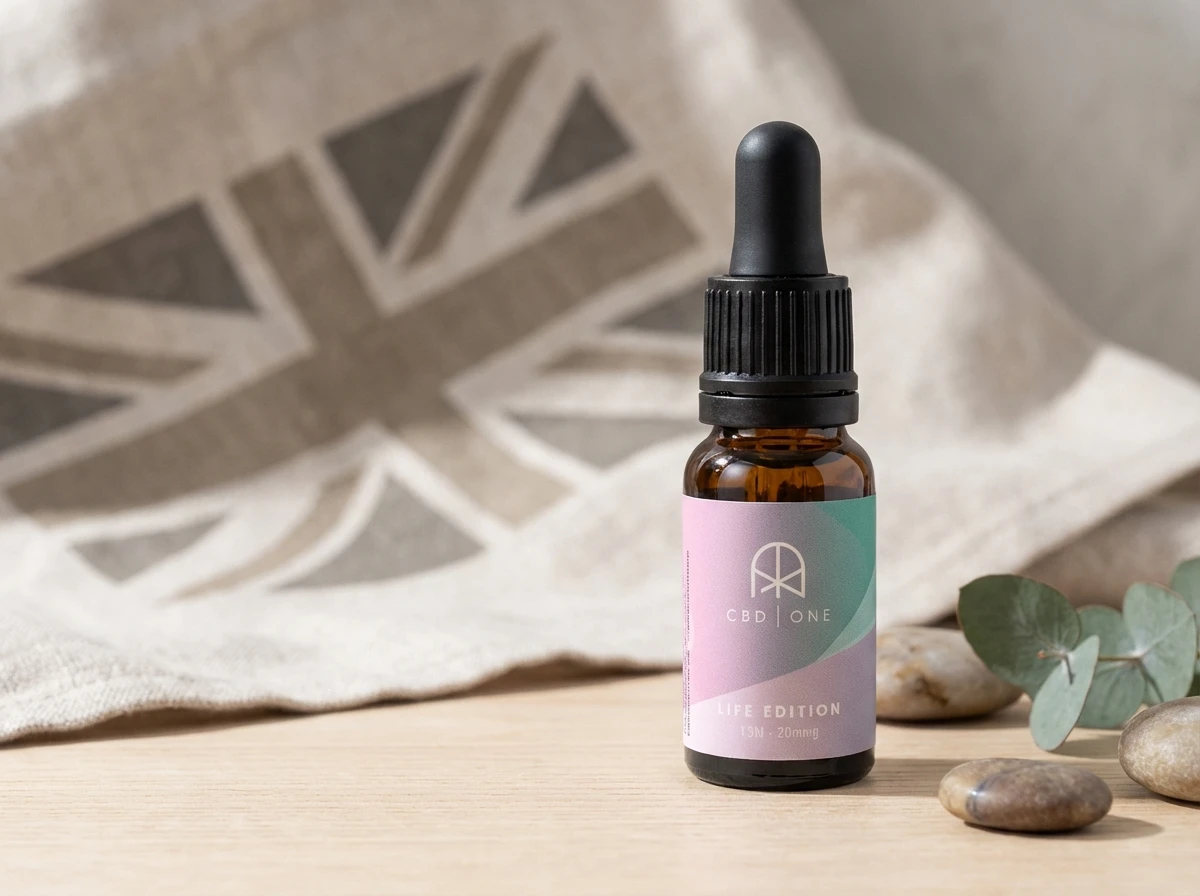
People often ask about legality because they want to know what they are actually taking. In the UK, CBD products sold as consumer wellness products are expected to be derived from approved hemp strains and contain only trace amounts of THC within legal limits.
Legality does not change the “felt” effects directly, but it does change your confidence in the category. If a product is poorly made, inaccurately labelled, or comes from a questionable source, you can end up with an experience that is inconsistent, or simply not what you intended.
From a practical standpoint, what to look for
Look for clear serving information in mg, a straightforward ingredients list, and accessible lab testing that matches the batch. If any of those pieces are missing, it becomes harder to judge effects, and harder to use CBD in a calm, routine-based way.
Frequently Asked Questions
What does CBD oil feel like?
For most people, CBD oil feels subtle. Some users describe a gentle sense of calm, a quieter mind, or feeling less “wired” in the evening. Others say they only notice it when they reflect on their day and realise things felt more manageable. You should not feel intoxicated or high from CBD. If you feel noticeably drowsy or foggy, that can be a sign your serving is higher than you need, or that you are taking it at a time of day that does not suit you.
How long do the effects of CBD oil last?
It depends on how you take it, your serving size, and your own metabolism. With sublingual use (under the tongue), many people report noticeable effects lasting around a few hours, often in the 4 to 6 hour ballpark. Swallowed CBD can take longer to kick in and may feel steadier, but the “peak” can be less obvious. If you are trying to work out your personal pattern, keep your dose and timing consistent for a week and make simple notes.
How quickly does CBD oil work under the tongue?
When you hold CBD oil under your tongue for 60 to 120 seconds, some of it may absorb through the tissues in your mouth before you swallow. Many people notice something within 15 to 60 minutes, but there is a wide range. If you have just eaten a big meal, the experience may feel different than taking it on an empty stomach. Technique matters too. If you want a clear routine, read how to take CBD oil.
What are the most common CBD oil side effects?
The most commonly reported CBD oil side effects are usually mild. They can include dry mouth, feeling more relaxed or sleepy than expected, slight digestive changes, or appetite changes. These effects often improve when you reduce the amount you take or change the timing. If you feel too sleepy during the day, try moving your CBD to the evening. If your stomach feels unsettled, try taking it with food and building up gradually rather than jumping in at a higher serving.
Can CBD oil affect your liver?
CBD is processed in the liver, and the topic of liver enzymes comes up because high-dose cannabinoid use has been associated with liver enzyme changes in some contexts. For most healthy adults using sensible amounts, many tolerate CBD well, but it is still wise to be cautious. If you have liver disease, a history of abnormal liver function tests, or you drink heavily, speak to your GP before using CBD. Also stick to UK guidance on daily intake and choose lab-verified products.
Can I take CBD oil with prescription medication?
This is where you should be careful. CBD can interact with the enzymes that help your body process certain medications, which may change how those medicines work. If you take prescription medication, especially anything with a grapefruit warning, check with your GP or pharmacist before taking CBD. This matters even if you are taking an over-the-counter supplement dose. For a fuller explanation in plain English, read CBD and Medication.
What are the effects of vaping CBD oil?
First, it is important not to vape standard CBD oil drops designed for sublingual use. Those tinctures often contain carrier oils that are not intended for inhalation. If you are asking about inhaled CBD generally, effects can feel faster because inhalation delivers compounds to the bloodstream quickly, but product quality and safety become even more important. If you are unsure, stick with oils, capsules, or water soluble CBD formats. Always follow UK safety guidance and product instructions.
Why do I feel nothing from CBD oil?
There are a few common reasons: your serving might be too low, your product might be low strength, you might not be taking it consistently, or your expectations might be set to “feel something dramatic”. Many people do best when they start with a small amount, take it at the same time each day, and slowly increase until they find a level that suits them. The CBD dosage guide and the CBD strength guide help you make that process less guessy.
Is it normal to feel sleepy after CBD oil?
Yes, some people report feeling sleepy or deeply relaxed, especially at higher servings or when taking CBD later in the day. It is not necessarily a “bad” sign, but it is feedback. Try reducing your serving size, taking it earlier, or saving it for evenings if that suits your lifestyle. Avoid driving or operating machinery until you know how you respond. If sleepiness is strong, persistent, or paired with other symptoms, stop and speak to a healthcare professional.
Is “supreme CBD oil side effects” a real thing?
Brand or marketing terms like “supreme” are not side effects in themselves. Most side effects come down to CBD amount, extract type (full spectrum vs isolate), added ingredients, and your personal sensitivity. Two products with the same CBD mg can still feel different due to terpene profile, carrier oil, and overall formulation quality. If you are comparing options, focus on the certificate of analysis (lab report), clear dosing information, and whether the brand stays within UK rules. If anything feels unclear, that is a red flag.
Does CBD oil affect everyone the same way?
No. Many people assume CBD will feel identical for everyone, but day-to-day reality is more individual than that. Your baseline stress, sleep, food, timing, and sensitivity all matter. If you want a cleaner “test”, keep your routine steady for a week and only change one thing at a time, either timing or serving size.
Can CBD oil make you feel high?
CBD itself is non-intoxicating, so you should not feel high from CBD oil. Some full spectrum products contain trace THC within legal limits, but the goal is still not intoxication. If you feel unexpectedly impaired, stop using the product and speak to a healthcare professional. It is also sensible to choose lab-verified products so you know what you are taking.
Is CBD oil legal in the UK?
CBD oils are widely sold in the UK as consumer wellness products, but they still need to meet UK rules around THC limits, labelling, and product quality expectations. If you are unsure about a product, look for transparent lab testing and clear CBD content per serving. If anything seems vague or overly hyped, that is usually a sign to be cautious.
Are there long term side effects of CBD oil?
Many adults report tolerating CBD well, but long term experiences can vary. The most common issues people mention are usually mild, like dry mouth, drowsiness, or digestive sensitivity. If you notice anything persistent, reduce your serving size, change timing, or pause for a week and reassess. If you take medications or have underlying health concerns, involve your GP or pharmacist early.
Key Takeaways
- CBD oil effects are often subtle and routine-based, not dramatic or intoxicating.
- Under-the-tongue use can feel faster than swallowed CBD, and effects commonly last a few hours, varying by person.
- Common CBD oil side effects include dry mouth, drowsiness, and mild digestive changes. Start low and increase slowly.
- Be cautious with medications and liver concerns. Speak to a GP or pharmacist if you take prescriptions.
- Choose lab-verified products and use UK guidance (FSA suggests no more than 70mg CBD per day for healthy adults).
Conclusion
CBD oil effects are usually best understood through routine, not one-off experiments. If you take a small serving once, on a stressful day, and expect a big “hit”, you might feel disappointed. If you take a consistent amount, at a consistent time, and pay attention to small shifts in how you feel across your day, you will get a much clearer answer.
Keep it simple: choose a quality, lab-verified oil, start low, and build slowly. Pay attention to timing, food, and whether you feel too sleepy. If you take prescription medication, or you have liver concerns, bring your GP or pharmacist into the conversation early.
If you want help choosing a sensible starting point, explore our guides and speak to Nick for free advice.