

CBD Migraine: CBD Oil for Headaches (2026 Guide)
This guide will help you think clearly about CBD for migraine, without hype. We will cover what CBD is, what “full spectrum” actually means, what the evidence is and is not saying, how to approach dosing safely, and how to choose a quality product in the UK.
Migraine basics: why it feels so different to a headache
Most people use “headache” as an umbrella term, but migraine is its own thing. It is a neurological condition, and it often comes with symptoms beyond pain: sensitivity to light or sound, nausea, visual changes, brain fog, and a deep feeling of being unwell.
From a practical standpoint, migraine is also unpredictable. Some people get clear triggers, others get none. Some get warning signs (like yawning, mood changes, food cravings, or a “weird” neck feeling). Some have aura, many do not.
Common migraine triggers (and why they matter here)
Consider this: even if CBD does not act directly on migraine pain pathways for everyone, it may still be useful to think about the things that load your system. Triggers often include stress, poor sleep, dehydration, irregular meals, alcohol, hormonal changes, and sensory overload.
This matters because CBD is most often used as a daily wellbeing tool. People tend to get more value from consistency than from “emergency dosing”. That mindset lines up with a trigger management approach.
CBD and migraines: what we know, and what we do not
Let’s be straight: we do not have strong clinical evidence that CBD oil “treats migraine”. Migraine research is complicated, CBD research is still evolving, and products vary massively in strength and composition.
The reality is that the most honest way to talk about CBD and migraines is through three lenses: the endocannabinoid system, early research interest, and real-world user experience. Those are not the same thing, and it is important not to blur them.
The endocannabinoid system, explained simply
Think of the endocannabinoid system (ECS) as your body’s internal balancing network. It helps regulate things like stress response, sleep, inflammation signalling, and how the nervous system “turns up” or “turns down” certain messages.
CBD does not work like THC and it does not intoxicate you. Instead, it interacts with a range of pathways that can influence how balanced you feel day to day. That is why many people explore CBD for general wellbeing, including when they are prone to migraines.
Why full spectrum comes up so often
You will hear a lot about “full spectrum” CBD for migraines. Full spectrum means the extract contains CBD plus minor cannabinoids, terpenes, and other plant compounds, with only trace THC within legal limits.
This is where the idea of the entourage effect comes in, which you can read more about in The Entourage Effect. In simple terms, some people believe whole-plant extracts may feel broader or more rounded than a single isolated compound, although everyone responds differently.
What the research is actually looking at (and why that matters)
What many people overlook is that a lot of the “CBD and migraine” conversation online is not based on large human trials using everyday CBD oils. It often comes from early-stage research, animal models, or studies using medical cannabis products that are not the same as over-the-counter CBD supplements in the UK.
Think of it this way: migraine researchers are trying to understand mechanisms, not hand out a home-use protocol. They may look at things like sensitivity to light, changes in pain signalling, or how the nervous system responds under stress. Those are useful clues, but they are not the same as saying a shop-bought CBD oil will reliably do X for a specific person.
Why product composition makes research hard to apply
CBD products vary a lot. Full spectrum extracts contain a wider mix of plant compounds, isolate products aim to be CBD only, and “CBD plus THC” ratios are a separate category again, usually linked to medical use rather than general retail in the UK.
That is one reason you will see conflicting experiences. Two people can both say they “tried CBD for migraines” and yet they may have taken completely different products, at different strengths, with different routines, and with different triggers in the background.
What this means for you as a reader
If you decide to explore CBD, the most sensible expectation is not “this will stop a migraine”. It is closer to: can this support my baseline wellbeing in a way that makes my migraine pattern easier to live with? For some people that support might feel like steadier evenings, less tension around stress, or a calmer wind-down, and those things can matter when migraines are part of your life.
How CBD might fit into a migraine-aware routine
What many people overlook is that migraine management is rarely one lever. It is usually a handful of small habits that reduce your overall “load”. If CBD is going to help, it is often as part of a routine that supports steadier sleep, calmer evenings, and fewer stress spikes.
Daily support vs “rescue” use
In practice, this means you might consider CBD like you would consider magnesium, hydration, or a wind-down routine: a steady input rather than a one-off fix. Some users take CBD daily and track patterns over a few weeks, alongside triggers like sleep timing, screen use, and caffeine.
If you want a broader CBD foundation first, it can help to read a pillar overview like this CBD oil guide so you understand terminology before you start experimenting.
A realistic example
Imagine your migraines tend to follow a few nights of poor sleep, lots of meetings, and skipped lunches. A migraine-aware routine might look like a consistent bedtime, proper hydration, regular meals, and a small CBD dose in the evening to support unwinding. That is not a promise of results. It is simply a sensible structure for experimentation.
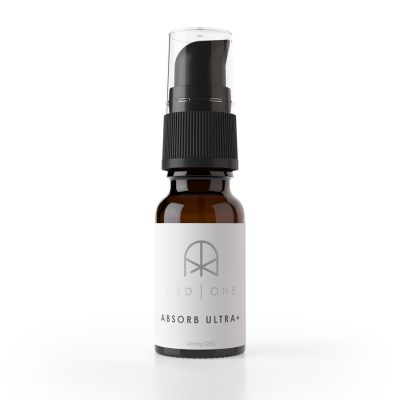
At CBD One, we choose to focus on full spectrum extracts across our core range because we like the “whole plant” philosophy, and many customers prefer that more rounded feel. It is one approach, not the only approach.
How to take CBD oil (and what to expect)
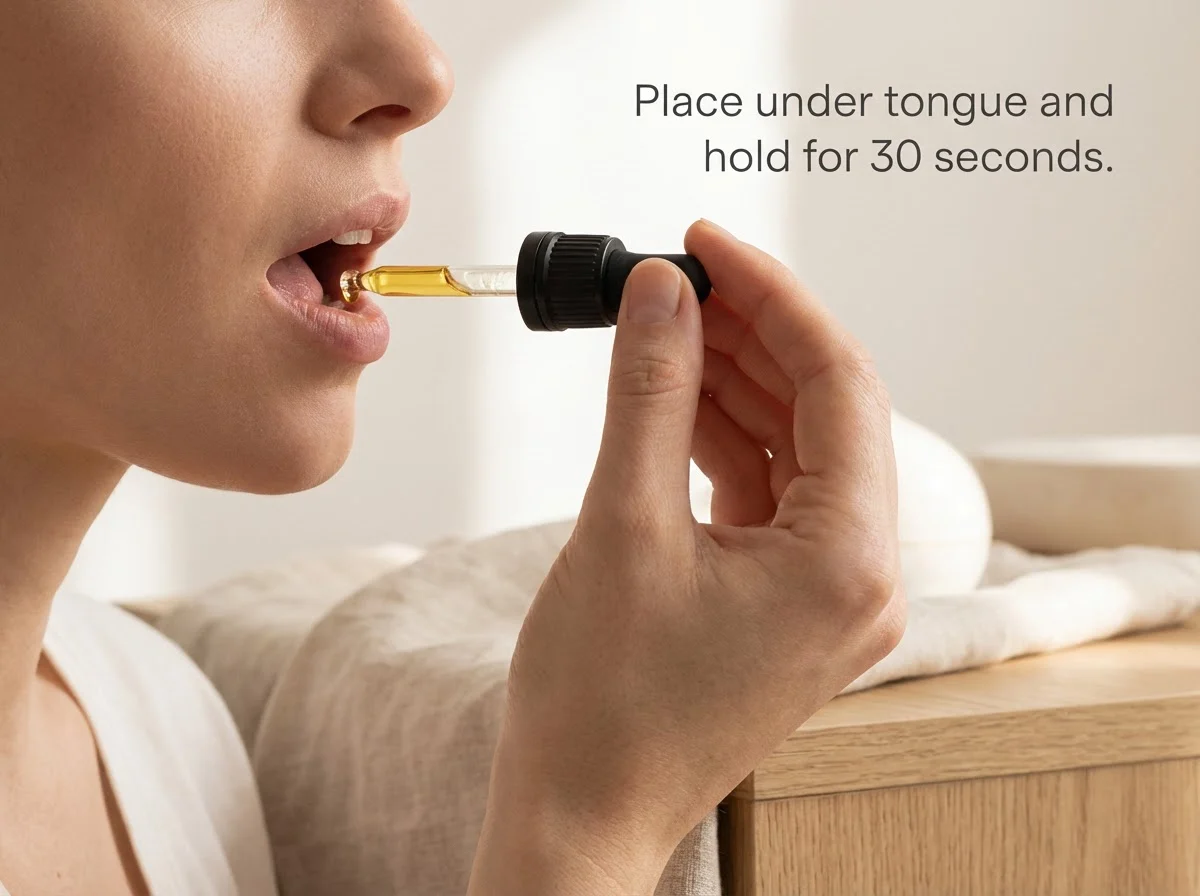
Now, when it comes to using CBD for migraine, the “how” matters as much as the “what”. CBD oils are usually taken sublingually, meaning you drop it under your tongue and hold it there briefly before swallowing.
If you want a step-by-step walk-through, see how to take CBD oil.
How long does CBD take to work?
This is one of the biggest points of confusion. Some people feel something within an hour, others notice nothing at all, and some only notice subtle changes after consistent use.
Absorption depends on the product format, your metabolism, whether you have eaten, and the dose. A helpful deeper read is How Long Does CBD Take To Work?
Oil vs water-soluble: what is the difference?
CBD oils are a classic choice. They are simple, stable, and suit people who like a calm, consistent routine.
Water-soluble CBD is made to mix into drinks. Some people choose it for convenience, taste, or because they do not get on with the feel of oil under the tongue. If you are curious about formats, you can browse Water Soluble CBD to see how those products are typically positioned.
CBD dosage and strength: a sensible UK approach
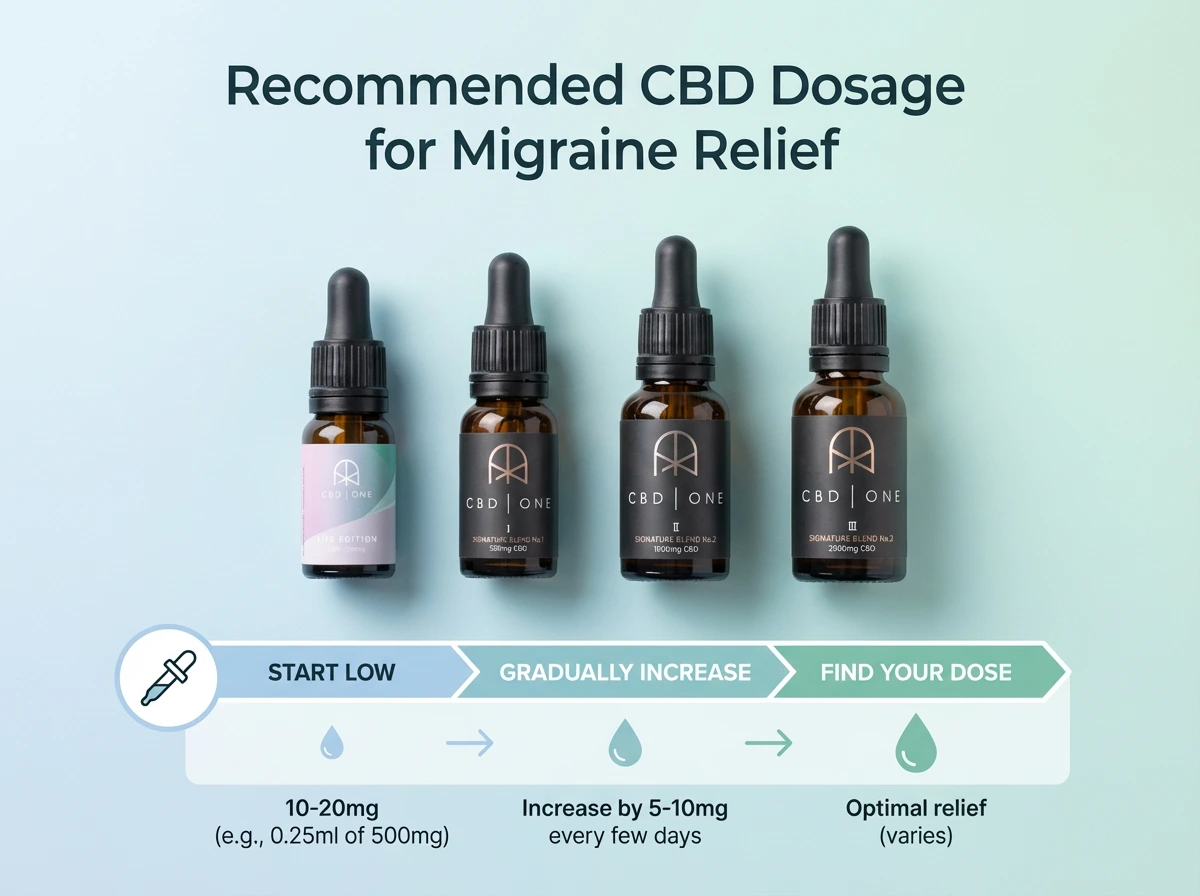
Dosage is where people can accidentally make CBD more complicated than it needs to be. The goal is not to take the most. The goal is to find the smallest amount that feels supportive for you.
If you want the detailed framework, start with this CBD oil dosage guide. It will help you think in milligrams, not just “drops”.
Start low, go slow, and keep notes
From a practical standpoint, I like people to keep it boring at first. Pick a low dose, stick with it for several days, then adjust slowly. Track sleep, stress, hydration, and headache days. Otherwise it becomes impossible to know what is helping or hindering.
UK safety guidance: the 70 mg reference point
The UK Food Standards Agency (FSA) recommends healthy adults do not exceed 70 mg of CBD per day. Some people choose less than this, and some people may be advised differently by a clinician, especially if they have health conditions or take other medicines.
Strength matters more than you think
Two bottles can look similar and deliver very different amounts of CBD. That is why a simple reference like a CBD oil strength guide can save you a lot of trial and error.
If you are new and sensitive, you might prefer a lower strength. If you are experienced and already know you tolerate CBD well, you may explore stronger oils. Just remember, higher strength is not automatically “better”. It is just more concentrated.
Choosing a CBD product in the UK: quality, labels, and red flags
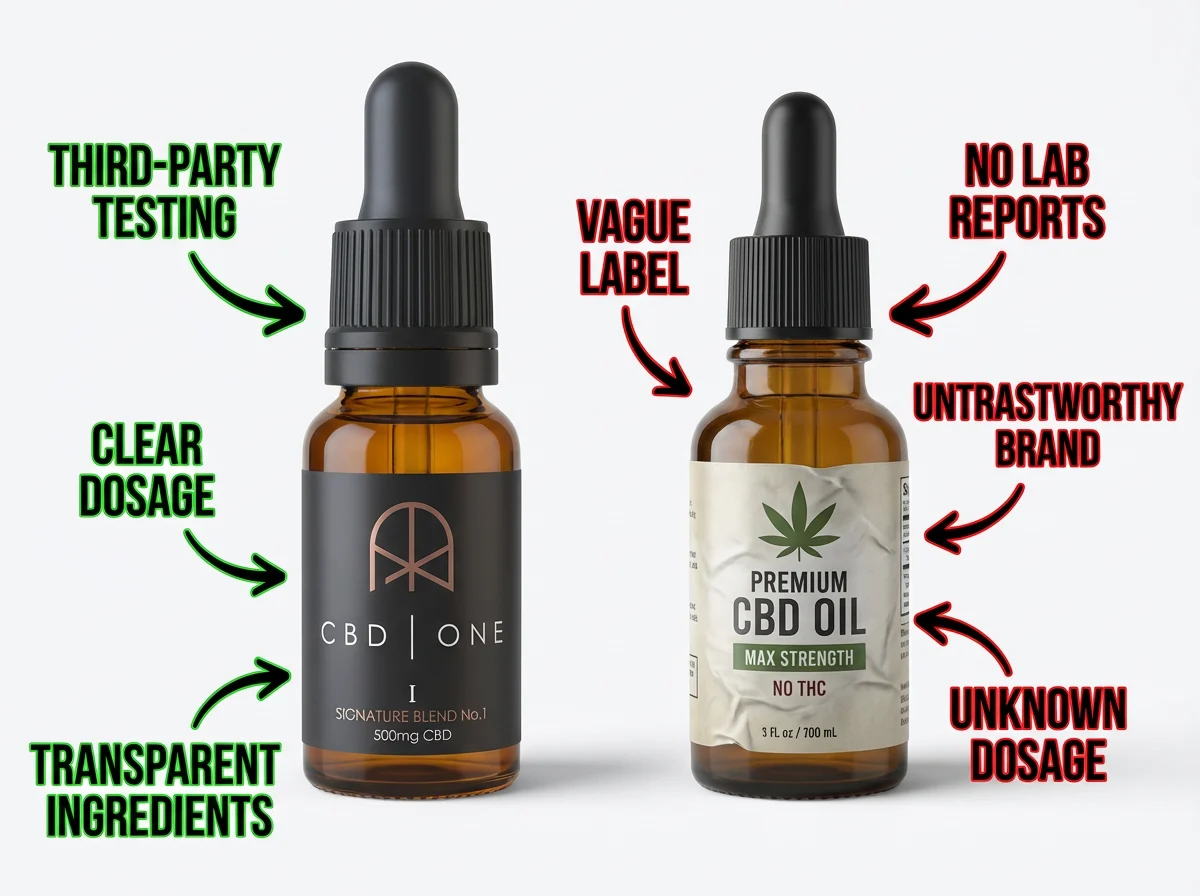
If you are exploring CBD for migraines, quality matters. Not because it guarantees an outcome, but because it reduces uncertainty. You want to know what you are actually taking, and you want it to be legal and well-made.
What to look for on a label
- Cannabinoid spectrum: full spectrum, broad spectrum, or isolate.
- CBD content in mg per bottle (and ideally mg per serving).
- Clear ingredients list (carrier oil, extract type).
- Batch-specific third-party lab reports (Certificate of Analysis).
Full spectrum vs isolate: which is better for migraine?
Some people prefer full spectrum because they like the plant profile and the idea of the entourage effect. Others need THC-free options for personal reasons, drug testing, or simply preference, and they choose isolate products.
There is no universal “migraine best”. Your body, your sensitivity, and your lifestyle factors decide what is practical.
Where category browsing can help
If you are at the early stage and just want to compare formats and strengths, start with a clean category page like CBD Oils. It is easier than jumping between random product pages and trying to piece it all together.
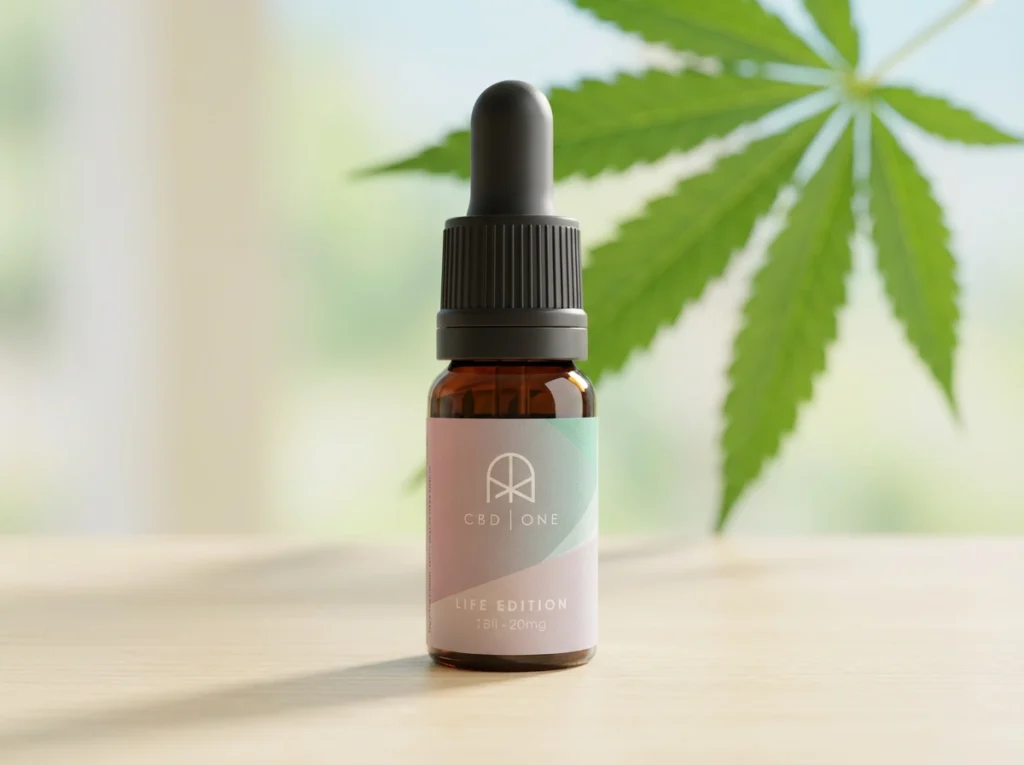
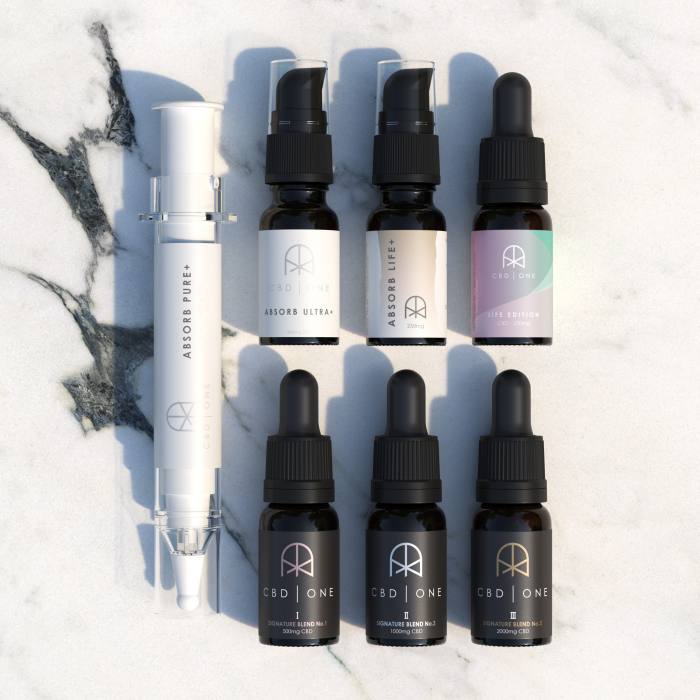
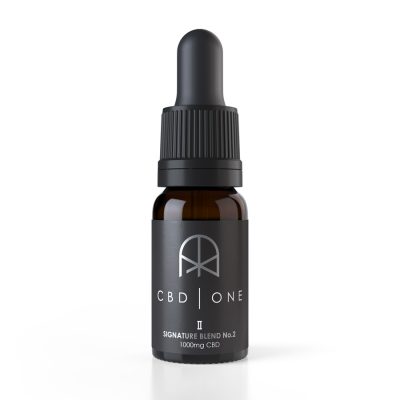
For example, CBD One’s Signature Blend oils are full spectrum and designed for straightforward sublingual use, which suits people who want a simple daily ritual rather than lots of moving parts.
CBD, THC, and UK legality: what “trace THC” really means
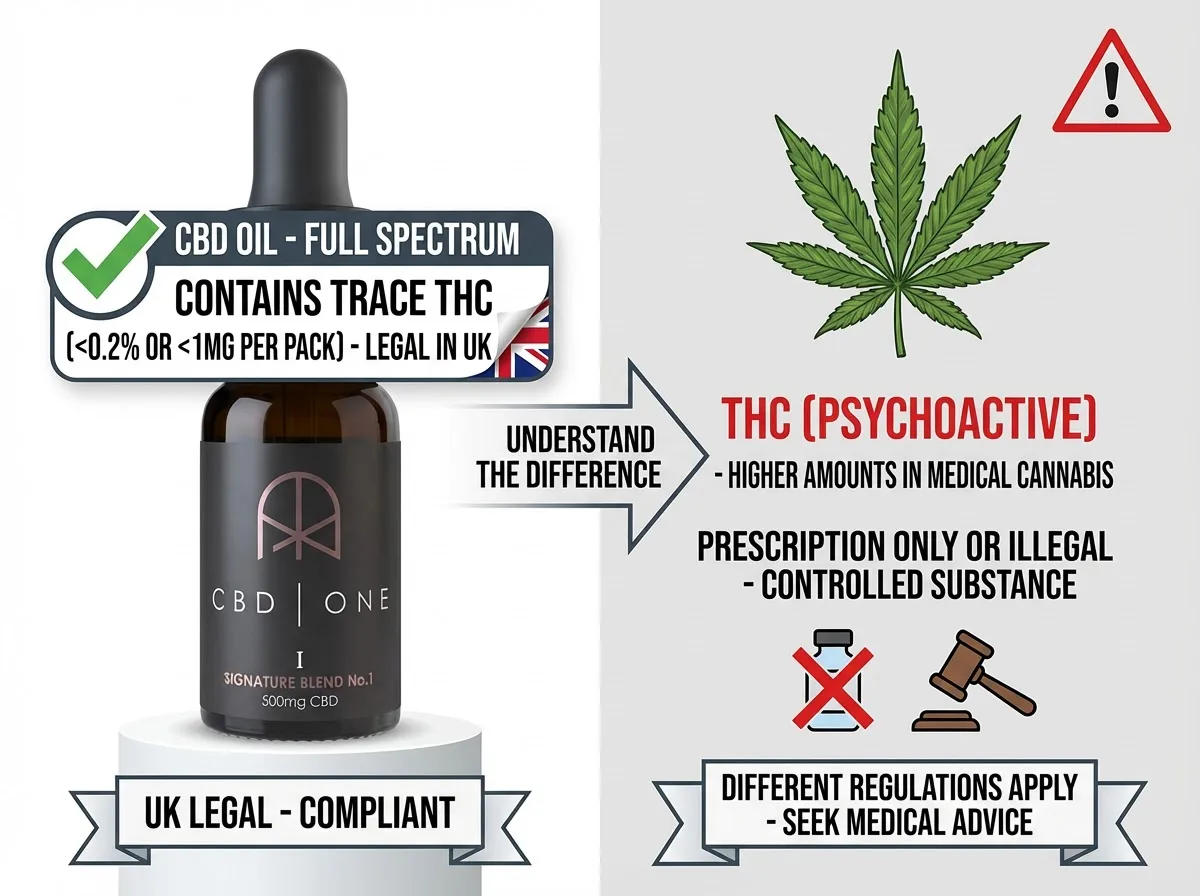
Now, when it comes to CBD for migraine in the UK, one of the most misunderstood topics is THC. People hear “full spectrum” and assume it means you are taking something strong or intoxicating. That is usually not the case.
Full spectrum CBD oils can contain trace THC within legal limits, and those traces are there because the extract is closer to the natural plant profile. CBD itself is non-intoxicating, and reputable UK products are not intended to make you feel high.
Why the distinction matters
Some research headlines blend CBD with medical cannabis discussions. Medical cannabis is a separate category with different regulation and, in many cases, much higher THC content. That is not what most people are buying when they pick up a CBD oil as a food supplement.
From a practical standpoint, this matters because it helps you set expectations. If you are using an everyday CBD oil, think “wellbeing support” rather than “prescription-like effect”.
If you are drug tested or sensitive to THC
Even trace THC can be a concern for some people, especially if your job involves drug testing, or you simply want to avoid THC entirely. In that case, you might consider an isolate product, and you should be extra strict about checking third-party lab reports for each batch.
If you are unsure what is appropriate for your situation, it is worth speaking to a pharmacist or GP before experimenting, particularly if you already use migraine medications.
A practical migraine tracking template for CBD trials
If you do one thing to make your CBD experiment more useful, make it tracking. Migraine is multi-factorial, so if you change three things at once, you will not know what moved the needle.
Keep the diary simple enough that you will actually use it
You do not need an app. A notes page works. The key is consistency for a few weeks, not perfection for two days.
- Date and time you took CBD, plus the amount in mg.
- Sleep: bedtime, wake time, and how rested you felt.
- Hydration and meals: any skipped meals, alcohol, or dehydration.
- Stress load: a simple 1–10 score is fine.
- Head symptoms: headache or migraine day, plus intensity and duration.
- Possible triggers: screen time, travel, hormonal changes, sensory overload, unusual foods.
One change at a time
Consider this: if you start CBD on the same week you cut caffeine, start a new workout plan, and change your sleep schedule, you might feel better, but you will not know why. If your goal is clarity, adjust one variable, then give it time.
When CBD might not be the right experiment

The reality is that CBD is not for everyone, and it is not always the right tool at the right time. If you are currently in a phase where your symptoms are escalating, changing, or worrying you, the priority is assessment, not supplements.
Situations where you should pause and get advice first
You might want to speak to a healthcare professional before trying CBD if:
- Your headaches are new, sudden, or dramatically different for you.
- You have neurological symptoms you have not had before.
- You are pregnant, breastfeeding, or trying to conceive.
- You take prescription medicines, especially regular migraine medicines.
- You have liver concerns, or you have been advised to avoid certain supplements.
CBD can be a reasonable “wellness experiment” for some adults, but it should never be used as a way to avoid investigating patterns that need medical support.
Safety, side effects, and medication interactions
CBD is generally well tolerated by many adults, but “natural” does not automatically mean risk-free. You can still get side effects, and CBD can interact with some medications.
Possible side effects
Some users report tiredness, digestive upset, changes in appetite, or feeling a bit “off” if the dose is too high for them. Many of these issues improve by lowering the dose, changing timing, or taking CBD with food.
Medication interactions: be careful here
If you take prescription medicines, speak to a pharmacist or GP before using CBD. This is especially important for medicines with a narrow therapeutic range.
For a clear overview, read CBD and Medication. It is one of the most important safety topics we cover.
When to get medical support
If your headaches are new, severe, changing pattern, or come with neurological symptoms you have never had before, do not self-experiment. Get checked. CBD should sit in the “wellness experiment” box, not the “ignore red flags” box.
Frequently Asked Questions
Can CBD help with migraines?
Some people report that CBD may support their general wellbeing in ways that feel relevant to migraine, such as helping them unwind, sleep more consistently, or cope with stress. That said, CBD is not a medicine in the UK and it is not approved as a treatment for migraine. Research is still developing, and migraine has many causes and patterns. If you want to explore CBD, treat it like a personal trial: start low, keep notes, and speak to your GP if you use medications or your symptoms are changing.
Is CBD oil good for headaches as well as migraine?
Headaches and migraine can overlap, but they are not the same. Some people try CBD because they are looking for a calming, supportive addition to their routine, rather than relying on “quick fixes”. Whether it feels helpful can depend on the type of headache, your triggers, and your timing. If you are getting frequent headaches, it is worth reviewing hydration, sleep, caffeine, posture, and stress load, and discussing persistent symptoms with a healthcare professional. CBD can be part of that bigger picture, not a replacement for it.
What is the best way to take CBD for migraine prone people?
Most people start with sublingual CBD oil because it is straightforward and easy to dose consistently. You place drops under your tongue, hold briefly, then swallow. Consistency tends to matter more than “big doses” taken occasionally. Some people prefer water-soluble CBD in drinks for convenience, especially if they dislike the taste of oils. If you are unsure on technique, use a clear guide like how to take CBD oil so you can keep your routine steady and your results easier to interpret.
How much CBD should I take for migraines?
There is no universal migraine dose, and anyone claiming there is should raise an eyebrow. A sensible approach is to start low, stay there for several days, then increase slowly if needed. It helps to think in milligrams of CBD, not just drops, and to keep a simple symptom diary. The UK FSA recommends healthy adults do not exceed 70 mg CBD per day. For a structured approach, use this CBD oil dosage guide and speak to a clinician if you take medications.
Does full spectrum CBD matter for migraines?
Full spectrum CBD contains CBD plus minor cannabinoids and terpenes, with trace THC within legal limits. Some people prefer it because of the entourage effect concept, which suggests plant compounds may work better together than alone. Others prefer isolate products because they want THC-free options. For migraines specifically, we do not have strong evidence that one spectrum is always better. The best choice is the one you tolerate well, can dose consistently, and can verify with third-party lab testing.
How do I choose a CBD oil strength if I’m new?
If you are new to CBD, start with a lower strength so you can adjust gradually without overshooting your comfort zone. Stronger oils are not “more effective” by default, they just deliver more CBD per drop. A CBD oil strength guide can help you pick a sensible starting point based on your experience level and the kind of routine you want. If you are very sensitive to supplements, consider starting with a small dose once a day, then build from there.
How quickly might CBD work for migraine support?
It varies a lot. Some people notice a calming effect within an hour of taking CBD oil, while others only notice subtle changes after days or weeks of consistent use. Timing depends on dose, format, whether you have eaten, and individual metabolism. Water-soluble products may feel faster for some people, but personal response still varies. If you want to set expectations properly, read How Long Does CBD Take To Work? and remember to track patterns rather than judging it off one dose.
Can I take CBD with migraine medication?
CBD can interact with certain medicines, so you should be cautious here. The safest route is to speak with your GP or pharmacist, especially if you take regular prescriptions. Do not stop or change medication because you have started CBD. If you want to understand the issue more clearly, read CBD and Medication. It explains why interactions can happen and what to do to reduce risk. Safety first, always.
Will CBD oil get me high?
CBD itself is non-intoxicating, so it does not create a “high” like THC. Full spectrum products can contain trace THC within legal limits, but they are not intended to be intoxicating. Some people do feel relaxed or a little sleepy if they take a higher dose than they need, which can be mistaken for being “high”. If you are concerned about THC exposure, you might prefer an isolate product. Always choose a brand that provides third-party lab reports so you can verify what is actually in the bottle.
What should I do if CBD makes my headache feel worse?
First, stop and reassess. If you feel worse after CBD, it may be the dose is too high, the timing does not suit you, or you are reacting to something in the product. Try lowering the dose, changing the time of day, or pausing completely. Hydration, food, and sleep can also affect how you respond. If symptoms are severe, unusual, or escalating, seek medical advice promptly. CBD should never be used to push through warning signs, especially with new or changing headache patterns.
How do I use CBD for migraines in a realistic way?
Many people find a consistent routine is more useful than trying to “catch” a migraine in the moment. A realistic approach is to pick a low daily amount, take it at the same time each day, and track sleep, stress, hydration, and migraine days for a few weeks. Keep everything else as steady as possible so you can see patterns. If you are taking medicines, speak with a pharmacist or GP before you start, because interactions are the main safety consideration.
Is CBD for migraine legal in the UK?
CBD products sold as food supplements are widely available in the UK, but legality depends on the product meeting UK rules. Reputable brands provide batch-specific lab reports so you can see cannabinoid content and confirm it is within legal limits. If you are unsure, choose products with transparent lab testing, avoid unrealistic claims, and remember CBD is not marketed as a medicine for migraine in the UK.
Key Takeaways
- Migraine is a complex neurological condition, so CBD should be viewed as a wellbeing experiment, not a treatment.
- Many people explore CBD for migraine because it may support sleep, stress balance, and daily regulation, which can matter for triggers.
- Use a “start low, go slow” approach and keep notes. The UK FSA recommends healthy adults do not exceed 70 mg CBD per day.
- Choose lab-tested products with clear cannabinoid content and transparent labels. Quality reduces guesswork.
- If you take medications or your symptoms change, speak to a GP or pharmacist before using CBD.
Conclusion
If you are looking into CBD for migraine, the best mindset is curious but cautious. Migraine is not one simple problem, and CBD is not a magic switch. But for some people, CBD can be a useful part of a wider routine that supports steadier sleep, calmer evenings, and better resilience to day-to-day stressors.
Keep it practical. Choose a trustworthy, lab-tested product, pick a low starting dose, and track your patterns over time. Make sure you understand strength and dosing (it is easy to take more than you think), and be especially careful if you take prescription medicines.
If you want to explore formats, you can compare options on our CBD Oils page, and if you prefer mixing CBD into a drink, take a look at Water Soluble CBD for that style of routine.
If you are unsure where to start, speak to Nick for free, sensible guidance on finding a routine that fits.