
Is CBD Addictive? (2026 UK Guide)
Here’s the thing. “Addictive” is often used as a catch-all word, but it actually mixes up a few different ideas: intoxication, cravings, withdrawal, tolerance, and simple routine. In this guide, I will walk you through what we know (and what we do not), how CBD differs from THC, and why product type matters if you are worried about dependence.
What “addictive” actually means (and why wording matters)
When most people ask “is CBD addictive?”, they are usually asking one of three things: will I crave it, will I need more and more, and will I feel rough if I stop.
Consider this. Addiction is typically about compulsive use despite harm, loss of control, and ongoing cravings. Physical dependence is different. It is when your body adapts to a substance, and stopping suddenly causes withdrawal-type symptoms.
Then there is plain old habit and routine. You can feel attached to a cup of tea at 4pm without it being an addiction. CBD can sit in that same “ritual” category for some people, especially when it becomes part of winding down in the evening.
A practical example
If you take CBD oil after brushing your teeth, you might miss it when you travel. Missing your routine is not the same as cravings or withdrawal. The key is how you feel without it and whether your use is staying within sensible limits.
CBD vs THC: the main reason CBD is not viewed like “a high”
CBD (cannabidiol) is a non-intoxicating compound from hemp. THC (tetrahydrocannabinol) is the intoxicating compound associated with feeling “high”. Mixing these up is where a lot of fear starts.
Now, when it comes to addiction risk, intoxication matters because substances that strongly alter perception can be more reinforcing for some people. CBD does not produce that “high” effect in the way THC does, which is why most conversations about cannabis dependence focus on high-THC products, not CBD.
If you want a clear explainer on the “high” question, read Does CBD Oil Get You High?. It will help you separate CBD from the wider cannabis narrative.
Full spectrum vs isolate, in plain English
Some CBD products are “full spectrum”, meaning they include CBD plus other natural hemp compounds (minor cannabinoids and terpenes) and trace THC within legal limits. Others are isolate, meaning CBD only. In UK compliant products, THC should be tightly controlled, but you should still choose brands that publish third-party lab reports.
So, is CBD addictive?
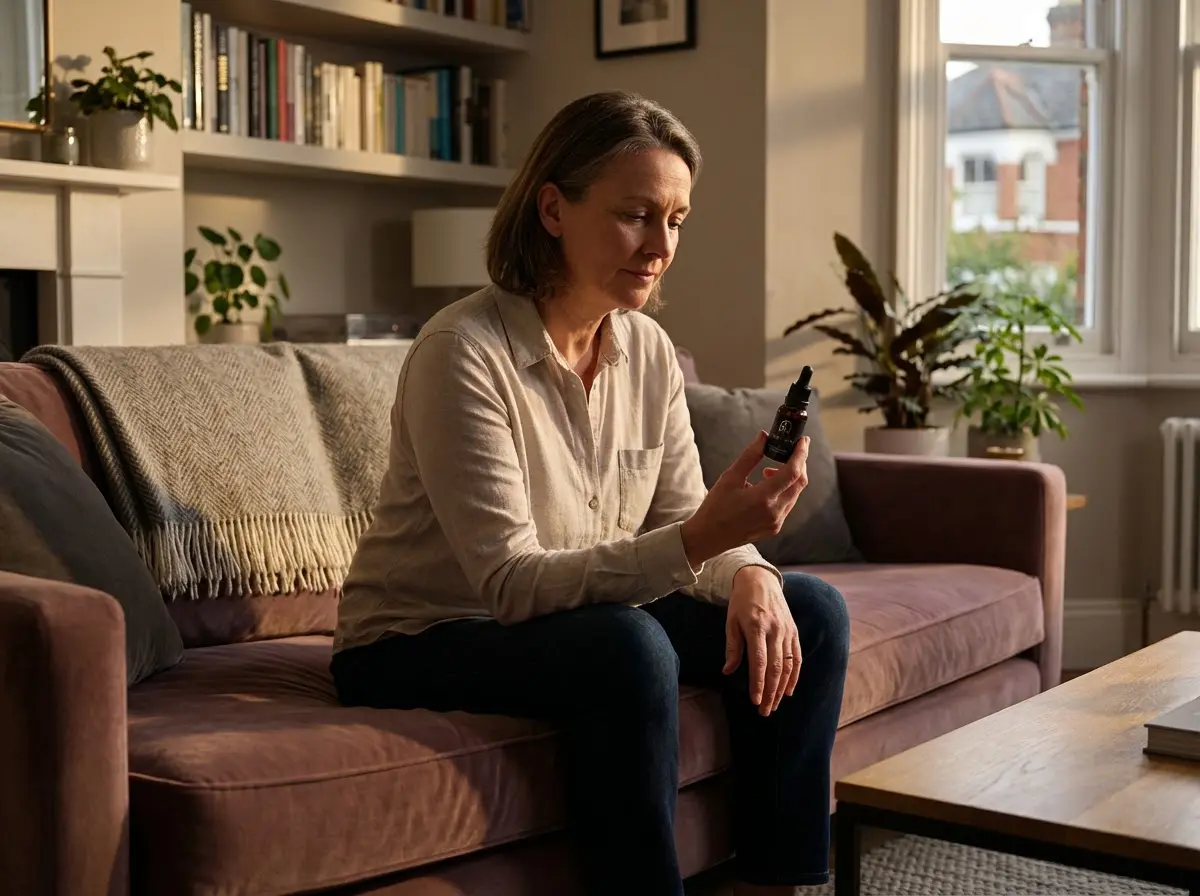
The reality is that CBD is not generally considered addictive in the way nicotine or opioids are. It does not tend to create the same “reward loop” people associate with getting hooked.
That said, humans can develop a psychological reliance on almost anything that becomes part of coping. If you start using CBD as the only way you can relax, switch off, or sleep, it is worth pausing and widening your toolkit. Think movement, breathwork, consistent sleep times, less late-night scrolling, and speaking to a professional if stress feels unmanageable.
What about tolerance and withdrawal?
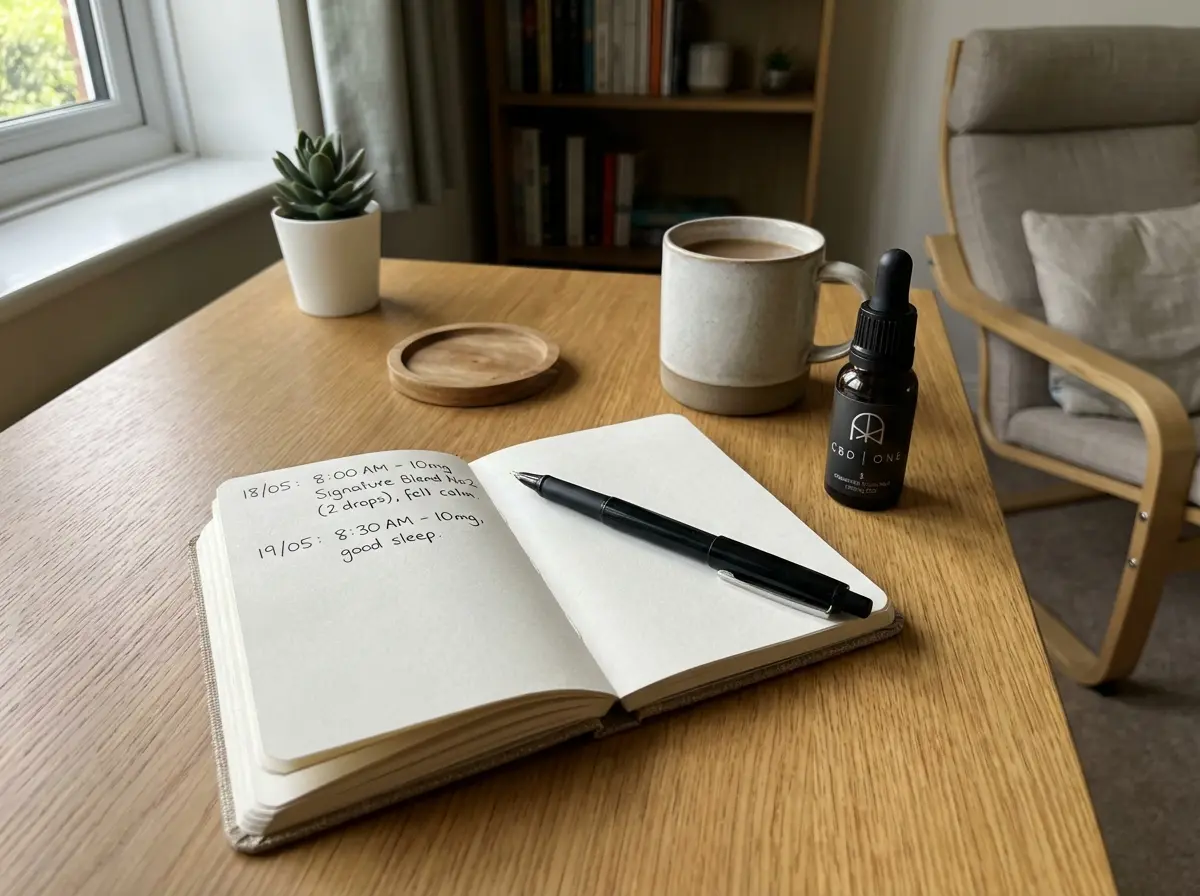
Some users find they can take the same amount of CBD for long periods without needing to increase it. Others experiment with dose and timing to find what feels right. If you ever decide to stop, most people do not report classic withdrawal symptoms, but you might notice the return of whatever prompted you to try CBD in the first place.
From a practical standpoint, if you are taking large amounts daily and want to stop, tapering down over a week or two can feel smoother than stopping suddenly. If you are unsure on amounts, our CBD Dosage Calculator can help you sense-check your routine.
Is vaping CBD addictive? And what about gummies and drinks?
When people ask this, I often respond with a different question: “Are we talking about CBD, or the habit built around the product format?” Because the format changes the experience, and experience drives behaviour.
Vaping CBD: the CBD is not the main concern
If you vape CBD, the bigger risk is that vaping itself can become a behavioural loop: hand-to-mouth action, frequent dosing, and the quick “hit” feeling of inhalation. Also, many vapes include flavourings and additives, and quality varies massively.
If you are trying to avoid dependency-style patterns, oils, capsules, or measured formats can feel more “intentional” than something you reach for every 20 minutes.
Are CBD gummies addictive?
Gummies are often more about convenience and taste than cannabinoid education. The habit risk here is more like sweets: you enjoy them, you want another, and it is easy to lose track of dose. In the UK, you also want to be careful with products that look like confectionery, especially around children.
At CBD One we have deliberately chosen not to make gummies, partly because we prefer formats where dosing and ingredient transparency are clearer for day-to-day wellness routines.
Are CBD drinks addictive?
CBD drinks can be a nice ritual, but they can also blur into “functional beverages” culture, where you stack multiple products in a day without thinking. Think of it this way: you would not take extra paracetamol just because it is in a fizzy drink.
If you enjoy drinks, you might like reading Do CBD Drinks Work? to understand absorption and realistic expectations.
How to use CBD sensibly, without slipping into overuse
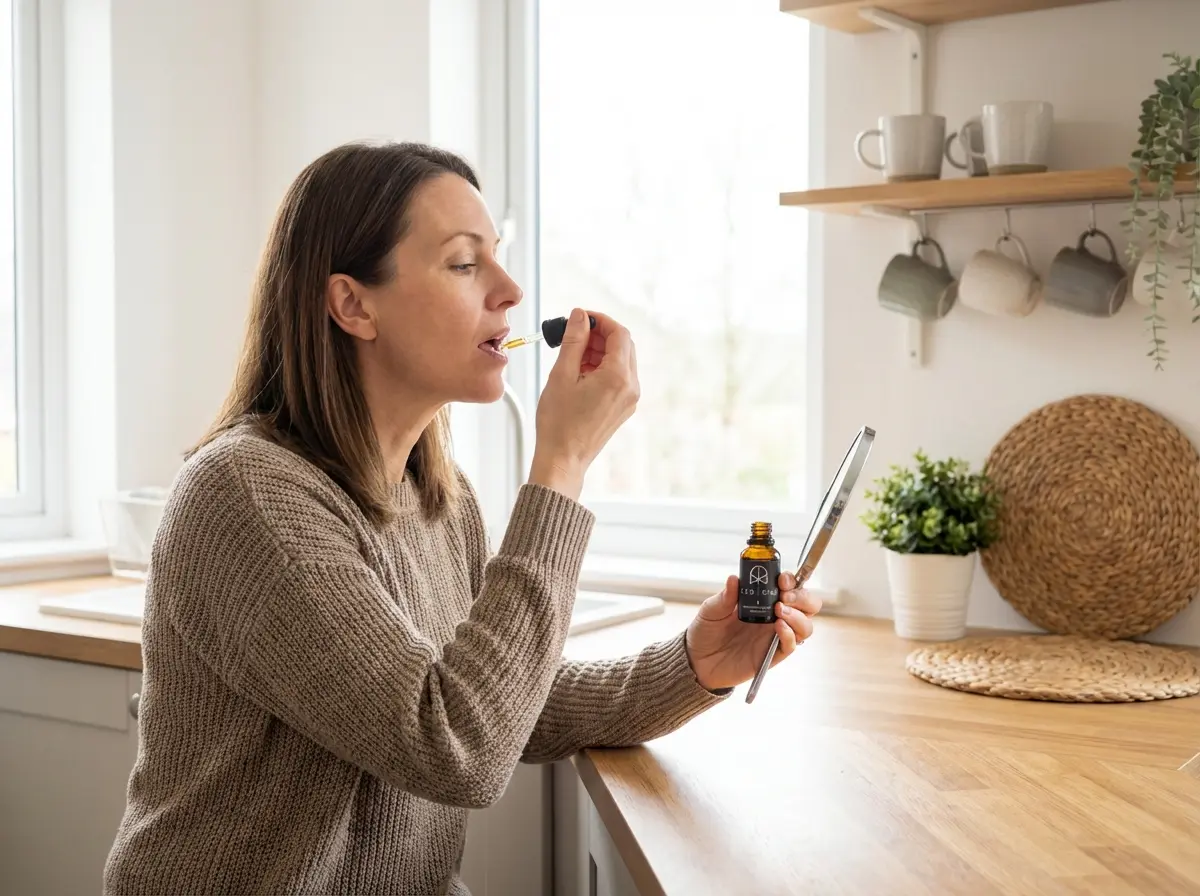
You do not need to be fearful. You just need a simple framework.
1) Use a “start low, go slow” mindset
In the UK, the Food Standards Agency (FSA) suggests healthy adults should not exceed 70mg of CBD per day. Many people use much less than that. If you are new, start with a low amount, stick with it for a few days, and only adjust if you need to.
2) Choose a format that matches your personality
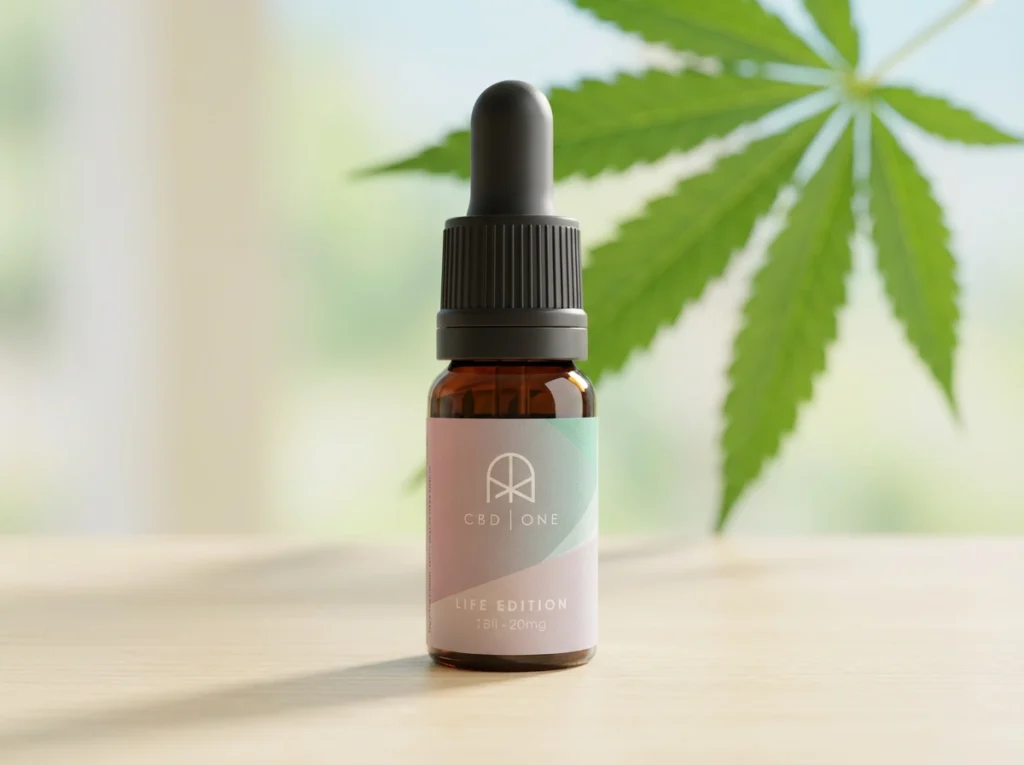
What many people overlook is that the best format is often the one that keeps you consistent without encouraging constant topping-up. Measured drops under the tongue can be a simple daily ritual. Water-soluble CBD can be added to a morning drink if you prefer to avoid the taste of oil.
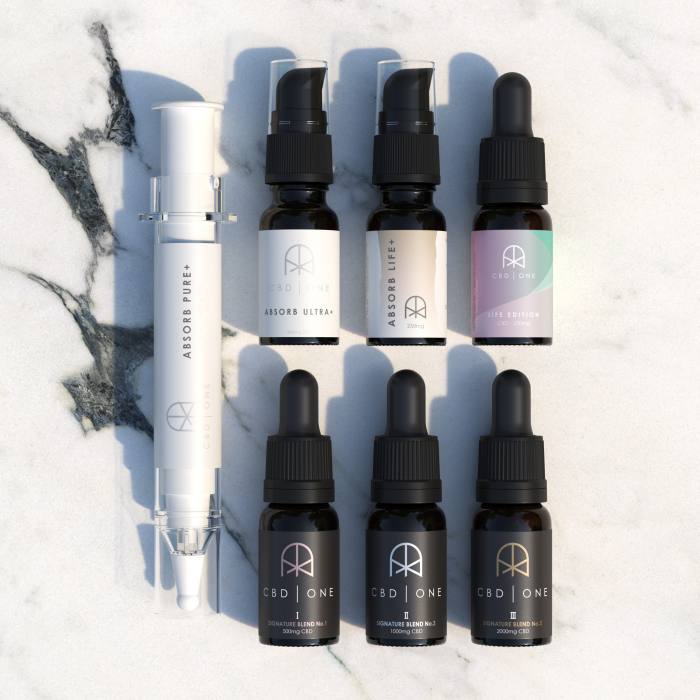
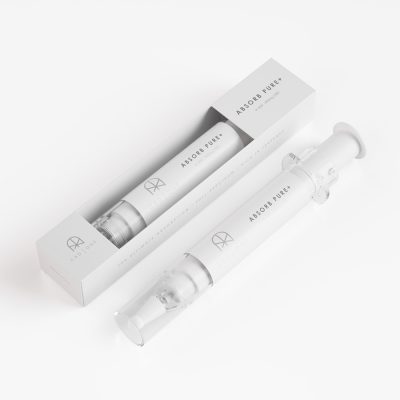
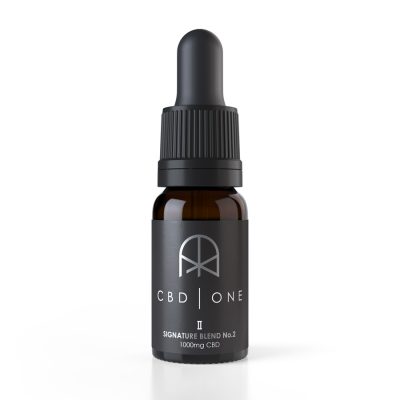
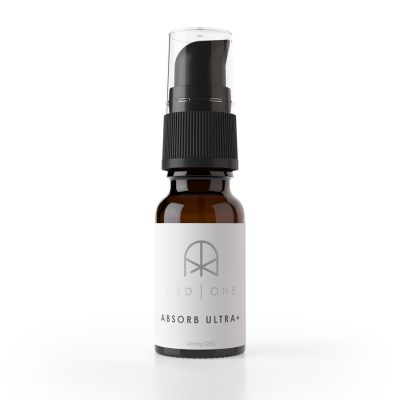
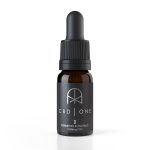
For example, CBD One’s full spectrum oils (like 5% CBD Oil [500mg CBD] and 10% CBD Oil [1000mg CBD]) are designed for straightforward sublingual use, while the Absorb range is a water-soluble option you can mix into hot or cold drinks. That variety helps people choose a routine they can stick to without chasing a “quick hit”.
3) Do not use CBD to “push through” bigger problems
If you are using CBD to cope with persistent anxiety, low mood, sleep issues, or pain, it is sensible to involve your GP or pharmacist. CBD can sit alongside a broader plan, but it should not be your only support.
If you are on any medication, this matters even more. Please read CBD and Medication, and speak to a clinician if you are unsure.
Quality and labels: the simplest way to protect yourself
If you are worried about “addiction”, quality might not sound relevant at first. But it is. Poorly made products can be inconsistent, under-dosed, or contaminated. That can lead to people taking more than they realise, or buying stronger and stronger products chasing a result.
What to look for on a UK CBD label
- Clear CBD content in mg per bottle and ideally per serving
- Third-party lab testing (a Certificate of Analysis you can actually access)
- Ingredient list that makes sense, especially for vapes and drinks
- Realistic wellness language (not medical claims)
- Batch numbers and a UK-compliant approach to Novel Food rules
If you want to browse formats with clear labelling, you can view our CBD Oils and Water Soluble CBD categories. Even if you buy elsewhere, use the same checklist.
Red flags that should make you pause
Be cautious of products that promise to “cure”, “treat”, or “replace” medication. In the UK, CBD is not a medicine and brands are not allowed to market it as one. Overblown claims are often a sign that other corners are being cut too.
How dose links to “dependence” worries
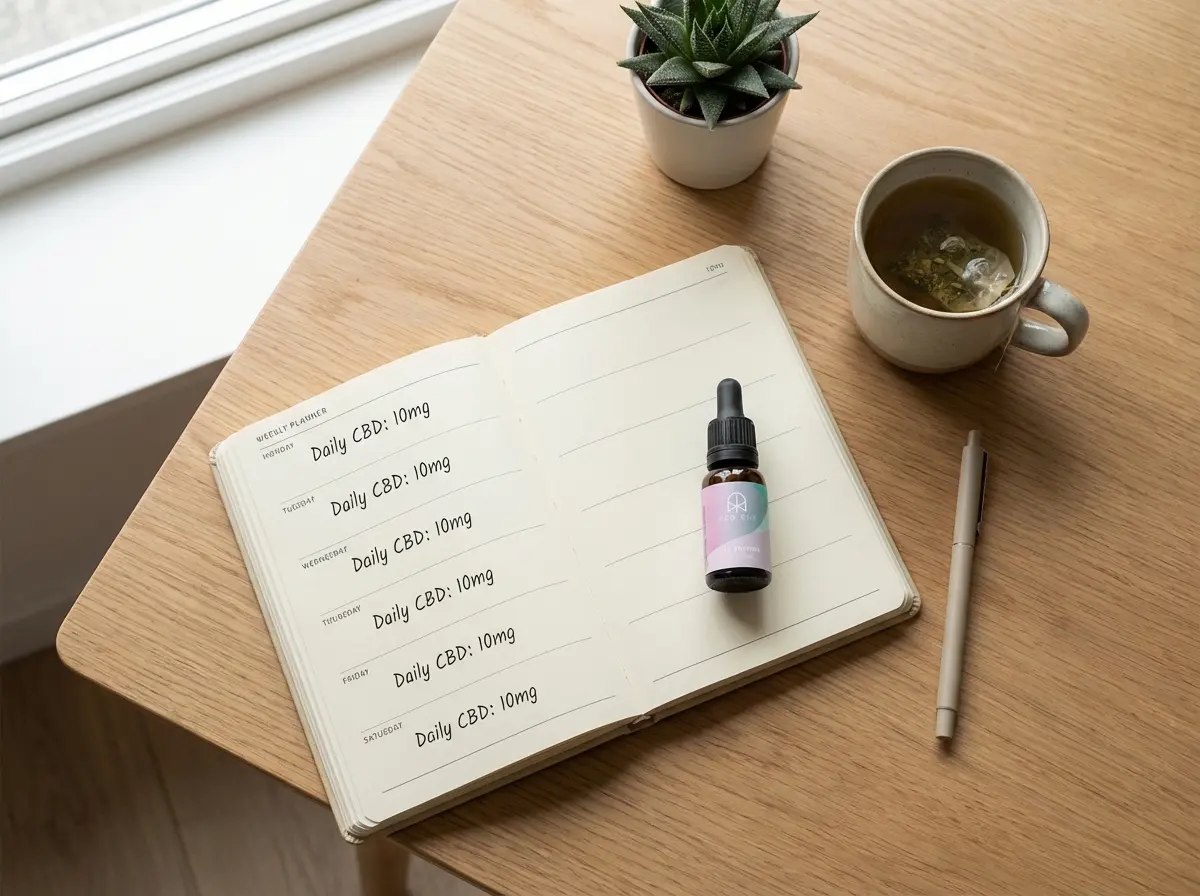
Most overuse problems happen when dose is vague. You are less likely to overdo it when your routine is measured and intentional.
In practice, this means writing down your dose for a week, along with what time you took it and how you felt. You are not trying to prove anything. You are simply building awareness, which is the opposite of compulsive use.
If you want to compare product types and strengths in a calm, non-salesy way, our CBD Product Comparison can help you understand what you are actually taking.
And if you want a broader checklist for choosing a reputable product, keep CBD Buying Guide bookmarked. Quality choices reduce the temptation to keep switching and stacking products.
Is CBD a drug? (and why that matters for “addiction” questions)
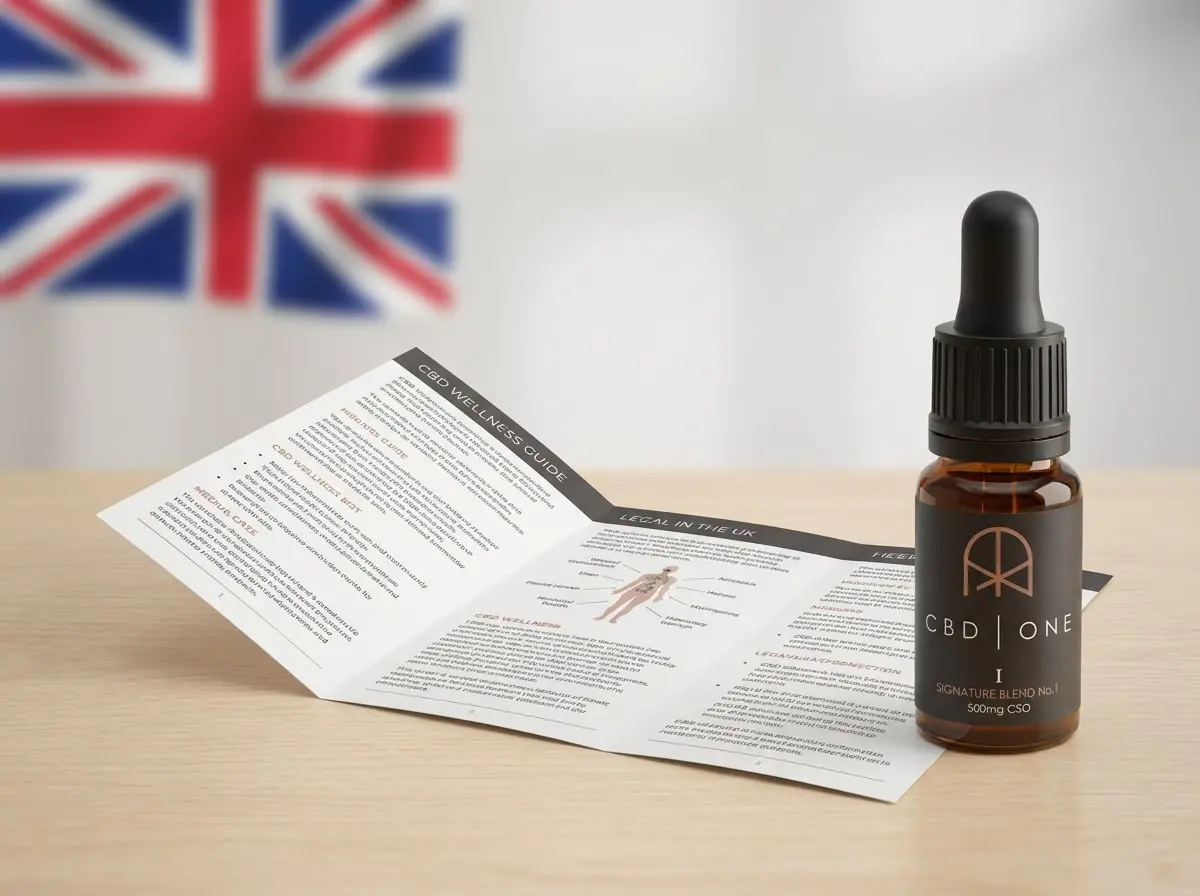
This is one of the most common points of confusion I see. People hear “cannabis”, then assume CBD must sit in the same category as recreational drugs.
In everyday language, “drug” can mean anything that changes how you feel, from caffeine to antihistamines. In a legal and regulatory sense, CBD sold as a wellness product in the UK is not marketed as a medicine, and it should not be presented as one.
From a practical standpoint, the “addiction” worry usually comes from two places: intoxication, and compulsion. CBD is non-intoxicating, and for most people it does not create that compulsive pattern. What it can do is become part of a routine, which is why it helps to treat it like a supplement: measured, consistent, and not used as an all-day coping mechanism.
CBD side effects vs “withdrawal”: what people sometimes confuse
What many people overlook is that feeling a bit “off” after changing your CBD routine is not automatically withdrawal. Sometimes it is simply your body reacting to dose, timing, or the product itself.
Some people report side effects like tiredness, a dry mouth, digestive upset, or feeling a bit lightheaded, especially if they take more than they need or take it on an empty stomach. If that happens, it is usually a sign to simplify: lower the amount, take it with food if that suits you, and keep your timing consistent for a week.
Then there is the other scenario: you stop CBD and you feel more tense at night, or less settled in the day. That can feel like withdrawal, but it may simply be your original baseline returning. If you are unsure which is which, keep a short note of changes for a few days. Awareness beats guessing, every time.
Drug testing, driving, and travel: where “dependence” worries can get tangled
Sometimes people say “addictive” when what they really mean is “will this get me in trouble”. That is a different question, but it matters.
Drug tests
Most routine drug tests look for THC, not CBD. Even with UK compliant full spectrum products, there can be trace THC within legal limits. Many people use full spectrum CBD with no issues, but if you are drug-tested for work or sport, you may prefer to be extra cautious, choose products with accessible lab reports, and avoid stacking multiple hemp products at once.
Driving
CBD is not an intoxicant, but it can make some people feel sleepy, especially when they are finding their amount or if they combine it with alcohol or other sedating products. If you are trying CBD for the first time, test it on a quiet evening at home, not before a long drive.
Travel
UK legality does not automatically translate abroad. If you travel with CBD, check the rules for your destination and any stopovers. Keeping the original packaging and lab information to hand can make things simpler if you are questioned.
Frequently Asked Questions
Is CBD addictive in the same way nicotine is?
No, CBD is not generally viewed as addictive in the same way nicotine is. Nicotine strongly reinforces repeat use through fast dopamine-related reward pathways and clear withdrawal patterns. CBD does not produce an intoxicating “hit” and is not typically associated with compulsive use despite harm. That said, you can still form a habit around any wellness product if it becomes your only coping strategy. If you are concerned, keep your dosing measured and build other calming routines alongside it.
Is CBD oil addictive?
Most people do not experience CBD oil as addictive. CBD oil is usually taken in a measured way (drops under the tongue), which naturally limits “mindless” re-dosing compared with formats like vaping. The bigger risk is psychological reliance if you start feeling like you cannot relax or sleep without it. If that is you, consider lowering your dose, using it less frequently, and pairing it with good sleep hygiene, movement, and stress support. If you are on medication, check interactions with a clinician first.
Is vaping CBD addictive?
The CBD itself is not the main “addiction” worry here. Vaping is a fast, repeatable behaviour that can become a loop: quick delivery, frequent top-ups, and hand-to-mouth habit. Even if the CBD is non-intoxicating, the ritual can feel compulsive for some people, especially if you have a history with nicotine vaping. If you want a calmer relationship with CBD, you may prefer oils, capsules, or measured drink additives where dosing is deliberate and less frequent.
Are CBD gummies addictive?
CBD gummies are not usually “addictive” in a chemical sense, but they can encourage snacking behaviour. Because they taste like sweets, it is easy to take extra without thinking, which can lead to higher daily intake than you planned. That matters for safety and budgeting, not just “dependence”. If you use gummies, treat them like any supplement: check the CBD per gummy, keep them away from children, and track how many you take. If you prefer precision, oils or patches can feel more measured.
Are CBD drinks addictive?
CBD drinks are rarely addictive in a traditional sense, but they can slide into a “more is better” mindset if you stack multiple functional drinks in one day. People also assume drinks are mild, so they forget to count total CBD intake across products. If you use CBD drinks, keep it simple: pick one product, know the mg per serving, and avoid mixing lots of CBD formats at once. If you want to understand how drink formats may absorb differently, read labels carefully and stay consistent.
Can you get withdrawal symptoms from stopping CBD?
Most people do not report classic withdrawal symptoms when they stop CBD. What can happen is that you notice the return of whatever you were trying to support in the first place, like feeling more tense at night or less settled in the day. That can feel like “withdrawal” but it is often just your baseline showing up again. If you have been using high amounts daily and want to stop, tapering down gradually may feel smoother. Speak to your GP if you have underlying health concerns.
Does CBD make you build tolerance (needing more and more)?
Some users find they take the same amount for months without change. Others adjust dose depending on their lifestyle, stress levels, sleep, and timing. CBD does not behave like many intoxicating substances where tolerance escalates quickly, but everyone is different. A good approach is to use the minimum amount that fits your routine, then reassess every few weeks. If you keep increasing dose without clear reason, it is worth checking product quality, consistency, and whether you are expecting CBD to do too much.
Is it safer to choose full spectrum or CBD isolate if I am worried about addiction?
Addiction concerns are not usually about full spectrum versus isolate. They are more about the product format, your dose, and your reasons for using it. Full spectrum products include a wider range of hemp compounds and trace THC within legal limits, while isolate is CBD only and THC-free. If you are drug-tested for sport or work, isolate may be the safer choice. If you are unsure, choose a brand with clear lab reports and keep your routine measured rather than “as needed” all day.
Can CBD interact with medication and make me feel dependent?
CBD can interact with certain medications by affecting how they are metabolised in the liver. That is not “dependence”, but it can change how you feel and may increase side effects from your medication, which can become confusing. If you then keep changing CBD dose to compensate, it can create a messy cycle. If you take prescription medication (especially anything with a grapefruit warning), speak to your GP or pharmacist before using CBD and read CBD and Medication for a sensible overview.
How do I know if my CBD use is becoming unhealthy?
Ask yourself a few honest questions. Are you taking more than planned most days? Are you anxious if you run out? Are you using it to avoid addressing sleep, stress, alcohol use, or mental health support? Healthy CBD use tends to look boring: a consistent dose, a clear reason, and no drama. If you are worried, reduce your dose, set fixed times, and take a short break to see how you feel. If distress is driving use, talk to a professional for wider support.
Is CBD addictive for sleep if I take it every night?
Taking CBD nightly does not automatically mean addiction. For many people it is simply a consistent routine, like a magnesium supplement or a bedtime tea. The question is whether you feel out of control with it, or whether you feel you cannot sleep at all without it.
If you are using CBD every night, keep it measured, keep your timing consistent, and try not to “top up” repeatedly through the evening. It is also worth building non-supplement sleep basics alongside it, like a set wind-down time, lower evening caffeine, and less screen time late at night. If sleep issues are persistent, speak with your GP so you are not trying to carry it alone.
Is CBD a habit-forming substance?
CBD can be habit-forming in the same way many wellness routines can be. You get used to the ritual and you like how it fits into your evening, so you keep doing it. That is not the same as chemical addiction.
Where habits become unhelpful is when the routine stops being intentional. If your use has become random, frequent, or driven by stress spikes, it is a good time to simplify: one format, one planned time, and a dose you can track.
Can CBD make you fail a drug test?
Drug tests usually look for THC rather than CBD. With full spectrum CBD, there may be trace THC within legal limits, and there is always a small risk if you are tested, especially if you use multiple hemp products or take higher amounts.
If drug testing is a serious concern for your job or sport, speak to the testing body for guidance, and consider choosing products with clear, accessible third-party lab reports. If you want to be extra cautious, avoid mixing formats so your total intake stays easy to track.
Key Takeaways
- CBD is not generally considered addictive, but you can still form habits around any routine.
- Vaping CBD can be more habit-forming than oils because the behaviour encourages frequent re-dosing.
- Keep dosing measured and sensible. The UK FSA advises healthy adults not to exceed 70mg CBD per day.
- Choose products with third-party lab reports and realistic, UK-compliant labelling.
- If you take medication or have health concerns, speak to your GP or pharmacist before using CBD.
Conclusion
So, is CBD addictive? For most people, CBD is not experienced as addictive in the classic sense. It is non-intoxicating, and it does not usually create the same craving and withdrawal patterns that drive substance dependence.
Where things can get murky is the format and the mindset. Vaping can encourage constant “top ups”. Gummies can blur into snacking. Drinks can make dose feel vague. If you keep CBD measured, treat it like a supplement, and build it into a wider wellness routine (sleep, movement, stress management), you are far less likely to develop an unhelpful relationship with it.
If you want to go deeper on oils specifically, start with our what is CBD pillar, then use the comparison and buying guides to stay grounded in quality and sensible dosing.
If you are unsure what fits your routine, explore your options and speak to Nick for free guidance.