
CBD Oil Drops UK: Delivery & Best Prices (2026)
CBD oil drops: what you are really buying
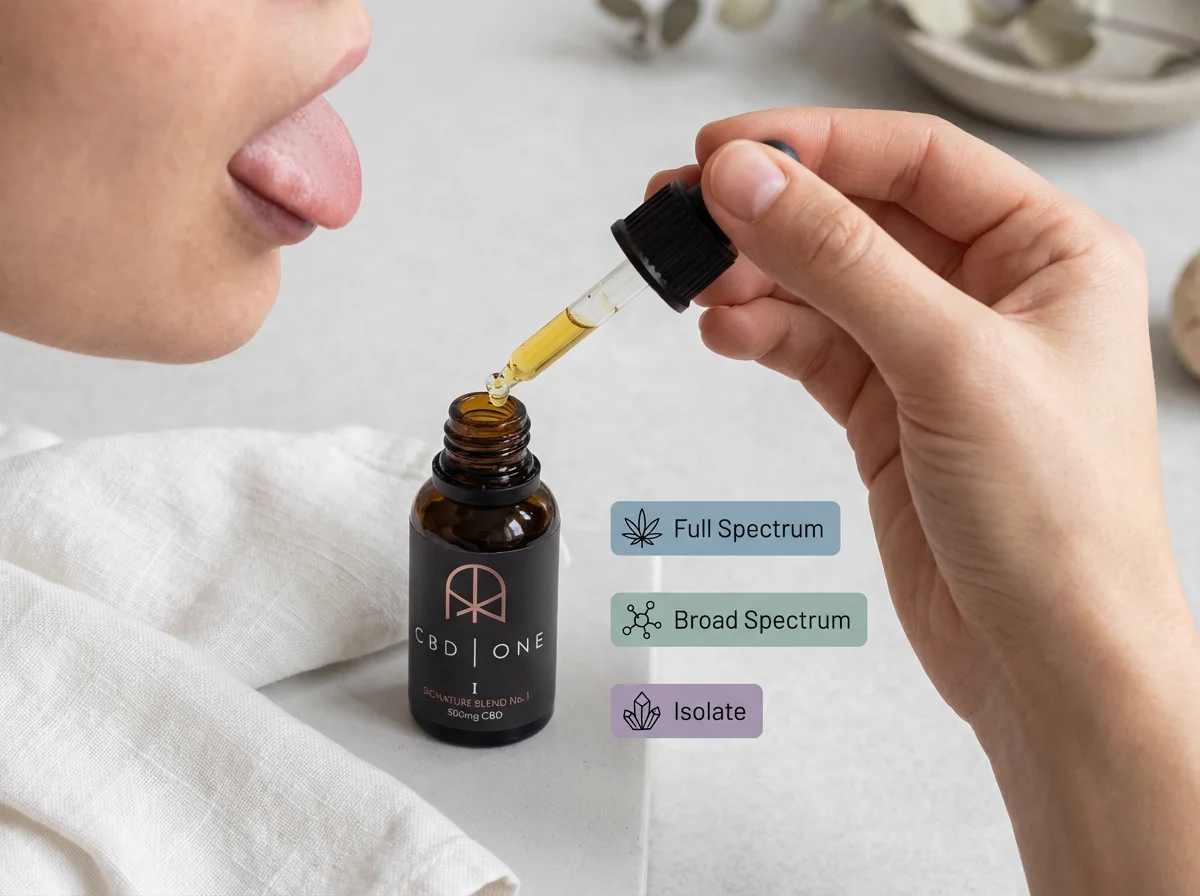
CBD oil drops are typically a hemp extract blended into a carrier oil (often hempseed oil) and taken by placing drops under your tongue for a short time before swallowing. This is usually called “sublingual” use, and it is popular because it is simple, portable, and easy to adjust drop by drop.
The part most people miss: CBD oil drops are not all the same. You will usually see one of three spectrum types:
- Full spectrum: contains CBD plus minor cannabinoids and terpenes, with trace THC within legal limits. Some users choose this for the “entourage effect”, where compounds may work better together.
- Broad spectrum: similar to full spectrum but with THC removed. Often chosen by people who want extra reassurance around THC.
- CBD isolate: just CBD, no other cannabinoids or terpenes. Useful if you want a single-ingredient approach, but it may feel “flatter” for some people.
CBD is non-intoxicating. It is also not a medicine, and results vary from person to person. If you take medication or have a health condition, it is sensible to check safety first, and to keep your daily CBD intake within the UK Food Standards Agency guidance of 70mg CBD per day for healthy adults.
When someone asks me for “the best prices” on CBD oil drops, I always come back with the same question: best price for what level of quality? A cheap bottle can be poor value if it is under-dosed, lacks meaningful lab testing, or is badly formulated.
1) Clear strength and total CBD per bottle
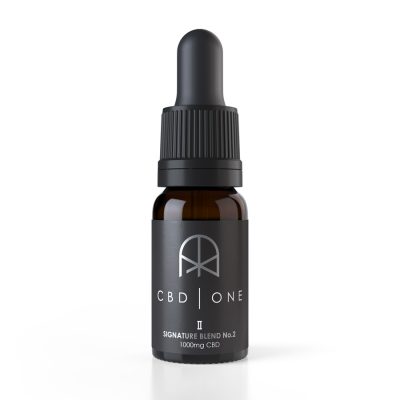
Ignore marketing terms like “extra strong” and look for a clear total amount (for example, 250mg CBD per 10ml). This makes comparing value much easier. In CBD One’s oil range, you will see clearly labelled options like 2.5% (250mg/10ml), 5% (500mg/10ml), and 10% (1000mg/10ml).
2) Spectrum and plant compounds (terpenes, minor cannabinoids)
Many shoppers specifically want full spectrum CBD oil drops because they prefer a more “whole plant” profile. That can mean a richer taste and a more complex experience. It also means you should consider trace THC, particularly if your job involves drug testing or you are extra risk-averse.
3) Lab verification and transparency
Third-party lab testing (often called a Certificate of Analysis) matters because it helps confirm cannabinoid content and provides reassurance around quality. CBD One oils are listed as lab verified in the product details.
4) Formulation basics: carrier oil, flavour, and dropper usability
Carrier oils affect taste and mouthfeel. Hempseed oil is common and tends to have a natural, earthy flavour. A good dropper should dispense consistent drops so you can build a routine without guessing.
5) Practical dosing guidance (and honest limits)
Premium brands usually provide straightforward “start low, go slow” guidance rather than pushing high doses. You should also see clear warnings for pregnancy/breastfeeding and for people taking medication. For a deeper, practical walkthrough, see our how to take CBD oil guide.
Pros and Cons
Strengths
- Flexible dosing: you can adjust CBD oil drops one drop at a time rather than committing to a fixed capsule strength.
- Simple routine: take at home, at work, or while travelling (within local rules), without extra equipment.
- Fast-ish onset versus edibles: sublingual use may feel quicker than swallowing CBD in food, although timing varies by person.
- Range of strengths: easier to match an oil to your experience level, from lighter entry options to higher strengths.
- Full spectrum options available: for people who prefer a broader plant profile rather than isolate-only products.
Considerations
- Taste can be earthy: full spectrum oils often taste “hempy”, which not everyone enjoys.
- Dosing can be confusing: “how many drops” depends on bottle strength, your drop size, and your personal response.
- Trace THC in full spectrum: legal in compliant products, but may matter for cautious users or workplace testing.
- Not for everyone: if you are pregnant, breastfeeding, or taking certain medications, you should speak with a clinician first.
Who CBD oil drops are best for
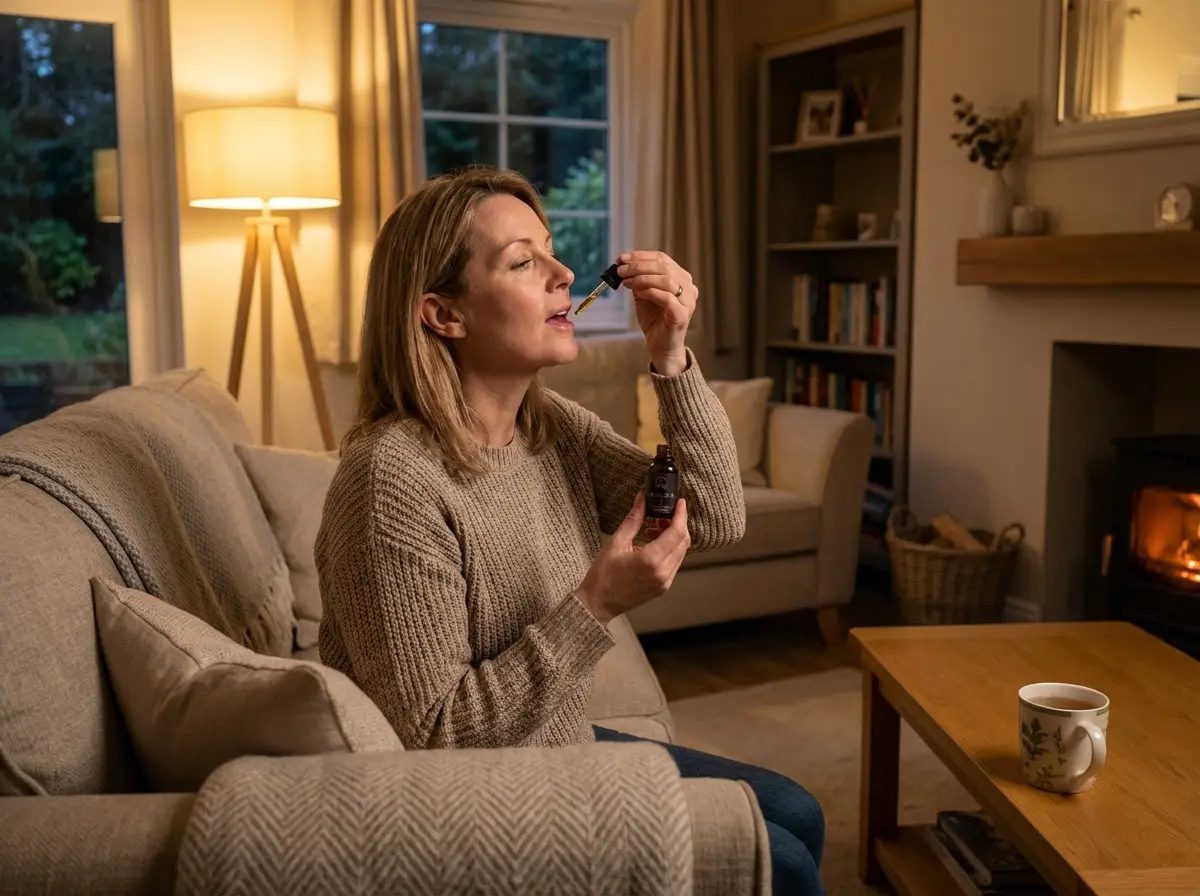
CBD oil drops tend to suit people who want a customisable routine and prefer a straightforward sublingual method. They are also a good fit if you want to choose between strengths (for example, a lighter daytime option and a stronger evening option) without switching formats.
If you dislike the taste of hemp oils, you might prefer a drink-mix option instead, or you may find you simply do not stick to oil drops consistently. Consistency matters more than chasing a huge dose. If you are very sensitive to trace THC, consider whether broad spectrum or isolate is a better match, and speak to a professional if you are unsure.
CBD One CBD oil drops (UK delivery): best value picks
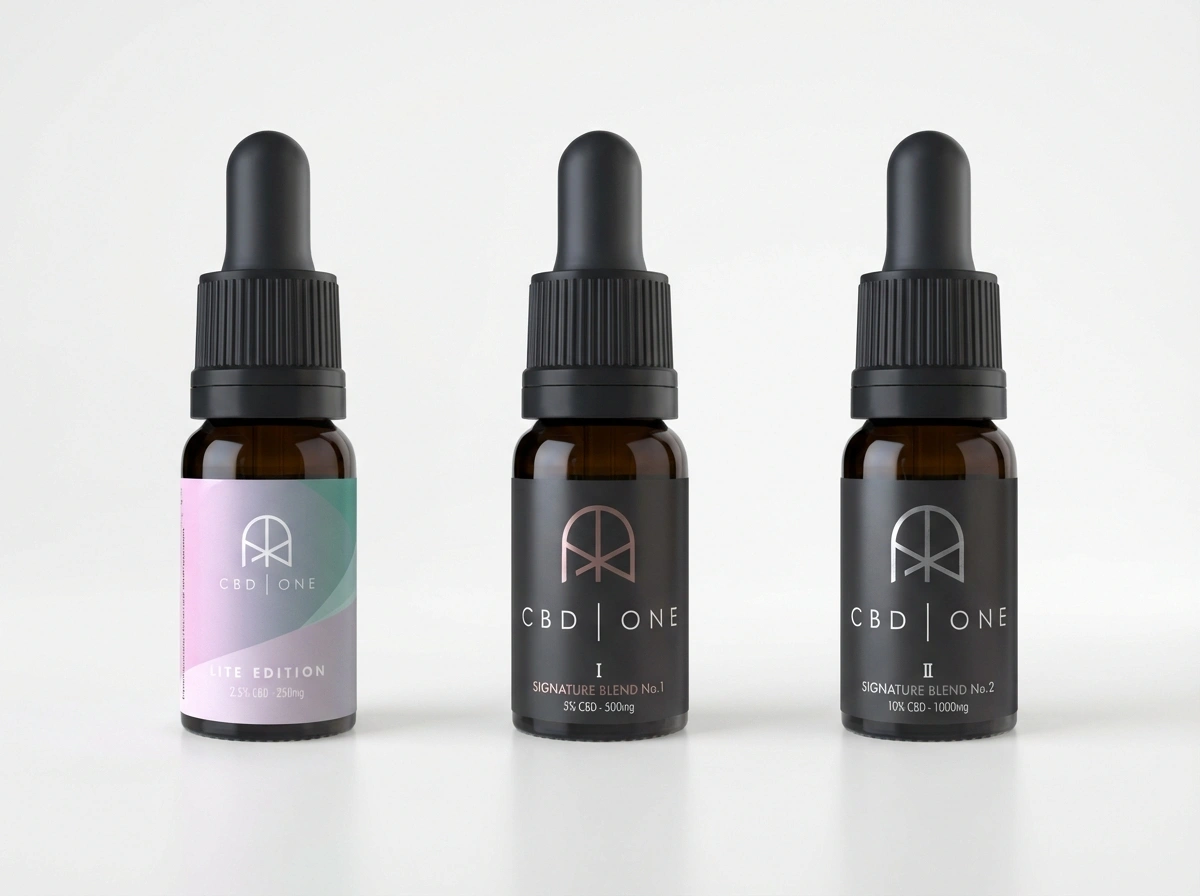
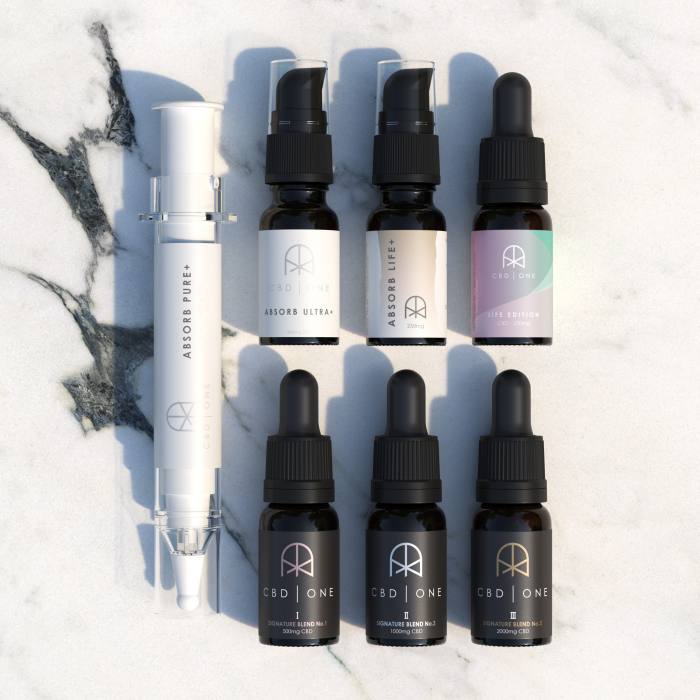
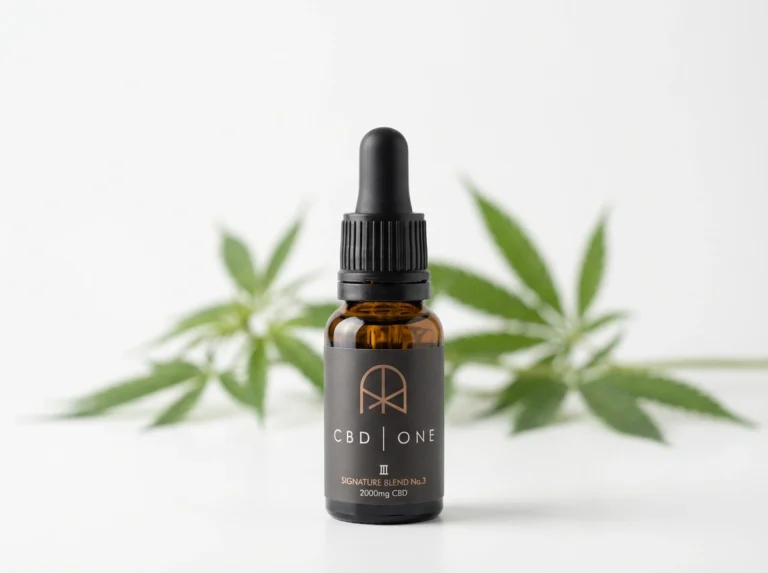
If you want CBD oil drops that keep things simple, CBD One’s full spectrum range is built around clear strengths, hempseed oil carriers, and lab verification. It is a premium range, so it will not always be the cheapest on the market. The upside is the straightforward quality markers and a proper step-up ladder from beginner to more experienced users.
My three easiest starting points, depending on where you are at:
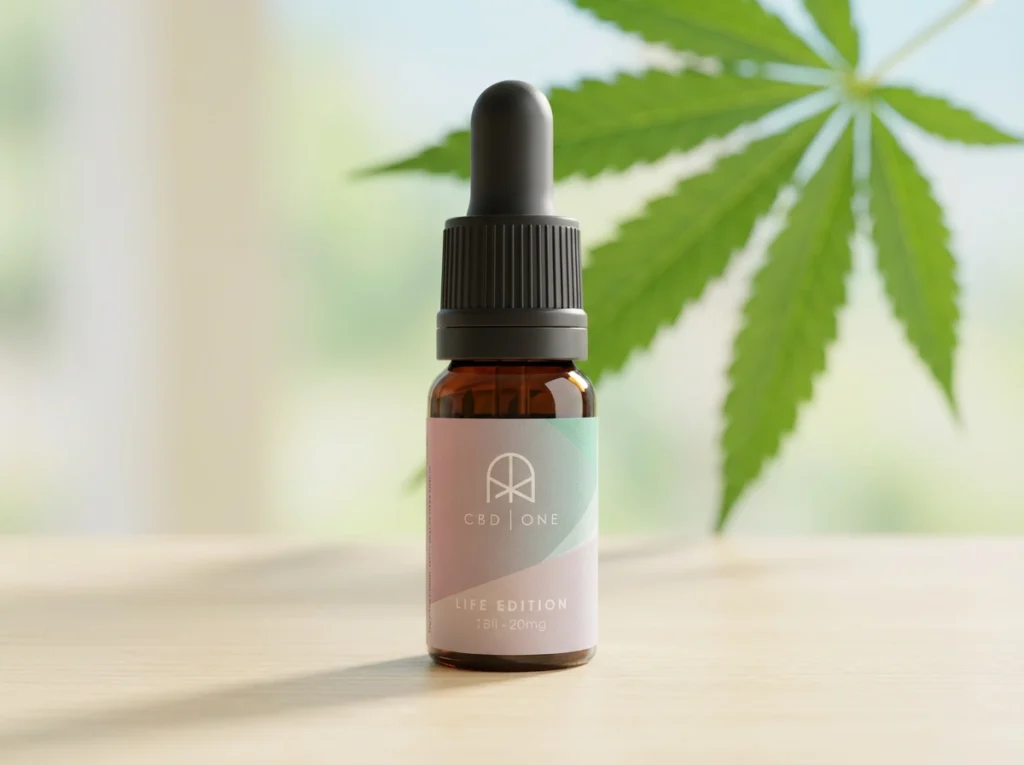
- 2.5% CBD Oil [250mg CBD] | Life Edition (£19.99): a budget-friendly entry option if you are cautious and want to start small.
- 5% CBD Oil [500mg CBD] (£33.99): a popular “first proper bottle” strength if you want a little more headroom without going high.
- 10% CBD Oil [1000mg CBD] (£58.99): a balanced mid-strength option if you already know you respond well to CBD oil drops.
Two honest limitations to be aware of: CBD One’s range is intentionally focused (so you will not find dozens of flavours), and full spectrum oils have a natural hemp taste that some people love and others do not. If you know you will not stick with drops, it is also worth looking at the Water Soluble CBD category for easy add-to-drink options.
How to choose CBD oil drops: a buyer’s checklist
If you are comparing brands like Trip, Cannaray, and other UK CBD oils, use these criteria to keep it fair and practical. It stops you getting pulled into hype and helps you buy the right bottle first time.
1) Strength: pick the lowest strength you can realistically stick with
Most people do better starting lower than they think, then adjusting. Ask yourself: “Will I take this consistently?” If you are unsure, a lower strength like 250mg to 500mg per 10ml can be a sensible place to start. If you already have experience and know you need fewer drops to hit your preferred amount, a higher strength can work out better value.
2) “How many drops do I start with?” (and why it is not one-size-fits-all)
This is the question behind searches like “trip cbd oil how many drops”. The honest answer: it depends on the bottle strength and your sensitivity. A safe approach is “start low, go slow”. Begin with a small number of drops once daily, see how you feel for several days, then adjust gradually. Keep your total daily intake within the FSA guidance of 70mg/day for healthy adults.
If you want a more structured framework, use our CBD dosage guide to help you think in mg (not just drops).
3) Full spectrum vs broad spectrum vs isolate
If you are shopping for “premium CBD oil drops”, you will often see full spectrum products positioned as higher quality because they retain more of the plant’s natural compounds. That can be a good fit, but it is not automatically “better” for everyone. If avoiding THC is a top priority, look for a broad spectrum or isolate product and check the lab report.
4) Lab testing and compliance signals
Look for recent third-party lab testing that matches the product you are buying (not a random report from years ago). It should clearly state cannabinoid levels. Also look for sensible warnings and responsible guidance. CBD should be marketed as a food supplement, not as a medicine.
5) Value: compare cost per mg, not just bottle price
A cheaper bottle can be weaker, meaning you use more drops and replace it sooner. To compare value, divide the price by total CBD (mg) to estimate cost per mg. Then factor in how you actually use it. If you take CBD oil drops at night only, a stronger bottle can last longer. If you micro-dose through the day, a moderate strength may suit your routine better.
How CBD oil drops are measured: drops vs ml vs mg (and why it matters)
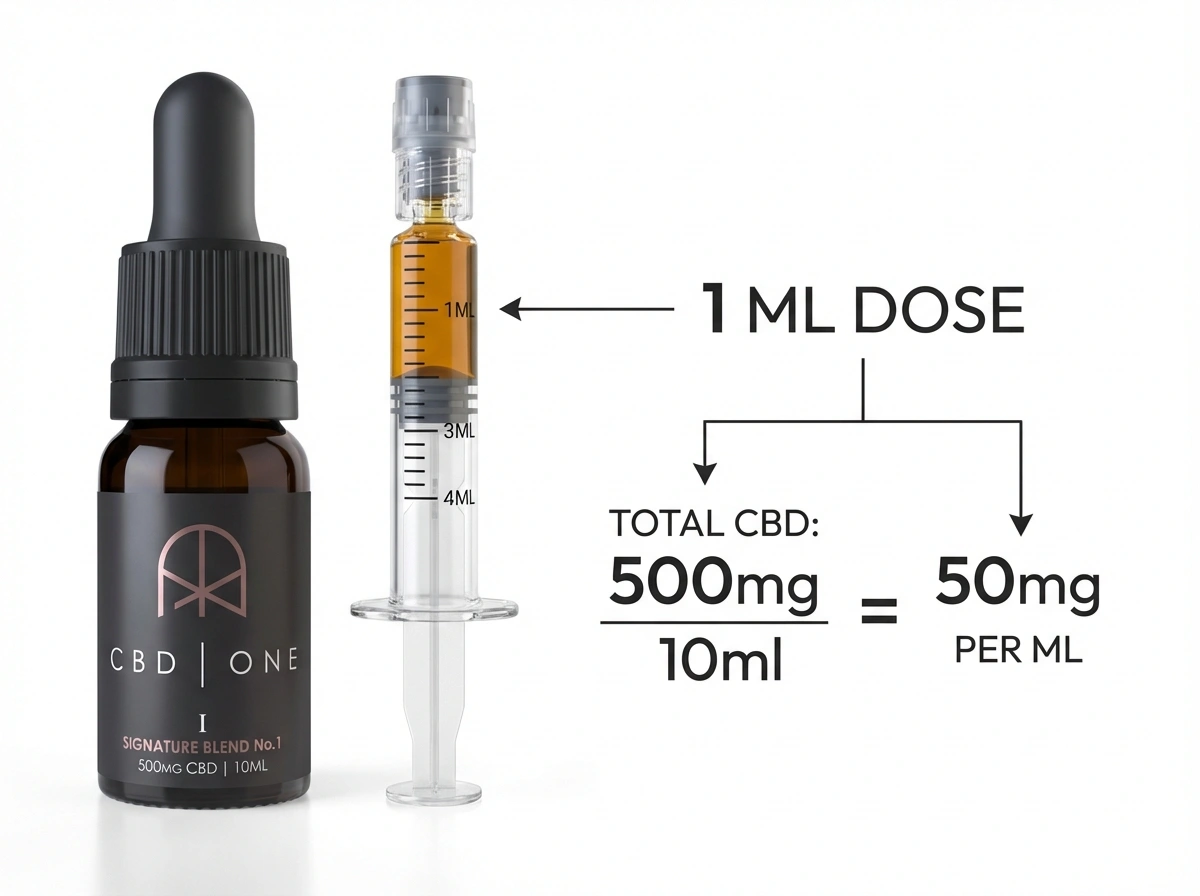
Here is the thing: most dosing confusion comes from treating “a drop” like a standard unit. In reality, CBD oil drops are a rough measuring method, not a precise one. Two droppers can give slightly different drop sizes, and thicker oils can flow differently depending on temperature.
From a practical standpoint, you will get the cleanest comparison by working in milligrams of CBD. The label usually gives you enough to do this in one of two ways:
- CBD per bottle and bottle size (for example, 500mg per 10ml), which tells you the average mg per ml.
- CBD per serving, sometimes stated as mg per dropper or mg per number of drops.
If a brand only talks about “strength” without telling you the total CBD per bottle, that is a red flag for value. You cannot fairly compare oils if you cannot work out how much CBD you are actually buying.
A quick note on percentages
Percentages are useful, but only if you know the bottle size. Think of it this way: 10% CBD oil usually means around 100mg of CBD per ml. If the bottle is 10ml, that is typically around 1000mg total. If the bottle is 30ml, the total will be higher, even though the percentage looks the same.
This is why cost-per-mg is so helpful. It keeps the comparison honest across different bottle sizes and strengths.
How long do CBD oil drops take to work (and how long do they last)?
People often ask this because they want reassurance they are doing it right. Timing with CBD oil drops varies a lot, but there are a few patterns worth knowing.
Onset: what you might notice and when
With sublingual use, many people find they notice something within roughly 30 to 90 minutes, sometimes sooner. If you swallow the oil straight away, it may feel slower because it is handled more like an edible. Your body weight, your routine, and whether you have eaten recently can all change the experience.
How long it lasts
Some users feel the effect is quite “background” and steady, others find it is more noticeable for a few hours. This is one reason people like a consistent routine, rather than taking random large amounts. A steady, repeatable approach makes it easier to work out what suits you.
Why your routine changes the result
Consider this: if you take CBD oil drops differently each time, different number of drops, different time of day, sometimes with food and sometimes without, it is hard to tell what is helping. If you want to assess your response, keep the variables simple for a week. Same time, same amount, same method, then adjust gradually.
Common mistakes that make CBD oil drops feel like they are “not working”
The reality is that a lot of “CBD didn’t work for me” stories are actually “my routine was too inconsistent to judge”. Here are the most common practical issues I see.
1) Not holding the oil under your tongue
If you swallow straight away, you may still get value from the CBD, but it can feel slower and less consistent. Holding the oil under the tongue for a short time gives it more chance to absorb through the tissues there.
2) Changing the dose too quickly
It is tempting to keep tweaking day to day. Many people do better giving each small change several days, then deciding whether to adjust. This also helps you avoid creeping above the UK FSA guidance of 70mg CBD per day for healthy adults.
3) Mixing CBD with lots of other new supplements at once
If you start CBD at the same time as changing your caffeine intake, starting a new sleep supplement, and switching your training routine, it gets messy quickly. If you want a clear read on CBD oil drops, introduce one change at a time.
4) Expecting a dramatic “feeling”
CBD is non-intoxicating, and many people describe its effects as subtle. Some people look back after a couple of weeks and realise they feel more balanced, rather than noticing an obvious moment it “kicked in”. If you are chasing a strong sensation, CBD oil drops may not match that expectation.
5) Buying a bottle with unclear lab testing or vague labelling
What many people overlook is that not all products are labelled clearly, and some lab reports are hard to match to the exact batch you are holding. When you buy, prioritise clarity: total CBD per bottle, spectrum type, and credible third-party testing.
Storage, shelf life, and travelling with CBD oil drops in the UK
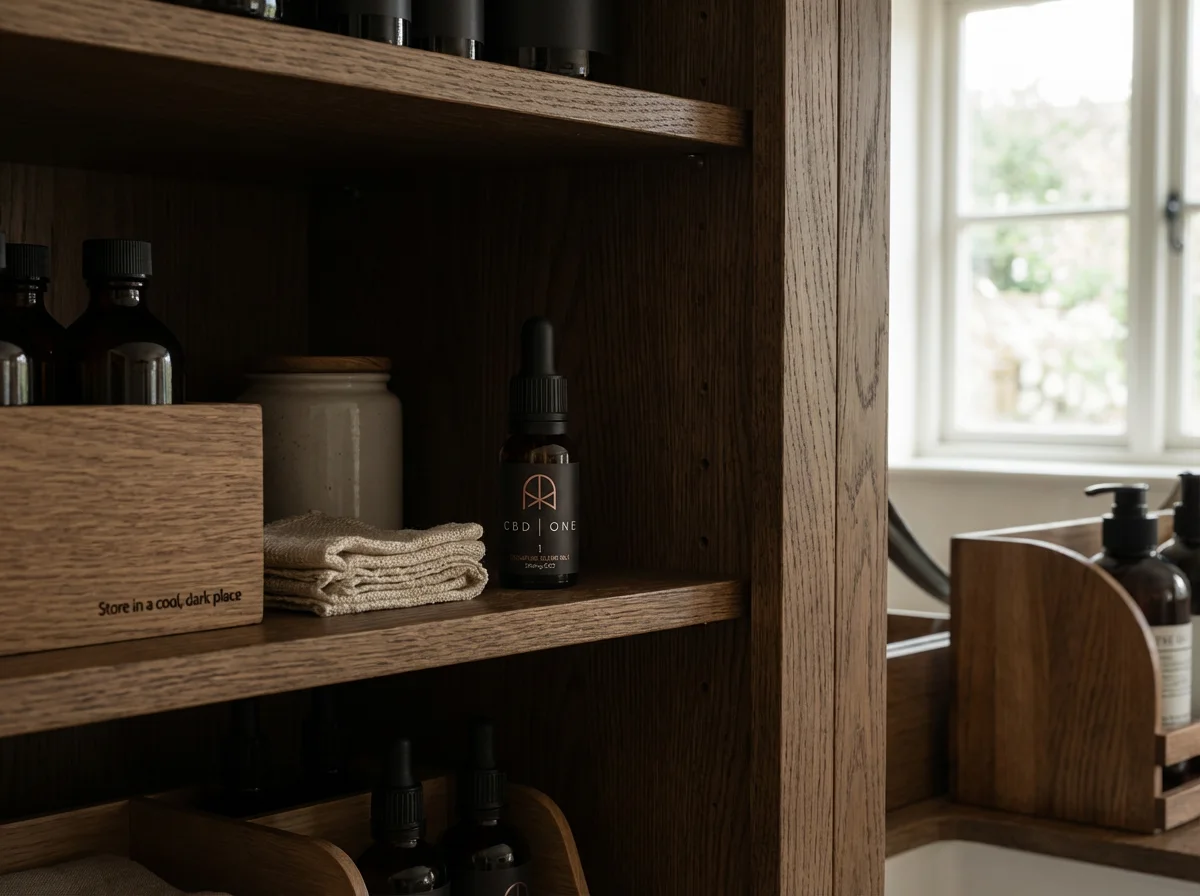
CBD oil drops are generally low-maintenance, but storage does matter for consistency, taste, and freshness.
How to store CBD oil drops
Keep your bottle in a cool, dark place, with the lid tightened properly. Avoid leaving it on a sunny windowsill, near a radiator, or in a hot car. Heat and light can degrade plant compounds over time, and you may notice the taste change.
Shelf life basics
Most oils have a best-before date on the bottle. If your oil smells unusually rancid, looks very different from when you first opened it, or has been stored badly for a long time, it is safer to replace it rather than push on.
Travelling with CBD oil drops
Within the UK, CBD oil drops are widely available, but it is still worth keeping the bottle in its original packaging when travelling, especially if you are taking a full spectrum product that contains trace THC within legal limits. If you are flying or going abroad, check the local rules of the destination country before you travel. CBD laws and enforcement can differ a lot from place to place.
Frequently Asked Questions
How do you take CBD oil drops?
Most people take CBD oil drops sublingually: shake the bottle, place the drops under your tongue, hold for a short time (often around 60 to 120 seconds), then swallow. This method is popular because it is quick and easy to control. Exact instructions vary by product, so follow the label. If you are unsure, use our guide on how to take CBD oil.
How many drops of CBD oil do you start with?
A sensible approach is to start with a small number of drops once per day, then slowly increase only if needed. The “right” starting point depends on the bottle strength and how you respond. Track how you feel for several days before changing your routine. Try to think in milligrams, not just drops, and stay within the UK FSA guidance of 70mg CBD per day for healthy adults.
Trip CBD oil: how many drops should you take?
It depends on the strength of the specific Trip bottle, because “a drop” can deliver very different amounts of CBD across different products. Use the label to work out the mg per serving (or mg per ml), then begin with a low amount and adjust gradually. If you are comparing brands, this is exactly why cost-per-mg and clear lab testing matter more than a headline bottle price.
Are CBD oil drops legal in the UK?
CBD products can be legal in the UK if they meet relevant rules, including THC limits and food supplement requirements. CBD is non-intoxicating, but full spectrum oils may contain trace THC within legal limits. Because regulations and enforcement can be complex, it is wise to buy from reputable UK sellers who provide transparent product information and testing. If you want a deeper legal overview, see: “Is CBD Oil Legal in the UK?” on the CBD One blog.
Will CBD oil drops get you high?
CBD is non-intoxicating, so it should not make you feel “high” in the way THC can. Full spectrum CBD oil drops can contain trace THC within legal limits, but this is not intended to cause intoxication. Individual sensitivity varies, so if you are concerned, consider a THC-free option (typically isolate) and check lab results. Avoid driving if you feel drowsy after taking any supplement.
What are “night time CBD oil drops”?
“Night time” usually refers to when people choose to take their CBD oil drops, not a fundamentally different type of CBD. Some brands add ingredients or flavours aimed at evening routines, but the basics stay the same: CBD content, spectrum type, and quality. If you are using CBD at night, keep your dosing consistent, start low, and avoid combining multiple new supplements at once so you can judge what suits you.
CBD oil drops UK: what strength should I choose?
If you are new, many people start with a lower strength (such as 250mg to 500mg per 10ml) so they can learn how they respond without overdoing it. If you already know you need a higher amount, a stronger oil can be more cost-effective because you use fewer drops. With CBD One, the 2.5% (250mg) and 5% (500mg) options are common entry points, with 10% (1000mg) as a step up.
Cannaray CBD oil drops vs other brands: what should I compare?
Keep it simple: compare spectrum (full, broad, isolate), total CBD per bottle, carrier oil, lab testing, and cost per mg. Then check usability details like dropper quality and flavour. Finally, look for responsible guidance and warnings rather than big promises. A good oil should be transparent about what is in the bottle and should not be marketed as a cure or treatment for medical conditions.
Can I take CBD oil drops with medication?
If you take any prescription medication, it is best to speak with your GP or pharmacist before using CBD. CBD can interact with some medicines, and safety depends on your individual situation. Start low, avoid stacking multiple new supplements at once, and watch for unwanted effects. For a sensible overview, read CBD and Medication on the CBD One blog.
Are premium CBD oil drops worth the extra money?
They can be, if “premium” means clear strength labelling, third-party testing, a consistent full spectrum extract, and honest guidance. Paying more is not automatically better, but cheap oils can be poor value if the CBD content is unclear or the product lacks trustworthy verification. Compare cost per mg and transparency first. If two oils are similar on quality, then price and delivery experience become the tie-breakers.
Do CBD oil drops go off once opened?
Like most oils, CBD oil drops have a best-before date and can change over time after opening, especially if they are stored in heat or bright light. Keep the lid closed tightly, store it somewhere cool and dark, and try to use it within the period suggested on the label. If the smell or taste becomes unpleasant or “off”, it is safer to replace it.
Is it better to take CBD oil drops with food?
Some people prefer taking CBD with food because it can feel gentler and easier to make into a habit. Others prefer taking it on its own and holding it under the tongue first. The key is consistency: pick an approach you can repeat daily so you can judge your response clearly.
Why do CBD oil drops sometimes sting under the tongue?
A mild sensation can happen for a few reasons, including strong natural flavours from full spectrum extracts, the carrier oil, or simply holding an oil in place for longer than you are used to. If it feels uncomfortable, you can reduce the holding time slightly, try fewer drops, or consider whether a different format suits you better. If you have ongoing irritation or any allergy concerns, stop using it and speak with a healthcare professional.
Can CBD oil drops show up on a drug test?
Some workplace tests look for THC metabolites rather than CBD. Full spectrum CBD oil drops can contain trace THC within legal limits, and while many people use them without issues, no responsible brand can guarantee a zero-risk outcome for every type of test. If testing is a serious concern for you, it is worth choosing a THC-free option and speaking with a professional about your situation.
Key Takeaways
- Choose CBD oil drops by strength, spectrum type, lab testing, and cost per mg, not hype.
- Start low, go slow, and aim to stay within the UK FSA guidance of 70mg CBD/day for healthy adults.
- Full spectrum oils may suit people who want a broader plant profile, but they can contain trace THC.
- If you want a clear, step-up range, CBD One offers lab-verified full spectrum oils from 2.5% to 10% (and beyond).
- If you will not stick with drops, consider drink-friendly formats like water soluble CBD instead.
Conclusion
Buying CBD oil drops in the UK is easiest when you focus on the fundamentals: clear CBD content, a spectrum type that matches your preferences, and transparent lab verification. From there, it is about choosing a strength you can take consistently and adjusting gradually as you learn what works for you.
If you want a premium, no-nonsense full spectrum option with a simple step-up ladder, start with CBD One’s oils: the 2.5% CBD Oil [250mg CBD] | Life Edition (£19.99) for a gentle entry, or the 5% CBD Oil [500mg CBD] (£33.99) if you want a bit more room to adjust. Browse the full range in our CBD Oils category and choose the bottle you will actually use every day.