
Cannabidiol Oil: Complete UK Guide (2026 Guide)
In this guide, I will walk you through what cannabidiol oil actually is, how it is made, what “full spectrum” really means, how to read the strength on a bottle, and the sensible safety basics I want every UK adult to know before they start.
What cannabidiol oil is (and what it is not)
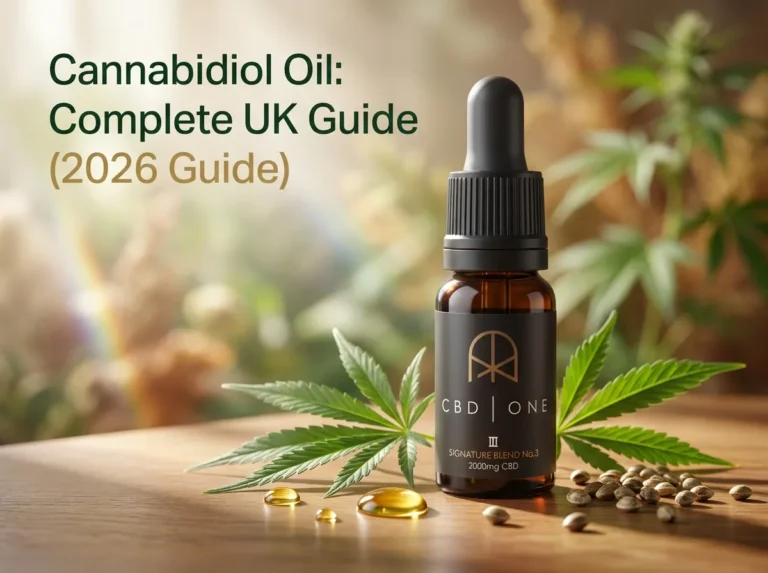
Cannabidiol (CBD) is a non-intoxicating compound found in the hemp plant. When you see “cannabidiol oil”, it usually means CBD extract blended into a carrier oil (often hempseed oil) so you can measure it in drops.
What many people overlook is that “hemp oil” and “CBD oil” are not automatically the same thing. Hempseed oil can be a nutritious cooking or skincare oil, but it does not naturally contain meaningful amounts of CBD unless CBD extract has been added. If you want a clear explanation, read Hemp Oil vs CBD Oil.
Cannabidiol oil is not a medicine in the UK, and it should not be marketed as one. From a practical standpoint, the best way to think about it is as a wellness supplement that some people choose to support calm, balance, and recovery as part of a wider routine that includes sleep, movement, stress management, and nutrition.
Will cannabidiol oil make you feel “high”?

CBD itself does not intoxicate you. Some CBD oils are “full spectrum”, meaning they contain a wide range of hemp compounds and may include trace THC within legal limits. That does not mean you will feel high, but it is one reason I always suggest choosing reputable brands with transparent lab testing.
How cannabidiol oil is made
Cannabidiol oil starts with hemp. The useful compounds are pulled from the plant using an extraction method, then blended into a carrier oil so you can take it consistently.
Consider this: extraction is a bit like making coffee. You are taking desirable compounds from a plant and moving them into a form you can use. The “how” matters, because it affects purity, flavour, and how broad the cannabinoid and terpene profile is.
Extraction, blending, and testing (the simple version)
In most quality CBD oils, you will see three stages: extract the hemp compounds, blend into a carrier oil (often hempseed oil), and then verify what is in the final bottle using independent lab tests.
Those lab results are where trust is built. You are looking for confirmation of CBD content, cannabinoid profile, and that the product is within legal limits for THC, plus basic safety checks (for example, contaminants). If a brand will not show you a current certificate of analysis, I would treat that as a red flag.
Types of cannabidiol oil: full spectrum, broad spectrum, isolate
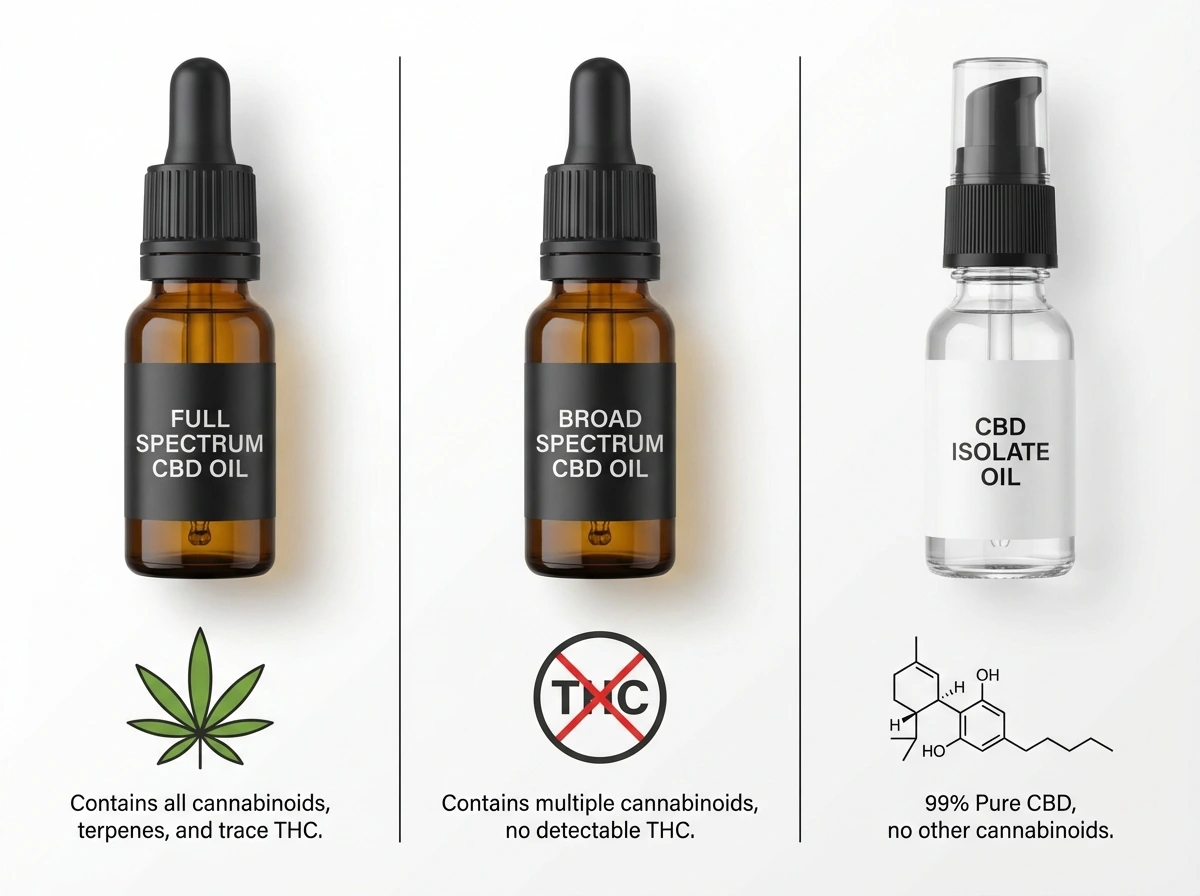
The biggest difference between oils is not the bottle size or the branding. It is the spectrum.
Full spectrum cannabidiol oil
Full spectrum means the extract contains CBD plus other naturally occurring hemp compounds like minor cannabinoids and terpenes, with trace THC within legal limits. Many people choose full spectrum because of the Entourage Effect, which is the idea that plant compounds may work better together than in isolation.
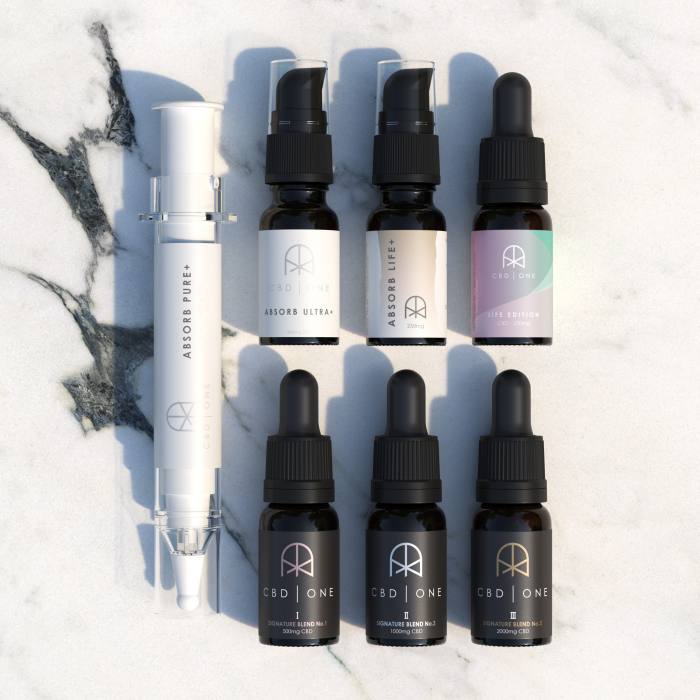
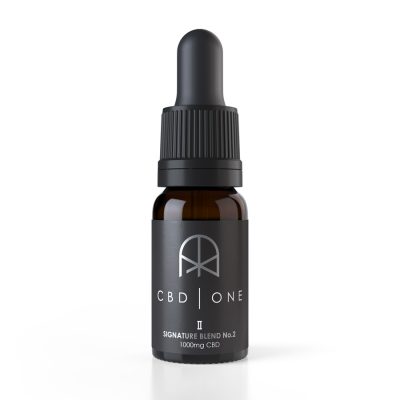
At CBD One, our core CBD oils are full spectrum, because we favour a “whole plant” approach where it makes sense for everyday wellness routines. If you want to browse by format, the CBD Oils category is the simplest place to start.
Broad spectrum cannabidiol CBD oil
Broad spectrum products aim to keep a wider range of hemp compounds while removing THC. You will often see this discussed in the “broad spectrum cannabidiol CBD oil market” because it appeals to people who want a wider plant profile but prefer to avoid THC entirely.
The reality is that broad spectrum can be a good fit for some people, but quality varies. “THC-free” should still be backed up by lab reports, and you still want a meaningful cannabinoid and terpene profile, not just marketing language.
CBD isolate
Isolate is basically CBD on its own, with everything else removed. Some people prefer it for simplicity. Others find it feels less “rounded” than full spectrum. Neither is automatically right or wrong, but you should know which one you are buying.
Strength, percentages, and how to read a UK label
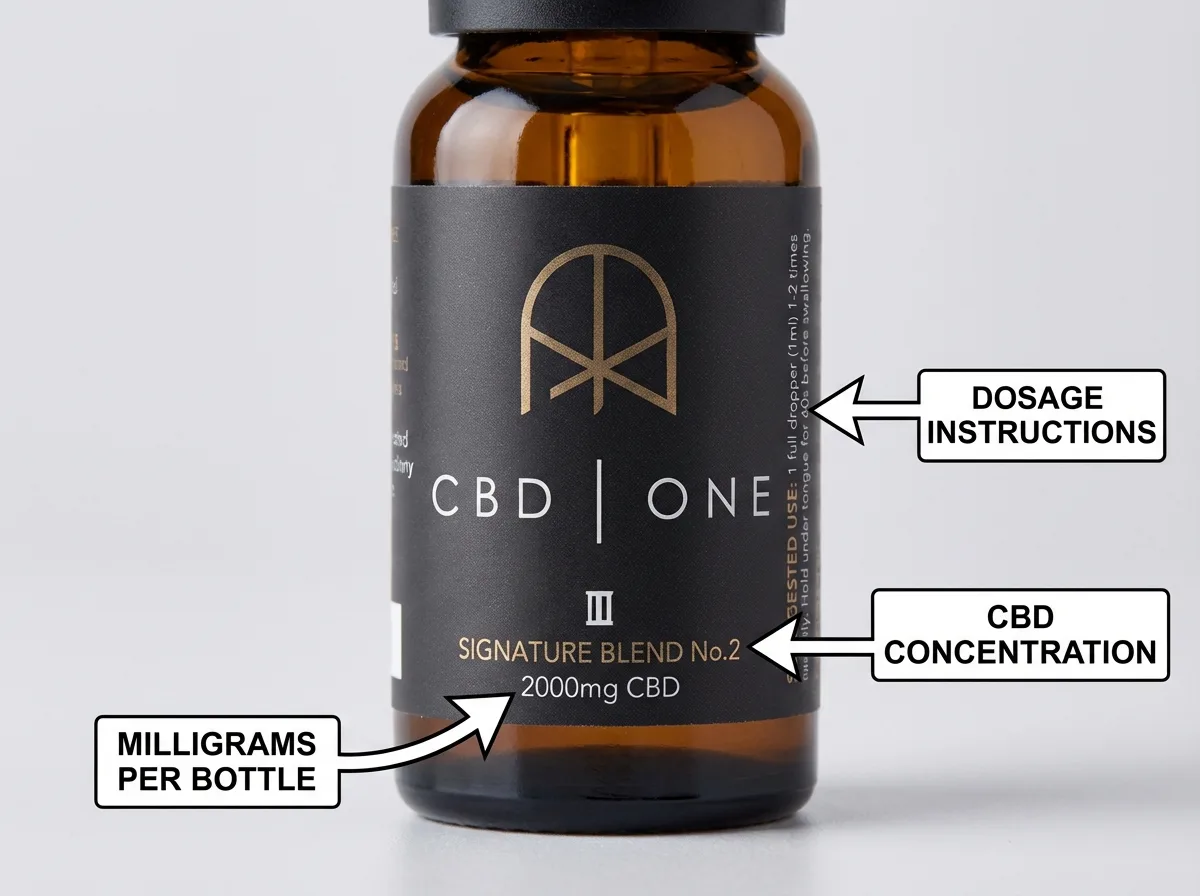
If you have ever stared at a bottle that says “10%” and another that says “1000mg”, you are not alone. In practice, they are two ways of expressing the same idea: how much CBD is in the bottle.
mg vs %: what you should focus on
The most useful number is the total CBD in milligrams (mg) across the whole bottle, plus how much you get per dose. Percentages can help you compare strengths quickly, but mg per bottle and mg per drop is what guides your routine.
If you want help decoding this properly, I would strongly recommend reading the CBD oil strength guide. It will save you from guessing, and it helps you match strength to your experience level.
Typical strengths you will see
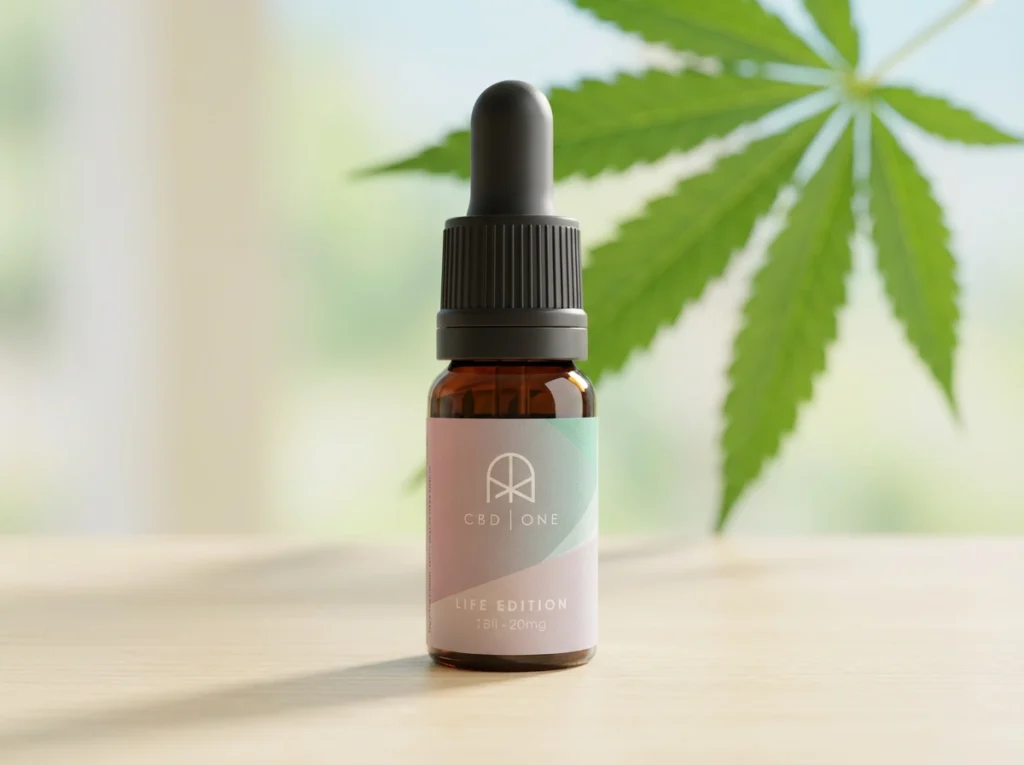
- 2.5% CBD Oil [250mg CBD] | Life Edition (full spectrum) is a gentler entry point for many adults.
- 10% CBD Oil [1000mg CBD] (full spectrum) is often chosen as a balanced, everyday strength.
- 20% CBD Oil [2000mg CBD] (full spectrum) is a higher strength option that some experienced users prefer.
Those examples are simply to show how labels are commonly presented. The “best” strength is the one you can take consistently, at a sensible amount, and monitor over time.
How much cannabidiol oil should you take?
This is where people want a simple answer, but your ideal amount depends on body size, sensitivity, your reason for using it, and how you respond. UK guidance from the FSA recommends healthy adults do not exceed 70mg CBD per day.
Think of it this way: your goal is not to take the most CBD. Your goal is to find the smallest amount that feels supportive for your day. For practical step-by-step help, use the CBD dosage guide.
How to use cannabidiol oil in a routine
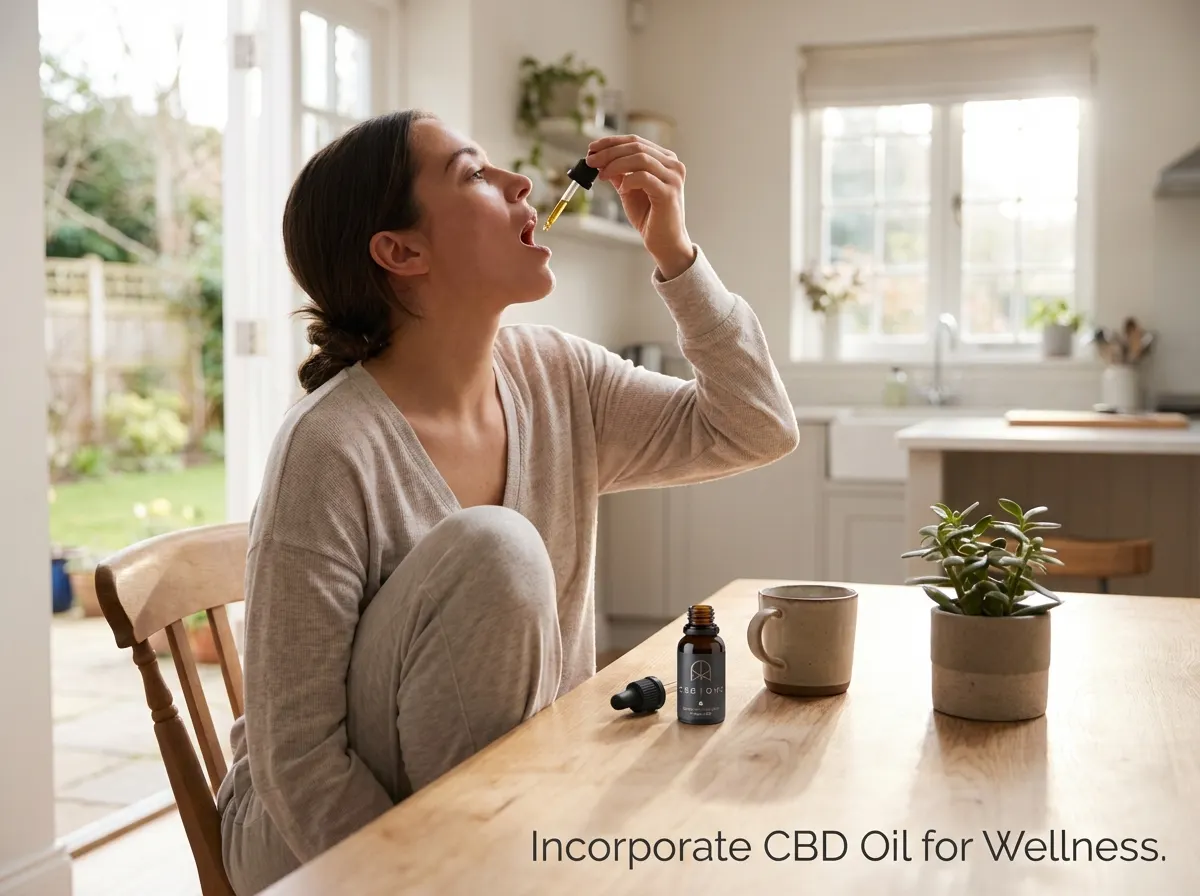
Now, when it comes to actually taking cannabidiol CBD oil, consistency matters more than perfection. People often try CBD for two days, feel unsure, then abandon it. A steadier approach gives you clearer feedback.
Sublingual use (under the tongue)
The most common method is sublingual: you place drops under your tongue, hold them there briefly, then swallow. This can help CBD absorb through the tissues in your mouth. It is also simple, portable, and easy to adjust.
If you want the exact “how”, see how to take CBD oil. I wrote it for people who want a straightforward routine without overthinking it.
What if you hate the taste?
Some oils taste earthy or “hempy”, which is normal for full spectrum products because of the natural terpenes. If taste is your sticking point, water-soluble CBD can be an alternative because you can mix it into a drink.
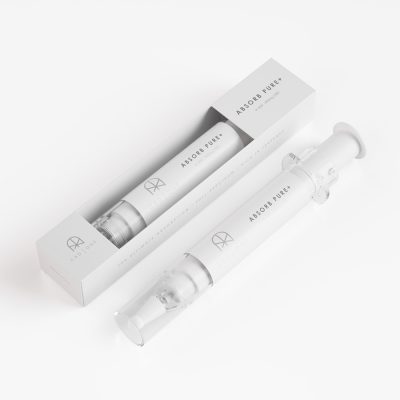
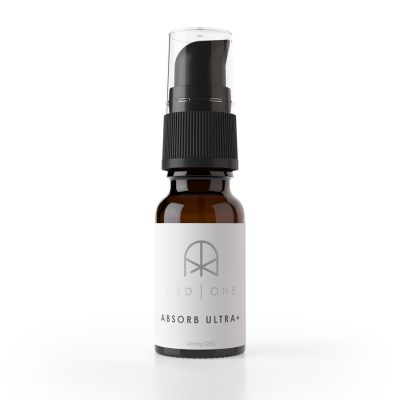
One example is the CBD One Absorb range, which is a full spectrum, water-soluble format designed to be added to hot or cold drinks. You can explore formats on our Water Soluble CBD page, even if it is just to compare how delivery methods differ.
Quality checks when buying cannabidiol oil in the UK
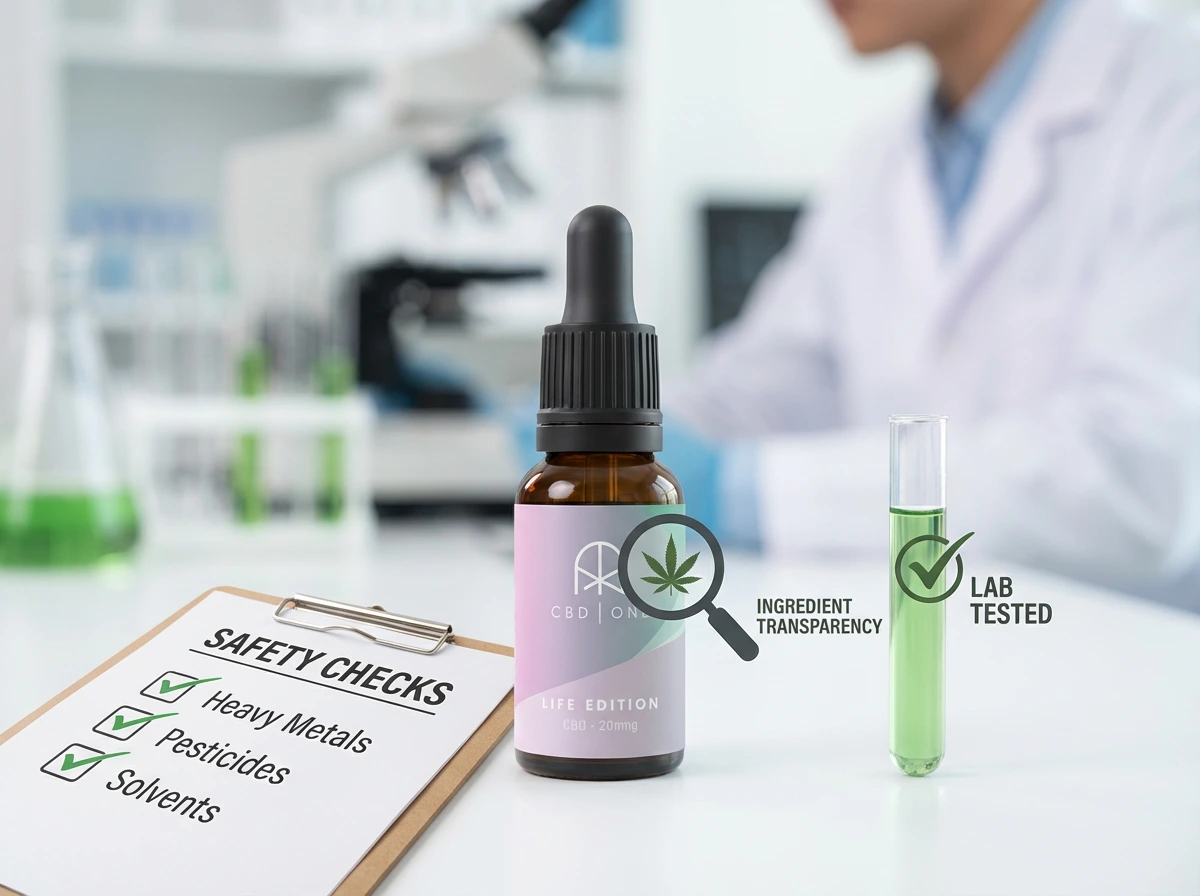
If you are searching for a “cannabidiol oil shop” or browsing “cannabidiol oil UK” results, you will see a huge range in quality. Price does not always equal quality, and claims on a label are only meaningful if they are backed up.
My simple checklist before you buy
- Clear cannabinoid spectrum: full spectrum, broad spectrum, or isolate should be stated.
- Independent lab reports: current, accessible, and matched to the batch.
- Realistic claims: wellness language, not medical promises.
- Transparent strength: mg per bottle and sensible serving info.
- Ingredient list: you should know the carrier oil and any flavourings.
What many people overlook is that confidence comes from clarity. When you know exactly what is in your bottle, you can make calmer decisions and track what works for you.
UK legality in one paragraph
CBD products are widely sold in the UK, but they must meet specific rules. They must not be sold as medicines, and they should comply with Novel Food requirements. THC must remain within legal limits. If you want a quick legal reassurance check before buying, searching for clear lab testing and responsible wording is a good start.
Safety basics, side effects, and medication interactions
Most healthy adults tolerate CBD well, but “natural” does not mean “risk free”. This is especially true if you take prescription medication.
Possible side effects (usually mild)
Some users report tiredness, dry mouth, or digestive upset, especially when they take too much too quickly. From a practical standpoint, this is another reason to start low, go slow, and keep your routine consistent for a couple of weeks before changing anything.
Speak to a GP if you take medication
CBD can interact with some medicines. If you take prescriptions, have liver concerns, or are under medical supervision, speak to your GP or pharmacist before using CBD. If you want a deeper explanation written in plain English, read CBD and Medication.
Pregnancy and breastfeeding
CBD is not recommended during pregnancy or breastfeeding. If that is your situation, please take the cautious route and speak to a healthcare professional first.
Frequently Asked Questions
Is cannabidiol oil the same as CBD oil?
Most of the time, yes. Cannabidiol is simply the long name for CBD, so “cannabidiol oil” and “CBD oil” usually refer to the same type of product: a hemp extract blended into a carrier oil for easy dosing. Where people get caught out is when a product says “hemp oil” but does not clearly state the CBD content in mg. If you want to avoid confusion, always look for the total CBD in milligrams and a lab report that matches the batch.
What does full spectrum cannabidiol oil mean in the UK?
Full spectrum generally means the oil contains CBD plus a wider range of naturally occurring hemp compounds, such as minor cannabinoids and terpenes. It may also include trace THC within legal limits. Many people choose full spectrum because they like the idea of the Entourage Effect, where plant compounds may work better together. The key is transparency: full spectrum should be confirmed by third-party lab results, not just a claim on the label.
How do I choose the right strength of cannabidiol CBD oil?
Choose a strength that lets you start small and adjust gradually. If you are new, a lower strength can make it easier to find your personal “sweet spot” without overdoing it. If you are experienced, you may prefer fewer drops of a stronger oil for the same total mg. The most helpful habit is to track your daily amount and how you feel for at least a week. For deeper guidance, see the CBD oil strength guide.
How much cannabidiol oil should I take per day?
There is no universal dose, because CBD affects everyone differently. A sensible approach is to start low and increase slowly, watching how you respond. In the UK, the Food Standards Agency advises healthy adults not to exceed 70mg CBD per day. If you want a practical way to calculate your starting point and adjust over time, use this CBD dosage guide. If you take medication, speak to a GP first.
How do you take cannabidiol oil for best absorption?
Most people take CBD oil under the tongue (sublingually). You place the drops under your tongue, hold them there briefly, then swallow. This may improve absorption compared to swallowing immediately, because some CBD can be absorbed through the tissues in the mouth. It also gives you a consistent routine that is easy to repeat daily. If you are unsure about technique, timings, or whether to take it with food, read how to take CBD oil.
Is cannabidiol oil legal in the UK?
CBD products are widely sold in the UK, but they must meet specific rules. They cannot be sold as medicines unless they are licensed, and reputable brands avoid medical claims. Products should also comply with Novel Food requirements, and any THC present must remain within legal limits. Because rules and enforcement can be confusing, your safest move is to buy from brands that publish third-party lab reports and clearly state CBD content, ingredients, and spectrum.
What should I look for when shopping for cannabidiol oil in the UK?
Look for clarity and proof. You want a product that states the spectrum (full spectrum, broad spectrum, or isolate), lists CBD content in mg, and provides recent lab reports linked to the batch. Avoid anything that promises to “treat” or “cure” medical conditions. From a practical standpoint, also check the carrier oil, serving guidance, and whether the brand offers real customer support. If you want an example of what quality oils look like by format, browse the CBD Oils category.
Can cannabidiol oil interact with medicines?
Yes, CBD can interact with some medications, which is why I always advise caution here. If you take prescription medicines (especially those with grapefruit warnings), or you have an existing health condition, speak to your GP or pharmacist before starting CBD. It is not about fear, it is about being sensible and informed. If you want a clear explanation of why interactions are possible and how to approach CBD safely, read CBD and Medication.
Is broad spectrum cannabidiol oil better than full spectrum?
It depends on what you value. Broad spectrum is often chosen by people who want a wider hemp profile but prefer to avoid THC entirely. Full spectrum includes trace THC within legal limits and a broader plant profile, which some users prefer because of the Entourage Effect concept. The deciding factor is quality: either type should come with third-party lab reports and clear labelling. If a product hides behind vague wording, spectrum will not matter because you cannot verify what you are taking.
What is the “best CBD oil” in the UK?
“Best” is personal, and any site claiming one product is best for everyone is oversimplifying. The better question is: what is the best match for you? Consider spectrum, strength, taste, lab testing, and how you will actually use it day to day. If you want a rounded view of what to look for without getting lost in hype, this guide to premium CBD oil is a solid starting point.
Key Takeaways
- Cannabidiol oil is usually just another way of saying CBD oil, but always confirm CBD content in mg and check lab reports.
- Full spectrum, broad spectrum, and isolate are genuinely different. Choose based on your preferences and transparency, not hype.
- Strength is best understood in mg per bottle and mg per dose. Start low, go slow, and stay under the FSA’s 70mg per day guidance for healthy adults.
- Quality comes from clear lab testing, honest labels, and realistic wellness language, not medical promises.
- If you take medication, are pregnant, or breastfeeding, speak to a healthcare professional before using CBD.
Conclusion
Cannabidiol oil does not need to be complicated. Once you understand that cannabidiol is simply CBD, the rest comes down to a few practical decisions: what spectrum you want, what strength fits your routine, and whether the product is backed by transparent testing.
The reality is that CBD is a personal wellness tool. Some people feel it supports calm evenings, smoother routines, or better post-training recovery. Others feel very little. That is normal, and it is why I encourage you to approach it like any other wellbeing habit: be consistent, keep notes, and give it time to understand your response.
If you want to go deeper next, start with the CBD dosage guide and the how to take CBD oil walkthrough. And if you are ever unsure, ask your GP, especially if you take medication.
If you want a hand choosing a format that fits your day, explore options and speak to Nick for free advice.