
Strong CBD Oil: UK Delivery & Best Prices (2026)
What “strong CBD oil” really means in the UK
When people say “strong CBD oil”, they usually mean a higher concentration, often 10% to 20% and above. In practical terms, that typically gives you more CBD per drop, so you can take fewer drops to reach your preferred daily amount.
Two labels matter most:
- Percentage (%): the concentration of CBD in the oil (for example 10% or 20%). Higher percentage usually means more mg of CBD per ml.
- Total CBD (mg): the amount of CBD in the whole bottle (for example 1000mg per 10ml, or 2000mg per 10ml).
“Strongest CBD oil” is not automatically “best”. Higher strength can be more cost-effective per mg, but it also makes it easier to overshoot your ideal dose if you do not measure carefully. And if you are new to CBD, jumping straight to the highest strength is often unnecessary.
It is also worth separating oils from other formats you might see in searches, such as “strongest CBD vape oil UK”. CBD One focuses on non-inhalation formats, so if you were considering vaping, treat that as a different buying decision with different safety considerations.
Key features to look for (and red flags to avoid)
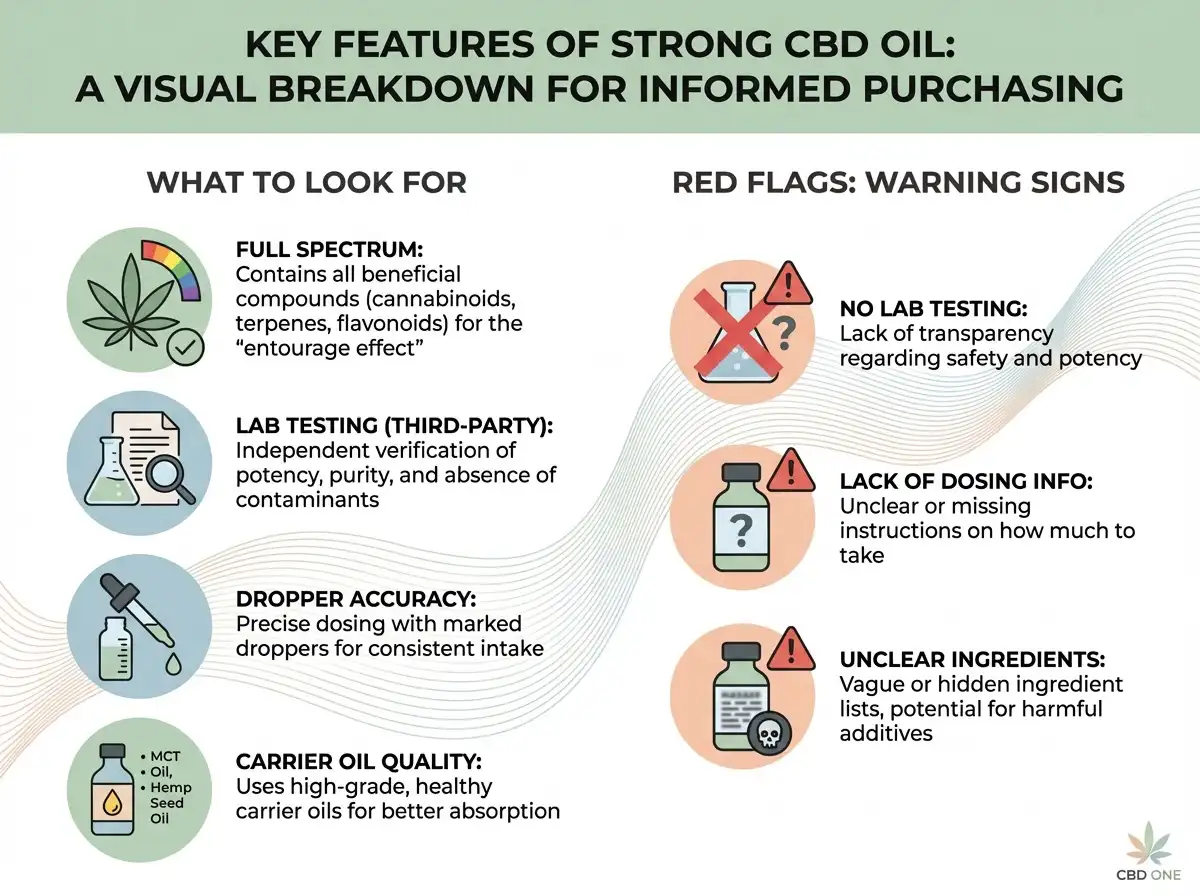
Here is what I would check before buying any strong CBD oil online in the UK. These points help you compare CBD One to alternatives you may have seen in shops (including high street retailers) without getting lost in marketing.
1) Full spectrum vs broad spectrum vs isolate
Strong oils are often available as full spectrum, broad spectrum, or isolate. Full spectrum includes CBD plus minor cannabinoids and terpenes, with trace THC within legal limits. Some people prefer full spectrum for the “entourage effect” concept, which you can read more about here: The Entourage Effect.
If you need to avoid THC entirely (for example, you are regularly tested at work), broad spectrum or isolate may be more appropriate. Just remember that removing compounds can change how a product feels for some users.
2) Lab verification and batch consistency
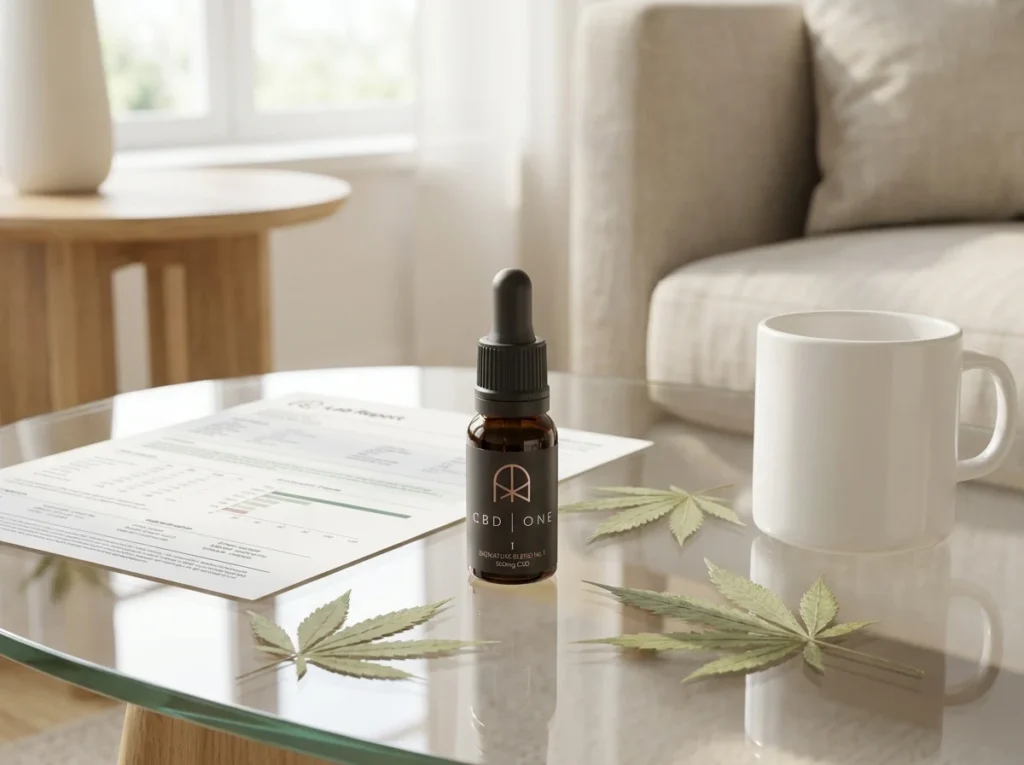
With stronger oils, testing matters even more because dosing errors have bigger consequences. Look for products that are lab verified and consistent from batch to batch. (CBD One’s oils and water-soluble products in our range are listed as lab verified.)
3) Dropper accuracy and “mg per drop” clarity
Strong CBD oil is convenient, but only if you can dose it consistently. A higher concentration means each drop contains more CBD, so small differences in drop size can matter. If a brand does not explain how to measure, that is a red flag.
4) Carrier oil and taste
Most CBD oils use a carrier oil (often hempseed oil). Strong oils can taste more “hempy” and earthy. If taste puts you off, you might prefer a different delivery format. If you want to understand flavour before you buy, see: What does CBD oil taste like?
5) Value per mg (not just bottle price)
A 20% oil will usually cost more upfront, but it may work out cheaper per mg than a lower strength bottle. The catch is that value only helps if you actually need that potency and will use it before expiry.
Pros and Cons
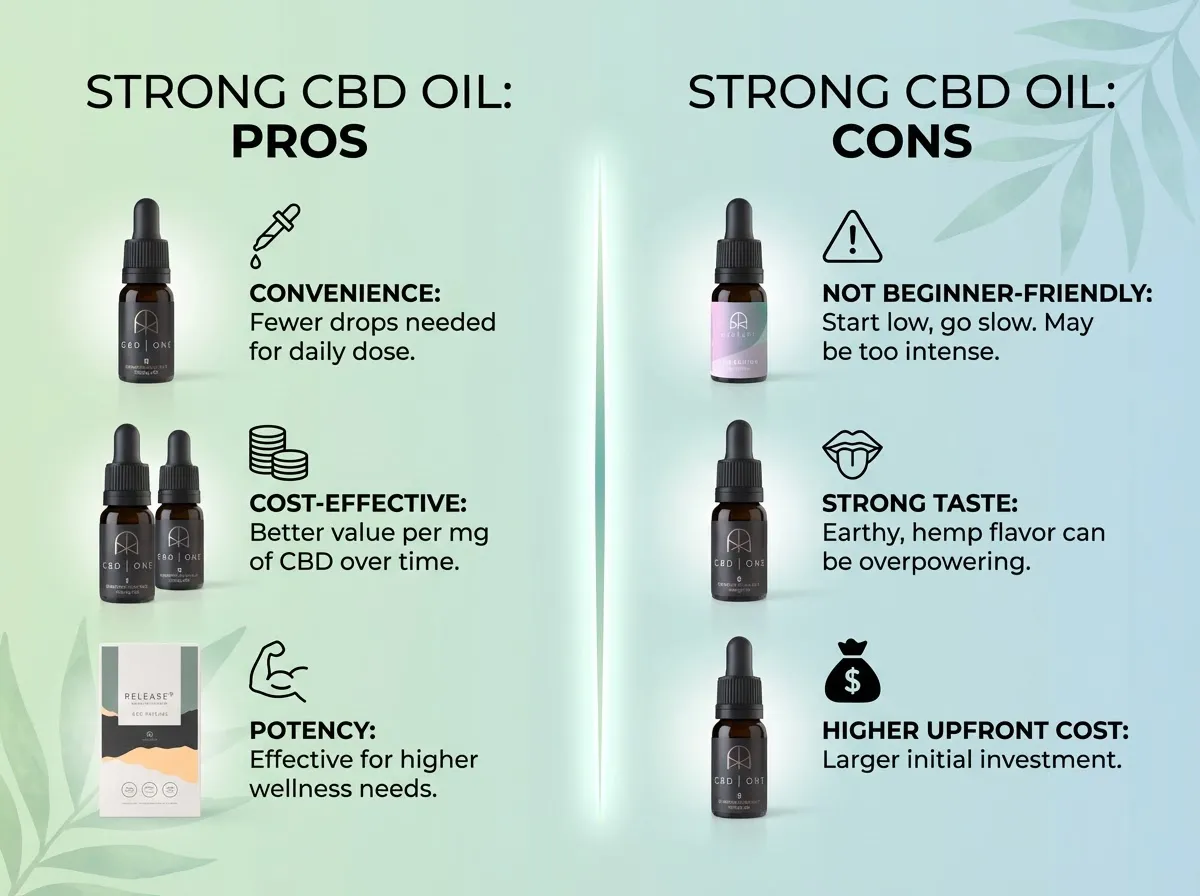
Strengths
- More CBD per drop, so you can reach your preferred daily amount with fewer drops.
- Often better value per mg than low-strength oils (depending on brand pricing).
- Convenient for experienced users who already know their routine and want consistency.
- Strong oils can be easier to travel with because you need smaller volumes to get the same total CBD.
- Full spectrum strong oils may appeal to those who prefer a broader hemp profile (CBD plus minor cannabinoids and terpenes).
Considerations
- Not always beginner-friendly: higher potency makes it easier to take more than you intended if you do not measure carefully.
- Stronger oils often taste more intense (earthy, “hempy”), which some people dislike.
- Full spectrum products contain trace THC within legal limits, which may be unsuitable for people who require THC-free options.
- Upfront cost is higher, even if the cost per mg works out well.
Who strong CBD oil is for
Strong CBD oil tends to suit people who have already tried CBD and want a more concentrated product for day-to-day convenience. It can also suit those who prefer taking fewer drops, or who are trying to make a bottle last longer by using smaller volumes.
If you are totally new to CBD, sensitive to supplements, or unsure how CBD fits into your routine, starting lower and building gradually is usually the more sensible approach. Either way, keep the UK FSA guidance in mind: for healthy adults, do not exceed 70mg CBD per day, and speak to a clinician if you take medications or have ongoing health concerns.
CBD One picks: strong options with UK delivery
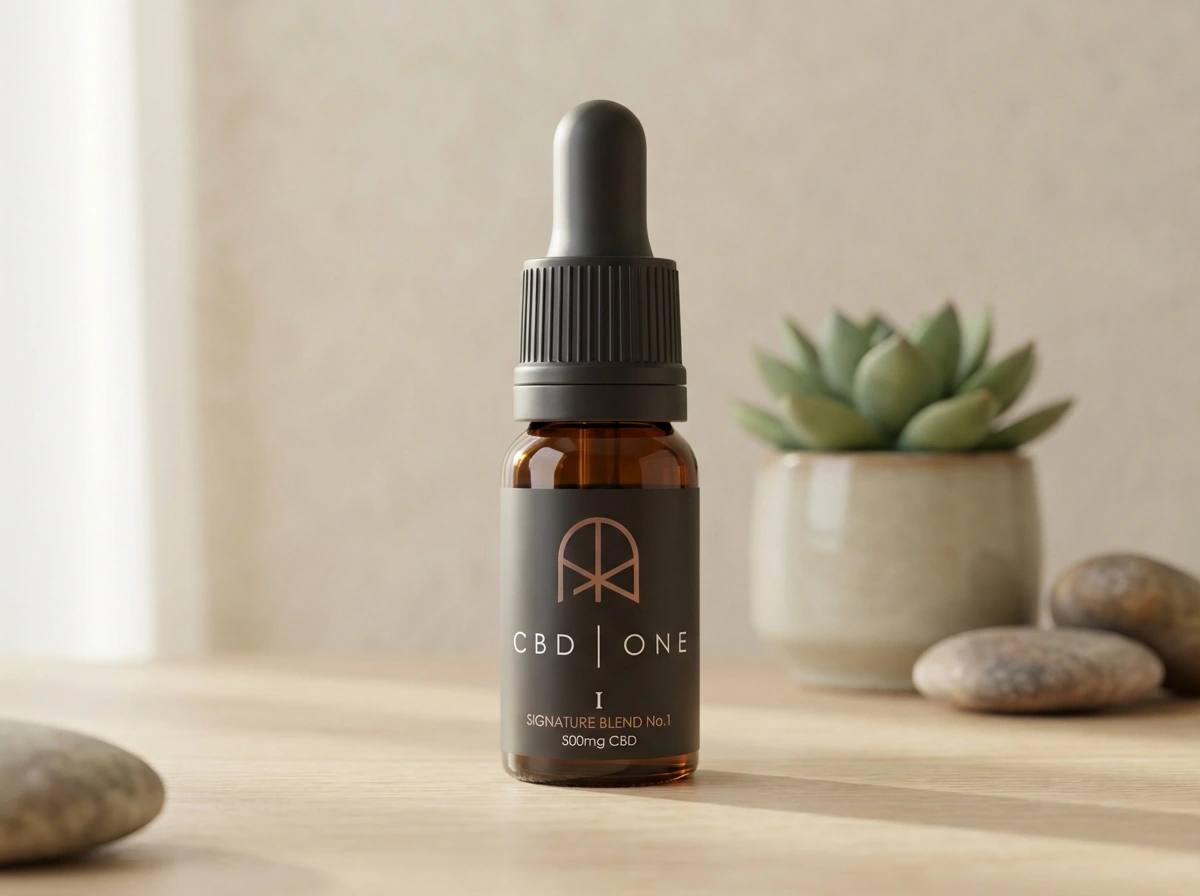
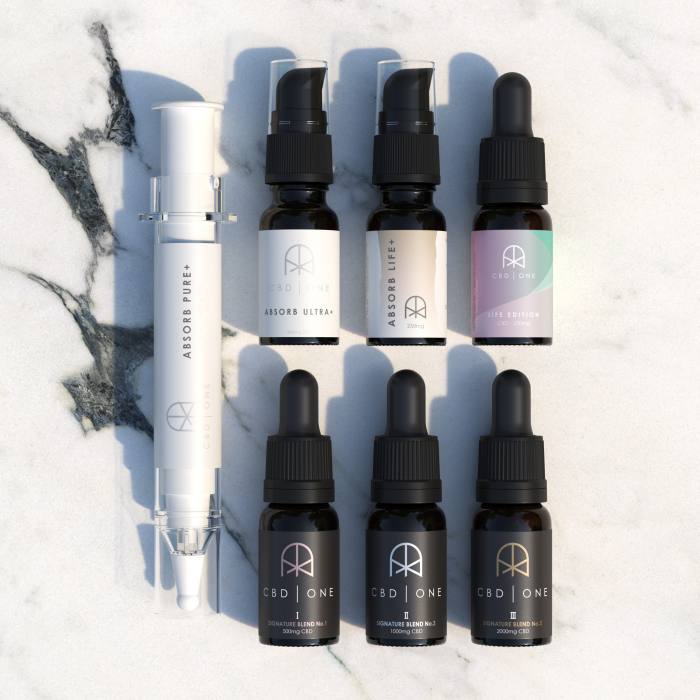
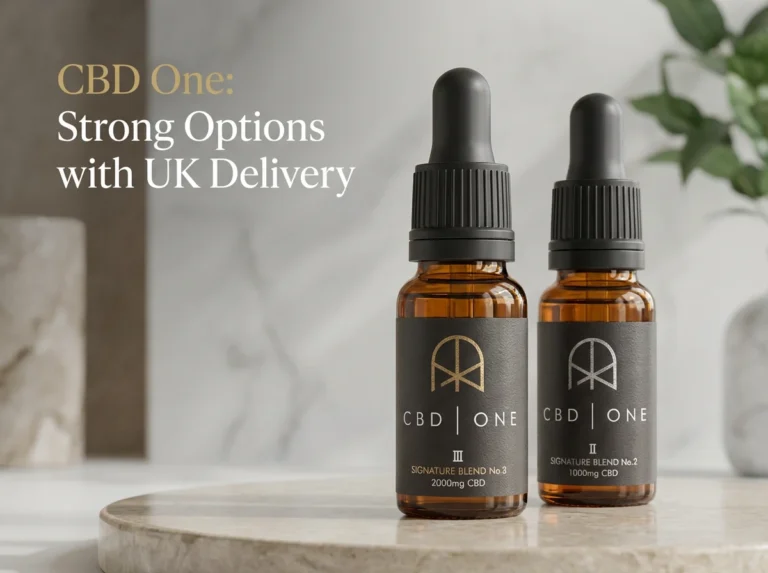
If you want a strong option from CBD One, I would focus on two routes: a high-strength full spectrum oil, or a water-soluble product if you prefer mixing into drinks. CBD One is a family-founded UK wellness brand with a smaller, curated range (so you will not find gummies or vape products here), and the pricing sits in the premium bracket. The upside is a clear focus on full spectrum formulas and lab-verified products.
- 20% CBD Oil [2000mg CBD] (£109.99): a high-strength full spectrum oil for experienced users who want fewer drops and a rich hemp profile.
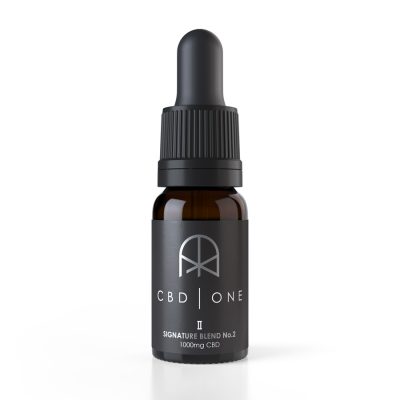
- 10% CBD Oil [1000mg CBD] (£58.99): a strong “middle ground” that suits many people stepping up from entry level strengths.
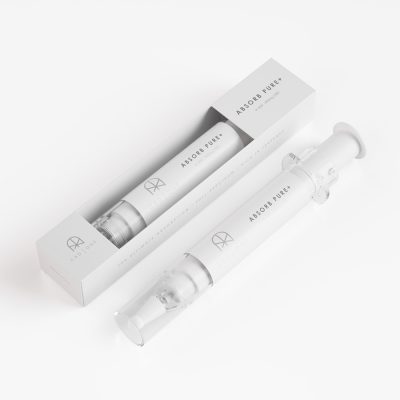
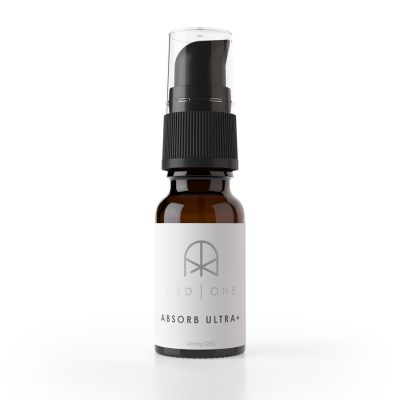
- Absorb Pure+ (£58.99): a full spectrum, water-soluble option designed for convenience in hot or cold drinks, with measured dosing via pump.
If you are comparing oils generally, the easiest starting point is the CBD Oils category page. If you are curious about drink-friendly formats, see Water Soluble CBD.
Buying guide: how to choose the right “strong” CBD oil
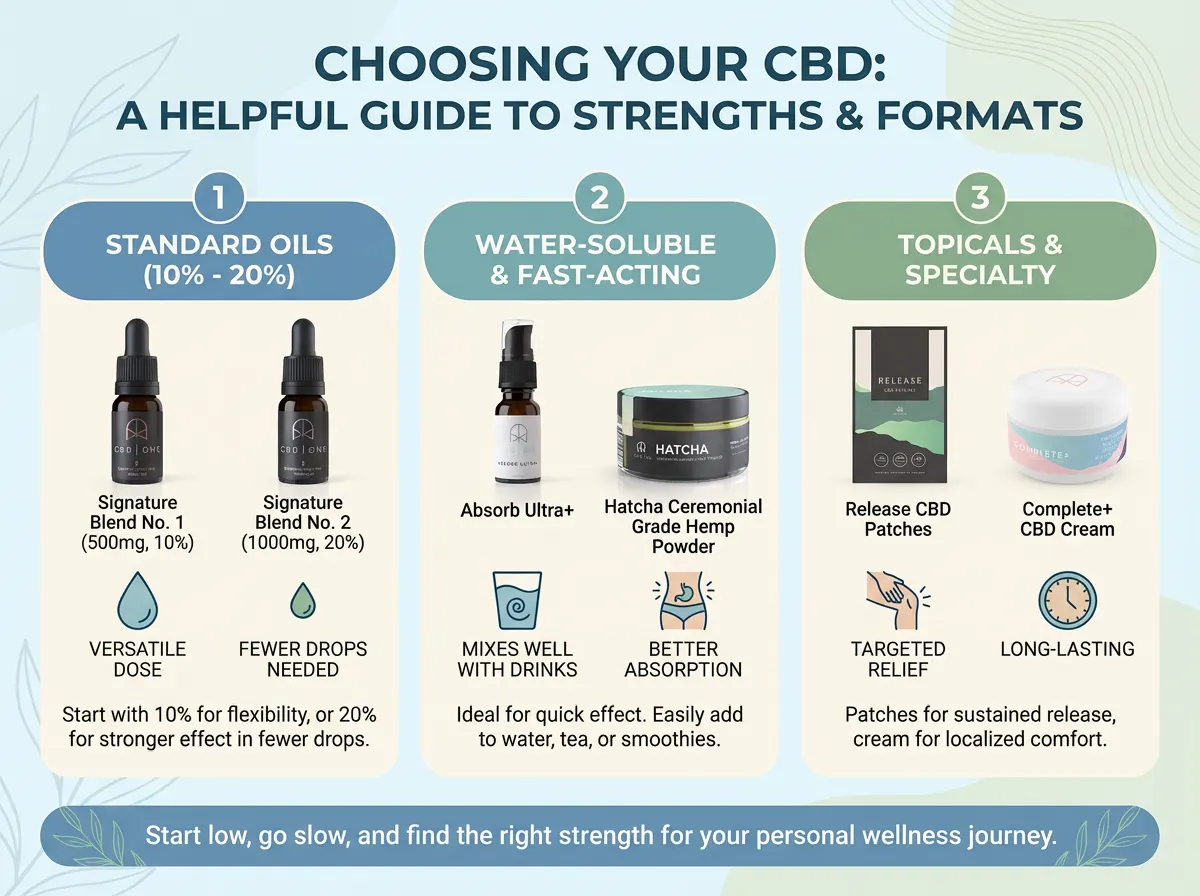
Here is the decision process I recommend if you are close to buying. It is simple, but it prevents most of the common mistakes I see (like buying the strongest bottle available, then realising it is awkward to dose).
1) Decide what “strong” means for you: higher mg per drop or better absorption
Traditional oils taken under the tongue are popular because they are straightforward and flexible. If you want fewer drops, a higher percentage helps. If you struggle with oils, or you want something that fits your morning coffee, a water-soluble product can be easier to stick with.
2) Pick your spectrum based on priorities (not hype)
Full spectrum includes a broader range of hemp compounds, including trace THC within legal limits. Some users prefer this. If you need a THC-free approach, you may want to look at isolate-based products in general, but note that CBD One’s strong oil focus is full spectrum.
3) Match strength to your experience level
If you have never used CBD, a “strong” oil is rarely the best first purchase. Consider starting with a lower strength and moving up once you know what amount works for you. If you are already comfortable with CBD and you know your daily mg target, stronger oils can be the most convenient and sometimes best value.
4) Keep dosing and UK guidance front and centre
The UK FSA recommends healthy adults do not exceed 70mg CBD per day. If you are on medication, it is worth reading CBD and Medication and speaking to your pharmacist or GP. If you want help building a routine, the most practical resource is our CBD Dosage guide.
5) Check the “unsexy” bits: testing, ingredients, and usability
Look for lab verification, clear ingredients, and instructions that make dosing repeatable. Also consider taste and whether you will genuinely use the product every day. Consistency beats buying the strongest option and leaving it in a cupboard.
How strong is “strong”, in real numbers? (mg per ml, mg per drop, and why bottle size matters)
What many people overlook is that “strong” is only meaningful when you can translate it into an amount you can actually measure. The same “2000mg” on the front label can feel very different depending on the bottle size and how you take it day to day.
mg per ml is the simplest way to compare strength
If you want a quick comparison between products, look for mg per ml. A 10ml bottle with 1000mg total works out at 100mg per ml. A 10ml bottle with 2000mg total works out at 200mg per ml. That is why a 20% oil is typically easier to use in smaller volumes than a 10% oil.
mg per drop is where “strong” starts to feel strong
Now, when it comes to real life dosing, drops matter. Oils are convenient, but a “drop” is not a perfect unit because droppers, oil thickness, and technique can all change drop size slightly. That is not a reason to avoid strong oils, it just means you should be a bit more methodical.
From a practical standpoint, if you are aiming to stay well within the UK FSA’s 70mg per day guidance, you want a product where you can measure small, repeatable steps. If each drop contains a lot of CBD, a tiny change in drop count can make a noticeable difference to your daily total.
Why bottle size can be a hidden “strength” factor
Some brands sell very high total mg bottles in larger sizes (for example 30ml or even 100ml). That can look impressive, but it does not automatically mean it is more concentrated. A large bottle can have a huge total mg number while still being fairly moderate per ml. If you are comparing prices and strengths, always bring it back to concentration and your own routine, not the biggest number on the label.
A quick cost-per-mg check (so you do not overpay for “strong”)
Competitors often push big numbers like “5000mg” or “12000mg” because it sounds powerful. Consider this: if you do not check cost per mg, you can end up paying a premium for a label, not for value.
Here is a simple way to sanity-check any strong CBD oil:
- Find the total CBD in mg for the bottle.
- Divide the bottle price by total mg to get cost per mg.
- Compare that number across products you are genuinely considering.
Two quick cautions. First, cost per mg is only part of “value”, because lab verification, consistency, and usability matter too. Second, higher strength only saves you money if you actually use it consistently and can measure it accurately. Otherwise you are paying for potency that does not fit your day.
Safety and side effects: what to watch for with high-strength CBD oil
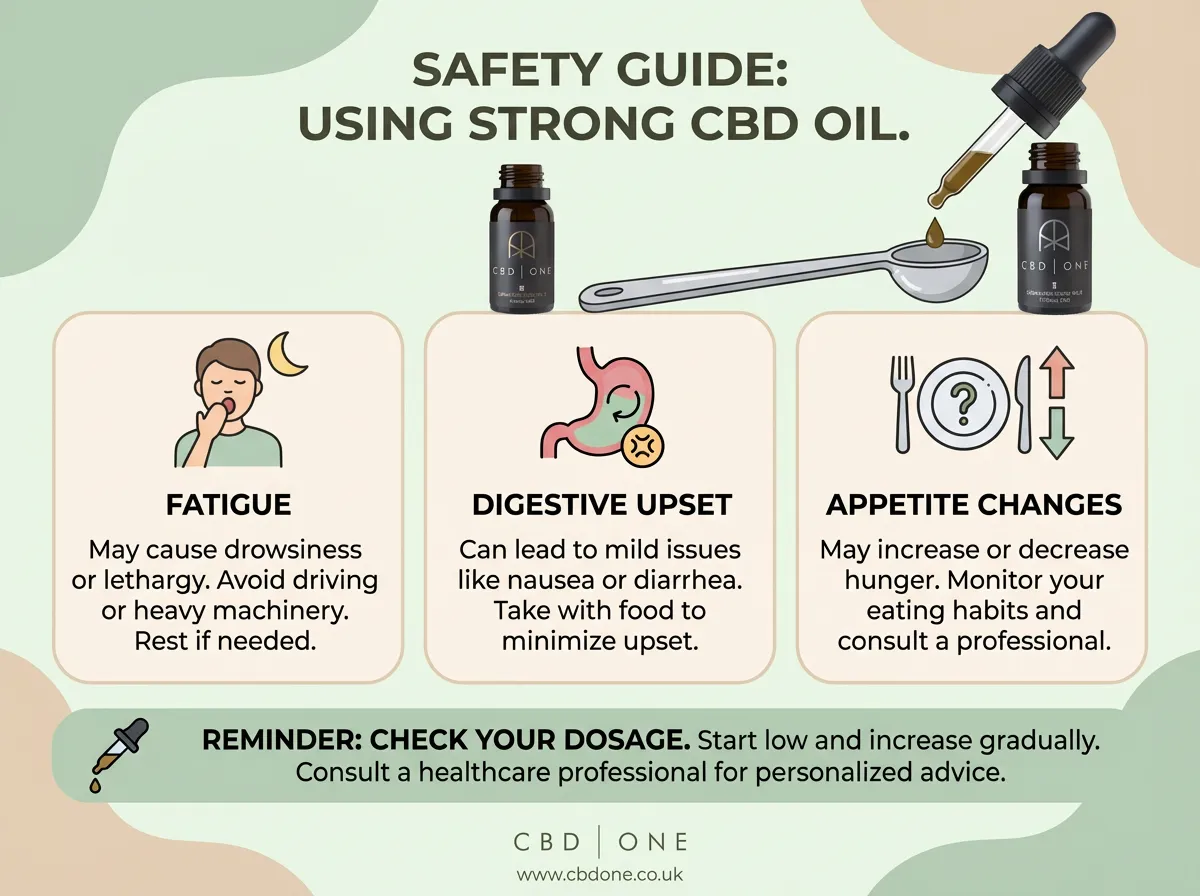
The reality is that strong CBD oils are not inherently “unsafe”, but they do remove some of the margin for error. When each drop contains more CBD, it is easier to take more than you intended, especially if you are topping up through the day.
Commonly reported side effects
Some people report mild effects such as feeling more tired than expected, changes in appetite, or digestive upset. These are not guaranteed, and many people tolerate CBD well, but it is sensible to pay attention to how you feel, particularly when you change strength.
Medication interactions matter more than strength debates
If you take prescription medications, CBD may not be appropriate without professional guidance. This is less about “strong” versus “not strong”, and more about how CBD is processed in the body and how it could affect other products you take. If this is relevant to you, speak to your pharmacist or GP and take a cautious, measured approach.
A practical approach for strong oils
Many people find it helpful to keep things boring and consistent: same time of day, same number of drops, same method of taking it. If you decide to adjust, make one small change at a time and give it a few days, rather than changing strength, frequency, and timing all at once. It makes it much easier to work out what is actually helping your routine.
Storage and shelf life: keeping strong CBD oil effective
With higher strength oils, you are often using fewer drops per day, which means a bottle can last longer. That is great for convenience, but it also means storage becomes more important.
How to store CBD oil day to day
Keep your oil in a cool, dry place away from direct sunlight and heat, with the lid tightly closed. Avoid leaving it in a hot car or on a sunny windowsill, as heat and light can gradually affect oil quality over time.
Check dates and consistency
Always check the best-before date and the product guidance on the label. If the oil changes noticeably in smell, taste, or appearance, it is worth being cautious and contacting the retailer or manufacturer for advice. Strong oils are concentrated, so if you are investing in potency, it makes sense to look after it properly.
Frequently Asked Questions
What counts as “strong CBD oil” in the UK?
There is no legal definition of “strong”, but most people mean higher concentrations like 10% or 20% CBD oil. Strength can also refer to total mg per bottle (for example, 1000mg or 2000mg). The best choice depends on how many mg you want per day and how precisely you can measure your dose.
What is the strongest CBD oil in the UK?
“Strongest” depends on the brand’s range and whether you measure by percentage, mg per bottle, or mg per drop. Also, the strongest option is not automatically the best fit. If you are unsure, choose a strength that lets you dose comfortably within the UK FSA’s 70mg per day guidance for healthy adults.
Is full spectrum strong CBD oil legal in the UK?
In the UK, CBD products must meet legal requirements, including limits around THC content. Full spectrum products contain trace THC within legal limits, alongside CBD and other minor cannabinoids and terpenes. If you are unsure about legality, product testing, or compliance, buy from brands that provide clear product information and lab verification.
Will strong CBD oil get you high?
CBD is non-intoxicating. A strong CBD oil contains more CBD, not a “high”. Full spectrum oils can contain trace THC within legal limits, but they are not intended to intoxicate. If you want more context, read: Does CBD oil get you high?.
How much strong CBD oil should I take per day?
There is no one-size-fits-all amount. Most people start low and adjust gradually based on how they feel. For healthy adults, the UK FSA recommends a maximum of 70mg CBD per day. For practical help, use a structured approach like the one in our CBD Dosage guide.
How do I take strong CBD oil correctly?
Most CBD oils are taken under the tongue: place the drops, hold for a short time, then swallow. Strong oils require extra care with measurement because each drop contains more CBD. If you want step-by-step guidance and tips to stay consistent, see How To Take CBD Oil.
Is strong CBD oil better value than low-strength?
Often, yes, when you look at cost per mg rather than bottle price. A stronger oil can be more cost-effective for experienced users who reliably use a moderate daily amount. The downside is higher upfront cost, and it can be easier to overdo your dose if you are not careful with drop size and frequency.
What is the difference between strong CBD oil and water-soluble CBD?
CBD oil drops are typically taken under the tongue and use a carrier oil like hempseed oil. Water-soluble CBD is designed to mix into drinks and often comes with measured dosing (for example, a pump). Some users find water-soluble products easier to take consistently, especially if they dislike the taste of strong oils.
Can I drive after taking strong CBD oil?
CBD itself is not intoxicating, but everyone responds differently, and full spectrum products contain trace THC within legal limits. If you feel drowsy or “not quite yourself”, do not drive. If you are concerned about driving, work requirements, or testing, consider speaking to a healthcare professional and choosing products with clearer suitability for your circumstances.
Should I choose 10% or 20% CBD oil?
If you want a stronger oil but still want plenty of flexibility, 10% is often a practical step-up. 20% can be ideal if you already know your routine and want fewer drops per day. The key is not chasing the highest number, but choosing a strength you can measure accurately while staying within the UK FSA’s 70mg per day guidance for healthy adults.
Is 5000mg CBD oil always “stronger” than 2000mg?
Not necessarily. “5000mg” is the total CBD in the bottle, not automatically the concentration. A smaller bottle with 2000mg can be more concentrated than a larger bottle with 5000mg. If you want to compare strength properly, look at mg per ml, and then think about how many mg you can comfortably measure day to day.
What is a high-strength CBD oil percentage in the UK?
You will often see “strong” oils labelled around 10% and 20%. Some brands sell higher concentrations too, but higher is not always more practical. The right percentage is the one that lets you measure your routine accurately while staying within UK guidance, and without making the taste or intensity harder to stick with.
How long does a bottle of strong CBD oil last?
It depends on the bottle size, the concentration, and how many mg you choose to take per day. Stronger oils can last longer because you typically use fewer drops. Just keep an eye on best-before dates, store it well, and aim for a routine you can actually maintain.
What should I do if strong CBD oil feels too much?
If you feel overly tired, unsettled, or simply not quite right after taking a strong oil, it is sensible to pause and reassess. Some people prefer to reduce the amount, use it less frequently, or step down to a lower concentration for more control. If you take medications or have ongoing health concerns, it is worth speaking to a healthcare professional before continuing.
Key Takeaways
- “Strong CBD oil” usually means higher concentration (often 10% to 20%+), giving more CBD per drop.
- Full spectrum oils include minor cannabinoids and terpenes, plus trace THC within legal limits.
- Strong does not mean “better for everyone”: dosing accuracy, taste, and your experience level matter.
- Use value-per-mg, lab verification, and usability as your main buying checks, not marketing claims.
- Keep the UK FSA guidance in mind: healthy adults should not exceed 70mg CBD per day.
Conclusion
If you want strong CBD oil with UK delivery, aim for a product that is not just high potency, but also easy to dose, clearly labelled, and backed by lab verification. For most people stepping up, a 10% oil is a sensible balance of strength and flexibility. If you are already experienced and want fewer drops, a 20% oil can be a straightforward option. And if you prefer adding CBD to drinks, a water-soluble formula may be easier to use consistently. Explore CBD One’s full spectrum options in the CBD Oils range, and choose a strength that fits your routine rather than chasing the highest percentage.