
Pure CBD UK: Delivery, Value & Safer Buying (2026)
What “pure CBD” means (and what it doesn’t)
“Pure CBD” usually means one of three things:
- CBD isolate: just cannabidiol (CBD) with no other cannabinoids or terpenes. Often described as THC-free and typically has the mildest taste.
- Broad spectrum: CBD plus other hemp compounds, with THC removed (or reduced to non-detectable levels on the lab report, depending on the process).
- Full spectrum: CBD plus minor cannabinoids and terpenes, with trace THC within UK legal limits. Some users prefer full spectrum to capture the so-called “entourage effect” synergy.
What “pure” should mean in practice is: accurately labelled CBD content, a clean formulation, and transparent third-party lab testing (with a Certificate of Analysis). What it does not guarantee is that the product is higher quality, stronger, or better for you.
One more UK-specific point: CBD is sold as a food supplement, not a medicine. You’ll see lots of implied benefits online, but responsible brands avoid medical claims and focus on quality, compliance, and user experience.
Pure CBD brands people search for: what to check
Searches like “evopure flow cbd oil”, “puresport cbd”, “pureis cbd”, “brains pure cbd”, and “pure sport cbd” usually indicate you’ve seen a specific product on social media, in a gym, or in a marketplace listing. Rather than taking the name at face value, check the basics below before you commit.
1) Is “pure” referring to isolate, broad spectrum, or full spectrum?
If you want THC-free, you’re usually looking for isolate or a properly tested broad spectrum product. If you want the widest cannabinoid and terpene profile, you’re looking for full spectrum (with trace THC). The label should say which it is.
2) Can you easily find a recent lab report?
A credible CBD brand should publish a third-party Certificate of Analysis showing cannabinoid content and screening for contaminants. If you can’t find it quickly, that’s a red flag, especially when the product is marketed as “pure”.
3) Are the CBD mg, bottle size, and dose clear?
“Pure CBD oil” listings sometimes emphasise a big mg number but bury the bottle size, which makes it hard to compare value. You want clear mg-per-bottle and guidance on mg-per-serving, so you can stay within sensible daily totals.
Key features to look for when buying pure CBD oil
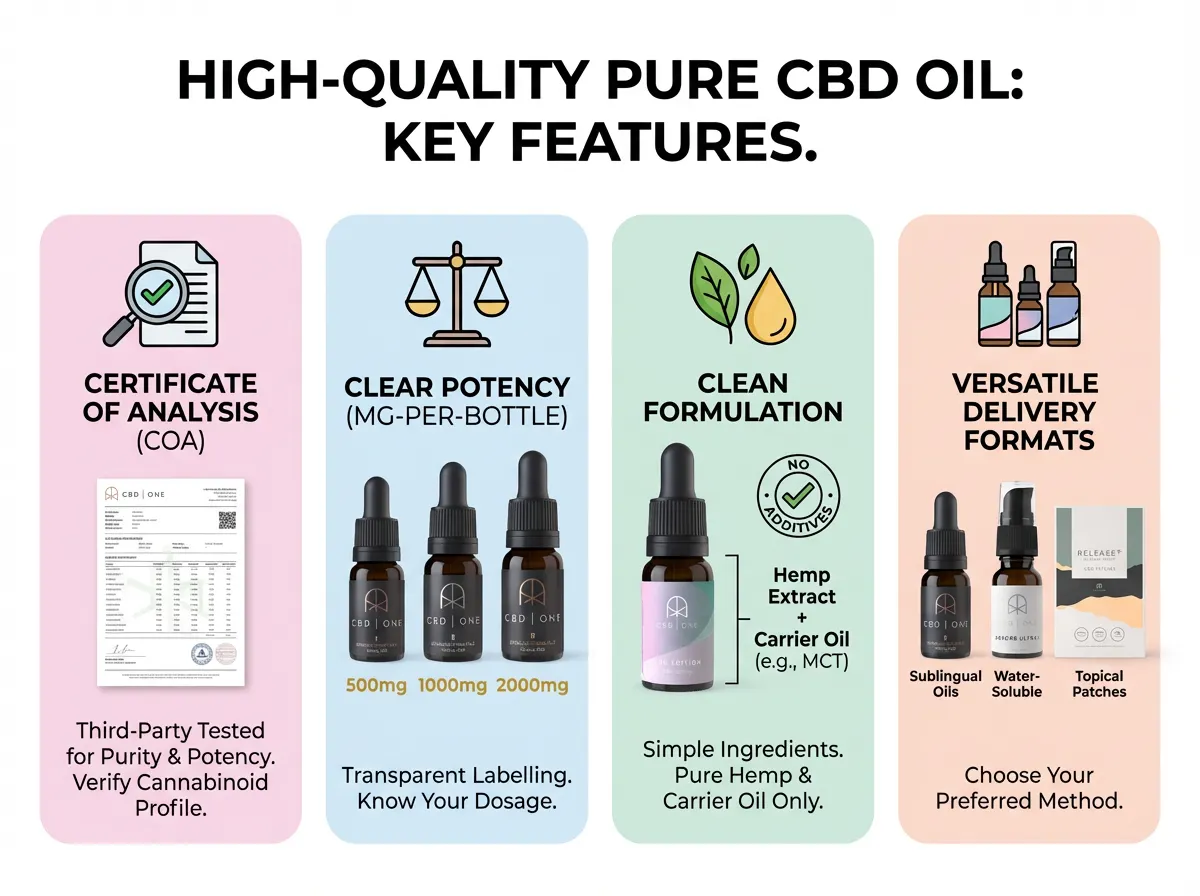
If you’re choosing between “pure CBD oil for sale” options in the UK, these are the features that actually matter.
Clear spectrum and THC expectations
Start with your non-negotiable. If you are drug-tested at work or in sport, a THC-free product may be the safer choice (though nothing is ever risk-free, because cross-contamination and mislabelling can happen in poorly controlled supply chains). If you’re comfortable with trace THC within legal limits, full spectrum may be a better match.
Accurate, comparable strength
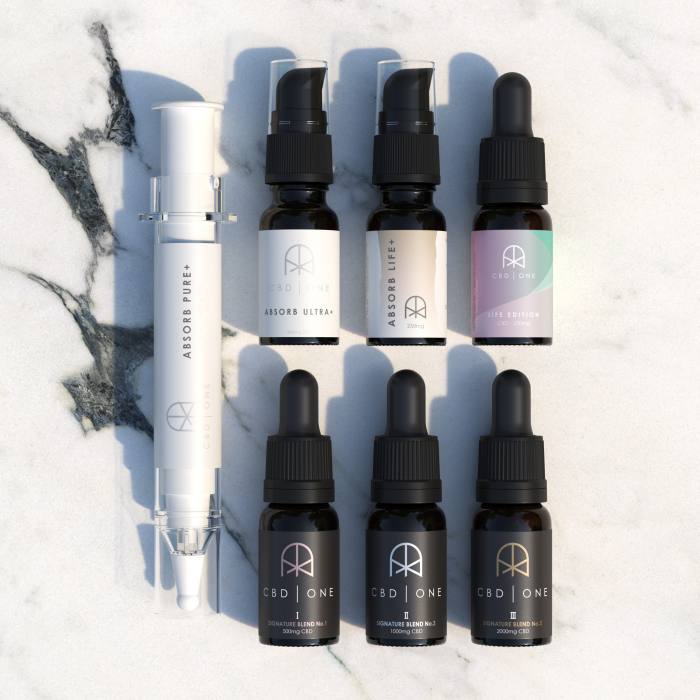
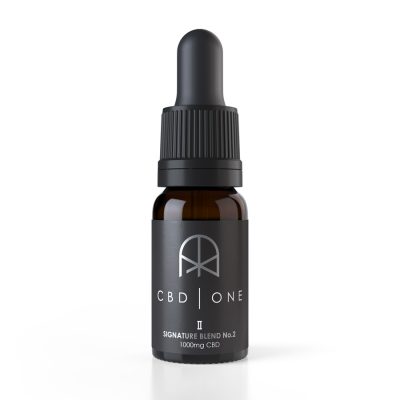
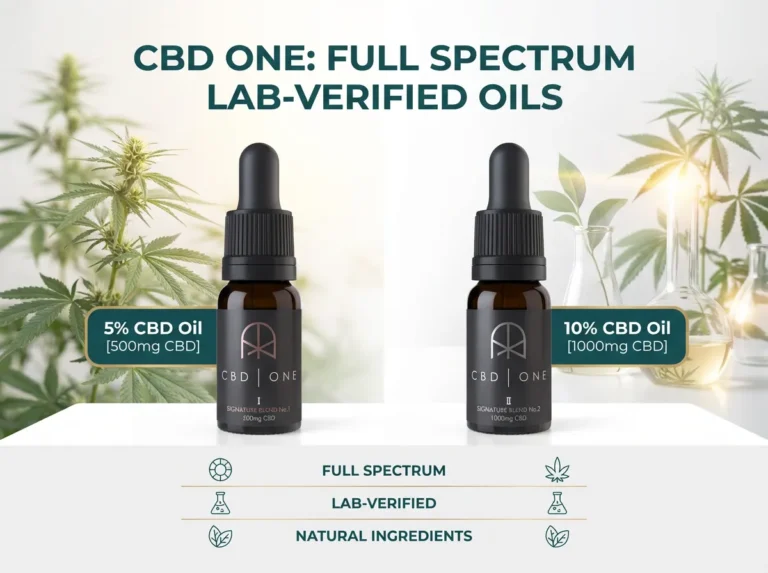
Compare products using mg of CBD per bottle and mg per ml, not just “10%” or “high strength” claims. As a reference point, CBD One oils show both percentage and total CBD content, for example 10% CBD Oil [1000mg CBD] is 1000mg per 10ml.
Formulation simplicity (and taste)
Many “pure” oils keep ingredients minimal: hemp extract plus a carrier oil (often hempseed or MCT). Minimal can be great, but it also means the flavour is more noticeable. If you dislike earthy hemp taste, you might prefer a different delivery format (more on that below).
Delivery format and real-world bioavailability
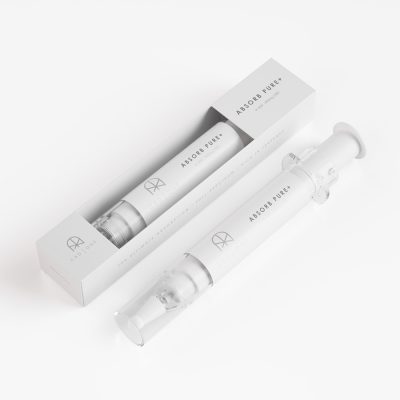
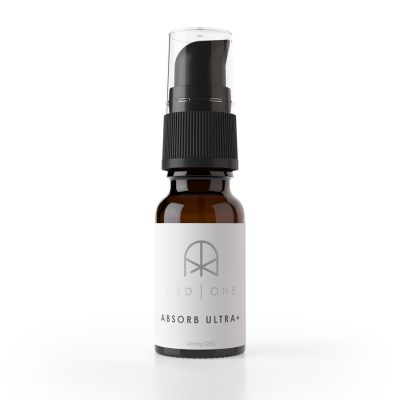
“Pure CBD oil” generally means a sublingual oil. That works well for many people, but it is not the only option. Water-soluble CBD is often chosen by people who want something easier to add to drinks. For example, CBD One’s Absorb Pure+ is a full spectrum, water-soluble option designed for simple pump dosing and mixing into hot or cold drinks.
Responsible dosing guidance
In the UK, the Food Standards Agency (FSA) advises healthy adults not to exceed 70mg CBD per day. A trustworthy brand should help you understand how many mg you’re taking, and encourage a start-low, go-slow approach. If you want a practical framework, see our CBD dosage guide.
Pros and Cons
Strengths
- Simple ingredient lists (often just extract plus a carrier oil), which many buyers associate with “cleaner” supplementation.
- Easy to compare strengths once you look at mg per bottle and bottle size, especially for standard 10ml oils.
- Flexible dosing: oils let you adjust gradually rather than committing to a fixed-dose capsule or edible.
- Good fit for routine use: small bottle, quick to take, easy to travel with (within common sense and local rules).
- Multiple spectrum options: isolate for THC-free preferences, or full spectrum for those wanting a broader hemp profile.
Considerations
- “Pure” is not a regulated claim: you must verify with lab reports and clear labelling, not just branding.
- Taste can be a hurdle for some people, especially with natural, unflavoured oils.
- Dosing confusion is common: drops, mg, percentages, and “servings” can be presented inconsistently across brands.
- Potential interactions: CBD may affect how some medicines are metabolised. If you take regular medication, you should speak to a healthcare professional and read guidance like our CBD and Medication article.
Who pure CBD is best for
“Pure CBD” tends to suit you if you want a straightforward product with transparent strength, and you’re happy to measure your intake carefully. It’s also a strong option if you’re trying to keep your supplement routine minimal and you prefer avoiding lots of added ingredients.
On the other hand, if you know you dislike hemp taste, struggle with dropper dosing, or need a strictly THC-free approach due to testing, you may be better served by a different format (for example, a tested isolate product, or a non-oil delivery method).
A CBD One alternative (UK delivery)
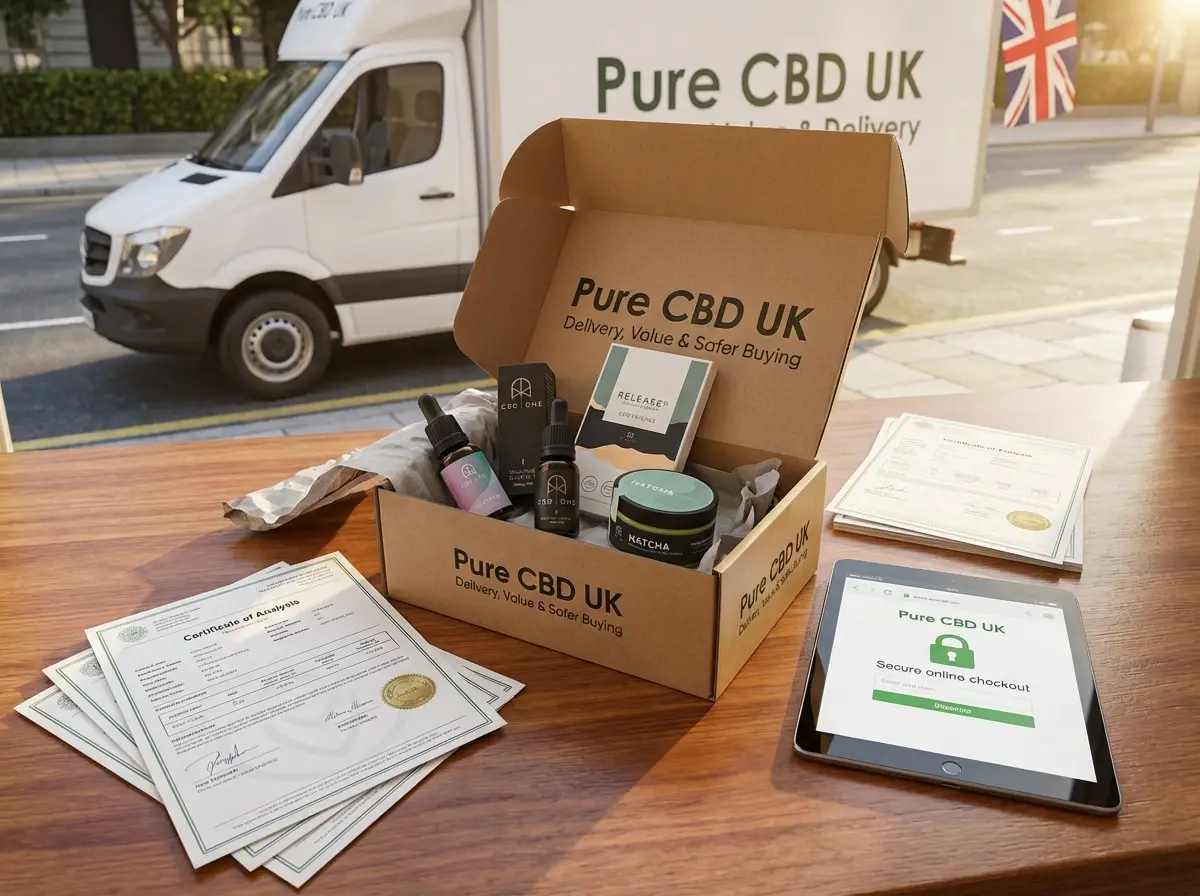
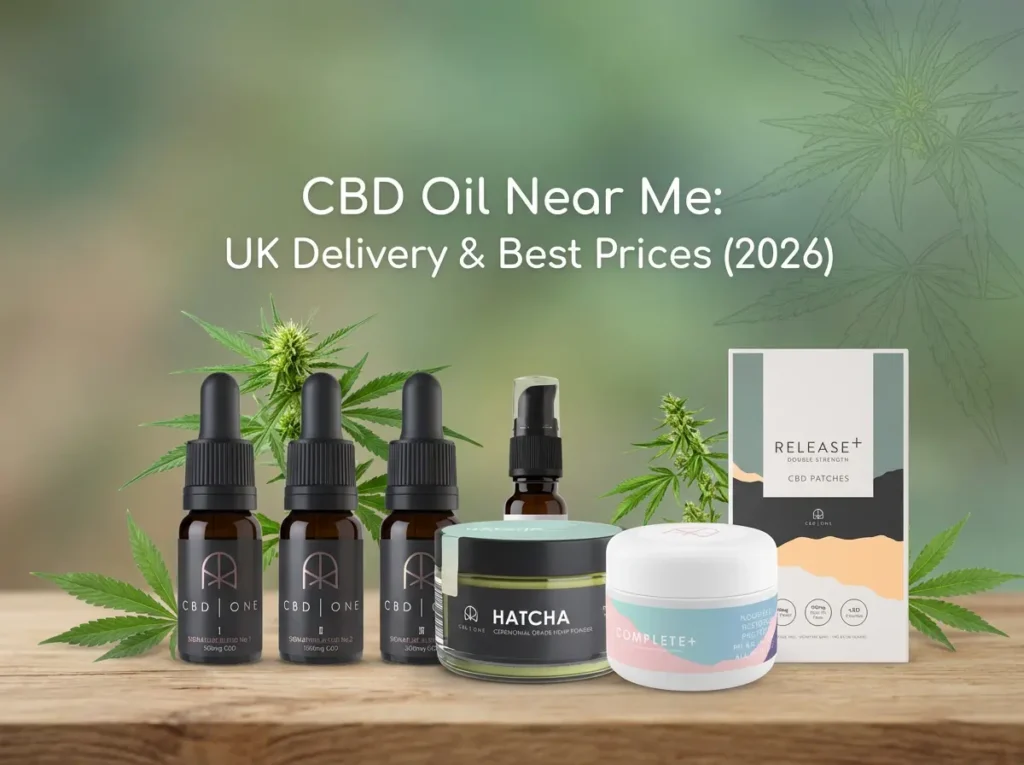
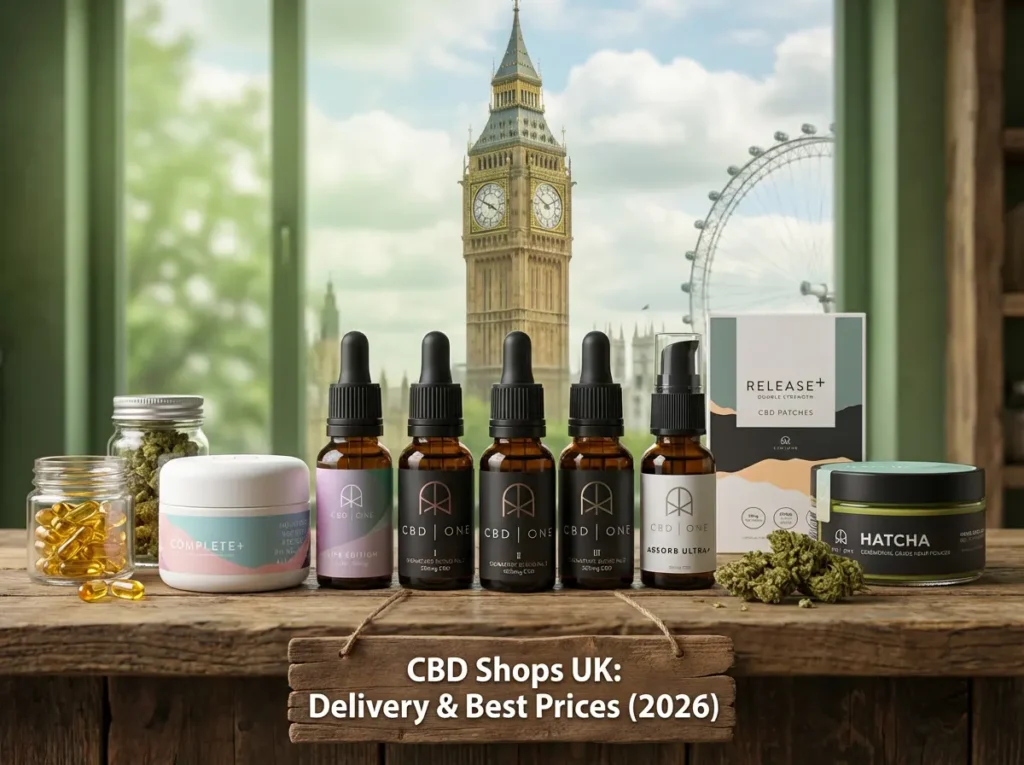
If you’re comparing “pure CBD oil UK” brands and want a dependable, clearly-labelled option with UK delivery, CBD One is worth a look. Our oils are full spectrum and lab verified, with simple ingredient lists and strengths that suit different experience levels. Popular starting points include 5% CBD Oil [500mg CBD] (£33.99) for newcomers and 10% CBD Oil [1000mg CBD] (£58.99) for a stronger daily option. If you want something you can add to drinks, Absorb Pure+ (£58.99) is a water-soluble full spectrum alternative.
Two honest limitations: our range is intentionally focused (we do not offer gummies), and we sit at a more premium price point than some mass-market listings. If you value lab verification, clear dosing, and full spectrum formulations, it’s a good trade-off.
Buying guide: how to choose pure CBD safely in the UK
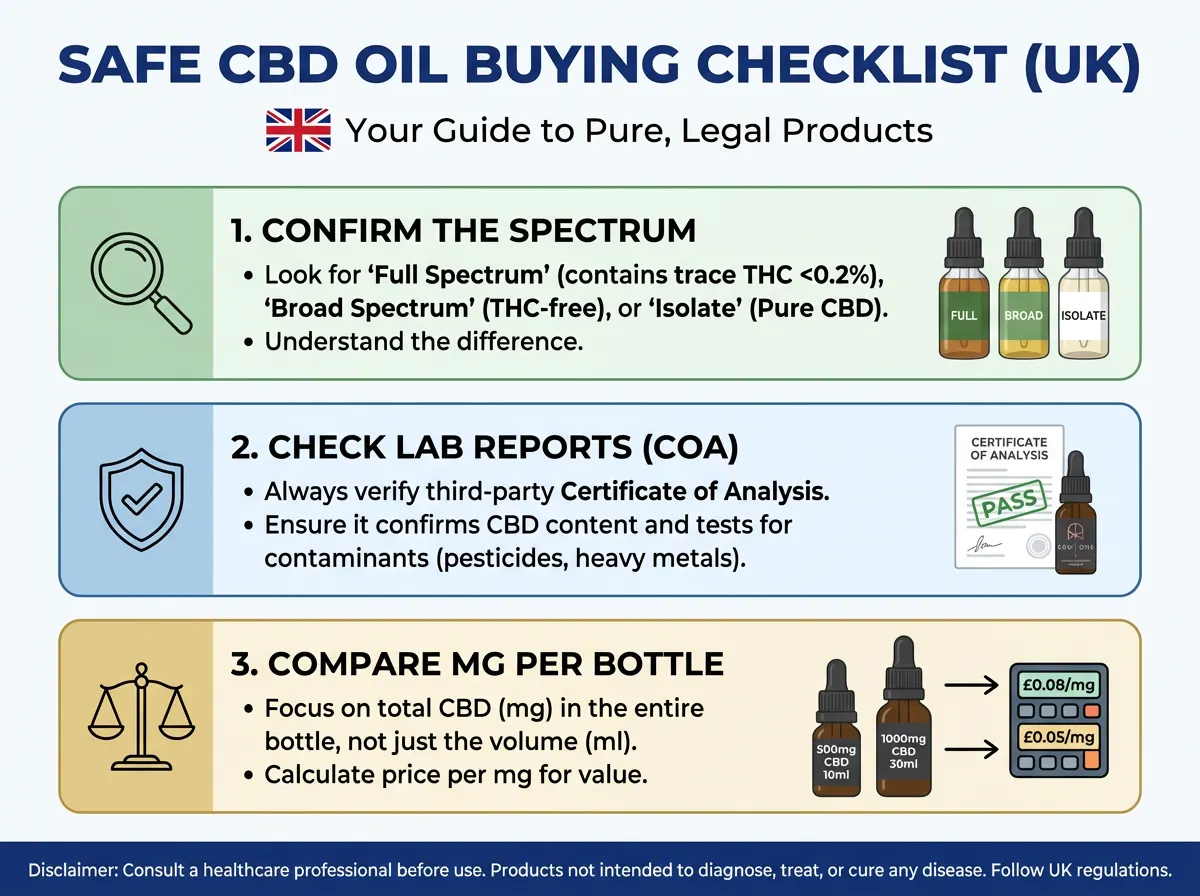
Here’s the checklist I’d use if I were buying “pure CBD oil for sale” today.
1) Confirm the spectrum and your THC preference
Decide upfront whether you want isolate (CBD only), broad spectrum (no THC, other compounds retained), or full spectrum (includes trace THC within legal limits). If a brand uses vague phrases like “pure hemp extract” without stating the spectrum, ask for clarification or choose a more transparent product.
2) Check the lab report is third-party and batch-relevant
Look for a Certificate of Analysis that matches the batch you’re buying (or is at least recent and clearly linked). Ideally, it should show cannabinoid results and basic safety screening. If the lab report is missing, out-of-date, or unreadable, I’d treat “pure” claims as unproven.
3) Compare value using mg-per-bottle (then price)
A “cheap” oil can be poor value if it contains very little CBD. Calculate cost per 100mg (or per 1,000mg) so you can compare fairly. Also consider bottle size: 10ml is common, but not universal.
4) Choose a delivery method you’ll actually stick with
Sublingual oils are popular because dosing is flexible. But if you know you won’t take an oil consistently, consider alternatives like water-soluble products you can add to a drink. You can browse CBD One’s oils in the CBD Oils category and drink-friendly options in Water Soluble CBD.
5) Keep dosing sensible (and within FSA guidance)
Most people do best starting low and increasing slowly while tracking how they feel. For healthy adults, the UK FSA advises a maximum of 70mg CBD per day. If you’re unsure how to translate that into drops or pumps, follow a structured approach like our CBD dosage guide. If you have a medical condition, are pregnant or breastfeeding, or take medications, speak with a clinician first.
What many people overlook: “pure” does not mean safer unless contaminants are tested
Here’s the thing. People often use “pure” as shorthand for “safe” or “clean”, but those are different questions.
A CBD extract comes from a plant, and plants can pick up unwanted compounds from soil, water, and processing. So if you care about purity, you want to see evidence that the product has been screened for common contaminants, not just that it contains CBD.
From a practical standpoint, a good lab report will usually include more than a cannabinoid breakdown. Many brands also test for heavy metals, pesticides, microbial contamination, and residual solvents. You do not need to become a chemist to benefit from these results, but you do need to see that the checks were actually done by an independent lab.
Understanding Certificates of Analysis (COAs): what to look for in 60 seconds
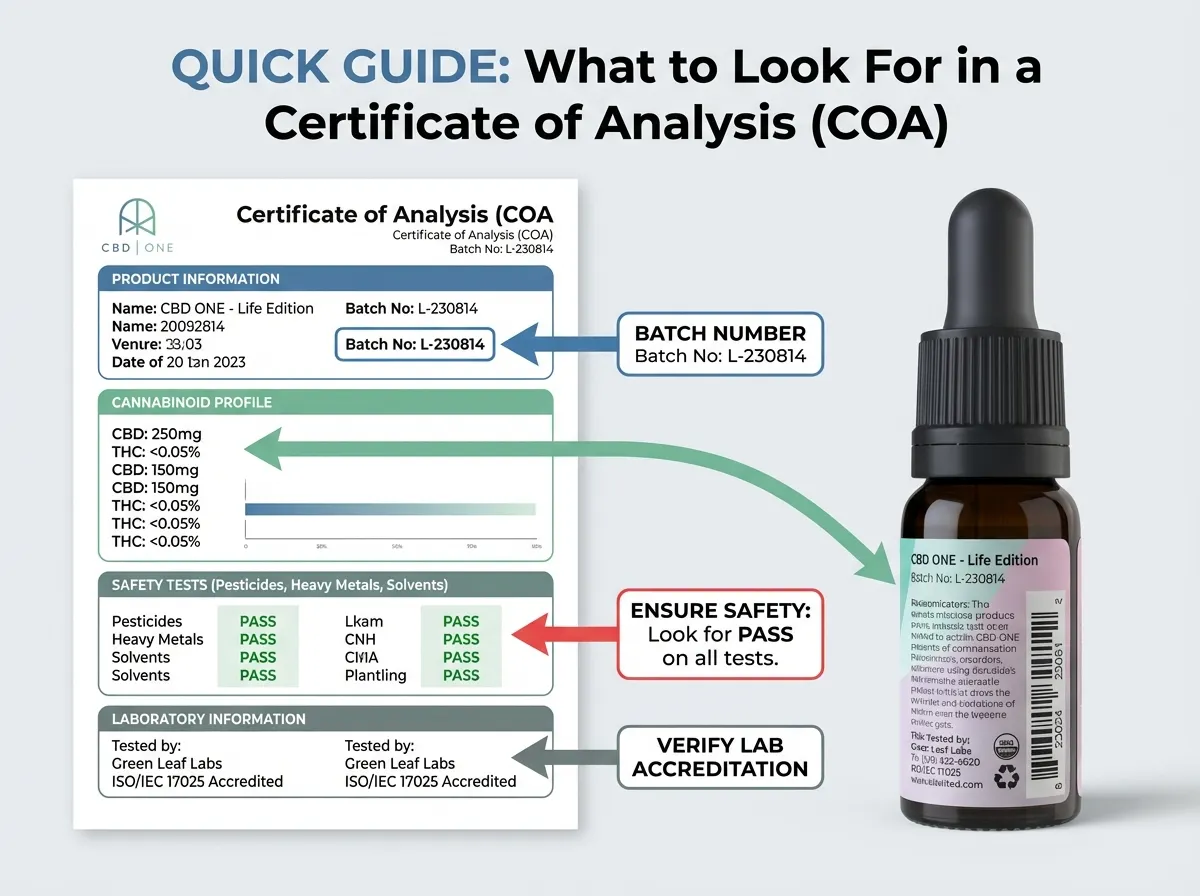
If you only have a minute, this quick scan will catch most of the big issues.
1) Match the batch (or at least the product)
Look for a batch number or lot number on the COA that matches the bottle you are buying. If it does not match, the report may still be useful, but it is less reassuring.
2) Check CBD content is close to the label claim
The CBD value on the lab report should broadly line up with what’s on the label in mg per ml and mg per bottle. Small variation can happen with natural extracts, but big gaps are worth questioning.
3) Confirm THC expectations align with your needs
If you are choosing isolate or broad spectrum because you want THC-free, you want a report that reflects that, typically with THC shown as non-detectable (depending on the lab’s reporting limits). If you are choosing full spectrum, you want THC shown as trace and within legal limits.
4) Look for basic safety screens
Consider this. A cannabinoid profile alone does not tell you whether the product has been screened for contaminants. If a brand positions itself as “pure”, it’s reasonable to expect a COA that includes at least some safety testing, even if it is shown on a separate page or report.
Novel Food compliance in the UK: what it is, and why it matters for “pure CBD”
In the UK, ingestible CBD products are generally treated as food supplements, and CBD extracts fall under Novel Food rules. That does not mean every product on the market is fully aligned. It means you should shop with your eyes open.
What many people overlook is that “pure” branding can distract from the boring but important bits: traceability, manufacturing standards, and whether the business is taking compliance seriously. When a brand is transparent about how it formulates, tests, and labels its CBD, you can make a cleaner comparison between products, regardless of whether the word “pure” appears on the front.
Carrier oils, additives, and allergens: what “clean” really looks like
When someone says they want “pure CBD oil”, they often mean “no unnecessary extras”. That’s fair, but remember that CBD oil is always a blend: a hemp extract plus a carrier oil.
Common carrier oils you’ll see
Hempseed oil and MCT oil are two of the most common. They each have their own taste, texture, and mouthfeel, and people tend to have a preference. Neither is automatically “purer”, but it should always be clearly stated on the label.
Flavourings and sweeteners
Some products add flavourings to make daily use easier. That is not inherently a problem, but if your goal is a minimal formula, check the ingredients carefully. If you are sensitive to certain ingredients, it’s worth being especially cautious with flavoured oils and “enhanced” blends.
Allergen and dietary considerations
If you have allergies, dietary restrictions, or you simply like to keep things simple, look for a straightforward ingredient list you can understand. If the label is vague, or the ingredients are not fully declared, I’d question how seriously the brand takes transparency.
Storage, shelf life, and why oils sometimes go cloudy or crystallise
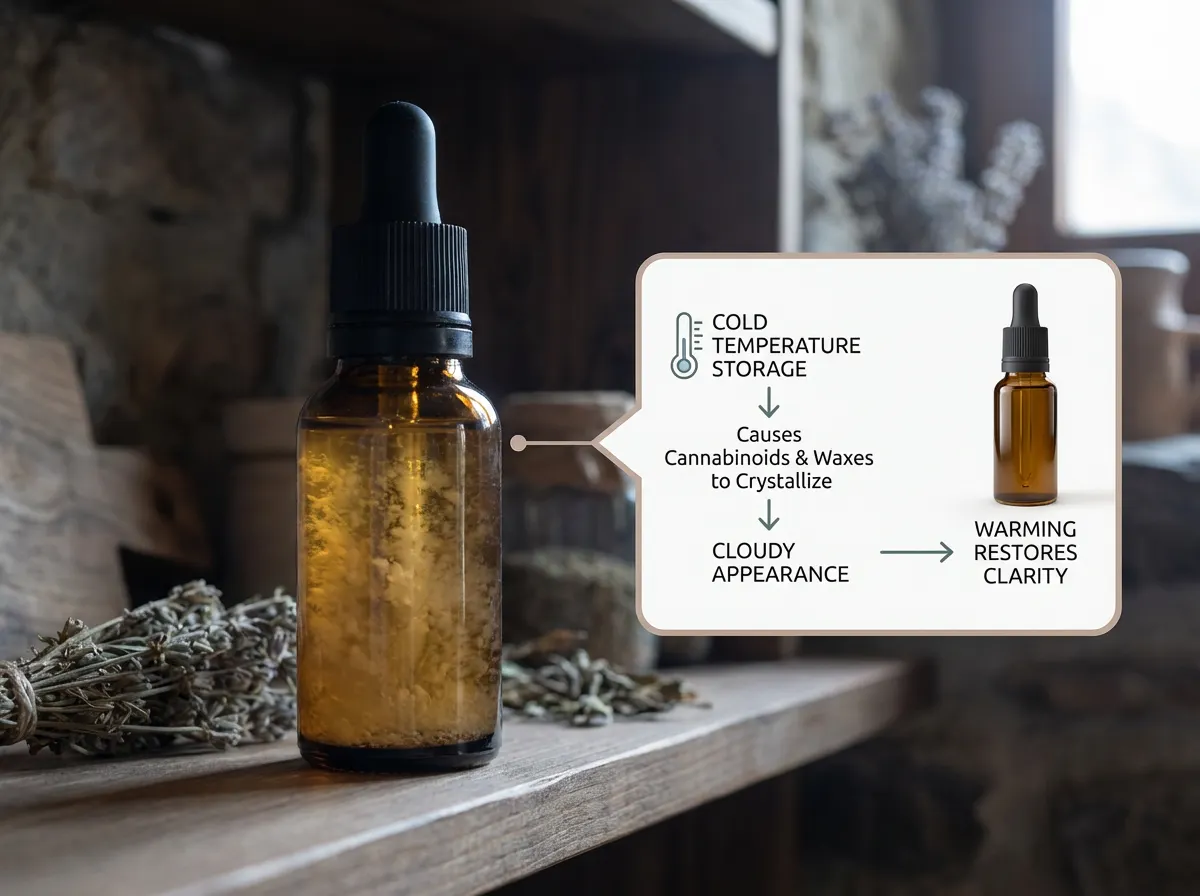
CBD oils are natural products, and they can change in appearance over time. That does not automatically mean anything is wrong, but it is helpful to know what’s normal.
Cloudiness and thickening
Oils can go cloudy or thicker when they are cold, especially if they have been stored near a window or in a chilly room. Bringing the bottle back to room temperature and gently rolling it in your hands often helps.
Crystallisation in stronger extracts
Some higher-strength products, and some types of extract, can crystallise. Think of it like natural separation rather than “impurity”. If it happens, follow the brand’s storage guidance, and avoid overheating the bottle.
Best storage habits
Store CBD oil in a cool, dark place with the cap tightly closed. Keep it out of reach of children, and pay attention to the best-before date. If an oil smells rancid, tastes unusually bitter compared to normal, or you are unsure about changes in appearance, it’s sensible to stop using it and check with the seller.
Frequently Asked Questions
Is “pure CBD” the same as CBD isolate?
Often, yes, but not always. Some brands use “pure CBD” to describe isolate (CBD only, usually THC-free). Others use it to mean a “clean” full spectrum oil with minimal ingredients. The only reliable way to know is to check the product description and its Certificate of Analysis for the cannabinoid profile.
What is the purest form of CBD you can buy?
CBD isolate is typically considered the “purest” form because it aims to contain CBD only. That said, purity is more than a label. You still want third-party testing, accurate labelling, and sensible manufacturing standards to reduce the risk of contaminants or inaccurate CBD content.
Is pure CBD oil legal in the UK?
CBD products are legal to sell in the UK if they meet relevant regulations, including THC limits and food safety requirements. Many CBD oils are sold as food supplements. If you’re unsure about legality or compliance, prioritise brands that provide clear lab reports, transparent ingredient lists, and appropriate product information.
Does pure CBD oil contain THC?
It depends on the type. CBD isolate should not contain THC (or it may be be non-detectable on testing). Full spectrum oils can contain trace THC within legal limits. If you need to avoid THC for personal or professional reasons, choose a THC-free product and look for supporting lab results.
How do I choose a strength for pure CBD oil?
Base it on your experience level, your preferred serving size, and how precisely you want to control dosing. Lower-strength oils can be easier for beginners to titrate slowly, while higher-strength oils can be more convenient for experienced users who want fewer drops. Whatever you choose, keep within the UK FSA’s 70mg per day guidance for healthy adults.
What’s the difference between pure CBD oil and full spectrum CBD oil?
“Pure CBD oil” is usually used for isolate-based oils, whereas full spectrum oils contain CBD plus other naturally occurring cannabinoids and terpenes (and trace THC within legal limits). Some users prefer full spectrum to keep more of the plant’s original compound profile. Others prefer isolate to avoid THC entirely.
Is water-soluble CBD “purer” than oil?
Not necessarily. Water-soluble CBD can be more convenient to take (especially in drinks), but “purity” still comes down to testing, formulation transparency, and accurate labelling. Water-soluble products may include emulsifiers or stabilisers, which is not a bad thing, but it means the ingredient list is rarely as minimal as a simple oil.
Can I take pure CBD oil with medication?
If you take regular medication, it’s best to speak with a pharmacist or GP before using CBD. CBD may interact with some medicines by affecting how they’re metabolised. This is especially important with medicines that have “grapefruit warnings”. For a sensible overview, read our CBD and Medication guide.
What is a safe daily amount of CBD in the UK?
For healthy adults, the UK Food Standards Agency advises not exceeding 70mg of CBD per day. Many people choose to start lower and increase gradually. If you want help translating mg into a practical routine, our CBD dosage guide walks through common approaches and what to track.
Where can I buy pure CBD oil with UK delivery?
You can buy CBD online from a range of UK brands, but it’s worth prioritising transparency and lab testing over flashy marketing. If you want a full spectrum option with clear strengths and UK delivery, explore CBD One’s oils via the CBD Oils page, or consider a drink-friendly option in Water Soluble CBD.
How long should a COA be valid for?
There’s no single “expiry date” that applies to all lab reports, but you want to see something recent and relevant to the batch you are buying. If the only report you can find is very old, or it’s not clearly connected to the product in your basket, that’s worth questioning.
Will “THC-free” guarantee I pass a drug test?
No product can guarantee a drug test result. Even with THC-free positioning, the real-world risk depends on manufacturing controls, testing, and how your workplace or sporting body runs their testing. If drug testing is a serious concern for you, choose products with clear lab reports, and consider speaking to a professional who understands your specific testing environment.
Why do two “pure CBD” oils taste so different?
Taste differences are usually down to the type of extract (isolate tends to be milder, full spectrum more “hempy”), the carrier oil used, and whether any flavouring has been added. Freshness and storage can also affect taste over time.
Is “CBD distillate” the same as “CBD isolate”?
No. Isolate aims to contain CBD only. Distillate is typically a refined extract that can still contain other cannabinoids and compounds, depending on how it was produced. If you are choosing based on THC content, the COA matters more than the marketing term.
Key Takeaways
- “Pure CBD” is a marketing term. Always confirm whether it’s isolate, broad spectrum, or full spectrum.
- Prioritise third-party lab reports, clear mg-per-bottle labelling, and sensible dosing guidance.
- In the UK, healthy adults should not exceed 70mg CBD per day (FSA guidance).
- If you dislike oil taste, consider water-soluble CBD that mixes into drinks.
- CBD One offers lab-verified full spectrum oils and water-soluble options with UK delivery, but the range is focused and priced at the premium end.
Conclusion
If you’re buying “pure CBD” in the UK, the safest approach is to ignore the buzzwords and judge the product like a grown-up: spectrum clearly stated, third-party lab testing easy to access, strengths easy to compare, and dosing guidance that keeps you within the FSA’s 70mg per day advice for healthy adults.
If you want a straightforward, lab-verified full spectrum option with UK delivery, start with CBD One’s 5% CBD Oil [500mg CBD] (£33.99) or 10% CBD Oil [1000mg CBD] (£58.99). For a drink-friendly route, consider Absorb Pure+ (£58.99). Take a look, compare calmly, and choose the format you’ll actually use consistently.