
Is hemp oil the same as CBD? (UK Guide 2026)
In this guide, I’ll walk you through the real differences in plain English: what each oil is made from, what is actually in the bottle, how to read a UK label, and how to choose sensibly based on your goals. I’ll also point you to our wider CBD Oil hub if you want a broader foundation first.
What “hemp oil” means in the UK (and why it gets messy)
When someone asks “is CBD oil the same as hemp oil”, they are usually bumping into a naming problem rather than a science problem.
In everyday UK shopping, “hemp oil” most often refers to hemp seed oil, a pressed oil from the seeds of the hemp plant. Hemp seed oil is used like other plant oils: in food, in cosmetics, and sometimes as a carrier oil in supplements.
CBD oil, on the other hand, is typically a hemp extract (rich in cannabinoids) mixed into a carrier oil such as hemp seed oil or MCT. So you can have CBD oil that contains hemp seed oil, but hemp seed oil on its own is not the same thing as CBD oil.
Consider this: two products can both say “hemp”, and still have completely different active ingredients. Your job as a consumer is to spot which one you are holding.
Quick answer: is hemp oil the same as CBD oil?
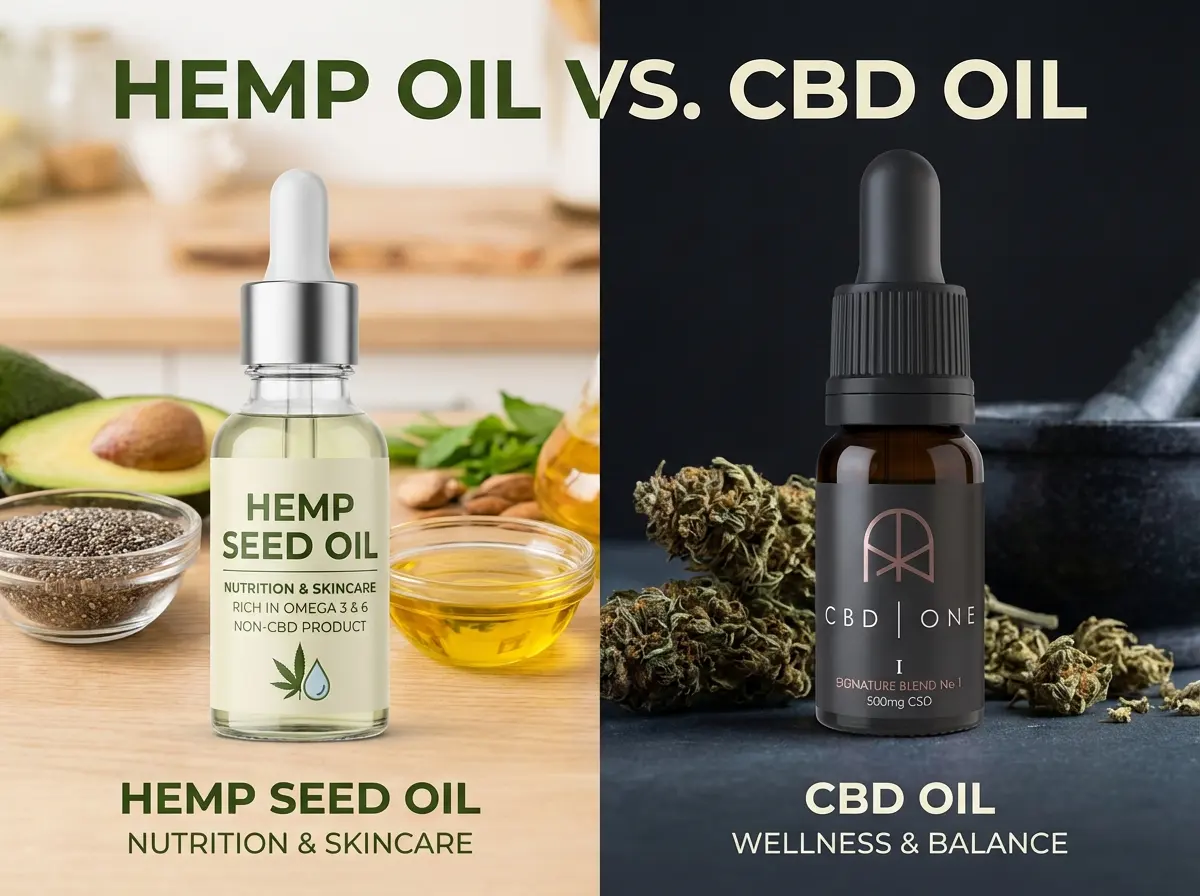
No, not usually.
Is hemp oil the same as CBD oil UK? In most UK shops, “hemp oil” means hemp seed oil, which contains little to no CBD. CBD oil contains cannabidiol (CBD) because it is made from the aerial parts of the hemp plant (like flowers and leaves), where cannabinoids are found.
The simplest way to tell
If the label only talks about “cold-pressed hemp seed oil”, omega fats, or nutrition, it is probably hemp seed oil.
If the label states an amount of CBD in mg (for example “500mg CBD per 10ml”), and ideally provides a third-party lab report, you are looking at CBD oil.
Where CBD comes from (and why hemp seeds are not the source)
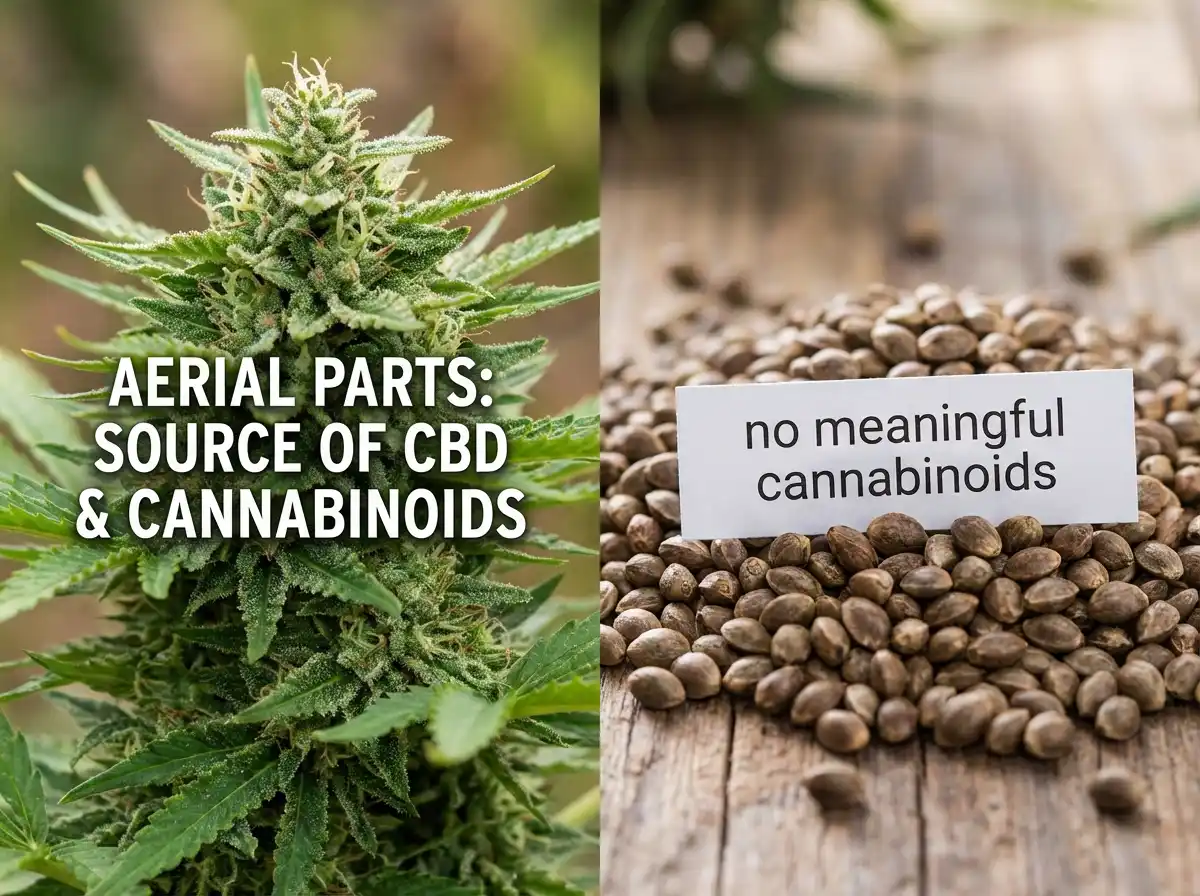
CBD is a cannabinoid. Cannabinoids are naturally produced in the resin of the hemp plant, mainly in the flowers and, to a lesser extent, the leaves.
Hemp seeds do not produce cannabinoids in meaningful amounts. So if a product is genuinely “seed oil only”, it is not a practical source of CBD.
So what is CBD oil made of?
Most CBD oils are a blend of:
- a hemp extract (this is where the CBD comes from)
- a carrier oil (often hemp seed oil, sometimes MCT or another food-grade oil)
Now, when it comes to the hemp extract itself, you will usually see one of these terms:
- Full spectrum: CBD plus other cannabinoids, terpenes, and flavonoids, with trace THC within legal limits
- Broad spectrum: similar to full spectrum, but with THC removed
- Isolate: CBD only
If you want a deeper explanation of compounds working together, have a read of The Entourage Effect. It helps make sense of why “hemp extract” and “CBD isolate” can feel different for some people.
What you might notice from hemp seed oil vs CBD oil
People often ask this in practical terms: “What will I feel?” The reality is, these oils are used for different reasons.
Hemp seed oil: more like a food and skincare staple
Hemp seed oil is valued for its fatty acid profile and as a gentle plant oil in skincare. Many people like it in dressings or as part of a balanced diet.
You are not taking hemp seed oil for cannabinoids. So if your goal is a CBD-style wellness routine, hemp seed oil alone will not match that intention.
CBD oil: a cannabinoid-focused supplement
CBD oil is taken for CBD content, usually as part of a daily wellbeing routine. Some people report it helps them feel more settled or supports their wind-down habits, but responses vary and research is still developing.
Think of it this way: hemp seed oil is like olive oil. CBD oil is more like a botanical extract in a carrier oil. Both can have a place, but they are not interchangeable.
How to read the label (and spot marketing tricks)
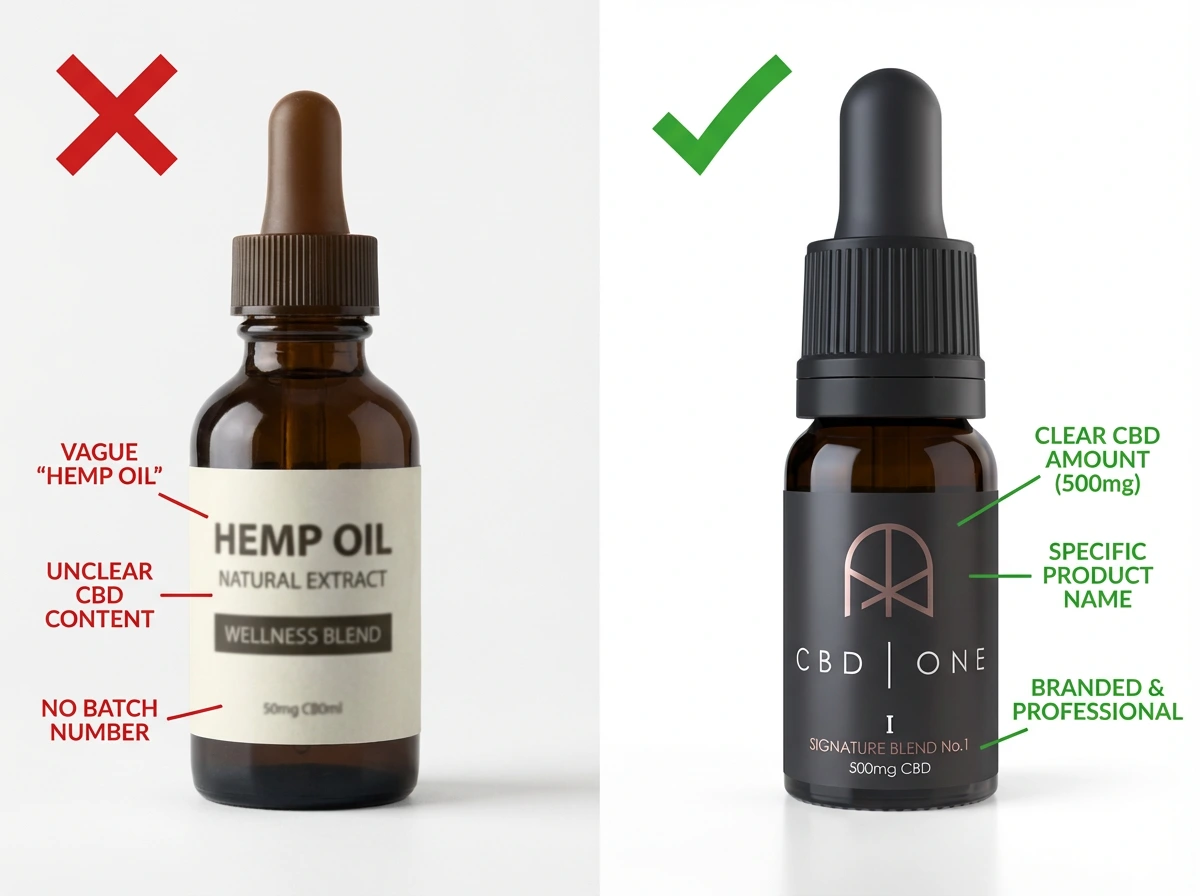
What many people overlook is that “hemp” is not a dosage. “Hemp extract” is not automatically “CBD”. And a leaf icon on the front label does not tell you much.
Look for CBD in milligrams (mg), not just percentages
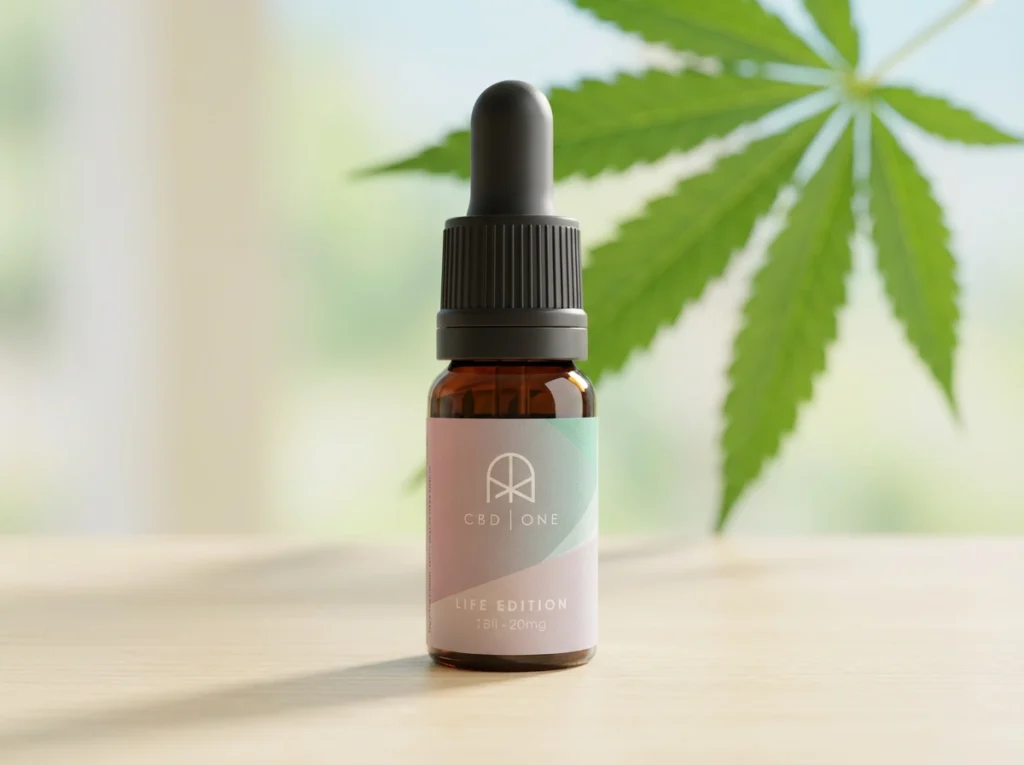
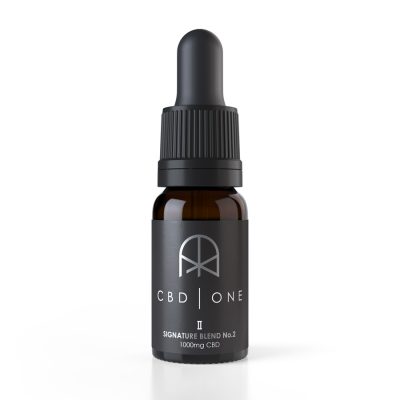
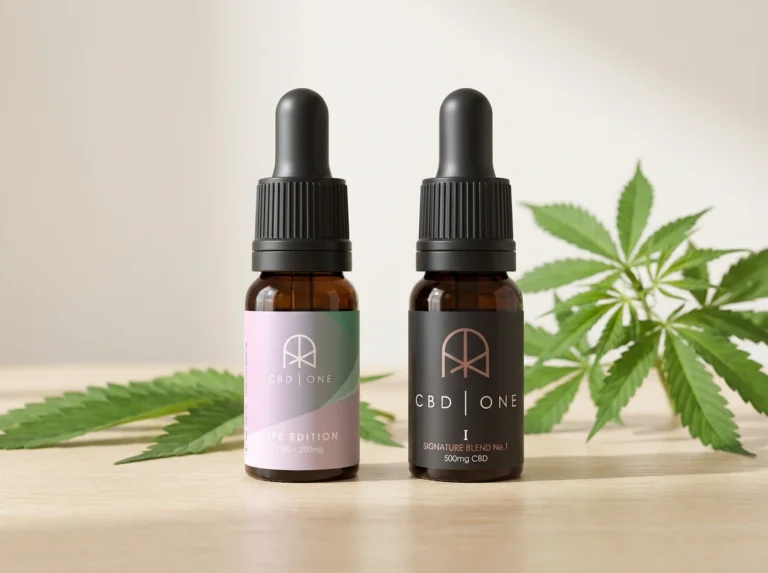
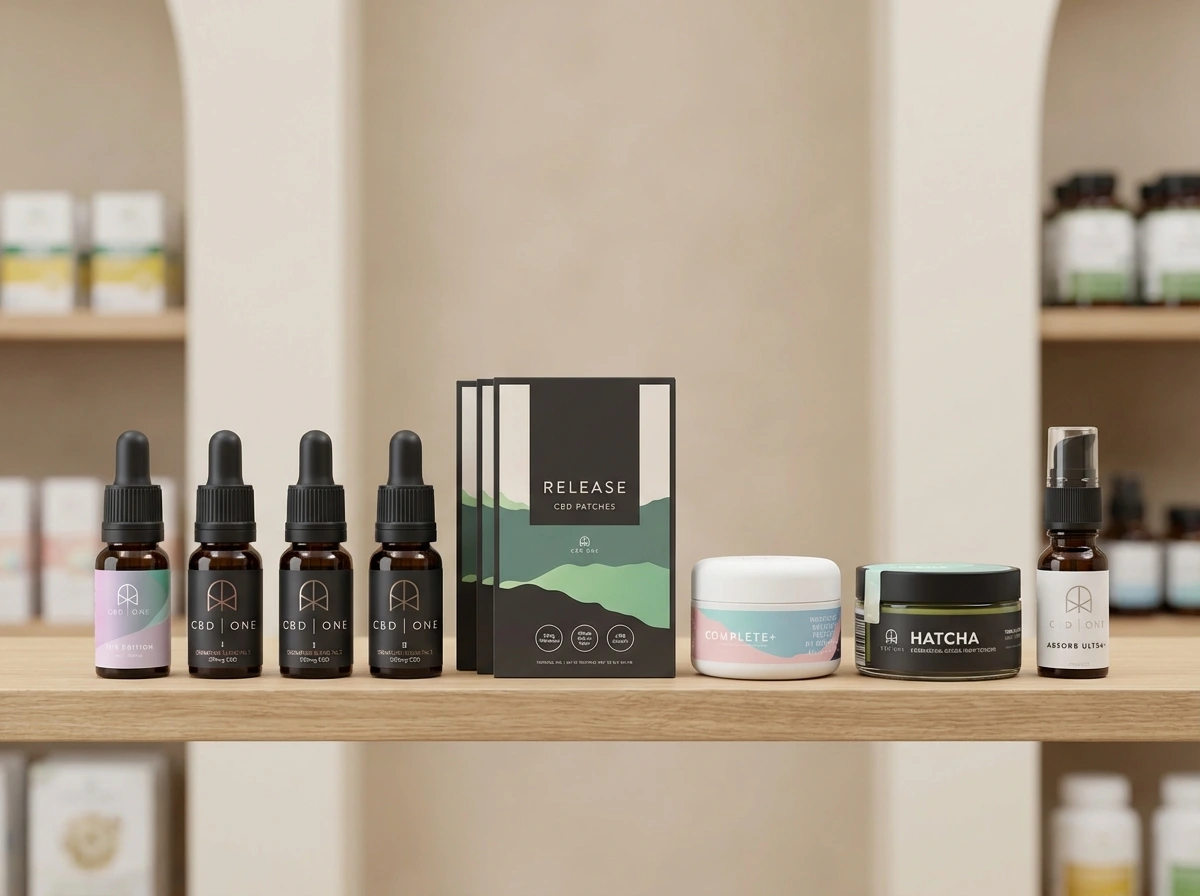
A clear CBD product should state the CBD content in mg per bottle, and ideally per serving. For example, CBD One oils show CBD content like 500mg per 10ml or 1000mg per 10ml, rather than vague language.
As a real product-format example, our 5% CBD Oil [500mg CBD] uses hemp seed oil as the carrier, but the CBD comes from a raw hemp extract. That is a common and perfectly sensible way CBD oils are made.
Check the ingredients list
For hemp seed oil, you should see something like: “Cannabis sativa seed oil” or “hemp seed oil” and not much else.
For CBD oil, you should see a carrier oil plus a hemp extract, and ideally a statement of the cannabinoid spectrum (full spectrum, broad spectrum, or isolate).
Ask for a lab report (COA)
Reputable brands publish third-party lab testing to confirm cannabinoid content and check for contaminants. If you cannot find it, ask. If they cannot provide it, I would personally move on.
How to choose the right option for you
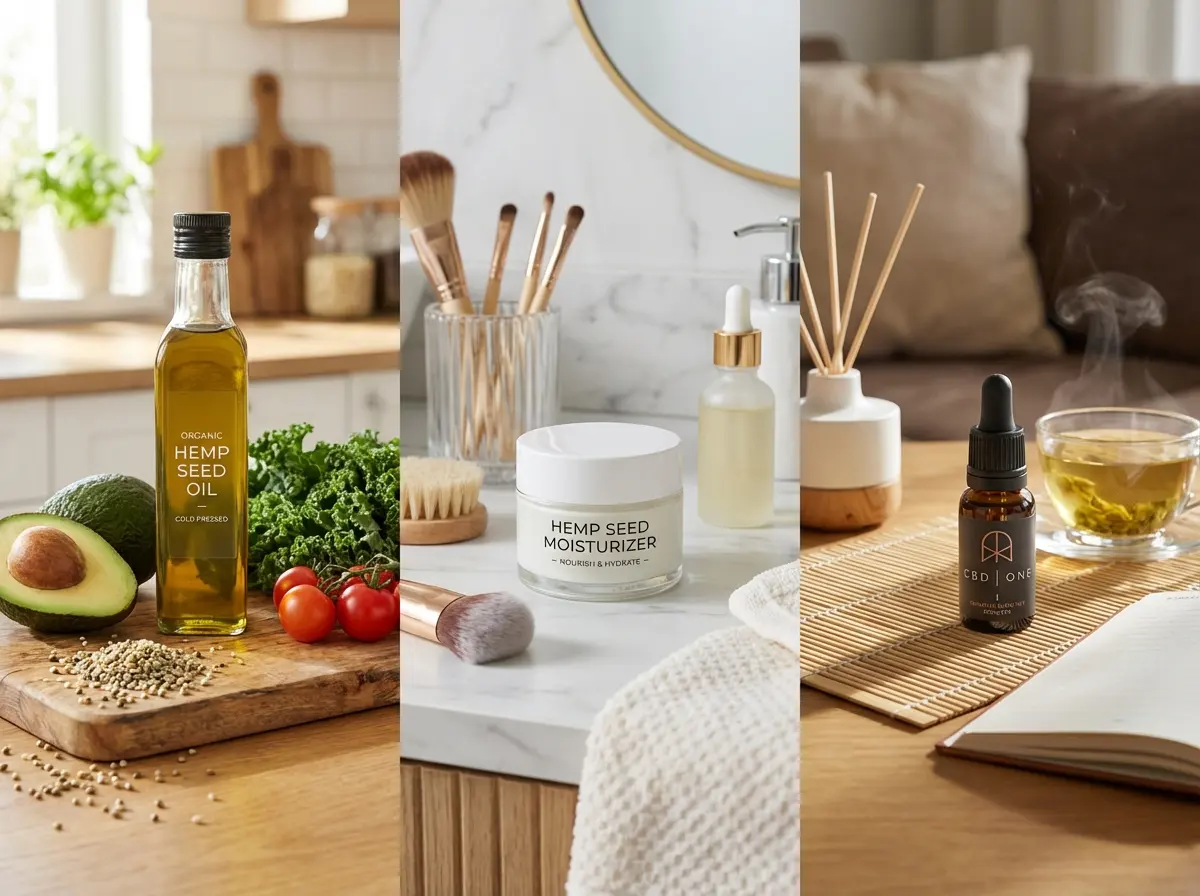
From a practical standpoint, the “right” choice depends on what you are actually trying to do day-to-day.
If you want a nutritious kitchen oil
Choose hemp seed oil (cold-pressed if you like). Use it like other delicate oils. It is not a CBD supplement, and it should not be presented as one.
If you want a CBD routine (drops)
Choose a CBD oil with clear mg labelling and a published COA. If you are new, you might also find it helpful to read our CBD oil strength guide so you can match the strength to your experience level.
To build a consistent ritual, keep it simple. Use the same time each day and track how you feel for a couple of weeks. If you want a practical walk-through of technique, see how to take CBD oil.
If you dislike the taste of oils
Some people do not get on with the earthy flavour of full spectrum oils. In that case, a water-soluble format may suit your routine better, because it mixes into a drink. You can browse examples in the Water Soluble CBD category.
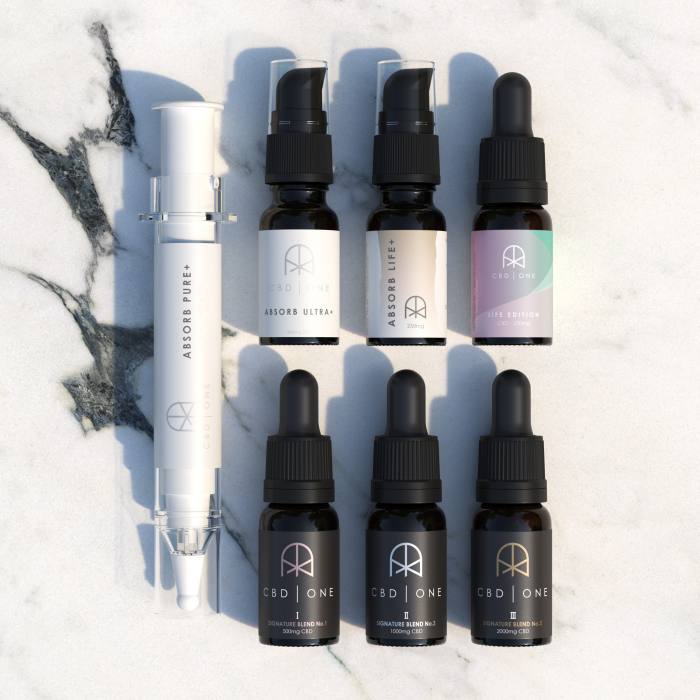
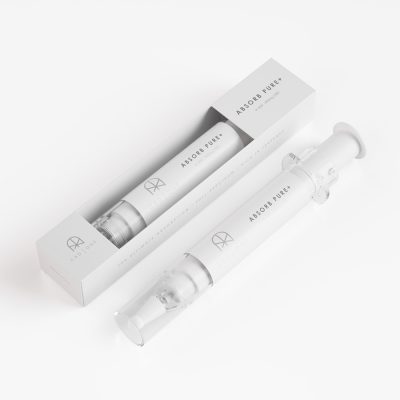
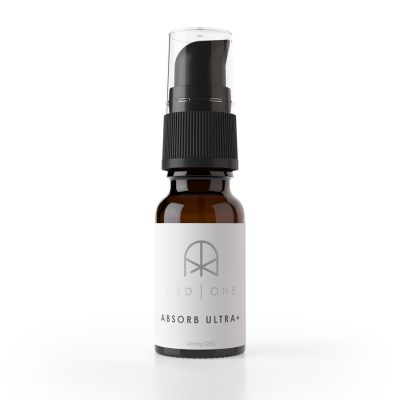
At CBD One, our Absorb range is full spectrum and designed for convenience in daily routines, especially if you prefer adding CBD to a morning tea or coffee rather than holding drops under your tongue.
If you are comparing brands
Use a checklist: clear mg of CBD, spectrum stated, lab reports available, sensible instructions, and no wild medical promises. If you want help comparing options, our guide to premium CBD oil (best CBD oil UK) is a useful place to start.
If you want to browse oils specifically, the most relevant collection page is CBD Oils.
Safety and UK-specific notes (worth knowing)
CBD is not intoxicating, but it is still an active compound. So it deserves a bit of respect.
FSA daily limit guidance
The UK Food Standards Agency (FSA) recommends healthy adults do not exceed 70mg of CBD per day. People vary a lot, and more is not always better. If you are unsure how to approach dosing sensibly, use our CBD dosage guide as a reference point.
Medication interactions
Always speak to your GP or pharmacist if you take prescription medication, especially anything with a “grapefruit warning”. CBD can interact with how some medicines are metabolised.
If you want a clear, cautious overview, read CBD and Medication.
Hemp seed oil safety
Hemp seed oil is generally used as a food and cosmetic ingredient. If you have allergies, sensitive digestion, or you are pregnant or breastfeeding, it is still sensible to check with a healthcare professional before adding new supplements or oils.
Hemp, cannabis, marijuana: are they the same thing?
This is another big source of confusion, and it links directly to why labels can feel intimidating.
Hemp and marijuana are both forms of the cannabis plant. In everyday language, “hemp” usually means cannabis that is grown and processed to be low in THC, and is used for things like fibre, seeds, and extracts. “Marijuana” is often used to describe cannabis products associated with higher THC content and intoxicating effects.
From a practical UK consumer point of view, what matters is not the slang, it is what is in the bottle: whether the product is a seed oil with no meaningful cannabinoids, or an extract-based oil that clearly states its CBD content and has appropriate testing and compliance.
How hemp oil and CBD oil are made (a quick, useful overview)
You do not need to become an extraction nerd to buy a good product, but a simple “how it’s made” overview can help you make sense of prices and labels.
How hemp seed oil is produced
Hemp seed oil is typically made by pressing hemp seeds, often described as cold-pressed. It is much closer to how you would make a culinary seed oil than how you would make a herbal extract. Because the seeds are the starting point, the end product is mainly about fats, flavour, and freshness, not cannabinoids.
How CBD oil is produced
CBD oil starts with the aerial parts of the plant, where the resin is. The cannabinoids and other plant compounds are extracted, then that extract is blended into a carrier oil so it is easy to measure and take.
What many people overlook is that different extraction and refinement choices can change how “raw” or “refined” the final oil feels. That is one reason you will see terms like full spectrum, broad spectrum, and isolate on labels, and why lab reports matter.
Can hemp oil or CBD oil show up on a drug test?
If you are subject to workplace testing, this is worth taking seriously.
Hemp seed oil itself is not intended to provide cannabinoids, so it is less likely to be relevant to drug testing. That said, the world of supplements can be messy, and mislabelled products do exist. Buying from reputable brands still matters.
With CBD oil, the key point is that some full spectrum products contain trace THC within legal limits. Many people use full spectrum CBD without issues, but drug tests do not care about legality or intent, they look for metabolites. So there can be a risk, especially with frequent use, higher servings, or poorly tested products.
If drug testing is a concern for you, consider speaking to your employer or testing provider about what is being tested for, and talk to a healthcare professional if you want personalised guidance. And always choose products with clear lab reports, so you know what you are taking.
Frequently Asked Questions
Is hemp oil the same as CBD?
No, they are usually different products. “Hemp oil” most often means hemp seed oil, which is pressed from hemp seeds and contains little to no CBD. CBD oil contains cannabidiol because it is made using a hemp extract from the flowers and leaves, then blended into a carrier oil. The confusion happens because both come from the hemp plant and brands sometimes use “hemp” as a marketing shortcut. If you want certainty, look for CBD listed in milligrams (mg) and check for a third-party lab report.
Is CBD oil the same as hemp oil?
Not in the way most people mean it. CBD oil is a supplement-style product formulated to deliver CBD. Hemp oil (meaning hemp seed oil) is a food or cosmetic oil. You can have CBD oil that uses hemp seed oil as the carrier, but that still does not make hemp seed oil a CBD product. If a label only mentions “cold-pressed hemp seed oil” and talks about omegas, it is almost certainly not CBD oil. If it lists CBD in mg, it is.
Is hemp seed oil the same as CBD oil?
No. Hemp seed oil is made from seeds, and seeds do not contain meaningful amounts of cannabinoids like CBD. CBD oil is made by extracting cannabinoids from the aerial parts of the plant, then blending that extract into a carrier oil. Hemp seed oil can be a great ingredient, but it is not interchangeable with CBD oil if your goal is a cannabinoid-based routine. If you are unsure, the ingredients list is your friend: CBD oil should list a hemp extract plus a carrier oil.
Is hemp oil the same as CBD oil UK?
In the UK, the same rule of thumb applies: “hemp oil” usually means hemp seed oil, while “CBD oil” should state a CBD content (in mg) and often describes the cannabinoid spectrum. UK consumers also need to watch for vague labels that say “hemp extract” without a CBD amount, because that does not guarantee you are getting a meaningful level of CBD. A reputable CBD brand should provide clear labelling, sensible usage guidance, and access to third-party lab testing.
Are CBD and hemp oil the same thing in skincare?
They can be different, even when both are in a moisturiser or balm. Hemp seed oil in skincare is mainly used as a nourishing plant oil. CBD in skincare is added as a hemp extract that contains cannabinoids. Some products include both, which can make the label look confusing. If you are buying skincare specifically for CBD content, check for CBD listed in mg and look for a lab report where possible. If it only lists “cannabis sativa seed oil”, it is hemp seed oil.
How can I tell if a “hemp oil” contains CBD?
Start with the front label: does it state “CBD” and an amount in mg? Then check the ingredients: you should see a hemp extract, not just seed oil. Finally, look for a third-party COA (certificate of analysis) confirming cannabinoid content. Be cautious with products that say “hemp extract” but do not quantify CBD, because you cannot judge strength or value. If you are comparing strengths, our CBD oil strength guide helps you sanity-check what you are seeing.
Does hemp seed oil have CBD naturally?
In practical terms, no. Hemp seed oil may contain trace compounds depending on processing, but it is not a reliable or meaningful source of CBD. Cannabinoids are found mainly in the resin of the plant’s flowers and leaves, not the seeds. That is why CBD oil is made from hemp extracts rather than seed pressing. If you are trying to add CBD to your routine, you will want a product that lists CBD clearly in mg and provides lab testing.
Is CBD oil legal in the UK if it comes from hemp?
CBD products are widely sold in the UK, but legality and compliance depend on the product meeting UK requirements. Brands should follow rules around THC limits and Novel Food compliance, and they must not market CBD as a medicine. As a consumer, your safest move is to buy from reputable companies that publish lab reports and avoid medical claims. If you want background reading on different hemp-based oils, Hemp Oil vs CBD Oil is a helpful companion piece.
What is “raw hemp extract” and is it different from CBD?
“Raw hemp extract” usually means the extract contains a broader mix of natural plant compounds, which may include CBD and also CBDa (the acidic precursor found in raw hemp). CBDa and CBD are related but not identical. Some users prefer a raw profile, while others want a more standardised CBD-focused extract. If you keep seeing CBDa on labels and wonder what it is, take a look at CBDa vs CBD. It will help you understand what those letters actually mean.
How much CBD should I take if I switch from hemp oil to CBD oil?
Hemp seed oil is not typically used in “CBD doses”, so you are not really switching like-for-like. With CBD oil, start low and go slow, and give your body time to respond. The UK FSA advises healthy adults not to exceed 70mg CBD per day, and if you take other supplements or medicines, it is smart to check with your GP. For a practical framework, use our CBD dosage guide and keep notes for a week or two.
Is hemp oil legal in the UK?
Hemp seed oil is commonly sold in the UK as a food or cosmetic ingredient. It is usually not a legal grey area in the way people worry about with cannabis, because it is not being sold for cannabinoid content.
CBD oils and CBD supplements are a bit more nuanced: they are widely available, but should be produced and marketed in line with UK rules, including appropriate THC limits, responsible labelling, and not presenting CBD as a medicine. If you are unsure, stick with reputable brands that publish lab reports and keep their claims sensible.
Is hemp oil the same as CBD oil for a drug test?
They are not the same, and they do not carry the same level of risk.
Hemp seed oil is not intended to contain cannabinoids in meaningful amounts. CBD oil can contain cannabinoids by design, and full spectrum CBD oils can contain trace THC within legal limits. Drug tests can be sensitive, and they are not always designed to interpret labels or “legal trace” amounts, they simply detect what they detect.
If drug testing matters for your job or sport, consider speaking to a healthcare professional and use extra caution. Choosing well tested products, and understanding whether a product is full spectrum, broad spectrum, or isolate, is a sensible starting point.
Key Takeaways
- Hemp seed oil and CBD oil are usually not the same, even though both come from the hemp plant.
- Hemp seed oil is pressed from seeds and contains little to no CBD. CBD oil uses a hemp extract from flowers and leaves.
- Always look for CBD in mg, a stated spectrum (full, broad, isolate), and third-party lab reports.
- The UK FSA advises healthy adults not to exceed 70mg CBD per day. If you take medication, speak to your GP or pharmacist.
- If you want help choosing strength and routine, use a guide like our how to take CBD oil article and keep it consistent.
Conclusion
So, is hemp oil the same as CBD? Most of the time, no. Hemp seed oil is a nutritious plant oil used in food and skincare, while CBD oil is a cannabinoid-focused product made from a hemp extract and blended into a carrier oil (often hemp seed oil, which adds to the confusion).
If you take one thing from this guide, make it this: ignore the big “hemp” wording and look for the specifics. CBD should be listed in milligrams, the spectrum should be clear, and lab testing should be easy to access. Once you know what you are buying, it becomes much easier to build a calm, consistent routine and adjust slowly based on your own experience.
If you are unsure where to start, explore our CBD Oils page and keep things simple and steady.