
High Strength CBD Oil: UK Delivery & Best Prices
What “high strength CBD oil” really means in the UK
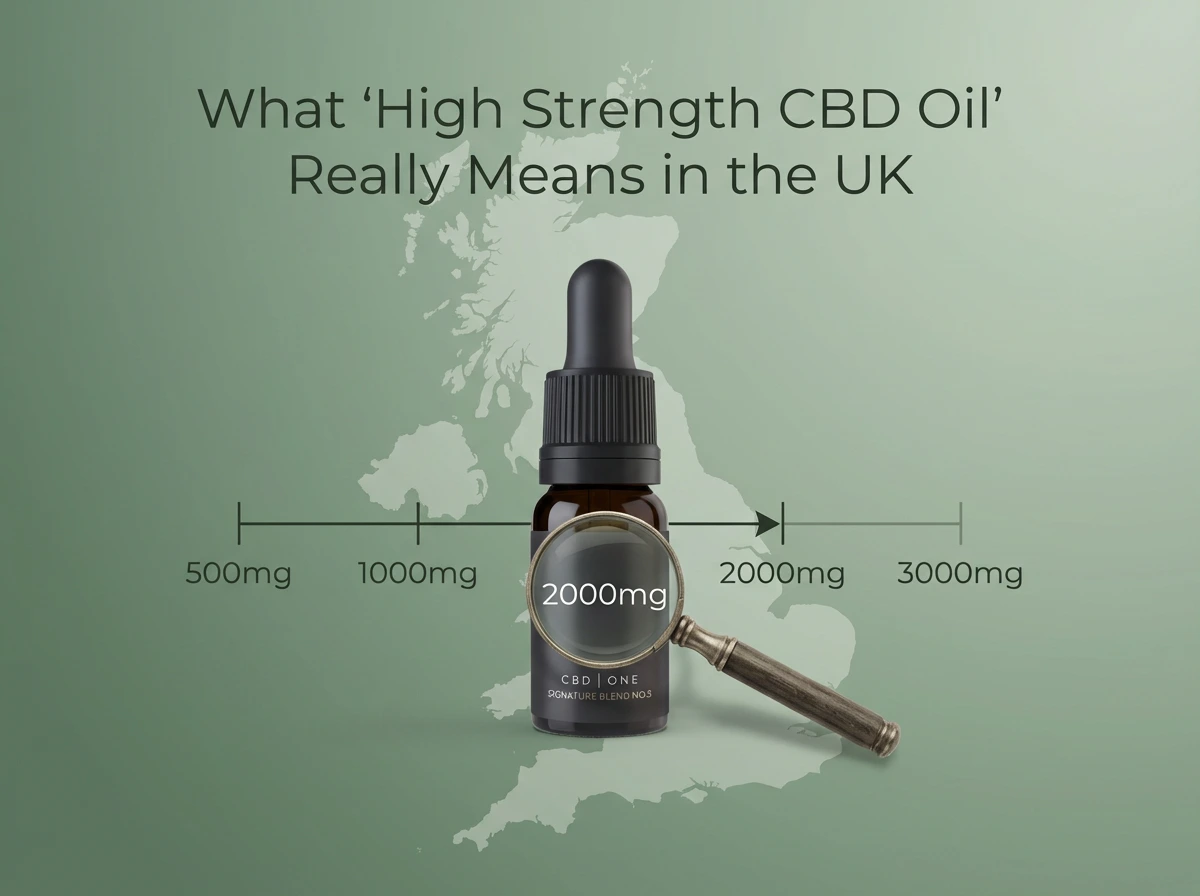
In the UK, “high strength” is not a regulated definition. One brand might call 1000mg per bottle high strength, while another only uses that label for 2000mg, 3000mg, or more. To compare fairly, ignore the marketing term and look at:
- Total CBD in the bottle (for example, 1000mg or 2000mg).
- Concentration (percentage, such as 10% or 20%).
- CBD per drop (helps you compare dosing convenience).
- Cost per mg (a better value metric than bottle price).
Also pay attention to spectrum type. Full spectrum CBD oil contains CBD plus minor cannabinoids and terpenes, with trace THC within legal limits. Many people choose full spectrum for the so-called “entourage effect” (the idea that compounds may work better together than alone), although experiences vary person to person.
Finally, remember the UK Food Standards Agency recommends healthy adults do not exceed 70mg CBD per day. High strength oils can make it easier to hit that ceiling without realising, especially if you take multiple servings.
Key features to look for (and red flags to avoid)
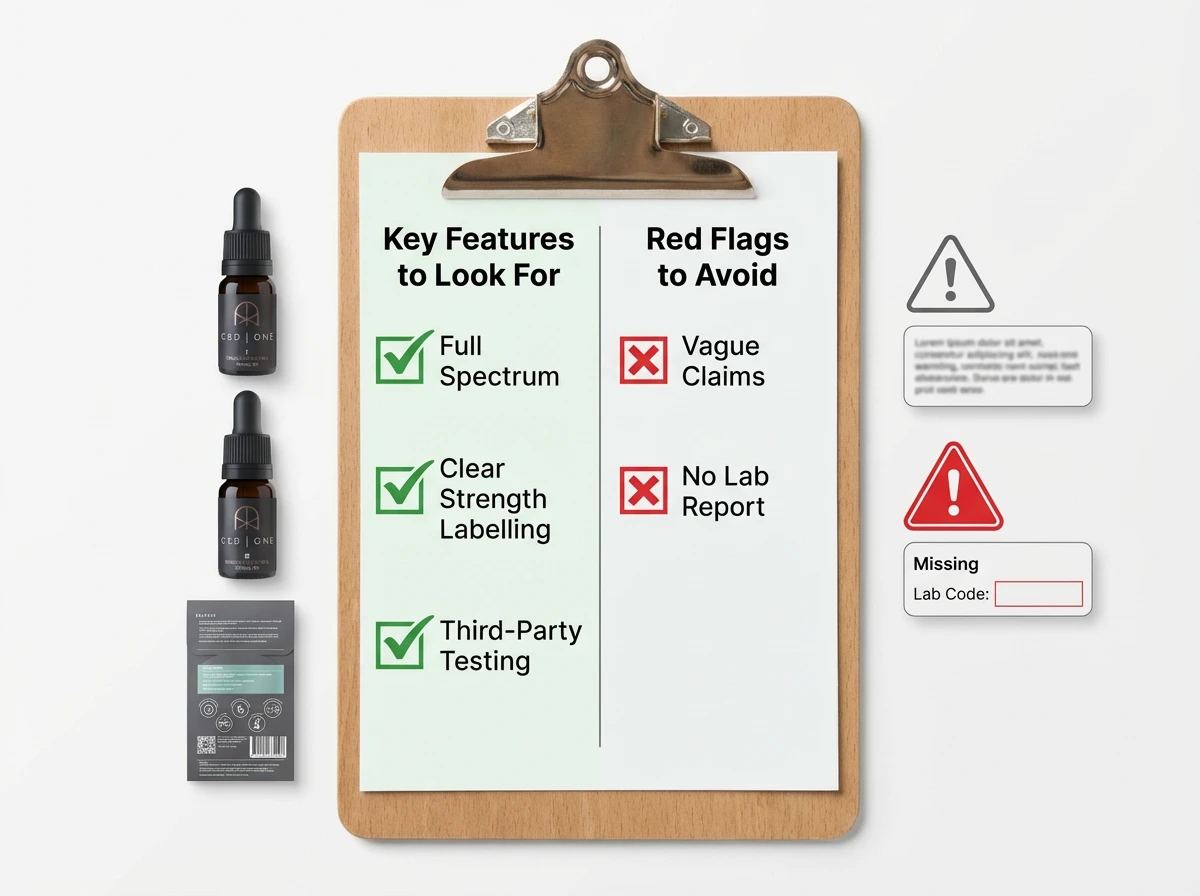
1) Clear strength labelling (mg and %)
A high strength CBD oil should state the total CBD content clearly (mg per bottle) and ideally the concentration too. Percentages can be helpful, but mg is what you actually dose.
Red flag: vague claims like “high potency hemp extract” with no mg figures.
2) Full spectrum vs broad spectrum vs isolate
- Full spectrum: includes minor cannabinoids and terpenes plus trace THC (within legal limits). Often chosen for a broader plant profile.
- Broad spectrum: aims to remove THC while keeping other compounds.
- Isolate: CBD only, no other cannabinoids.
If you are drug-tested at work or in sport, even legal trace THC can be a consideration. Some people choose isolate or broad spectrum to reduce that risk, but no product can promise a zero-risk test outcome.
3) Third-party lab testing (and actually readable)
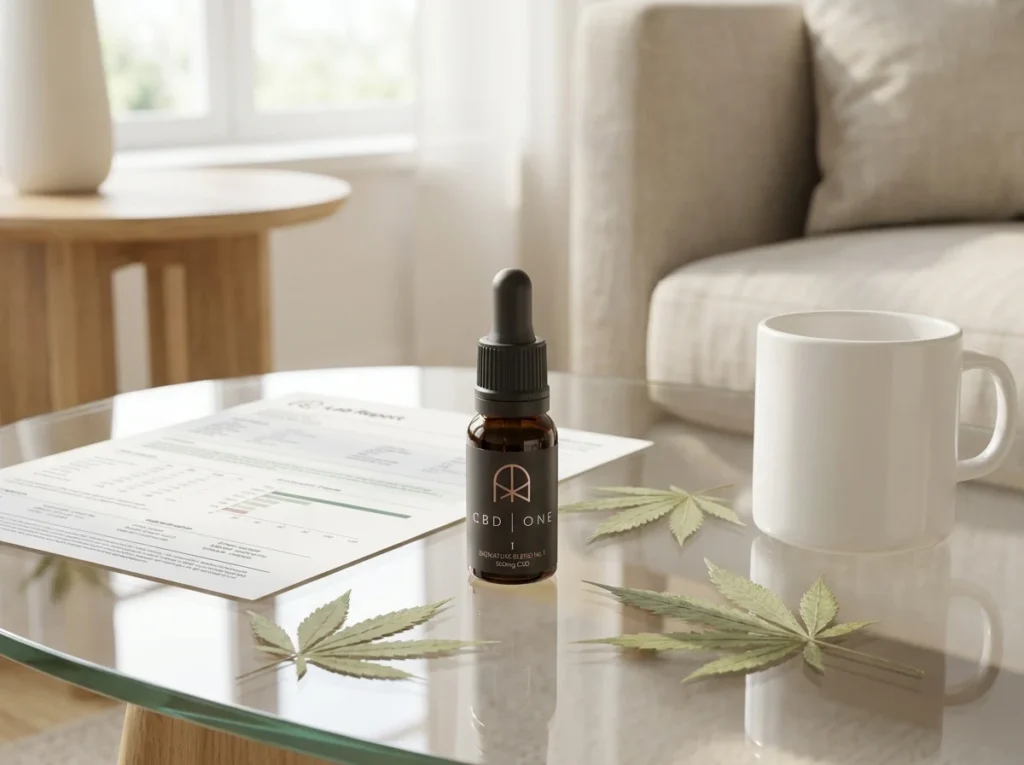
At minimum, you want a certificate of analysis that confirms cannabinoid content. Ideally it also covers contaminants. In the real world, many shoppers never check the lab report. With high strength products, it matters more because you are taking a more concentrated extract.
4) Carrier oil and ingredients list
Most CBD oils are CBD extract blended into a carrier like hempseed oil. Keep an eye out for a short, sensible ingredients list and any allergens or flavourings you know you do not tolerate.
5) Practical dosing and consistency
High strength oils are often chosen so you can take fewer drops. That is convenient, but it can also mean smaller mistakes have bigger consequences. If you are new to CBD, consider whether a moderate strength gives you more “room” to find your personal dose gradually.
Pros and Cons
Strengths
- Fewer drops per serving, which many people find easier to stick with day to day.
- Often better value per mg than low-strength oils (depending on the brand and bottle size).
- Useful for experienced users who already know roughly what mg range suits them.
- More flexible dosing if you measure carefully, because you can take a small number of drops multiple times per day.
- Good option for travel if you want to pack one bottle that lasts longer.
Considerations
- Easier to overshoot your ideal dose (and the FSA’s 70mg/day guidance) if you do not track mg, especially with multiple servings.
- Not always “stronger” in effect for everyone. Some people report they do just as well on a moderate strength.
- Trace THC in full spectrum may be a concern for people who are drug-tested or extremely THC-sensitive.
- Higher upfront price even when cost per mg is good value.
Who high strength CBD oil is for (and who should go slower)
High strength CBD oil is typically best for people who have already tried CBD and want a more concentrated bottle for convenience, or who dislike taking lots of drops. It can also suit people who are tracking their intake in mg and want a more cost-efficient long-term option.
If you are completely new to CBD, sensitive to supplements, or you are unsure how CBD fits with your routine, a lower or mid-strength oil can be easier to titrate. And if you take prescription medicines, it is worth reading up on interaction considerations and speaking with your GP or pharmacist before you start or increase your dose.
CBD One alternative: high strength full spectrum options (UK delivery)
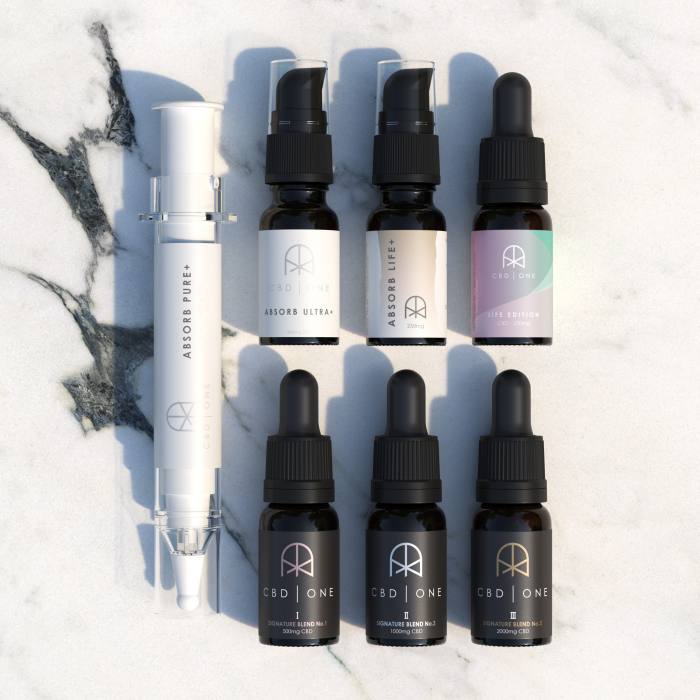
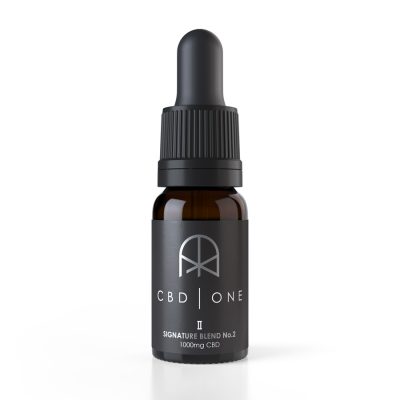
If you want a high strength full spectrum CBD oil with simple, transparent strength labelling, CBD One’s core option is 20% CBD Oil [2000mg CBD] at £109.99. It is a full spectrum oil blended with hempseed oil and designed for people who want higher potency in fewer drops.
If you are not sure 20% is right, the step-down option is 10% CBD Oil [1000mg CBD] at £58.99, which many people find a more forgiving place to start before moving up.
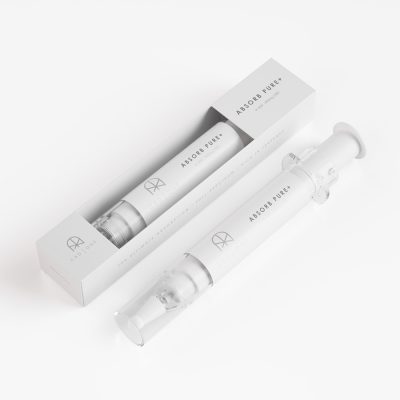
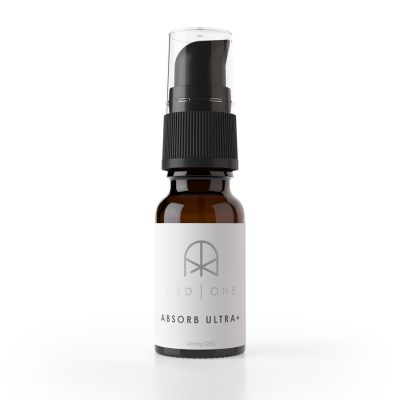
And if you struggle with oil drops (taste, routine, or you want something you can add to a drink), consider Absorb Pure+ at £58.99, a full spectrum, water-soluble format with pump dosing.
Honesty moment: CBD One’s range is intentionally tight and premium-leaning. You will not find a huge menu of flavours or gummies, and pricing may look higher upfront than mass-market brands. The trade-off is a focused range with clear strengths and straightforward usage.
Buying guide: how to choose a high strength CBD oil (5 practical criteria)
1) Compare strength properly: mg per bottle, mg per drop, and your daily mg
“Highest strength CBD oil” is only meaningful if you can dose it accurately. Look for the total mg in the bottle, then work out how many mg you get per drop. From there, decide what daily mg range you are aiming for, staying within the FSA’s 70mg/day guidance for healthy adults. If you are unsure, take it slowly and keep notes.
If you want structured help, use a proper CBD Dosage resource rather than guessing from online comments.
2) Choose the spectrum based on your priorities
For many shoppers looking for high strength CBD oil UK options, full spectrum is appealing because it includes cannabinoids and terpenes alongside CBD. If your priority is minimising THC exposure, broad spectrum or isolate may be a better fit. Just remember that “THC-free” can mean below a detection threshold, not necessarily absolute zero in every context.
3) Look for lab verification you can match to the product
A trustworthy product should have lab testing that aligns with the batch you are buying. If you cannot find a certificate of analysis, or it is impossible to interpret, I would personally move on, especially at higher strengths.
4) Consider bioavailability and format (oil vs water-soluble)
Standard oils are usually taken sublingually (held under the tongue), which many people prefer for simplicity. Water-soluble options can be easier to add to a routine (for example in tea or coffee), and some users report they feel them sooner. Either way, the right format is the one you will use consistently.
To understand the mechanics of taking oils properly, see How To Take CBD Oil.
5) Total cost: don’t just look at the bottle price
High strength bottles cost more, but they may last longer. Compare cost per mg, then factor in how many days a bottle lasts at your preferred intake. Also check delivery, returns, and whether multi-buy packs exist if you know you will stick with a product long term.
Quick note on categories
If you want to browse strengths side-by-side, start with the CBD Oils collection. If you are considering alternatives to oil drops, the Water Soluble CBD range is the most relevant place to compare.
How to calculate mg per drop (and cost per mg) in 60 seconds
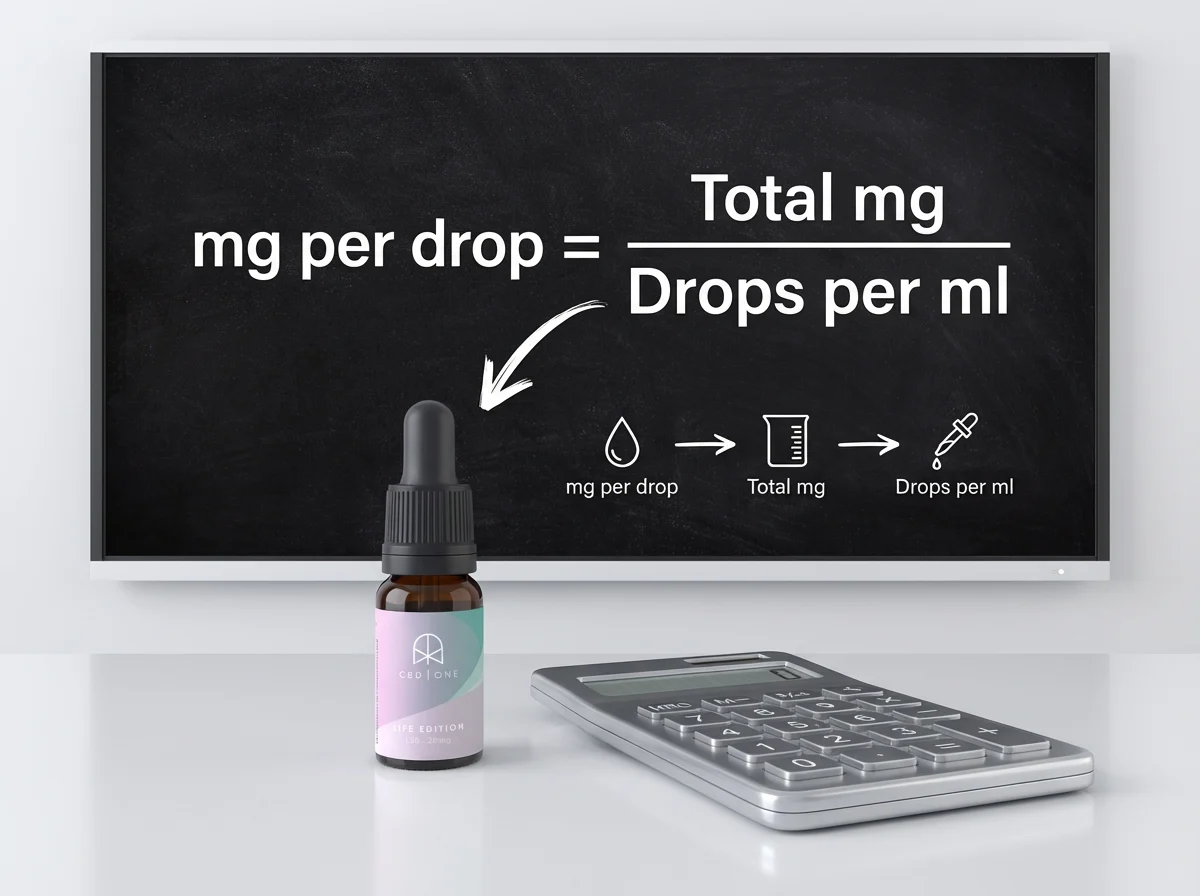
Here’s the thing: most “high strength” comparisons fall apart because people compare percentage to percentage, without checking bottle size or how they will actually use it.
To keep it simple, you only need three numbers from the label: bottle volume (ml), total CBD in the bottle (mg), and the price.
Step 1: Work out mg per ml
Divide total CBD (mg) by bottle size (ml). For example, 2000mg in a 10ml bottle is 200mg per ml.
Step 2: Estimate mg per drop
Drop size varies a bit depending on the dropper and the oil, but a practical estimate many people use is around 20 drops per 1ml. Using that rough guide, take your mg per ml and divide by 20 to get an approximate mg per drop.
This is not meant to be laboratory-precise. It is meant to stop you guessing and help you compare products more fairly.
Step 3: Compare cost per mg
Divide the bottle price by total CBD (mg). That gives you the cost per mg. It is one of the fairest ways to compare value across different bottle sizes and strengths.
From a practical standpoint, this is also how you avoid accidentally buying a “high strength” oil that looks cheap, but ends up expensive per mg once you do the maths.
What a good lab report should show for high strength CBD oil
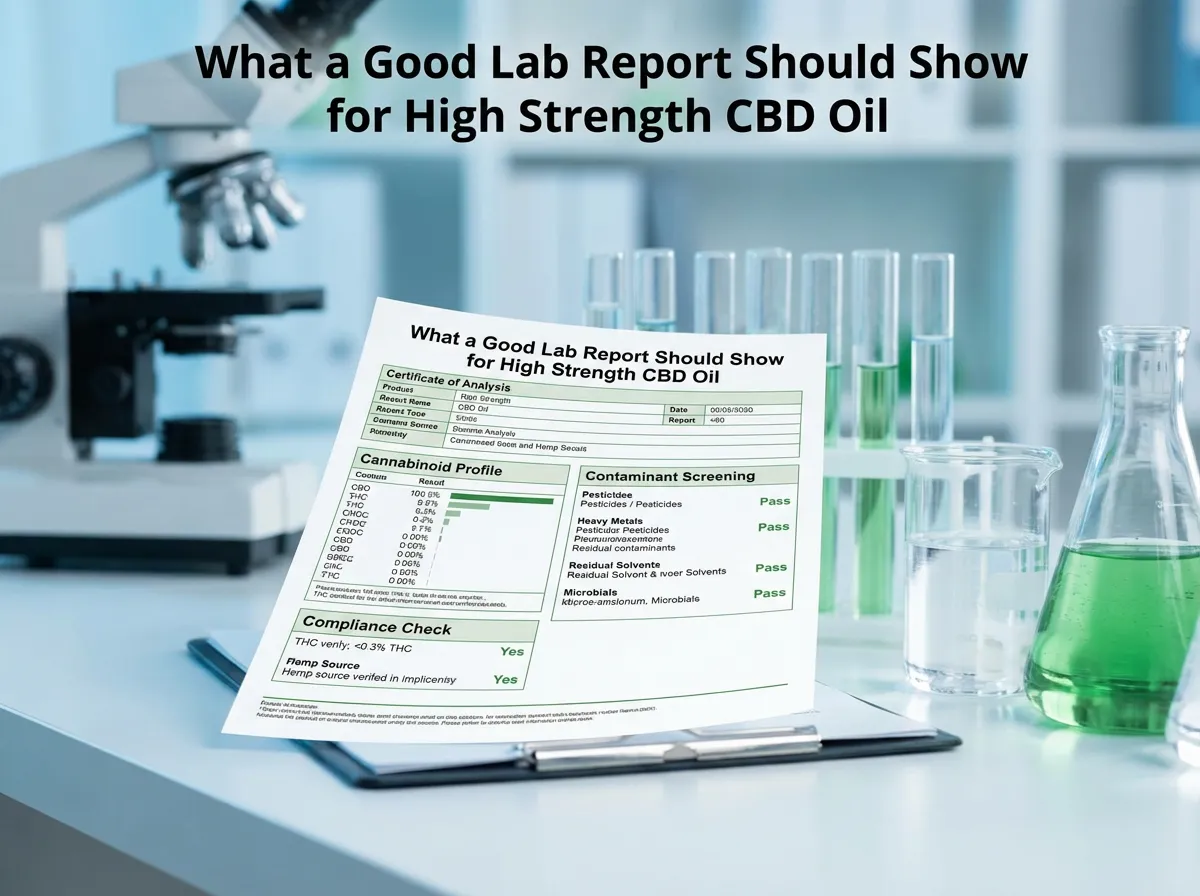
When an oil is more concentrated, quality matters more, not less. A decent certificate of analysis is not just a badge to tick. It should help you match what the bottle says to what is actually inside.
1) Cannabinoid profile that makes sense for the label
You want to see CBD listed clearly, ideally with a total that lines up with the mg on the bottle (allowing for reasonable batch variation). If it is a full spectrum oil, you may also see small amounts of other cannabinoids shown. That is normal for a whole-plant style extract.
2) Confirmation the product is compliant for the UK market
Full spectrum oils can contain trace THC within legal limits. A lab report should make it clear what has been detected. If a brand avoids showing THC results entirely, or the report is heavily cropped, I would treat that as a warning sign.
3) Contaminant screening where possible
Many shoppers overlook this bit, but it is part of what separates a premium product from a cheap extract. Depending on the brand, you might see screening for things like heavy metals, pesticides, solvents, or microbial contaminants. Not every certificate includes every panel, but the more transparent and complete it is, the better.
4) A report that is current and traceable
Consider this: a lab report is only useful if it relates to the product you are buying. Look for a batch number or reference you can match to the bottle, plus a reasonably recent test date.
Why some “high strength” oils feel different: absorption, routine, and timing
If you have ever moved up in strength and thought, “this feels different”, it is not always because you are taking more CBD. Sometimes it is because the way you take it changes when you switch to fewer drops.
Oil under the tongue is a technique, not just a serving
Standard CBD oil is commonly taken sublingually, held under the tongue for a short period before swallowing. When you go higher strength, you might use fewer drops and hold it for less time, or swallow quickly because the taste is stronger. Small changes like that can change the experience for some people.
Food, timing, and consistency can matter
Many people take CBD alongside a meal, or at a consistent time of day, because it helps them build a routine. If you take it on an empty stomach one day and with a meal the next, you might notice a difference. The same goes for taking it at night one week and mid-afternoon the next.
The reality is: if you want to judge whether a high strength oil suits you, keep the routine steady for a week or two. Same time, similar context, similar serving approach, and keep a note of the mg you are taking.
Why water-soluble can feel different to oils
Water-soluble formats are designed to mix into drinks and can be easier to fit into everyday life. Some people report they notice them sooner, others prefer the simplicity of oil drops. Neither is automatically “better”. What matters is whether you can take it consistently and stay aware of your total daily mg.
High strength CBD oil: travel, storage, and shelf life basics
High strength oils often last longer, which is great. It also means you are more likely to be using the same bottle over weeks or months, so storage becomes more relevant.
Keep it cool, dark, and consistent
Heat and light can degrade plant compounds over time. A cupboard away from a radiator and direct sunlight is usually a good place. Refrigeration is not always necessary, but avoid leaving your bottle in a hot car or on a bright windowsill.
Close the lid properly and keep the dropper clean
Try not to let the dropper touch your mouth. It is a simple habit that helps keep the oil fresher and more hygienic, especially if you use the same bottle daily.
Check the expiry date and notice changes
CBD oils can change in colour or taste over time. That does not automatically mean something is “wrong”, but if an oil smells off, looks unusual, or you are unsure, it is sensible not to take chances and to contact the retailer for guidance.
Flying and UK travel
If you are travelling, keep the bottle in its original packaging if possible, and be cautious about taking CBD products abroad. Rules differ widely between countries, even when a product is legal in the UK.
Frequently Asked Questions
What counts as “high strength” CBD oil?
There is no official UK definition. In practice, many shoppers use “high strength” to mean 1000mg CBD per bottle and above, or concentrations like 10% to 20%+. The most reliable way to compare is to look at mg per bottle and work out mg per drop, rather than relying on labels.
Is high strength CBD oil better than low strength?
Not automatically. High strength mainly improves convenience, fewer drops and often better value per mg. Some users report they feel no difference compared with a moderate strength when they take the same mg amount. What matters most is taking a consistent dose that suits you.
How much high strength CBD oil should I take?
Start low and increase gradually, tracking the mg you take, not just the number of drops. The UK FSA recommends healthy adults do not exceed 70mg of CBD per day. If you are unsure, use a structured dosage approach and speak with a healthcare professional if you take medicines.
Is full spectrum high strength CBD oil legal in the UK?
CBD products sold in the UK must meet legal requirements, and full spectrum oils typically contain only trace THC within legal limits. Laws and enforcement can be nuanced, so it is sensible to buy from reputable UK retailers that provide clear product information and testing.
Will high strength CBD oil make me feel “high”?
CBD itself is non-intoxicating. Full spectrum oils may contain trace THC, but they are not intended to cause a “high” when used as directed. Individual sensitivity varies, so if you are THC-sensitive or drug-tested, consider a THC-free option like isolate products.
What is the highest strength CBD oil online UK?
It varies by brand and bottle size. Some companies sell very high total mg bottles, but the right “highest strength” for you is the one you can dose safely and consistently. Focus on quality signals like lab reports, ingredient clarity, and realistic dosing instructions.
Is water-soluble CBD stronger than CBD oil?
It is not “stronger” by default, but it can feel different for some people. Water-soluble formats can be easier to take and may suit those who dislike oils. The most important comparison is the mg of CBD you take and how reliably you can repeat that dose.
Can I take high strength CBD oil every day?
Many people use CBD daily as part of a wellness routine, but it is individual. Keep within the UK FSA’s 70mg/day guidance for healthy adults, and take extra care if you are pregnant, breastfeeding, have liver concerns, or take any prescription medicines. If in doubt, check with a clinician.
What are the main side effects people report with high strength CBD oil?
CBD is generally well tolerated, but some users report tiredness, stomach upset, or changes in appetite, especially at higher intakes. That is one reason to increase slowly and keep track of mg. Stop use and seek medical advice if you feel unwell.
What is the best high strength CBD oil UK buyers should look for?
Look for a product that states total CBD clearly, uses a spectrum that matches your needs (full spectrum, broad spectrum, or isolate), provides third-party lab testing, and offers practical dosing guidance. “Best” depends on your routine, sensitivity, and budget, not just the highest mg.
How many drops of 20% CBD oil is 70mg?
It depends on the bottle size and the dropper, because “20%” tells you concentration, not the exact mg in each drop. A practical approach is to calculate mg per ml from the label (total mg divided by ml), then estimate mg per drop using an approximate 20 drops per ml. Once you have that estimate, you can work out roughly how many drops would get you close to 70mg.
If you are using a high strength oil, it is worth doing this once on paper. It helps you stay within the UK FSA recommendation that healthy adults do not exceed 70mg CBD per day.
Can I mix CBD oil with food or drink?
You can, but it changes the experience for some people. When you take CBD oil under the tongue, you are using a sublingual method. If you mix it into food or a drink, you are essentially swallowing it, which may feel slower and can be less predictable day to day.
If taste is your main issue, you might prefer a water-soluble format designed to mix into drinks, because it can be easier to stir in and dose consistently.
Can CBD oil show on a drug test?
Most drug tests are looking for THC, not CBD. However, full spectrum oils can contain trace THC within legal limits, and there is no product that can promise a zero-risk drug test outcome. If you are routinely drug-tested, it is worth being cautious, choosing your product type carefully, and speaking with a professional if you need help weighing the risk.
Key Takeaways
- “High strength” is a marketing term. Compare mg per bottle, mg per drop, and cost per mg.
- Full spectrum oils include minor cannabinoids and terpenes plus trace THC within legal limits.
- High strength is about convenience and value, but it is easier to overshoot your ideal dose.
- Use the UK FSA guidance of no more than 70mg CBD per day for healthy adults.
- If you hate oil drops, a water-soluble format can be a practical alternative.
Conclusion
If you are buying high strength CBD oil, the smartest move is to ignore the label and shop by numbers: total mg, mg per drop, and cost per mg, backed up by sensible lab testing. High strength can be a great fit if you already know your routine and want fewer drops, but it does require a bit more care with dosing.
If you want a straightforward full spectrum option with UK delivery, take a look at CBD One’s 20% CBD Oil [2000mg CBD] (£109.99). If you would rather ease in, the 10% CBD Oil [1000mg CBD] (£58.99) is a solid middle ground. For an alternative format, Absorb Pure+ (£58.99) is worth considering.