
High Strength CBD UK Guide (2026): Delivery & Prices
What counts as “high strength CBD” in the UK?
There’s no official UK definition for “high strength” CBD. Brands tend to use the phrase for products that deliver more CBD per serving, or that contain a higher concentration of CBD in the bottle (for example, 20% CBD oil). That’s why it’s better to compare products using numbers you can verify, such as:
- CBD concentration (percentage like 10% or 20%, or mg per ml)
- Total CBD in the product (for example, 2000mg in 10ml)
- CBD per dose (mg per drop, capsule, patch, or pump)
- Spectrum type (full spectrum, broad spectrum, isolate)
- Lab verification (a Certificate of Analysis you can check)
One more important UK-specific point: the Food Standards Agency (FSA) advises healthy adults not to exceed 70mg of CBD per day. High strength products can make it easier to hit that number quickly, so they suit people who want measured dosing and a consistent routine.
CBD is not a medicine and it’s not a cure for anything. People use it for general wellbeing goals, and responses can vary a lot. If you want a deeper primer on what is CBD and how it fits into a wellness routine, that’s a good place to start before you go “stronger”.
How “high strength” can be misleading (and what to compare instead)
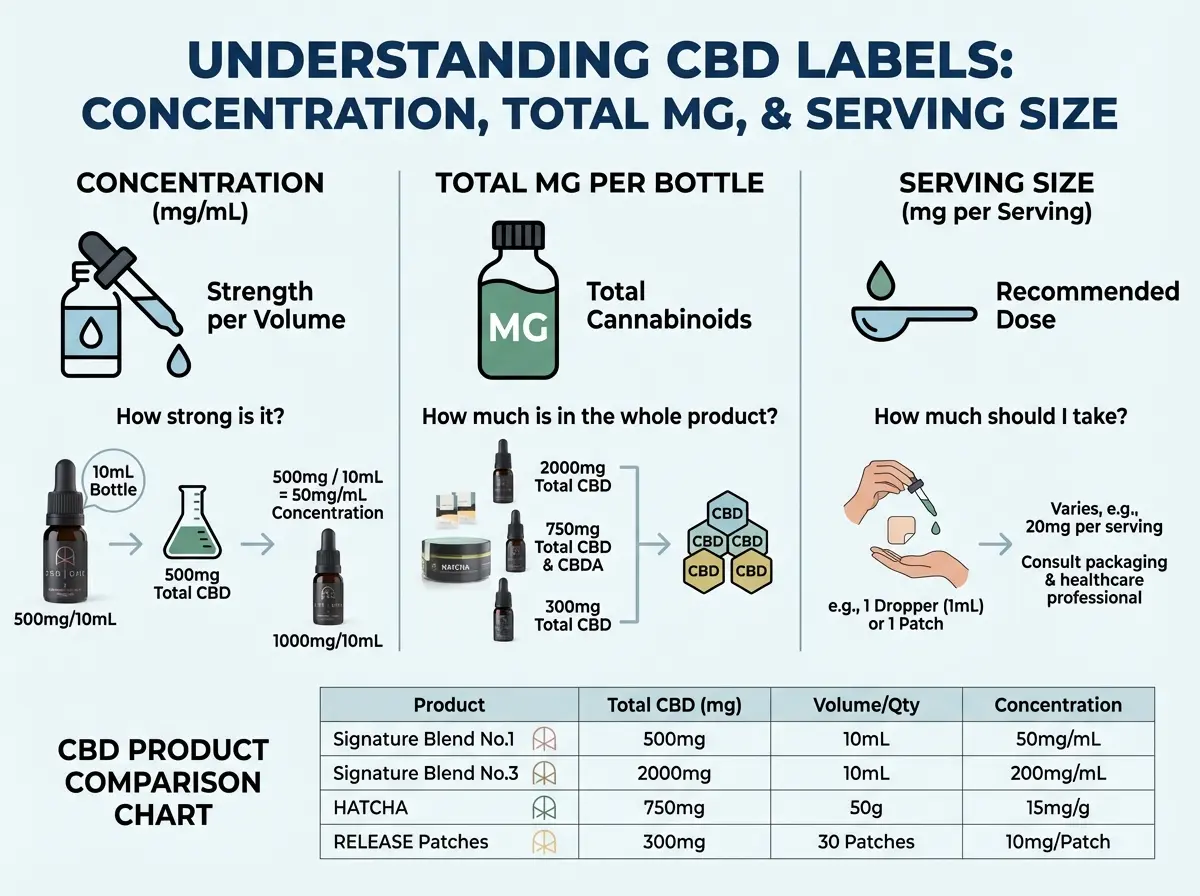
Here’s the thing: two products can both be marketed as “high strength” and still be completely different buys.
From a practical standpoint, you want to separate three ideas that often get mixed together:
- Concentration is how strong the liquid is (often shown as a percentage). A higher concentration usually means more CBD per drop.
- Total mg is how much CBD is in the whole bottle or pack. This matters for value, and how long it lasts.
- Serving size is how much you take at once (a drop, a pump, a patch, a capsule). This is what makes a product feel easy or fiddly day to day.
Consider this: a bigger bottle with the same percentage might last longer and cost less per mg, but still require more drops to reach your preferred daily amount. Meanwhile, a small bottle with a higher percentage might be easy to dose, but work out pricier over a month.
So when you see “high strength CBD oil UK” on a label, don’t stop there. Look for the total mg in the bottle, and the mg per dose you will actually be taking.
Key features to compare: oil vs patches vs water-soluble
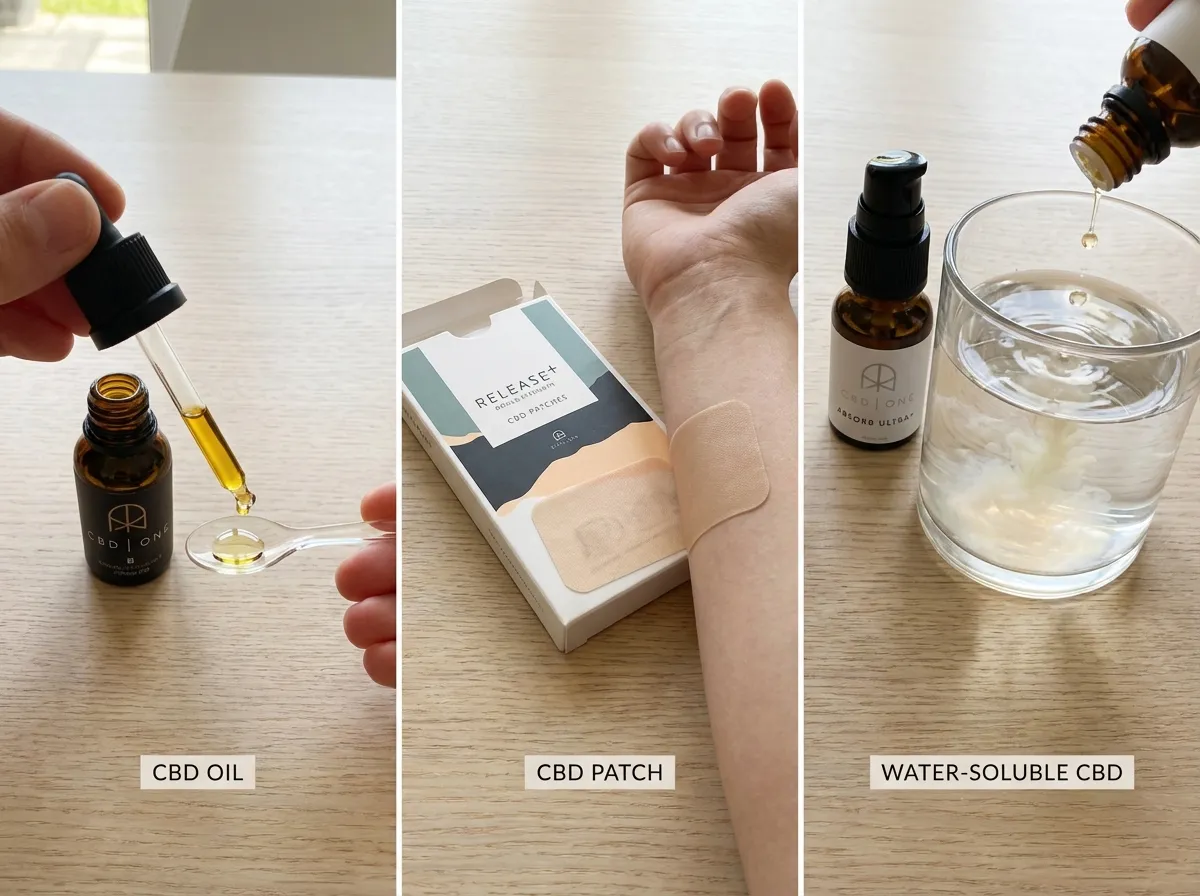
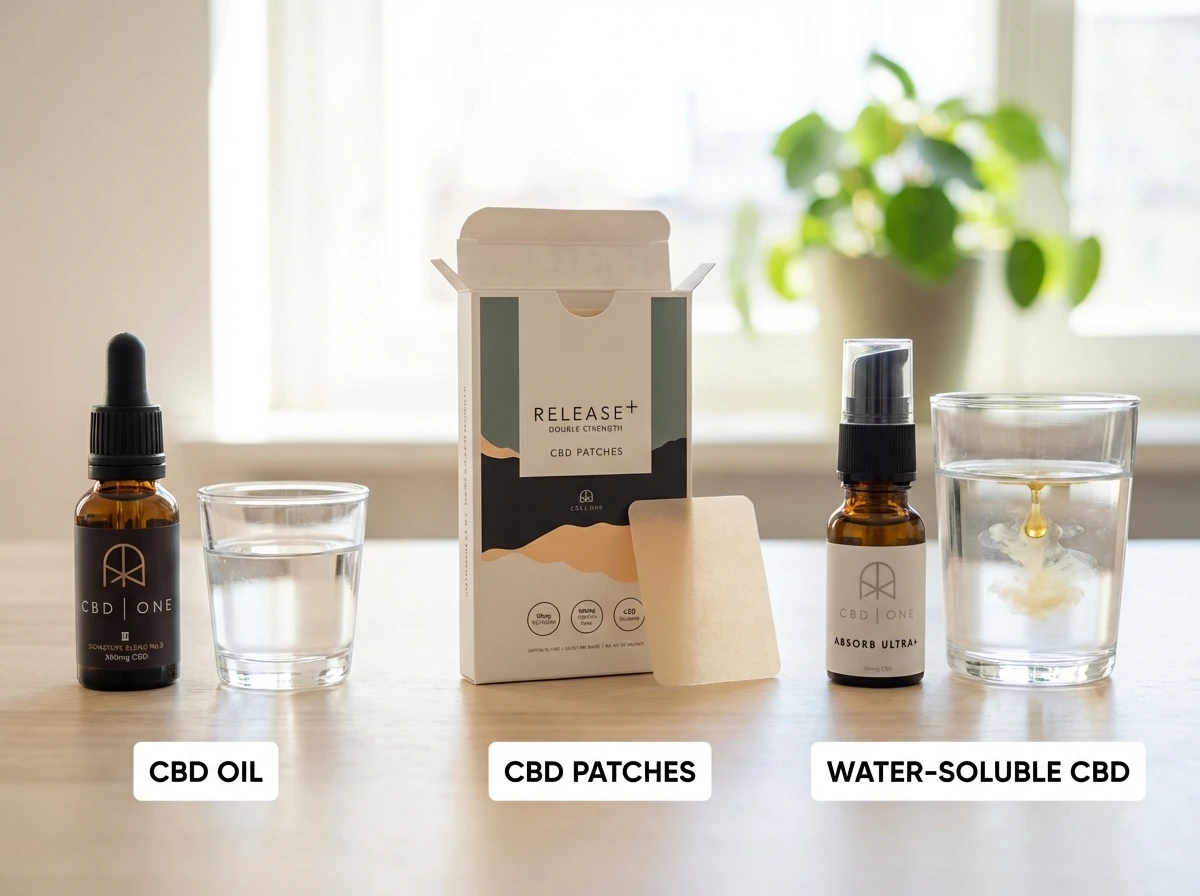
When shoppers say “high strength”, they often mean “I want it to work better”. Strength matters, but delivery method can matter just as much. Here’s how I’d compare the most common options.
High strength CBD oil (sublingual drops)
High strength CBD oil usually means a higher percentage like 10% or 20%, so you get more CBD per drop. Oils are popular because dosing is flexible, and you can build up slowly.
- Pros: flexible dosing, strong mg-per-bottle value at higher concentrations, simple ingredient lists.
- Trade-offs: taste is “hempy” for many people, dosing needs a bit of care, and absorption can be less predictable than some other formats.
High strength CBD patches (transdermal, slow release)
Patches are a different approach. Instead of taking CBD orally, you apply a patch to skin and it releases CBD gradually. CBD One’s high strength option is an isolate patch designed to be THC-free, which some people prefer for sport or workplace peace of mind.
- Pros: set-and-forget routine, measured dose, discreet, can be useful if you dislike the taste of oils.
- Trade-offs: less flexible once applied, some skin types may not love adhesives, and isolate means no full spectrum profile.
High strength water-soluble CBD (mix into drinks)
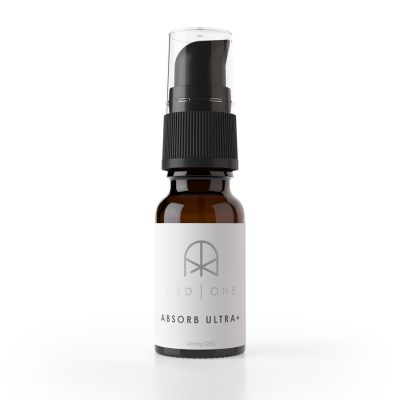
Water-soluble products are designed to be easier to mix into drinks and, in many cases, can feel more “immediate” for users compared to traditional oils. CBD One’s Absorb range is full spectrum and delivered via a pump, which many people find easier for consistent dosing.
- Pros: simple daily routine, mixes into hot or cold drinks, measured pumps help consistency.
- Trade-offs: often higher cost per mg than basic oils, flavour can still be noticeable, and you need to remember it’s still CBD so start low.
What about high strength CBD gummies and capsules?
Many UK shoppers look specifically for high strength CBD gummies or “high strength CBD capsules UK”. CBD One does not sell gummies or capsules at the moment. If those are your preferred formats, look for clear lab reports, accurate mg-per-piece dosing, and compliant UK Novel Food positioning.
Practical note: for some people, gummies and capsules feel convenient, but oral formats can have lower and more variable absorption than sublingual or certain alternative delivery methods. If your main goal is a convenient, measured routine without gummies, a water-soluble pump like Absorb can be a strong alternative.
Bioavailability basics: why delivery can feel “stronger” than strength
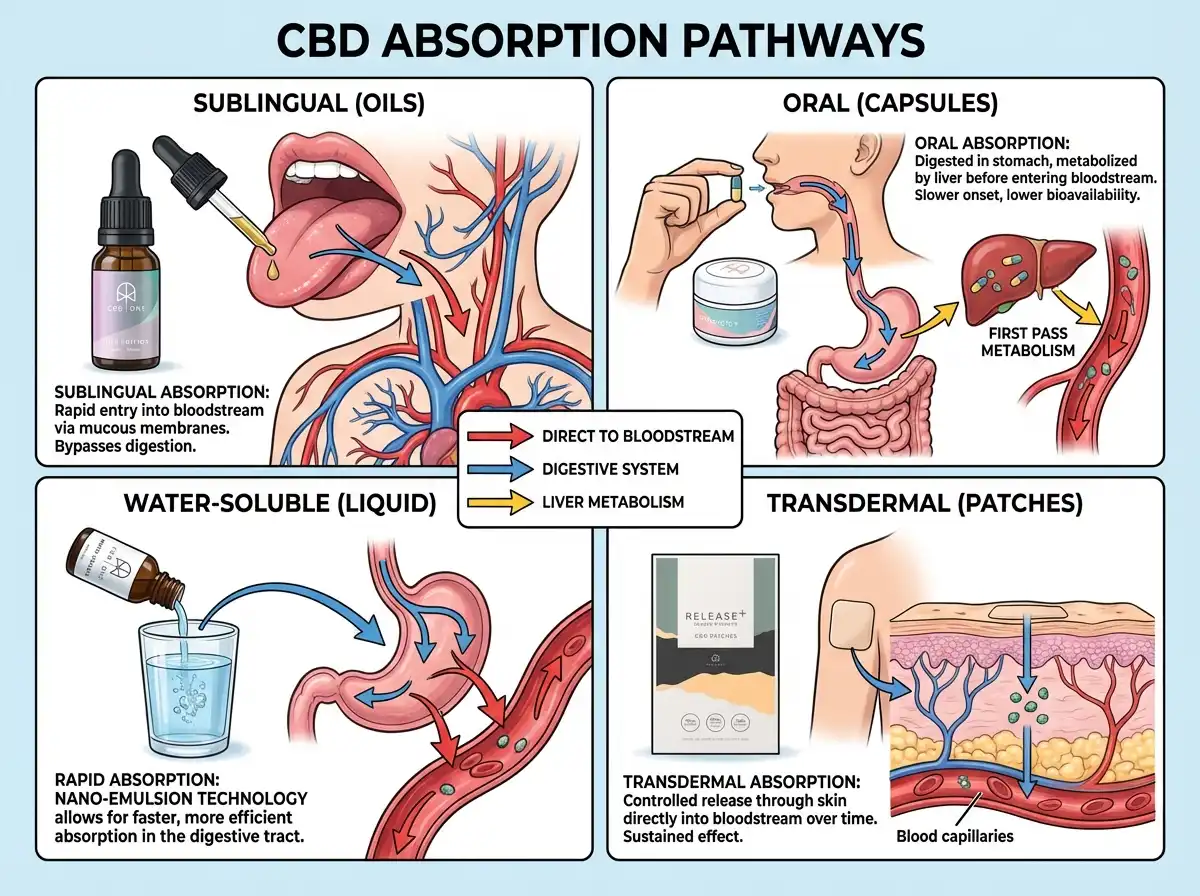
What many people overlook is that “strong” is not just about the number on the front label, it is also about how much of that CBD your body actually uses.
Different formats take different routes:
- With oils, most people use them under the tongue, then swallow what is left. That means you can get a mix of absorption routes, which can feel different from person to person.
- With swallowed formats (like capsules and gummies), CBD has to go through digestion. Some people still prefer this style because it is simple, but the experience can be slower and less predictable.
- With water-soluble CBD, the goal is to make CBD disperse more evenly in liquid, which some users find easier to take consistently as part of a drink routine.
- With patches, you are aiming for a gradual release over time. This suits people who want a steady, low-effort approach.
Think of it this way: if you are taking a “high strength” oil but your routine is inconsistent, or you dislike the taste and rush it, a lower strength product taken more reliably can sometimes feel like a better fit. Delivery and habits matter.
Pros and Cons
Strengths
- Fewer servings for the same daily amount, which many people find simpler than taking lots of drops.
- Often better value per mg (especially with high percentage oils) compared with low-strength bottles.
- More consistent routines when products use measured dosing (pumps, patches, clearly labelled mg).
- Better fit for experienced users who already know their preferred daily range.
- Wider choice of delivery styles (oil, water-soluble, patches), which helps if you dislike one format.
Considerations
- Easier to overdo your dose if you are not tracking mg per day, especially given the FSA’s 70mg/day guidance for healthy adults.
- Not always “stronger” in effect, because absorption and individual response vary a lot.
- Higher upfront cost for high-strength products can be off-putting, even if cost-per-mg is good.
- Potential interactions with medications, which is a bigger deal when daily intake increases. Always check with a pharmacist or GP if unsure.
Who high strength CBD is for (and isn’t) for
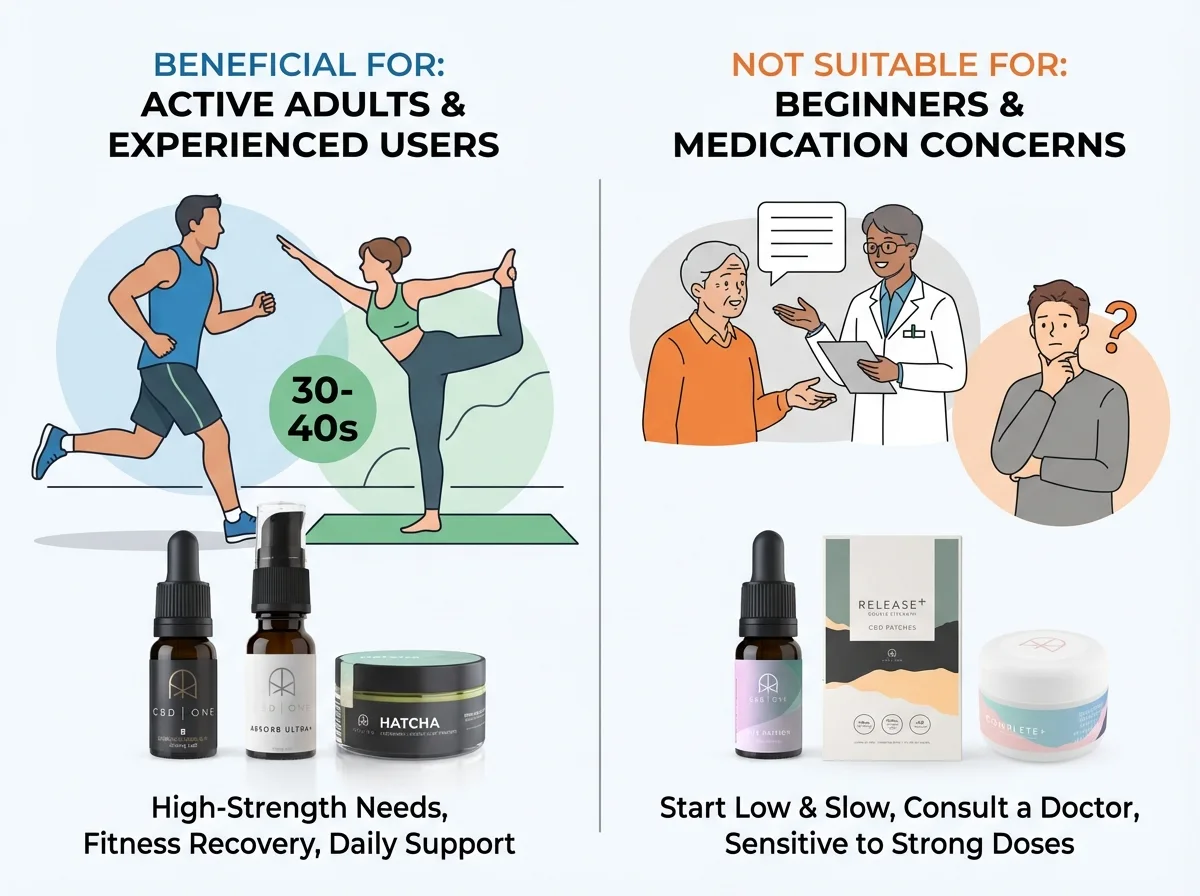
High strength CBD tends to suit people who have already tried a lower strength product, understand how they personally respond, and want either fewer servings per day or a more cost-effective long-term routine.
It may not be ideal if you’re brand new to CBD, you’re sensitive to supplements, or you’re not comfortable tracking your daily intake in mg. It’s also a “pause and check” situation if you take prescription medicines, because CBD can interact with some medications. If that’s you, read CBD and Medication and speak to a healthcare professional before increasing strength.
CBD One picks for high strength CBD (UK delivery)
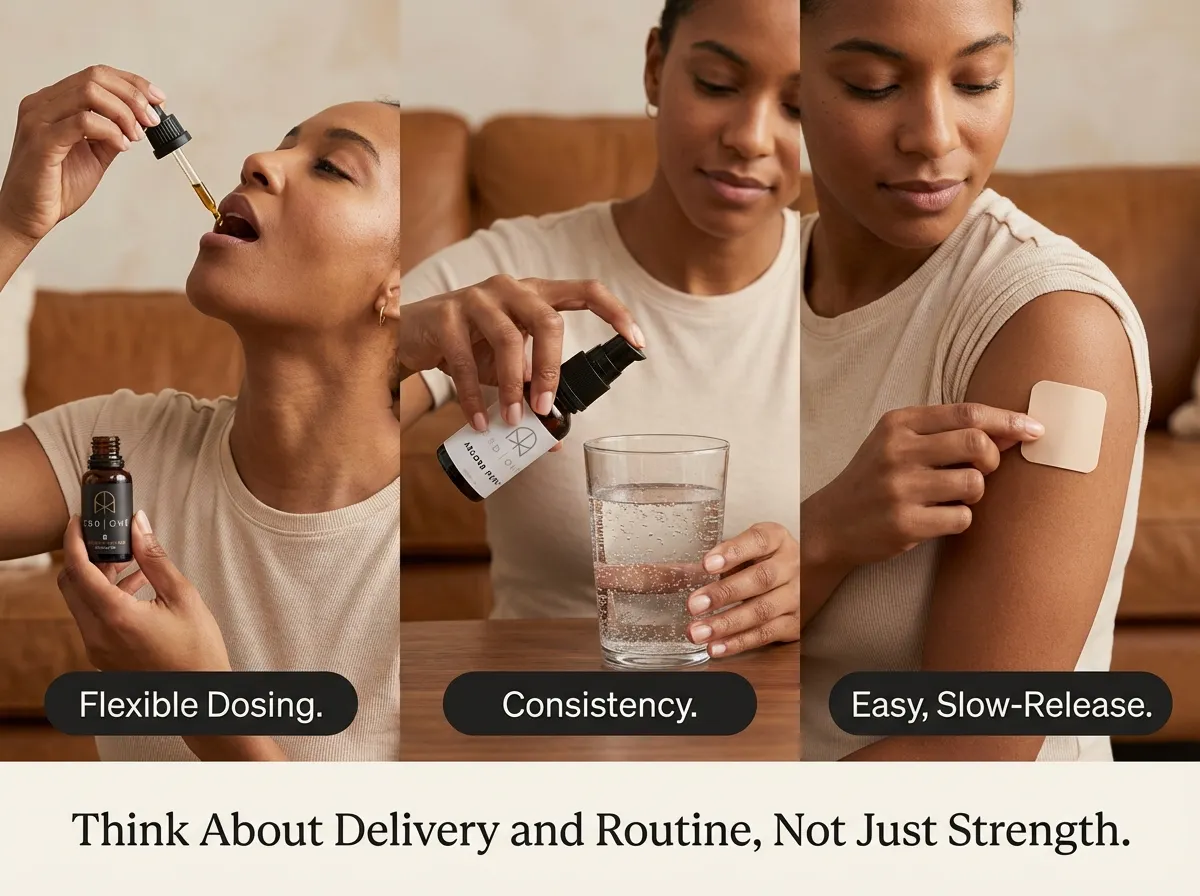
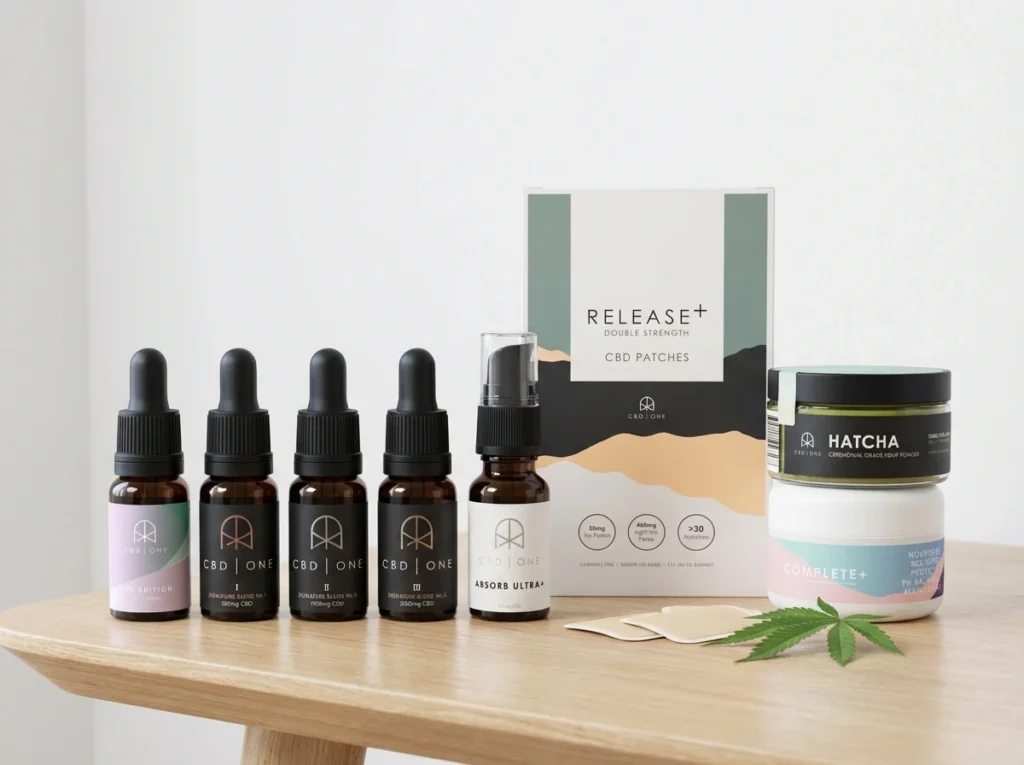
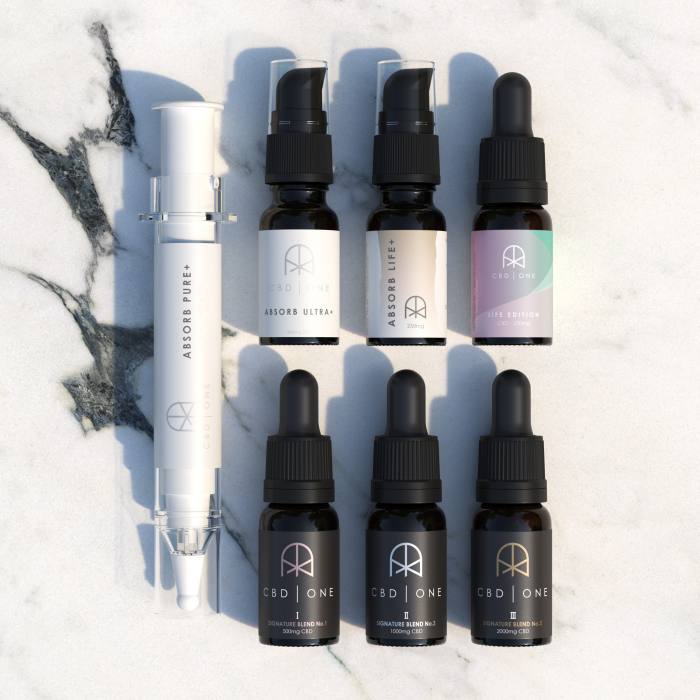
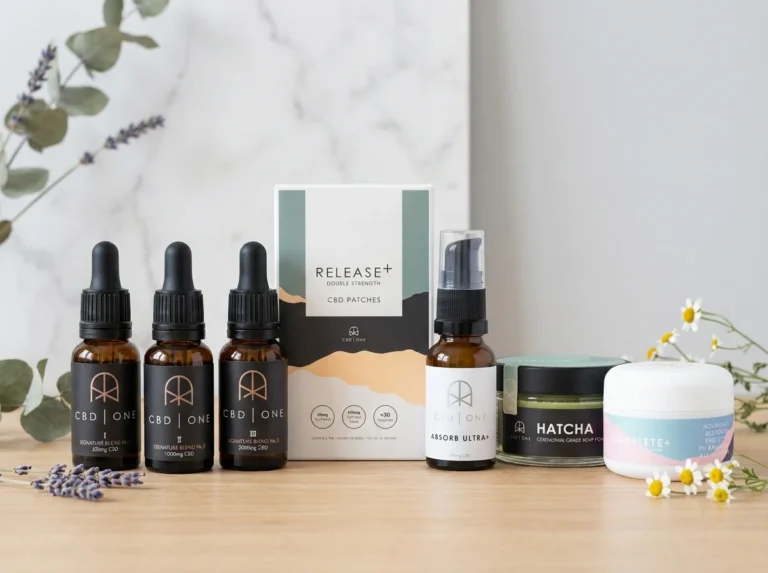
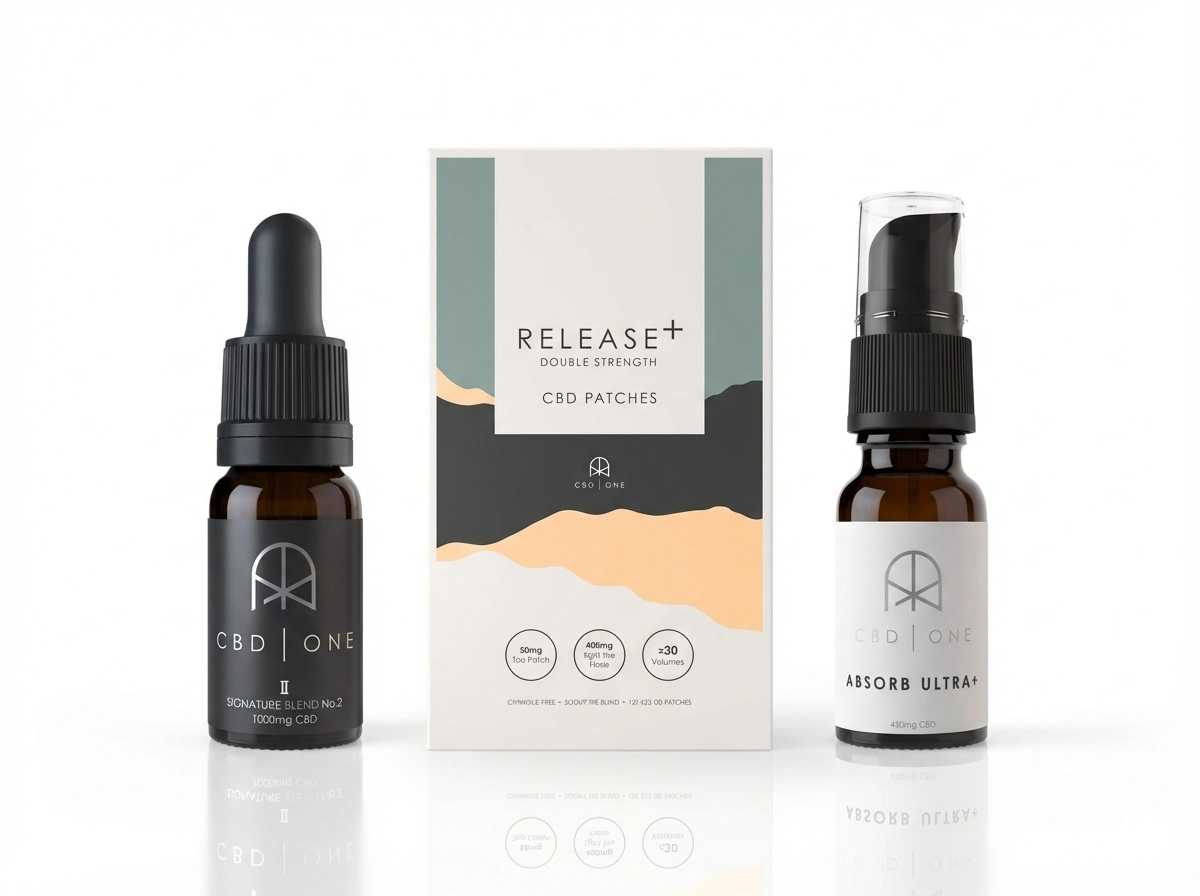
If you’re ready to buy, here are the CBD One products I’d point you towards for a high strength routine, depending on how you like to take CBD. CBD One focuses on premium full spectrum oils and water-soluble formulas, plus THC-free isolate patches. Limitations worth being upfront about: the range is tighter than some multi-brand retailers, pricing sits in the premium end, and we do not currently offer gummies or capsules.
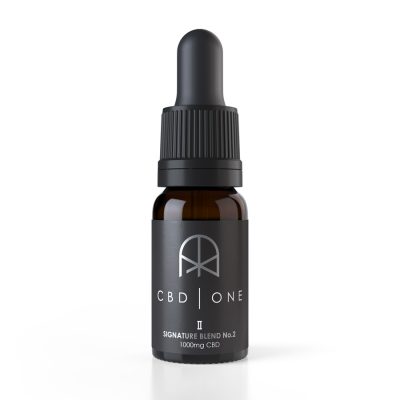
1) High strength CBD oil: 20% CBD Oil [2000mg CBD]
For classic high strength CBD oil UK shoppers, the clearest match is 20% CBD Oil [2000mg CBD] at £109.99. It’s full spectrum and lab verified, with hempseed oil as the carrier. If you want a strong bottle where you can take fewer drops, this is the most direct option.
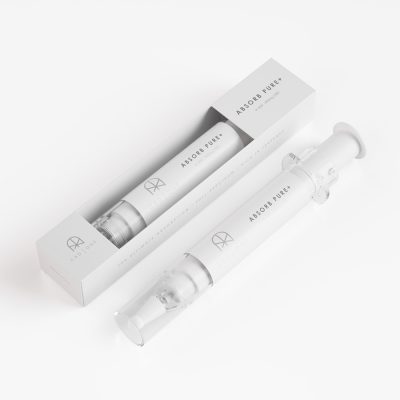
2) “High strength but simple”: Absorb Pure+
If you want measured dosing without counting drops, Absorb Pure+ (£58.99) is a full spectrum, water-soluble option with a pump for consistency. It’s designed to be added to hot or cold drinks. Many people choose this style because it’s easy to build into a daily habit.
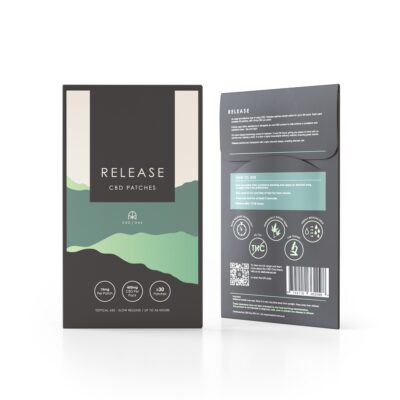
3) THC-free, set-and-forget: 30mg High Strength CBD Patches | Release+
If your priority is avoiding THC entirely, or you want a slow-release approach, the 30mg High Strength CBD Patches [30 x 30mg] | Release+ are £44.99. These use CBD isolate (THC-free) and are described as slow-release up to 36 hours, with lab verification and an easy once-a-day routine.
If you want to browse by format rather than jumping straight to a product, the category pages for CBD Oils and Water Soluble CBD are the quickest way to compare.
Buying guide: how to choose high strength CBD (without wasting money)
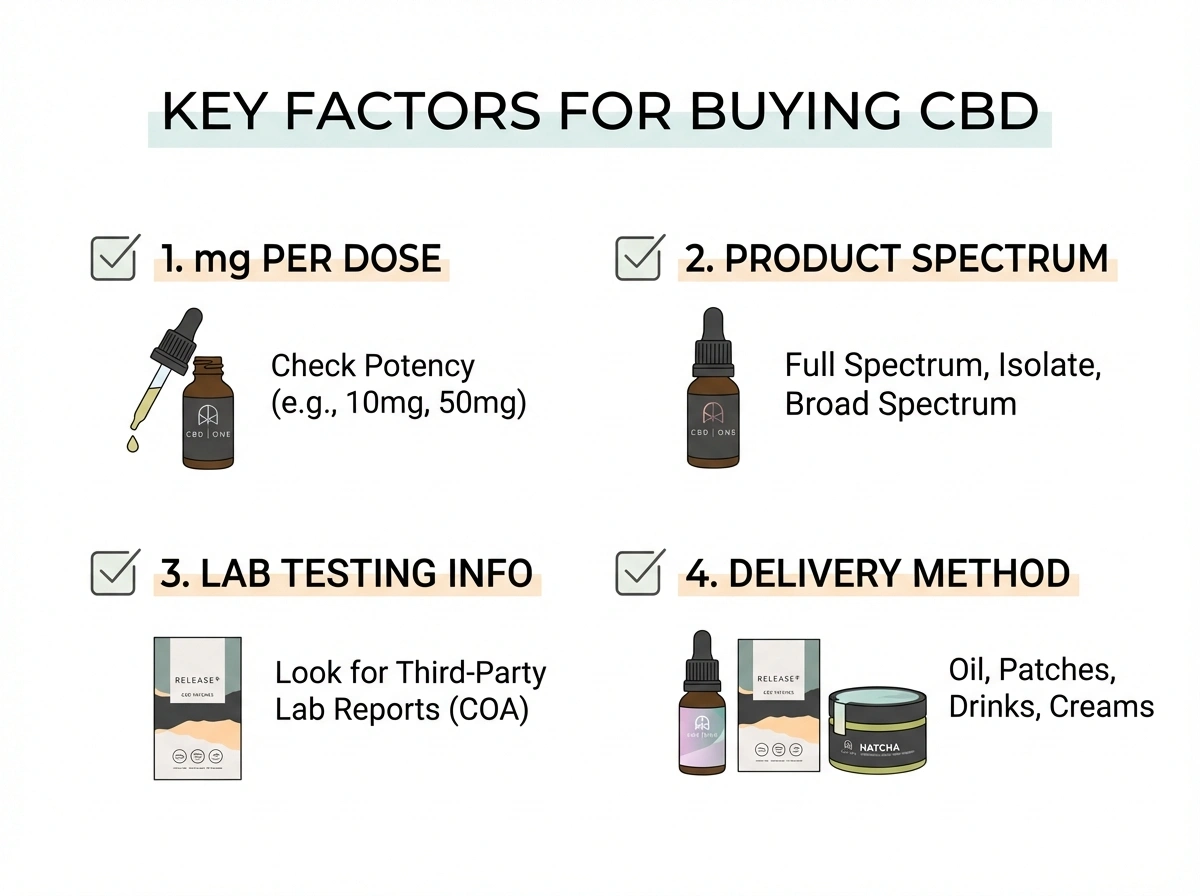
If you’re comparing “best high strength CBD oil UK” lists or hunting “best high strength CBD capsules UK”, here’s the checklist I’d use to avoid marketing fluff and focus on what actually matters.
1) Check the real strength (mg per bottle and mg per dose)
Don’t rely on words like “extra strong”. Look for:
- Total CBD (for example 2000mg in 10ml)
- Concentration (like 20% CBD oil)
- Serving size (mg per drop, pump, capsule, gummy, or patch)
For oils, percentage is helpful, but mg-per-ml and mg-per-dose are what let you compare apples to apples.
2) Choose the spectrum that fits your needs (full spectrum vs isolate)
Full spectrum contains CBD plus minor cannabinoids and terpenes, with trace THC within legal limits. Many users choose full spectrum for the so-called entourage effect, where multiple compounds may work together. Isolate is CBD only (no THC), which some people prefer for simplicity or peace of mind.
If you want to learn the concept properly, read The Entourage Effect. If you’re drug-tested, isolate products (like patches) can be a more cautious choice, but no brand can ethically promise “zero risk” in every scenario.
3) Look for lab verification (and actually read it)
At high strength, lab testing matters more because you’re taking fewer servings with more CBD each time. A proper Certificate of Analysis should help you confirm CBD content and identify the cannabinoid profile. If a brand is vague about testing, that’s a red flag.
4) Think about delivery and routine, not just strength
People often jump to “stronger” when the real issue is consistency. Ask yourself:
- Do you want flexible dosing? Choose oil.
- Do you want measured dosing with minimal effort? Consider patches or a pump-based water-soluble product.
- Do you hate the taste of hemp? A drink-mix or patch may suit you better.
If you’re using CBD for general wellbeing, the format you’ll actually take consistently tends to beat the format you forget in the cupboard.
5) Dose sensibly (and keep the FSA guidance in mind)
With high strength CBD, the main risk is taking too much too quickly. The FSA advises healthy adults not to exceed 70mg/day. Start low, track your mg-per-day, and increase gradually if you choose to. If you want a practical framework, see CBD Dosage and keep it simple: change one thing at a time, and give it a few days before adjusting again.
Also, if you’re taking medicines, do not “trial and error” your way upward. Read CBD and Medication and get professional advice.
High strength CBD pricing: how to compare cost-per-mg fairly
High strength products often look expensive at first glance, so it helps to compare them in a way that is actually fair.
Two quick checks tend to cut through most of the confusion:
- Cost per mg: take the price and divide it by the total mg of CBD in the bottle or pack.
- Cost per day: once you know roughly what daily mg you prefer, you can estimate how long the bottle will last.
Now, when it comes to oils, pay attention to bottle size too. A product can look “strong” because it is high percentage, but if the bottle is very small, it may not last long. Likewise, a large bottle with a moderate percentage can still be a solid high strength routine if it delivers the mg per dose you want and is easy to stick with.
Also factor in convenience. Patches and pump-based products can be a little higher per mg, but some people are happy with that trade-off because it simplifies their routine and helps consistency.
Safety and tolerance: side effects, timing, and when to pause
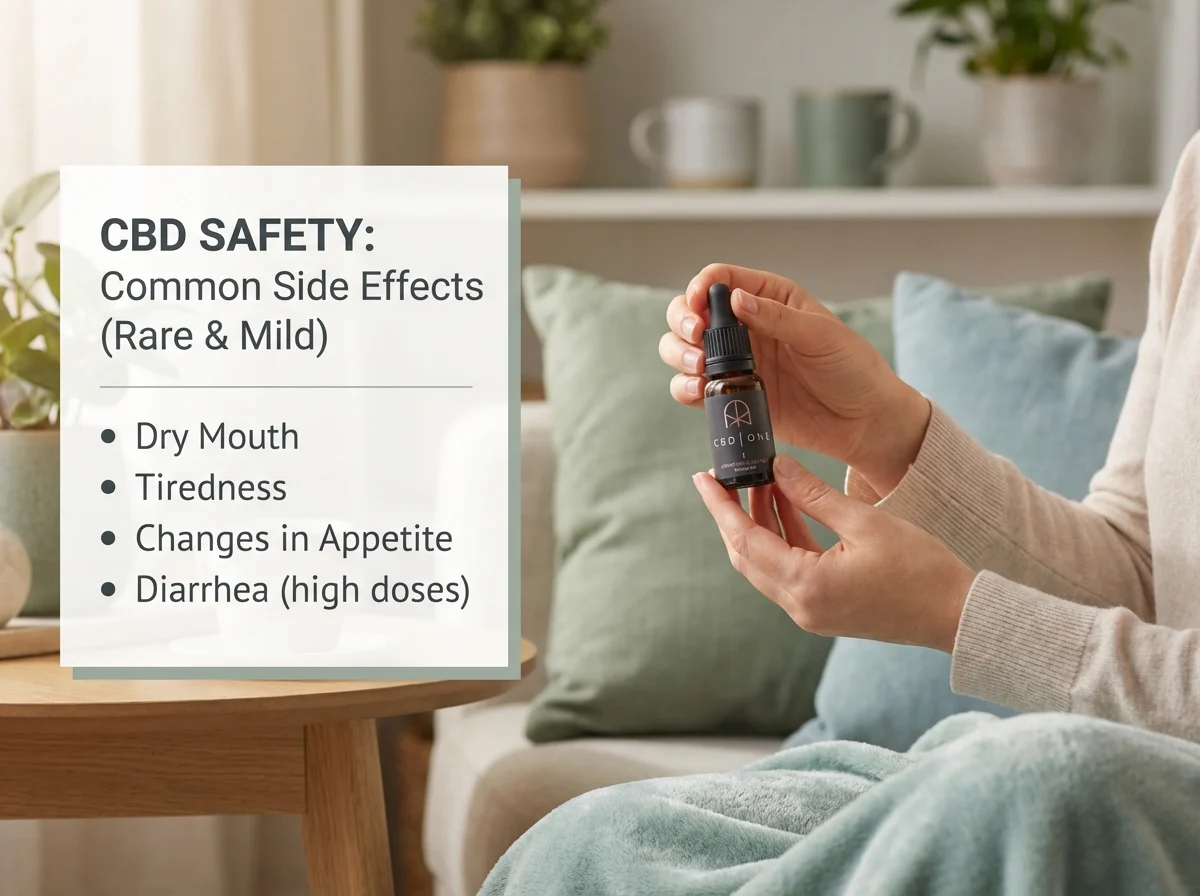
With high strength CBD, the most common problems I see are not dramatic, they are simple: people increase too quickly, or they do not track their daily mg.
Some people report mild side effects from CBD, especially when they go from low strength to high strength quickly. These can include feeling more tired than expected, a dry mouth, or an unsettled stomach. If that happens, you might consider reducing your amount, taking it with food, or giving your body a few days at a steady level before changing anything again.
Timing matters too. Some people prefer CBD earlier in the day, others prefer it later. High strength products can make timing feel more noticeable, so it is worth paying attention to your own routine and how you want to feel.
The reality is: if you are taking prescription medication, you should be cautious about increasing strength. CBD can affect how some medicines are processed. If you are unsure, speak to a pharmacist or GP before using a higher strength product.
Patch practicalities: placement, wear time, and skin tips
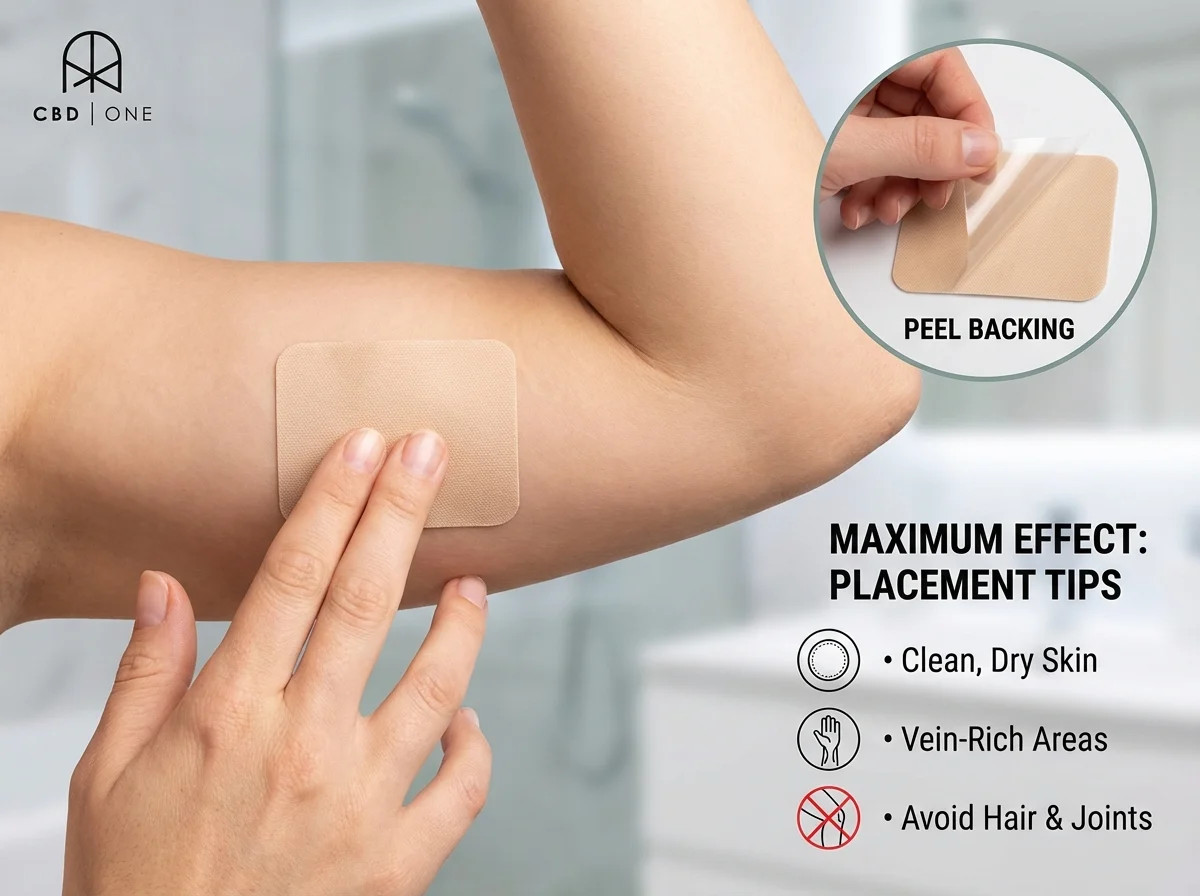
If you like the idea of patches, a few practical details can make the difference between “this is brilliant” and “this is annoying”.
Where to apply a CBD patch
Most people do best applying a patch to clean, dry skin that is relatively hairless. Areas that do not rub on clothing too much can be more comfortable for all-day wear. If you get irritation easily, consider rotating placement rather than using the exact same spot repeatedly.
How long patches last (and what “slow release” really means)
Patch products are typically designed for gradual release over time, rather than a quick hit. That slow-and-steady approach is the main appeal, especially if you want a measured routine without drops or drinks.
Adhesives and sensitive skin
Some skin types are simply more reactive to adhesives. If you have sensitive skin, it can help to patch test first, avoid applying after hot showers, and remove the patch gently. If you notice persistent irritation, it is sensible to stop using that format and choose a different delivery method.
Frequently Asked Questions
What is considered high strength CBD oil in the UK?
Most UK brands use “high strength” for oils around 10% to 30% CBD, or bottles with 1000mg to 3000mg+ total CBD in 10ml to 30ml. The best way to judge it is mg per ml and mg per dose, not the marketing label. Also factor in spectrum (full spectrum vs isolate) and whether the product is lab verified.
Is high strength CBD better than regular strength?
Not automatically. High strength means more CBD per dose, which can be convenient and sometimes better value per mg. But “better” depends on your routine, how consistently you take it, and how you personally respond. Many people do well on moderate strength; others prefer fewer drops with a higher concentration. Start low and adjust gradually.
How much high strength CBD should I take per day?
There is no one-size-fits-all dose. In the UK, the FSA advises healthy adults not to exceed 70mg of CBD per day. With high strength products, it’s easy to reach that number quickly, so track your intake in mg. If you’re new to CBD, consider starting with a lower amount and building slowly over time.
Are high strength CBD gummies a good option?
Gummies can be convenient because each piece has a set amount, which helps consistency. The trade-off is that edibles are swallowed, so absorption can be more variable than sublingual oils or other formats. If you choose gummies, prioritise clear lab reports and accurate mg-per-gummy labelling. CBD One does not currently sell gummies, so a water-soluble pump can be a practical alternative for measured use.
Do you sell high strength CBD capsules in the UK?
CBD One does not currently offer capsules. If capsules are your preferred format, look for transparent mg-per-capsule dosing, compliant UK labelling, and accessible lab reports. If your main goal is convenience and measured dosing, you might also consider a pump-based water-soluble CBD product or a patch, depending on your routine.
Will high strength CBD get you high?
CBD itself is non-intoxicating. Full spectrum products contain trace levels of THC within legal limits, but they are not designed to produce a “high”. Individual sensitivity varies, so if you want to avoid THC completely, consider an isolate-based option. If you’re unsure what’s right for you, speak to a healthcare professional before trying a stronger product.
Is full spectrum high strength CBD legal in the UK?
In general, CBD products sold in the UK must meet legal requirements around THC limits and labelling, and they should align with UK Novel Food rules for ingestible products. Full spectrum means the extract includes minor cannabinoids and terpenes, with trace THC within legal limits. Always buy from reputable sellers who provide lab verification and clear product information.
What’s the difference between high strength CBD oil and water-soluble CBD?
High strength CBD oil is typically taken under the tongue with a dropper, and dosing is flexible but requires a bit of counting. Water-soluble CBD is designed to mix into drinks and often comes with pump-based dosing, which some people find easier to take consistently. Neither is “best” for everyone; it comes down to preference, routine, and value.
Are CBD patches actually high strength?
Patches can be “high strength” if they provide a higher measured amount per patch and are designed for extended release. The key benefit is consistency: you apply one patch and it delivers CBD over time. The trade-offs are less flexibility once applied, and you need to consider skin sensitivity. Also note whether the patch is isolate (THC-free) or full spectrum.
What should I check before buying a high strength CBD product online?
Check mg per dose, spectrum type, and whether the product is lab verified with a Certificate of Analysis you can access. Look at ingredient lists (especially carrier oils, flavourings, and allergens), and make sure the brand provides clear usage guidance and warnings. If you take any medication, speak to a pharmacist or GP before using higher-strength CBD.
What is the highest strength CBD oil you can buy in the UK?
You will see very high numbers online, sometimes thousands of mg per bottle, sometimes high percentages. What matters is whether the product is legally compliant, clearly labelled, and backed by accessible lab reports. Also remember the FSA’s 70mg/day guidance for healthy adults, because “highest strength” can make it easier to overshoot your intended daily amount.
Is 20% CBD oil considered high strength?
For most UK shoppers, yes. A 20% CBD oil is usually considered high strength because it delivers more CBD per drop than 5% or 10% oils. It can be a good fit if you want fewer drops per day, but it does make it more important to track mg so you stay within your personal routine and the FSA guidance.
Is water-soluble CBD stronger than CBD oil?
Not necessarily stronger, but it can feel different. Some people report that water-soluble CBD feels more noticeable, while others prefer oils. The most useful comparison is consistency: if a format helps you take a measured amount at the same time each day, that alone can make it feel like it is working “better” for you.
Do CBD patches work faster than oils?
They are designed differently. Oils are usually taken in a single moment, while patches are designed for gradual release over time. If you want a steady approach and dislike counting drops, patches can suit you. If you want flexible dosing you can adjust, oils may be the simpler choice.
Key Takeaways
- “High strength CBD” is best compared by mg per dose, not just percentage or marketing terms.
- High strength can mean fewer drops or servings, but it also makes it easier to exceed your intended daily amount.
- Consider delivery method: oils for flexibility, pumps for consistency, patches for set-and-forget slow release.
- Prioritise lab verification and transparent spectrum information (full spectrum vs isolate).
- Keep the UK FSA guidance in mind: healthy adults should not exceed 70mg CBD per day.
Conclusion
High strength CBD can be a smart buy if you already know you want a more concentrated product, fewer daily servings, or a more consistent routine. The big win is simplicity, but the responsibility increases too: track your mg-per-day, choose the right spectrum, and only buy from brands that are transparent about testing and ingredients.
If you want a straightforward high strength oil, start with CBD One’s 20% CBD Oil [2000mg CBD] (£109.99). If you prefer measured dosing in drinks, Absorb Pure+ (£58.99) is a strong option. And if you want a THC-free, low-effort routine, the 30mg High Strength CBD Patches | Release+ (£44.99) are worth a look.