
Hemp Seed Oil Capsules UK Delivery & Best Prices (2026)
Hemp Seed Oil Capsules UK Delivery & Best Prices (2026)
What You Will Learn
- What hemp seed oil capsules are (and what they are not)
- Key features to compare when shopping in the UK
- Pros and cons of hemp seed oil capsules
- Who hemp seed oil capsules are best for
- CBD One alternatives (if you actually meant CBD capsules/oil)
- Buying guide: how to choose a better capsule
- Cold-pressed vs refined: does it matter in capsule form?
- Allergens, dietary suitability, and capsule shells
- Storage, shelf life, and how to spot a rancid seed oil capsule
- What “hemp oil” means in UK listings (and why it causes mis-buys)
- Batch testing and what a good lab report should cover (seed oil vs CBD)
- Frequently asked questions
- Key takeaways
Hemp seed oil capsules: what they are (and what they are not)
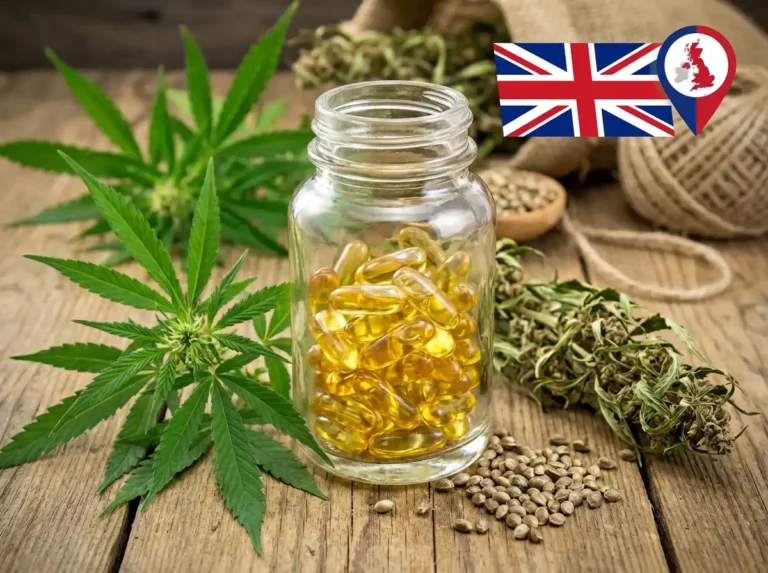
Hemp seed oil capsules are typically softgels filled with oil pressed from the seeds of the hemp plant. Because they come from seeds, they are usually used as a nutritional supplement rather than a cannabinoid supplement. In plain English: most hemp seed oil capsules are closer to a food oil (like olive oil, flaxseed oil, or pumpkin seed oil) than they are to CBD.
This matters because a lot of shoppers type in things like “cbd hemp oil capsules” or “is hemp seed oil the same as cbd oil”. They are not the same product. Hemp seed oil is valued mainly for its fatty acid profile and general nutrition. CBD oil is made from the aerial parts of the hemp plant (flowers/leaves) and contains cannabinoids (CBD and often minor cannabinoids in full spectrum extracts), plus terpenes.
If you want a clearer breakdown, this article may help: Hemp Oil vs CBD Oil. It is a common mix-up, and brands do not always make it easy.
One more practical point: “hemp seed oil capsules” are usually not Novel Food CBD products. If a capsule contains CBD (or claims CBD), it should be sold and labelled as a CBD supplement and should follow UK Novel Food expectations. Always read the back label carefully, not just the front-of-pack marketing.
Key features to compare (so you actually get what you pay for)
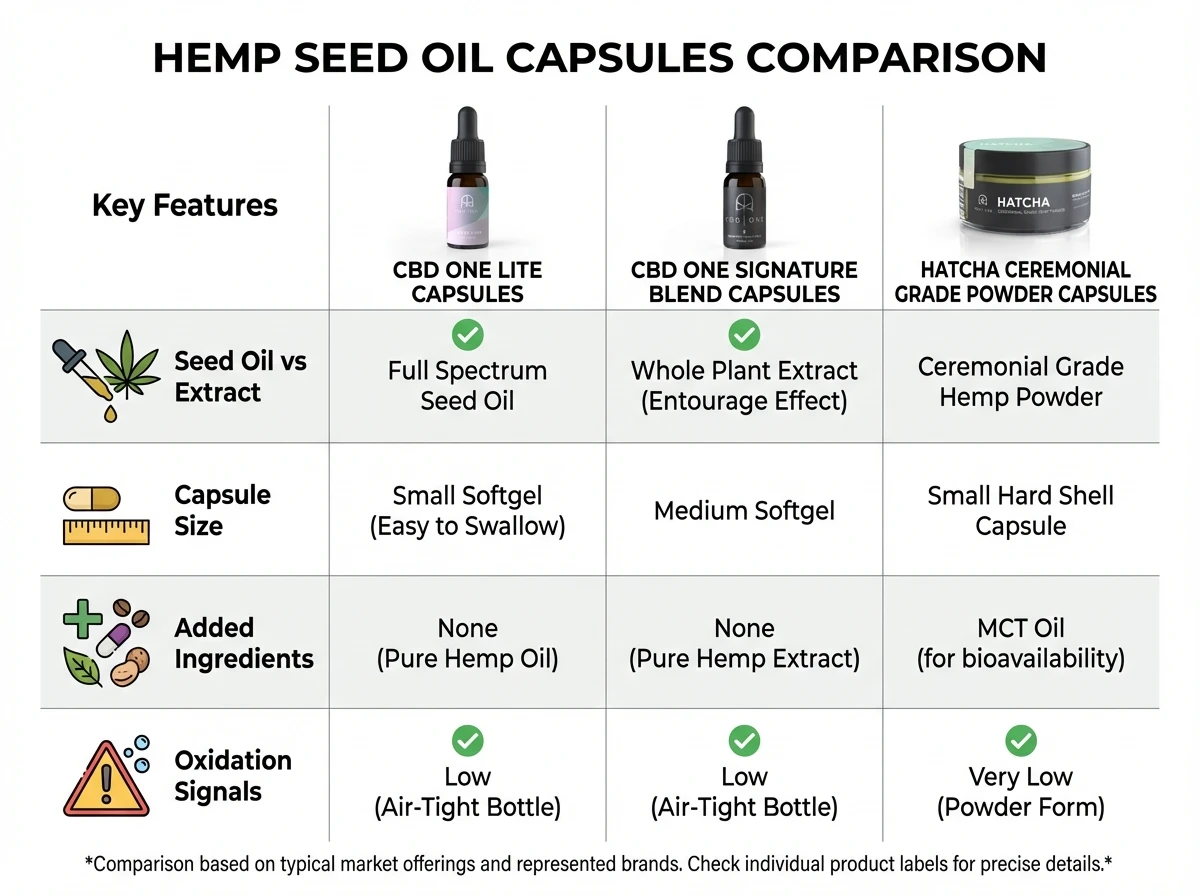
Below are the features I would personally check before buying hemp seed oil capsules in the UK. These points also help you compare value, because capsule pricing can look cheap until you calculate cost per gram of oil, or you realise the label is vague.
1) Seed oil vs hemp extract (label clarity)
Look for “hemp seed oil” (or “Cannabis sativa seed oil”) as the ingredient. If you see “hemp extract”, “full spectrum hemp”, “cannabinoids”, or “CBD”, you are likely looking at a cannabinoid product, not a basic seed oil softgel. Neither is automatically “better”, but they serve different goals and should be priced and labelled differently.
2) How much oil per capsule (mg) and how many capsules per bottle
Capsules are only comparable when you know the exact fill weight. Some brands use 500mg softgels, others 1000mg. Multiply capsule size by capsule count to understand your total oil amount and your cost per day.
3) Added ingredients (and whether you actually want them)
Many softgels include gelatine (not suitable for vegetarians/vegans). Some add vitamin E (tocopherol) as an antioxidant, which can be fine. Others add unnecessary fillers, colours, or flavourings. Decide what matters to you and keep it simple if you are sensitive.
4) Oxidation and freshness signals
Seed oils can go rancid. Capsules help protect oil from light and air, but quality still varies. Check for a best-before date, sensible storage advice, and ideally packaging that does not sit in warm conditions for long periods. A strong “old oil” smell is a red flag.
5) Third-party testing (nice to have for seed oil, essential for CBD)
For hemp seed oil, you may see tests for contaminants or fatty acid profile, but it is not as standardised as CBD COAs. If you are buying anything that claims cannabinoids, third-party lab results are far more important (cannabinoid content, THC compliance, and contaminant screening).
If you are comparing cannabinoid products, our CBD oils are listed in the CBD Oils category, and we also offer a water-dispersible format in Water Soluble CBD.
Pros and Cons
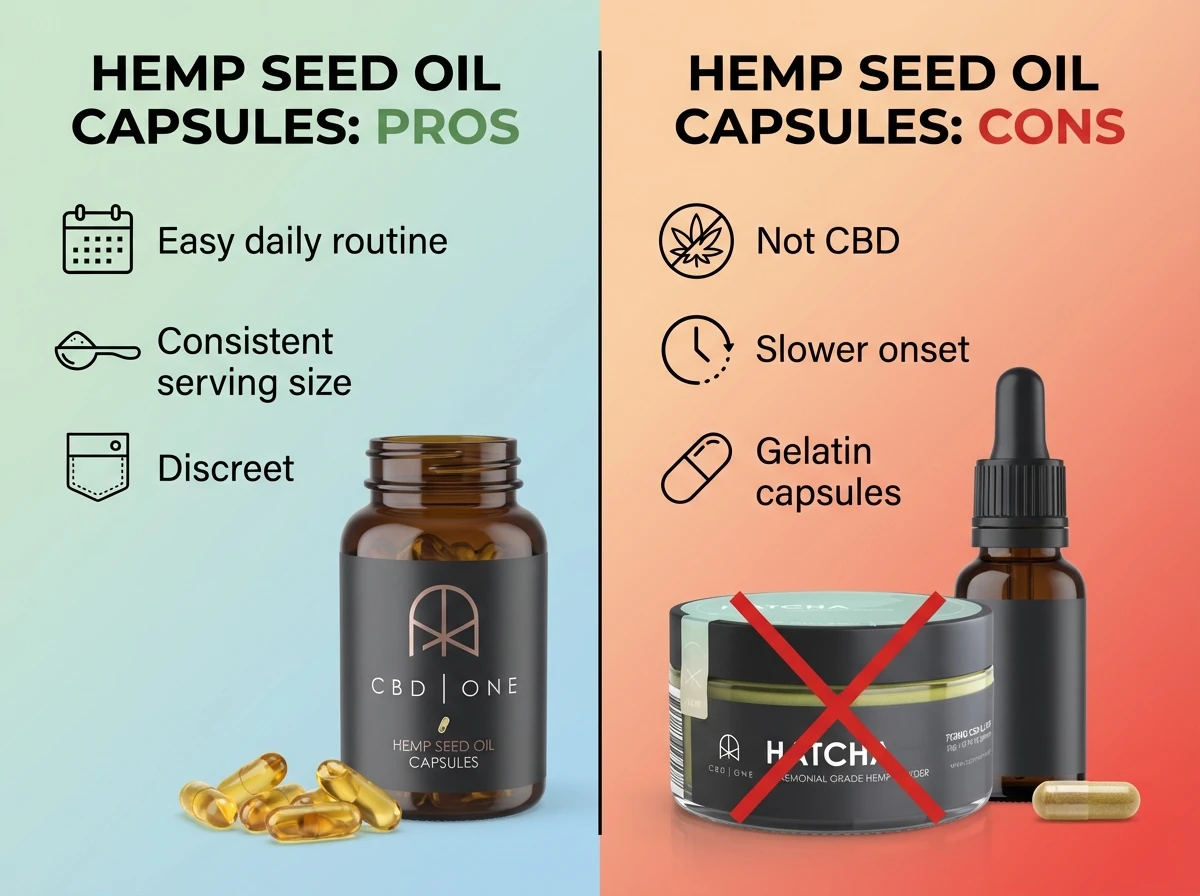
Strengths
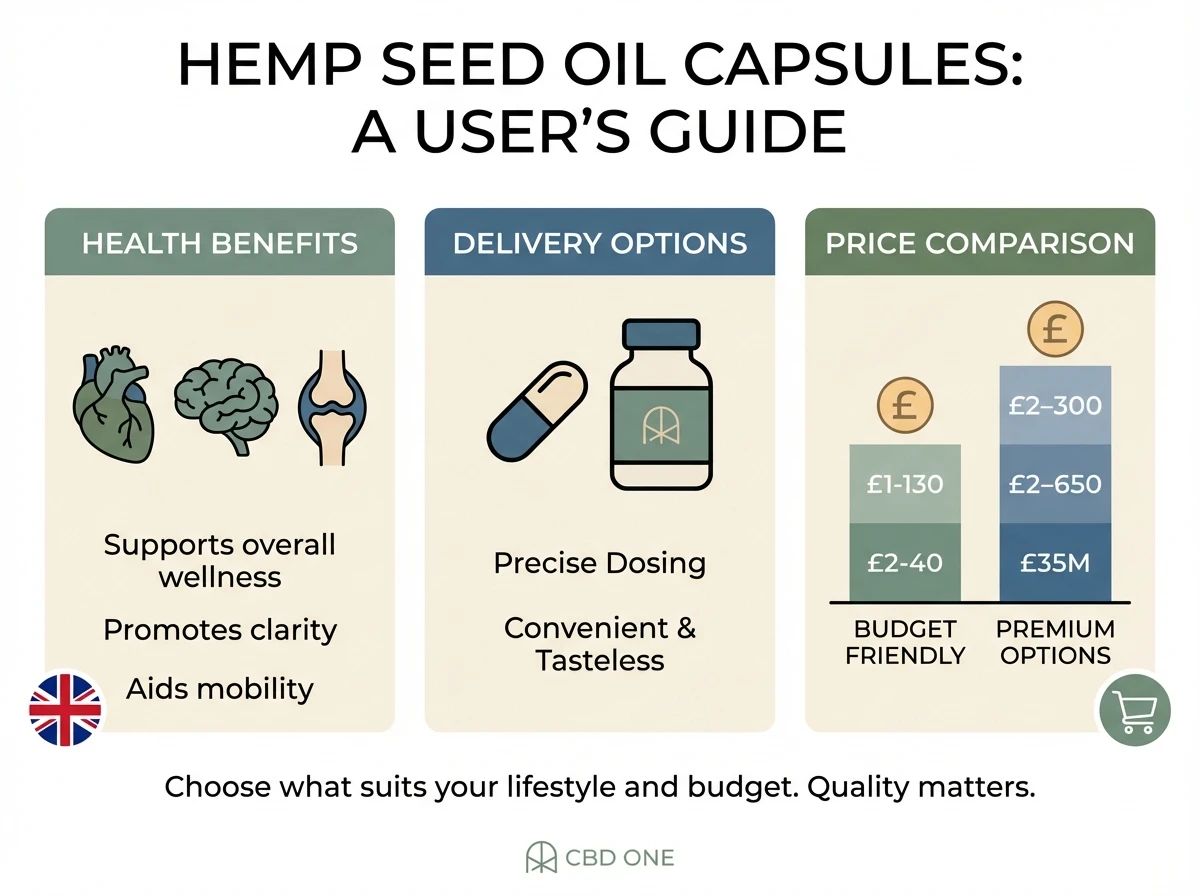
- Easy daily routine: capsules are simple, portable, and avoid the taste of oils.
- Consistent serving size: you know exactly how many capsules you have taken.
- Good option if you want hemp as a food-style supplement (rather than CBD).
- Often easier on timing: many people find capsules easier to fit into breakfast or evening routines.
- Generally discreet and travel-friendly compared with bottles of oil.
Considerations
- Not the same as CBD: hemp seed oil capsules usually contain no meaningful CBD, so they may disappoint if you bought them for “CBD-like” effects.
- Slower onset than sublingual oils: capsules must be digested first, so they are not ideal if you want faster feedback.
- Quality is harder to judge: many brands provide limited testing or sourcing detail, especially for basic seed oil.
- Softgels often contain gelatine: not suitable for vegans or some dietary requirements.
Who hemp seed oil capsules are for (and who should skip them)
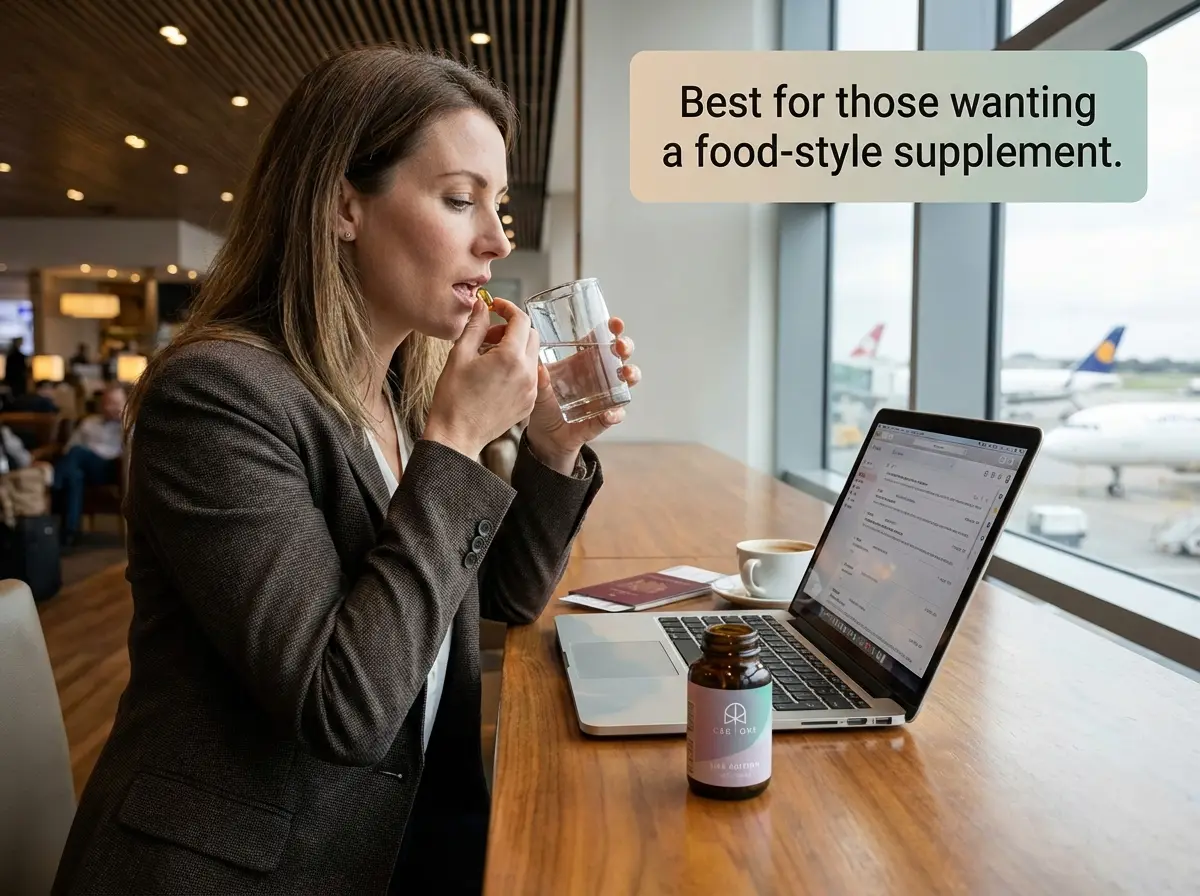
Hemp seed oil capsules make the most sense if you want a low-fuss way to take hemp seed oil as part of a general nutrition routine, and you prefer capsules to liquids. They can also suit people who dislike the earthy flavour of hemp oils.
You should consider other options if you are specifically looking for cannabinoids, for example if your searches include “cbd hemp oil capsules” or you are comparing “hemp seed oil vs cbd oil”. In that case you are likely better served by a properly labelled CBD product with clear CBD content and third-party testing.
CBD One alternative (if you meant CBD capsules or CBD oil)
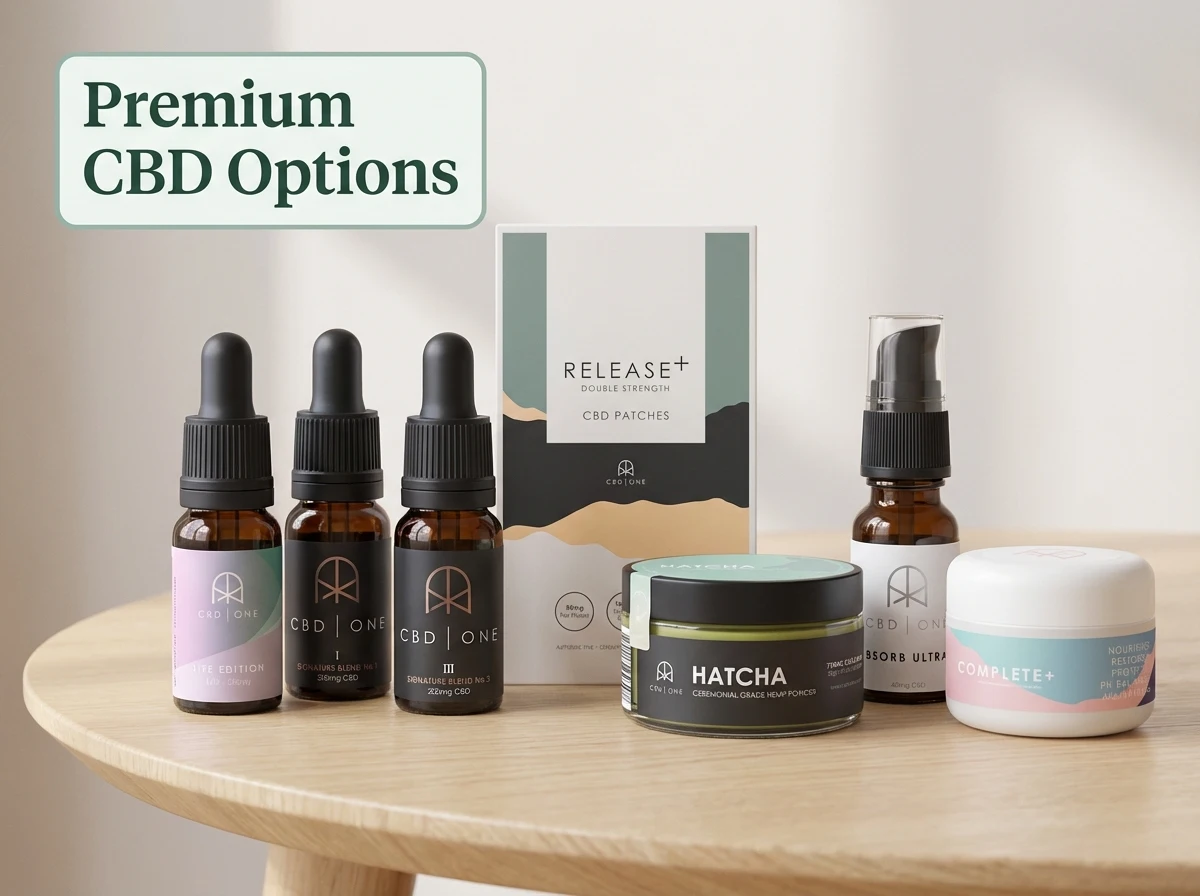
If your real goal is CBD (rather than nutritional hemp seed oil), CBD One focuses on premium full spectrum CBD formats with clear CBD content and lab verification. We do not currently sell hemp seed oil capsules as a standalone food supplement, and we also do not offer CBD gummies, so if you specifically want a sweet edible, we may not be the best fit.
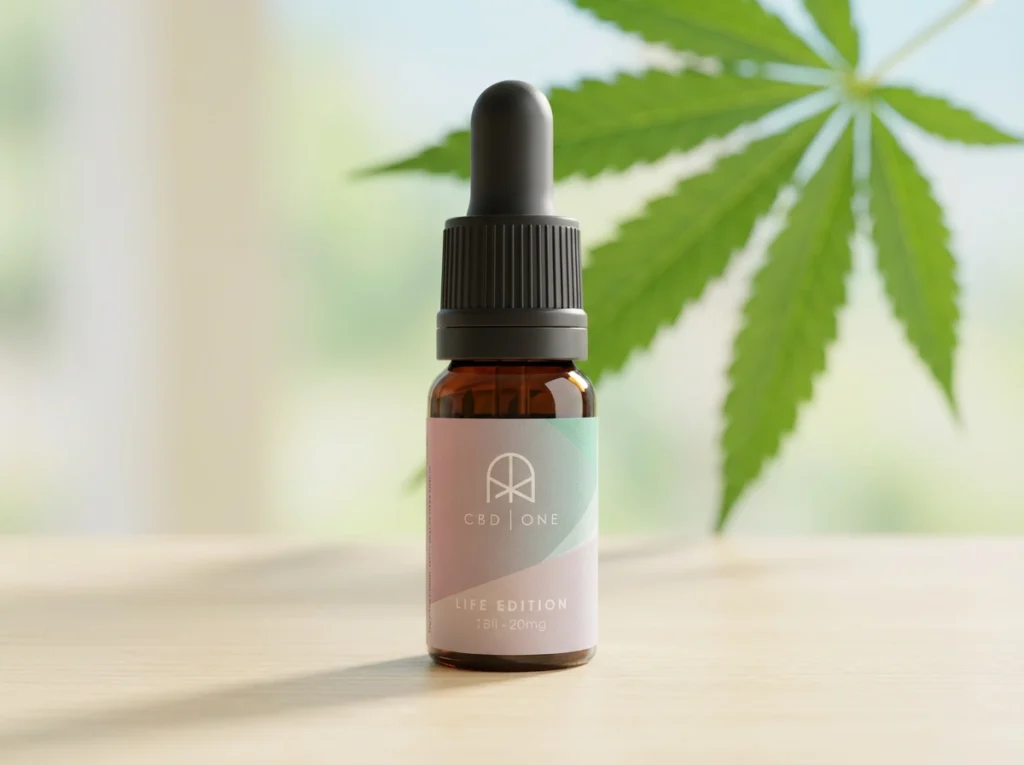
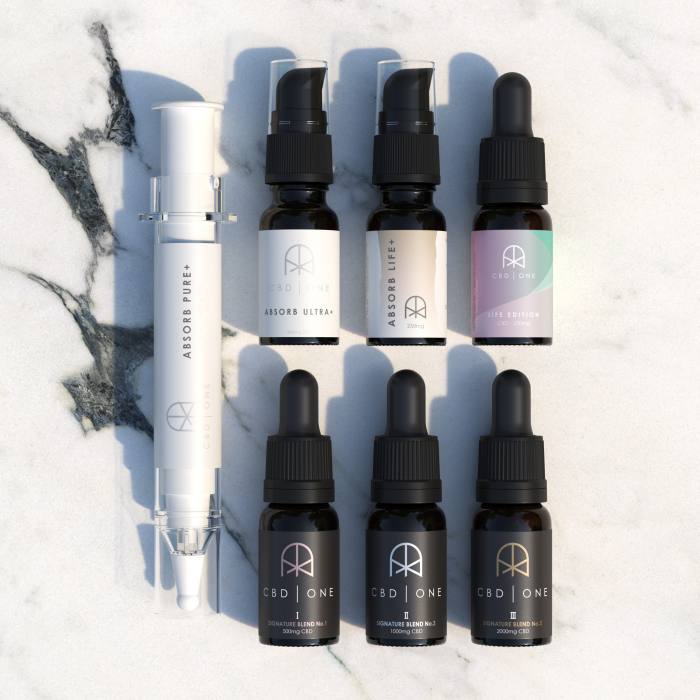
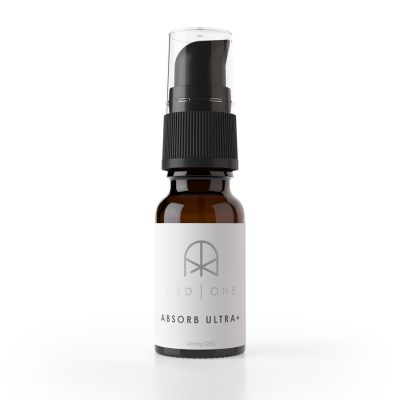
For a simple entry point, 2.5% CBD Oil [250mg CBD] | Life Edition (£19.99) is a gentle, budget-friendly full spectrum option. If you want a bit more strength without jumping too high, 5% CBD Oil [500mg CBD] (£33.99) is a popular middle step. Prefer something you can add to drinks with a simpler once-per-day style routine? Absorb Life+ (£29.99) is a water-soluble, full spectrum alternative designed for easier mixing.
If you are unsure on servings, I would strongly recommend reading our CBD dosage guide before you buy anything high strength.
Buying guide: how to choose hemp seed oil capsules in the UK (and avoid the common traps)
Here is a practical checklist I would use if I were buying hemp seed oil capsules today. It is designed to help you compare like-for-like and avoid “hemp marketing” that blurs the line between seed oil and CBD.
1) Decide what you actually want: hemp nutrition or CBD?
If you want hemp seed oil as a nutritional oil, buy capsules that clearly state “hemp seed oil” and give the oil amount per capsule. If you want CBD, buy a CBD product that states the CBD amount in mg and comes with lab testing. Don’t rely on phrases like “hemp capsules” or “cannabis oil” alone.
2) Check the label for serving details (not just bottle size)
Compare:
- Oil per capsule (for example 500mg or 1000mg)
- Capsules per bottle (30, 60, 90 etc.)
- Suggested serving (1 per day vs 2 to 3 per day)
This is the quickest way to avoid overpaying for a small total amount of oil.
3) Look for sensible sourcing and basic quality signals
With seed oils, you are looking for reassurance on things like origin, processing, and freshness. Brands that share batch info, storage advice, and clear ingredients usually inspire more confidence than brands that only talk about “miracle hemp benefits” without specifics.
4) Be careful with “benefits” language (especially anxiety and pain claims)
You will see searches like “hemp seed oil for anxiety” or “how to use hemp seed oil for pain”. In the UK, reputable sellers should not present hemp or CBD as a cure or treatment for medical conditions. If you are managing anxiety, chronic pain, or you are taking regular medication, it is worth speaking to a GP or pharmacist first, especially before using cannabinoid products.
5) If buying CBD instead: prioritise spectrum, testing, and realistic daily limits
For CBD products, check whether it is full spectrum (CBD plus minor cannabinoids and terpenes with trace THC within legal limits), broad spectrum (THC removed), or isolate (CBD only). Many people choose full spectrum for the “entourage effect”, where compounds may work together. You can read more about that here: The Entourage Effect.
Also keep UK guidance in mind. The Food Standards Agency advises healthy adults not to exceed 70mg CBD per day. Start low, go slow, and keep your routine consistent for a fair comparison.
6) Delivery and returns: small things that matter at checkout
Because you are searching “UK delivery & best prices”, it is worth checking delivery speed, postage thresholds, and returns policy before you pay. Capsules and oils are often purchased repeatedly, so a smooth reorder experience and clear customer support can matter as much as the “headline price”.
Cold-pressed vs refined: does it matter in capsule form?
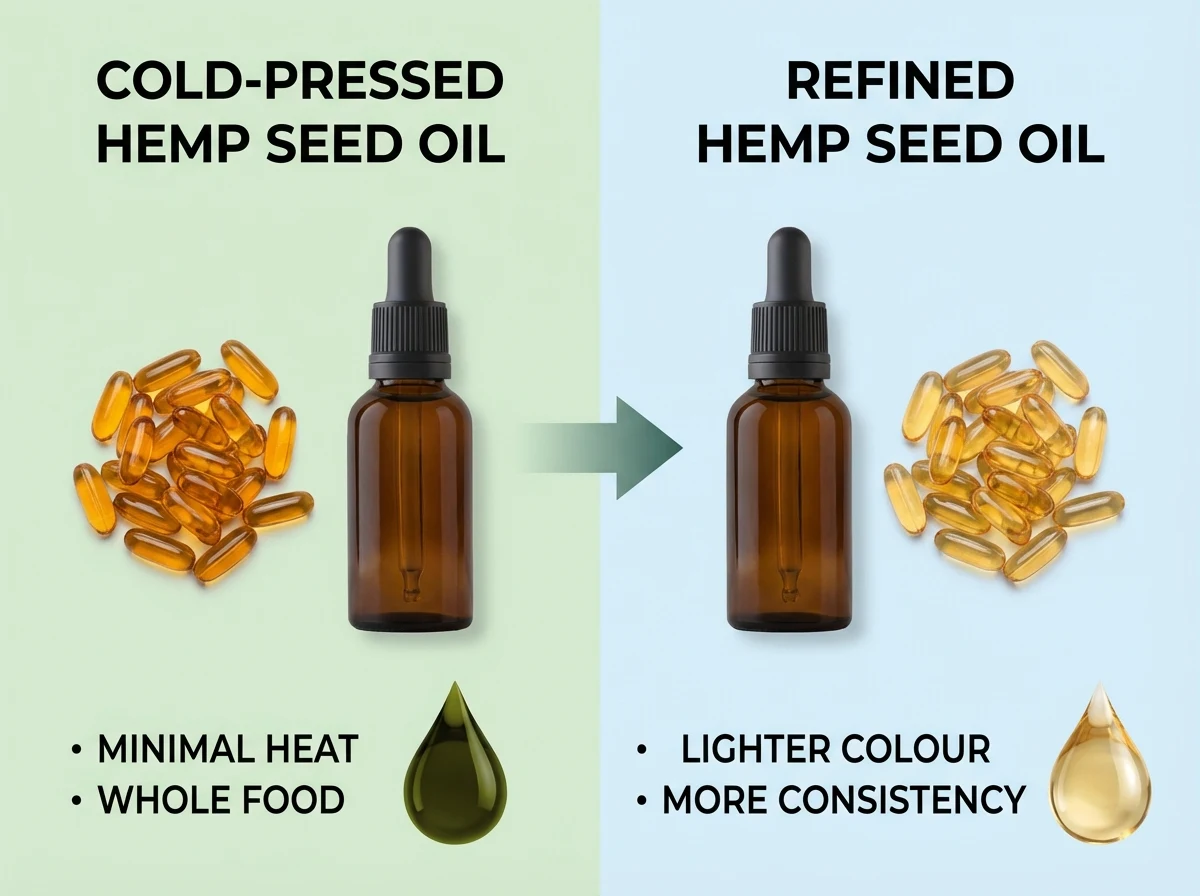
When you browse hemp seed oil capsules, you will sometimes see “cold-pressed”, “virgin”, or “unrefined” used as a selling point. Here’s the thing: those terms can be meaningful, but only if the brand explains what they actually did.
Cold-pressed oils are generally produced with minimal heat, which many people prefer for a more “whole food” feel. Refined seed oils tend to be lighter in colour and flavour, and they can be processed for consistency. Neither automatically tells you the capsule is higher quality, but it does change what you are getting.
From a practical standpoint, I would use this as your decision filter:
- If the label is clear about the oil being hemp seed oil, the amount per capsule is stated, and the best-before date is sensible, “cold-pressed” can be a nice extra.
- If the brand leans heavily on “cold-pressed” but is vague on capsule size, sourcing, or what the capsule actually contains, I would treat it as marketing and move on.
For people who are sensitive to taste or smell, refined oils in softgels can sometimes be easier to tolerate. The goal is not to chase buzzwords, it is to buy something you will actually take consistently.
Allergens, dietary suitability, and capsule shells
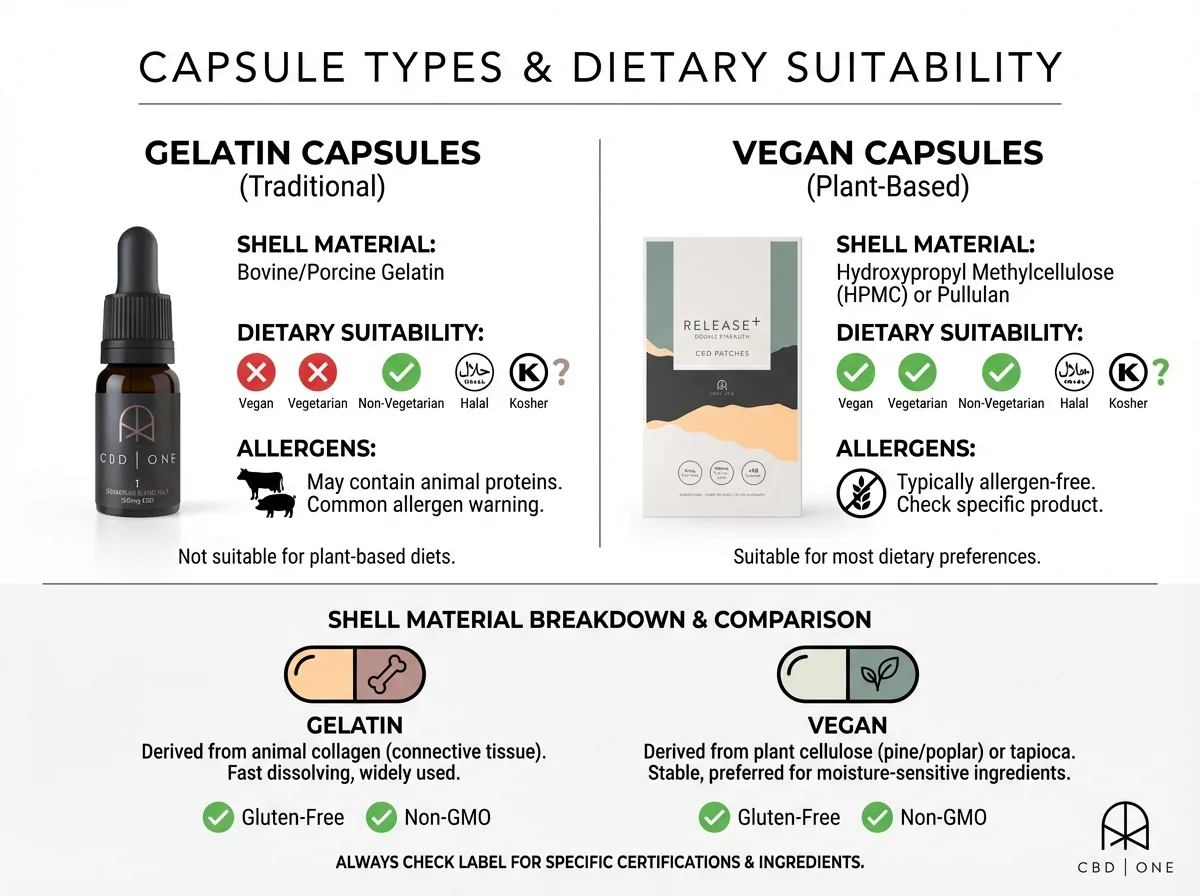
A lot of shoppers only check the front label, then get caught out by the capsule shell. Softgels are often made with gelatine, and that can matter for religious reasons, vegetarian or vegan diets, and certain allergies.
Consider this quick label check before you buy:
- Capsule material: look for whether it is gelatine, fish gelatine, bovine gelatine, or a plant-based alternative.
- Allergen warnings: some products are manufactured in facilities that also handle common allergens.
- Added antioxidants: vitamin E (tocopherol) is common, and usually there to help slow oxidation.
If you are ever unsure, the safest approach is to choose products with a full ingredients list and clear dietary notes, rather than relying on a “natural” badge on the front.
Storage, shelf life, and how to spot a rancid seed oil capsule
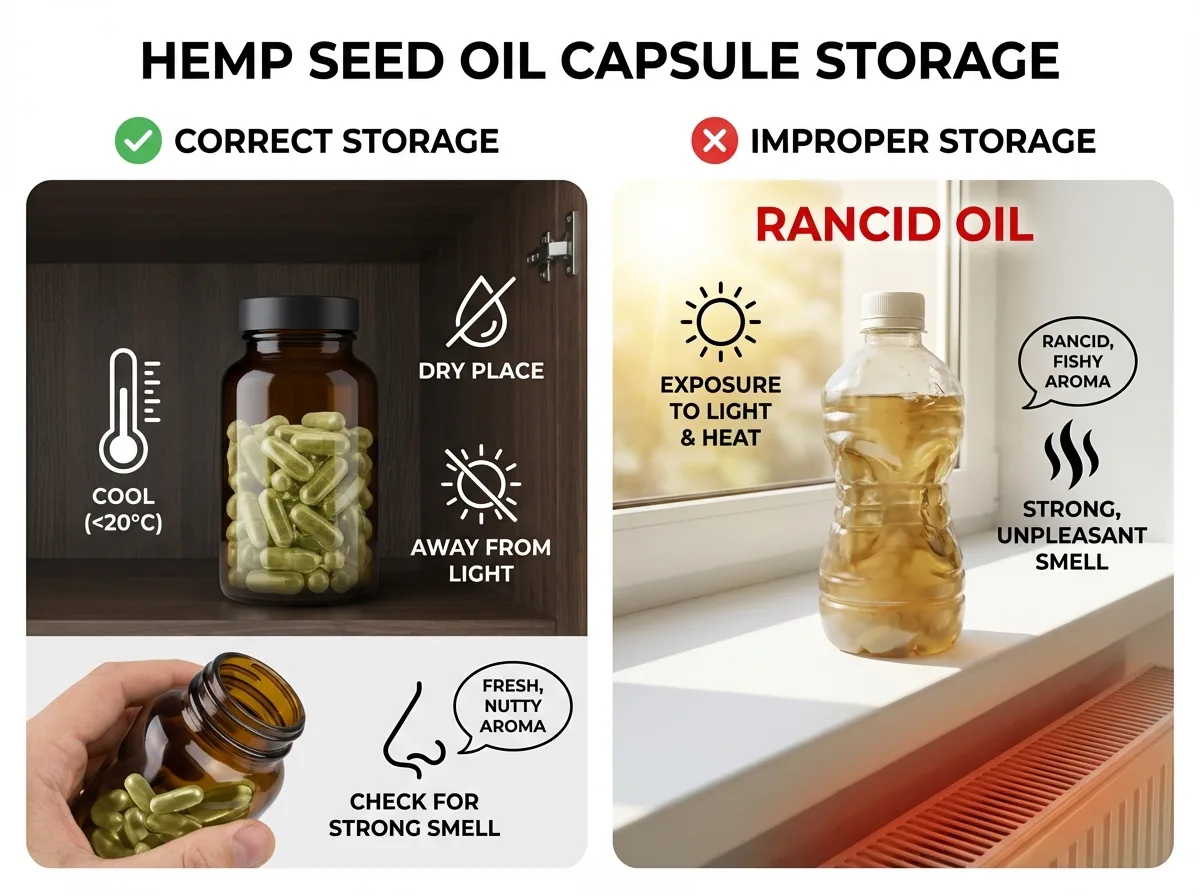
Hemp seed oil is a delicate oil, and like other seed oils, it can oxidise over time. Capsules do help by limiting light and air exposure, but they cannot “fix” an old or poorly stored oil.
What many people overlook is that storage starts before you even buy it. If a bottle has sat in a warm warehouse, in direct sun, or for a long time without good turnover, you can end up with an unpleasant product even if the label looks fine.
Signs to watch for:
- Smell: if you open the bottle and get a strong stale, paint-like, or “old nuts” smell, that is often a sign the oil has oxidised.
- Taste repeat: some people notice repeat burps with an unpleasant flavour after taking softgels, which can be another hint something is off.
- Packaging: clear bottles and thin plastic with no storage guidance can be a weak signal for oils that prefer cool, dark conditions.
At home, keep capsules sealed, away from heat, and out of direct light. If you are travelling, try not to leave them in a hot car or near radiators. Small habits like that help you get what you paid for.
What “hemp oil” means in UK listings (and why it causes mis-buys)
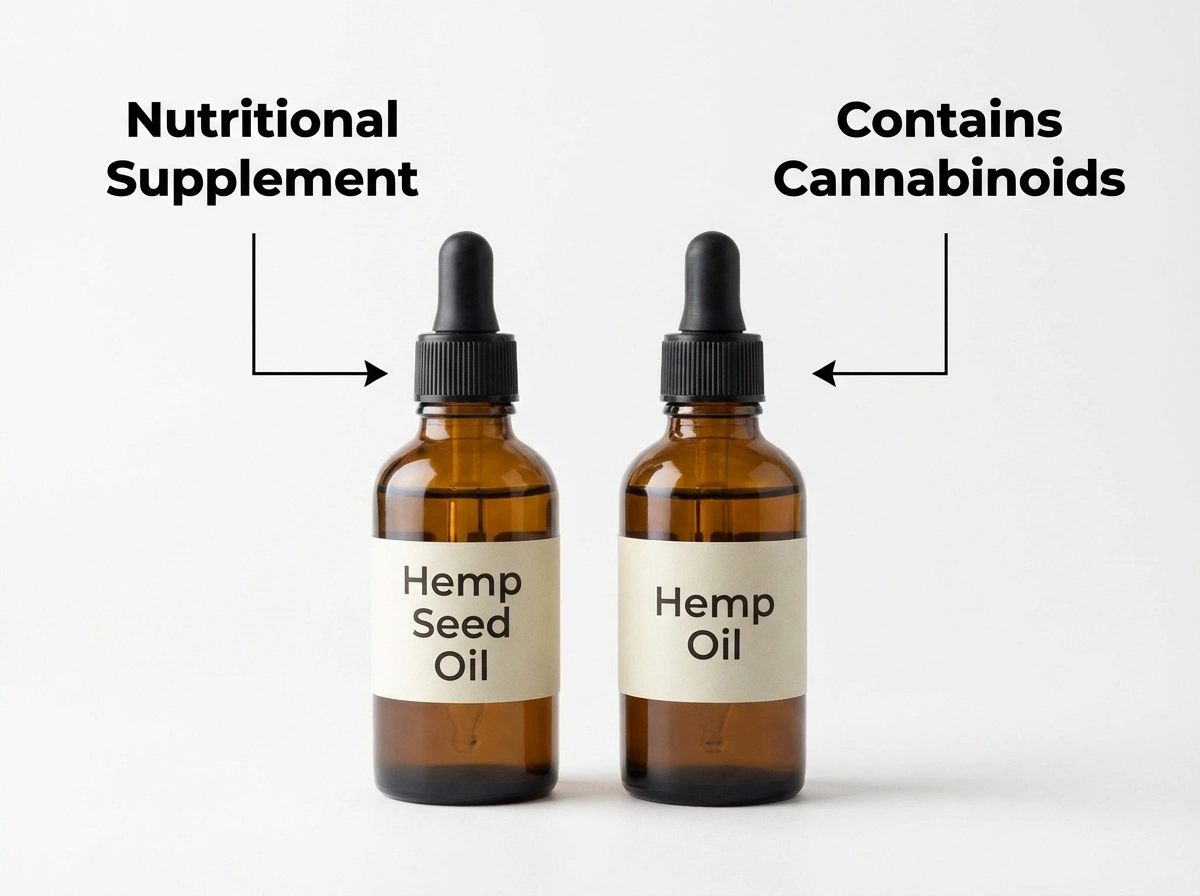
The term “hemp oil” is one of the biggest reasons people end up with the wrong product. In many UK listings, “hemp oil” is used to mean hemp seed oil. In others, it is used loosely to mean hemp extract with cannabinoids. Sometimes it is both, depending on how careful the seller is.
Think of it this way: “hemp oil” by itself is not a precise ingredient. The only way to know what you are buying is to check the ingredient panel and the nutrition or supplement facts.
If you want hemp seed oil capsules, you want to see:
- Hemp seed oil listed clearly as the oil inside the capsule
- A stated capsule fill weight (mg per capsule)
- No cannabinoid claims that are not backed by a CBD mg amount
If you want CBD, you want to see CBD listed as a cannabinoid with an amount in mg, plus batch testing. Anything in the middle tends to be where shoppers overpay, or feel let down after a few weeks.
Batch testing and what a good lab report should cover (seed oil vs CBD)
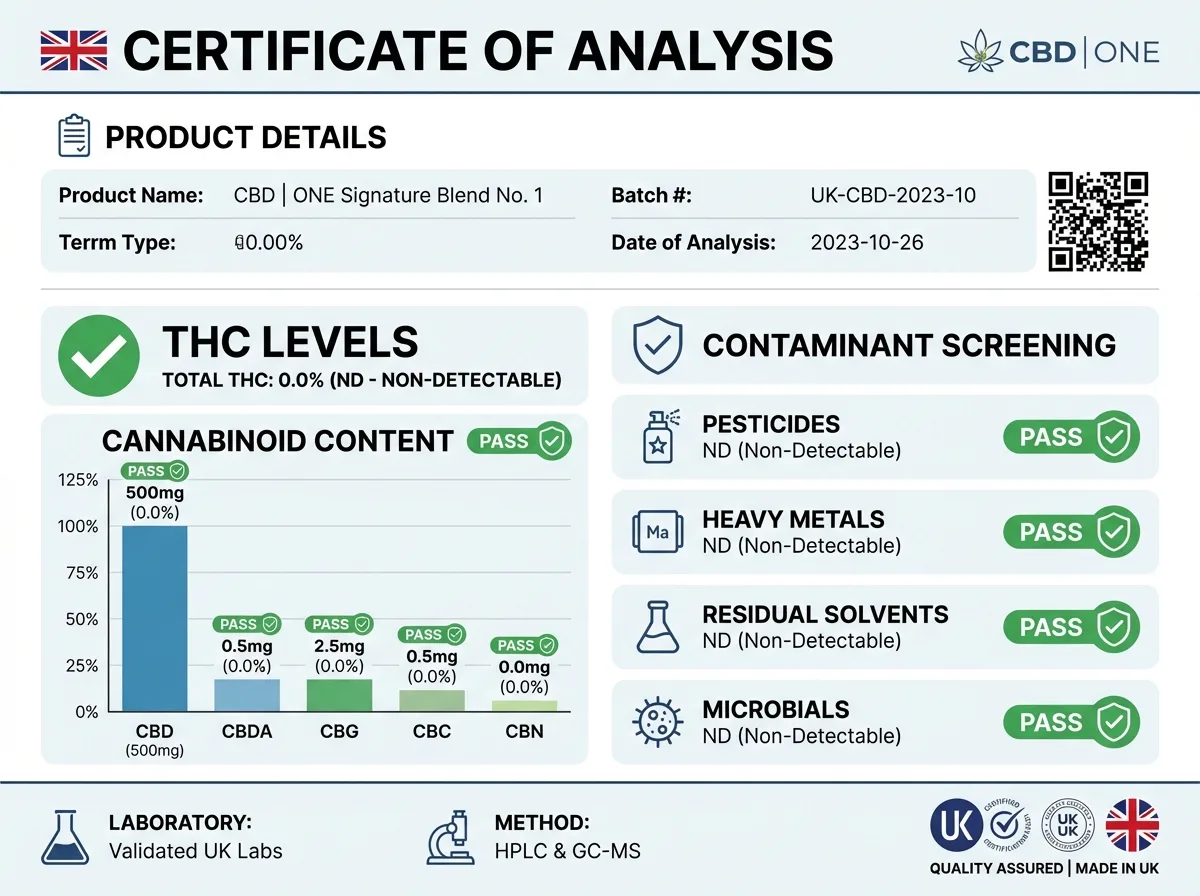
Lab reports can be genuinely useful, but you want the right kind of testing for the product you are buying.
For hemp seed oil capsules
Because hemp seed oil is typically sold as a food-style supplement, you may not always see the same style of Certificate of Analysis used in CBD. Still, a quality-focused brand may share testing for things like contaminants, and sometimes a basic breakdown that supports what the oil is.
If a seed oil brand shares lab work, look for batch-specific information rather than a generic document with no dates, no batch number, and no clear link to the bottle you have bought.
For CBD or “hemp extract” capsules
Now, when it comes to cannabinoid products, batch testing moves from “nice to have” to essential. At minimum, you want confirmation of cannabinoid content that matches the label, plus reassurance on THC compliance within UK legal limits, and screening for common contaminants.
If a product hints at CBD but cannot show CBD mg on the label and cannot provide batch testing, that is one of the clearest reasons to skip it.
Frequently Asked Questions
Are hemp seed oil capsules the same as CBD capsules?
No. Hemp seed oil capsules usually contain oil pressed from hemp seeds and typically do not contain meaningful levels of CBD. CBD capsules (or CBD oil) are made from hemp extract from the aerial parts of the plant and should state CBD content clearly in mg. If you are buying for cannabinoids, always check for CBD on the label and look for third-party lab testing.
Is hemp seed oil the same as CBD oil?
They are different products. Hemp seed oil is a food-style seed oil; CBD oil is a cannabinoid-rich extract product (often blended into a carrier oil). They can look similar in marketing, which is why many people search “hemp oil vs cbd oil”. If you want a cannabinoid product, choose something that states CBD mg per bottle and provides lab verification.
What should I look for on the label of hemp seed oil capsules?
Look for “hemp seed oil” (or Cannabis sativa seed oil) as the main ingredient, the amount of oil per capsule, the capsule count, and any allergens or additives. If the product makes CBD-like claims but does not list CBD content, be cautious. For CBD products, you should expect clear CBD mg and a Certificate of Analysis (lab report).
Do hemp seed oil capsules contain THC?
Most hemp seed oil softgels are not designed to contain cannabinoids and generally should not be marketed for THC or CBD content. That said, trace contamination can happen in poorly controlled production, which is why reputable sourcing matters. If you need to avoid THC (for example workplace testing), consider products that are explicitly THC-free and properly tested.
Are “hemp extract” capsules the same as hemp seed oil capsules?
Not usually. “Hemp extract” can imply cannabinoids and terpenes, whereas “hemp seed oil” refers to a pressed seed oil. The words are often used loosely, so do not guess. If a brand is selling CBD, it should list CBD content in mg, explain whether it is full spectrum/broad spectrum/isolate, and provide lab testing.
Do hemp seed oil capsules help with anxiety or pain?
It is best not to treat hemp seed oil capsules (or CBD) as a medical treatment. Some people use hemp or CBD products as part of a broader wellbeing routine, but individual experiences vary and the UK does not allow CBD products to be marketed as medicines without authorisation. If anxiety or pain is affecting daily life, speak to a GP for proper assessment and support.
What are “pumpkin seed oil capsules Boots” comparisons really about?
Usually it is a comparison between different nutritional oils in capsule form. Pumpkin seed oil capsules and hemp seed oil capsules are both typically food supplements, not CBD. The best way to compare them is by the amount of oil per capsule, capsule count, sourcing, and whether the product fits your dietary requirements (for example vegan vs gelatine softgels).
If I want CBD in a capsule format, what should I do?
If you prefer not to take drops, you can look for CBD capsules from reputable brands that clearly state CBD content per capsule and provide third-party testing. If you are open to alternatives that are still simple, water-soluble CBD can be mixed into drinks. For example, Absorb Life+ is designed for convenient daily use.
How do I work out a sensible CBD serving if I switch from hemp seed oil to CBD?
Start low and increase gradually only if needed. The UK FSA advises healthy adults not to exceed 70mg CBD per day. Your best next step is a structured approach, noting how you feel and keeping your routine consistent. Our CBD Dosage guide walks you through practical serving ideas and how to avoid overdoing it.
Is it better to take CBD oil under the tongue or swallow capsules?
Sublingual CBD oil (held under the tongue) is often chosen for flexibility and potentially faster feedback compared with swallowed formats, which must be digested. Capsules are simpler and more discreet, but you lose dosing flexibility. If you want to learn the technique for oils, see our guide on how to take CBD oil.
Is hemp seed oil legal in the UK?
Hemp seed oil sold as a food supplement is generally considered legal in the UK when it is produced and marketed appropriately. The confusion usually comes from mixing it up with CBD or other hemp extracts. If a capsule contains cannabinoids like CBD, it should be marketed and labelled in line with CBD expectations, not simply as “hemp oil”.
How should I take hemp seed oil capsules, with food or without?
Many people take seed oil capsules with a meal, mainly because it is easier on the stomach and simpler to remember. If the label suggests a specific way to take them, follow that. If you have any digestive sensitivities or you are taking other supplements, it can be worth checking with a pharmacist for personalised advice.
What is the difference between hemp seed oil capsules and hemp seeds?
Hemp seeds are a whole food you can add to meals. Hemp seed oil capsules are a way of taking the oil pressed from those seeds, in a measured and convenient form. If you prefer food-first nutrition, seeds can be an easy option. If you want consistency and convenience, capsules can fit better.
Can I take hemp seed oil capsules and CBD oil together?
Some people choose to use hemp seed oil as a nutritional oil alongside a separate CBD product, but it is worth keeping your routine organised so you know what is doing what. If you are taking regular medications or you are unsure about interactions, it is sensible to speak with a GP or pharmacist first, especially before introducing CBD.
Key Takeaways
- Hemp seed oil capsules are usually a nutritional seed oil supplement, not a CBD product.
- If you want CBD, choose products that state CBD mg clearly and provide third-party lab testing.
- Compare capsule value by oil per capsule, capsule count, and suggested daily serving.
- Be wary of marketing that implies “anxiety” or “pain” results. CBD is not a medicine and individual responses vary.
- If you want a CBD alternative to capsules, consider a measured CBD oil or a water-soluble option you can add to drinks.
Conclusion
Hemp seed oil capsules can be a convenient way to add hemp seed oil to your routine, but they are often misunderstood. If you are buying them expecting CBD, you will probably be disappointed, so it pays to slow down, read the ingredient panel, and compare like-for-like (oil per capsule, capsule count, and label clarity).
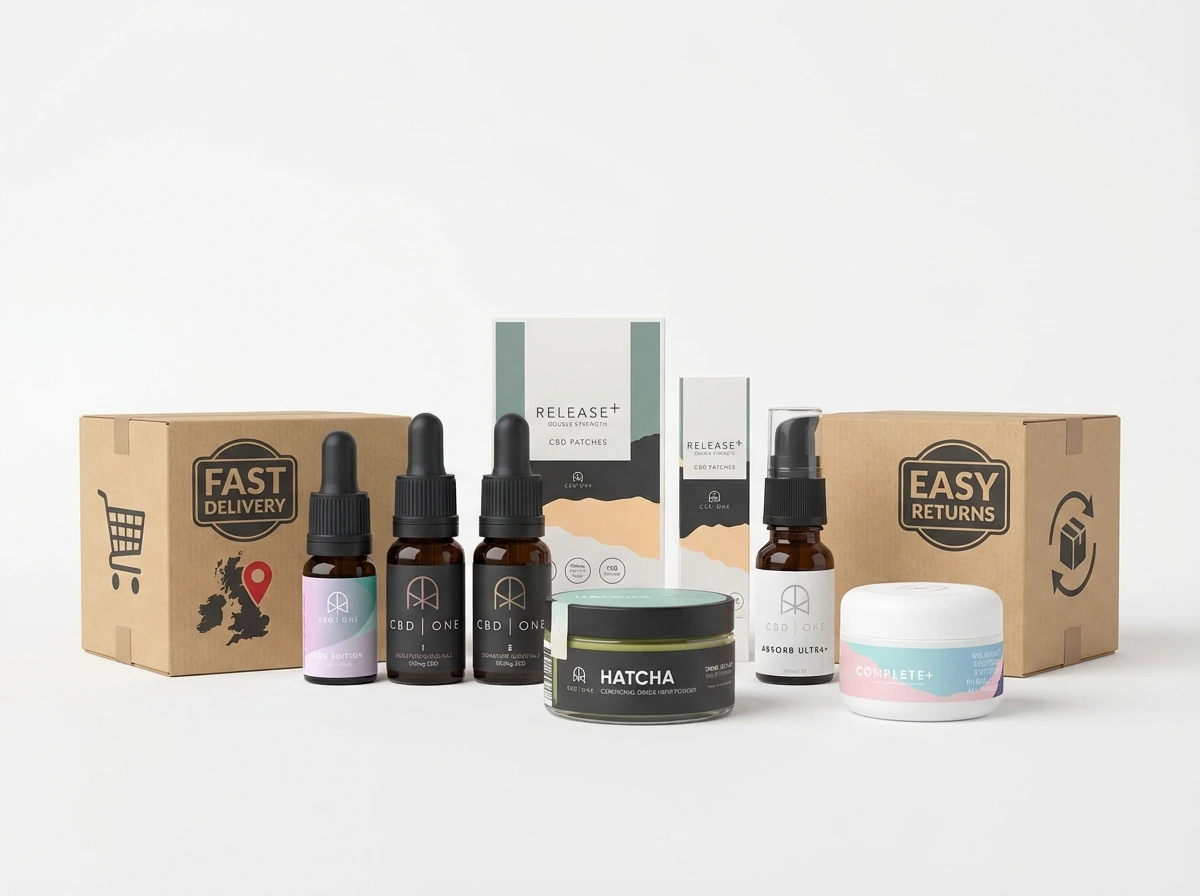
If your goal is actually CBD, explore our premium CBD oil options and start with a sensible strength such as 2.5% CBD Oil [250mg CBD] | Life Edition (£19.99) or 5% CBD Oil [500mg CBD] (£33.99). Want something easy in drinks? Try Absorb Life+ (£29.99). Shop based on clarity, testing, and a routine you will actually stick to.