
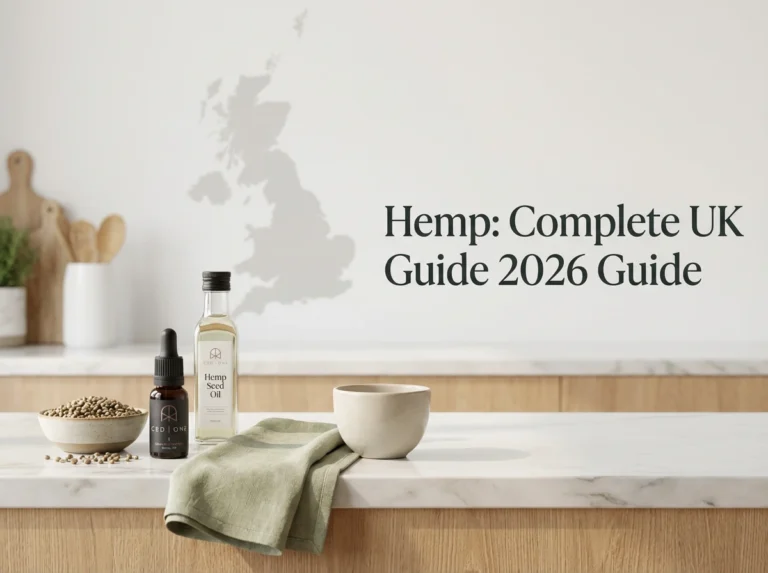
Hemp: Complete UK Guide 2026 Guide
In this guide, I will walk you through what hemp is, what people mean by hemp oil, hemp seed, hemp cream, and why “hemp gummies” can be a bit of a minefield. The aim is simple: help you read labels with confidence, understand the UK basics, and make safer choices that actually fit your routine.
What hemp is (and what it is not)
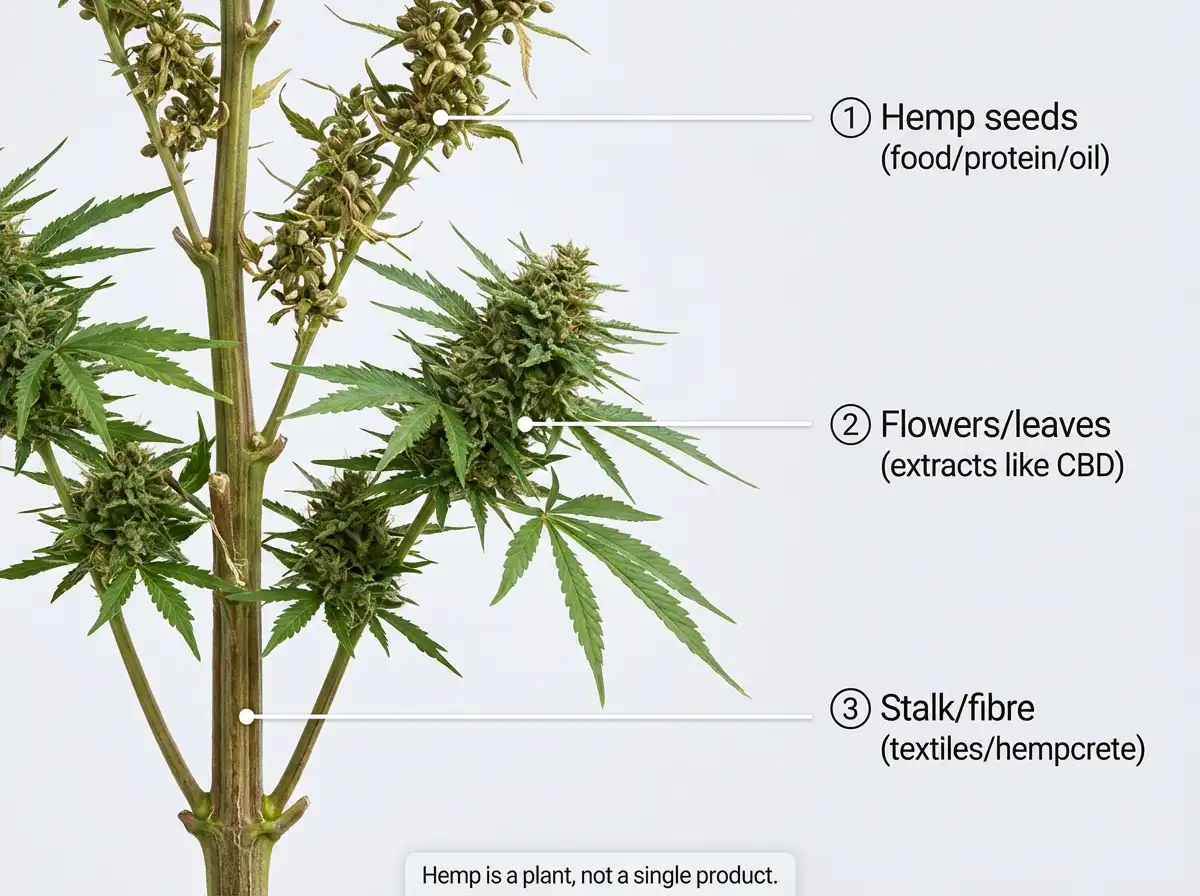
Hemp is a variety of the Cannabis sativa plant grown for practical uses: fibres, seeds, and extracts. It has been used for centuries in rope, textiles, paper, and food. These days, you will also see it in wellness products because hemp can be a natural source of cannabinoids like CBD.
What many people overlook is that the word “hemp” does not tell you which part of the plant was used. That matters because the seed, the flower, and the stalk all lead to very different end products.
The three main parts people buy
- Hemp seeds: used in foods, protein powders, and pressed into hemp seed oil.
- Hemp flowers and leaves: used to make hemp extracts, which may contain CBD and other cannabinoids.
- Hemp stalk (fibre): used for clothing, paper, building materials, and “hempcrete”.
If your goal is nutrition, hemp seed products can make sense. If your goal is cannabinoids like CBD, you need an extract from the aerial parts of the plant, not the seeds.
Hemp vs cannabis: the same plant family, different rules
People often say “hemp and cannabis are different plants”. In everyday conversation, that can be a helpful shortcut. Botanically, though, hemp and marijuana are both forms of Cannabis sativa. The difference is mainly how they are bred and what they contain, especially around THC.
The reality is that UK rules focus heavily on THC, the intoxicating cannabinoid. Hemp used for consumer wellness products is typically bred to be very low in THC.
Does hemp get you high?
Hemp seed foods do not get you high. CBD products should not be intoxicating either. That said, “should” is doing a lot of work there, because quality and compliance matter. Full spectrum CBD products can contain trace THC within legal limits, but they are designed to be non-intoxicating for typical use.
If you want a clear explanation of CBD itself, start with our pillar guide on CBD Oil.
Hemp oil explained: hemp seed oil vs CBD oil
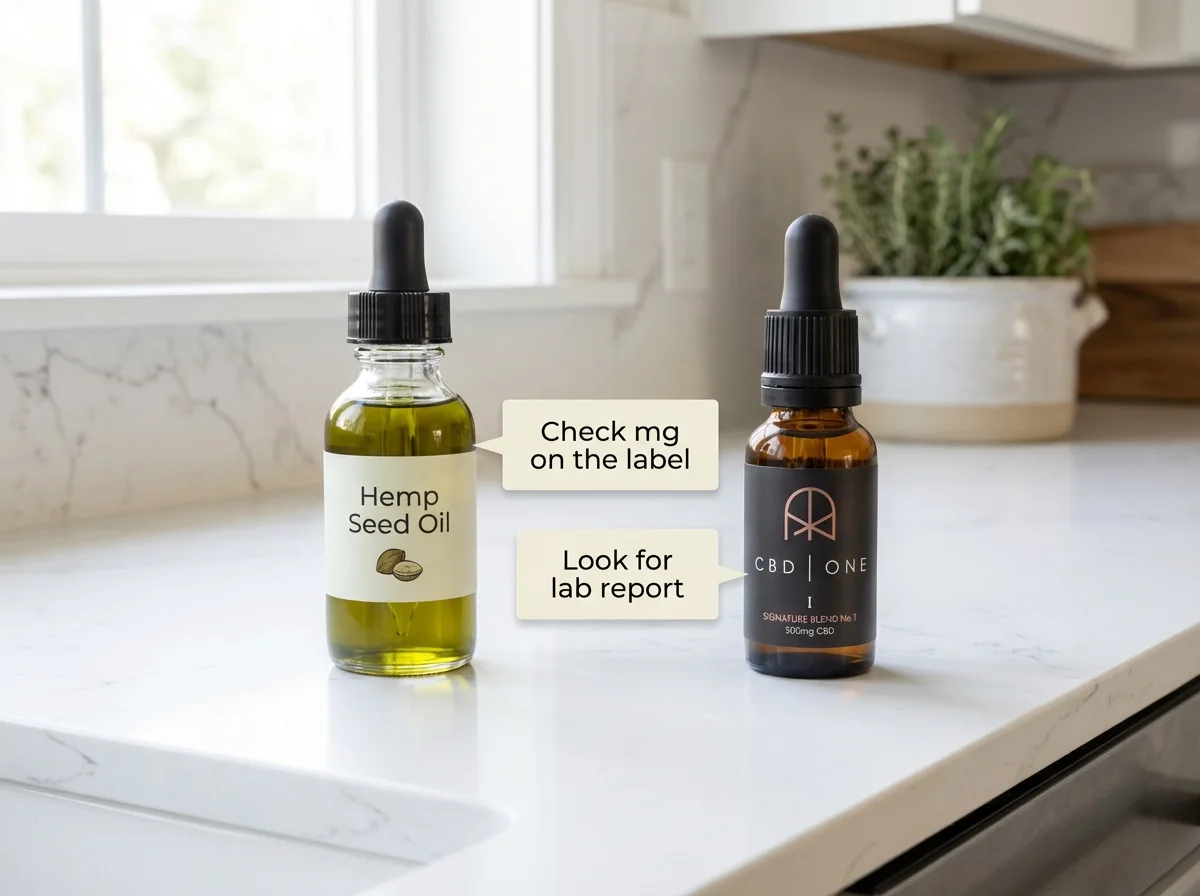
If you remember just one thing from this article, make it this: “hemp oil” is not a protected term on its own. On UK shelves it often means hemp seed oil, but sometimes brands use it to describe CBD oil as well.
Hemp seed oil (food oil)
Hemp seed oil is pressed from hemp seeds. It is a nutritious cooking or salad oil with a lovely fatty acid profile, and you will often see it in skincare as a moisturising base. It naturally contains very little CBD because the seeds are not where cannabinoids are produced in meaningful amounts.
CBD oil (hemp extract)
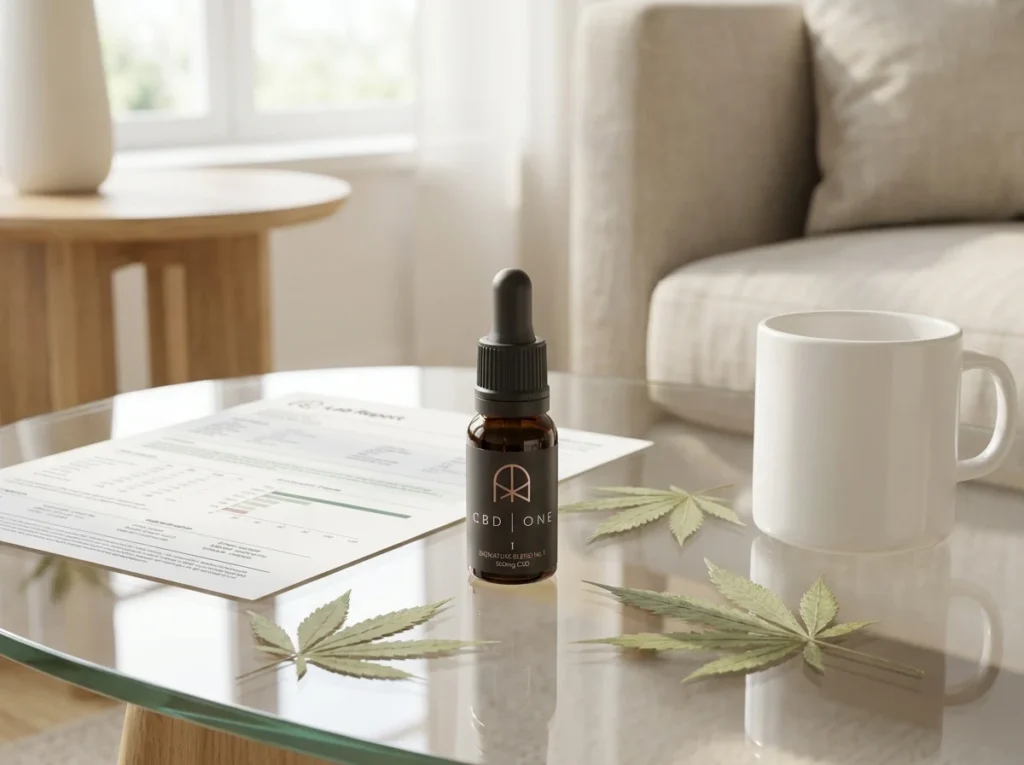
CBD oil is made by extracting cannabinoids from hemp flowers and leaves, then blending that extract into a carrier oil (often hemp seed oil). Now, when it comes to choosing, your clue is the label: it should tell you the CBD content in mg, the spectrum (full spectrum, broad spectrum, or isolate), and ideally provide a third-party lab report.
If you want a side-by-side breakdown, this article helps: Hemp Oil vs CBD Oil.
Common hemp products in the UK (and what to watch for)
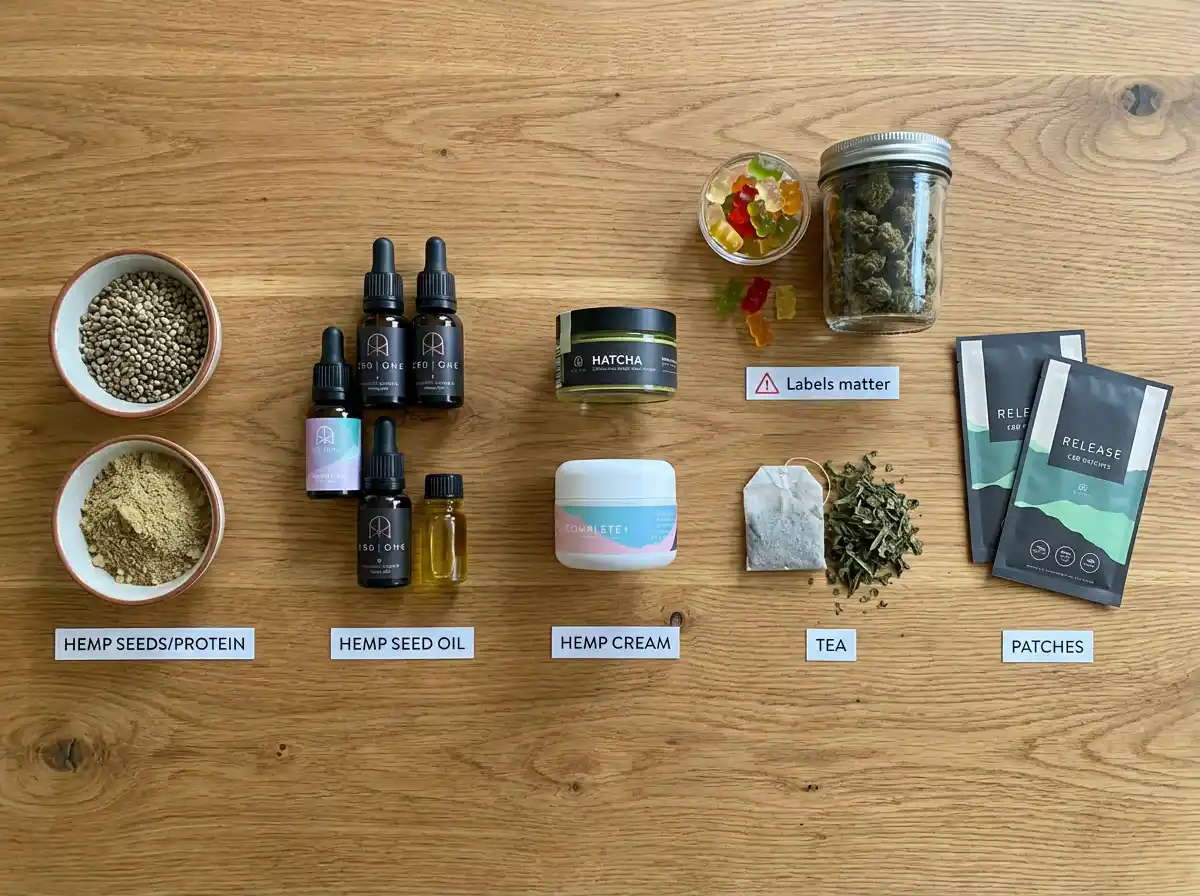
Walk into a shop or search online and you will see hemp everywhere: hemp cream, hemp gummies, hemp seed snacks, “hemphash”, and more. Some of these are straightforward. Others need a bit of caution.
Hemp seed foods
Hemp seeds, hemp hearts, and hemp protein are generally bought for nutrition. Think of them like chia or flax: a practical food you can add to yoghurt, porridge, or smoothies.
Hemp cream and topical products
“Hemp cream” can mean two different things. Sometimes it is a standard cosmetic that uses hemp seed oil as an ingredient. Other times, it includes hemp extract with cannabinoids like CBD. From a practical standpoint, the label should tell you which it is, and how much CBD is included if any.
On CBD One, topical products sit under Topical CBD. For example, CBD Face Cream Complete+ uses Cannabis Sativa Seed Oil and a raw cannabis extract, and it is third-party tested. That is the kind of transparency you want to see in any topical.
Hemp gummies
“Hemp gummies” is one of the most confusing search terms. Some gummies are made with hemp seed oil and contain no meaningful CBD. Others are CBD edibles. In the UK, CBD ingestibles should comply with Novel Food rules, and you should be able to find clear cannabinoid content and lab testing.
Consider this: if a gummy does not state CBD content in mg per gummy, you cannot dose it sensibly. That is a big red flag for any wellness routine.
Hemp hash, hemphash, and hemp flower
People also search for “hemp hash” or “hemphash”. These terms are often used to describe compressed hemp material or resin-like products made from hemp flower. This area is legally and practically complicated in the UK, and product quality can vary hugely.
If legality is your question, start here: Is It Legal To Grow Hemp In The UK?. If you are ever unsure, it is sensible to speak to a professional or avoid products that are not clearly compliant and lab tested.
How to judge hemp product quality (without becoming a scientist)
Most people do not want homework, they just want to know they are buying something genuine. The good news is that a few simple checks go a long way.
Label checks that genuinely matter
- Clear contents in mg: especially for CBD products. “High strength” without numbers is not helpful.
- Spectrum stated: full spectrum, broad spectrum, or isolate.
- Third-party lab reports: ideally easy to access and recent.
- Ingredients list: you should recognise most of it, especially for oils and creams.
- Responsible guidance: sensible warnings and no medical promises.
Think of it this way: a quality hemp product tells you exactly what it is, what is in it, and how to use it. A poor one relies on vague marketing and trendy words.
Why “full spectrum” gets talked about so much
Full spectrum extracts include CBD plus other naturally occurring compounds from hemp, including minor cannabinoids and terpenes, with trace THC within legal limits. Many people choose full spectrum because of the Entourage Effect, which is the idea that plant compounds may work better together than in isolation.
That does not mean full spectrum is “better” for everyone. If you need to avoid THC entirely, you may prefer an isolate product, provided it is tested and reputable.
Where CBD fits, and how to build a sensible routine
Once you understand hemp, CBD becomes easier to place. CBD is just one natural compound that can be extracted from hemp. People use it in lots of different ways, often as part of an evening wind-down, post-gym recovery ritual, or simply to feel more balanced day to day.
Start with the format that fits your life
In practice, this means choosing a format you will actually use consistently. Oils, water-soluble drops, and patches all have different routines attached to them.
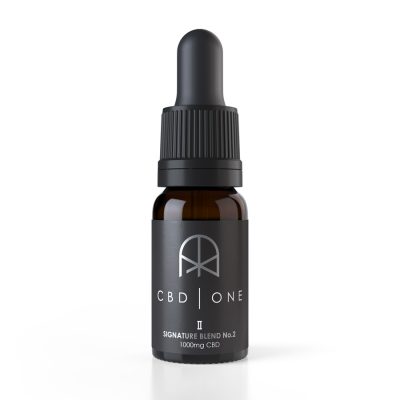
- Oils: a slower, more “ritual” format. You place drops under your tongue.
- Water soluble CBD: convenient if you dislike the taste of oils. You mix it into a drink.
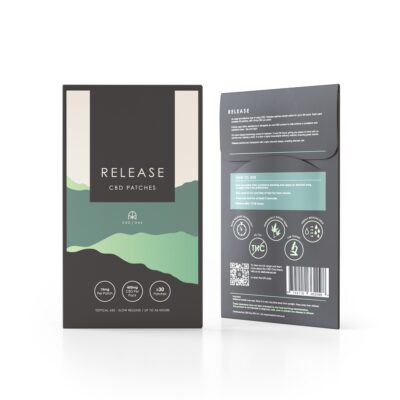
- Patches: set-and-forget style dosing, often used for consistent delivery.
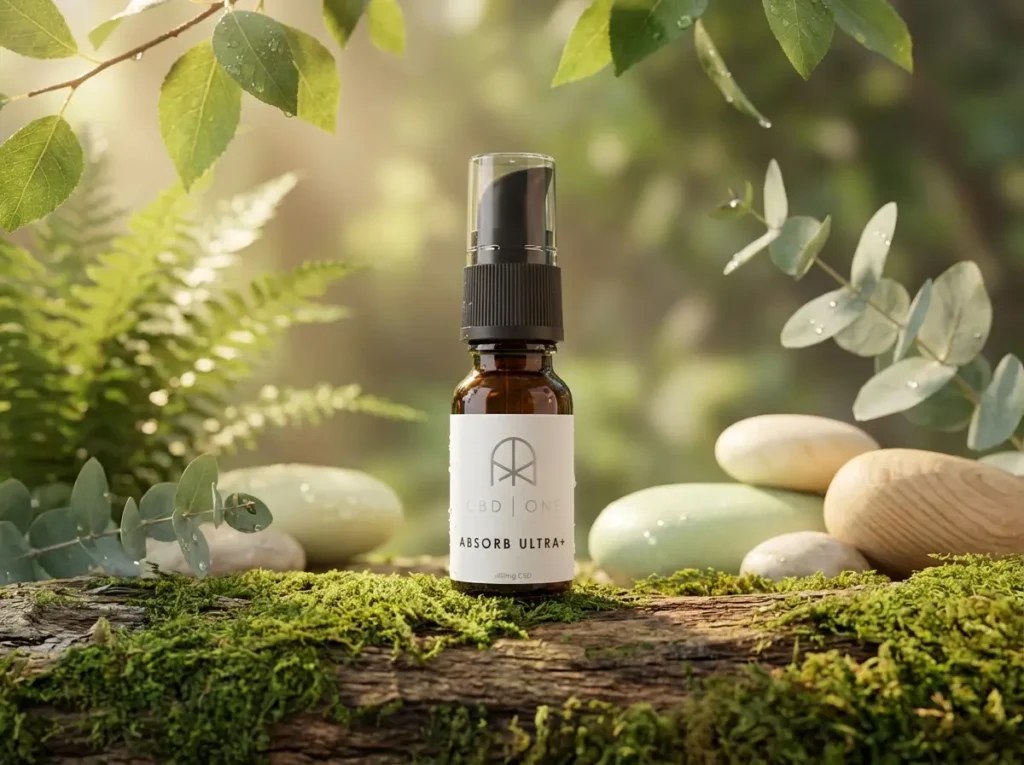
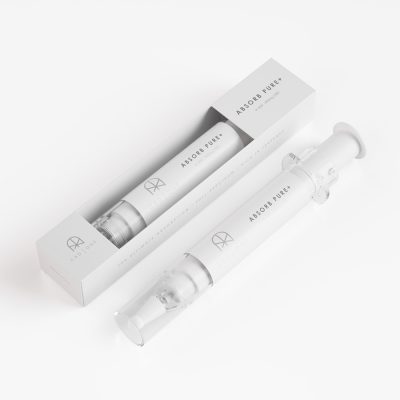
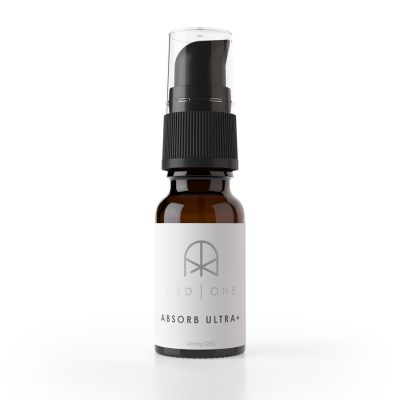
One example from our own range: Absorb Ultra+ is a full spectrum water-soluble CBD that you add to hot or cold drinks, which some people prefer for morning routines. You can browse that format here: Water Soluble CBD.
Dosage: keep it boring and consistent
Most issues I see with CBD come down to people changing too many variables at once. Start low, go slow, and give your routine time. The UK FSA suggests a maximum daily intake of 70mg CBD per day for healthy adults.
If you want help getting your numbers straight, use our CBD Dosage Calculator. For a deeper explanation of “how much is enough”, this guide is useful: CBD dosage guide.
Choosing products without the hype
If you are comparing brands or formats, keep it simple: pick something that is lab tested, clearly labelled, and fits your lifestyle. Our CBD Buying Guide and CBD Product Comparison are there for exactly that reason.
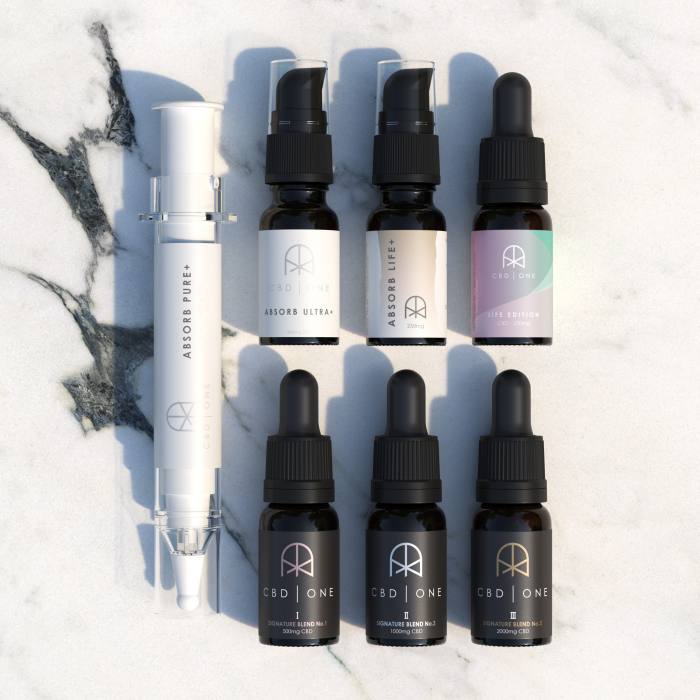
At CBD One, we focus on full spectrum oils and water-soluble products, and we also offer THC-free isolate patches for people who need that option. If you prefer to browse by category, start with CBD Oils.
What is hemp used for in everyday life?
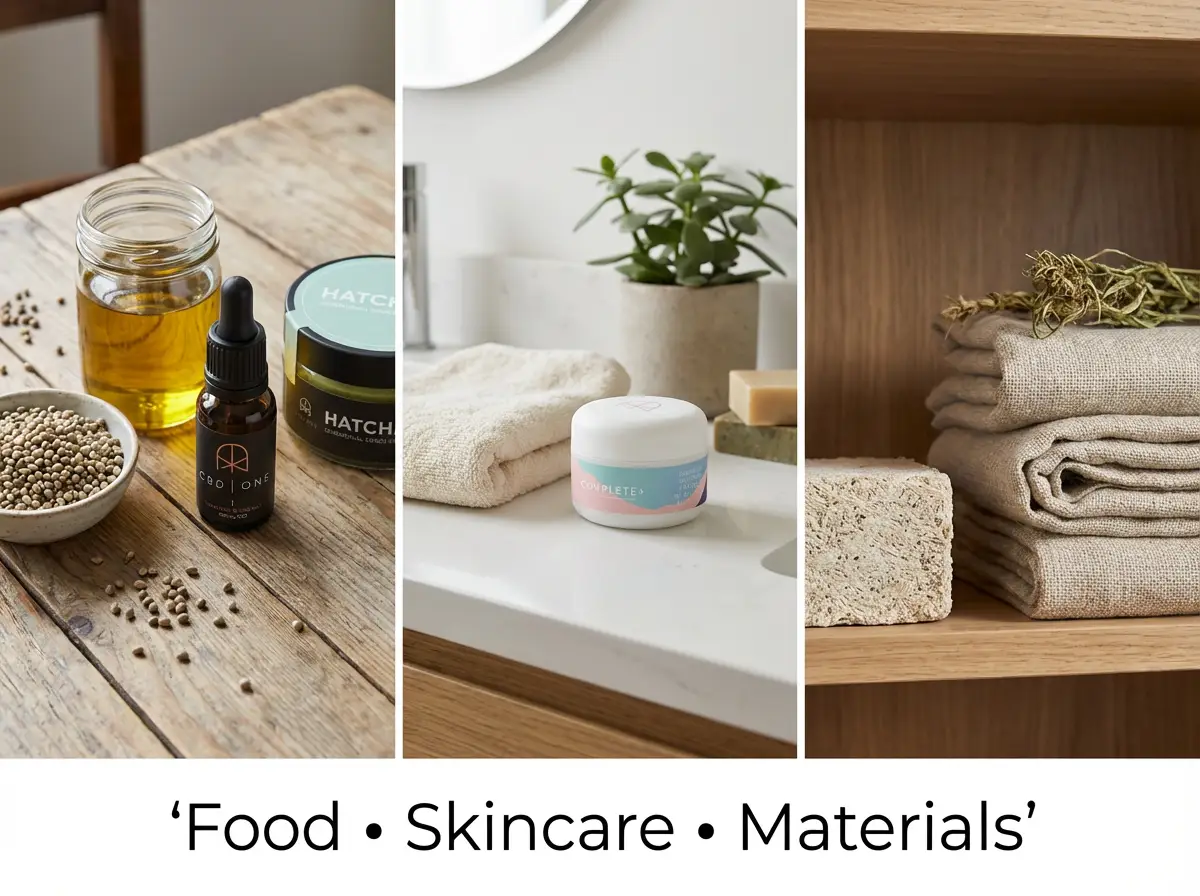
When people hear “hemp”, they often think it is a wellness-only thing. In reality, hemp is one of those rare plants that can be used from root to tip, and a lot of it has nothing to do with supplements.
Broadly, hemp ends up in three places: your kitchen, your bathroom cabinet, and your home. The key is knowing which “hemp” you are dealing with, because those uses are not interchangeable.
Food and nutrition
Hemp seeds and hemp seed oil sit firmly in the food world. They are chosen for nutrition and for taste, not for cannabinoids. If a label is all about omegas, protein, and salads, you are almost certainly looking at a seed-based product.
Skincare and cosmetics
In skincare, hemp often shows up as hemp seed oil in creams, balms, and cleansers. It is commonly used as an emollient, basically a nourishing oily ingredient that helps support the feel of the skin barrier. If the product is truly CBD-based, it should clearly say CBD content in mg and ideally provide lab testing.
Materials, fibre, and building
Hemp is also used for textiles, paper, insulation, and building materials like hempcrete. You might never buy hemp fibre directly, but it is part of why hemp has a reputation as a practical, hard-working crop.
Hemp seed oil: how people actually use it (and where it fits)
Because the phrase “hemp oil” is so messy, it helps to get specific about hemp seed oil. It is a seed oil, which means it sits in the same category as olive oil, flaxseed oil, and sunflower oil. It is not a CBD product unless CBD has been added.
In the kitchen
Many people use hemp seed oil as a finishing oil, for example drizzled over salads or added after cooking. It has a distinctive nutty flavour. If you are buying it for food, look for a product that is clearly sold as a food-grade oil and stored in a way that protects it from heat and light.
On skin and hair
Hemp seed oil is commonly used in cosmetics, and some people also use it as a simple skin oil or hair oil. If you have reactive skin, keep it simple and patch test first, especially if the product contains fragrances or essential oils alongside the hemp ingredient.
What it will not do
This matters: hemp seed oil is not a meaningful source of CBD on its own. So if your goal is to explore cannabinoids, a seed oil is not a “gentler CBD”, it is a different product altogether.
Hemp fibre: why it matters, even if you never buy it
Hemp fibre is the part of the plant used for rope, textiles, and industrial materials. It is not the part used for cannabinoid extracts, but it is still worth understanding because it explains why hemp is often talked about as a sustainable crop.
What many people overlook is that hemp has two very different “stories” at the same time. One is wellness and extracts. The other is agriculture and materials. They overlap because they come from the same plant, but the end products, processing, and regulations are very different.
Hemp tea: what it is, and why labels matter
Hemp tea is another area where the word “hemp” can mean different things. Sometimes it is simply a herbal tea blend that includes hemp leaves. Other times, it is marketed in a way that implies a CBD-style effect, without being clear on actual cannabinoid content.
From a practical standpoint, the label should tell you what part of the plant is used and whether it is a food or supplement product. If it claims to contain CBD, you should be able to find the amount in mg and see third-party testing. If it does not, treat it as a herbal tea rather than a cannabinoid product.
Also worth noting: cannabinoids are fat soluble. That does not mean hemp tea is pointless, it just means you should not assume a “hemp” tea delivers CBD in the same way a measured oil or a tested extract does.
Hemp safety basics: side effects, who should be cautious, and drug testing
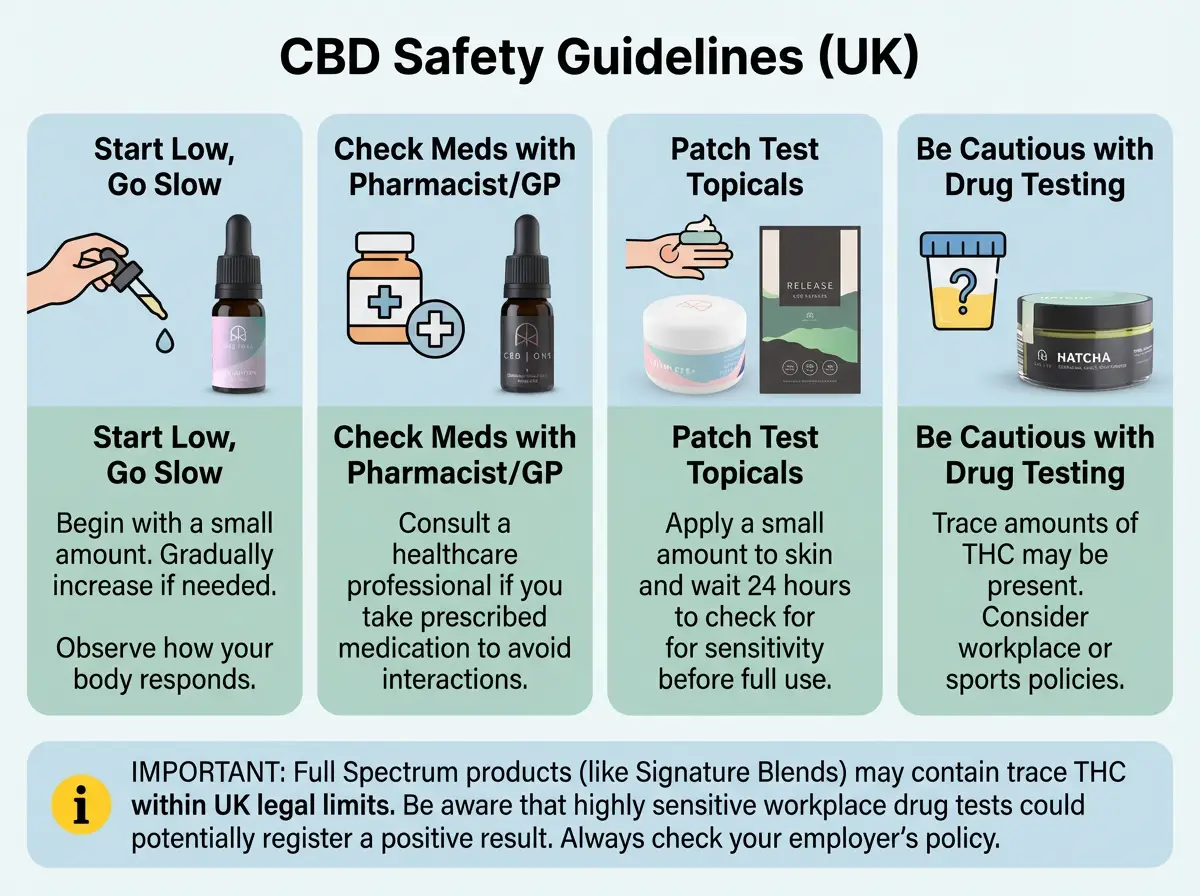
Hemp is not one thing, so safety depends on the product. Eating hemp seeds is very different from using a full spectrum extract, and different again from buying something like hemphash with unclear provenance.
Possible side effects (and what to do about them)
With hemp seed foods, most “side effects” are just normal food reactions, for example digestive upset if you suddenly add lots of fibre or fats at once. With CBD products, some people report feeling drowsy, having changes in appetite, or experiencing digestive discomfort, especially when they take more than they need or change products too quickly.
The boring advice is usually the best: start low, stay consistent, and change one variable at a time. If you feel off, pause and reassess rather than pushing through.
Medication and health conditions
If you take prescription medication, it is wise to speak to your GP or pharmacist before using CBD. This is especially important if your medication comes with a grapefruit warning. Hemp seed oil as a food ingredient is a different conversation, but it is still sensible to check if you have any specific health concerns or are managing a condition.
Drug testing and THC
If you are subject to workplace drug testing, be careful with any full spectrum CBD product. Even when products are designed to be non-intoxicating and contain only trace THC within legal limits, drug tests can be sensitive and individual circumstances vary.
If you need to avoid THC entirely, you may prefer a THC-free option, and you should still prioritise clear lab testing and sensible, compliant labelling.
Frequently Asked Questions
What is hemp, in simple terms?
Hemp is a type of Cannabis sativa grown for seeds, fibre, and extracts. You will see it used in foods (hemp seeds and hemp seed oil), clothing and materials (hemp fibre), and wellness products (hemp extracts that may contain CBD). The important bit is that “hemp” does not automatically mean CBD. To know what you are getting, check which part of the plant the product is made from and whether the label shows cannabinoid content in mg.
Is hemp legal in the UK?
Hemp itself is legal, but the rules change depending on what you are doing with it. Growing hemp is tightly controlled and requires licensing. Selling consumer products also has compliance requirements, especially for ingestible CBD products which must align with UK Novel Food expectations. If you are specifically wondering about cultivation and regulations, read Is It Legal To Grow Hemp In The UK?. If you are unsure about a product, prioritise lab-tested, clearly labelled options.
What is hemp oil, and is it the same as CBD oil?
“Hemp oil” usually refers to hemp seed oil, which is pressed from the seeds and used as a food oil or cosmetic ingredient. CBD oil is different: it is made by extracting cannabinoids from hemp flowers and leaves, then blending that extract into a carrier oil. Hemp seed oil contains very little CBD naturally, so it is not a substitute for CBD oil if you are specifically looking for cannabinoids. This comparison may help: Hemp Oil vs CBD Oil.
What is hemp seed, and what is it used for?
Hemp seeds are the edible seeds of the hemp plant. People use them for nutrition, often sprinkled onto meals or blended into smoothies. They contain protein, fibre, and fats, but they are not a meaningful source of CBD. If a product is marketed as “hemp seed” or “hemp seed oil”, it is best to think of it as a food or cosmetic ingredient rather than a cannabinoid product. Always check the label for CBD in mg if that is what you are actually looking for.
Do hemp gummies contain CBD?
Sometimes yes, sometimes no, which is why the phrase “hemp gummies” can be misleading. Some gummies use hemp seed oil and contain no real CBD. Others are CBD edibles and should clearly state CBD content per gummy in mg and have third-party lab testing. In the UK, CBD ingestibles should also be compliant with Novel Food requirements. If the product does not say how much CBD is in each gummy, it is hard to use responsibly because you cannot gauge your intake.
What is hemp cream, and does it work differently from normal cream?
Hemp cream can mean a moisturiser that contains hemp seed oil, or a topical product that contains hemp extract and cannabinoids like CBD. Those are two different products. Hemp seed oil is commonly used as a nourishing ingredient in skincare, while CBD topicals are chosen by some users as part of a post-training or wind-down routine. Either way, look for clear ingredients, realistic claims, and ideally third-party testing. If you have sensitive skin, patch test first and speak to a pharmacist if you are unsure.
What is hemp hash or hemphash?
“Hemp hash” and “hemphash” are informal terms often used for compressed hemp material or resin-like products derived from hemp flowers. People may associate these products with cannabis culture, but that does not automatically tell you anything about legality, safety, or cannabinoid content. Quality can vary a lot, and labels can be vague. If you are considering any inhalable or smokable hemp product, be cautious, avoid anything that feels non-compliant, and choose transparent brands that provide lab testing.
How do I know if a hemp product is good quality?
Start with transparency. A good hemp or CBD product will tell you what part of hemp it uses, list ingredients clearly, and provide cannabinoid content in mg where relevant. For CBD products, look for spectrum information and third-party lab reports. Be wary of products that promise medical outcomes or use vague phrases like “super strong hemp extract” without numbers. If you are comparing multiple options, it can help to use a structured approach like our CBD Buying Guide.
How much CBD is safe to take if I choose a hemp extract product?
CBD affects everyone differently, and the right amount depends on the person, the format, and your routine. For healthy adults, the UK Food Standards Agency suggests not exceeding 70mg of CBD per day. From a practical standpoint, start low, stay consistent for a week or two, and only adjust gradually. If you want help estimating a starting point, try our CBD Dosage Calculator and then read our CBD Dosage guide for context.
Can I take hemp or CBD products with medication?
This is one to take seriously. CBD can interact with some medications, particularly those that come with grapefruit warnings, but interactions are not always straightforward. If you take prescription medicines, have a health condition, or are unsure, speak to your GP or pharmacist before using CBD. It is the safest approach. If you want to understand the topic in plain English, this article helps: CBD and Medication.
Is hemp a drug?
In everyday language, people sometimes use “drug” to mean “something that makes you high”. Hemp seed foods do not do that. Hemp as a plant is used for food, materials, and extracts, and those products sit under different rules depending on what they contain and how they are sold.
If you are looking at a hemp extract product, what matters is the actual cannabinoid profile and whether it is compliant and lab tested. Avoid vague products that do not clearly explain what they are.
Is hemp oil legal in the UK?
Hemp seed oil sold as a food ingredient is widely available in the UK. CBD oils are also sold in the UK, but reputable brands should be able to show clear labelling, cannabinoid content in mg, and appropriate compliance for the category. If a product is unclear about whether it is seed oil or a cannabinoid extract, that is a sign to pause and ask questions before buying.
Does hemp tea get you high?
Hemp tea is typically non-intoxicating. The bigger issue is not “getting high”, it is understanding what is in the tea. Some hemp teas are simply leaf-based herbal blends, while others imply CBD content without stating amounts. If you want measured cannabinoid intake, look for products that clearly list CBD in mg and provide third-party lab testing.
What is hemp fibre used for?
Hemp fibre is used for textiles and industrial materials, for example rope, fabrics, paper, and insulation. It is part of the reason hemp is often seen as a practical crop. It is not the part of the plant used for CBD extraction, so it is not something you would look for if your goal is cannabinoids.
Key Takeaways
- Hemp is a versatile plant. The part used (seed, fibre, flower) determines what the product actually is.
- Hemp seed oil is a food and skincare ingredient. CBD oil is a hemp extract with cannabinoids measured in mg.
- “Hemp gummies” and “hemp hash” are often confusing terms. Always look for clear lab testing and compliant labelling.
- If you use CBD, start low and go slow. The UK FSA advises healthy adults not to exceed 70mg CBD per day.
- When in doubt, use trusted guides like our buying and comparison articles to keep decisions simple.
Conclusion
Hemp is not a trend, it is a plant with a lot of useful applications. The confusion usually comes from marketing that uses “hemp” as a catch-all, even though hemp seed oil, CBD oil, hemp cream, and hemp gummies can be totally different products with different purposes.
If you take one practical step after reading this, make it label literacy. Look for clear ingredients, CBD content in mg where relevant, spectrum information, and third-party lab reports. That simple habit helps you avoid overhyped products and puts you back in control of your wellness routine.
If you want help choosing a format or understanding dosing, explore our guides or speak to Nick for free advice.