
Entourage Effect CBD Explained (2026 UK Guide)
In this guide, I’ll walk you through what the entourage effect actually means, why full spectrum extracts get talked about so much, and how to think about this in a sensible UK context. I’ll also cover common questions around CBD side effects, product types (oils vs water soluble vs patches), and what to look for on a label so you can make a calm, confident choice.
If you are brand new and want the basics first, start with our guide on premium CBD oil and then come back here.
What is the entourage effect?
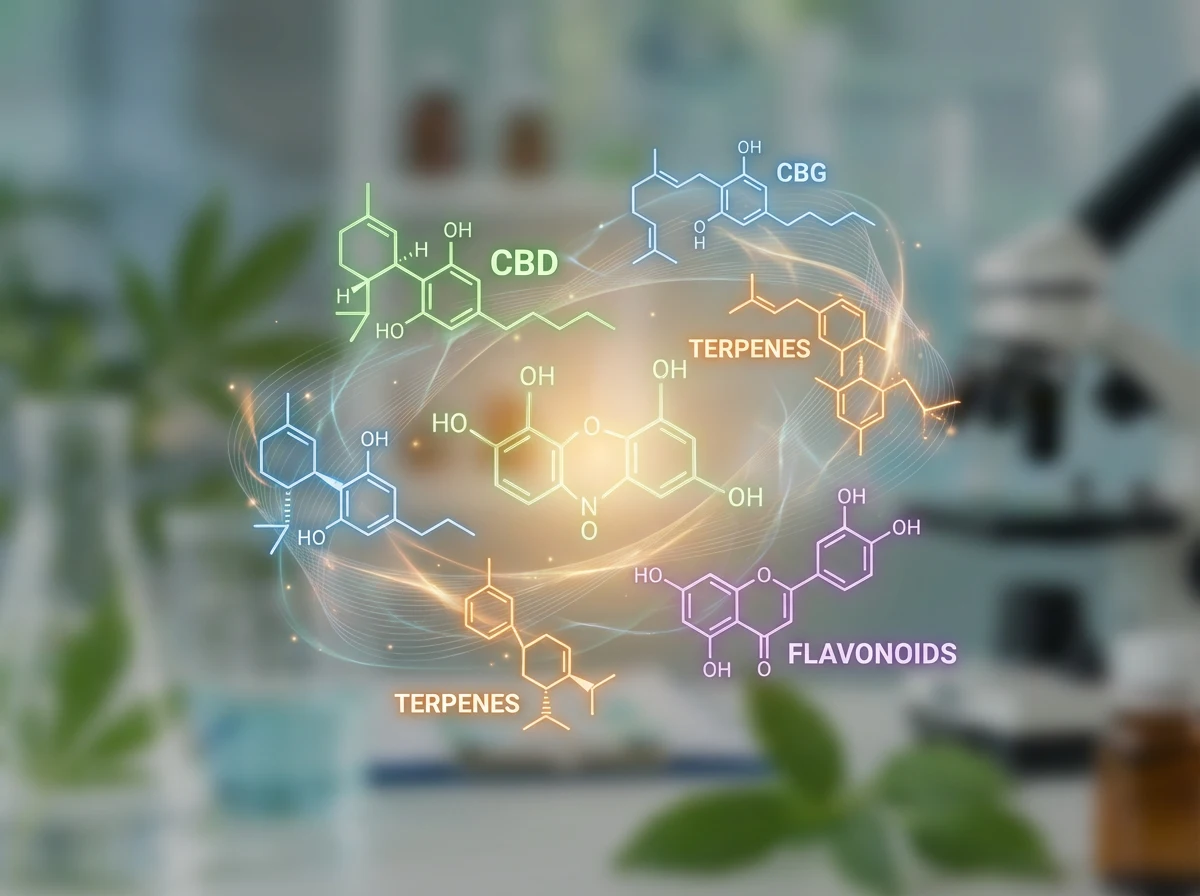
The entourage effect is a theory in cannabinoid science: when multiple hemp compounds are present together, they may influence how your body responds compared with taking one single isolated compound.
Think of CBD as the headline act. In a full spectrum extract, CBD is joined by trace cannabinoids (like CBG, CBC and others), plus terpenes (the aromatic oils that give hemp its smell), and flavonoids. The idea is not that more ingredients automatically means “stronger”. It is that the overall feel may be broader or more balanced for some people.
Is the entourage effect proven?
The reality is: it is not a single, settled “yes or no”. There is scientific interest and some research exploring synergy, but human results can vary a lot. Your dose, your product, your routine, your body weight, your metabolism, and even what you ate that day can all change the outcome.
So I treat the entourage effect as a useful lens, not a promise. It helps explain why two products with “the same mg of CBD” can feel different in practice.
Why the entourage effect matters for real-world CBD use
Most people do not buy CBD because they love reading certificates of analysis. They buy it because they want a steadier day, a calmer evening, or a more supportive wind-down routine.
Now, when it comes to “CBD effects”, this is where the entourage effect conversation becomes practical. A full spectrum CBD oil contains more than CBD, so it may feel different from a CBD isolate product, even if the CBD number on the front label looks similar.
Consider this common scenario: you try a CBD drink, feel very little, and assume CBD “does nothing”. Another time you use a full spectrum oil under the tongue, and you notice more. That does not automatically mean one is better. It usually means the format, absorption, and compound profile were different.
If you are evaluating options, our CBD buying guide is a helpful next read because it breaks down what actually matters on a product label.
Full spectrum vs isolate: what changes?
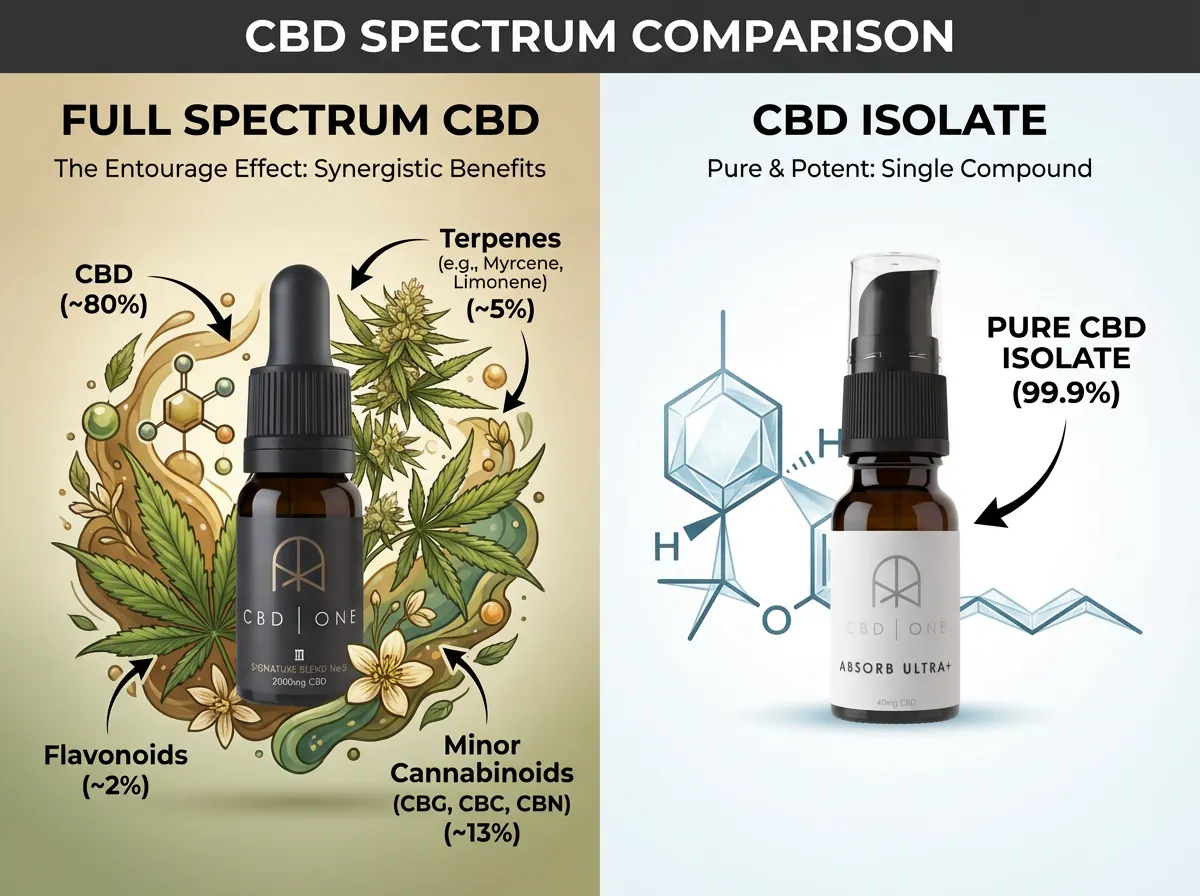
To understand entourage effect CBD conversations, you need to know what is in the bottle (or patch, or powder).
Full spectrum CBD
Full spectrum means the extract contains CBD plus a range of naturally occurring hemp compounds, including minor cannabinoids and terpenes, with trace THC within legal limits. In the UK, reputable brands stay within strict compliance and provide third-party lab reports.
From a practical standpoint, many people choose full spectrum because they like the idea of the plant working as a whole, rather than stripping everything down to one molecule.
CBD isolate
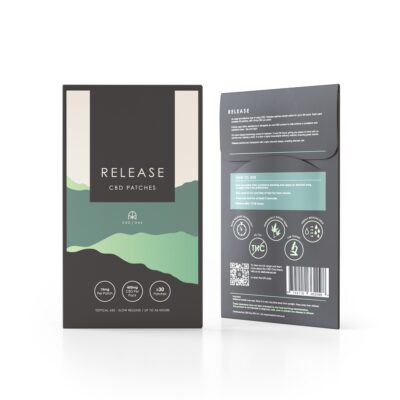
CBD isolate is purified CBD with other hemp compounds removed. Some people prefer isolate because it is flavourless, more predictable, or because they want to avoid THC entirely. One example from the CBD One range is CBD Patches [30 x 15mg] | Release, which uses CBD isolate and is described as THC-free.
Neither approach is “right”. It depends on your goals, your sensitivity, your job requirements (for example, testing policies), and your preferences.
Terpenes and minor cannabinoids: the supporting cast
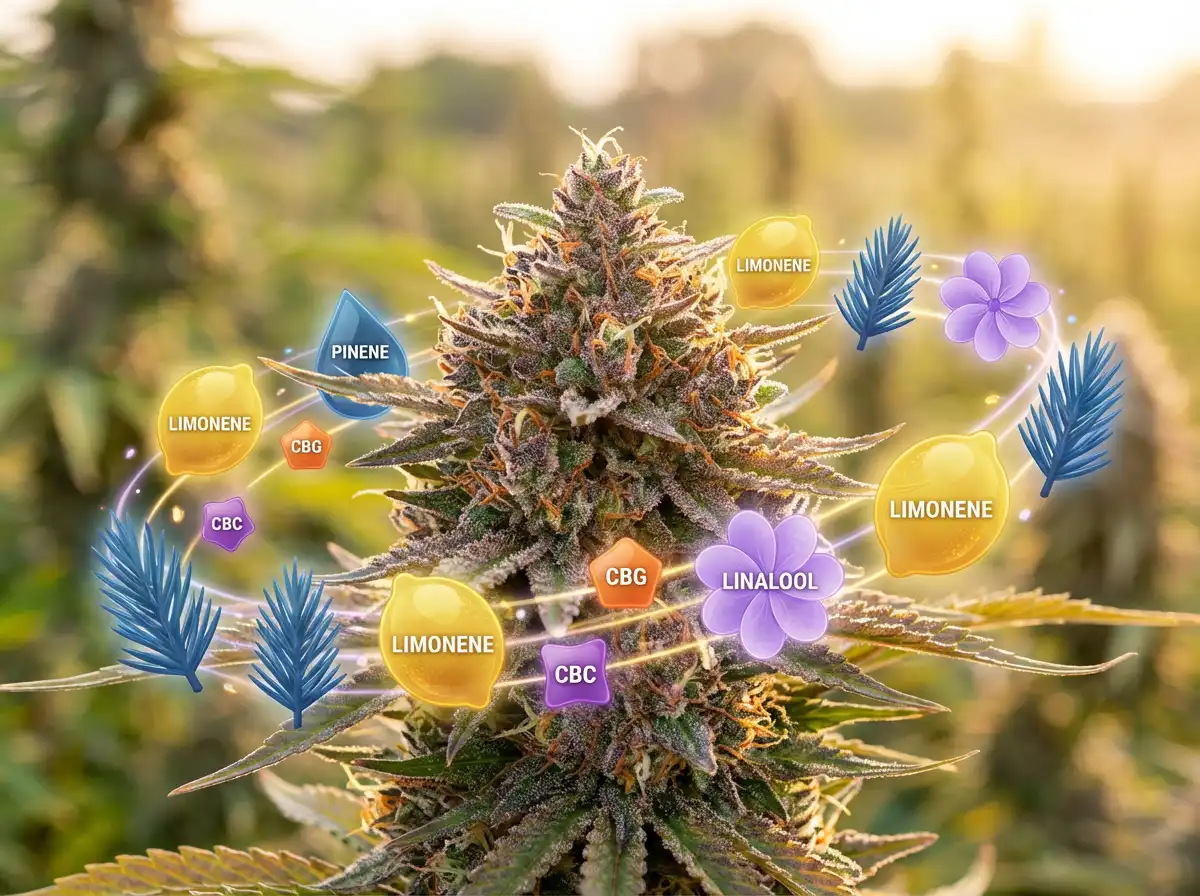
What many people overlook is that the entourage effect is not just about “CBD plus THC”. It is wider than that.
Terpenes
Terpenes are aromatic compounds found in many plants, not just hemp. They contribute to flavour and scent, and they may also influence how cannabinoids behave in the body. This is one reason full spectrum oils often taste and smell “earthy”.
Minor cannabinoids
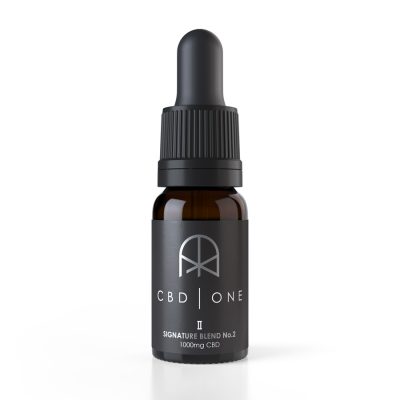
Hemp contains many cannabinoids in small amounts. CBD gets most of the attention, but compounds like CBG are also being explored by researchers. A full spectrum extract includes some of these naturally, and some products combine them more deliberately. For example, CBD One has a full spectrum CBG option called CBG Oil [300mg CBG] | Select Blend No.1 (it contains both CBG and CBD).
In practice, this means your experience can be shaped by the whole profile, not just the headline CBD number.
Absorption matters: oils vs water soluble vs patches
If you are trying to understand why the entourage effect feels “real” for some people, do not ignore delivery. How you take CBD changes how much gets absorbed and how quickly you notice it.
Sublingual oils (under the tongue)
Classic CBD oil is taken under the tongue for a short time before swallowing. CBD One’s full spectrum oils list a bioavailability figure of 0.12 (12%) in the product data, which is a useful reminder that absorption is never 100%.
Oils also tend to preserve more of the plant’s natural character, which is part of why full spectrum oils are so often linked to the entourage effect idea.
Water soluble CBD
Water soluble CBD is designed to mix into drinks. It can suit people who do not enjoy the taste of oil, or who want an easy “morning routine” option in tea, coffee, or a smoothie.
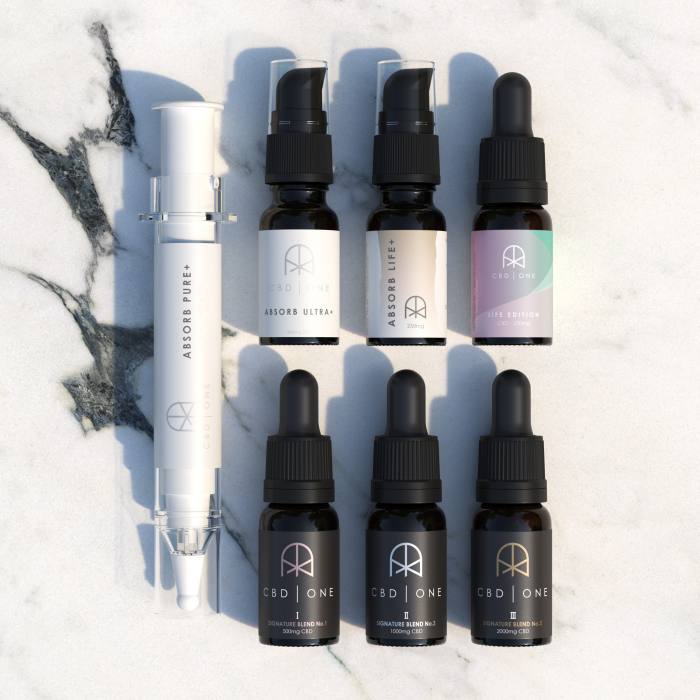
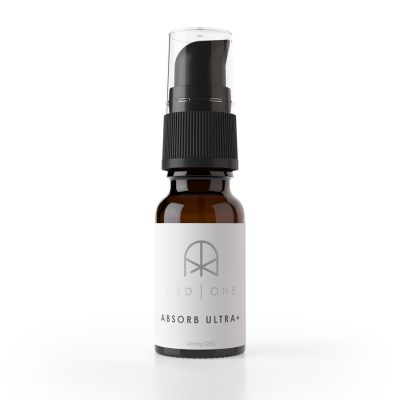
CBD One’s water soluble range (Absorb) is full spectrum and positioned around a “bioavailable formula”. If you want to browse that format, you can explore the Water Soluble CBD category page.
Transdermal patches
Patches sit on the skin and release CBD slowly over time. CBD One’s Release patches are isolate-based and list “40%+” bioavailability on the 15mg patch product data. This format tends to appeal to people who want measured, steady dosing without thinking about drops or taste.
Notice what is happening here: entourage effect conversations often focus on “what’s in it”, but “how it gets in” can be just as important to your day-to-day experience.
How to choose an entourage-effect-friendly CBD product (without overthinking it)
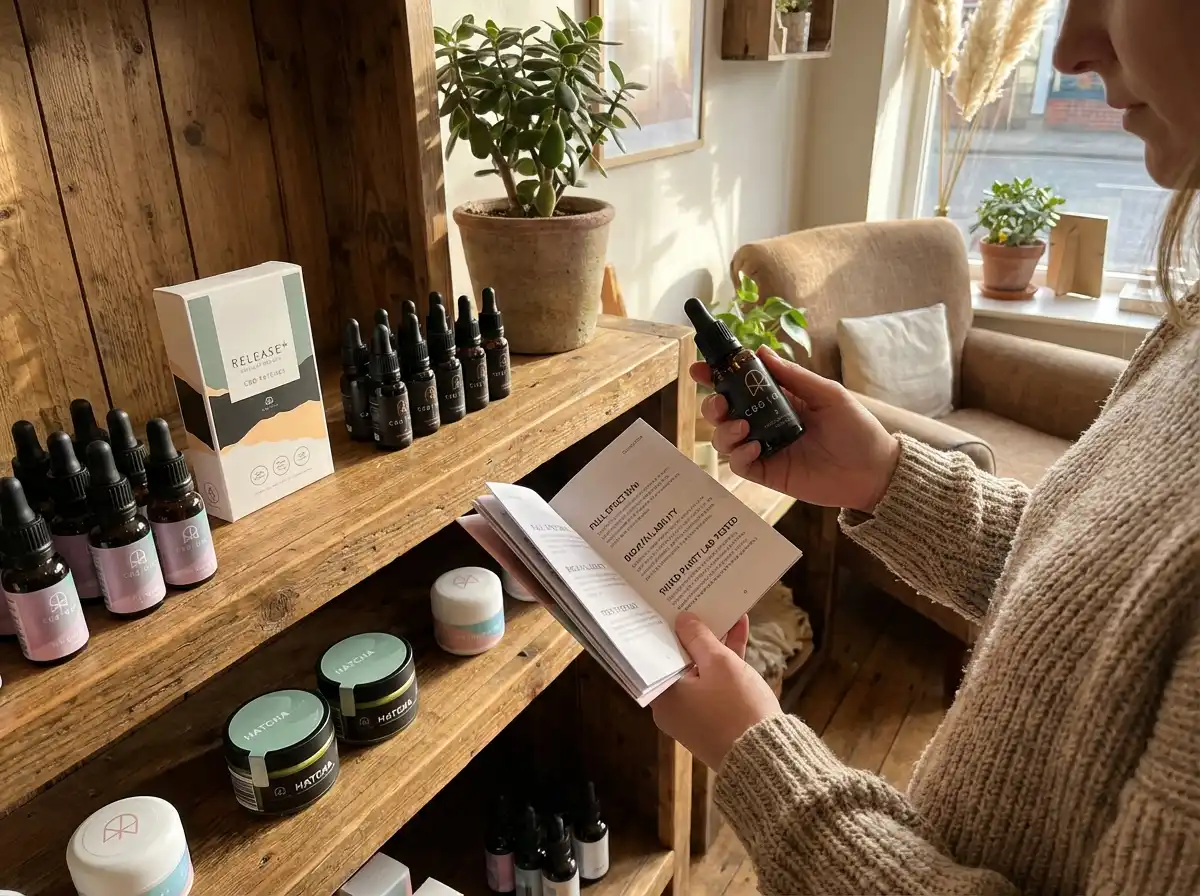
When someone asks me “what is the entourage effect CBD products keep talking about?”, my follow-up question is simple: what are you actually trying to do with CBD day to day?
If you want a more “whole plant” approach, full spectrum products are the natural place to look. You can browse examples via the CBD Oils category.
If you want to compare formats side by side (oil vs water soluble vs topical vs patches), use a structured resource like the CBD product comparison.
Quality markers worth checking
- Third-party lab testing with a certificate of analysis available
- Clear cannabinoid spectrum (full spectrum vs isolate)
- Transparent ingredients list (especially for water soluble products)
- Realistic, compliant language: no medical claims, no miracle promises
- Practical usage instructions and sensible warnings
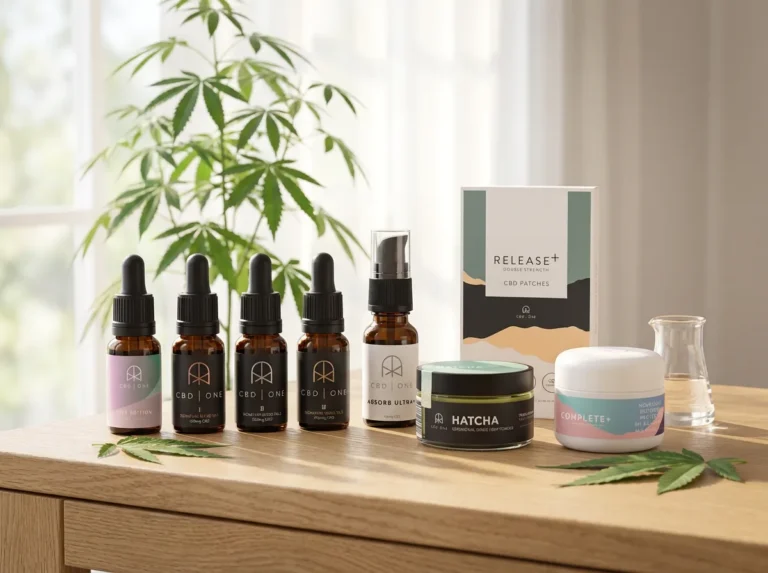
At CBD One, we focus on full spectrum extracts across our core oil and water soluble ranges because we believe the “whole plant” profile is a sensible way to respect the entourage effect concept. That said, we also offer isolate patches for people who specifically want a THC-free format.
CBD oil side effects, safety, and interactions: what you should know
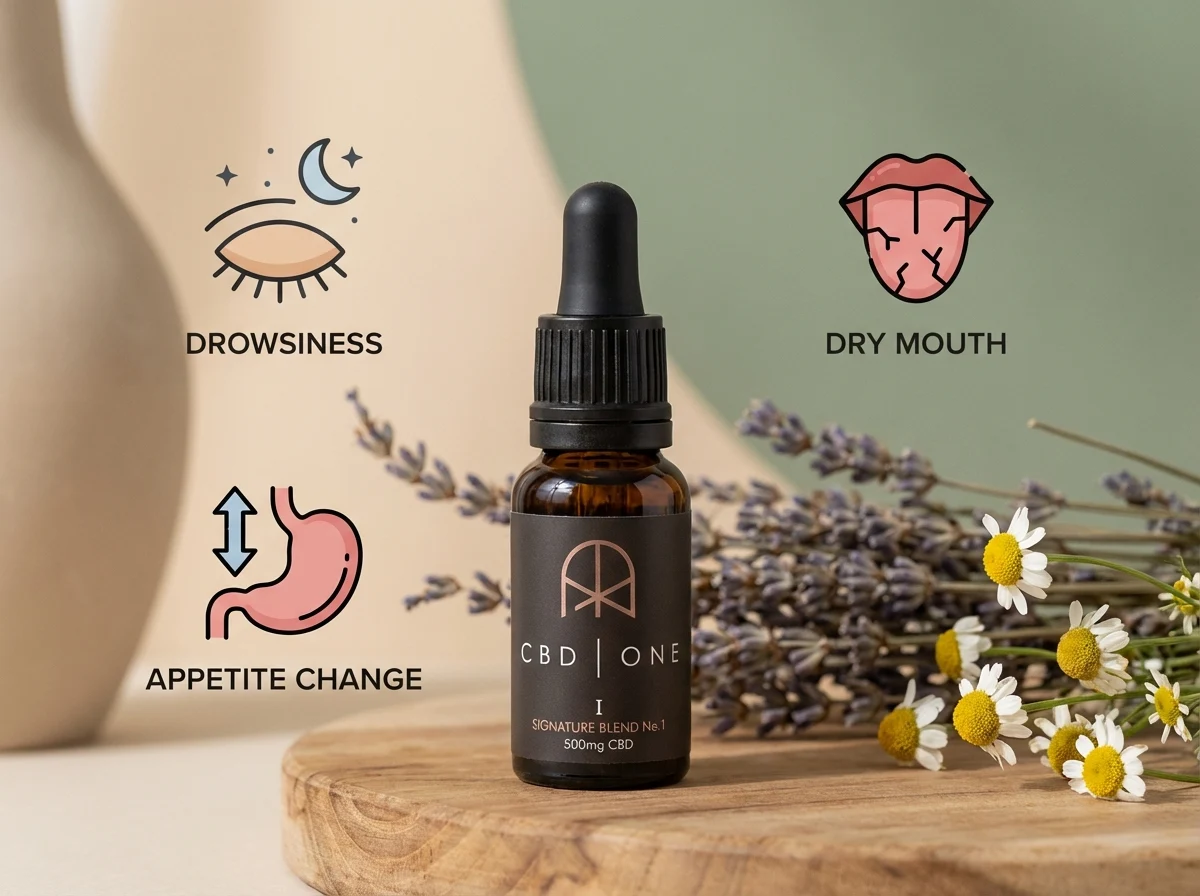
It is normal to Google “cbd oil side effects” before you try anything new. CBD is generally well tolerated for many adults, but that does not mean “risk free”.
Possible side effects people report
Some users report things like drowsiness, dry mouth, changes in appetite, or digestive upset, especially when they take more than they need. Often, the simplest fix is to reduce your serving size and build up slowly.
Medication interactions matter
Never ignore potential interactions. CBD can affect how your body processes certain medicines. If you take any regular medication, speak with a pharmacist or GP before using CBD. This is particularly important for medicines with a grapefruit warning.
We have a dedicated guide on this here: CBD and Medication.
A sensible UK dosage ceiling
The UK Food Standards Agency (FSA) recommends healthy adults do not exceed 70mg of CBD per day. That is not a target, it is a cautious upper limit. Many people use far less than that, especially at the start.
If you want help working out a starting point, use our CBD dosage guide as a calm, practical reference.
What about “trip drinks side effects”?
This phrase often comes up when people are talking about strong functional drinks or cannabinoid drinks they have seen online. The key is to check what is actually in the product. Some drinks contain CBD, some contain caffeine, adaptogens, sweeteners, or other active botanicals. Side effects may come from any of those ingredients, not just CBD.
If you are ever unsure, start low, read the label, and avoid stacking multiple “active” products at once.
How the entourage effect relates to the endocannabinoid system (ECS)
If you have heard the term “endocannabinoid system” and thought it sounded a bit sci-fi, you are not alone. From a practical standpoint, it is simply a body-wide signalling network that helps regulate balance. It involves receptors, enzymes, and your own naturally produced compounds (endocannabinoids).
Here’s the thing: when people talk about the entourage effect, what they are really pointing at is complexity. CBD does not act like a simple on-off switch. It may influence several pathways, and other hemp compounds may influence those pathways too. That is why two extracts with the same CBD number can feel different.
This is also why your routine matters. Sleep, stress, food, alcohol, and training load can all change how “sensitive” you feel to a product on a given day. It is not that CBD is inconsistent. It is that humans are.
Broad spectrum vs full spectrum vs isolate (quick definitions)
Labels can get confusing fast, and some of the confusion comes from the word “spectrum” being used loosely. Think of these terms as a shortcut for what has been kept in the extract.
Full spectrum
Full spectrum generally means CBD plus a range of other cannabinoids and terpenes, including trace THC within legal limits. This is the format most often associated with the entourage effect idea, because the full profile is still present.
Broad spectrum
Broad spectrum is usually used to describe an extract that includes multiple cannabinoids and terpenes, but aims to remove THC. Different brands define it differently, so the only reliable way to confirm is via a current third-party lab report.
Isolate
Isolate is just CBD on its own, with other hemp compounds removed. Some people like the simplicity, especially if they want to avoid THC entirely or they prefer a neutral flavour.
Consider this when comparing products: the more a product is refined, the more consistent it can be from batch to batch, but the more you may lose the “whole plant” feel that people associate with full spectrum.
How long CBD takes to work, and how long it lasts
One of the biggest reasons people write CBD off is timing. They take a serving, wait ten minutes, feel nothing, and assume it was pointless. The reality is: onset and duration vary a lot by format, and that shapes how you interpret “CBD effects”.
Why timing changes the perceived entourage effect
If a product kicks in quickly, you are more likely to notice it, even if the overall effect is subtle. If a product is slower, you might only recognise it later, for example when you realise your evening felt smoother than usual.
Oils taken under the tongue are often chosen by people who want a more noticeable “window” of effect, because they fit neatly into a routine. Water soluble formats can feel different again because they are usually taken in a drink, with different digestion and pacing. Patches are designed for steadiness, so the experience can be less “noticeable”, but more consistent across the day for some users.
Practical tips to make timing work for you
- Try not to judge a product on a single use. Keep your approach consistent for a week before making a call.
- Keep the rest of your routine stable if you can, including caffeine and alcohol, so you are not chasing a moving target.
- If you use oils, hold them under the tongue as directed, then be patient.
- If you use drinks, read the full label and avoid combining multiple “active” products at once.
Think of it this way: the entourage effect is partly about chemistry, but it is also about context. Timing, consistency, and delivery shape your experience just as much as the spectrum does.
Frequently Asked Questions
What is the entourage effect in CBD, simply explained?
The entourage effect is the idea that CBD may feel different when it is taken alongside other natural hemp compounds like terpenes and minor cannabinoids, rather than on its own as an isolate. Some people describe full spectrum products as feeling more “rounded”, but it varies from person to person. It is best seen as a helpful concept, not a guarantee. Your product format, dose, and routine all influence the outcome, so it is worth experimenting carefully and keeping notes.
Does full spectrum CBD always work better than isolate?
No, not always. Full spectrum includes a wider mix of hemp compounds, which may contribute to the entourage effect for some users. Isolate is more simplified and can suit people who want to avoid THC entirely or prefer a more neutral taste. The “better” option depends on your goals, how sensitive you are, and practical considerations like workplace testing policies. If you are unsure, comparing formats and strengths using a structured resource can help you decide calmly.
Can the entourage effect make CBD stronger?
It can feel that way for some people, but “stronger” is not always the best word. A more accurate way to put it is that a full spectrum product may feel different because it includes more compounds than CBD alone. Some users report a broader effect profile, while others notice little difference. Also, delivery matters. An oil, a water soluble product, and a patch can each feel distinct at similar headline CBD amounts because absorption and timing differ.
Does the entourage effect mean there is THC in my CBD?
Full spectrum CBD products can contain trace THC within legal limits, alongside other cannabinoids and terpenes. Isolate products should not contain THC, because they are purified. If you are THC-sensitive or have to avoid THC for professional reasons, check the product’s cannabinoid spectrum, lab report, and any “THC-free” statements. If in doubt, speak to the brand and ask for the latest certificate of analysis rather than relying on marketing wording alone.
Do CBD drinks have an entourage effect?
They can, but it depends on what the drink contains. Some CBD drinks use isolate, some use broad or full spectrum extracts, and many include other active ingredients like caffeine, adaptogens, or botanicals. If someone searches “trip drinks side effects”, it is often because they felt something unexpected and are trying to work out the cause. Always read the full ingredient list and CBD amount per serving. If you are trying drinks, start with a low amount and avoid mixing multiple stimulant or botanical products at once.
What are common CBD oil side effects?
Some people report drowsiness, dry mouth, digestive discomfort, or changes in appetite, especially if they take more than they need. These effects are often dose-related, which is why I recommend a “start low, go slow” approach. If you notice you feel too sleepy, reduce the amount or take it later in the day. If side effects persist, stop and speak with a healthcare professional. If you take medication, do not guess. Check interactions with your pharmacist or GP first.
How much CBD should I take if I want to experience the entourage effect?
There is no single dose that “switches on” the entourage effect, because it depends on the full product profile and your individual response. In the UK, the FSA recommends healthy adults do not exceed 70mg CBD per day. Many people start much lower than that and build gradually. A sensible approach is to pick one full spectrum product, take a consistent low amount for a week, and only then adjust. For a structured starting point, see the CBD dosage guide.
Can I get the entourage effect from CBD patches?
Usually not in the classic sense, because many patches use CBD isolate, meaning they are designed to deliver CBD without the broader hemp profile of minor cannabinoids and terpenes. That does not make patches “worse”. It just makes them different. Patches can be useful if you want a measured amount and steady release, and they can suit people who want a THC-free option. If your goal is specifically a full spectrum profile, oils or full spectrum water soluble products are more likely to match that preference.
How do I know if a CBD product is truly full spectrum?
Start with the label, but do not stop there. The most trustworthy way is to look for third-party lab testing and review the certificate of analysis. A full spectrum product should show CBD and a range of other cannabinoids in small amounts, plus confirmation that THC is within legal limits. Also check the ingredients list and whether the brand avoids medical claims. If you need help comparing products objectively, our CBD product comparison breaks down the main differences.
Will CBD get me high?
CBD itself is non-intoxicating, so it should not make you feel “high”. Full spectrum products can contain trace THC within legal limits, but reputable products are formulated to stay compliant. People sometimes confuse relaxation, reduced tension, or simple tiredness with intoxication. If you are anxious about this, choose a trusted brand with lab reports, start with a low amount, and see how you feel on a day when you do not need to drive. For more detail, read Does CBD Oil Get You High?.
What should I read next if I am choosing between products?
If you are still deciding, I would read in this order: first, the CBD buying guide for quality markers and label tips. Next, use the CBD product comparison to pick a format that fits your routine. Then, once you have chosen a product type, use the CBD dosage guide to keep things sensible and consistent.
What is the difference between broad spectrum and full spectrum CBD?
Full spectrum usually means the extract keeps a wider set of hemp compounds, including trace THC within legal limits. Broad spectrum typically aims to keep multiple cannabinoids and terpenes while removing THC. In practice, the terms are only as reliable as the lab report behind them, so the safest approach is to check third-party testing and look at the cannabinoid profile rather than relying on the front label alone.
How long does it take to feel CBD, and does the entourage effect change that?
Timing depends mostly on format and routine. Oils taken under the tongue, water soluble products in drinks, and patches that release slowly can all feel different in onset and duration. The entourage effect is more about the compound profile than speed, but the two get mixed up because quicker onset is easier to notice. If you are experimenting, keep one variable steady at a time: same product, same amount, same time of day, for long enough to learn your baseline response.
Are terpenes safe in CBD products?
Terpenes are common in nature and show up in lots of foods and herbs, not just hemp. In CBD products, they contribute aroma and flavour, and they may influence how the overall extract feels for some users. If you are sensitive to strong tastes or smells, you might prefer a more neutral option. If you ever notice irritation, nausea, or an unpleasant reaction, stop and consider speaking with a healthcare professional, especially if you have allergies or you are using other supplements alongside CBD.
Key Takeaways
- The entourage effect is the theory that CBD may work differently alongside other hemp compounds than as a single isolated molecule.
- Full spectrum products include minor cannabinoids and terpenes, which may influence your experience, but results vary.
- Format matters: oils, water soluble CBD, and patches can feel different because absorption and timing differ.
- Quality comes from transparency: lab testing, clear ingredients, and compliant, non-medical marketing.
- Start low, build slowly, and keep within the FSA’s 70mg per day guidance for healthy adults.
Conclusion
The entourage effect is one of the most useful ideas in CBD education because it helps explain a real frustration: why the same “mg of CBD” can feel different across products. Full spectrum extracts keep more of the plant’s natural compounds, and that broader profile may shape your experience. At the same time, isolate has its place, especially if you want a THC-free option or a more neutral, measured approach.
If you take one thing away, make it this: choose a format that fits your routine, pick a quality product with lab testing, then keep your dose consistent long enough to learn how you respond. If you are on medication, treat interactions seriously and speak with a healthcare professional.
If you want help choosing calmly, explore our guides or speak to Nick for free, sensible advice.