
CBD Oil Scotland: UK Delivery & Best Prices (2026)
CBD oil in Scotland: what “good” looks like
When someone searches “cbd oil scotland reviews”, what they usually want is reassurance that they are buying something safe, legal, and worth the money. In practice, a “good” CBD oil is not about hype. It is about clarity and consistency.
Start with the type of extract. Full spectrum oils contain CBD plus other naturally occurring hemp compounds (minor cannabinoids and terpenes) and may contain trace THC within legal limits. Many people choose full spectrum because of the “entourage effect”, meaning the compounds may work better together than in isolation. Broad spectrum removes THC while keeping other compounds, and isolate is CBD only.
Next, look for sensible strength options and a dosing approach you can stick with. You do not have to start strong. In fact, most people get on better by starting low and adjusting gradually. Finally, make sure the product is transparent, ideally with lab verification for peace of mind. CBD is not a medicine and individual results vary, so it is worth treating your first purchase as a careful trial rather than a miracle fix.
Key features to compare before you buy
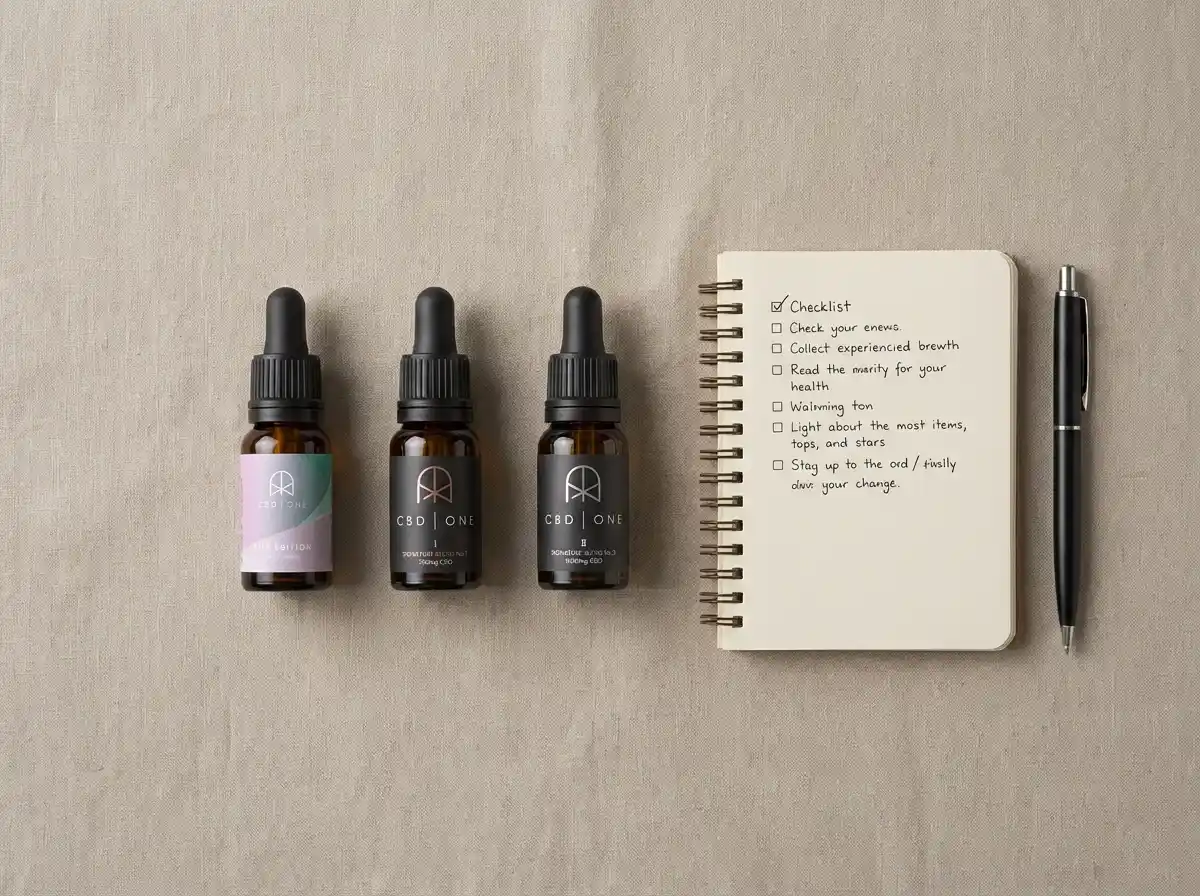
Here are the features I would prioritise if you are buying CBD oil in Scotland and want to avoid wasting money.
1) Spectrum: full spectrum, broad spectrum, or isolate
Full spectrum is often chosen for a more complete hemp profile, but it can contain trace THC. If you are regularly drug tested for work or sport, an isolate or verified THC-free option may be more appropriate.
2) Strength and bottle size (and what that means day to day)
Brands often advertise a percentage (2.5%, 5%, 10%) or total CBD in the bottle (250mg, 500mg, 1000mg). Total CBD tells you how much CBD is in the whole bottle. Percentage helps you compare concentration between bottles of the same size. If you are new, a lower strength can be a more forgiving starting point.
3) Lab verification and product transparency
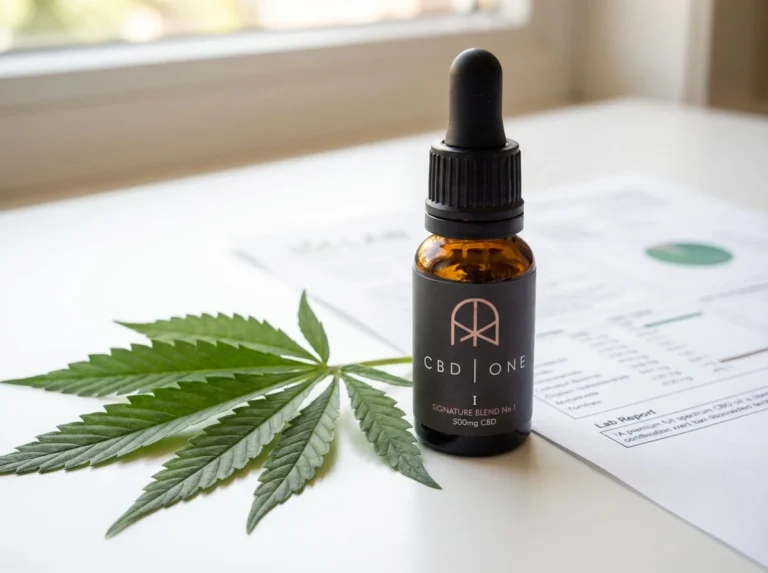
Look for clear batch testing and a Certificate of Analysis (COA) where possible. At minimum, the brand should state the extract type, CBD content, and basic ingredient list. With full spectrum oils, it is also helpful to see the cannabinoid profile.
4) Ingredients and carrier oil
Most CBD oils use a carrier oil such as hempseed oil. This affects taste, mouthfeel, and how well it fits into your routine. If you are sensitive to flavours, check whether the brand is “natural” (earthy) or flavoured.
5) Value (price per mg, not just sticker price)
A £20 bottle can be good value or poor value depending on how much CBD it contains and how reliably it is made. Comparing price per mg is a good quick filter, especially if you plan to use CBD regularly.
UK delivery to Scotland: what to expect
Ordering CBD oil online for delivery to Scotland is usually straightforward. Most UK brands ship across mainland Scotland and often to islands too, but delivery times and couriers vary.
- Check dispatch cut-off times: same day dispatch is common, but not guaranteed.
- Consider temperature and storage: store oils at room temperature away from sunlight once they arrive.
- Be realistic about islands and remote postcodes: some couriers take longer, and delivery charges can differ.
If you are buying for the first time, I would also recommend ordering a lower strength first. It helps you confirm you like the taste and format before investing in higher strength bottles.
Pros and Cons
Strengths
- Buying online in Scotland typically gives you better access to product details (strength, spectrum, ingredients) than relying on whatever is in stock locally.
- You can compare like-for-like strengths more easily (2.5%, 5%, 10% and beyond) and adjust gradually based on your experience.
- Full spectrum options may suit people who want a broader hemp profile rather than CBD isolate alone.
- Subscription or multi-buy options (where available) can reduce long-term cost if you plan to use CBD consistently.
- It is easy to find educational support online, including dosing and usage guidance.
Considerations
- Not all “CBD oil” listings online are equal, and weak transparency can make it hard to verify what you are actually buying.
- Full spectrum products may contain trace THC, which can matter for people who are drug tested or extremely sensitive.
- Taste can be a dealbreaker: natural full spectrum oils often have an earthy flavour that some people dislike.
- CBD can interact with some medicines, so you should check with a pharmacist or GP if you take regular medication.
- CBD is not a medicine, and results can be subtle. It is best approached as a personal trial rather than a guaranteed outcome.
Who it’s for (and who should be cautious)
This page is for health-conscious adults in Scotland who want to buy CBD oil online with UK delivery and would like a clear, no-nonsense way to choose a strength and a trustworthy product.
Be extra cautious if you are pregnant or breastfeeding, taking prescription medicines, or under medical supervision. CBD is not suitable for everyone, and it is worth a quick conversation with a healthcare professional if you are unsure. If you are an athlete or subject to workplace drug testing, consider the implications of full spectrum oils (trace THC) and look for products with the right type of verification for your needs.
CBD One recommendations (delivered to Scotland)
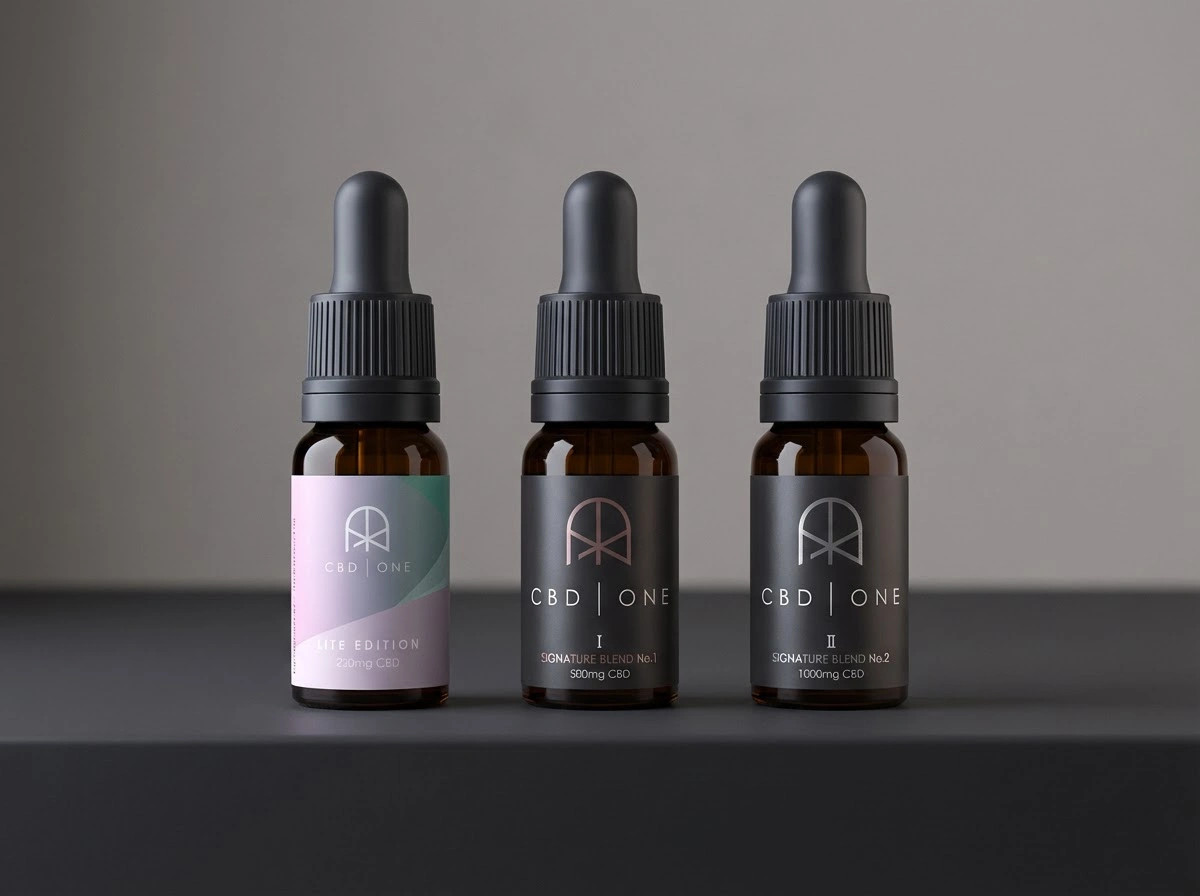
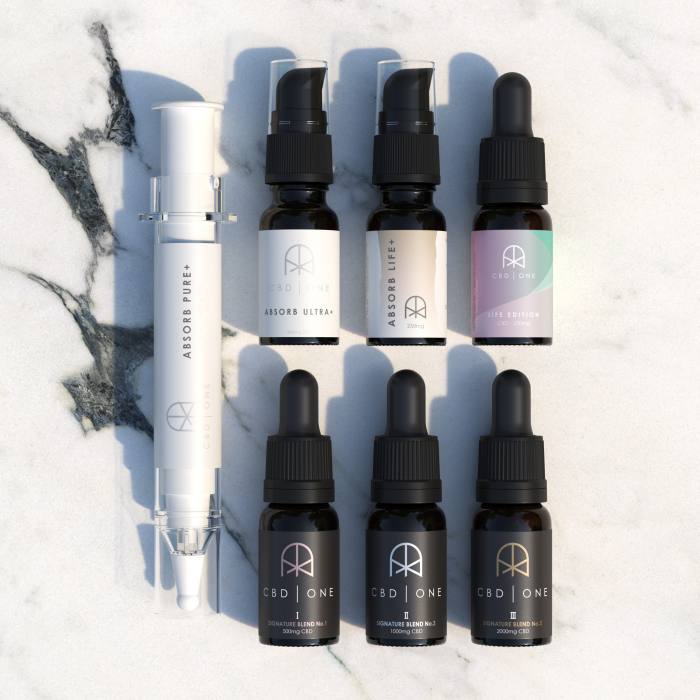
If you want a straightforward place to start, CBD One focuses on premium, lab verified, full spectrum formulas with a simple strength ladder. The range is smaller than some big marketplaces (for example, we do not offer CBD gummies or vapes), and our products sit at a more premium price point. The upside is a clear, consistent line-up designed for people who value quality and transparency.
Here are three popular options depending on where you are in your CBD journey:
- 2.5% CBD Oil [250mg CBD] | Life Edition (£19.99): a gentle, budget-friendly entry point if you are new and want to start low.
- 5% CBD Oil [500mg CBD] (£33.99): a sensible “first proper bottle” for many people who want a little more headroom.
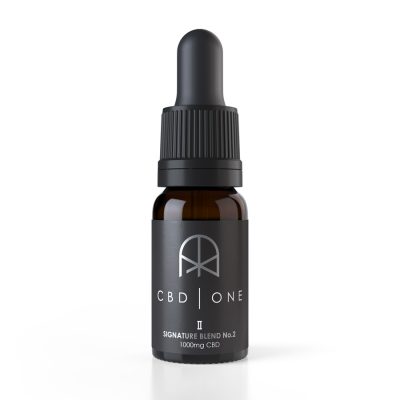
- 10% CBD Oil [1000mg CBD] (£58.99): a balanced step-up if you already know you respond well to CBD oils.
If you want to compare the full range by strength, you can also shop the CBD Oils category page.
Buying guide: how to choose the right CBD oil (especially if you’re in Scotland)
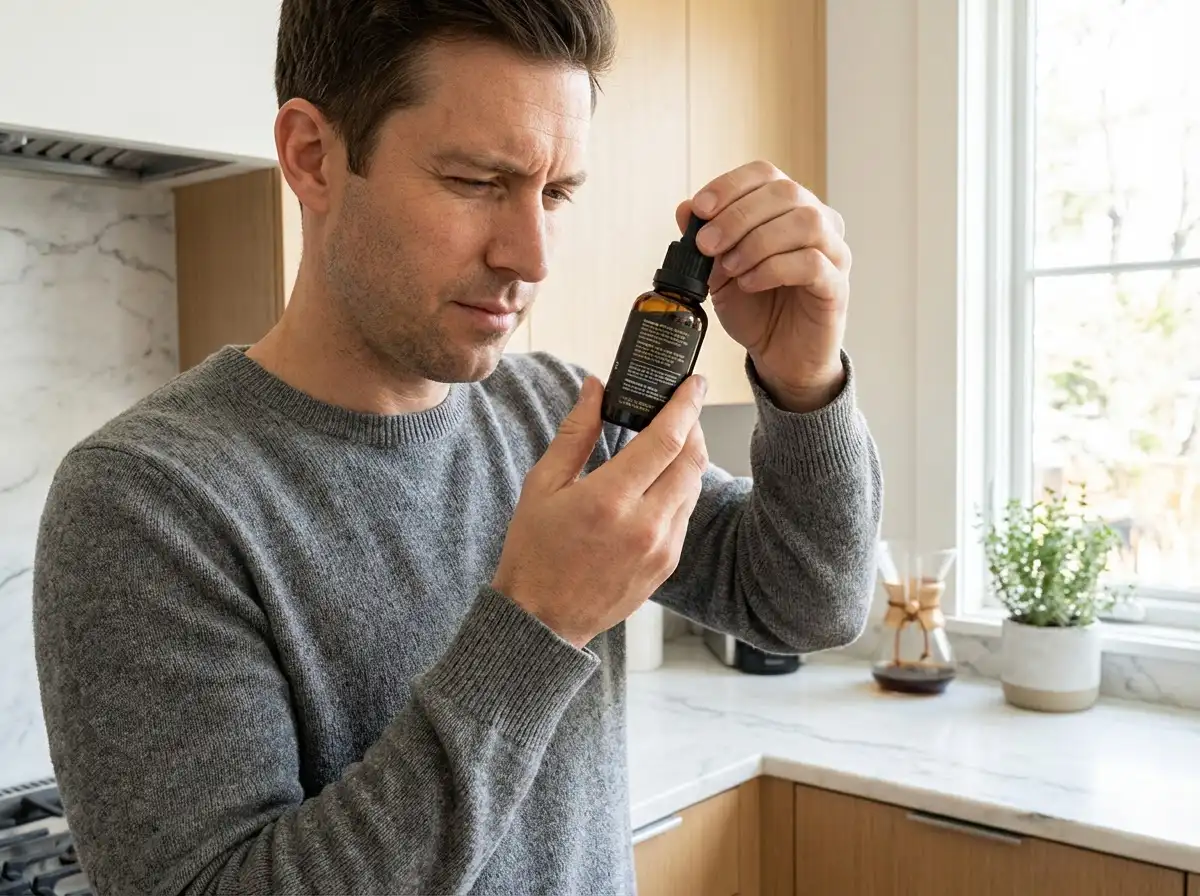
If you are ready to buy but do not want to overthink it, use these five checks. They will steer you away from most disappointing purchases.
1) Decide your spectrum based on your lifestyle
If you want a broad hemp profile and you are comfortable with trace THC within legal limits, full spectrum is a common choice. If drug testing is a concern, consider whether an isolate or THC-free product is a better fit. The “right” choice is the one you can use confidently and consistently.
2) Pick a starting strength you can stick with
Most people do well starting with a lower strength and adjusting slowly. This helps you assess taste, routine fit, and how you personally respond. If you are unsure, a 2.5% to 5% range is often a practical starting point for adults, then you can step up later if needed.
For a more structured approach, follow a sensible CBD dosage guide and keep notes for the first couple of weeks.
3) Check the label details and ingredients
Look for total CBD per bottle, serving guidance, and a clear ingredient list (including the carrier oil). Avoid products that hide behind vague language like “hemp extract” without stating CBD content.
4) Prioritise transparency and verification
Choose brands that state whether they are full spectrum, broad spectrum, or isolate, and that can back it up with lab verification. This matters even more online, where you cannot physically inspect the product before buying.
5) Think about usability, not just price
Ask yourself: will you actually take this every day? Taste, dropper quality, and how easy it is to dose matter. If you are not sure how to use oil properly, read our guide on how to take CBD oil so you get a fair trial from day one.
Finally, keep the UK Food Standards Agency guidance in mind: for healthy adults, they advise a maximum of 70mg CBD per day. Many people use less than that, especially when starting out.
How to spot low quality CBD oil listings (and avoid common traps)
Here’s the thing: “CBD oil” is an umbrella term, and online listings can look convincing even when the product itself is not. If you want to avoid the usual disappointment, look for clarity in three areas: what the product is, how strong it is, and how it is verified.
Red flags that usually mean “move on”
- It only says “hemp oil” or “cannabis oil” without stating the CBD content in mg.
- The strength is presented in a confusing way, for example a huge number that turns out to be “hemp extract”, not CBD.
- There is no batch information, no lab reporting, or the testing is not clearly linked to the product you are buying.
- The ingredient list is missing, or it is oddly vague about what the carrier oil is.
- The listing leans on big promises and dramatic testimonials instead of basic product facts.
Green flags that make buying online in Scotland easier
- CBD content is clearly stated per bottle (mg) and often per serving.
- The extract type is obvious: full spectrum, broad spectrum, or isolate.
- There is a straightforward Certificate of Analysis (COA) or similar lab verification that matches the product and batch.
- You can see what is in the oil, including the carrier, and whether it is natural or flavoured.
From a practical standpoint, this is why buying direct from a UK brand can be simpler than trawling random listings. You get fewer surprises, and you can make like-for-like comparisons without decoding vague labels.
Full spectrum and THC in Scotland: what “trace” really means
Full spectrum products are popular in the UK because they keep a wider range of hemp compounds, but the trade-off is that they may contain trace THC within legal limits. Most people never notice this, but it matters if you are risk-averse, very sensitive, or your job depends on strict testing policies.
Think of “trace” as “present at very low levels, not intended to intoxicate.” It does not mean “zero.” Even within the rules, different batches can vary slightly, which is why lab verification is so important if you want a full spectrum oil.
If you need to avoid THC entirely, do not rely on assumptions or marketing phrases. Consider whether a verified THC-free option is a better match for your lifestyle, and speak to a professional if you are unsure. The goal is confidence, because a CBD routine only works if you can take it consistently without second-guessing.
How long CBD oil stays in your system (and why it matters for testing)
People often ask this because they are thinking about work policies, sport, or driving. The honest answer is that it varies. How long CBD remains detectable can depend on your dose, how often you use it, your body composition, and the type of product.
Now, when it comes to testing, CBD itself is not usually the target. Standard drug tests tend to look for THC metabolites, not CBD. That is why full spectrum oils are the bigger consideration for people who are drug tested, because even trace THC can be a worry depending on the sensitivity of the test and how strict the policy is.
If testing is a concern for you, it is worth choosing products with clear verification and making a conservative decision about spectrum. If you want personalised advice, especially if your livelihood depends on it, speak with an appropriate professional rather than relying on internet reassurance.
Storage and shelf life: keeping your CBD oil fresh in the Scottish climate
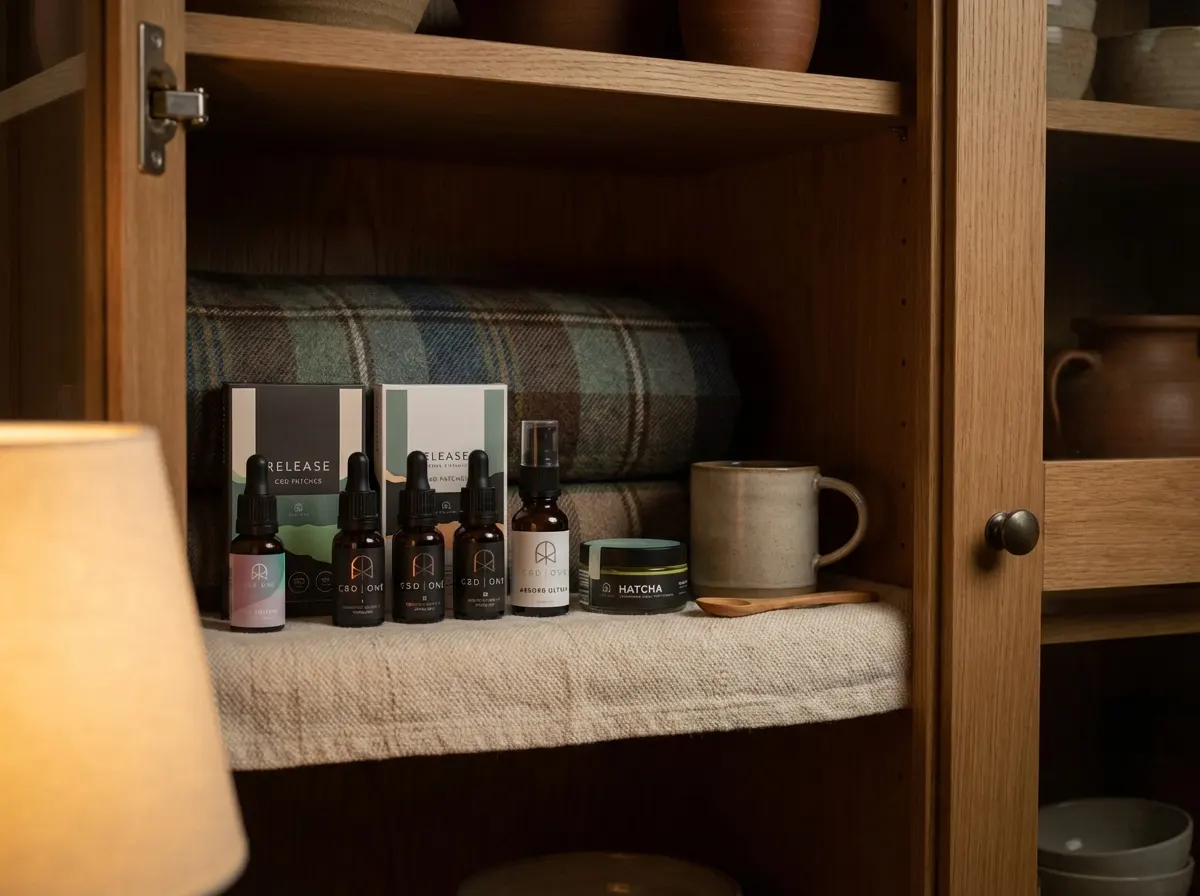
CBD oil is fairly robust, but it is still a natural product, and how you store it affects taste and stability over time. The good news is you do not need special equipment.
Simple storage rules that work in most homes
- Keep the bottle in a cool, dry place away from direct sunlight, a cupboard is usually fine.
- Avoid leaving it in a car, on a sunny windowsill, or next to a radiator, temperature swings can affect the oil.
- Make sure the lid is closed properly after each use to reduce oxidation.
If your oil looks cloudy after being in the cold, that can happen with carrier oils. Let it come back to room temperature and gently roll the bottle in your hands. If anything smells off, tastes unusually rancid, or you are past the best-before date, it is sensible to replace it.
Frequently Asked Questions
Is CBD oil legal in Scotland?
In general, CBD products are legal to buy in Scotland if they meet UK rules, including THC limits and applicable Novel Food requirements. The key is buying from reputable sellers who clearly state the product type (for example, full spectrum) and provide transparent information about what’s in the bottle. If you are unsure, choose products with clear lab verification and straightforward labelling.
Will CBD oil get you high?
No, CBD is considered non-intoxicating. Full spectrum CBD oils may contain trace THC within legal limits, but they are not designed to cause a “high”. That said, everyone’s sensitivity is different. If you feel uncomfortable with any THC exposure, you may prefer an isolate or a verified THC-free option, particularly if you are new to CBD.
How do I choose between 2.5%, 5%, and 10% CBD oil?
Think of it as a strength ladder. 2.5% is a gentle starting point if you want to begin cautiously or you are budget-conscious. 5% is a common “everyday” choice for people who want a bit more potency without going high strength. 10% can suit those who already know they prefer a stronger oil and want fewer drops for the same CBD intake.
How much CBD should I take per day?
There is no one-size-fits-all dose. A sensible approach is to start low, stay consistent for several days, and adjust gradually. The UK Food Standards Agency advises healthy adults not to exceed 70mg of CBD per day. If you take other supplements or medicines, or you are managing a health condition, it is worth checking with a pharmacist or GP before you begin.
How fast does CBD oil work?
Timing varies by person and by how you take it. Many people use oil drops under the tongue and hold them there briefly before swallowing. Some users report noticing effects sooner with this approach than with swallowing immediately, but experiences vary. It is best to judge CBD over a consistent trial period rather than a single dose, especially for general wellbeing routines.
Are there side effects of CBD oil?
Some people report mild side effects such as tiredness, digestive upset, or changes in appetite, especially when taking higher amounts. CBD can also interact with some medications. This is why starting low and increasing slowly is sensible. If you experience unwanted effects, reduce your dose or stop and speak with a healthcare professional, particularly if symptoms persist.
Can I drive after taking CBD oil in Scotland?
CBD itself is not intoxicating, but you should only drive if you feel alert and safe. Full spectrum products may contain trace THC within legal limits, which is important to understand if you are concerned about roadside testing or workplace policies. If you are unsure, speak to a professional and consider whether a THC-free product is a better fit for your situation.
Can I buy CBD oil for dogs in Scotland?
Pet products are a separate area, and you should be cautious about giving human CBD oils to animals without guidance. If you are considering CBD for a dog, the safest route is to speak with a vet first and look for products specifically formulated and labelled for pets. Always avoid products with unclear ingredients, and never assume human dosing guidance applies to animals.
What does full spectrum CBD oil mean?
Full spectrum CBD oil contains CBD plus a range of other naturally occurring hemp compounds, such as minor cannabinoids and terpenes. This broader profile is often chosen because of the potential “entourage effect”, where the compounds may work together. Full spectrum oils can contain trace THC within legal limits, so it is not always the best choice for people who need to avoid THC entirely.
What should I look for in CBD oil Scotland reviews?
Look for reviews that mention consistency over time, clear strength information, taste, and customer service, not just dramatic claims. It is also useful when reviewers mention the exact product strength and how they used it, because “CBD oil didn’t work” is not very meaningful without context. Treat reviews as one input, alongside lab testing, ingredients, and brand transparency.
Can CBD oil show up on a drug test?
CBD is not usually what drug tests are designed to detect. The bigger issue is THC. If you use a full spectrum product, it may contain trace THC within legal limits, and that can be a concern if you are tested using a very sensitive method or you have a zero-tolerance policy at work or in sport. If you are worried, consider a verified THC-free option and speak with an appropriate professional about your situation.
Is full spectrum CBD oil legal in Scotland?
In general, full spectrum CBD oil can be sold in Scotland if it meets UK legal requirements, including THC limits and relevant food standards rules. Because full spectrum can contain trace THC, it is worth choosing a brand with clear lab verification so you know what you are taking.
How should I store CBD oil after delivery?
Keep it at room temperature, out of direct sunlight, with the lid closed properly. A kitchen cupboard or similar cool, dark spot is usually ideal. Avoid heat sources and big temperature swings where you can.
Why is CBD oil sometimes called “hemp oil” online?
Because “hemp oil” is a real product, often hempseed oil, and it is also used as a marketing phrase. Hempseed oil can be nutritious, but it does not automatically contain meaningful CBD. If you are buying for CBD, always look for the CBD content in mg and the extract type, rather than relying on the word “hemp” on the label.
Key Takeaways
- Buying CBD oil in Scotland online can offer better transparency, strength choice, and convenience than relying on local stock.
- Choose spectrum (full spectrum vs isolate) based on lifestyle factors like drug testing and THC sensitivity.
- Start with a lower strength and increase gradually, staying within the FSA guidance of 70mg CBD per day for healthy adults.
- Prioritise clear labelling and lab verification, not big promises.
- For simple full spectrum options delivered to Scotland, consider CBD One 2.5%, 5%, or 10% oils depending on experience level.
Conclusion
If your goal is to buy CBD oil in Scotland with UK delivery at a fair price, focus on the basics: spectrum, strength, transparent labelling, and a routine you will actually follow. Full spectrum oils can be a great fit for many adults who want a more complete hemp profile, but they are not for everyone, especially if THC exposure is a concern.
If you want a clean, no-fuss starting point, explore the CBD Oils range and pick a sensible strength. For most beginners, 2.5% or 5% is a practical first step, with 10% there when you are ready to level up.