
CBD Oil Near Me: UK Delivery & Best Prices (2026)
CBD oil “near me” in the UK: what that really means
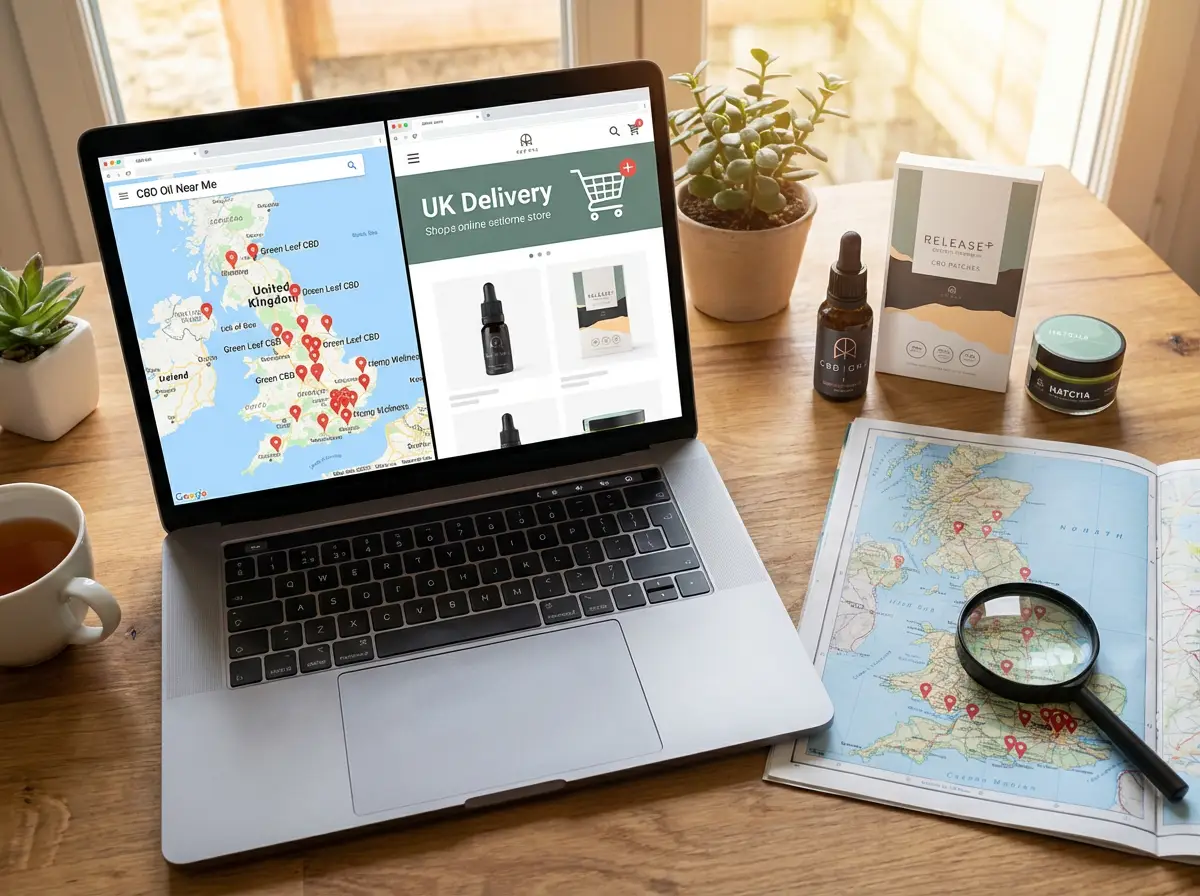
When people type “cbd oil near me now” they usually want one of three things: same-day convenience, confidence they are buying something legitimate, or a decent price without guesswork.
In 2026, “near me” does not have to mean “on the high street”. For many UK shoppers, online delivery is the more reliable route because you can check strength (mg), spectrum type (full, broad, isolate), and whether the product is lab verified before you pay.
Local options like health shops and wellness retailers can still be fine, but quality varies. The biggest issue I see is not “fake CBD”, it is unclear dosing and poor transparency. A bottle might say “500” on the front without stating whether that means 500mg CBD total, 500mg hemp extract, or something else entirely.
Practical takeaway: treat “near me” as a search for trustworthy sourcing and quick delivery, then choose the product that actually fits your needs and budget.
Key features to compare before you buy CBD oil nearby
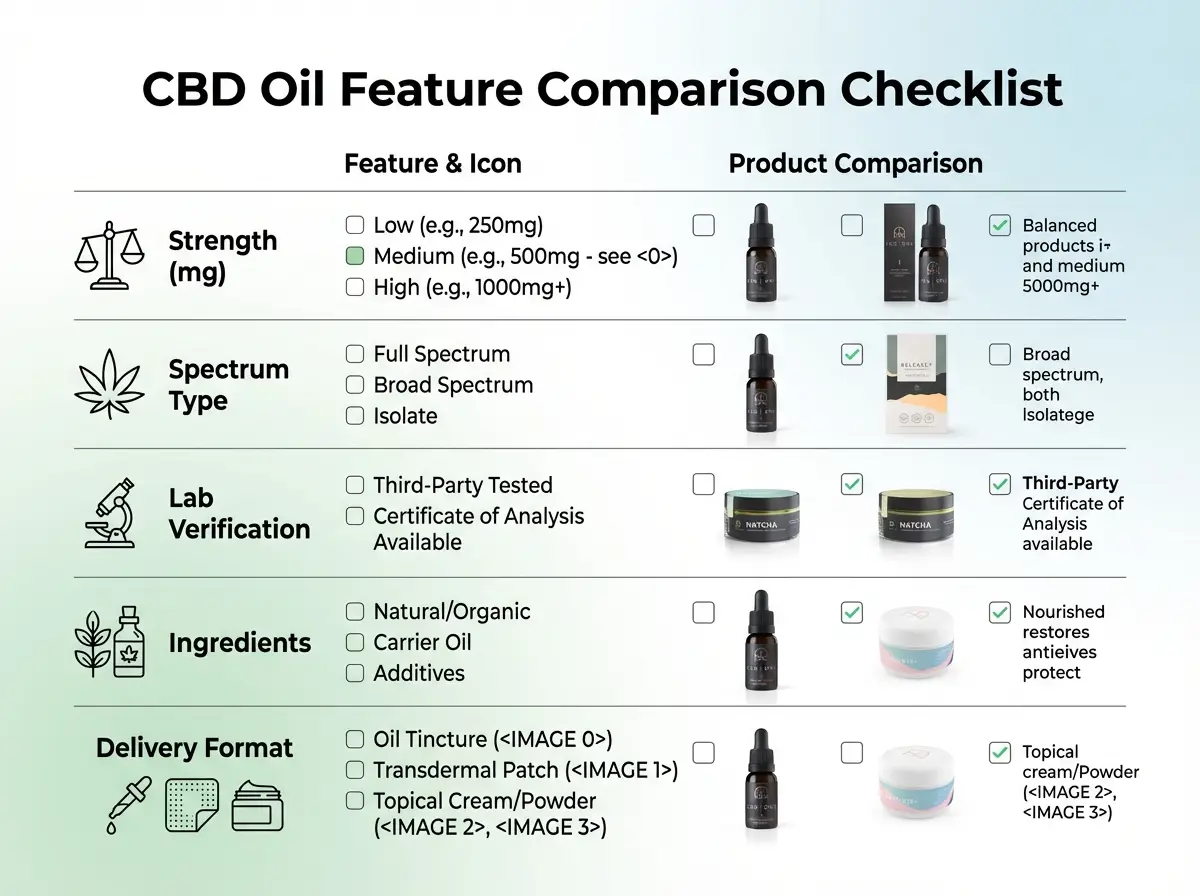
1) Strength: mg per bottle (and what that means per drop)
CBD oils are typically labelled by total CBD in the bottle (for example 250mg, 500mg, 1000mg in 10ml). Higher mg usually means more CBD per drop, which can be more cost-effective if you already know your preferred amount.
If you are unsure where to start, go lower and increase gradually. For healthy adults, the UK FSA advises a maximum of 70mg CBD per day. If you want a simple framework for starting low and adjusting, see this CBD dosage guide.
2) Full spectrum vs broad spectrum vs isolate
Most shoppers looking for “premium” CBD oil tend to choose full spectrum. Full spectrum CBD oil contains CBD plus other naturally occurring hemp compounds (minor cannabinoids and terpenes), with trace THC within legal limits. Some people prefer it for the “entourage effect” idea (synergy between compounds), although individual experiences vary.
If you need THC removed (for example, strict workplace testing), broad spectrum or isolate may be a better fit. Just be aware that different formats can feel different for different people.
3) Lab verification and transparency
Whether you buy CBD oil for sale near you or order online, you want to see evidence of testing. At a minimum, look for a certificate of analysis (COA) or “lab verified” note that confirms cannabinoid content and screens for contaminants. If a brand will not show testing or cannot explain it, I would move on.
4) Ingredients and carrier oil
A simple CBD oil formula is usually CBD-rich hemp extract plus a carrier oil such as hempseed oil. This matters for taste, texture, and how easy the drops are to measure consistently. Flavourings are fine if you like them, but they are optional.
5) Delivery format and convenience
If you want CBD quickly and predictably, oils under the tongue (sublingual) are popular. If you hate the taste of oils or want something you can add to a drink, consider water-soluble CBD (different absorption characteristics and dosing style). CBD One has a full Water Soluble CBD range if you prefer that approach.
If you are new to oils, this step-by-step how to take CBD oil guide is worth a quick read before you buy.
Pros and Cons
Strengths
- Online UK delivery often gives you better choice than “nearby” shops, especially across strengths (250mg, 500mg, 1000mg and beyond).
- You can compare lab verification, ingredients, and spectrum type before purchasing, rather than relying on a shelf label.
- Better price-per-mg is usually available online, particularly on mid and higher strengths if you use CBD regularly.
- It is easier to stick to a consistent routine when you can reorder the same product instead of chasing local stock.
- Many reputable brands offer multiple formats (oils plus water-soluble options) to suit taste and convenience.
Considerations
- “Near me now” convenience can be limited if you truly need same-day purchase, especially outside major towns and cities.
- Not all CBD oils are labelled clearly, so you still need to check mg per bottle and spectrum type carefully.
- Full spectrum oils may contain trace THC (within legal limits), which may not suit everyone.
- CBD is not a medicine, and results vary, so it can take some patient trial and adjustment to find your preferred strength and timing.
Who this is for
This page is for UK adults who want to buy CBD oil nearby, but also want to make a smart purchase rather than grabbing the first bottle they see. If you are new to CBD, it will help you pick a sensible starter strength and avoid overpaying. If you already use CBD, it will help you compare value per bottle, choose a strength that fits your routine, and check the essentials (spectrum, lab verification, ingredients) in under a few minutes.
A CBD One option (delivered across the UK)
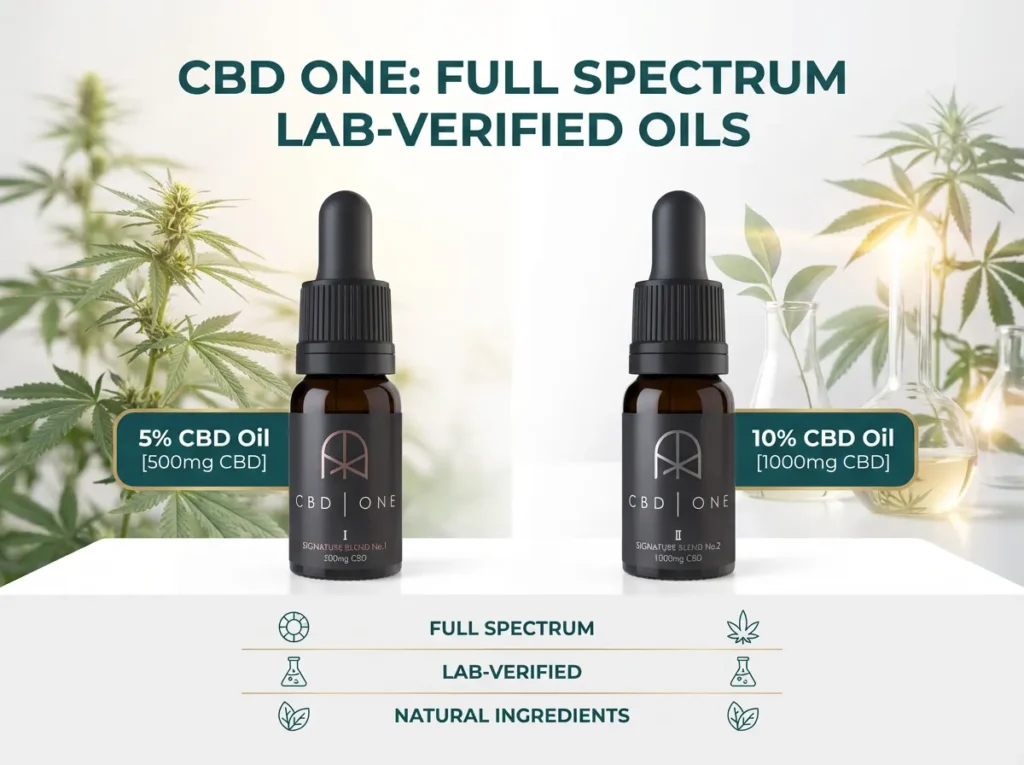
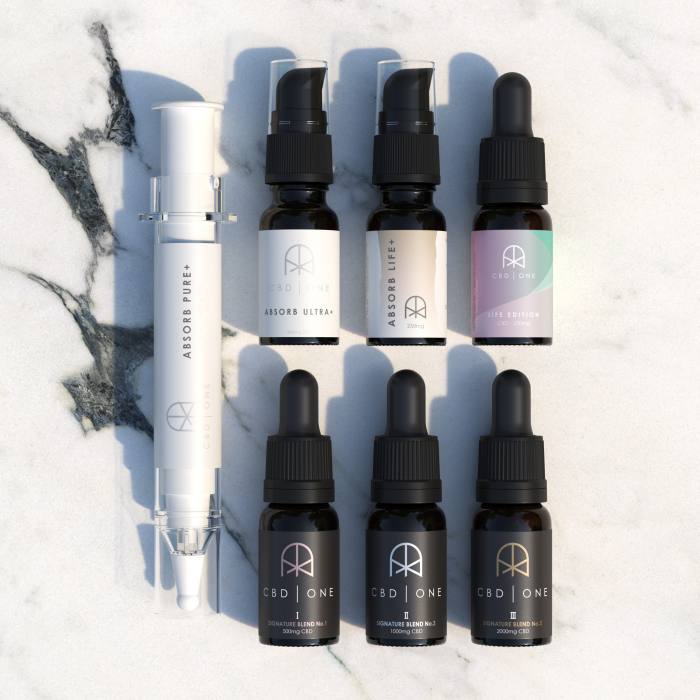
If your main goal is “cbd oil near me” with reliable UK delivery, CBD One focuses on straightforward, lab-verified full spectrum oils with clear strengths and simple ingredients (typically hemp extract plus hempseed oil). A good place to browse is the CBD Oils collection.
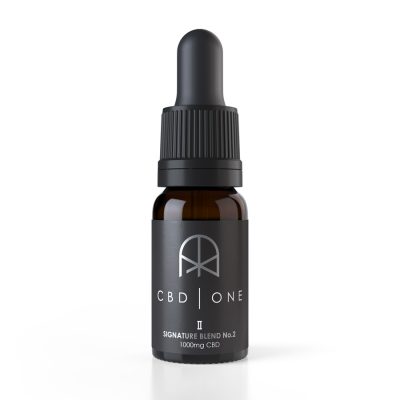
For most first-time buyers, I would look at 2.5% CBD Oil [250mg CBD] | Life Edition (£19.99) or 5% CBD Oil [500mg CBD] (£33.99) as gentle entry points, then step up if needed. If you want a balanced daily strength, 10% CBD Oil [1000mg CBD] is £58.99. Quick links:
- 2.5% CBD Oil [250mg CBD] | Life Edition (£19.99)
- 5% CBD Oil [500mg CBD] (£33.99)
- 10% CBD Oil [1000mg CBD] (£58.99)
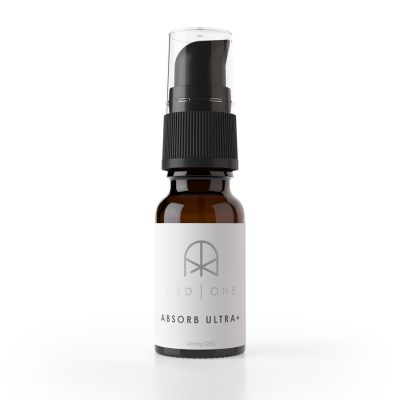
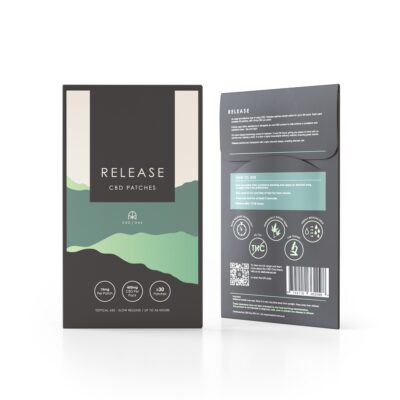
Limitations to be transparent about: CBD One’s range is curated rather than huge (fewer flavours and formats than some mass-market brands), pricing sits in the premium bracket, and if you only want gummies, you will need a different type of product (CBD One focuses on oils, water-soluble CBD, patches and topicals).
Buying guide: how to choose CBD oil near you (without overthinking it)
1) Decide your “first use case” (keep it simple)
Most people buy CBD oil because they want to support general wellbeing, relaxation, or a steadier daily routine. You do not need a perfect plan. You just need a starting point: morning, evening, or split doses. Start small, keep notes for a week, then adjust.
2) Pick a sensible strength for your experience level
If you are new, a lower strength oil helps you learn what amount suits you without accidentally taking too much. If you already take CBD and know you need more than a few drops, moving up in strength can improve value and convenience because you use fewer drops for the same total mg.
Keep the UK FSA guidance in mind (max 70mg CBD per day for healthy adults), and speak to a clinician if you have any medical condition or take medications.
3) Choose the spectrum that matches your preferences
Full spectrum oils include a wider range of hemp compounds and can contain trace THC within legal limits. Broad spectrum removes THC but keeps other compounds. Isolate is CBD only. None is universally “best”. It is about what you are comfortable with and what you are trying to achieve.
4) Check the label like a sceptic
Here is a quick checklist I use when comparing a bottle online or in-store:
- Total CBD in mg clearly stated (for example 500mg per 10ml), not just “hemp extract”.
- Spectrum type stated (full spectrum, broad spectrum, isolate).
- Simple ingredients list (carrier oil plus hemp extract is common for oils).
- Evidence of lab verification (COA or “lab verified” with meaningful detail).
- Clear dosing guidance and warnings for adults 18+.
5) Compare value using price per bottle (then refine later)
For BOFU shoppers, I would not get lost in spreadsheets. A quick rule: compare like-for-like bottle sizes and strengths first, then consider whether a higher strength might work out better over the month. Also factor in delivery times and how easy it will be to reorder the same product.
How to spot weak or misleading “CBD oil” labels (quick red flags)
Here’s the thing: a lot of frustration with “CBD oil near me” comes down to labels that look impressive on the shelf but tell you very little once you actually read them.
If you only have 30 seconds in a shop, these are the red flags I would look for:
- No clear CBD amount in mg. If the front says “hemp oil” or “hemp extract” but you cannot find “CBD” and a number in mg, you cannot compare it properly.
- Numbers without context. A big “500” might refer to hemp seed oil, total hemp extract, or a blend, not necessarily 500mg CBD.
- Only a percentage, no mg. Percentages can be useful, but most shoppers do better with a clear mg total, especially when comparing brands and bottle sizes.
- Vague promises. If the packaging leans on sweeping wellness claims but gives no real detail on what is inside the bottle, that is a sign to step back.
- No batch information. Reputable products normally have a batch number or something similar so the product can be traced back to a specific test.
None of this guarantees a product is “bad”, but it does tell you whether you can make an informed choice. If the label is unclear, you are buying on hope, not information.
What “lab tested” should actually tell you (COA basics without the jargon)
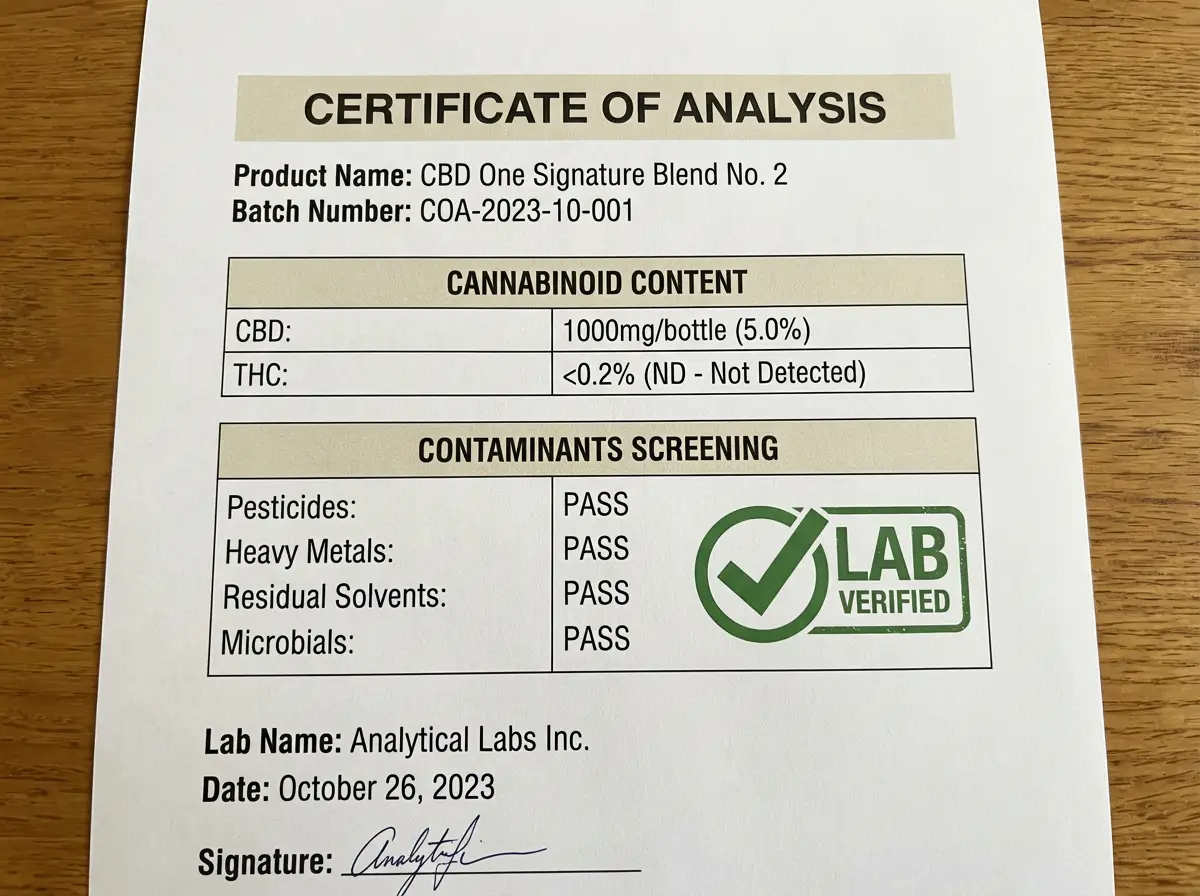
A certificate of analysis (COA) is basically a lab report for a specific batch. The goal is simple: it helps you confirm that the CBD amount is close to what the label says, and that basic safety checks have been considered.
From a practical standpoint, you do not need to be a scientist to read one. If you are viewing a COA online or asking for it in-store, look for:
- Product name that matches what you are buying, plus a batch or lot number.
- A date, so you can see it is not years out of date.
- A cannabinoid section showing CBD, and if relevant, other cannabinoids, plus the THC result in a legal, trace range for UK retail products.
- Basic contaminant screening such as heavy metals, pesticides, and microbial testing, depending on the lab and the product type.
What many people overlook is that “lab tested” is only meaningful if the report is accessible and specific to the batch. A generic badge on a box is not the same thing as a real COA you can verify.
Buying CBD oil locally: where it is commonly sold, and what to ask
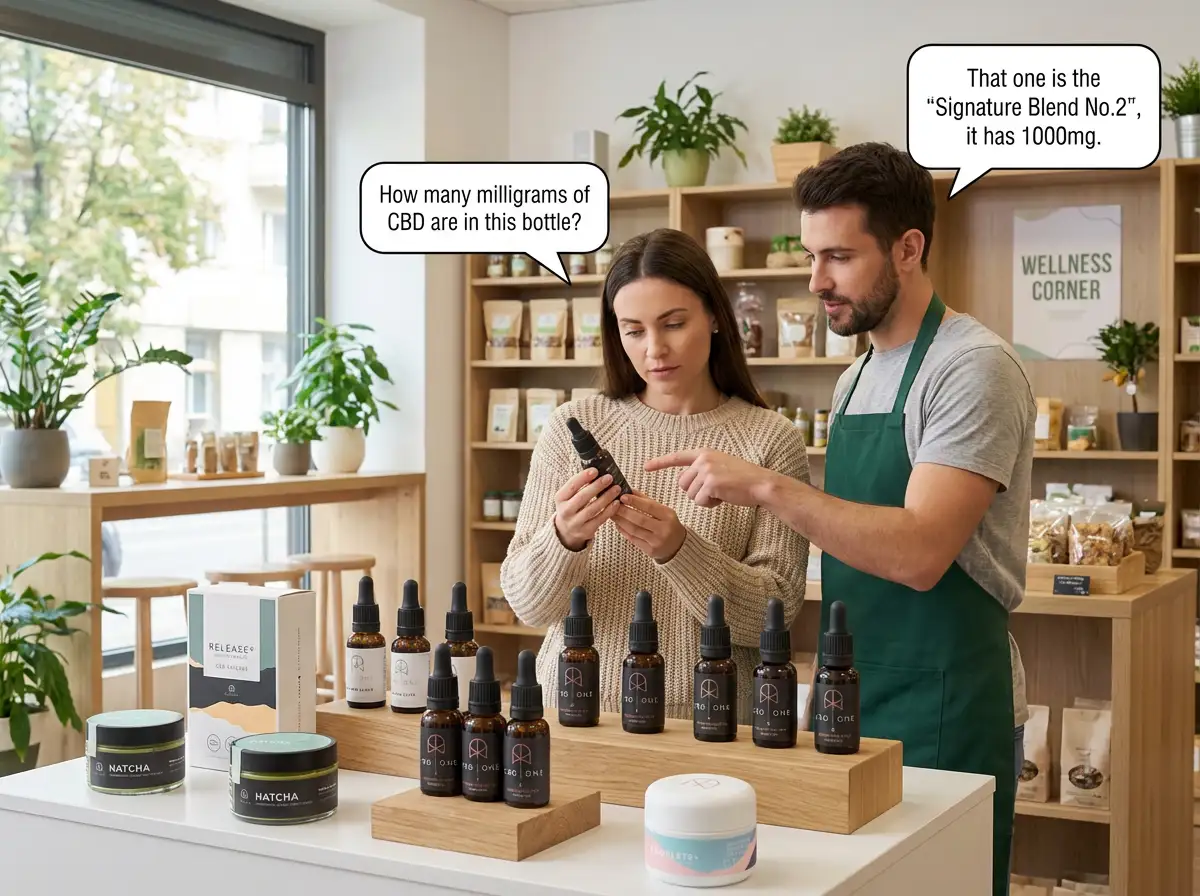
If you still prefer a local purchase, that can work, especially if you want it today and you are comfortable doing a quick label check. In the UK, CBD oils are commonly found in health food shops, wellness retailers, and some pharmacies, as well as independent vape and CBD shops.
Consider this: the staff member behind the counter might be helpful, but they are not there to replace your own due diligence. A couple of simple questions can save you money:
- “How many milligrams of CBD are in this bottle in total, and what size is the bottle?”
- “Is it full spectrum, broad spectrum, or isolate?”
- “Can you show me a COA or lab report for this batch?”
- “What are the ingredients, and what is the carrier oil?”
If they cannot answer those questions, or the answers are vague, I would treat that as a sign to buy elsewhere. The reality is that a good CBD oil should be easy to explain.
CBD oil side effects and sensible precautions (UK shoppers)
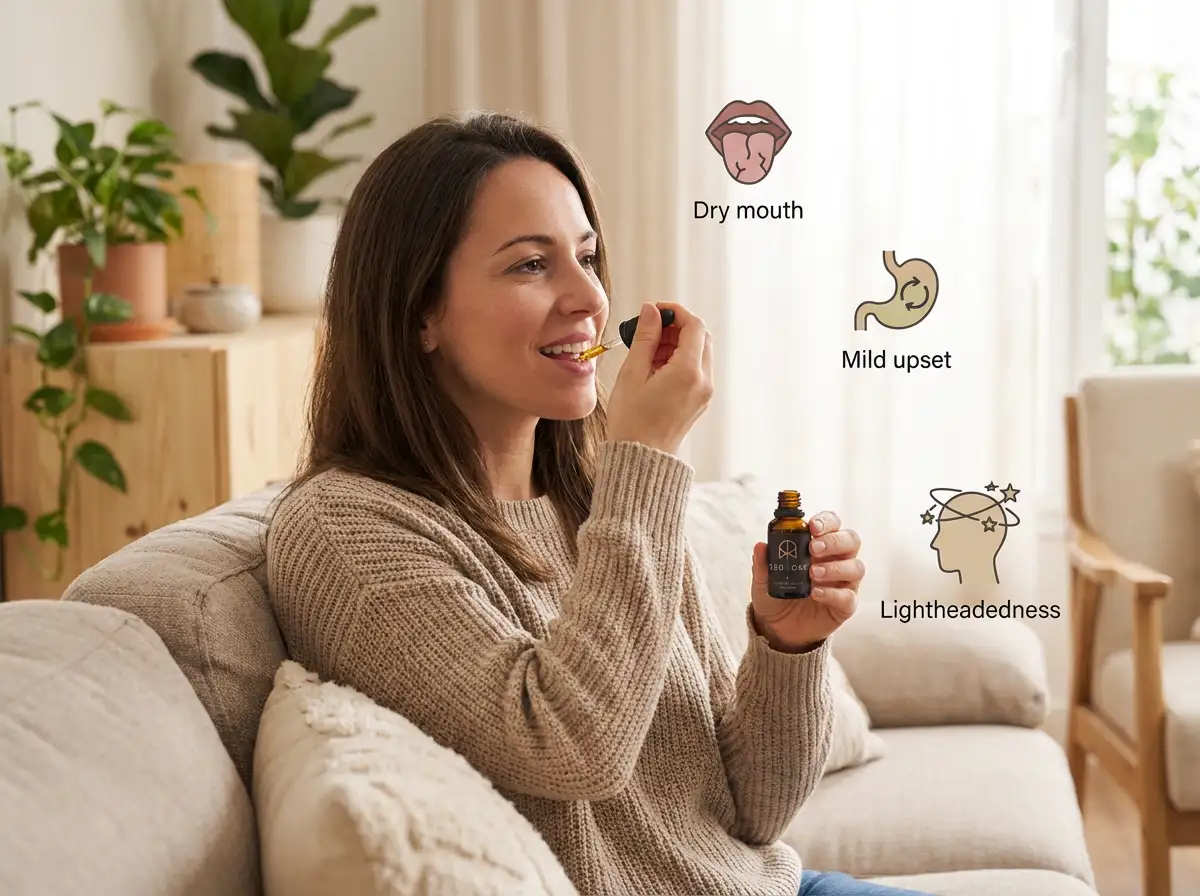
Most people who use CBD as a wellness supplement do so without major issues, but it is still smart to be aware of what can happen, especially when you are testing a product for the first time.
Some users report things like feeling more tired than expected, a dry mouth, mild digestive upset, or lightheadedness, particularly if they take more than they need. If that happens, the simplest fix is usually to reduce the amount and reassess, rather than pushing through.
There are also a few “pause and check” situations where it is worth speaking to a pharmacist or GP before you start:
- If you take prescription medication, because CBD can interact with some medicines.
- If you are pregnant or breastfeeding.
- If you have a long-term health condition, especially if you are being monitored or your medication changes regularly.
If you are driving or operating machinery, be cautious the first few times you try any CBD product, even though CBD itself is non-intoxicating. People can respond differently, and it is not worth guessing.
Frequently Asked Questions
Where can I buy CBD oil near me in the UK?
You can buy CBD oil in many UK health food shops, wellness retailers, and some pharmacies, but product quality can vary. If you want clearer dosing and easier comparisons, ordering online from a reputable UK brand is often simpler. Look for the total CBD in mg, the spectrum type, and some form of lab verification, then choose a strength that suits your routine.
Is buying CBD oil online better than buying in a local shop?
Often, yes, because online you can check the strength, ingredients, and lab information before you buy. Local shops can be convenient, but shelves sometimes include products with vague “hemp” labelling or inflated pricing. If you do buy locally, take a minute to confirm the bottle states total CBD (mg) and that the brand can provide lab testing information.
What strength should I choose if I am new to CBD oil?
Most beginners do well starting low and increasing gradually, rather than jumping straight to a high strength. A lower strength bottle can help you find your comfort level with fewer surprises. Use the UK FSA guidance (healthy adults should not exceed 70mg CBD per day) and consider following a simple plan from a trusted CBD dosage guide.
How do I take CBD oil properly?
The common approach is to place drops under your tongue, hold for a short time, then swallow. This is often used because it is straightforward and fits into a daily routine. Exact timing and amount vary by person, so start small and be consistent for a few days before changing anything. For a clear step-by-step, see how to take CBD oil.
What does “full spectrum” mean and will it contain THC?
Full spectrum CBD oil typically includes CBD plus other hemp compounds such as minor cannabinoids and terpenes. It can contain trace amounts of THC within legal limits. Some people prefer full spectrum for a more “whole plant” profile, but if you want to avoid THC entirely, you may prefer a broad spectrum or isolate product. Always read the label and any lab information provided.
Can CBD oil get you high?
CBD itself is non-intoxicating. Reputable CBD oils sold in the UK are formulated to stay within legal THC limits, so they are not intended to produce a “high”. That said, everyone responds differently, and full spectrum products may include trace THC, which is one reason some people choose THC-free options. If you are unsure, start with a low amount and assess how you feel.
Is CBD oil legal in the UK?
CBD products are widely sold in the UK, but they still need to meet relevant rules, including safety and labelling expectations. As a shopper, the practical point is to choose brands that are transparent about what is in the bottle, provide clear dosing guidance, and can reference lab testing. If a product makes medical claims or is vague about content, treat that as a red flag.
Can I buy CBD oil for dogs nearby?
Pet CBD is a separate category with its own considerations, including dosing and product formulation. If you are thinking about CBD for a dog, it is sensible to speak with your vet first, especially if your pet has health issues or is on medication. Avoid giving human products to pets without professional guidance, and choose pet-specific products from reputable suppliers when available.
I searched “cbd oil for epilepsy near me”. Can CBD oil treat epilepsy?
It is important to be direct here: over-the-counter CBD wellness products are not medicines and are not intended to treat epilepsy. If you or someone you care for has epilepsy or seizures, you should seek advice from a GP or specialist. Do not replace prescribed treatment with retail CBD products. If you still want to use CBD as a general wellbeing supplement, discuss it with a clinician first.
Can I take CBD oil with medication?
CBD can interact with some medications, so this is a “check first” situation. If you take any regular prescription medicines, speak with a pharmacist or GP before adding CBD, and introduce it slowly if you get the all-clear. If you want a practical overview of why interactions can happen and how to be sensible about it, read CBD One’s CBD and Medication guide.
How do I know if a “hemp oil” is actually CBD oil?
Look for “CBD” plus a clear amount in milligrams (for example, 500mg CBD in 10ml). Hempseed oil on its own is a nutritious carrier oil, but it is not the same thing as a CBD-rich hemp extract. If the label only talks about “hemp oil” and never states CBD in mg, you cannot assume it contains meaningful CBD.
What is the difference between CBD percentage and milligrams (mg)?
Milligrams (mg) tells you the total amount of CBD in the bottle. Percentage tells you concentration. Both can be useful, but mg is often easier for comparing products because you can immediately see whether it is a 250mg, 500mg, or 1000mg bottle and then think about what that might mean per drop.
Is it safe to take CBD oil every day?
Many people use CBD as part of a daily routine, but “safe” depends on your health situation, any medications, and how much you take. If you are a healthy adult, keep the UK FSA guidance in mind (no more than 70mg CBD per day), start low, and pay attention to how you feel. If you have a health condition, are pregnant or breastfeeding, or take prescription medicines, speak to a pharmacist or GP first.
Why do some CBD oils feel stronger than others at the same mg?
There are a few reasons. Full spectrum versus isolate can feel different for some people. The carrier oil and how you take it (for example, under the tongue versus mixed into food) can also affect your experience. Consistency matters too: taking the same product at the same time for several days usually gives you a clearer read than constantly switching.
Key Takeaways
- “CBD oil near me” does not have to mean a rushed in-store buy: online UK delivery often gives better transparency and value.
- Always check total CBD (mg), spectrum type, ingredients, and lab verification before you pay.
- Start low, go steady, and use the UK FSA guidance of no more than 70mg CBD per day for healthy adults.
- If you need convenience beyond oils, water-soluble CBD can be easier to add to drinks, but it is a different style of dosing.
- For medical conditions (including seizures) or medication use, speak with a clinician before using CBD.
- If a label is vague or the brand cannot show batch-specific lab testing, it is usually safer to choose a different product.
Conclusion
If you are searching for “cbd oil near me”, your best move is to prioritise clarity over convenience: pick a product that states total CBD in mg, explains whether it is full spectrum or THC-free, and is backed by lab verification. That is how you avoid wasting money on under-dosed bottles and confusing labels.
If you want a straightforward UK-delivered option, explore CBD One’s CBD Oils range and choose a strength that matches your experience level, such as the 2.5% CBD Oil [250mg CBD] | Life Edition (£19.99) to start, or step up to the 10% CBD Oil [1000mg CBD] (£58.99) if you already know you prefer a stronger daily oil.