
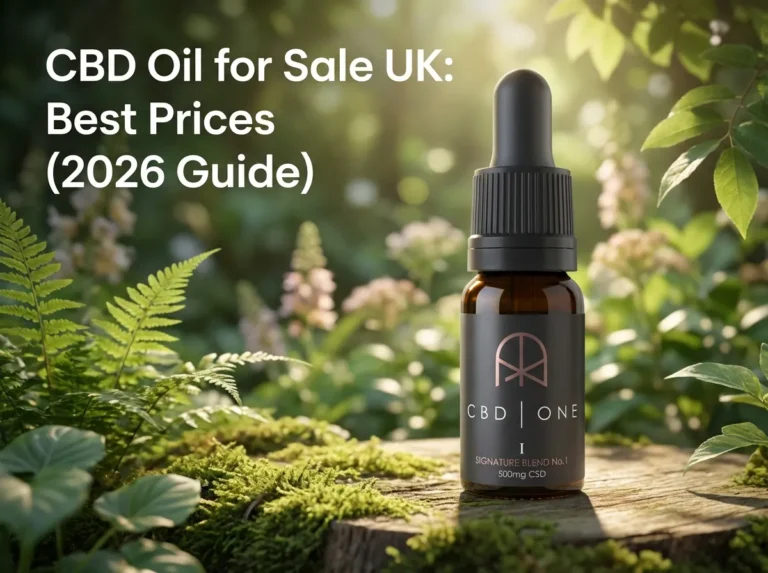
CBD Oil for Sale UK: Best Prices (2026 Guide)
CBD oil for sale in the UK: what you are really buying
CBD oil is a hemp extract mixed into a carrier oil (often hempseed oil). CBD itself is non-intoxicating, and many people use it as part of a wellbeing routine. What varies massively between brands is the extract type, how much CBD you get per bottle, and how transparent the company is about testing.
Most CBD oils fall into three categories:
- Full spectrum: CBD plus minor cannabinoids and terpenes, with trace THC within legal limits. This is the option many people choose for the so-called “entourage effect” style of formula.
- Broad spectrum: similar to full spectrum but with THC removed (or reduced to non-detectable levels), while keeping other hemp compounds.
- CBD isolate: CBD only, with no other cannabinoids or terpenes.
If you have searched “CBD oil with THC for sale”, this is usually shorthand for full spectrum CBD oil. In the UK, CBD products are expected to be compliant with local regulations and Novel Food requirements. CBD is not a medicine, and individual experiences vary.
Also, a quick note on “CBD oil for sale near me”. Local shops can be handy, but online tends to give you clearer product info, fresher stock turnover, and easier access to lab testing and batch details.
Key features that separate good CBD oil from cheap CBD oil
When people ask me where to find “pure CBD oil for sale”, what they often mean is: “How do I avoid buying something weak, poorly tested, or misleading?” Here are the features I would personally prioritise if you are buying in 2026.
1) Clear strength and bottle size (mg matters more than %)
Brands will advertise “5%”, “10%”, “20%” and so on. That is helpful, but the most important number is the total CBD in milligrams (mg) and the bottle size. A 10ml bottle with 500mg CBD is very different from a 30ml bottle with 500mg CBD.
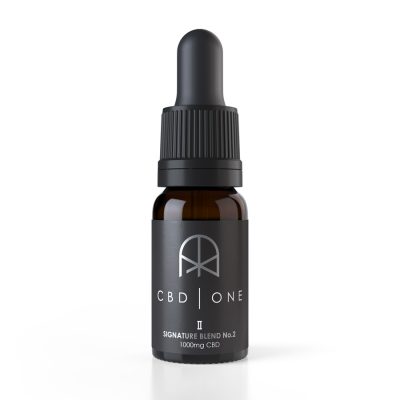
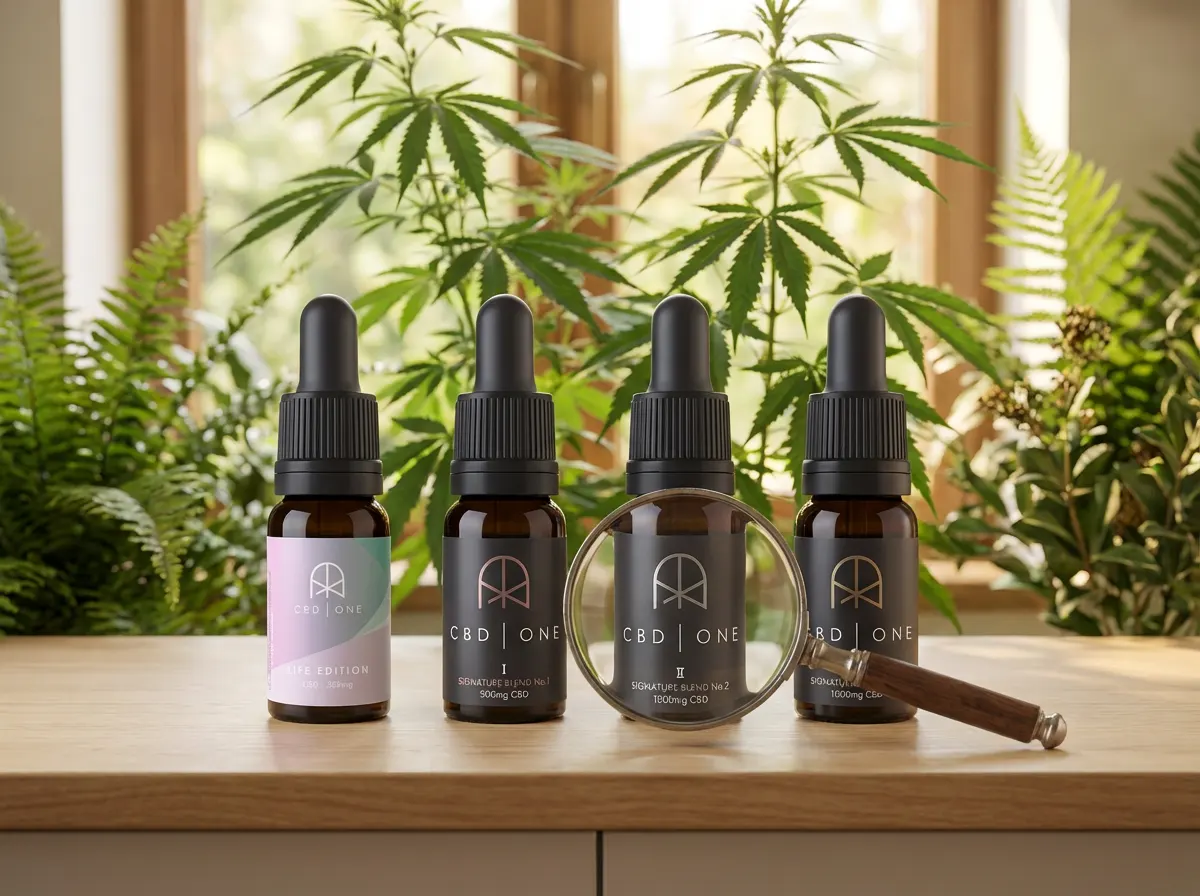
CBD One oils list total CBD per 10ml (for example 250mg, 500mg, 1000mg). That makes it easier to compare like-for-like.
2) Spectrum and what that means for THC
Full spectrum CBD oil may contain trace THC within legal limits. It should not make you feel “high”, but it can matter if you are extremely risk-averse (for example, workplace testing). If you want to understand this properly, read Does CBD Oil Get You High?.
3) Lab verification and transparency
At a minimum, you want third-party lab testing (often shown as a Certificate of Analysis). This helps confirm cannabinoid content and reduces the guesswork. In our product data, CBD One oils are listed as “Lab verified”. If a brand will not show any testing information at all, that is a red flag.
4) Simple ingredients
A quality CBD oil does not need a long ingredients list. In general, look for a carrier oil plus hemp extract. CBD One full spectrum oils use hempseed oil with raw hemp extract (and some products include naturally occurring CBDa).
5) Practical use and realistic daily limits
CBD is typically taken under the tongue (sublingually). Start low, increase slowly, and keep notes for a week or two. The UK Food Standards Agency (FSA) advises healthy adults not to exceed 70mg CBD per day. If you want help working out a sensible routine, see our CBD dosage guide and how to take CBD oil.
Pros and Cons
Strengths
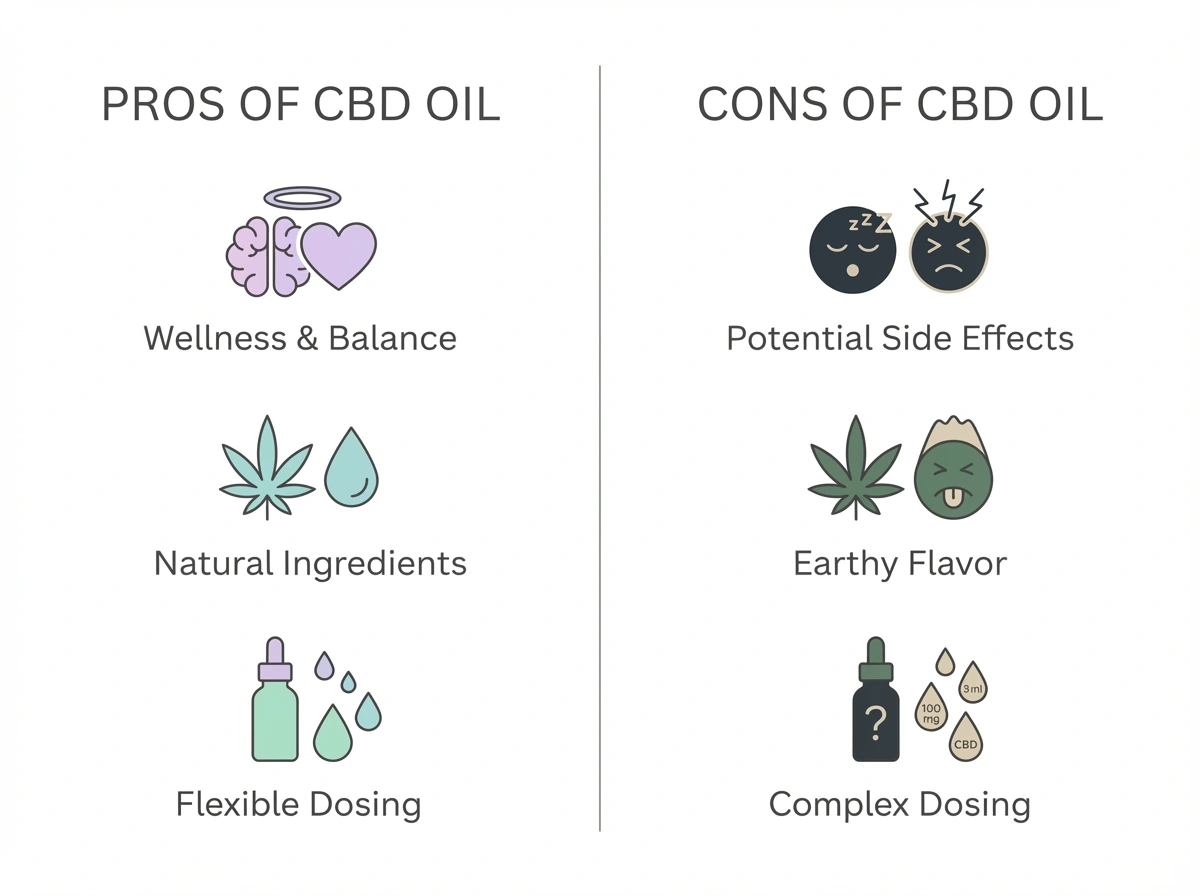
- Easy to buy online in the UK with clear strength options (entry level through to higher strength).
- Full spectrum oils can suit people who prefer a “whole-plant” style extract with minor cannabinoids and terpenes.
- Sublingual use is flexible: you can adjust drops gradually rather than committing to a fixed capsule dose.
- Good brands provide lab testing and simple ingredient lists, making it easier to compare quality.
- Oils can be better value than some novelty formats because you typically get many servings per bottle.
Considerations
- Full spectrum oils may contain trace THC within legal limits, which may not suit everyone.
- Flavour can be earthy and “hempy”, especially with raw extracts (some people dislike it).
- Dosing is more hands-on than capsules: you need to measure drops and stay consistent.
- CBD can interact with some medications, so you should speak to a pharmacist or GP if you take prescription meds.
Who CBD oil is for (and when capsules might be easier)
CBD oil is a good fit if you want flexible dosing, prefer sublingual use, and like the idea of full spectrum hemp extract. It can also suit people who want to start low and adjust slowly until they find their personal “sweet spot”.
If you searched “CBD oil capsules for sale”, capsules can be more convenient for travel and routine, but you lose the ability to fine-tune drops. If you strongly prefer a fixed dose and zero taste, capsules (or patches) may feel easier. If you want faster, drink-friendly dosing, you may also want to consider water-soluble CBD options rather than traditional oils.
A CBD One option if you want to order today (UK delivery)
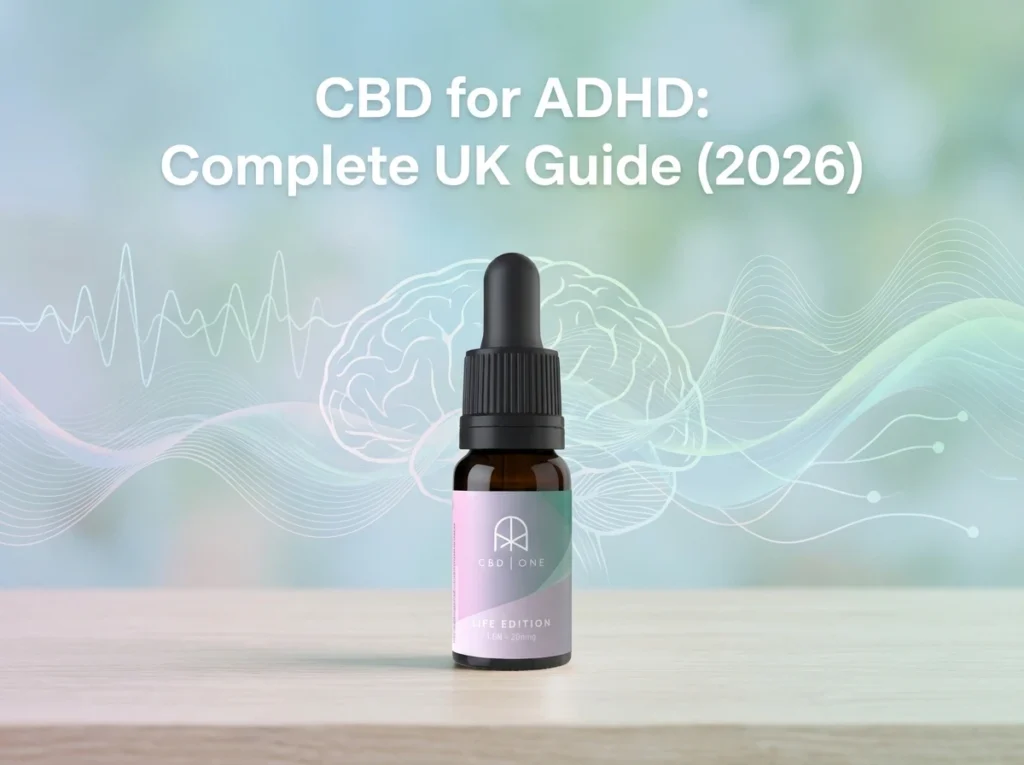
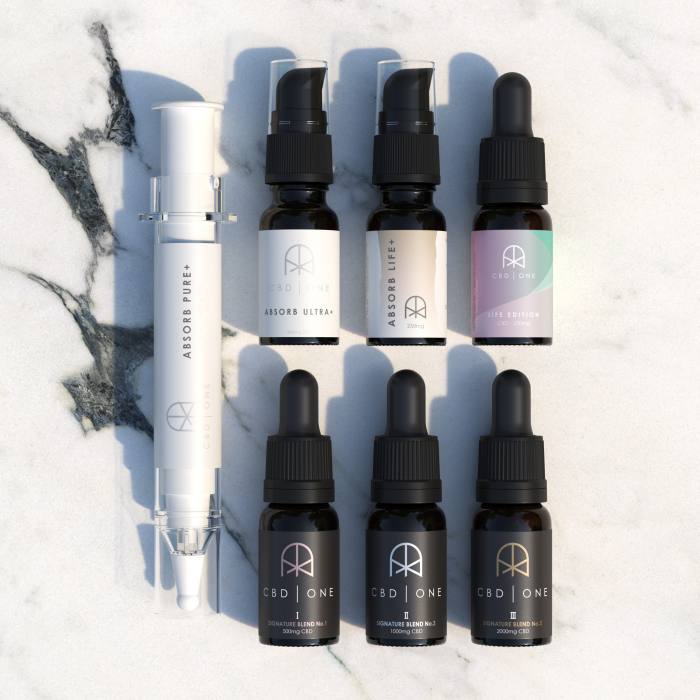
If you are ready to buy and want a straightforward full spectrum option, CBD One focuses on lab-verified, plant-based formulas with clear strengths. For beginners, 2.5% CBD Oil [250mg CBD] | Life Edition (£19.99) is a budget-friendly starting point. If you want a more noticeable step up without jumping to the highest strength, 5% CBD Oil [500mg CBD] (£33.99) and 10% CBD Oil [1000mg CBD] (£58.99) are popular middle options.
Two honest limitations: we keep the range tight (so fewer flavours and formats), we do not sell gummies, and our pricing reflects premium extracts rather than “cheapest online” positioning. If you want an alternative to oils entirely, you can explore Water Soluble CBD for a drink-mix format.
Buying guide: 5 checks to make before you buy CBD oil
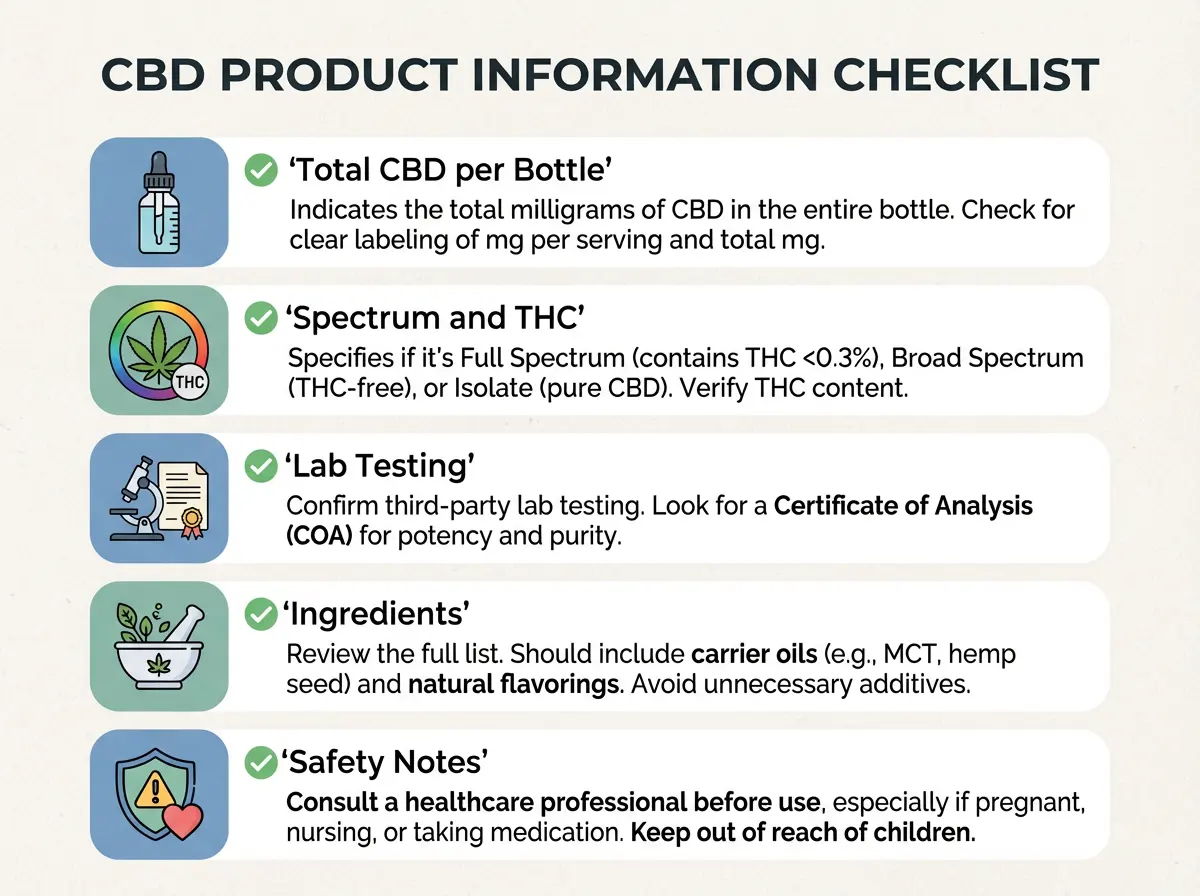
If you are comparing CBD oil for sale UK-wide, these five checks will help you avoid most common mistakes.
1) Check total CBD per bottle and the cost per 100mg
Ignore flashy marketing and calculate value. Divide the price by total mg of CBD to get a simple “cost per mg”. You can also convert it to “cost per 100mg” to compare quickly across brands. Lower is not always better, but it helps you spot overpriced products that are not offering anything extra (like better testing or a better extract).
2) Confirm the spectrum (and decide your THC comfort level)
If you specifically want full spectrum CBD oil for sale, look for “full spectrum” on the label and a lab report that supports it. If you are uneasy about any THC at all, look for broad spectrum or isolate. Just be cautious with vague labels like “hemp extract” without further detail.
3) Look for lab testing that you can actually access
“Lab tested” is easy to claim. What you want is a certificate you can view, ideally batch-specific. This is one of the best signals that a brand takes consistency seriously. If you cannot find testing information, email customer support and see if they respond clearly.
4) Read the ingredients and the “how to use” instructions
A clean oil usually contains a carrier oil plus hemp extract. Be wary if the ingredients are unusually complicated, or if the product uses confusing dosing instructions. Good brands tell you how to start, how to increase slowly, and what the sensible maximum is.
5) Check safety notes, daily limits, and medication considerations
As a general guide, the FSA suggests healthy adults should not exceed 70mg CBD per day. If you are pregnant, breastfeeding, or taking medication, speak to a healthcare professional first. If you want a practical, UK-focused rundown, read CBD and Medication. For broader education about how CBD works in the body, see CBD benefits (in the sense of general mechanisms and user-reported wellbeing goals, not medical claims).
How to compare bottle sizes and strengths without getting caught out
Here is the thing: a lot of “best price” comparisons fall apart because people compare the percentage on the front label, not what they actually get in the bottle.
Start with total mg, then check ml
Total CBD (mg) tells you how much CBD is in the whole bottle. Bottle size (ml) tells you how diluted that extract is in the carrier oil. When you combine those two numbers, you can work out whether you are looking at a gentle oil that suits micro-dosing, or a stronger oil that gives you more CBD per drop.
Be careful with “high strength” claims that hide tiny bottles
Some brands use small bottles to make a percentage look impressive. A 10ml bottle can be great, but it is worth checking whether you are paying premium pricing for packaging and branding rather than extract quality and lab verification.
Value is not just price per mg
Cost per mg is a useful filter, but it is only half the story. If two oils cost roughly the same per mg, I would lean towards the one with clearer batch testing, straightforward ingredients, and a spectrum that matches your THC comfort level.
Extraction type, carrier oils, and taste: why “cheap” can feel harsh
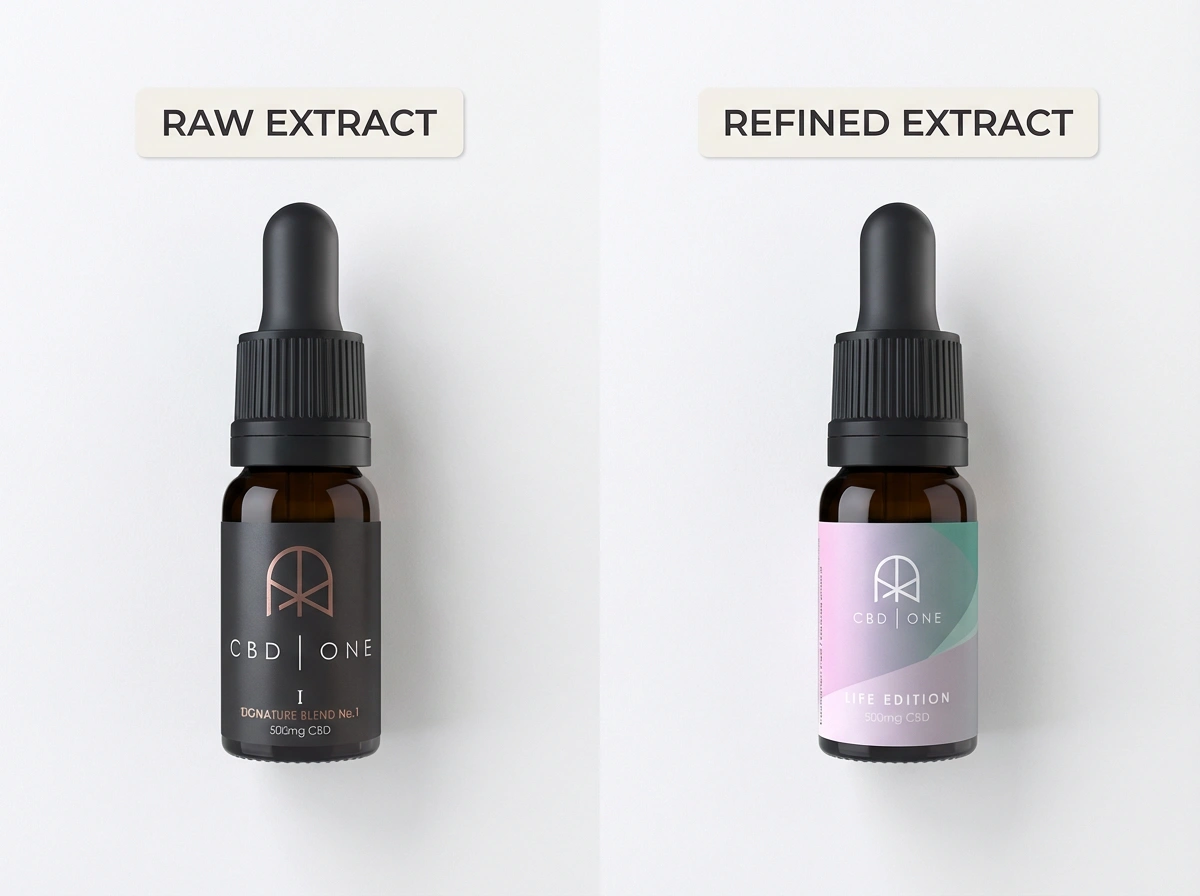
What many people overlook is that two CBD oils can have the same mg strength, but feel completely different day-to-day. A big part of that comes down to extraction quality and what the extract is mixed with.
Extraction and the “raw” vs “refined” feel
You will see terms like raw, refined, distillate, and sometimes “CO2 extracted”. Brands describe this differently, but from a practical standpoint, the more plant compounds that remain in the extract, the more you tend to notice the natural hemp character in taste and aroma. Some people love that. Others find it too earthy.
If you are sensitive to flavour, you might prefer a more refined oil, a broad spectrum option, or a different format entirely. The key is to avoid assuming that a strong taste automatically equals higher quality, or that a neutral taste automatically equals “pure”. It depends on what has been kept in the extract and how it has been processed.
Carrier oils: what they change (and what they do not)
Most CBD oils use a carrier oil because cannabinoids need something fatty to sit in. Hempseed oil is common and has its own nutritional profile, but it is not the same thing as CBD. If you want CBD, make sure the label clearly states the CBD content in mg.
Some brands use MCT (coconut-derived) oils instead. There is no universal “right” choice, but consistency and clarity matter. A short ingredients list with transparent lab testing usually beats a long list with vague claims.
Storage, shelf life, and travel: small details that protect quality
Once you have paid for a decent CBD oil, you want it to stay decent. Storage is not glamorous, but it matters for taste and freshness over time.
How to store CBD oil at home
Keep your bottle in a cool, dry place away from direct sunlight, think kitchen cupboard rather than windowsill. Heat and light can degrade plant compounds over time. Also make sure the lid is closed properly so the oil is not exposed to air more than it needs to be.
What about the fridge?
Refrigeration is not usually required, and some carrier oils can go cloudy when cold. That does not automatically mean the product has gone off. If you do store it cooler, just let it come back to room temperature and give it a gentle roll between your hands before use.
Taking CBD oil when you travel
If you are travelling within the UK, carrying CBD oil is typically straightforward if it is a compliant product and clearly labelled. For international travel, rules vary and can change quickly. Consider checking the destination country’s guidance before you fly, and take the product in its original packaging so the label and ingredients are easy to verify if you are asked.
What to expect when you start: timing, consistency, and common side effects
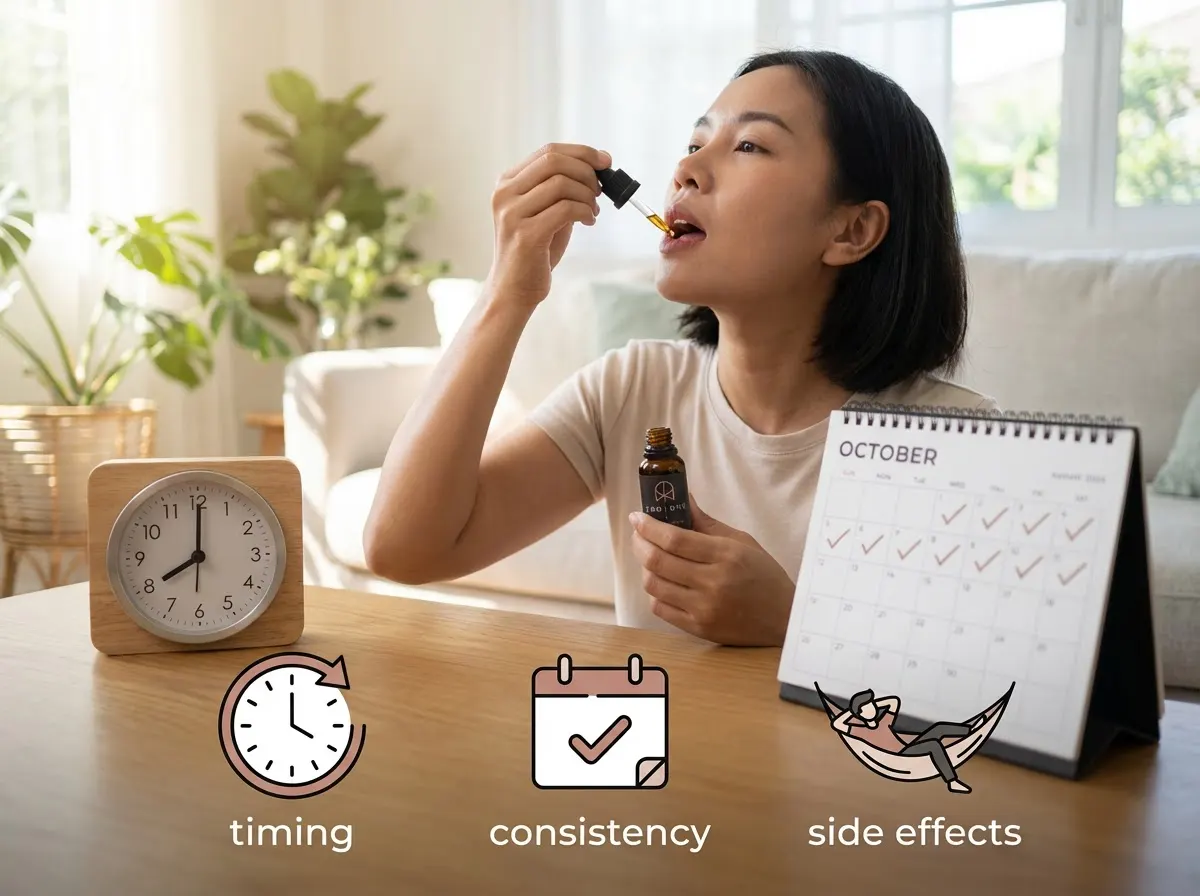
If you are buying CBD oil for the first time, it helps to have realistic expectations. CBD is not a “take once and feel a dramatic shift” supplement for most people. Many users find it works best as a consistent routine.
How long does CBD oil take to “work”?
Sublingual CBD oil is often chosen because it is practical and adjustable. Some people report noticing effects within an hour, others only notice subtle changes after a few days of consistent use. Your body size, what you have eaten, your routine, and the product type all play a role.
Common side effects and when to pause
CBD is generally well-tolerated by many adults, but side effects can happen. Some people report tiredness, changes in appetite, or digestive discomfort, especially if they take more than they need. If you feel “off”, consider reducing your amount, taking it with food, or pausing completely.
Now, when it comes to medications, this is where you should be extra cautious. If you take prescription medicines, it is sensible to speak with a pharmacist or GP before adding CBD, and to keep your routine stable so any changes are easy to spot.
Frequently Asked Questions
Where can I buy CBD oil in the UK with fast delivery?
You can buy CBD oil online from UK retailers and brands that ship domestically. Online tends to be easier for comparing strength, spectrum type, and lab testing. If you want a simple place to start, CBD One’s full spectrum oils are available via our CBD Oils category page, with clear mg-per-bottle strengths and lab-verified positioning.
What does “full spectrum CBD oil” mean in the UK?
Full spectrum means the oil contains CBD plus other naturally occurring hemp compounds such as minor cannabinoids and terpenes. It may also contain trace THC within legal limits. People choose full spectrum oils for a “whole-plant” style formula, although experiences vary and CBD is not a medicine.
Is CBD oil legal in the UK?
CBD itself is legal in the UK when it is derived from approved industrial hemp and sold in compliance with UK regulations. Products should meet expected THC limits and be sold responsibly, with appropriate lab testing and Novel Food compliance where required. If in doubt, buy from brands that provide clear testing and transparent labelling.
Will CBD oil get me high?
CBD is non-intoxicating and does not produce a “high” like THC. Full spectrum CBD oils can contain trace THC within legal limits, but they are not intended to be intoxicating. If you are worried about this, choose a broad spectrum or isolate product and read product lab reports carefully. This topic is covered in more detail in our linked guide.
How do I choose the right strength (2.5%, 5%, 10%, 20%)?
Start with your experience level and how sensitive you are to supplements. Many beginners start with lower strengths like 2.5% or 5% and increase gradually over time. If you already use CBD and know you need more per serving, 10% or 20% can be more convenient. Keep the FSA 70mg/day guidance in mind.
How do I take CBD oil properly?
Most people take CBD oil sublingually: place drops under the tongue, hold for a short period, then swallow. Consistency matters more than taking a large amount once. Start low and increase slowly while tracking how you feel. For a step-by-step routine, follow our guide on how to take CBD oil and dosing tips.
What is “pure CBD oil”, and is it better?
“Pure” can mean different things. Sometimes it refers to CBD isolate (CBD only). Other times it is used loosely to mean “high quality”. Isolate removes other hemp compounds, which some people prefer for taste or THC avoidance. Full spectrum includes more compounds and is preferred by others. Better depends on your goals and comfort level.
How much CBD should I take per day?
There is no single perfect dose. Many people start with a low amount and adjust slowly over 1 to 2 weeks. The UK FSA advises healthy adults not to exceed 70mg of CBD per day. If you take medication or have a health condition, speak to a GP or pharmacist first and use extra caution.
Is CBD oil the same as hemp oil?
Not necessarily. “Hemp oil” often refers to hempseed oil, which is a nutritious carrier oil but usually contains little to no CBD unless it is infused with hemp extract. CBD oil should state the CBD content clearly in mg. If you see “cbd hemp oil for sale”, check the label for total CBD and look for lab testing.
Should I choose oil drops, capsules, or water-soluble CBD?
Oil drops are flexible and popular, but they can taste earthy and dosing requires a little effort. Capsules are taste-free and convenient but fixed-dose. Water-soluble CBD is designed to mix into drinks and may feel easier for people who dislike oil under the tongue. Your choice should reflect your routine, taste preferences, and desired control over dosing.
Can I take CBD oil every day?
Many people use CBD as a daily wellbeing routine, often because consistency is easier to track than occasional use. If you do use it daily, keep the routine simple: start low, increase slowly if needed, and stay within the FSA guidance of 70mg/day for healthy adults.
How do I know if a CBD oil is really full spectrum?
Look for clear lab testing that lists a cannabinoid profile rather than just a headline number. Full spectrum products usually show CBD alongside at least some other cannabinoids, and the report should make it clear that THC is present only at trace levels within legal limits. If the brand only shows “CBD content” with no wider profile, you are relying on marketing, not evidence.
What is the difference between broad spectrum and isolate if I want to avoid THC?
Broad spectrum is designed to keep a wider range of hemp compounds while removing THC (or reducing it to non-detectable levels). Isolate is CBD only. Some people choose broad spectrum to keep more of the “whole plant” character without THC, while others choose isolate for simplicity and a more neutral taste.
Why do some CBD oils taste so different?
Taste is usually driven by the extract type and how much of the plant’s natural compounds are kept. Raw or less refined extracts often taste more earthy, while more refined extracts can be milder. The carrier oil can change mouthfeel too. If you dislike the taste, it is often easier to switch format (capsules or water-soluble) than to force an oil you dread taking.
Key Takeaways
- Compare CBD oil by total mg per bottle and lab testing, not marketing claims.
- Full spectrum oils can include trace legal THC, which may not suit every buyer.
- Start low, increase slowly, and stay under the FSA guidance of 70mg CBD/day for healthy adults.
- If you want an easy purchase option, CBD One offers clear-strength full spectrum oils from £19.99 with UK delivery.
- If you dislike oil drops, consider water-soluble CBD for drink-friendly dosing.
- Check bottle size (ml) as well as total CBD (mg) so you can compare strength per drop properly.
- Store CBD oil away from heat and sunlight, and travel with the product in original packaging when possible.
Conclusion
If you are ready to buy CBD oil in the UK, focus on the basics that actually protect you as a customer: clear mg strength, a spectrum you are comfortable with, simple ingredients, and transparent lab verification. Price matters, but “best prices” should mean fair value for a product you can trust, not just the cheapest bottle on the page. If you want a reliable full spectrum option with clear strengths, you can shop CBD One oils starting with the 2.5% CBD Oil [250mg CBD] | Life Edition (£19.99), then step up to 5% or 10% as needed. Choose a sensible daily routine, keep within guidance, and if you take medication, check with a healthcare professional first.