
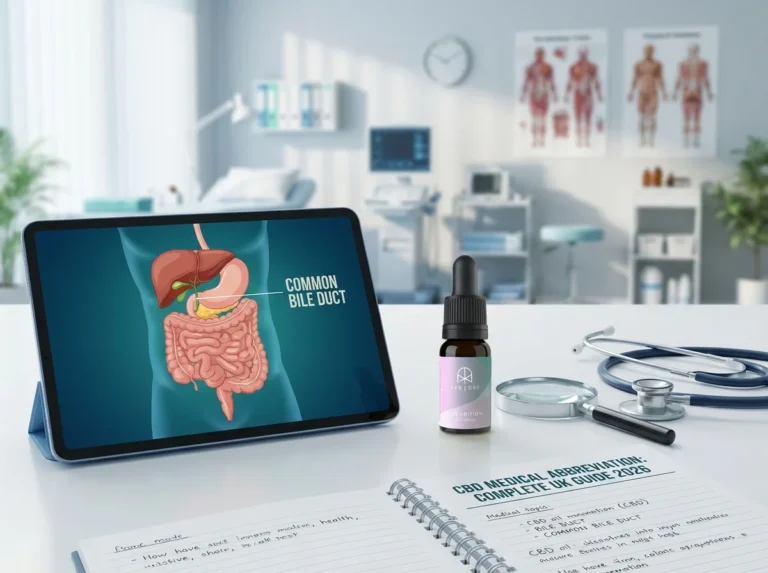
CBD Medical Abbreviation: Complete UK Guide 2026
In this guide, I will walk you through the most common “CBD” medical abbreviation meanings you will see in the UK, what phrases like “dilated CBD” and “CBD stones” usually refer to, and how to tell when “CBD” really does mean cannabidiol. I will also cover where “medical CBD” fits into the UK conversation, plus the practical questions you can ask your GP so you feel clear, not confused.
Why “CBD” can mean different things
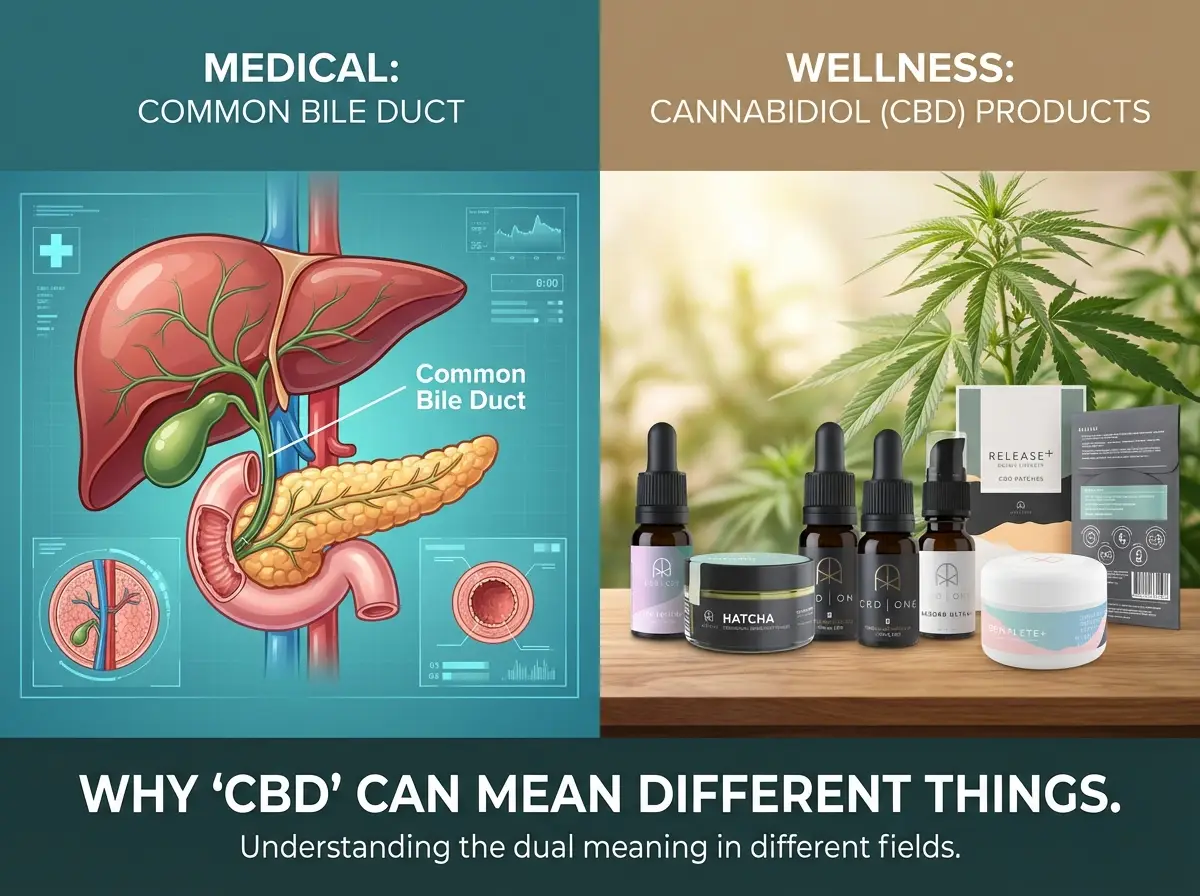
Abbreviations save clinicians time, but they can be a nightmare for normal humans reading the notes later. “CBD” is one of those classic examples because it is used in two separate worlds: medical imaging and liver medicine on one side, and wellness products on the other.
From a practical standpoint, the easiest way to decode it is to look at the words around it:
- If you see terms like “gallbladder”, “bile”, “duct”, “stones”, “ERCP”, “LFTs”, or “obstruction”, it nearly always means common bile duct.
- If you see terms like “oil”, “drops”, “mg”, “hemp”, “full spectrum”, “isolate”, or “THC”, it means cannabidiol.
If you want a solid refresher on cannabidiol itself, the premium CBD oil pillar article is a good place to ground yourself first.
CBD as a medical abbreviation: common bile duct
In most hospital letters and scan reports, “CBD” stands for common bile duct. This is a small tube that carries bile from the liver and gallbladder into the small intestine. Bile helps your body digest fats. So yes, it matters, but it is also very normal for it to be mentioned on scans.
Where you will see it in the UK
“CBD” as common bile duct comes up a lot on ultrasound, CT, and MRI reports. Radiologists are trained to comment on whether the duct looks normal, whether it looks widened (dilated), and whether anything might be blocking it.
Consider this: many scan reports are written to communicate quickly with your GP or specialist, not to reassure you. So the language can look alarming even when it is simply descriptive.
Common bile duct basics: where it is and why it matters
If it helps to picture it, the common bile duct is part of a little plumbing system that connects your liver, gallbladder, and gut.
- Your liver makes bile.
- Your gallbladder stores and concentrates bile between meals.
- The common bile duct carries bile down towards the small intestine, where it helps with fat digestion.
On reports, you might see the bile ducts described as “intrahepatic” (inside the liver) and “extrahepatic” (outside the liver). The CBD is part of the extrahepatic system, so it often gets mentioned alongside the gallbladder and sometimes the pancreas region too.
What many people overlook is that radiologists often comment on the CBD even when you had the scan for something else entirely. It is similar to a car MOT, they quickly check a list of things so nothing obvious gets missed.
Dilated CBD medical abbreviation: what it usually means
If you see “dilated CBD” (or “CBD dilatation”), the report is saying the common bile duct looks wider than expected. That can happen for a range of reasons, from benign and temporary to something that needs follow-up.
The reality is that “dilated” is not a diagnosis by itself. It is a sign. Your clinician will interpret it alongside symptoms, blood tests, your age, and whether your gallbladder has been removed.
Questions worth asking your GP
If you are unsure what it means for you, these are sensible, calm questions that often get you a clearer answer quickly:
- “What was the CBD measurement on the report, and what is normal for my situation?”
- “Do my liver function tests suggest a blockage or irritation?”
- “Do we need repeat imaging or a referral to gastroenterology?”
- “Are there symptoms I should watch for, and when should I seek urgent help?”
If you also use cannabidiol products, it is fine to mention them, but do not assume the scan comment is about CBD oil unless the report clearly says “cannabidiol” or “hemp”.
What can cause a dilated CBD (common bile duct)?
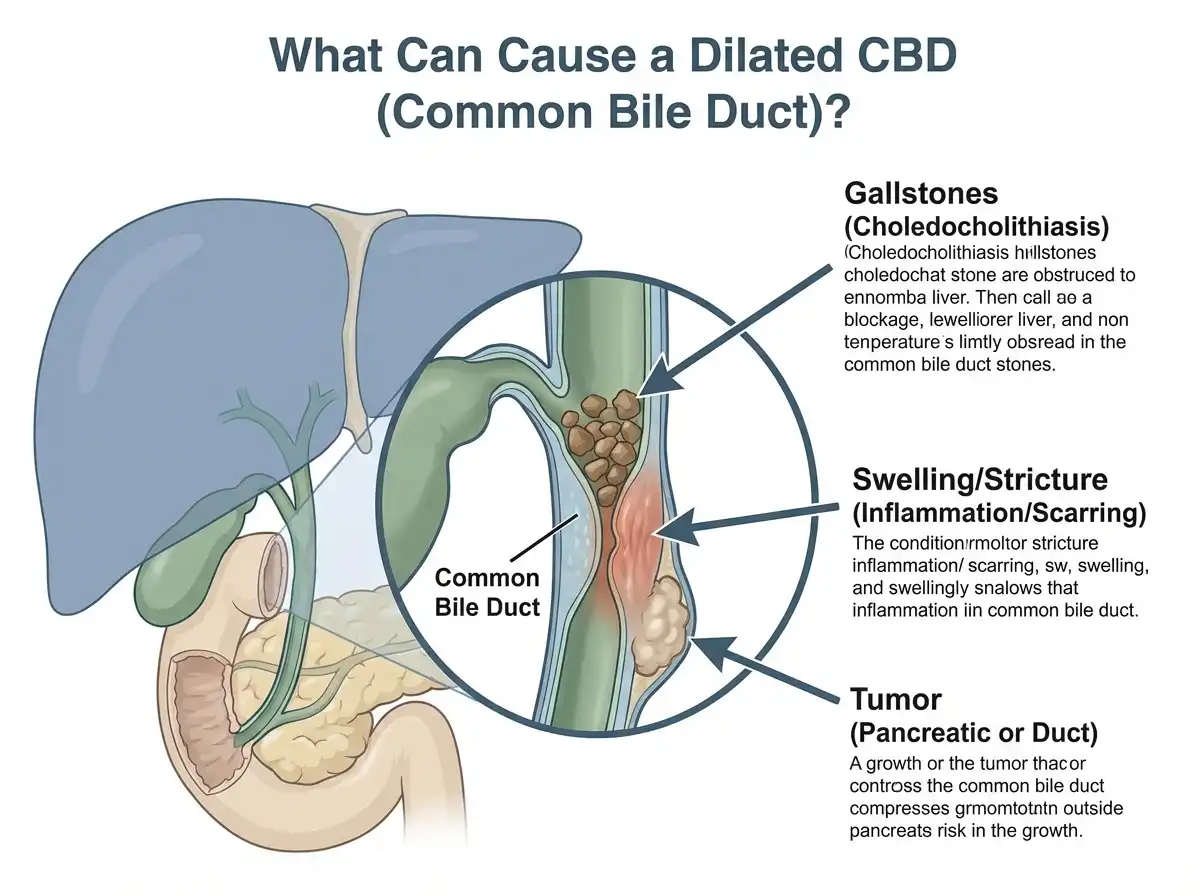
It is tempting to see “dilated” and jump straight to worst-case thinking. In reality, clinicians usually work through a shortlist and narrow it down using your symptoms, blood tests, and the rest of the scan report.
Common themes that can sit behind a “dilated CBD” comment include:
- Obstruction somewhere in the flow of bile, which can sometimes be a stone, swelling, or something pressing on the duct.
- Changes after gallbladder removal, where the biliary system may look a little different on imaging and needs interpreting in context.
- Age-related variation, where “normal” measurements can be a bit broader depending on the person and the imaging method used.
- Temporary changes, for example if there has been irritation in the area, or if the finding is borderline and needs a repeat look.
Here’s the thing: the radiologist is describing what they see, but your GP is the one who pulls it together with how you feel, your history, and your blood results. That is why two people can have the same phrase on a report, but a totally different plan afterwards.
If your report uses language like “correlate clinically” or “correlate with LFTs”, it is basically saying: “This finding needs to be interpreted alongside symptoms and liver blood tests.”
CBD stones medical abbreviation: what it refers to
“CBD stones” or “stone in CBD” nearly always means a gallstone sitting in the common bile duct. You might also see “choledocholithiasis”, which is the medical term for the same idea.
What many people overlook is that “CBD stones” has nothing to do with cannabidiol, even if you have been taking CBD oil for months. It is simply a shorthand description of location: stones in the bile duct.
Why the wording can be confusing
In wellness, we talk about CBD in milligrams. In radiology, they talk about the CBD in millimetres and whether it looks clear. Same letters, totally different conversation.
If you see “?CBD stone” with a question mark, that usually means “possible stone”, not confirmed. Follow-up imaging or specialist review may be suggested depending on the full picture.
ERCP and MRCP: acronyms you might see near “CBD”
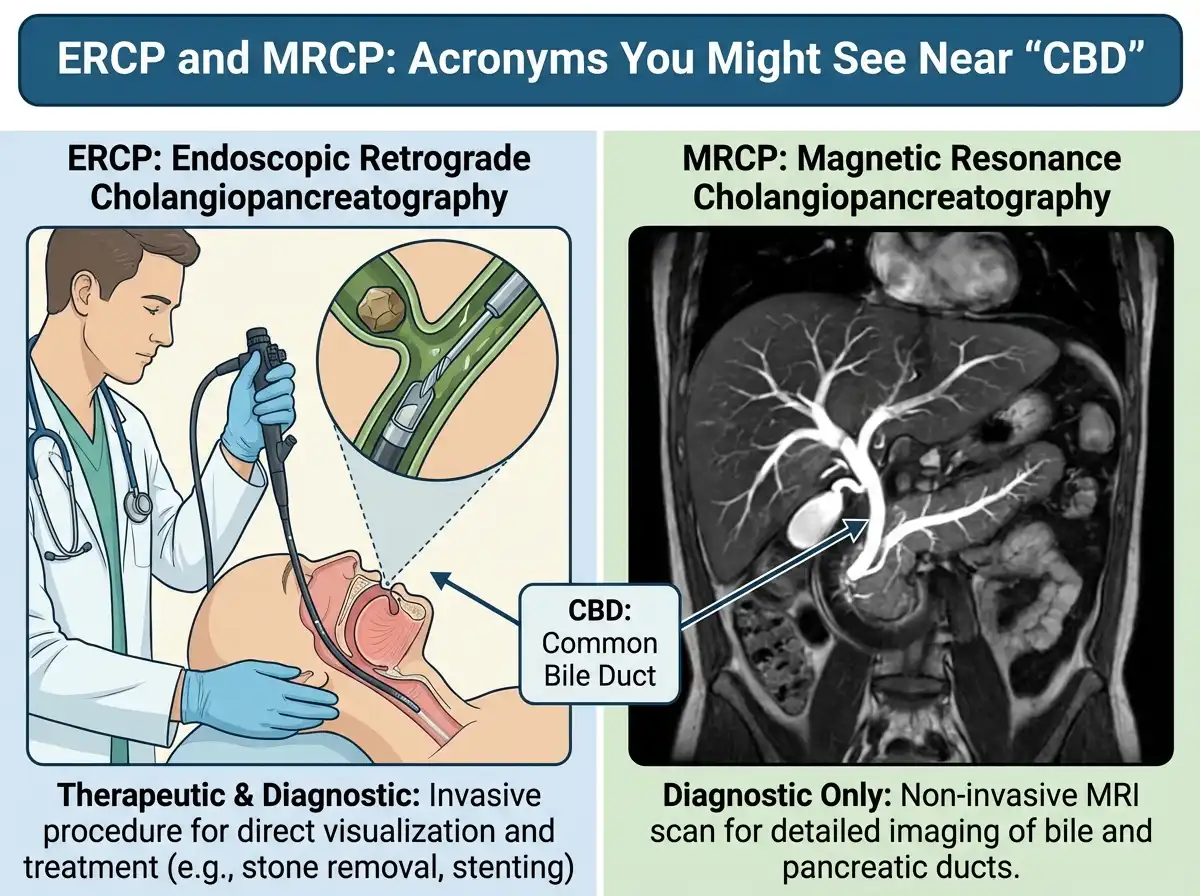
When “CBD” means common bile duct, it often shows up next to other abbreviations that look equally cryptic. Two of the big ones are ERCP and MRCP.
What is MRCP?
MRCP is a type of MRI scan that focuses on the bile ducts and pancreatic ducts. It is often used when a clinician wants a clearer look at the duct system, especially if ultrasound or CT has raised a question like “possible stone” or “mild dilatation”.
What is ERCP?
ERCP is a specialist procedure that can be used to investigate the bile duct system more directly. You might see it mentioned if there is concern about a blockage that needs further assessment. Your clinician would talk you through why it is being suggested and what the next steps look like in your situation.
If you see either of these on paperwork, treat them as context clues that “CBD” is almost certainly common bile duct, not cannabidiol.
CBD medical abbreviation liver notes: how they connect
People often search “CBD medical abbreviation liver” because scan reports mention the liver and CBD in the same paragraph. That is normal, because the common bile duct is part of the liver and biliary system.
In practice, notes might mention:
- liver appearance (for example “fatty change”, “cysts”, “lesions”)
- gallbladder findings (stones, inflammation)
- bile ducts (including the CBD) and whether they look dilated
If you are a CBD oil user, you might wonder whether cannabidiol can affect liver blood tests. Research is still developing, and context matters a lot, including dose, other medications, and existing health conditions. If you are taking any regular medication, it is sensible to read CBD and Medication and speak to your GP before changing anything.
When “CBD” means cannabidiol instead (the wellness meaning)
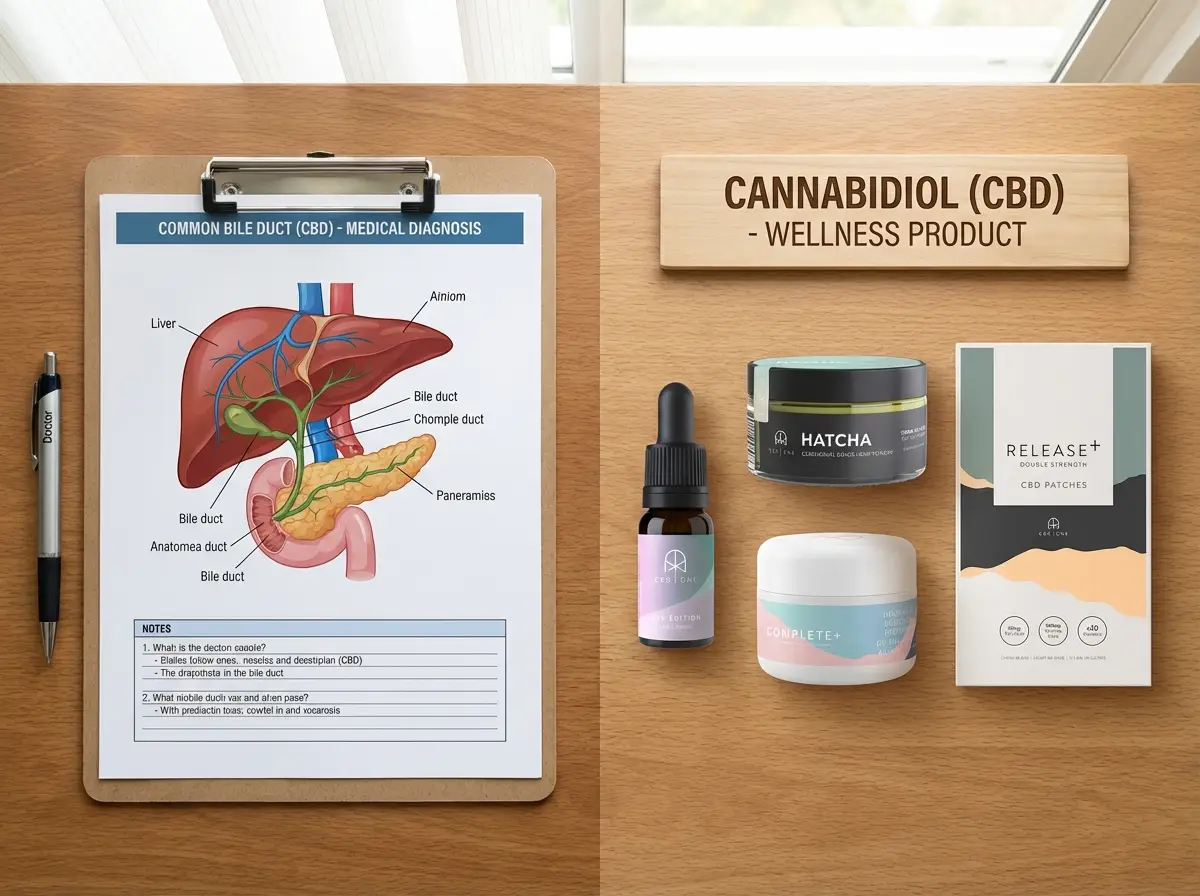
Now, when it comes to CBD in the wellness world, we are talking about cannabidiol, a non-intoxicating cannabinoid from the hemp plant. It is often taken as an oil, a capsule, a drink additive, or a topical.
Think of it this way: “CBD” on a supplement label is an ingredient. “CBD” on an ultrasound report is anatomy.
How to recognise cannabidiol on labels and websites
You will usually see cannabidiol CBD described alongside:
- strength in mg (for example 500mg per 10ml)
- extract type, such as full spectrum or isolate
- recommended daily use, and a warning not to exceed it
- independent lab testing or a certificate of analysis
In the UK, the Food Standards Agency recommends healthy adults do not exceed 70mg CBD per day. That is a general safety guideline, not a target to aim for.
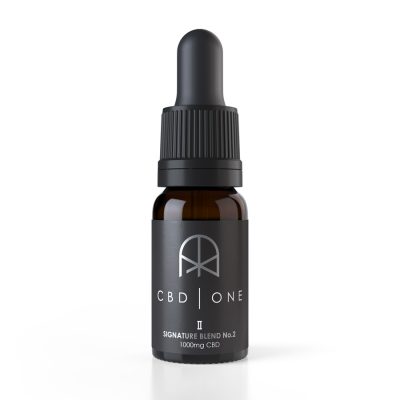
At CBD One, our core oils are full spectrum because we believe the Entourage Effect is how nature intended hemp compounds to work together. If you are browsing formats, you can see typical examples on the CBD Oils page.
“CBD” outside medicine and cannabidiol: other common meanings
Just to add one more layer of clarity, “CBD” can also mean things completely unrelated to either bile ducts or cannabidiol. This is not the main reason people land on this page, but it can explain why search results sometimes look messy.
- In everyday language, CBD can refer to a city’s “central business district”.
- In some hospital systems, acronyms can vary by department, so the safest approach is always to check the surrounding wording, or ask what the abbreviation means in that specific letter.
If the document is clearly about your abdomen, liver, gallbladder, or bile ducts, you can safely assume “CBD” is common bile duct unless stated otherwise.
Medical CBD, medical cannabis, and UK wording (including “Releaf” searches)
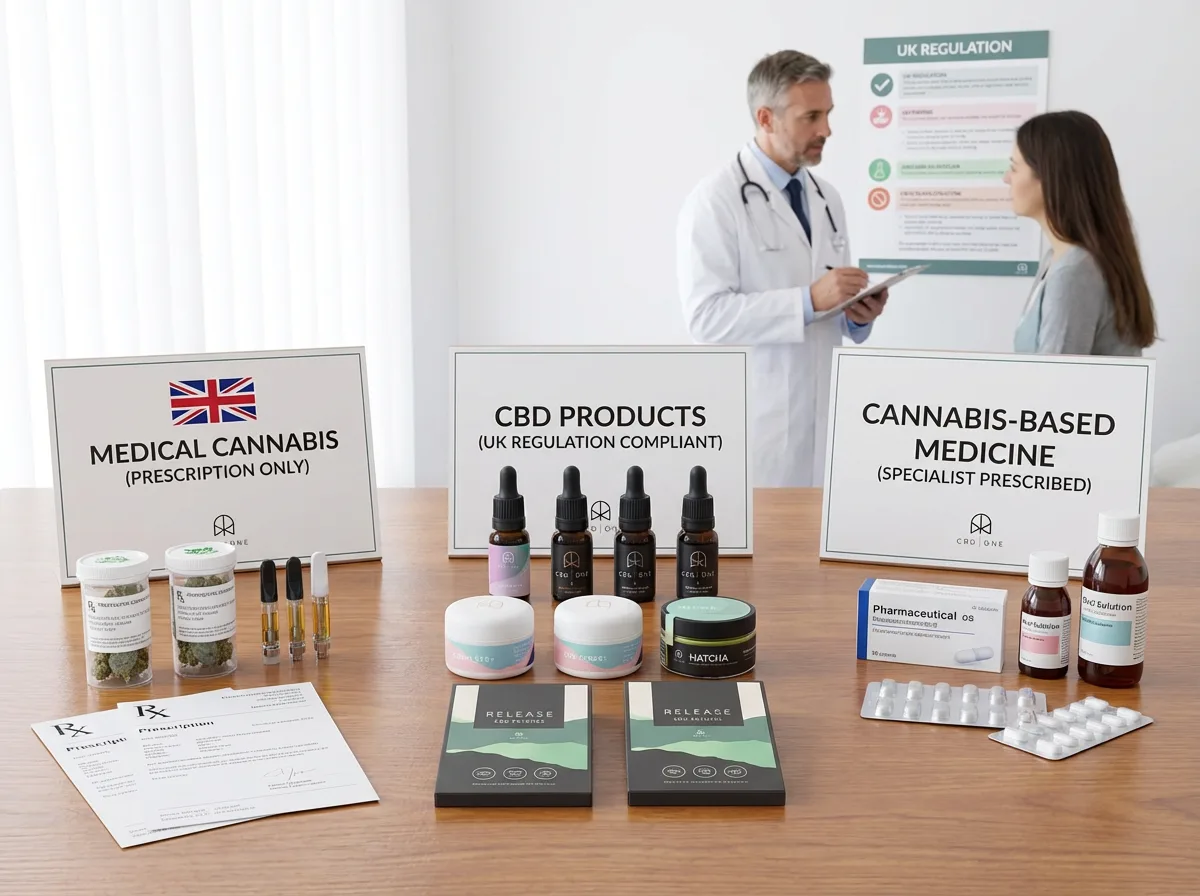
A lot of people search “medical CBD” when they really mean one of three things: prescribed cannabis-based medicines, over-the-counter CBD supplements, or CBD-rich products they have seen on clinic sites and forums.
In the UK, CBD supplements are not medicines and cannot be marketed as treatments. Separate to that, medical cannabis may be prescribed by specialist doctors in certain circumstances, but that is a different pathway with different rules.
If you are wondering whether CBD oil needs a prescription, this article is worth a read: Does CBD Oil Need A Prescription?. It will help you separate the words people use casually from the legal and clinical reality.
As for searches like “medical cannabis UK Releaf CBD”, be careful with assumptions. Brands, clinics, and marketplaces change quickly. The key is to check whether you are looking at a regulated prescription service, or a wellness supplement product that should stay firmly in the “support” lane.
What to do next if you see “CBD” in medical notes
If “CBD” appears in your results, do not panic and do not self-diagnose from Google alone. Use the context clues first, then ask for clarity.
A simple step-by-step approach
- Read the sentence before and after “CBD”. Look for bile duct language versus hemp language.
- If it is the common bile duct, ask your GP what the finding means for you, not what it means in general.
- If you take cannabidiol products, mention them honestly, especially if you take medication.
- If you want to explore products, focus on quality and transparency rather than hype. A good starting point is a grounded CBD Buying Guide.
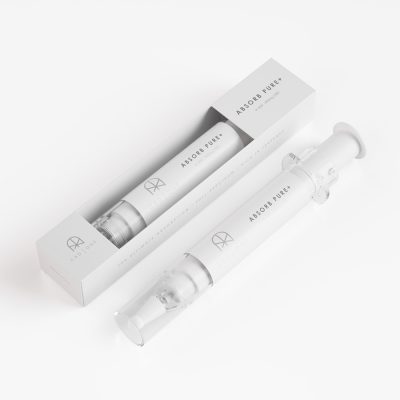
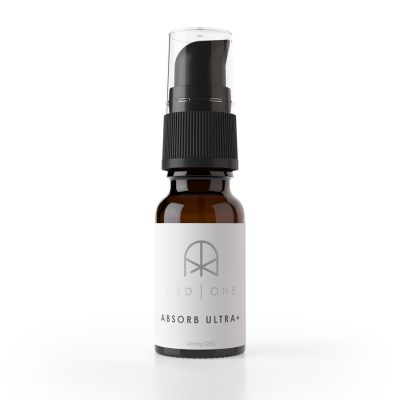
From a practical standpoint, the best wellness routine is the one you can repeat. Some people like classic drops, others prefer flavourless options they can add to a drink. One example is CBD One’s Absorb range, which sits in the Water Soluble CBD category and is designed for easy daily use.
If you are trying to sense-check strength and serving sizes, use a tool like our CBD dosage guide calculator as a starting reference. Then adjust slowly based on how you feel, staying within the UK’s 70mg per day guidance for healthy adults.
And if you are comparing formats, strengths, or ingredient styles, you might find this helpful: CBD Product Comparison.
Frequently Asked Questions
What does CBD stand for in medical terms?
In medical notes and scan reports, “CBD” most commonly stands for common bile duct. That is a tube that carries bile from your liver and gallbladder into your small intestine. You will often see it mentioned on ultrasound, CT, or MRI reports of the abdomen. If the report talks about bile, gallbladder, stones, obstruction, or duct size, it is almost certainly referring to the common bile duct, not cannabidiol.
What does “dilated CBD” mean on an ultrasound report?
“Dilated CBD” typically means the common bile duct looks wider than expected. It is a descriptive finding, not a diagnosis on its own. Clinicians interpret it alongside symptoms (like pain, fever, jaundice), blood tests (often liver function tests), and your medical history. If you see this phrase, the best next step is to ask your GP what the measurement was and whether follow-up imaging or referral is recommended for your specific situation.
What is the CBD stone medical abbreviation?
When someone writes “CBD stone” they usually mean a gallstone in the common bile duct. You might also see “stone in the CBD” or the longer term “choledocholithiasis”. This has nothing to do with CBD oil or cannabidiol. It is purely about anatomy and the location of a suspected or confirmed stone. If you are unsure, ask whether the report says “possible” versus “confirmed”, and what the plan is for monitoring or treatment.
Does “CBD” in liver notes mean I have a liver problem?
Not necessarily. The common bile duct is part of the liver and biliary system, so liver and CBD are often discussed together on reports. A scan might comment on the liver appearance and also note whether the bile ducts (including the CBD) look normal. Many findings are incidental and need context before they mean anything. If you are worried, ask your clinician how the scan findings line up with your symptoms and blood tests, rather than reading the wording in isolation.
How can I tell if CBD means cannabidiol or common bile duct?
Look at the surrounding words. “CBD” meaning common bile duct usually appears near terms like bile, gallbladder, duct, stones, obstruction, pancreas, or ERCP. “CBD” meaning cannabidiol usually appears near mg amounts, oil, hemp, full spectrum, isolate, THC, or lab testing. If your paperwork is from radiology or gastroenterology, it is almost always common bile duct. If it is on a supplement label, it is cannabidiol.
Is “medical CBD oil” a real prescription in the UK?
People use the phrase “medical CBD oil” in different ways, which is where confusion starts. Over-the-counter CBD oils sold as supplements are not medicines in the UK and cannot claim to treat conditions. Separately, some cannabis-based medicines can be prescribed by specialist doctors, but that is a different product category with different rules. If you are trying to work out what applies to you, it helps to separate “prescribed medical cannabis” from “non-prescription CBD supplement”.
What is “CBG” as a medical abbreviation? Is it related to CBD?
In the cannabinoid world, CBG means cannabigerol, another non-intoxicating cannabinoid found in hemp. In medical shorthand, “CBG” can occasionally mean other things depending on department and context, so it is important not to assume. If you see CBG in a supplement context, it is usually cannabigerol. If you see it in hospital notes, ask what it stands for in that specific letter. Context is everything with abbreviations.
If I take CBD supplements, should I tell my GP?
Yes, especially if you take prescription medication or you are being investigated for anything involving the liver. This is not about judgement, it is about safety and clarity. Many supplements can interact with medicines, and CBD may affect how some drugs are metabolised in the body. A simple line like “I take X mg of CBD as a supplement” helps your GP keep an accurate record and advise you sensibly. If you want a deeper safety read, see CBD and Medication.
What should I do if my report says “CBD dilatation” and I feel fine?
If you feel well, that is reassuring, but it is still worth a calm follow-up. Ask your GP whether the finding is mild, whether it could be age-related or post-surgery, and whether your blood tests were normal. Sometimes the next step is as simple as watchful waiting, repeat bloods, or a repeat scan. Avoid trying to “fix” it with supplements or diet changes without guidance, because the right approach depends on the underlying cause, if there is one.
Are CBD oils and water-soluble CBD the same thing?
They both deliver cannabidiol, but they are different formats. Traditional CBD oil is usually taken under the tongue, while water-soluble CBD is designed to mix into drinks and may feel easier to build into a morning routine. People choose based on taste preference, convenience, and how consistent they want their daily habit to be. If you are comparing options, check the label for total CBD in mg, suggested serving size, and whether it is full spectrum or isolate, plus lab testing.
Can “CBD” on a scan ever mean cannabidiol?
It is very unusual. On imaging and hospital paperwork, “CBD” nearly always means common bile duct. If a clinician is referring to cannabidiol in a medical record, they usually write it out as “cannabidiol” or describe it as “CBD oil”, “hemp extract”, or a supplement. If you are unsure, ask your GP what the abbreviation means in that specific report.
What is “MRCP” and why is it mentioned with CBD dilatation?
MRCP is a type of MRI scan designed to give a clearer picture of the bile ducts. If a report notes possible CBD dilatation or a possible stone, an MRCP may be suggested as a next step to get more detail. Your clinician will interpret the result alongside symptoms and blood tests to decide what, if anything, needs doing.
What does “CBD normal calibre” mean?
This is a reassuring phrase. It usually means the common bile duct looks to be a normal width on that scan. Reports often use wording like “normal calibre”, “not dilated”, or “unremarkable” to communicate that there is no obvious widening or blockage seen.
Is CBD legal in the UK if I mean cannabidiol?
Over-the-counter CBD products can be sold in the UK as supplements if they meet relevant regulations, but that does not make them medicines. Labels and marketing should stay away from medical claims, and reputable brands provide clear strength information and lab testing. If you are taking medication, pregnant, breastfeeding, or have ongoing health concerns, it is sensible to check with a healthcare professional before using CBD.
Key Takeaways
- In UK medical notes, “CBD” usually means the common bile duct, not cannabidiol.
- “Dilated CBD” is a description of duct width, not a diagnosis. Your GP interprets it using symptoms and blood tests.
- “CBD stones” means gallstones in the common bile duct. It is unrelated to CBD oil.
- If you use cannabidiol products, tell your GP, especially if you take medication.
- For wellness CBD, focus on quality, lab testing, and a routine you can stick to. Start low, go slow, and stay within UK guidance.
Conclusion
If you have spotted “CBD” on a scan report or in a clinic letter, the odds are it is the common bile duct, not cannabidiol. That one small detail can take the edge off the worry straight away. The next step is to read the surrounding wording, then ask your GP what the finding means for you, based on your symptoms and tests.
If you are here because you use CBD as a supplement, keep it simple: choose transparent products, keep your daily amount sensible, and treat it as a steady wellness ritual rather than a quick fix. And remember, in the UK CBD is not a medicine, so any responsible brand should talk about support, not cures.
If you want help sense-checking a CBD routine, Nick offers free advice. Just explore, ask, and go at your pace.