
CBD Isolate UK: UK Delivery & Best Prices (2026)
CBD isolate UK overview (what it is and why people buy it)
CBD isolate is cannabidiol that has been refined to remove other naturally occurring hemp compounds such as minor cannabinoids (like CBG), terpenes, flavonoids, and THC. In practice, isolate is usually a crystalline powder or solid, or it can be dissolved into an oil to make “CBD isolate oil”.
People typically search “cbd isolate uk” for a few reasons:
- THC-free preference: Isolate should contain no detectable THC, which can be appealing if you are cautious about workplace testing or simply want to avoid THC altogether.
- Flavour and simplicity: Isolate tends to be less “hempy” than full spectrum oils (especially when made into tasteless products).
- Custom dosing: Powder isolate can be measured and used in DIY recipes (although accuracy becomes your responsibility).
- Formulation: Some people want isolate for topicals, drinks, or capsules where they do not want hemp taste or the broader plant profile.
One important reality check: CBD isolate is not automatically “better”. Full spectrum products include multiple hemp compounds and may suit users who value the broader profile (often discussed as the entourage effect). If you want a balanced view of that concept, see our explainer on The Entourage Effect.
Key features to look for in a CBD isolate product
Because isolate is supposed to be simple, good products stand out mainly through transparency and usability. Here are the features that genuinely matter when comparing “UK delivery & best prices” claims.
1) Verified purity (not just “99%” on the label)
Look for a recent Certificate of Analysis (COA) from an independent lab showing:
- CBD content (so you can calculate dose properly)
- THC result (ideally “not detected”)
- Screening for contaminants (common ones include residual solvents, heavy metals, microbes and pesticides)
If a brand cannot easily provide a COA for the specific batch you are buying, treat “99%” claims as marketing, not proof.
2) Clear dosing information (especially for powders)
CBD isolate powders are easy to under-dose or over-dose if you do not have an accurate scale. A “best price” tub is not a bargain if it encourages sloppy dosing. If you prefer precise, repeatable use, pre-measured formats like patches can remove a lot of guesswork.
3) Format and bioavailability considerations
How you take CBD affects how much you may absorb. As a general rule, swallowing CBD (capsules, edibles) can be less efficient than formats designed for quicker uptake. Some brands try to improve this with water-soluble formulations, while transdermal products aim to deliver CBD through the skin over time.
Isolate itself is not inherently “more bioavailable” than full spectrum. It is the delivery format that usually makes the difference.
4) Ingredient list that matches the job
For isolate oils, check the carrier oil and any added ingredients. A short, sensible list is usually a good sign. For patches or topicals, confirm whether the CBD is isolate and whether the product is designed for slow release or targeted use.
5) Value beyond the sticker price
“Best prices” should consider:
- Cost per mg of CBD (a fair comparison across different sizes)
- Lab testing (a tested product is often better value than a cheaper, unverified one)
- Convenience (pre-measured dosing can save waste and time)
- Customer experience (delivery speed, returns, clear instructions)
Pros and Cons
Strengths
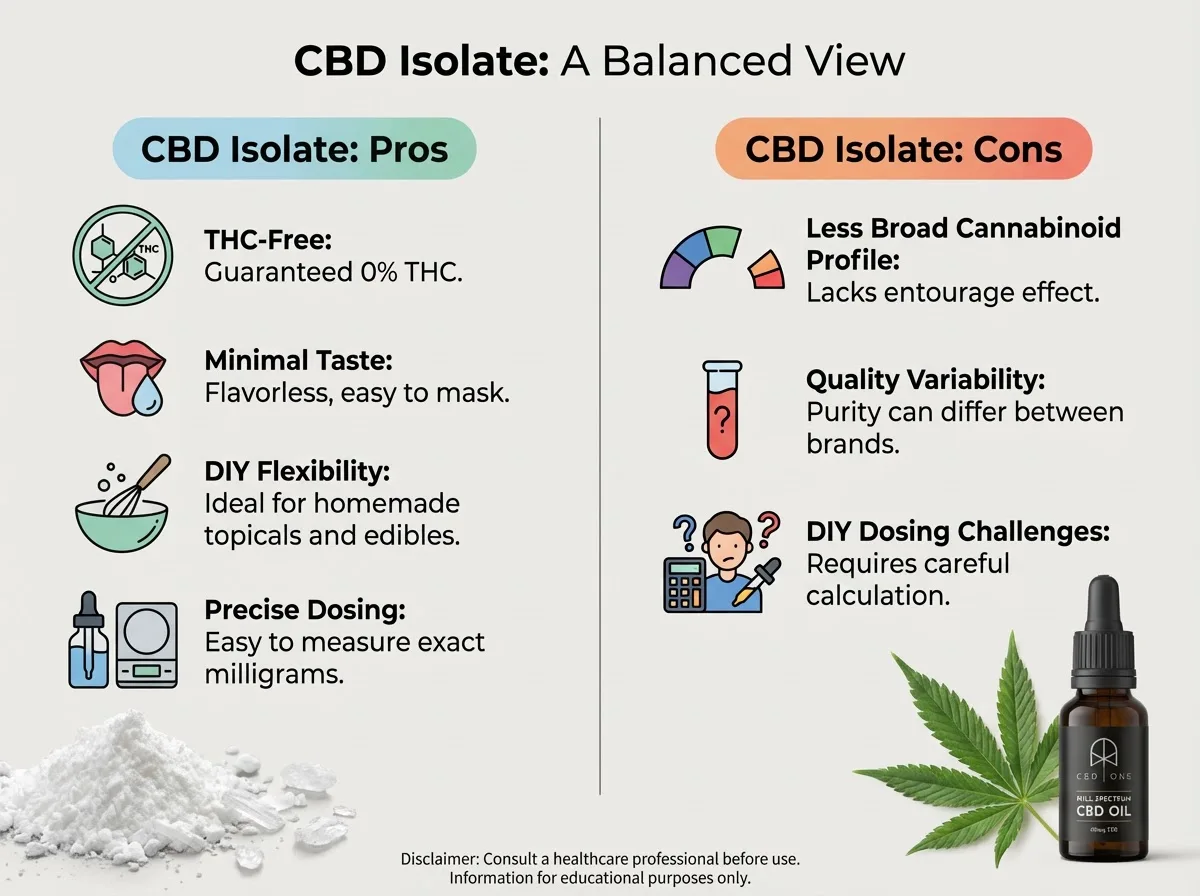
- THC-free by design: Suitable for people who want to avoid THC completely (for personal preference or professional reasons).
- Minimal taste and smell: Especially useful if you dislike the earthy flavour of many full spectrum oils.
- Simple ingredient story: Fewer hemp compounds can mean fewer variables if you are trialling CBD carefully.
- Flexible for DIY: Powders can be used to create your own oils, capsules, or topicals (with proper measuring).
- Precise products exist: Some isolate formats (like measured patches) can provide consistent dosing without the need for a dropper or scale.
Considerations
- May feel less “broad” than full spectrum: Some users prefer the wider cannabinoid and terpene profile found in full spectrum products.
- Quality varies a lot: Without batch-specific lab reports, it is hard to verify purity and safety.
- DIY dosing can be fiddly: Powders need accurate scales and good mixing for consistent results.
- Not automatically “stronger”: High purity does not guarantee you will prefer the experience versus full spectrum or broad spectrum.
Who CBD isolate is best for
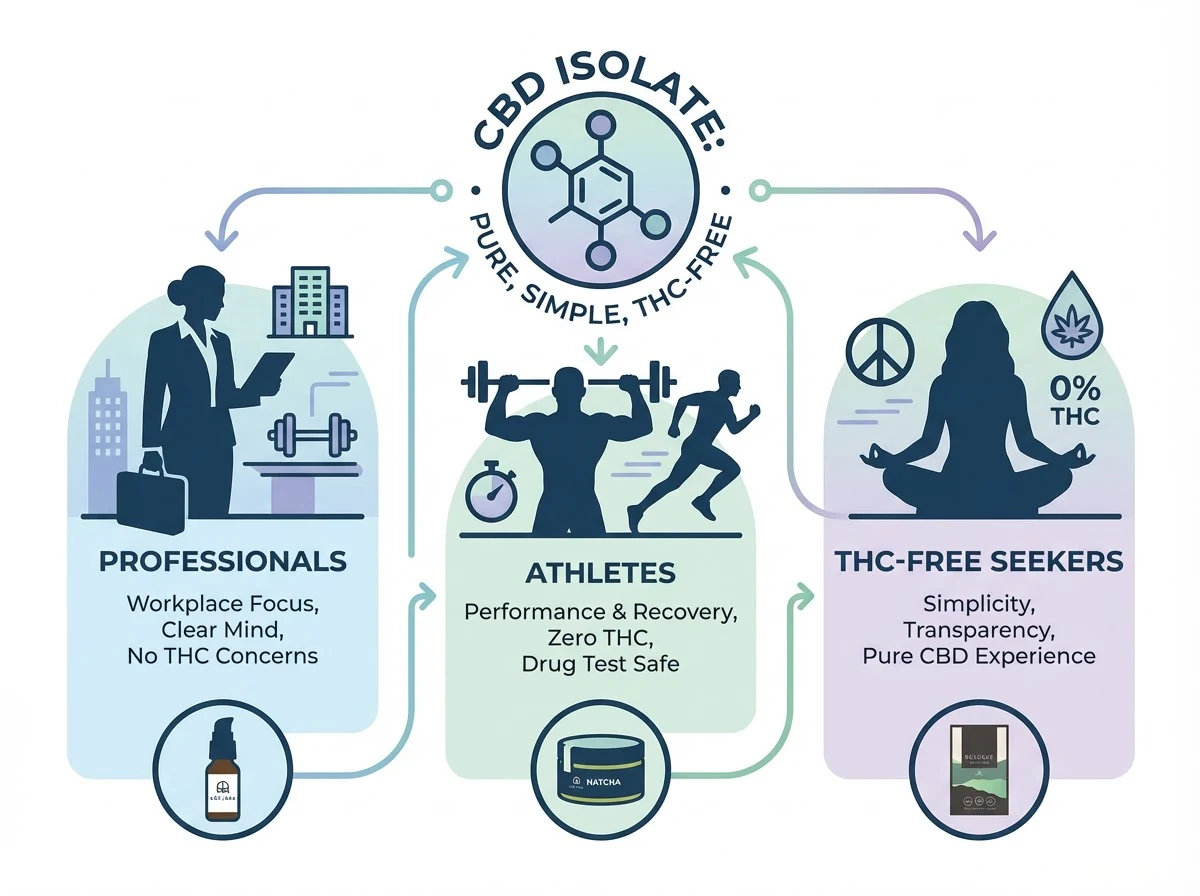
CBD isolate tends to suit you if you want a THC-free cannabinoid option, you prefer minimal hemp flavour, or you need a straightforward ingredient profile. It can also make sense if you are experimenting with CBD carefully and want to change only one variable at a time.
On the other hand, if you are specifically looking for a “whole plant” experience, or you are curious about minor cannabinoids and terpenes, isolate may feel a bit one-dimensional. In that case, it is worth comparing against full spectrum products and deciding based on your preference, not hype.
A CBD One THC-free alternative to isolate (UK delivery)
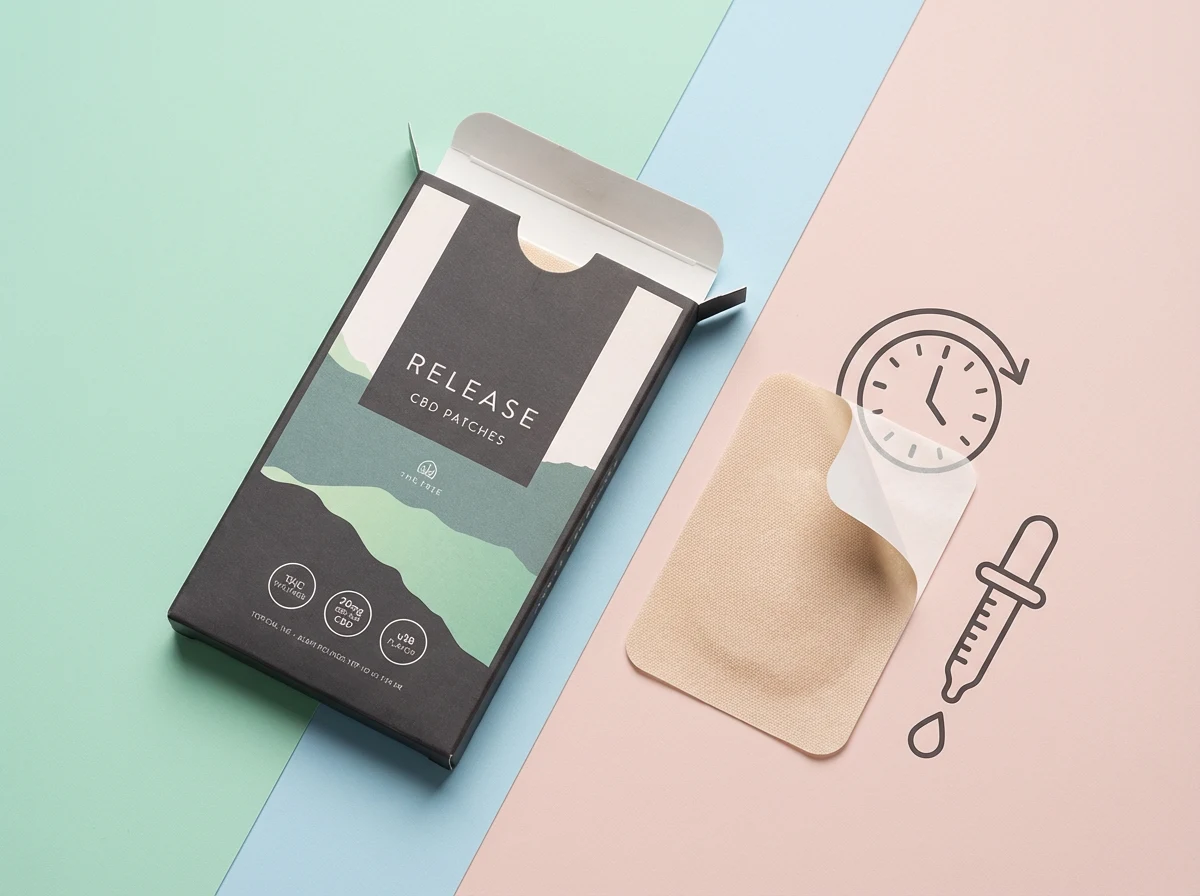
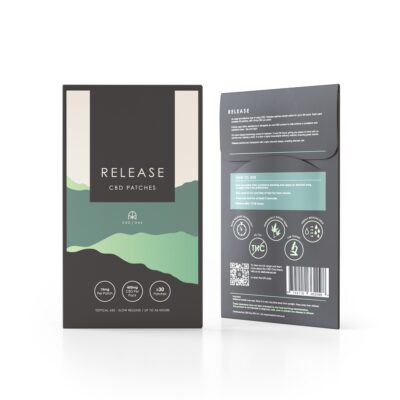
If you are searching for CBD isolate mainly because you want THC-free and consistent dosing, CBD One does offer isolate-based options, just not in the classic “99% powder” style. The most directly relevant are our transdermal CBD patches, which use CBD isolate and come in measured strengths, with lab verification and simple instructions.
Two options to consider:
- CBD Patches [30 x 15mg] | Release (£29.99) for a straightforward, daily measured option.
- 30mg High Strength CBD Patches [30 x 30mg] | Release+ (£44.99) if you prefer a higher per-patch amount.
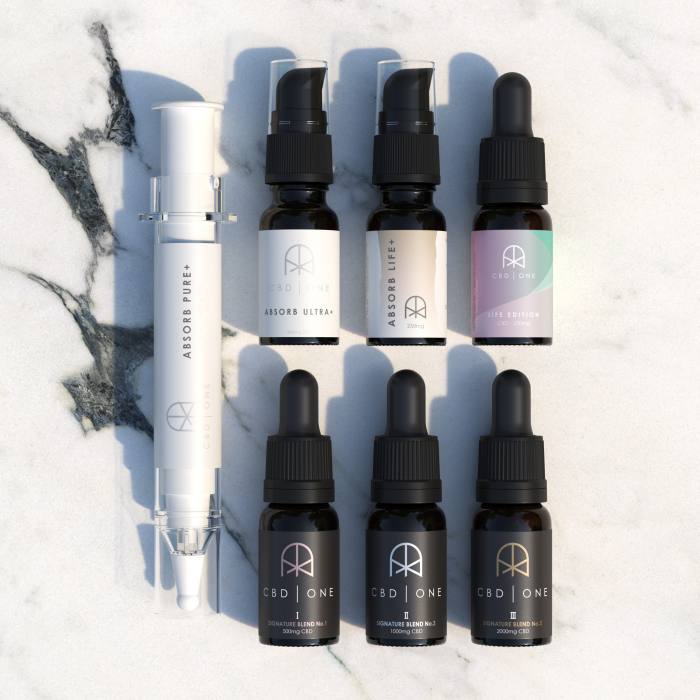
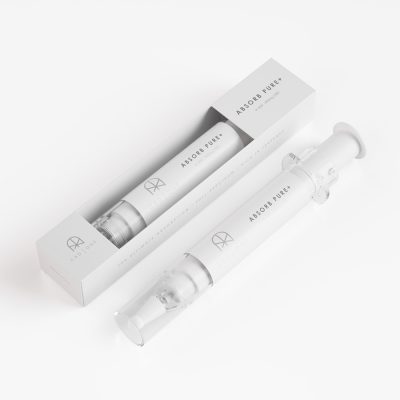
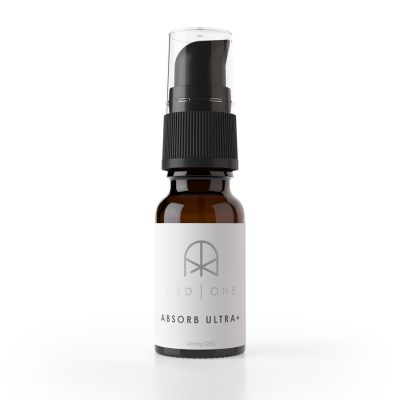
If your goal is convenience and better uptake rather than isolate specifically, you might also look at our water-soluble range, such as Absorb Ultra+ (£39.99), which is formulated for easy use in drinks. Limitations to be aware of: CBD One focuses on premium, lab-verified products, so we are not always the cheapest option, and our range is intentionally curated rather than massive.
Buying guide: how to choose CBD isolate in the UK
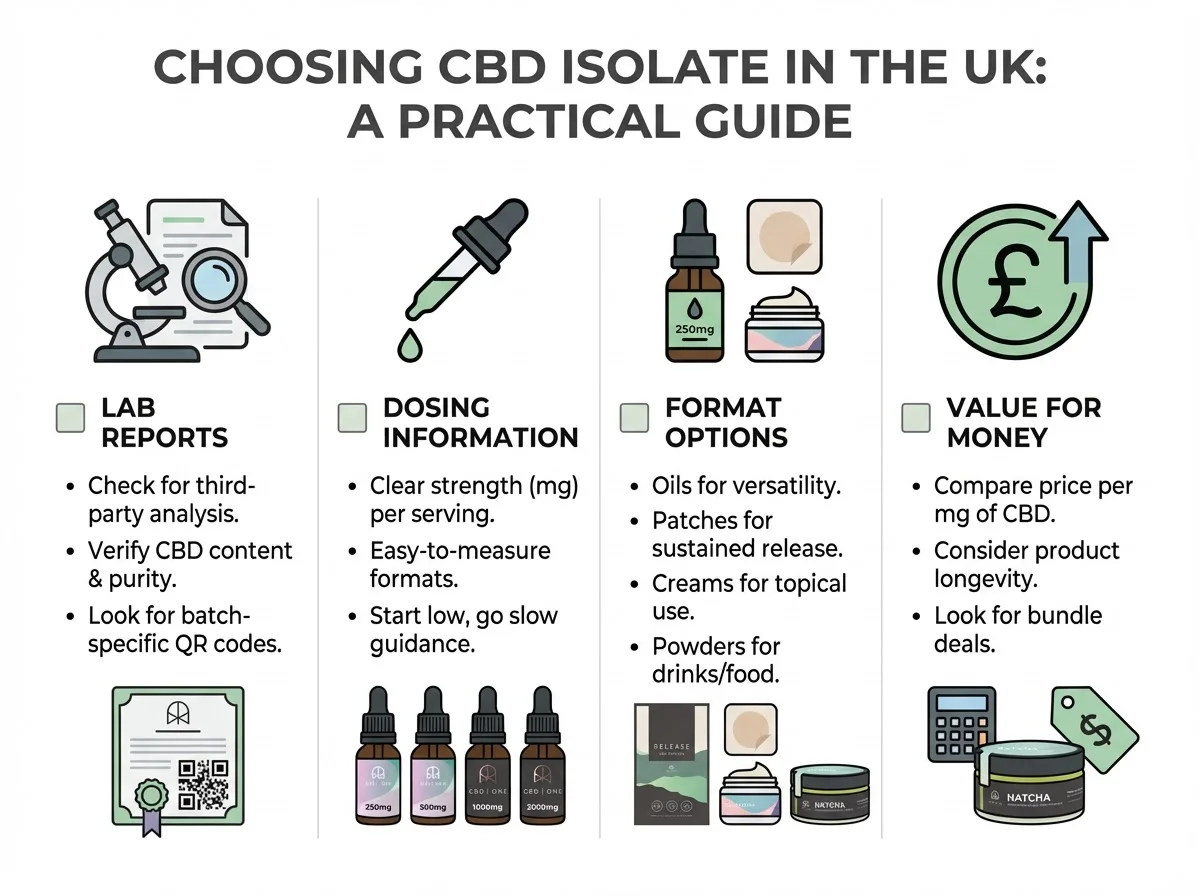
If you are comparing CBD isolate brands (or deciding between isolate powder, isolate oil, capsules, or patches), here is a practical checklist I would use.
1) Decide what “THC-free” needs to mean for you
In UK retail, you will see “THC-free” used in two main ways: (1) “no detectable THC” on a lab report, or (2) “contains THC within legal limits” (more common for full spectrum). If your job or sport is strict, you probably want isolate or a properly THC-free broad spectrum product with clear test results.
2) Choose your format based on your lifestyle
- Isolate powder: Flexible and potentially cost-effective per mg, but you need a precision scale and good mixing habits.
- CBD isolate oil: Easier than powder, but check the mg per bottle and mg per drop so dosing is clear.
- Capsules/edibles: Convenient, but you are usually swallowing CBD, which may reduce how much you absorb compared to other formats.
- Patches: Measured dosing and discreet use. A good option if you want consistency without droppers or DIY measuring.
- Water-soluble products: Designed to mix into drinks and may improve ease of use. If you are browsing this route, see the Water Soluble CBD category.
3) Look for batch-specific third-party lab reports
This is the biggest quality signal you can control as a buyer. A good COA should match the product name, batch number, and show cannabinoid content. Ideally it will also include contaminant testing. If you cannot find it quickly, ask the brand before buying.
4) Calculate value using “cost per mg”, not just the headline price
To compare value, divide the price by the total CBD content (in mg). That gives you a rough pence-per-mg figure. It is not the only factor, but it stops you being fooled by large tubs with vague CBD content, or tiny bottles with premium pricing and low mg.
5) Use a sensible dosing approach (and stay within UK guidance)
For healthy adults, the UK Food Standards Agency advises a maximum daily intake of 70mg CBD per day. Many people start lower and adjust gradually based on how they feel. If you want a practical framework, our CBD dosage guide is a good place to begin. If you take prescription medicines, it is sensible to speak with a pharmacist or GP first.
Where CBD One fits (and where it might not)
If you want isolate purely as an ingredient for DIY formulations or wholesale/bulk use, CBD One is probably not your best match, because our consumer range is geared towards ready-to-use products. But if you want THC-free, measured dosing with a simple routine, our isolate patches in the Topical CBD range are a practical alternative.
What many people overlook: isolate vs “CBD crystals” (and common label language)
When you search for CBD isolate in the UK, you will often see the word “crystals”. Most of the time, this is just another way of describing isolate in a solid form, often a crystalline powder or small shards.
Consider this before you buy: “CBD crystals” is not a regulated quality grade. It tells you the texture, not whether it is clean, accurately labelled, or properly tested. The same applies to phrases like “pure”, “premium”, or “99%”. They can be true, but they are only useful when a batch-specific COA backs them up.
If you want to compare products quickly, focus on three practical questions:
- Does the lab report match the exact batch you are buying?
- Does it show a clear “THC not detected” result if THC-free is your priority?
- Does it include contaminant screening, not just cannabinoids?
How CBD isolate is made (and why extraction method matters)
Isolate starts as hemp extract. Then it is refined and filtered repeatedly until most other plant compounds are removed, leaving CBD as the dominant component. Here is the thing: two products can both be “CBD isolate” and still differ in how carefully they were made.
From a practical standpoint, extraction and refinement matter because they influence what might be left behind. A well-made isolate should come with lab results that give you confidence not only in CBD purity, but also in low levels of common contaminants.
When brands talk about “clean extraction”, what you are really looking for is evidence in the COA. If the lab report is thin, outdated, or not batch-specific, you have no real way to know whether the process was as careful as the marketing suggests.
A practical safety section: side effects, interactions, and when to be cautious
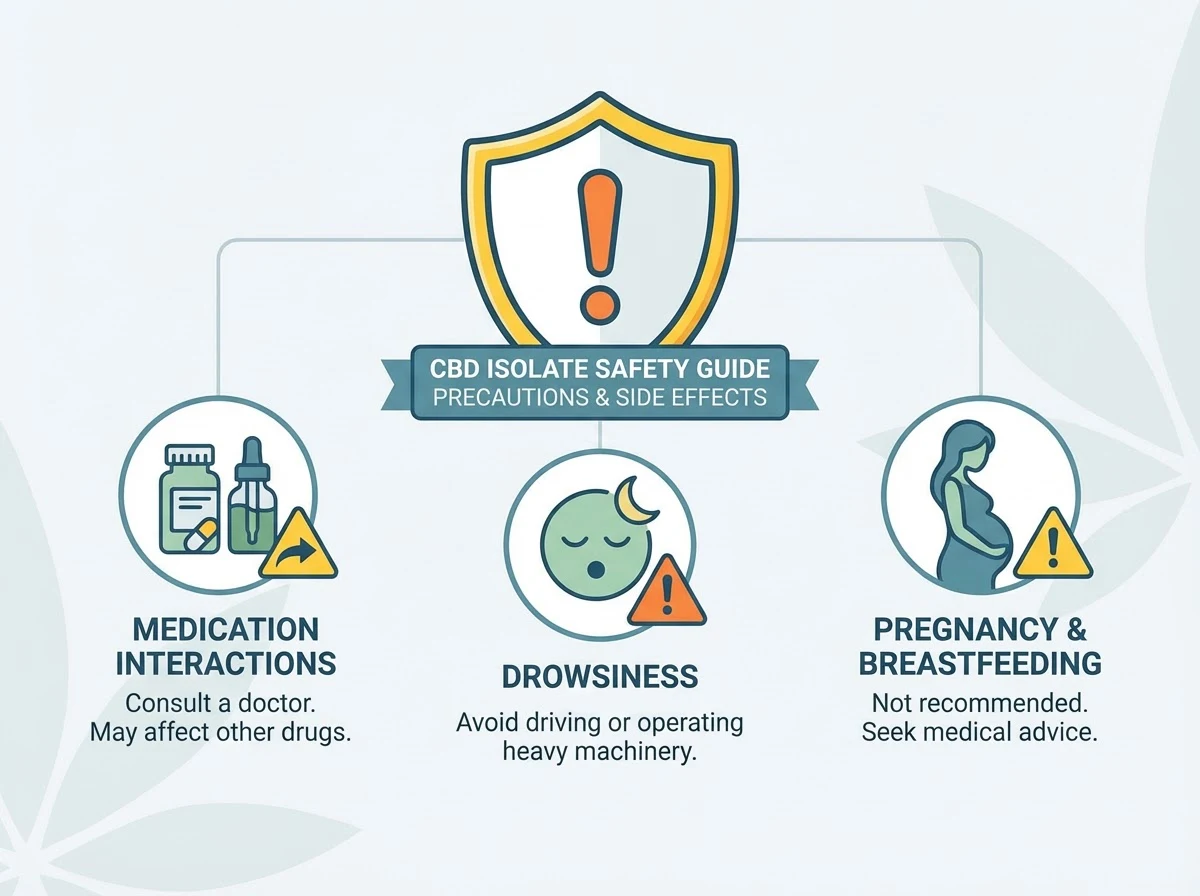
CBD is generally considered well tolerated by many adults, but that does not mean it is a “take anything, any time” supplement. Some people report side effects such as tiredness, changes in appetite, or digestive upset, particularly when they take more than their body is used to or when they change products suddenly.
Now, when it comes to CBD isolate specifically, the THC-free angle can make it feel like the safest option. It can be a sensible choice if you want to avoid THC, but you still need to think about the basics:
- Medication interactions: CBD may interact with some medicines. If you take prescription medication, speak with a pharmacist or GP before using CBD regularly.
- Alcohol and drowsiness: Some people find CBD makes them feel more relaxed or sleepy, especially early on. Be cautious with alcohol and avoid driving until you know how you respond.
- Pregnancy and breastfeeding: It is generally sensible to avoid CBD during pregnancy and breastfeeding unless your healthcare professional advises otherwise.
- Allergies and sensitivities: With isolate powders, the CBD might be “simple”, but the overall product still depends on how it is handled, packaged, and stored.
If you want to keep things straightforward, consistency helps. Use one product, one format, and make small changes slowly so you can actually notice what suits you.
Storage, shelf life, and keeping isolate dry
CBD isolate is fairly stable, but it is still worth storing it like a proper ingredient. The main enemies are heat, light, and moisture.
If you are using isolate powder or crystals, keep the lid tightly closed and store it somewhere cool and dark. Avoid leaving it in steamy bathrooms or open on the kitchen counter while you cook. Moisture can make powders clump, which is annoying for dosing and can lead to inconsistent scoops if you are not weighing properly.
For isolate oils, storage is similar: cool, dark, tightly closed. If an oil starts to smell off or looks unusual, it is worth replacing rather than trying to “use it up”.
Bulk CBD isolate: what to check before buying larger quantities
Bulk isolate can look like great value, especially if you are comparing cost per mg. But bigger tubs raise the stakes: if the product is not what it claims, you have wasted more money, and if storage is poor, you can end up with a degraded ingredient.
If you are considering bulk CBD isolate in the UK, I would check:
- Batch-specific COA for the exact bulk lot, not a generic sample report
- Contaminant testing (not just cannabinoid percentages)
- Clear net weight, stated CBD content, and realistic serving guidance
- Packaging that actually protects the product from moisture and light
- Customer support and returns policy, in case the product arrives damaged or you have questions about the documentation
Also be honest about what you will do with it. If you are not weighing doses precisely, bulk can become false economy, because inconsistent dosing often leads to inconsistent results, then people assume “CBD does nothing” and abandon it.
Travel and workplace testing: what “THC-free” can and cannot guarantee
A lot of people choose isolate because they want to keep things simple for work, sport, or travel. That makes sense, but it is worth being clear about expectations.
If a CBD isolate product is genuinely THC-free and backed by a batch-specific COA showing “not detected”, that reduces risk compared to products that contain trace THC within legal limits. Still, no supplement can offer a 100% guarantee of how every testing protocol will behave, especially if a person is using multiple products, uses higher amounts, or the product is not as accurately labelled as it should be.
If testing is a serious concern for you, keep your approach boring:
- Choose one THC-free product with clear batch testing
- Avoid mixing multiple CBD products at once
- Keep the packaging and COA accessible, especially when travelling
- Be cautious with any “full spectrum” product if your aim is to avoid THC completely
Frequently Asked Questions
What is CBD isolate?
CBD isolate is cannabidiol that has been refined to remove other hemp compounds like THC, terpenes and minor cannabinoids. It is typically sold as a crystalline powder, or blended into products like oils, capsules, or topicals. People often choose isolate for simplicity, minimal taste, and because it is designed to be THC-free when properly manufactured and tested.
Is CBD isolate legal in the UK?
CBD products are widely sold in the UK, but legality depends on meeting UK requirements, including controlled cannabinoid limits and compliance with relevant food rules (such as Novel Food expectations for ingestible products). Always buy from reputable brands that provide third-party lab reports and clear product information. If in doubt, ask the brand for documentation before purchasing.
Does CBD isolate contain THC?
CBD isolate is intended to contain no THC, and a quality product should show “THC not detected” (or equivalent) on a third-party lab report. That said, you should not rely on marketing alone. If avoiding THC is essential for you, only buy products with batch-specific lab results and clear labelling, and consider measured formats to avoid mix-ups.
CBD isolate vs full spectrum: which is better?
Neither is universally better, it depends on your preferences. Isolate is a single compound (CBD) and is typically chosen for THC-free simplicity. Full spectrum includes CBD plus minor cannabinoids and terpenes, with trace THC within legal limits, which some users prefer for a broader hemp profile. If you are curious about the “whole plant” argument, read The Entourage Effect.
How do you use CBD isolate powder?
People commonly mix isolate into carrier oils, add it to capsules, or use it in DIY topicals. The key is accurate measurement and thorough mixing, otherwise doses can be inconsistent. If you go down the powder route, a precision scale matters. If you want a simpler approach with measured dosing, products like CBD patches can be more convenient than DIY methods.
What is “CBD 99 isolate UK” and is 99% the same as quality?
“99% isolate” generally refers to the purity of CBD in the product, but the percentage alone does not guarantee overall quality. You still want third-party lab testing to confirm cannabinoid content and screen for contaminants. A trustworthy brand will provide a recent Certificate of Analysis for your batch, not just a generic statement on a product page.
What is the best way to take CBD isolate?
The “best” way depends on what you value: speed, convenience, taste, or measured dosing. Oils are popular and flexible, powders suit DIY users, and capsules are straightforward but less adjustable. Transdermal patches can be a good option if you want consistent, measured use without droppers. Whatever format you choose, start low and build gradually.
How much CBD isolate should I take per day?
For healthy adults, the UK Food Standards Agency advises not exceeding 70mg CBD per day. Many people start with a lower amount and adjust slowly. Your ideal amount can vary based on body size, product format, and individual sensitivity. For a practical starting point and how to adjust, see our CBD dosage guide and speak to a healthcare professional if you take medicines.
Can I drive after taking CBD isolate?
CBD is non-intoxicating, so it should not cause a “high” in the way THC can. However, individual responses vary, and some products can cause drowsiness in some users, especially when starting out. Also, if you are using non-isolate products, they may contain trace THC within legal limits. If you are new to CBD, see how you respond before driving.
Is CBD isolate good value compared to other CBD types?
It can be, particularly if you buy a verified, high-purity isolate and measure it accurately. But value is not just cost per gram. You should consider lab testing, ease of dosing, and waste. For some people, a measured format like patches is better value because it removes guesswork. For others, full spectrum oils are better value because they prefer the broader hemp profile.
Are CBD isolate “crystals” the same thing?
Often, yes. “Crystals” is commonly used to describe CBD isolate in a solid, crystalline form. The important bit is not the word “crystals”, it is whether the product is backed by a batch-specific COA showing CBD content, “THC not detected” if required, and contaminant testing.
Can CBD isolate make you feel “high”?
CBD is non-intoxicating, and isolate is designed to remove THC, the compound in cannabis associated with a “high”. So isolate should not produce an intoxicating effect. If you ever feel unexpectedly impaired after a CBD product, stop using it and review the lab report and ingredient list.
Can I fly or travel with CBD isolate in the UK?
Rules can vary by country and by airline, so it is worth checking before you travel. Within the UK, CBD products are widely sold, but you still want clear labelling and documentation, especially if you are carrying powders. Keeping the product in its original packaging and having access to the batch lab report can help if you are questioned.
Is CBD isolate suitable if I am regularly drug tested?
Many people choose isolate for this reason because it is intended to be THC-free. Still, drug testing protocols differ, and not all products are manufactured to the standard implied by their labels. If testing is a serious issue for you, choose a product with batch-specific lab results showing “THC not detected”, avoid mixing products, and speak with a professional at work or in sport if you need clear policy guidance.
Key Takeaways
- CBD isolate is designed to be THC-free and simple, but quality depends on third-party lab testing.
- “Best prices” should be judged by cost per mg, verified purity, and how easy it is to dose accurately.
- Isolate is not automatically “stronger” than full spectrum. Format and personal preference matter.
- If you want THC-free consistency without DIY measuring, isolate-based patches can be a practical alternative.
- Stick to sensible dosing and remember the UK FSA guidance of no more than 70mg CBD per day for healthy adults.
Conclusion
If your priority is THC-free CBD with a clean, simple profile, CBD isolate can be a sensible choice, as long as you buy based on lab evidence rather than label claims. Focus on batch-specific testing, clear CBD content, and a format that you can use consistently. For many people, the “best” product is the one you can dose accurately and stick with, not the cheapest tub online.
If you want a THC-free option with measured dosing and no mixing, take a look at CBD One’s isolate patches: CBD Patches [30 x 15mg] | Release (£29.99) or 30mg High Strength CBD Patches [30 x 30mg] | Release+ (£44.99). If you would like to browse the wider range, you can also start from our premium CBD oil page.