
CBD Cannabis: Complete UK Guide (2026 Guide)
In this guide, I will talk you through what people mean by “CBD cannabis”, how CBD differs from THC, what “full spectrum” really means, and how to make sensible, safe choices. No hype, no scare tactics. Just clear, everyday guidance you can use when you are reading labels, speaking to a pharmacist, or deciding what fits your routine.
What “CBD cannabis” actually means in the UK
When someone searches for cbd cannabis, they are usually trying to understand one of three things: CBD products made from hemp, cannabis products that happen to contain CBD, or medical cannabis access in the UK.
From a practical standpoint, most high street and online “CBD cannabis” products in the UK are CBD supplements derived from industrial hemp. Hemp is the cannabis plant bred to be naturally low in THC. These products are not sold as medicines, and brands are not allowed to market them as treating or curing conditions.
Consider this: the words sound similar, but your experience will be very different depending on whether you are using a CBD oil with trace THC, a THC-dominant cannabis product, or a prescribed medical cannabis medicine.
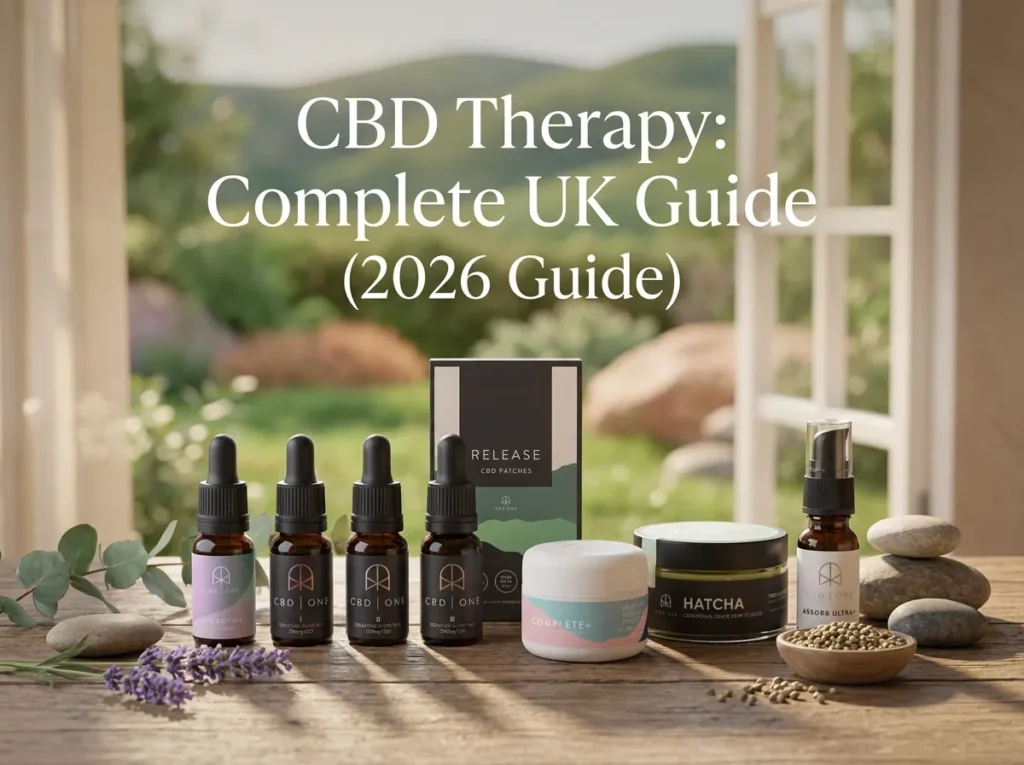
If you are new to the basics, it can help to start with a clear overview of premium CBD oil and how it fits into everyday wellness routines.
CBD vs THC vs cannabis: the simple breakdown
CBD: non-intoxicating, wellness-focused
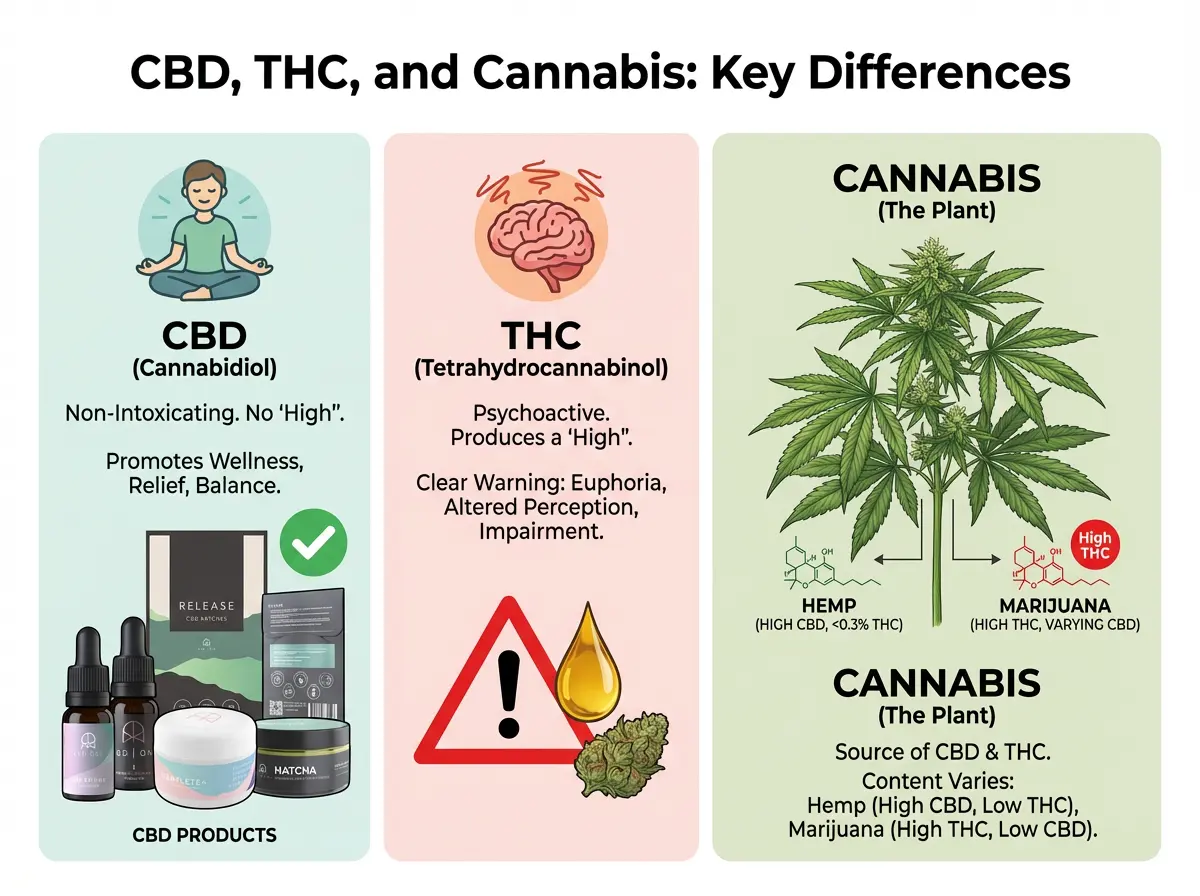
CBD (cannabidiol) is one of many cannabinoids found in cannabis plants. It is classed as non-intoxicating, meaning it does not produce the “high” associated with THC.
Many people use CBD as part of a wind-down routine, post-exercise ritual, or general wellbeing approach. The reality is, your response can be subtle and personal. Two people can take the same CBD and describe it differently.
THC: intoxicating, legally controlled
THC (tetrahydrocannabinol) is the cannabinoid most associated with intoxication. In the UK, THC is a controlled substance. Medical cannabis products that contain THC can be prescribed, but they sit in a different category to over-the-counter CBD supplements.
If you want a deeper look at the “will I feel high?” question, this article is worth reading: Does CBD oil get you high?
So where does “cannabis oil CBD” fit?
You will often see terms like “cannabis oil CBD” or “cannabis CBD oil”. In UK retail, that usually means “CBD oil made from hemp”. In other countries, “cannabis oil” might mean a high-THC extract, which is not legally sold as a wellness supplement here.
Think of it this way: the phrase is sloppy, but the label details (CBD amount, spectrum, lab report, THC statement) tell you what you are actually buying.
UK legality, THC limits, Novel Food and why it matters
Now, when it comes to CBD cannabis UK searches, legality is usually the real worry. You want to know: “Am I allowed to buy this?” and “Am I taking any risks?”
CBD products are legal, but they must meet specific rules
In the UK, CBD products are commonly sold as food supplements, not medicines. That means they cannot make medical claims, and they should follow food safety and labelling expectations.
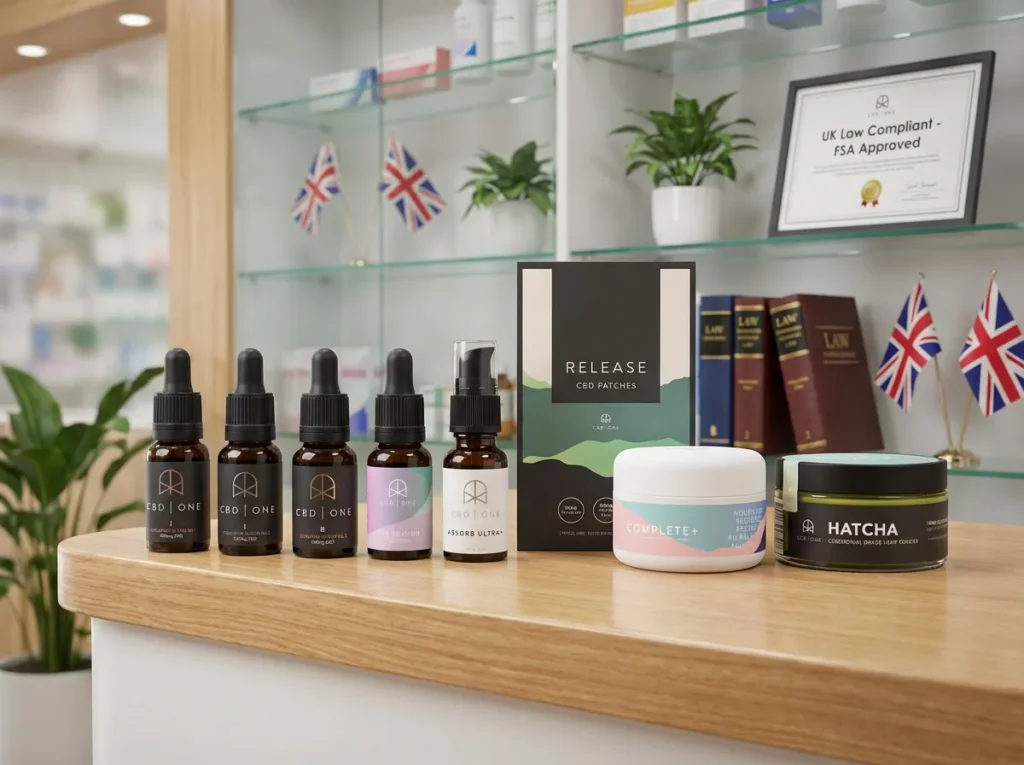
CBD extracts also fall under the UK Novel Food framework. In simple terms, the product should be associated with a compliant Novel Food application pathway. As a consumer, that matters because it pushes the market toward better quality control, safer manufacturing, and clearer labelling.
THC rules: “trace” is not the same as “none”
Full spectrum CBD products may contain trace THC, kept within legal limits. This is one reason you will see “full spectrum” and “THC-free” positioned differently. Neither is automatically “better”. It depends on your preferences, your job requirements, and your comfort level.
Important: if you are subject to workplace drug testing, it is sensible to speak to a professional and choose products carefully. Even trace THC can be a concern in some testing scenarios.
Medical cannabis in the UK is a separate pathway
Medical cannabis is available via specialist doctors for eligible patients, and products can include THC. This is not the same as buying a CBD supplement from a wellness brand. If you are exploring that route, always use a regulated clinic and discuss it with your GP or specialist care team.
What counts as “hemp” in the UK, and why it matters
People often say “CBD comes from hemp” as if that answers everything, but hemp is still cannabis. The difference is how it is bred and how it is regulated.
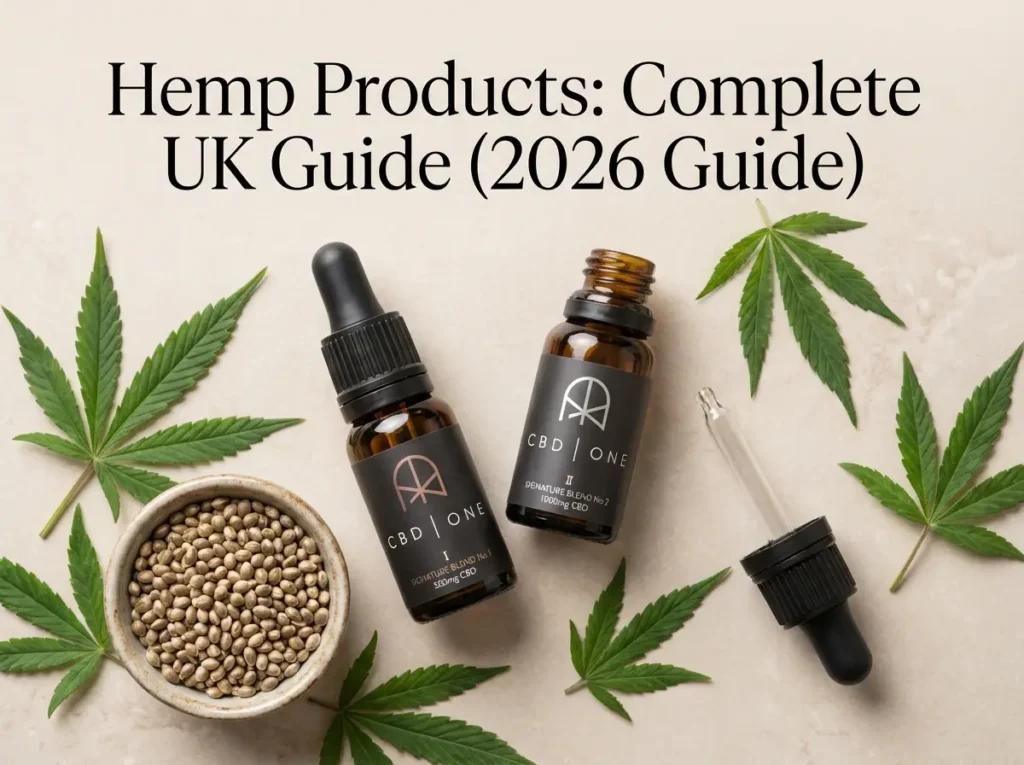
In the UK, hemp typically refers to low-THC varieties of Cannabis sativa grown under strict rules. From a consumer perspective, you do not need to memorise licensing details. You do want to recognise what “hemp-derived” should signal on a label: non-intoxicating intent, trace THC management, and proper testing.
What many people overlook is that “hemp” can show up on an ingredients list in a few different ways: hemp extract (which may contain cannabinoids), hemp seed oil (nutritional oil with little to no CBD), and hemp flavourings or terpenes (aroma profile). Those are not interchangeable, and they are not a guarantee of CBD content.
THC limits in practice: why “0% THC” can be misleading
Here’s the thing with THC statements: they are often simplified for marketing. You will see “0% THC”, “THC-free”, “no THC”, and “trace THC” used as if they all mean the same thing.
In real life, “0%” can be shorthand for “below the lab’s limit of detection” rather than a promise that THC is impossible to find. On the other side, “trace THC” does not mean a product will make you feel intoxicated, it just means the extract has a broader profile and is managed to stay within legal limits.
From a practical standpoint, if THC exposure is a deal-breaker for you (work testing, personal preference, competitive sport), look for a product with clear batch testing and a straightforward THC statement that is backed up by a COA. If you are not sure how to read it, ask the brand for help. A trustworthy company will not act offended by that question.
Full spectrum CBD and the Entourage Effect
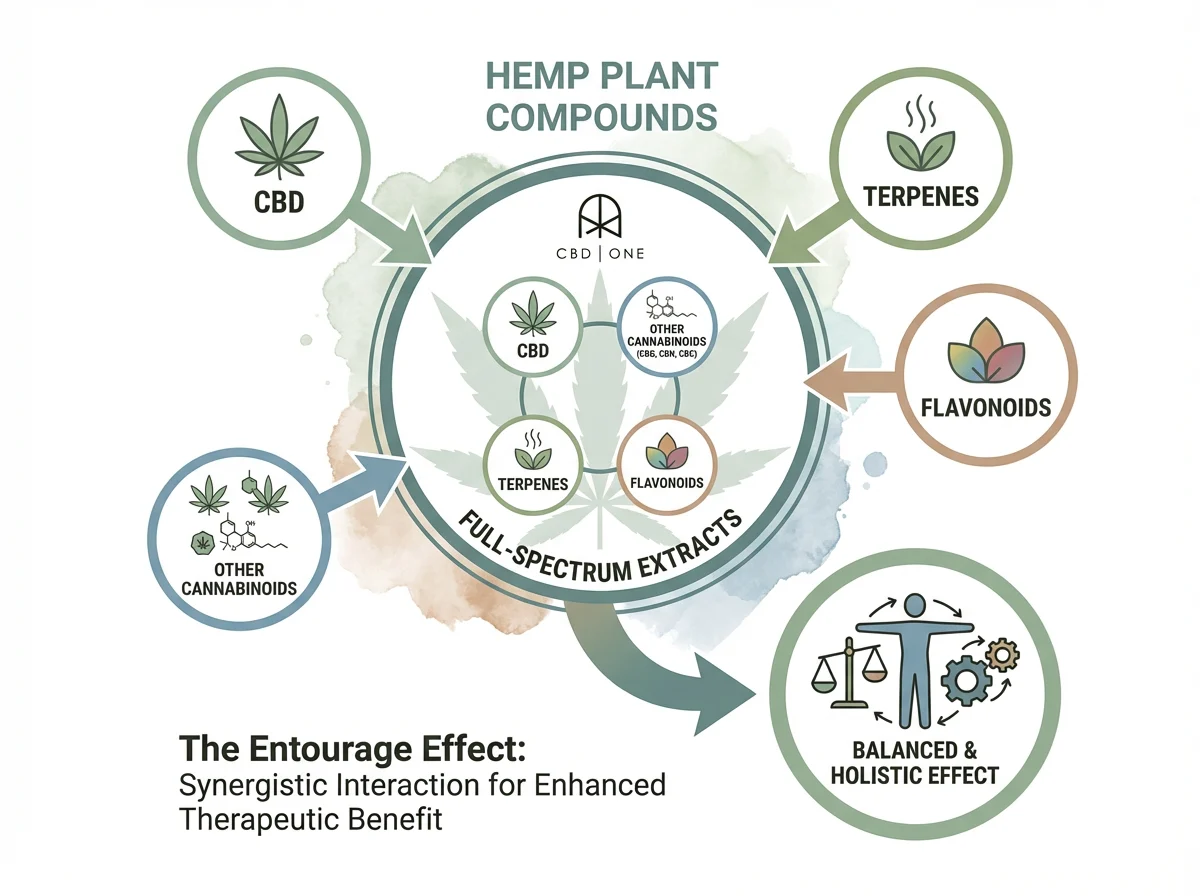
One of the most confusing parts of “CBD cannabis” is the idea that CBD is either a single ingredient or “the whole plant”. In reality, there is a spectrum.
What “full spectrum” really means
Full spectrum CBD typically contains CBD plus a range of minor cannabinoids, terpenes, and flavonoids, along with trace THC within legal limits. Many people choose it because it feels closer to how the plant naturally presents its compounds.
What many people overlook is that terpenes (the aromatic compounds in hemp) are not just about smell. They are part of the overall profile of the extract.
The Entourage Effect, explained simply
The Entourage Effect is the idea that cannabinoids and terpenes may work better together than in isolation. It is not a promise of results. It is a way of understanding why a broad plant extract can feel different to a single-molecule isolate.
If you want the longer version, have a read of The Entourage Effect.
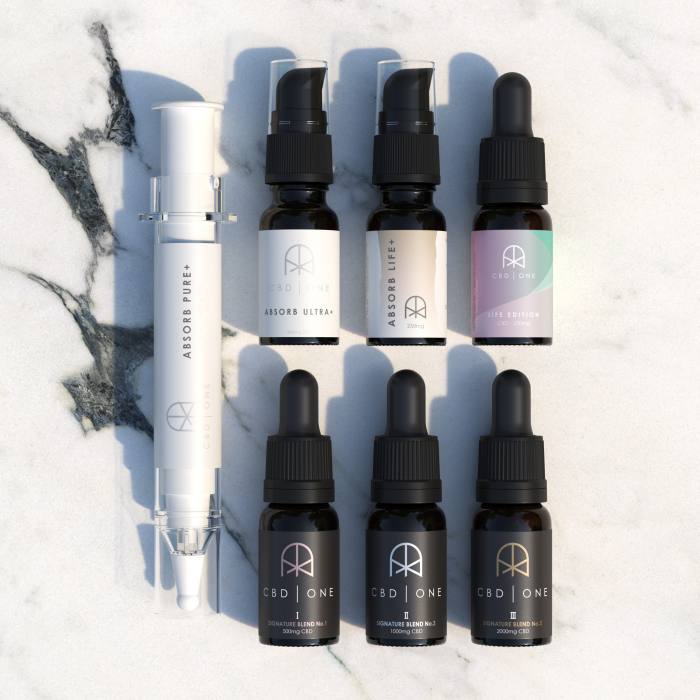
As one example, at CBD One we focus on full spectrum extracts across our core range because we like the whole-plant approach and the Entourage Effect philosophy.
CBD formats: oils, water soluble, topicals and patches
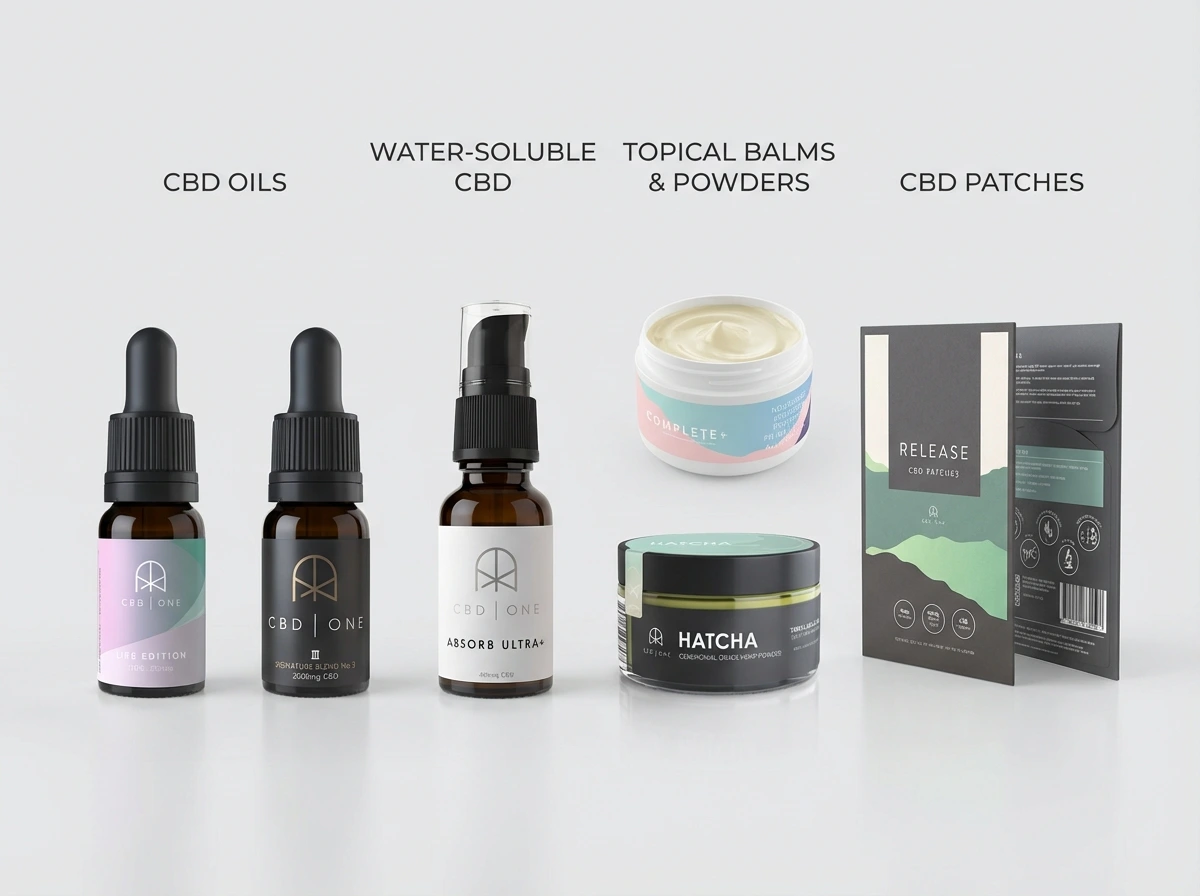
People often assume “CBD cannabis” means a single product type. In practice, format changes the experience, the routine, and how quickly you may notice effects.
CBD oils: simple, flexible, familiar
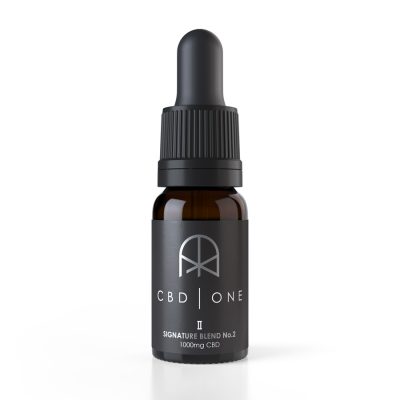
CBD oil drops are popular because you can adjust your serving gradually. They are also easy to anchor to habits you already have, like brushing your teeth or making a cup of tea.
On CBD One oils, the listed bioavailability is around 0.12 (often described as about 12%). That is one reason some people explore different formats if they want a different feel.
If you are browsing, the CBD Oils category is a useful place to compare strengths and decide what looks manageable.
Water soluble CBD: made for mixing into drinks
Water and oil do not naturally mix, so “water soluble” CBD uses emulsification to disperse cannabinoids in liquid. Some users prefer it because it is simple in a morning routine and avoids the taste of oil.
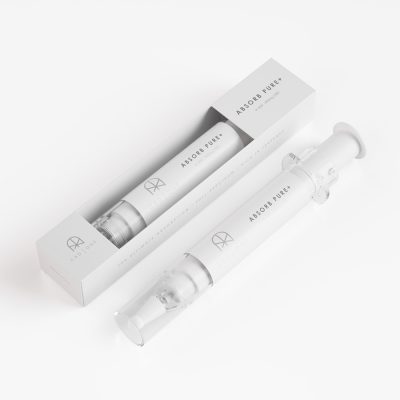
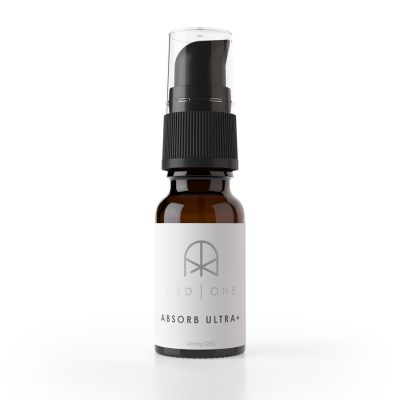
For example, CBD One’s Absorb range is designed to be added to hot or cold drinks with a measured pump. If you are curious about how drink formats compare, you can explore Water Soluble CBD and then decide whether that style suits your day-to-day.
Topicals and patches: local use and steady routines
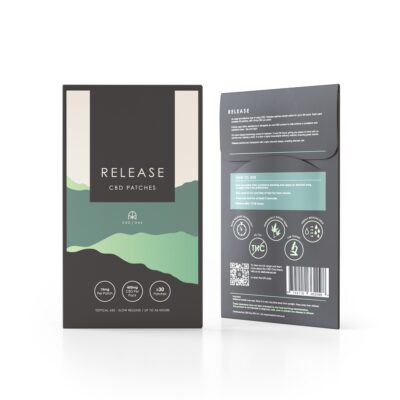
Topicals are applied to the skin as part of a body care routine. Patches are a different category again, designed for slow release over many hours. CBD One patches are made with CBD isolate and are labelled THC-free, which some people prefer for lifestyle reasons. Always follow the label instructions and treat these as wellness products, not medicines.
Drug testing, driving, and travel: sensible precautions
This is one of those areas where people want a yes or no answer, but real life is messier. CBD is non-intoxicating, but policies and testing methods are not always designed with nuance.
If your job includes drug testing, the safest approach is to talk to your workplace or occupational health team, then choose products with clear third-party lab results and conservative THC positioning. Even then, no supplement brand can responsibly promise you will never run into an issue, because testing thresholds and individual metabolism vary.
Now, when it comes to driving, the key point is impairment. You should not drive if you feel impaired for any reason, whether that is tiredness, medication, alcohol, or something else. If you are using prescribed medical cannabis that contains THC, follow your prescriber’s guidance and be honest with yourself about how you feel. For over-the-counter CBD supplements, many people feel comfortable using them in everyday routines, but you still want to be cautious the first few times you try a new product or strength.
Travel is similar. UK-legal does not automatically mean “legal everywhere”. If you are travelling, check the rules of your destination country and any countries you transit through, and consider taking packaging that clearly shows ingredients and cannabinoid content. When in doubt, speak to a pharmacist or travel health professional before you go.
Hempseed oil vs CBD oil: the label confusion to avoid
One of the most common “CBD cannabis” mistakes is buying the wrong thing because the words look similar.
Hempseed oil is pressed from hemp seeds. It is a nutritious culinary oil, and it is great in its own lane. It usually contains little to no CBD, because cannabinoids are found mainly in the flowers and leaves, not the seeds.
CBD oil, on the other hand, is made by combining a CBD-rich extract with a carrier oil. A proper CBD oil should tell you the CBD content in mg, not just “hemp” on the front label. If a product only talks about hempseed oil, and does not state CBD in mg, it is not the same thing as a CBD supplement.
How to choose quality CBD (and avoid nonsense)
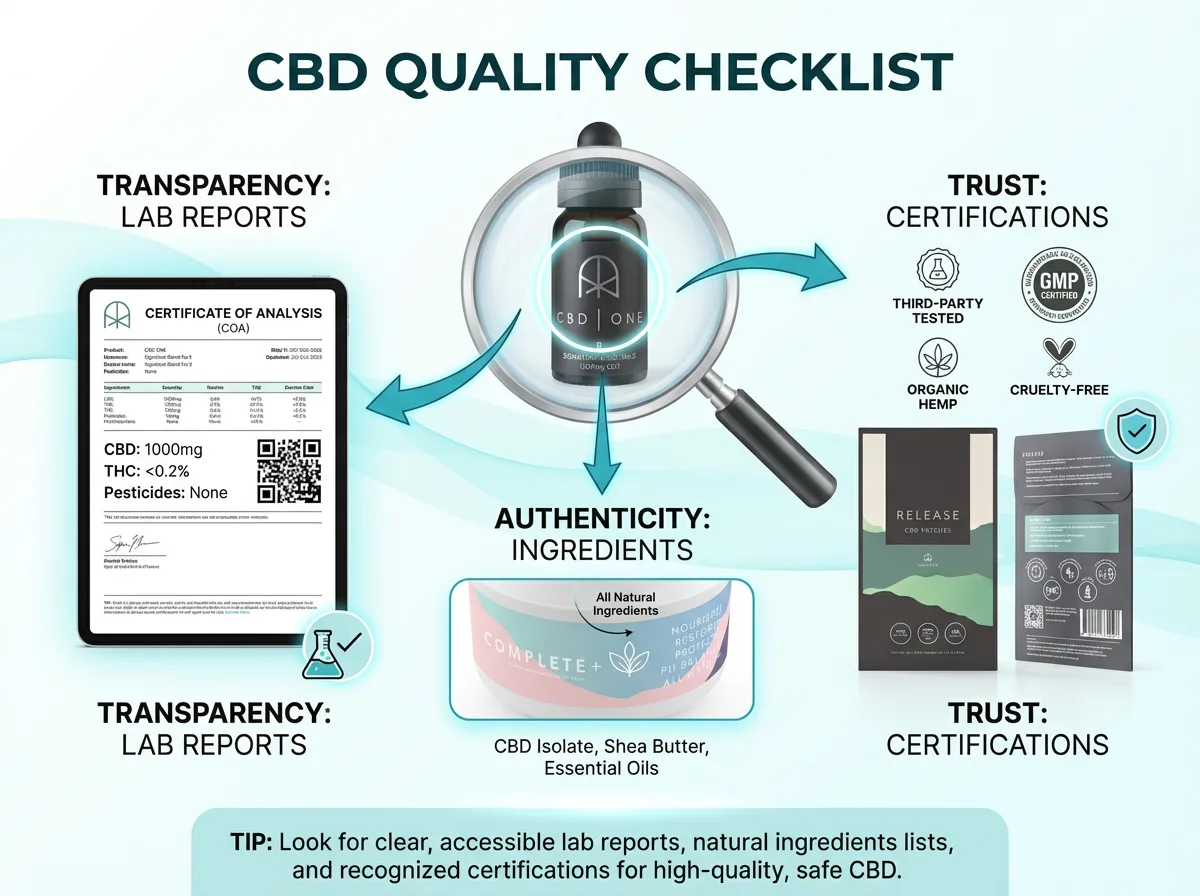
If you take one thing from this guide, let it be this: quality is mostly about transparency.
When you are choosing a CBD product, especially one being described with “cannabis” language, check for clear, verifiable details. If a brand is vague, it is usually for a reason.
Quality indicators worth looking for
- Independent lab reports (COAs) that match the batch you are buying
- Clear cannabinoid content in mg, not just “hemp extract”
- Spectrum stated (full spectrum, broad spectrum, isolate)
- Ingredients list you actually recognise
- Realistic language: “may support” instead of medical promises
A note on “CBD cannabis seeds” and growing
People also search for “CBD cannabis seeds” hoping to grow their own CBD-rich plant. UK rules around growing cannabis and hemp are strict and licensing is complex. If you are considering cultivation, do not rely on social media advice. Read UK-specific guidance and be cautious.
If you want a proper step-by-step checklist for shopping, the CBD buying guide will save you time and help you avoid impulse buys.
Dosing basics and building a routine
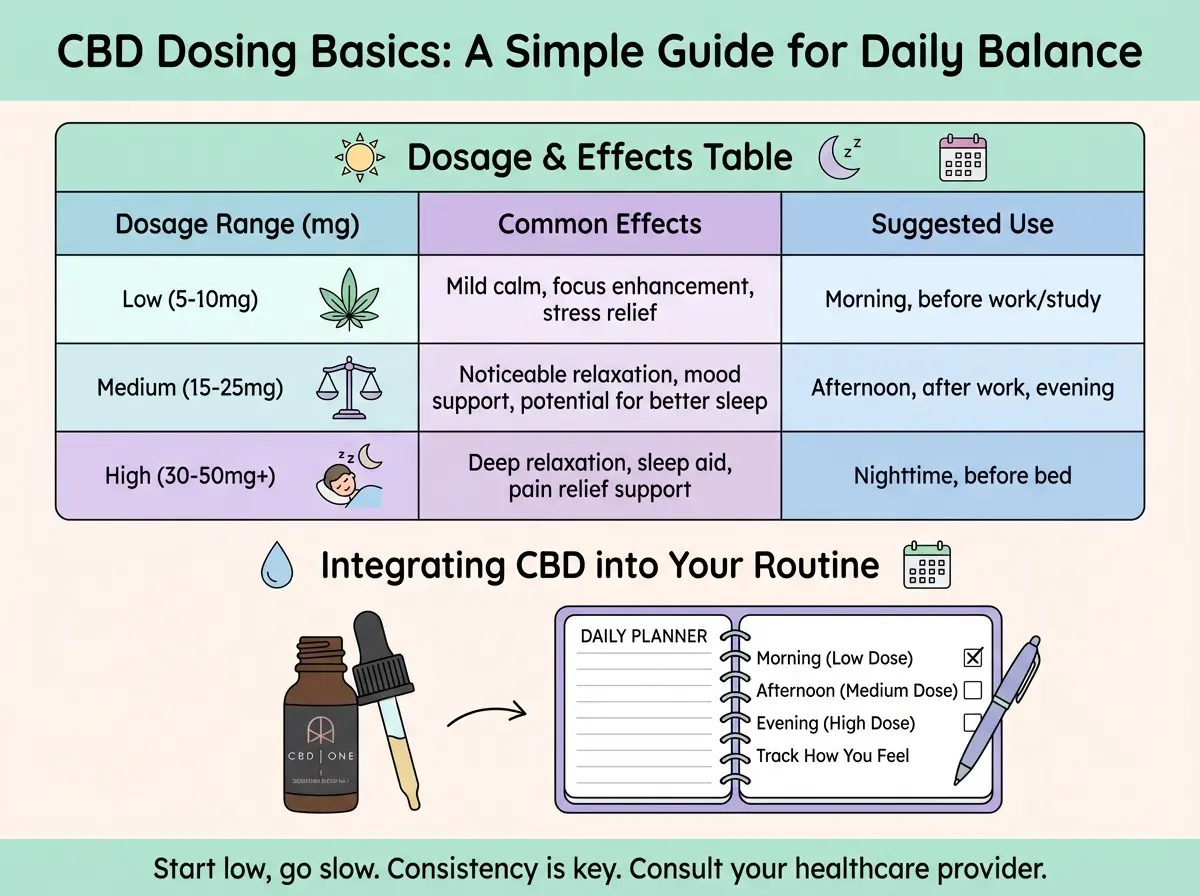
The most common mistake I see is people taking a random amount at a random time, then deciding “CBD does nothing”. Routine matters more than most people expect.
Start low, go slow, stay consistent
Many people do best by starting with a small amount and sticking with it for a week or two, then adjusting gradually. Keep a quick note on timing, amount, and what you notice. Not because you are chasing a specific effect, but because it helps you learn your own baseline.
Keep within sensible limits
The UK Food Standards Agency (FSA) advises healthy adults not to exceed 70 mg of CBD per day. This is a general safety guideline, not a target. If you are on medication, have liver concerns, or have ongoing health issues, speak with your GP or pharmacist before using CBD.
Use tools that make dosing less guessy
If you want help working out how many drops or pumps might equal a certain mg amount, use a calculator designed for that purpose. The CBD dosage guide is a good starting point.
When you are ready to compare formats side by side, this CBD product comparison can help you match a product type to your lifestyle.
Frequently Asked Questions
Is CBD cannabis legal in the UK?
CBD products made from hemp are widely sold in the UK, but legality depends on the product meeting UK rules. In general, reputable CBD oils and supplements should be non-intoxicating and contain only trace THC within legal limits. They must not be marketed as medicines or claim to treat or cure conditions. Also look for signs the product is aligned with the UK Novel Food framework and has independent lab testing. If anything feels unclear, choose a more transparent brand or speak to a pharmacist.
What is the difference between CBD and medical cannabis in the UK?
Over-the-counter CBD is usually sold as a food supplement and is not a prescription medicine. Medical cannabis is prescribed by specialist doctors for eligible patients and may contain THC, CBD, or both, depending on the product. Because THC is controlled, medical cannabis follows a completely different legal and clinical route. If you are thinking about medical cannabis, involve your GP and use regulated clinics. Do not assume a CBD supplement is equivalent to prescribed cannabis medicines.
Will CBD cannabis make me feel high?
CBD itself is non-intoxicating, so most people do not experience a “high” from CBD products. Full spectrum CBD can contain trace THC, but not in amounts intended to cause intoxication when used as directed. That said, everyone responds differently, and product quality matters. If you are worried about any THC exposure, you may prefer THC-free options like CBD isolate products. For a fuller explanation, read Does CBD oil get you high?.
What does “full spectrum” mean on a CBD label?
Full spectrum CBD usually means the extract contains CBD plus other naturally occurring hemp compounds, including minor cannabinoids and terpenes, and trace THC within legal limits. Many people choose full spectrum because they like a “whole plant” profile and the idea of the Entourage Effect. It is not a guarantee of stronger results, but it can feel different to an isolate. Always check for a third-party lab report so you can see what is actually in the bottle.
What is “cannabis CBD oil” and is it the same as CBD oil?
In UK retail, “cannabis CBD oil” is usually just another way of saying CBD oil derived from hemp. The confusing part is that in other countries, “cannabis oil” can mean a THC-rich extract. In the UK, THC-rich oils are controlled and not sold as general wellness supplements. The safest approach is to ignore the marketing language and read the facts: CBD content in mg, spectrum (full spectrum, isolate), ingredients, and the lab report.
How do I choose between CBD oil and water soluble CBD?
It comes down to routine and preference. Oils are flexible and familiar, and many people like taking drops as part of an evening wind-down. Water soluble CBD is designed to mix into drinks, which some people find easier in the morning or during the day. It can also reduce the “hempy” taste that puts some people off oils. If you want to compare options practically, the CBD product comparison is a useful next step.
How much CBD should I take if I am new?
There is no single perfect number, because CBD affects everyone differently. A sensible approach is to start low, keep it consistent for a couple of weeks, then adjust gradually based on how you feel. Keep within the FSA guideline of no more than 70 mg CBD per day for healthy adults. If you want help translating “mg” into drops, a calculator can help. Try the CBD dosage guide and always check your product label.
Can I take CBD if I am on medication?
This is where you should be cautious and get advice. CBD can interact with some medications, particularly those with grapefruit-style warnings, because they may share similar metabolic pathways in the liver. That does not mean CBD is always unsafe, but it does mean you should speak to your GP or pharmacist first. If you want to understand the topic before that conversation, read CBD and medication.
Are CBD cannabis products tested in the UK?
Some are, some are not, and that is the honest truth. Reputable brands will provide third-party lab reports (often called Certificates of Analysis or COAs) showing cannabinoid content and contaminant screening. These reports should be recent and ideally linked to the batch you are buying. If you cannot find a COA, or the numbers do not match the label, that is a red flag. A proper buying checklist helps here, which is why I recommend using a structured resource like a CBD buying guide.
What should I avoid when shopping for CBD cannabis online?
Avoid medical claims, miracle language, and products that hide behind vague terms like “hemp blend” with no CBD amount stated in mg. Be careful with extremely cheap products, as quality extraction and testing cost money. Also watch for confusion between hempseed oil (a nutritious culinary oil with little to no CBD) and CBD oil (which contains cannabinoids). If you want a calmer, more confident way to shop, start with a straightforward CBD buying guide and use it every time.
Is full spectrum CBD legal in the UK?
Full spectrum CBD products are widely sold in the UK, but they still need to meet the same rules as any CBD supplement. In practice, that means they should be non-intoxicating, contain only trace THC within legal expectations, and be labelled and tested properly. If you are unsure, look for a recent third-party COA and a clear THC statement, and avoid brands that talk around the question.
Can CBD make you fail a drug test?
CBD itself is not the compound most drug tests are looking for, but this is where trace THC matters. Full spectrum products may contain small amounts of THC, and depending on the test type, frequency of use, and your individual metabolism, that could be relevant. If drug testing is part of your work or sport, consider speaking to a healthcare professional and using products with conservative THC positioning and clear batch testing. No supplement can responsibly guarantee a specific test outcome.
Are CBD drinks legal in the UK?
CBD drinks can be sold in the UK, but they still need to follow the same general rules: no medical claims, appropriate labelling, and responsible manufacturing. The big practical difference is dosing clarity. With drink formats, make sure you can see how much CBD you are getting per serving, not just “hemp” branding. If the product is vague, I would treat that as a red flag.
Is THC legal in the UK?
THC is a controlled substance in the UK. Outside of specialist medical prescribing, THC-containing cannabis products are not sold as general wellness supplements. If you are seeing “THC oils” marketed casually online, be cautious. If you are exploring medical cannabis, do it through regulated clinical pathways and involve your GP or specialist team.
Key Takeaways
- “CBD cannabis” is usually shorthand for hemp-derived CBD products, not the same as THC-dominant cannabis.
- In the UK, CBD is sold as a supplement, while medical cannabis is prescribed via specialists and may contain THC.
- Choose products with independent lab reports, clear mg content, and realistic language with no medical claims.
- Format matters: oils, water soluble products, topicals and patches can suit different routines and preferences.
- Start low, go slow, stay under the FSA 70 mg per day guideline for healthy adults, and speak to a GP if you take medication.
Conclusion
“CBD cannabis” can sound like one topic, but in the UK it covers a mix of conversations: hemp-derived CBD supplements, THC-controlled cannabis, and prescribed medical cannabis. Once you separate the language from the facts on the label, it gets much simpler. Focus on what is actually inside the product, how it is tested, and whether the brand communicates in a trustworthy way.
In practice, this means choosing a format that fits your day, starting with a modest amount, and giving your routine time to settle. If you are taking medication, or if you are unsure whether CBD is appropriate for you, it is always worth having a quick chat with a pharmacist or GP first.
If you want a second opinion on where to begin, you can explore CBD One resources or speak to Nick for free guidance.