
Medical cannabis oil: complete UK guide (2026)
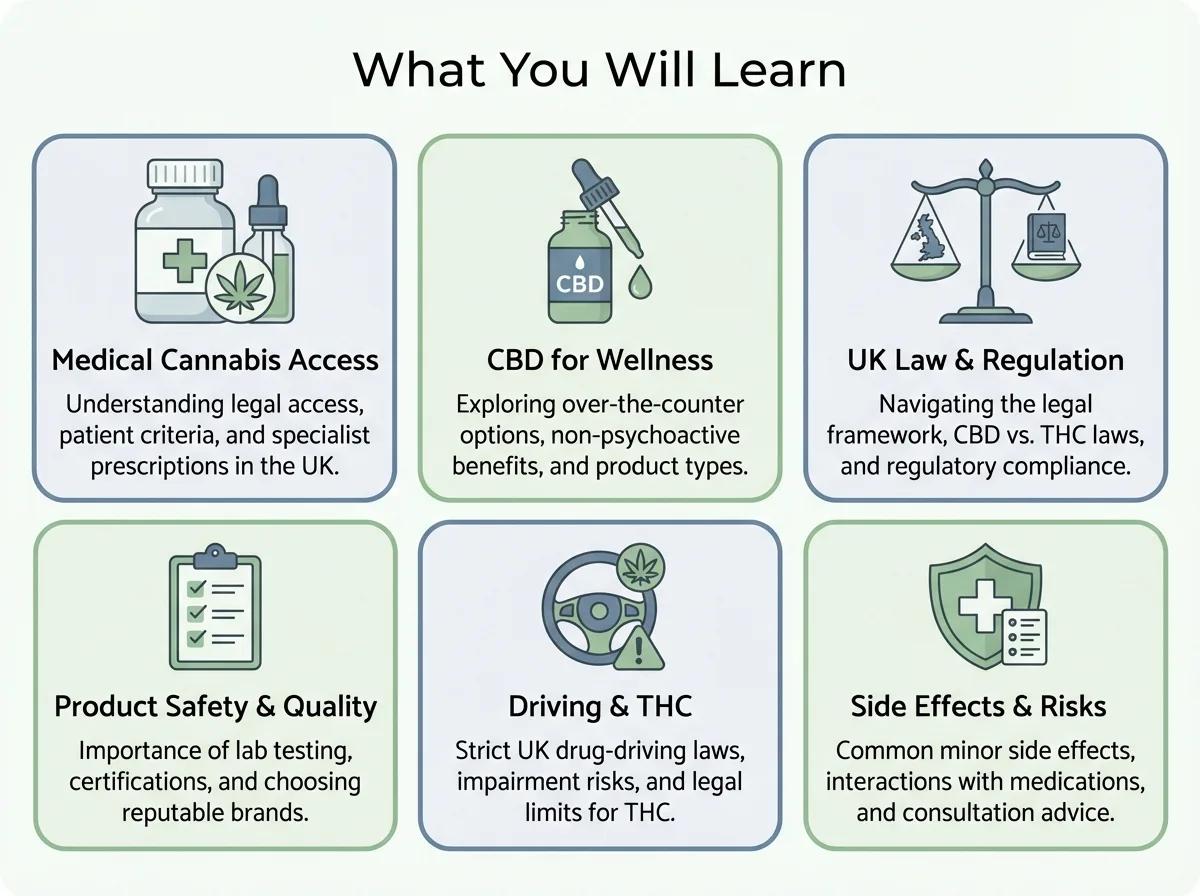
What You Will Learn
- What “medical cannabis oil” means in the UK
- Medical cannabis oil vs “hemp seed oil”: a quick clarification
- Medical cannabis oil vs CBD oil: the key differences
- Medical cannabis UK law and what is legal to buy
- How a medical cannabis prescription works (in practice)
- How to choose cannabis or CBD oils safely
- Dosing, routines, and why “stronger” is not always better
- THC oils, driving, and workplace reality checks
- Side effects and tolerance: what to watch for with THC and CBD oils
- Storage, shelf life, and travel: practical UK considerations
- When to speak to a GP or pharmacist
What You Will Learn
- What “medical cannabis oil” means in the UK
- Medical cannabis oil vs “hemp seed oil”: a quick clarification
- Medical cannabis oil vs CBD oil: the key differences
- Medical cannabis UK law and what is legal to buy
- How a medical cannabis prescription works (in practice)
- How to choose cannabis or CBD oils safely
- Dosing, routines, and why “stronger” is not always better
- THC oils, driving, and workplace reality checks
- Side effects and tolerance: what to watch for with THC and CBD oils
- Storage, shelf life, and travel: practical UK considerations
- When to speak to a GP or pharmacist
What “medical cannabis oil” means in the UK
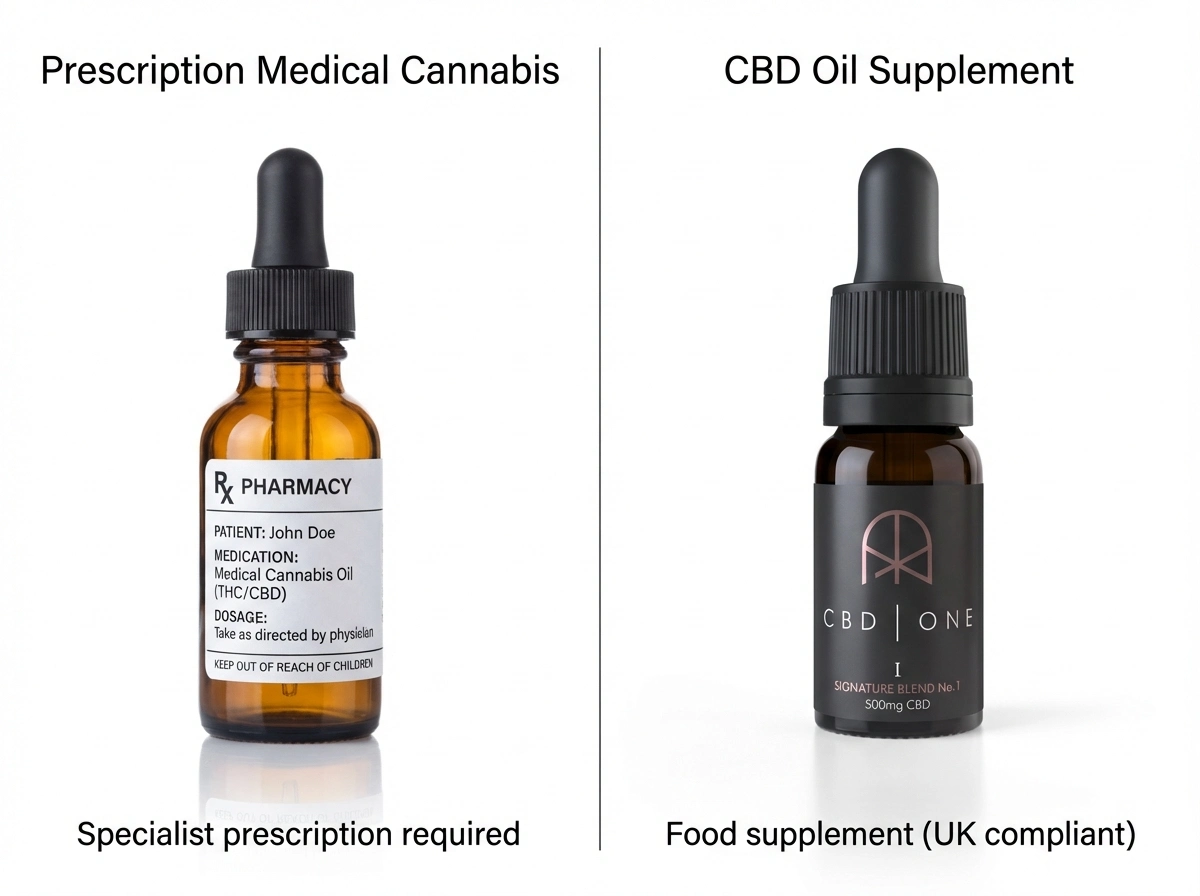
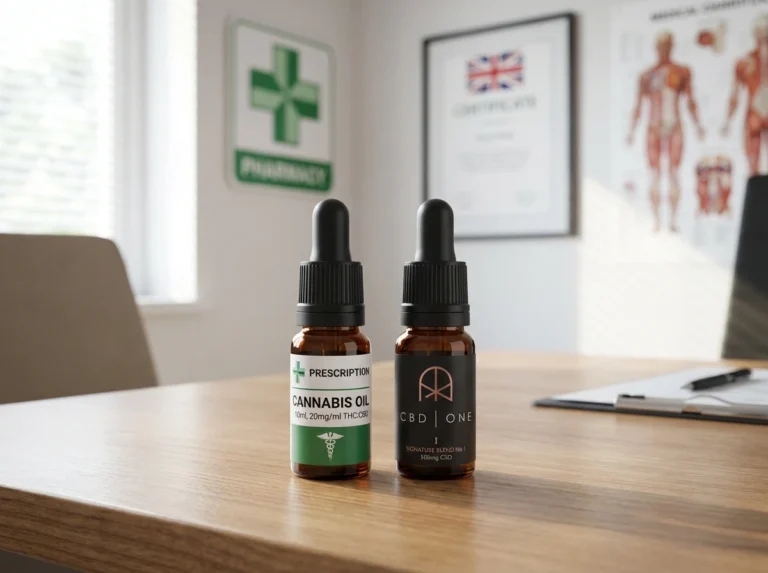
In UK usage, “medical cannabis oil” usually means an oil-based cannabis medicine that is prescribed by a specialist doctor. It may contain THC (tetrahydrocannabinol), CBD (cannabidiol), or a combination of both, depending on what is prescribed.
That is very different from the CBD oil you can buy as a supplement. Over-the-counter CBD oils are intended for general wellness, and they must not be marketed as treating medical conditions. Prescription medical cannabis, on the other hand, is prescribed for specific medical needs under clinical supervision.
Consider this: the word “oil” is doing a lot of heavy lifting. “Oil” just describes the carrier, not the legal status, strength, or whether THC is present.
Common terms you will see (and what they usually mean)
- Medical cannabis: cannabis-based medicinal products prescribed by a specialist.
- Cannabis oil: a broad, informal term that can refer to anything from CBD oil to THC-containing extracts.
- CBD oil: a CBD-rich extract used as a food supplement, not a medicine.
- THC oil: often used online to describe THC-rich extracts, which are not legal to buy without a prescription in the UK.
If you want a clearer CBD-specific starting point, it helps to read our main CBD Oil overview, then come back to the medical cannabis side of things.
Medical cannabis oil vs “hemp seed oil”: a quick clarification
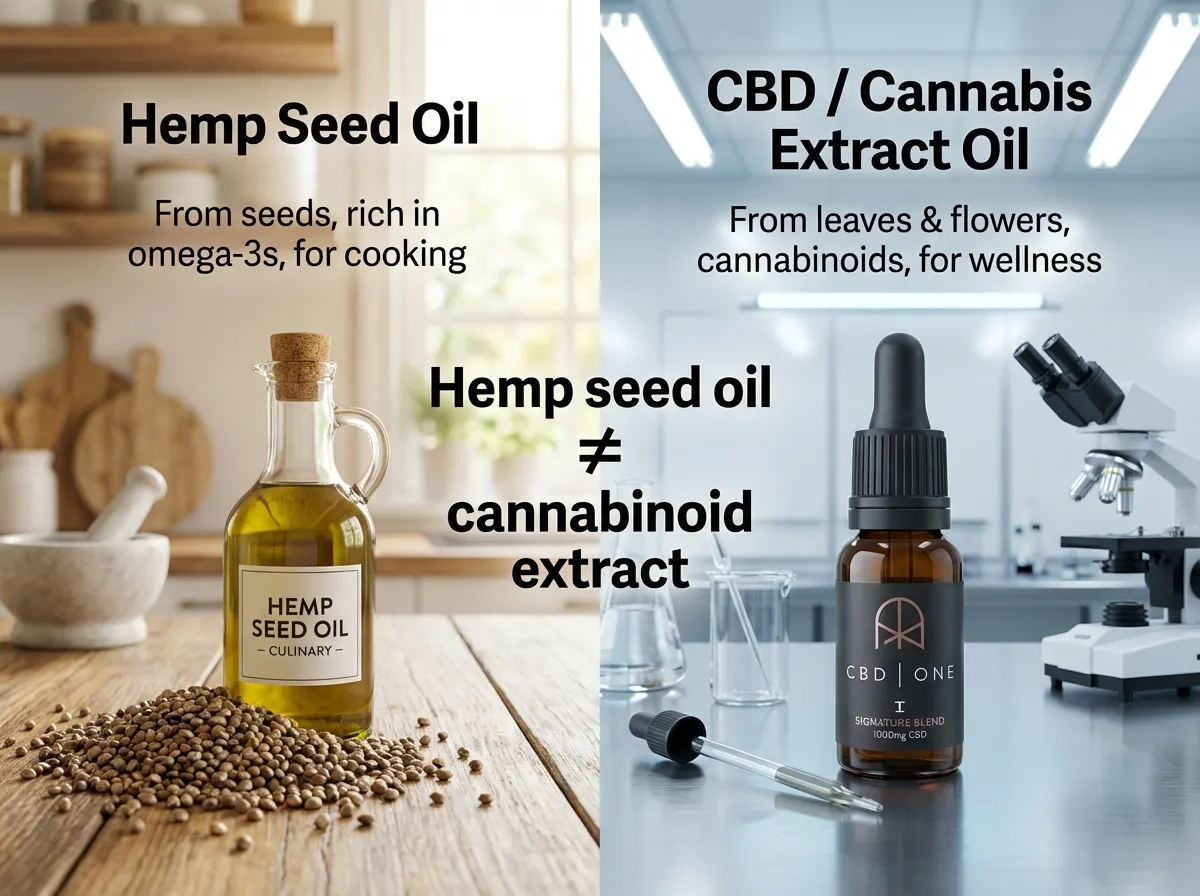
What many people overlook is that “hemp oil” can mean two totally different products.
Hemp seed oil is a culinary oil pressed from hemp seeds. It is used like a nutritious food oil, and it does not naturally contain meaningful amounts of cannabinoids like CBD or THC.
CBD oil and prescribed medical cannabis oils are extracts made from the aerial parts of the plant (flowers and leaves), then diluted into a carrier oil. This is where cannabinoids can come into play, and this is also where lab testing and legal limits become important.
If a product label leans heavily on phrases like “hemp oil” but does not clearly tell you the CBD content in mg and show a batch lab report, you are back in guessing territory.
Medical cannabis oil vs CBD oil: the key differences THC content and “feeling” effects
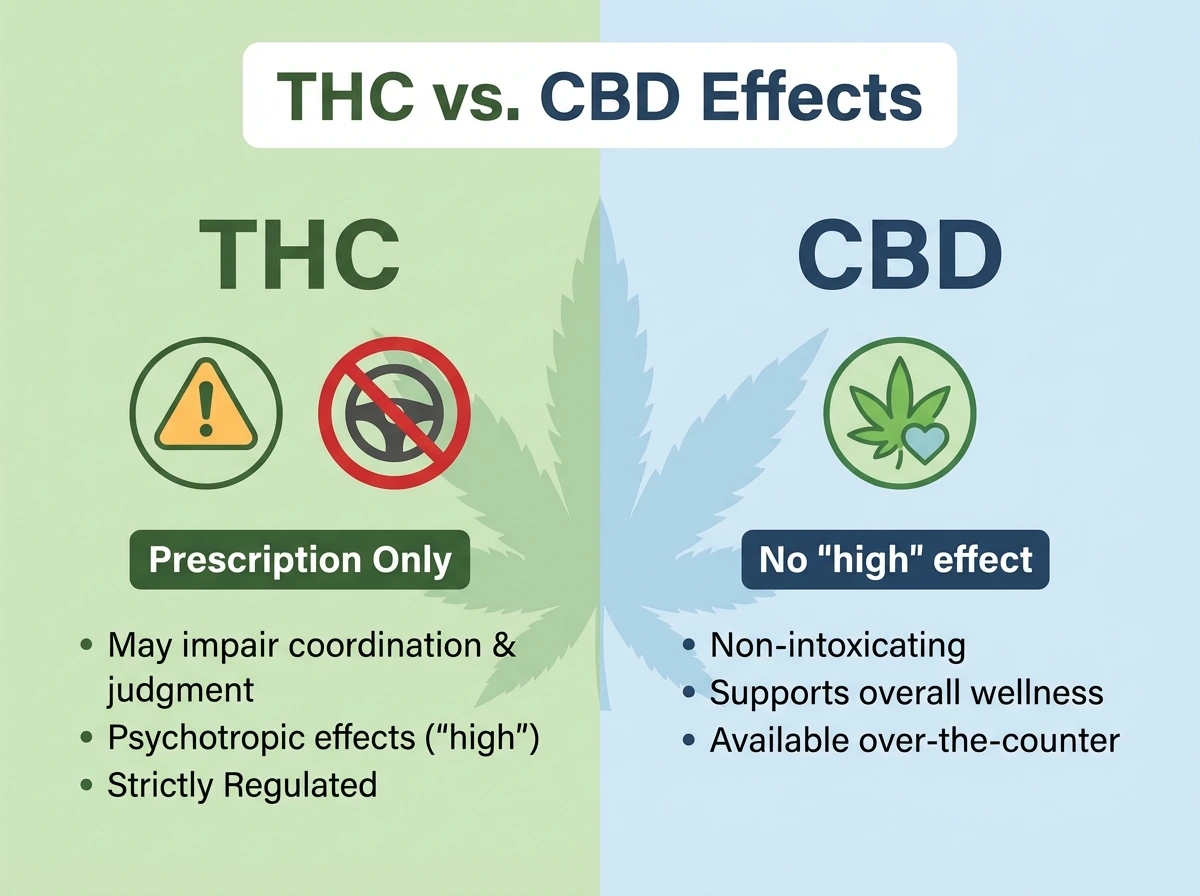
Medical cannabis oils may contain THC, which can impair reaction time and judgement. That is one reason these products are prescribed and monitored. CBD oils sold as supplements should not make you feel “high”, and reputable products are formulated to stay within legal limits for controlled cannabinoids.
Regulation and purpose
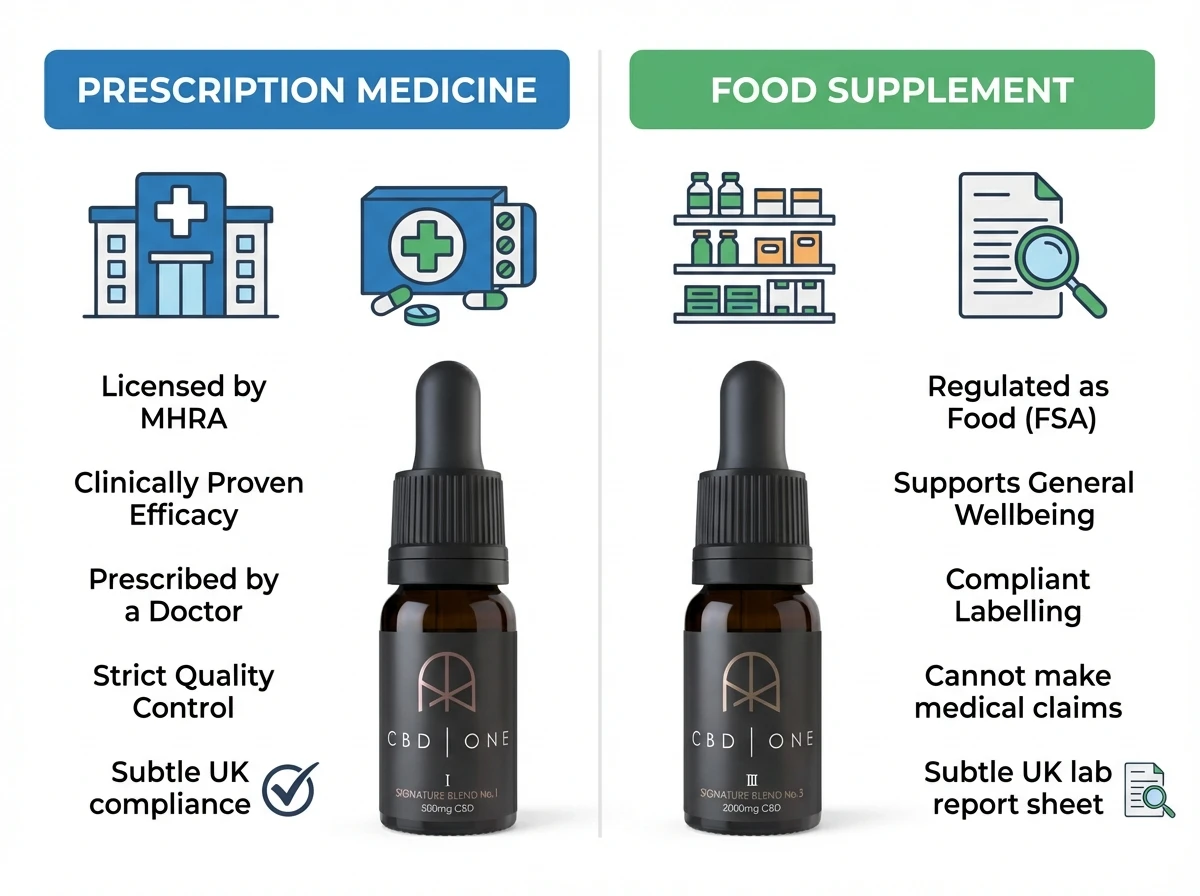
Prescription medical cannabis is supplied as a medicine. CBD oil sold direct to consumers is typically regulated as a food supplement. In practice, this means CBD brands must be careful about claims, labelling, and compliance, while clinics focus on prescribing and monitoring.
If you are specifically wondering whether CBD oil requires a prescription, this article answers it clearly: Does CBD Oil Need A Prescription?
Medical cannabis UK law and what is legal to buy
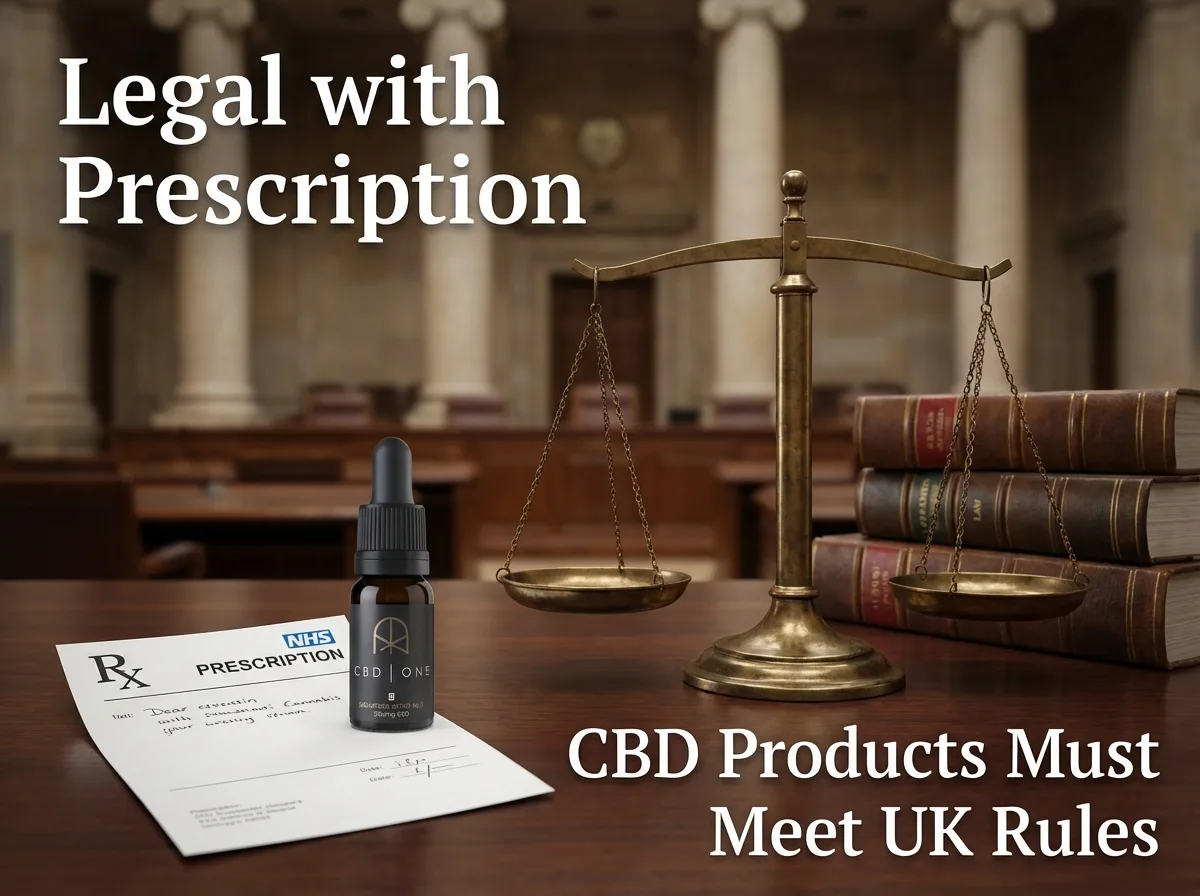
The reality is: medical cannabis is legal in the UK with a valid prescription from an appropriate specialist. That does not mean any “cannabis oil UK” product you see online is legal, safe, or what it claims to be.
Over-the-counter CBD products are legal when they meet UK rules, including Novel Food requirements and controlled cannabinoid limits. Products that are sold as “THC oil”, or imply a medical outcome, often sit in a much riskier category.
What many people overlook about labels
Some products use vague language like “full extract” or “whole plant” without giving you a clear cannabinoid profile. If the label does not state CBD content in mg, provide batch testing, and show who manufactured it, you are basically guessing.
From a practical standpoint, it is usually safer to buy from established UK brands that publish lab reports and keep their messaging compliant. For CBD oils specifically, you can browse the CBD Oils category to see what transparent labelling looks like in the real world.
How a medical cannabis prescription works (in practice)
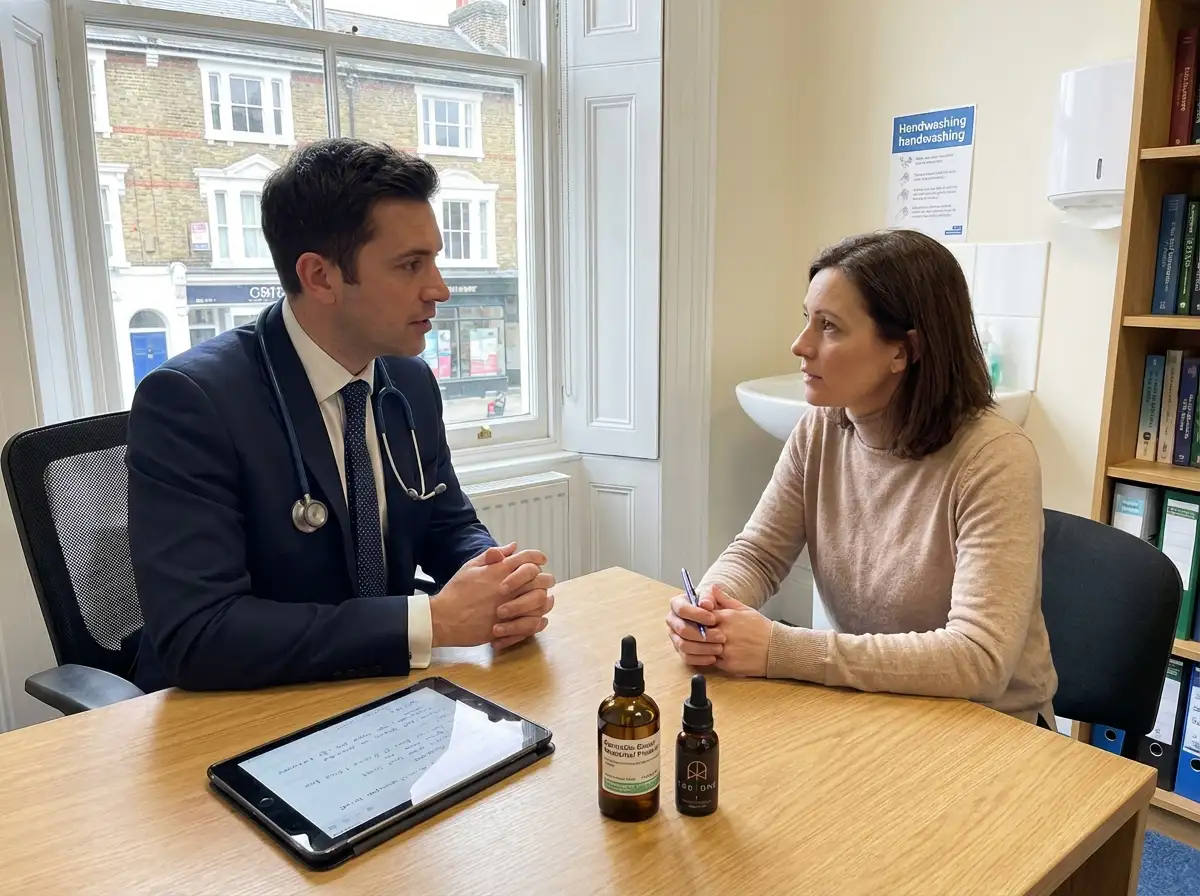
If you are exploring medical cannabis UK options, it typically starts with a consultation at a specialist clinic (often private). You will usually need to share medical history, current medications, and what you have already tried.
If a prescription is considered appropriate, the clinic arranges supply through a pharmacy. You are then monitored for tolerability and practical outcomes such as day-to-day function, sleep routine, and side effects.
Do you need a “medical cannabis card” in the UK?
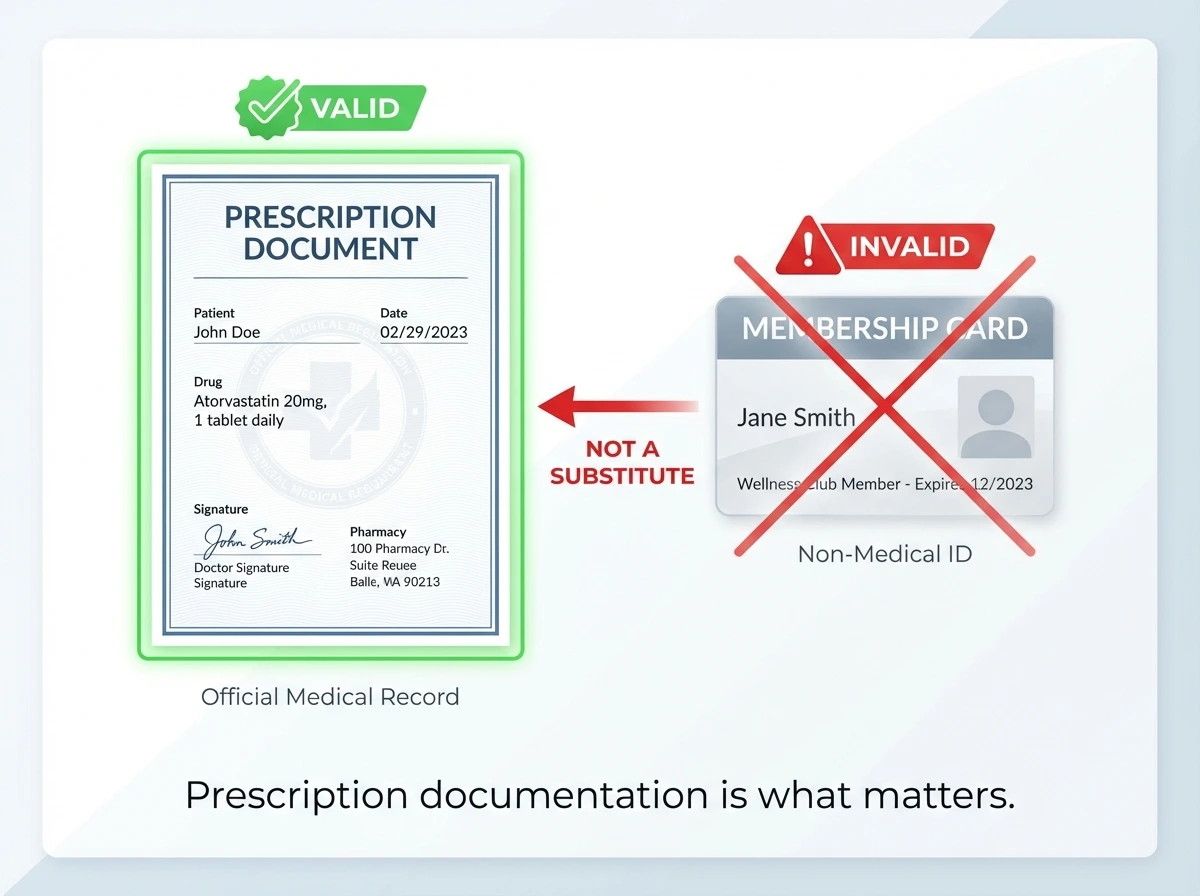
You will see people search for “medical cannabis card UK”, but the key point is this: your legal protection comes from having a valid prescription and proof of dispensing, not a membership card. Some schemes exist to help patients show they are prescribed, but they are not a substitute for the actual prescription documentation.
Why THC changes the safety conversation
THC can interact with your responsibilities and routines, especially driving and work. It can also interact with some medicines. If you are considering anything THC-containing, do it through the proper medical route so you have clinical oversight.
How to choose cannabis or CBD oils safely
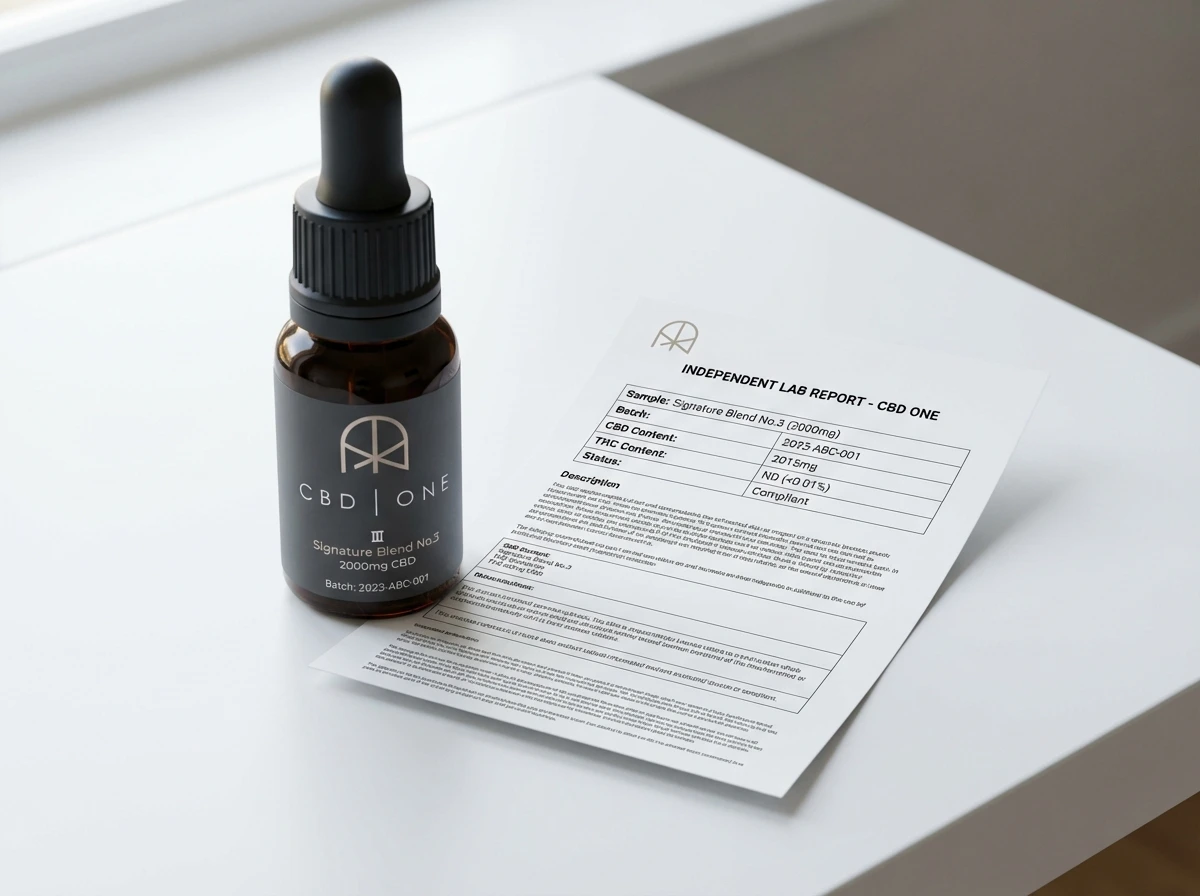
Think of it this way: your confidence comes from knowing exactly what is in your bottle. Whether you are looking at CBD oil or trying to understand medical cannabis oils, transparency beats marketing every time.
Quality checks that matter
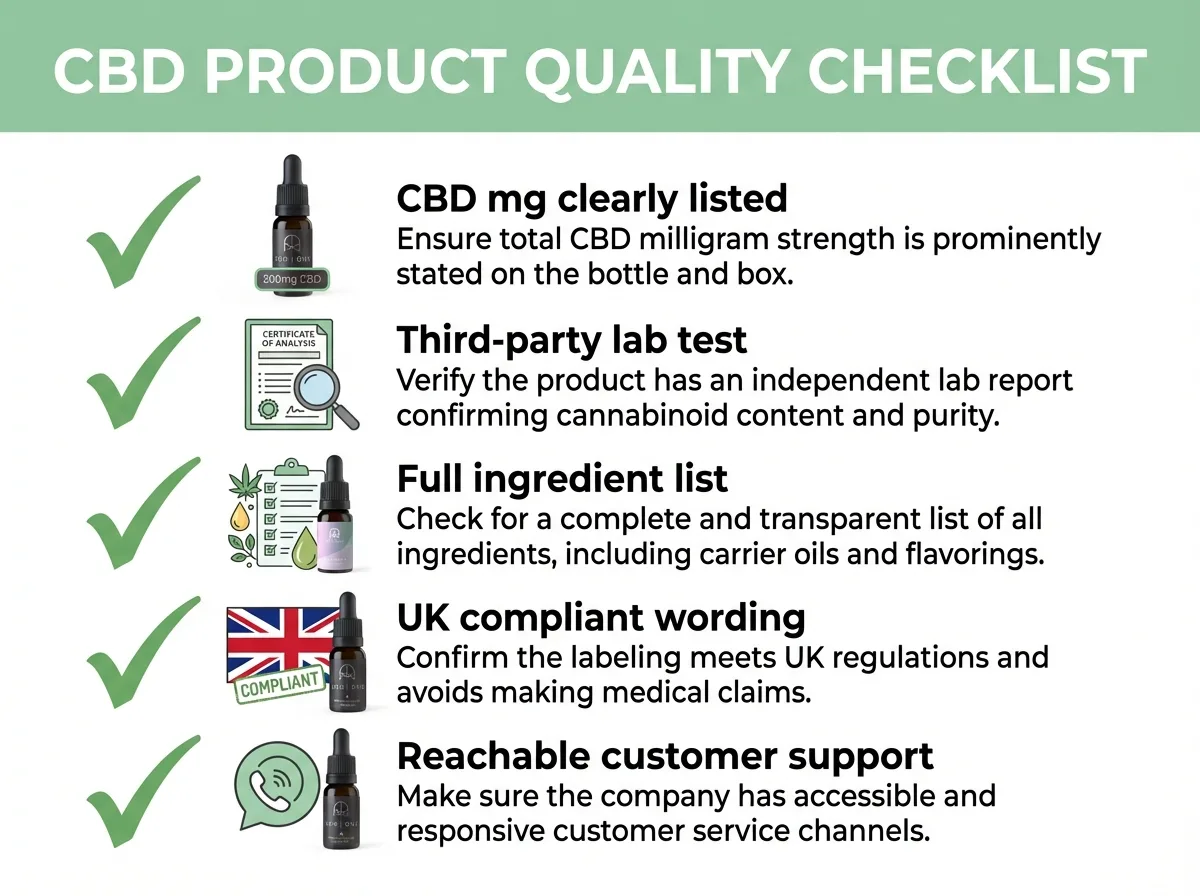
- Clear CBD content in mg and per serving, not just “hemp extract”.
- Recent third-party lab testing (Certificate of Analysis) linked to your batch.
- Full ingredient list, including carrier oil.
- Realistic, compliant wording (no medical promises for supplements).
- Customer support you can actually reach with questions.
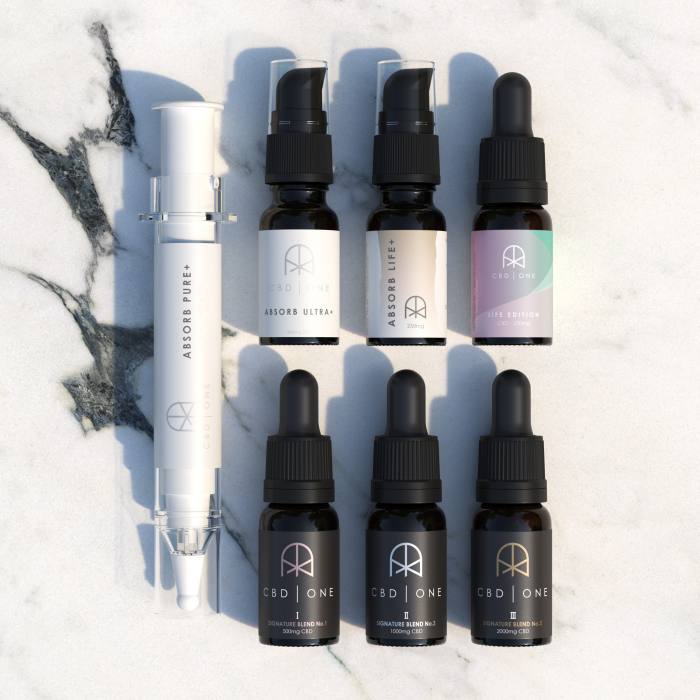
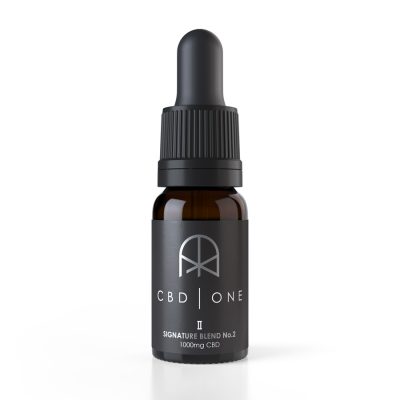
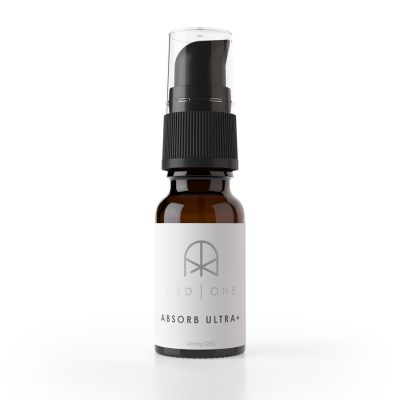
Now, when it comes to CBD, one example of a transparent approach is using full spectrum extracts and lab verification on every batch. At CBD One, our core oils are full spectrum and plant-based, and we keep the “wellness support” language honest and within UK rules.
Dosing, routines, and why “stronger” is not always better
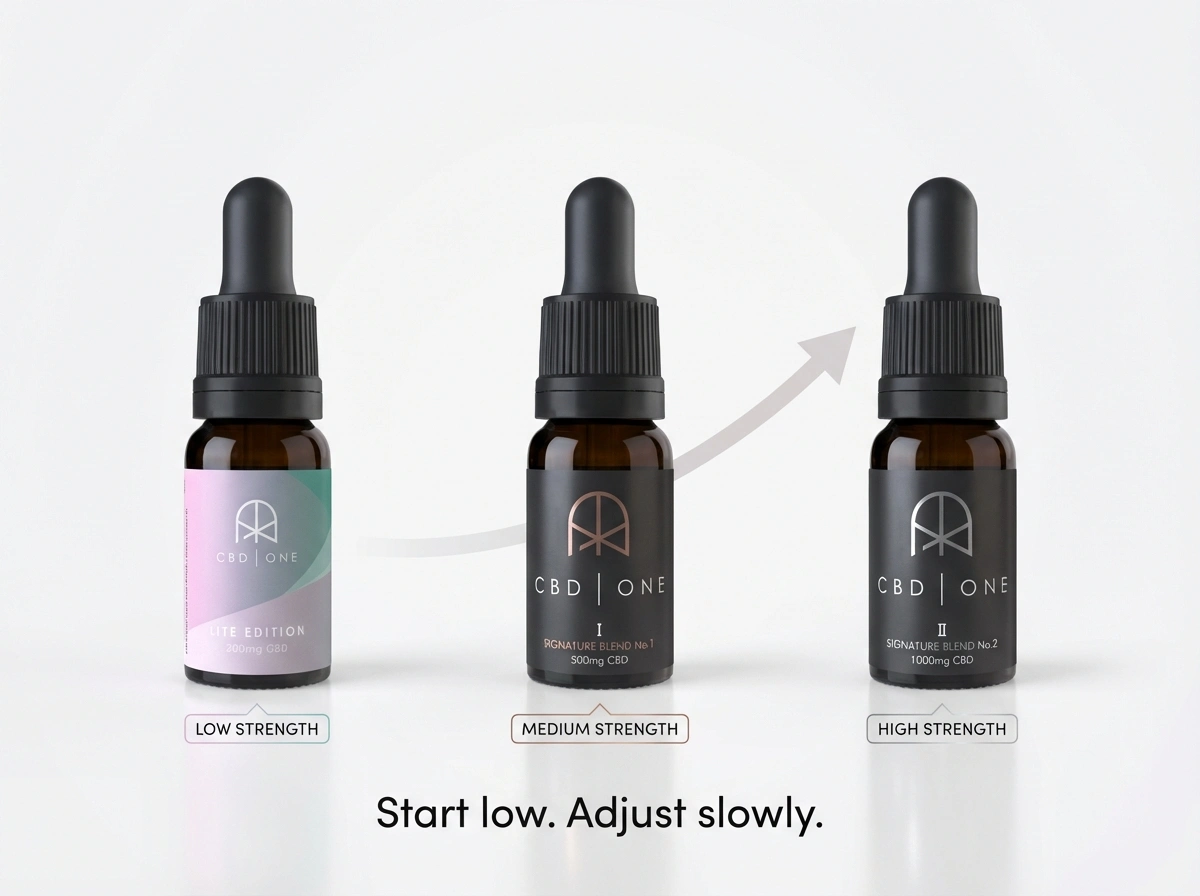
Whether you are prescribed medical cannabis or using CBD oil, dosing is not a bragging contest. Your goal is a consistent routine that feels manageable, not chasing the biggest number on the label.
CBD dosing basics (supplement context)
For healthy adults, the UK FSA recommends a maximum of 70mg of CBD per day. That is not a target, it is a safety ceiling for most people. Many people find they prefer a smaller amount taken consistently, then adjust slowly based on how they feel.
If you want practical help with amounts, see our CBD dosage guide and the CBD oil strength guide. They will help you translate “percentages” into real mg per drop, which is what matters.
How you take an oil affects your experience
Sublingual use (under the tongue) tends to be the most common with CBD oils. Technique matters. If you swallow immediately, you may get a different experience than if you hold it under the tongue for a short time first.
This is why we wrote a clear walkthrough on how to take CBD oil. It is one of those small tweaks that can make your routine feel more consistent.
A gentle word on “high strength” products
High strength oils can be useful for experienced users, but they are easier to overdo if you are not paying attention. If you are using a full spectrum CBD oil, remember it can contain other plant compounds alongside CBD. That is part of the point for many people, but it is also why slow, measured changes matter.
If you are comparing options, our guide to premium CBD oil focuses on how to judge quality, not hype.
THC oils, driving, and workplace reality checks
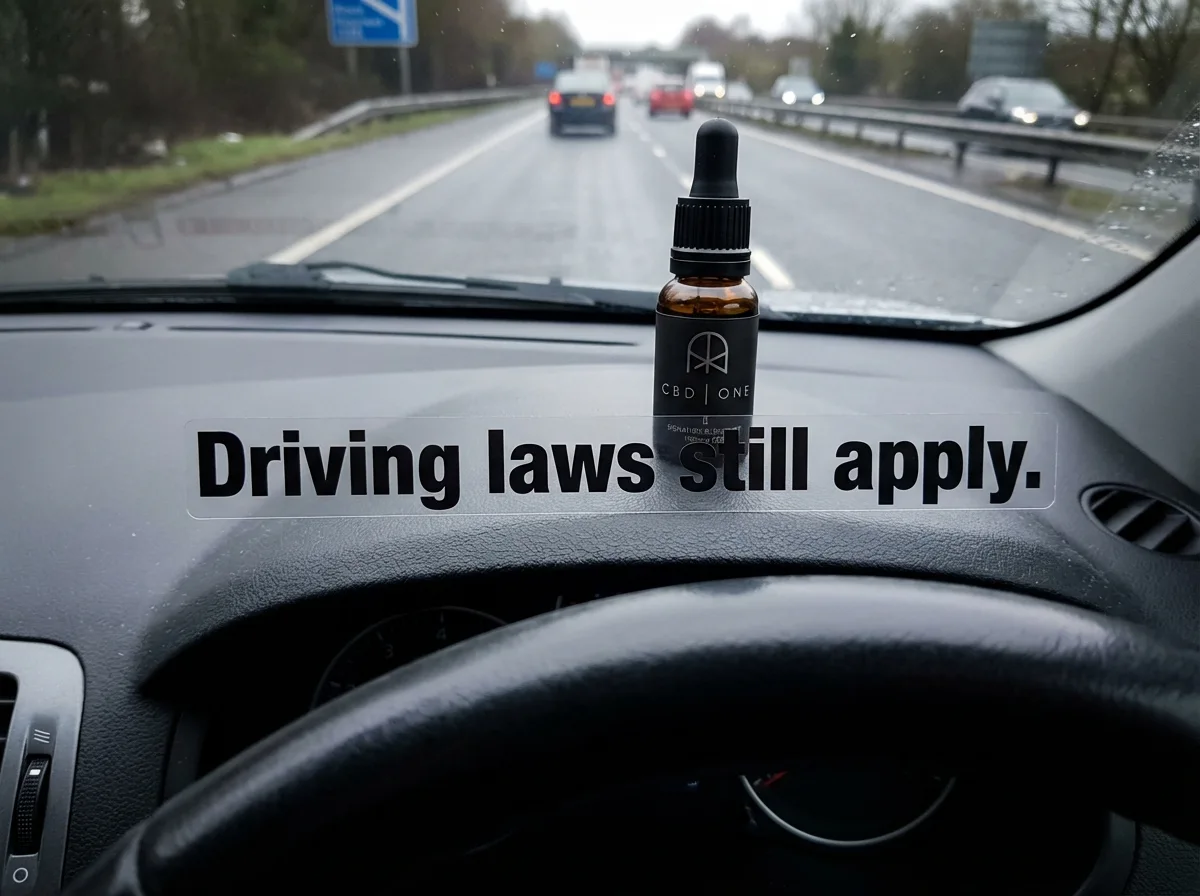
If you are reading this because you are curious about THC-containing oils, this is the part to take seriously.
Driving is the obvious one. Even when a product is prescribed, THC can affect coordination and reaction time, and UK drug driving laws still apply. The safe approach is to follow your prescribing clinician’s guidance closely, and if you are unsure, do not drive.
Work can be just as important. Some roles have safety-critical policies, testing, or strict impairment rules. Prescription status can be relevant, but it does not automatically remove the practical issue of being fit to work. If you are prescribed, it is worth thinking through your schedule, your responsibilities, and how you will handle conversations with your employer if needed.
Now, if you are using an over-the-counter CBD oil, you still want to stick to reputable products. Poorly made products can create unnecessary risk, especially if cannabinoid content is not what the label claims.
Side effects and tolerance: what to watch for with THC and CBD oils
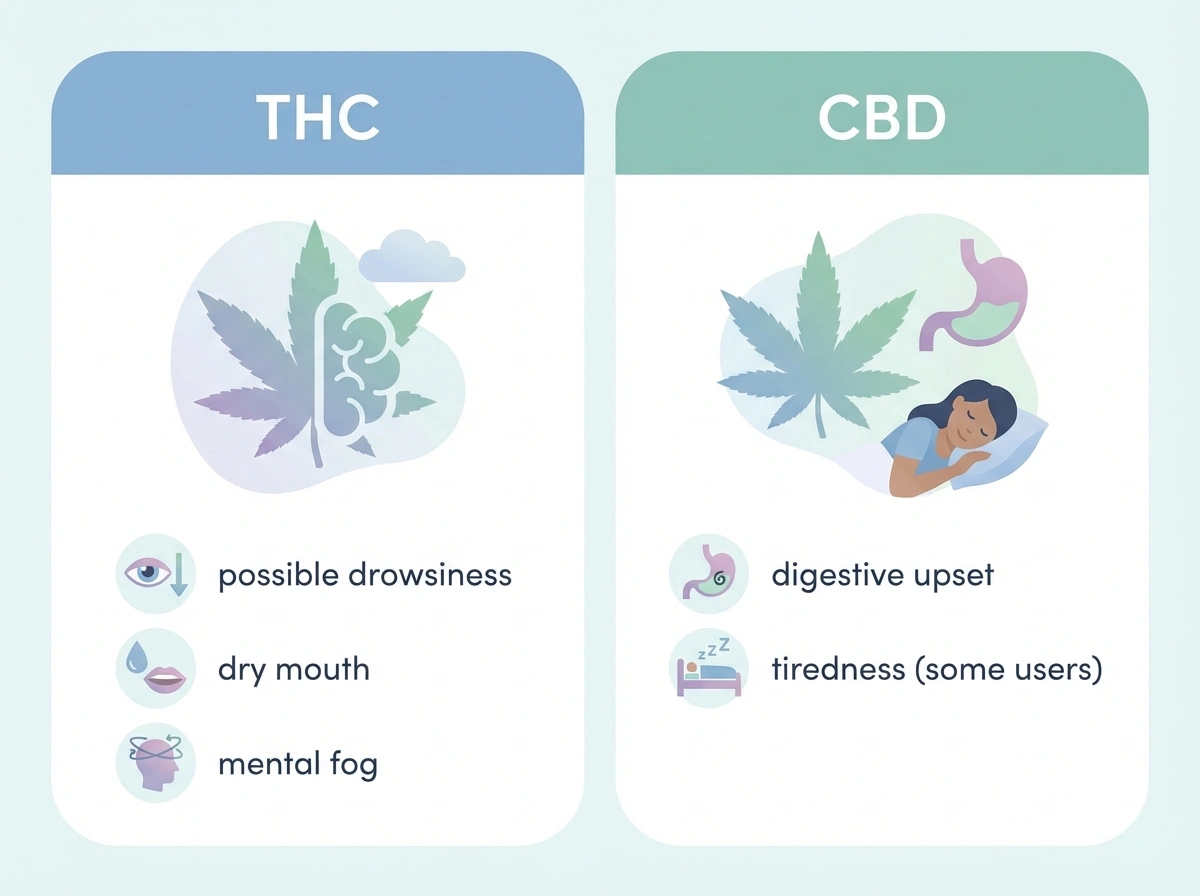
Here’s the thing: people often focus on “what it helps with”, but day-to-day tolerability is what makes a routine workable.
THC oils (prescription context)
THC can cause unwanted effects in some people, especially when starting or when dose changes happen. People commonly report things like drowsiness, dry mouth, feeling lightheaded, or feeling mentally “foggy”. Some people find THC makes them feel uncomfortable or more alert than expected, which is another reason clinical oversight matters.
Tolerance can also build with regular THC use, meaning the same amount may feel different over time. That is a clinician-led conversation, not something to freestyle based on online advice.
CBD oils (supplement context)
CBD is generally well tolerated by many adults, but it can still cause side effects for some users. The most common ones people mention are things like digestive discomfort, changes in appetite, or feeling more tired than expected, particularly at higher amounts.
Consider this: side effects are not always dramatic. Sometimes it is simply that you feel “a bit off”, your sleep timing shifts, or your stomach feels unsettled. That is a good cue to reduce the amount, simplify your routine, or speak to a pharmacist if you are unsure.
Storage, shelf life, and travel: practical UK considerations
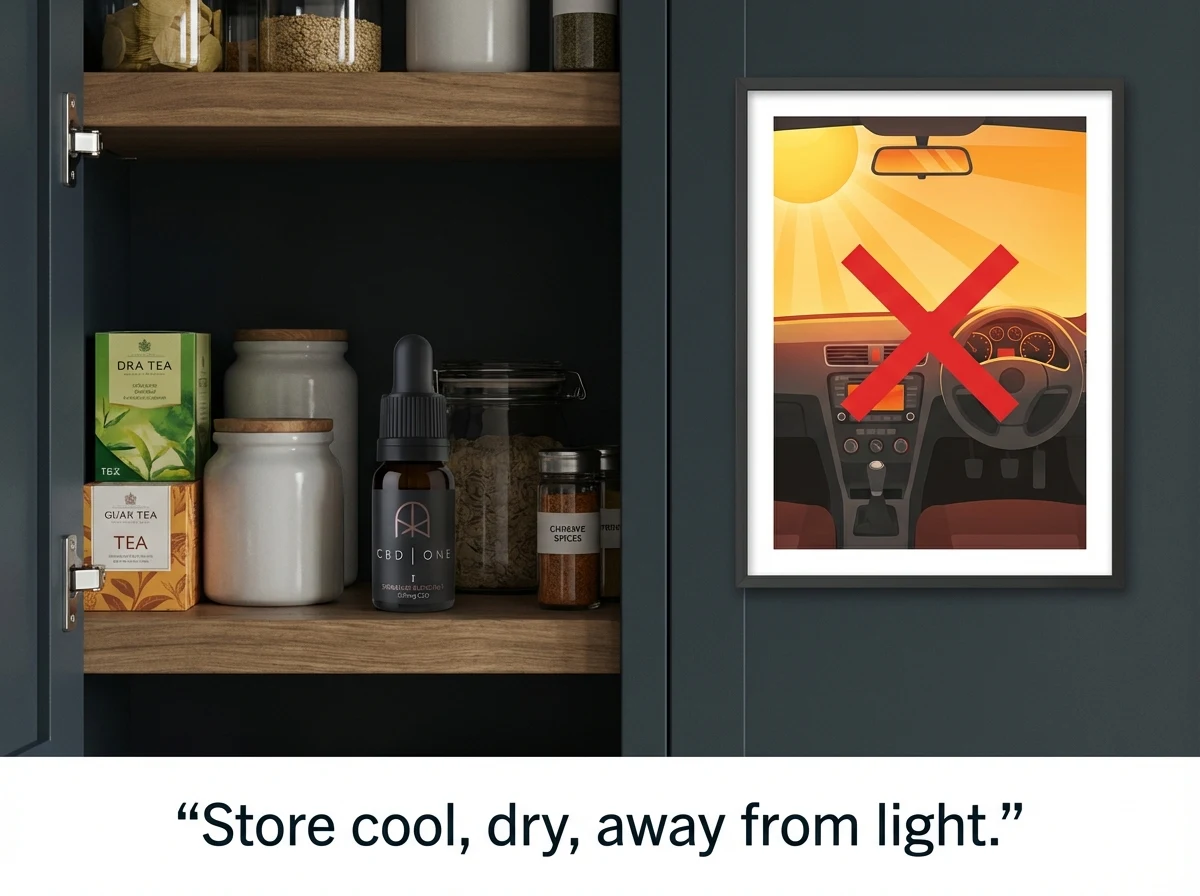
What many people overlook is that oils are sensitive products. If you want consistent use, you need consistent storage.
How to store oils sensibly
Most oils do best stored in a cool, dry place away from direct sunlight. Heat and light can degrade plant compounds over time, which can make the oil taste different and may make the experience feel less consistent.
Always check the best-before date, keep the lid on properly, and avoid leaving the bottle in places like a warm car, a sunny windowsill, or near a cooker.
How long does cannabis oil last?
It depends on the product, the carrier oil, and how you store it. Many oils have a shelf life measured in months rather than years once opened. If the smell, taste, or texture has noticeably changed, or if the bottle is past its best-before date, it is usually better to replace it than push your luck.
Travelling with medical cannabis or CBD oil
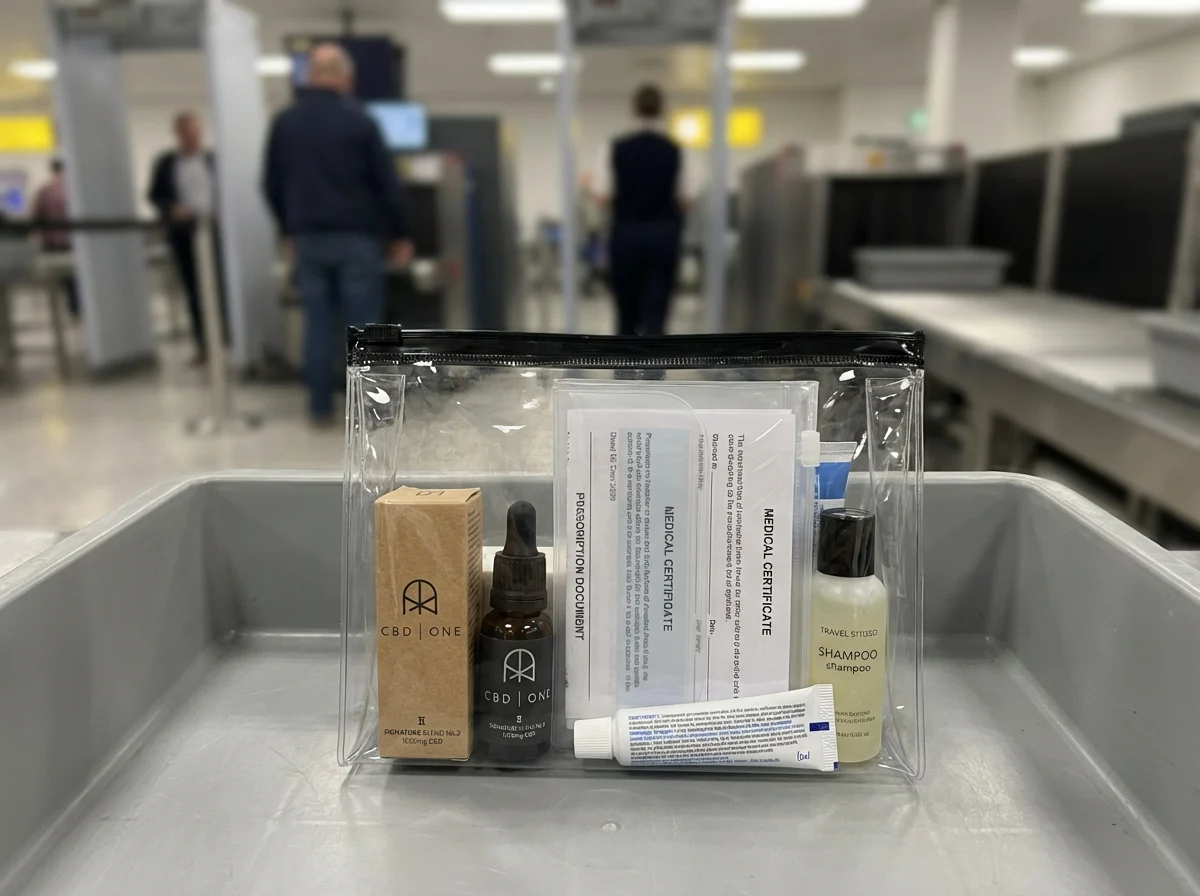
If you are travelling within the UK with prescribed medical cannabis, keep your proof of prescription and dispensing information with you. For CBD oils, keep the product in its original packaging so the label and batch details are clear if you are questioned.
If you are travelling internationally, the rules can change dramatically from one country to the next, even for CBD. Do not assume that what is legal in the UK is accepted elsewhere. Checking official guidance before you travel is the sensible move, especially if you have anything prescribed.
When to speak to a GP or pharmacist

If you take prescription medication, this is the moment to pause and be sensible. CBD can affect how your body processes certain medicines. THC-containing products carry extra considerations around impairment and mental clarity.
As an Osteopath, I am big on people advocating for themselves with their GP. Bring a list: what you take, what you are considering, and what outcome you are hoping to support (for example, better relaxation in the evening or a calmer daily rhythm). A good conversation is often more useful than another hour of scrolling online.
If you want a straightforward overview of interactions, read CBD and Medication before you start anything new.
If you ever feel unsure, ask for help. At CBD One, I offer free, practical advice to help you interpret labels and strengths, without pushing you into a product you do not need.
Frequently Asked Questions
What is medical cannabis oil in the UK?
In the UK, “medical cannabis oil” usually refers to a cannabis-based oil that is prescribed by a specialist clinician. It may contain THC, CBD, or both, and it is supplied through a regulated prescribing and pharmacy process. People often confuse this with CBD oil sold as a supplement, which is not prescribed and must not be marketed as a medicine. If you are unsure which you are looking at, check whether it is being offered via a clinic and pharmacy (prescription) or sold as a wellness supplement (retail).
Is medical cannabis legal in the UK?
Medical cannabis is legal in the UK when it is prescribed by an appropriate specialist and supplied through the correct channels. That does not make all cannabis oils legal to buy online. Products that contain significant THC are controlled and are not legally sold as general retail supplements. If you see a product advertised informally as “THC oil”, be cautious. Legality and safety are tightly linked here, and the safest route for THC-containing products is a legitimate medical prescription.
Is cannabis oil the same as CBD oil?
No, not necessarily. “Cannabis oil” is a vague umbrella term. CBD oil is typically a CBD-rich extract sold as a food supplement and it is non-intoxicating. Medical cannabis oils may contain THC, which can be intoxicating and may impair you. The oils can look similar, but their cannabinoid profiles, intended use, and legal status can be very different. If the label does not clearly state CBD in mg and provide third-party lab results, you are missing the key information needed to compare safely.
Do you need a medical cannabis prescription to buy cannabis oil in the UK?
If the oil contains THC above legal limits, you would need a prescription. CBD oils marketed as supplements do not require a prescription, provided they comply with UK rules. This is exactly why the wording matters: many people search “cannabis oil UK” meaning CBD oil, while others mean prescription THC products. If you want the simple CBD-specific answer, see Does CBD Oil Need A Prescription?. When in doubt, ask the seller for a Certificate of Analysis and check the cannabinoid breakdown.
What is a medical cannabis card in the UK?
People often search for a “medical cannabis card UK”, but your legal position rests on having a valid prescription and proof of dispensing, not a card. Some patient schemes offer ID-style cards to help you show you are prescribed, but they do not replace the actual clinical documentation. If you are prescribed medical cannabis, keep your prescription details and pharmacy labels accessible, especially when travelling. If you are not prescribed, a card does not make THC products legal to buy or carry.
Will medical cannabis oil make you feel high?
It depends on whether it contains THC and at what level. THC is the cannabinoid associated with intoxication and impairment. CBD on its own is non-intoxicating, and most users do not describe it as making them feel “high”. If you are prescribed an oil that contains THC, your clinician should discuss how it may affect alertness and daily activities. Never assume “oil” means mild. Always check the cannabinoid profile and start any clinician-directed plan cautiously and responsibly.
How can you tell if a CBD oil is high quality?
Start with transparency. A high quality CBD oil should clearly state the CBD content in mg, list all ingredients (including the carrier oil), and provide third-party lab testing that matches the batch you are buying. Look for realistic, compliant wording rather than bold medical promises. Consider the spectrum too: full spectrum oils contain CBD plus other naturally occurring compounds, while isolate products contain CBD only. If you want a practical comparison-focused read, our premium CBD oil guide covers what to check.
How much CBD is safe to take per day in the UK?
For healthy adults, the UK Food Standards Agency advises not exceeding 70mg of CBD per day. That is a general safety guideline rather than a personalised recommendation. Some people choose much lower amounts as part of a daily routine, then adjust gradually. If you are taking medication, have a health condition, or you are unsure, speak to a pharmacist or GP before using CBD. For practical guidance on working out doses from a label, use our CBD dosage guide.
Can CBD interact with medications?
Yes, CBD can interact with some medications by affecting how they are metabolised. This does not mean CBD is “unsafe” for everyone, but it does mean you should be cautious and get proper advice if you take prescription medicines. What many people overlook is that interactions are not always obvious from how you feel. If you take any regular medication, especially ones with a narrow therapeutic range, speak with a GP or pharmacist before starting CBD. This overview helps you think it through: CBD and Medication.
Is “full spectrum” CBD oil the same as medical cannabis oil?
No. Full spectrum CBD oil is still a CBD supplement category, not a prescribed medicine. “Full spectrum” simply means the extract contains CBD plus other naturally occurring hemp compounds, typically including minor cannabinoids and terpenes, with controlled cannabinoids kept within legal limits. Medical cannabis oil is prescribed and may contain THC at clinically directed levels. If you want to use CBD as part of a wellness routine, full spectrum can be a popular choice because many people like the “whole plant” feel, but it should not be confused with prescription products.
What is the safest way to start a CBD oil routine?
Keep it simple: choose a reputable product with clear lab testing, start with a low amount, and stay consistent for a week or two before adjusting. Focus on routine rather than quick fixes, for example, taking it at the same time each evening as part of winding down. Make sure you understand the strength, because percentages can be misleading without mg per drop. Our CBD oil strength guide and how to take CBD oil articles are a good practical pairing.
Is hemp seed oil the same as CBD oil?
No. Hemp seed oil is pressed from hemp seeds and is mainly used as a food oil. CBD oil is made from hemp plant extract and is the type that contains cannabinoids. If you are buying CBD, you should be able to see the CBD content in mg and a third-party lab report for the batch. If those are missing, you cannot confidently tell what you are getting.
Can you drive in the UK if you are prescribed medical cannabis oil?
This is a situation where you need personalised advice. THC can impair you, and the safest approach is to avoid driving if you feel any change in alertness or coordination. UK drug driving laws still apply, and if you are prescribed, you should follow your clinician’s guidance and keep your documentation available. If you are unsure, speak to your clinic or a pharmacist before you get behind the wheel.
What are common side effects of CBD oil?
Many people tolerate CBD well, but side effects can happen. The ones people most often mention include feeling more tired than expected, digestive discomfort, or changes in appetite. If you notice unwanted effects, it is usually sensible to reduce the amount, simplify your routine, and speak to a pharmacist or GP if you take medication or feel uncertain.
How long does cannabis oil last once opened?
It depends on the product and how it is stored. Oils generally last longer when kept cool, dry, and away from direct sunlight. Always check the best-before date and use your judgement if the oil smells, tastes, or looks noticeably different than when you first opened it.
Key Takeaways
- “Medical cannabis oil” usually means a prescribed product, often with THC, supplied through a clinic and pharmacy.
- CBD oil is a non-intoxicating supplement category in the UK and must not be marketed as a medicine.
- Check labels and third-party lab reports. Vague “cannabis oil” wording is a red flag.
- The UK FSA advises healthy adults not to exceed 70mg CBD per day. Start low, go slow, stay consistent.
- If you take medications or are considering THC-containing products, speak to a GP, pharmacist, or specialist clinic first.
Conclusion
Medical cannabis oil and CBD oil can both come from the hemp or cannabis plant, but they sit in very different worlds in the UK. Medical cannabis oils are prescribed and may contain THC, which changes the legal and safety picture. CBD oil is a supplement category and should be approached as part of a steady wellness routine, with sensible expectations and zero medical promises.
My advice is always the same: get clear on what you are actually buying, read the label like it matters (because it does), and prioritise transparency over hype. If you are navigating strength, dosing, or you take regular medication, a quick conversation with your GP or pharmacist can save you a lot of trial and error.
If you want help choosing a sensible starting point, speak to Nick for free advice and label guidance.