
Does CBD Get You High? (2026 UK Guide)
This guide will help you understand CBD vs THC in plain English, what “full spectrum” really means, and how to choose CBD sensibly in the UK.
What You Will Learn
- CBD vs THC: why one gets you high and the other usually does not
- What “high” means in real life, and what people sometimes confuse with it
- Full spectrum CBD and trace THC: the nuance most people miss
- CBD flower, vaping, smoking: does it change the risk of feeling high?
- How to avoid unwanted effects: dose, timing, and product quality
- UK practicalities: legality, driving, and drug tests
- Choosing a CBD product with confidence
- How CBD can feel: “buzz”, sleepiness, and first-time expectations
- Why format changes what you feel (and why that can be confused with a high)
- FAQs
CBD vs THC: why one gets you high and the other usually does not
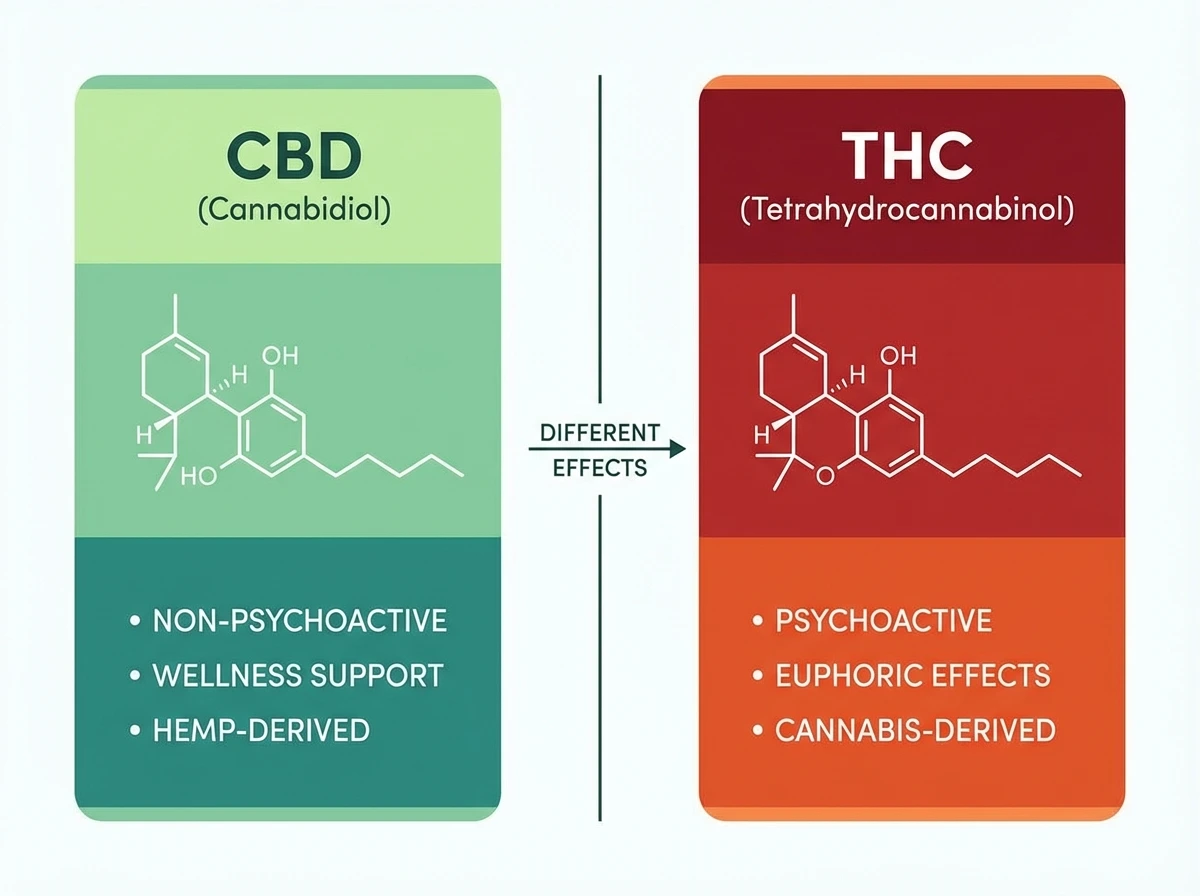
If you remember one thing from this article, make it this: CBD and THC are different cannabinoids.
CBD (cannabidiol) is generally described as non-intoxicating. THC (tetrahydrocannabinol) is the cannabinoid most associated with feeling “high”. That “high” is linked to how THC interacts with receptors in the brain.
Now, when it comes to typical UK CBD products, the goal is to provide CBD without giving you an intoxicating effect. That is why reputable brands pay so much attention to testing and legal compliance.
So does CBD get you high at all?
For most people, using a compliant CBD product at sensible servings will not make you feel high.
Some people do report feeling “something”, especially when they are new to CBD. In practice, that “something” is more often described as feeling calmer, a bit more grounded, or slightly drowsy, rather than intoxicated. It is also common to notice a change simply because you are paying closer attention to your body than usual.
What “high” means, and what people sometimes confuse with it
“High” means different things to different people. Most people mean intoxication: altered perception, impaired coordination, racing thoughts, and feeling mentally “stoned”. That is the classic THC experience.
What many people overlook is that a new supplement can create sensations that feel unfamiliar, especially if you take it on an empty stomach, take too much too soon, or combine it with alcohol.
Common sensations that are not a THC-style high
With CBD, some users report subtle effects like relaxation, heavier eyelids, or a shift in mood. If you have been stressed for weeks, even feeling “normal” again can feel unusual.
Consider this: if you take CBD in the evening, switch your phone off, and finally stop stimulating your nervous system, you might attribute the wind-down to CBD when it is really the whole routine working together.
Full spectrum CBD and trace THC: the nuance most people miss
This is where things get a bit more practical.
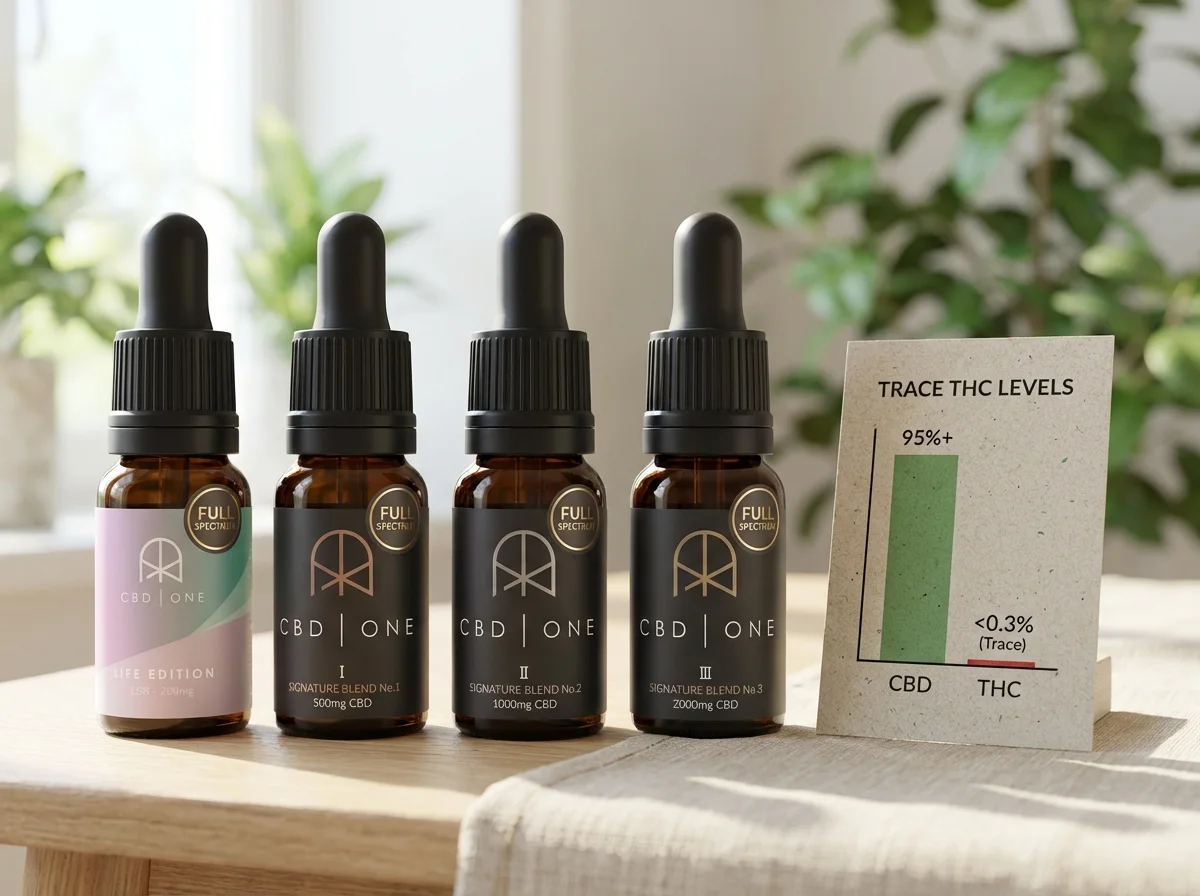
Full spectrum CBD contains CBD plus other naturally occurring compounds from hemp, including minor cannabinoids and terpenes. Depending on the product and lab report, it may also contain trace amounts of THC within legal limits.
In the UK, legal CBD products are expected to be non-intoxicating and compliant. Even so, “trace” does not mean “zero”. If you are highly sensitive, if you take large servings, or if the product is poor quality or mislabelled, your risk of unwanted effects goes up.
Does CBD THC get you high?
CBD itself is not the intoxicating part. THC is the main compound linked to intoxication. So the question becomes: how much THC is actually present, and how consistently is the product made?
From a practical standpoint, this is why third-party lab testing matters. It is not about marketing. It is about knowing what is in the bottle.
What about isolate products?
CBD isolate is CBD on its own, with other compounds removed. Isolate is commonly chosen by people who want to avoid THC entirely, such as tested athletes.
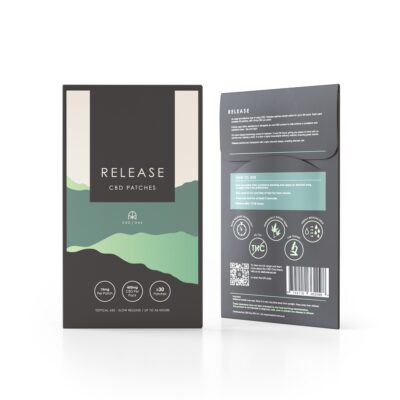
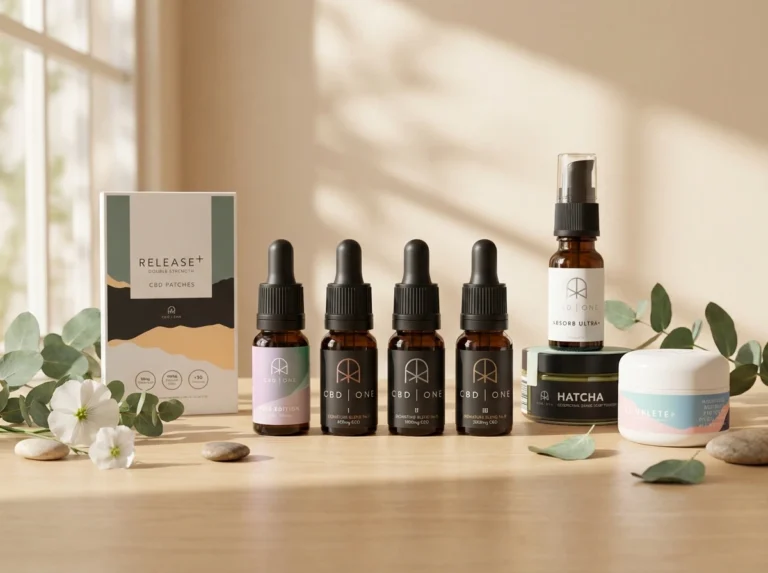
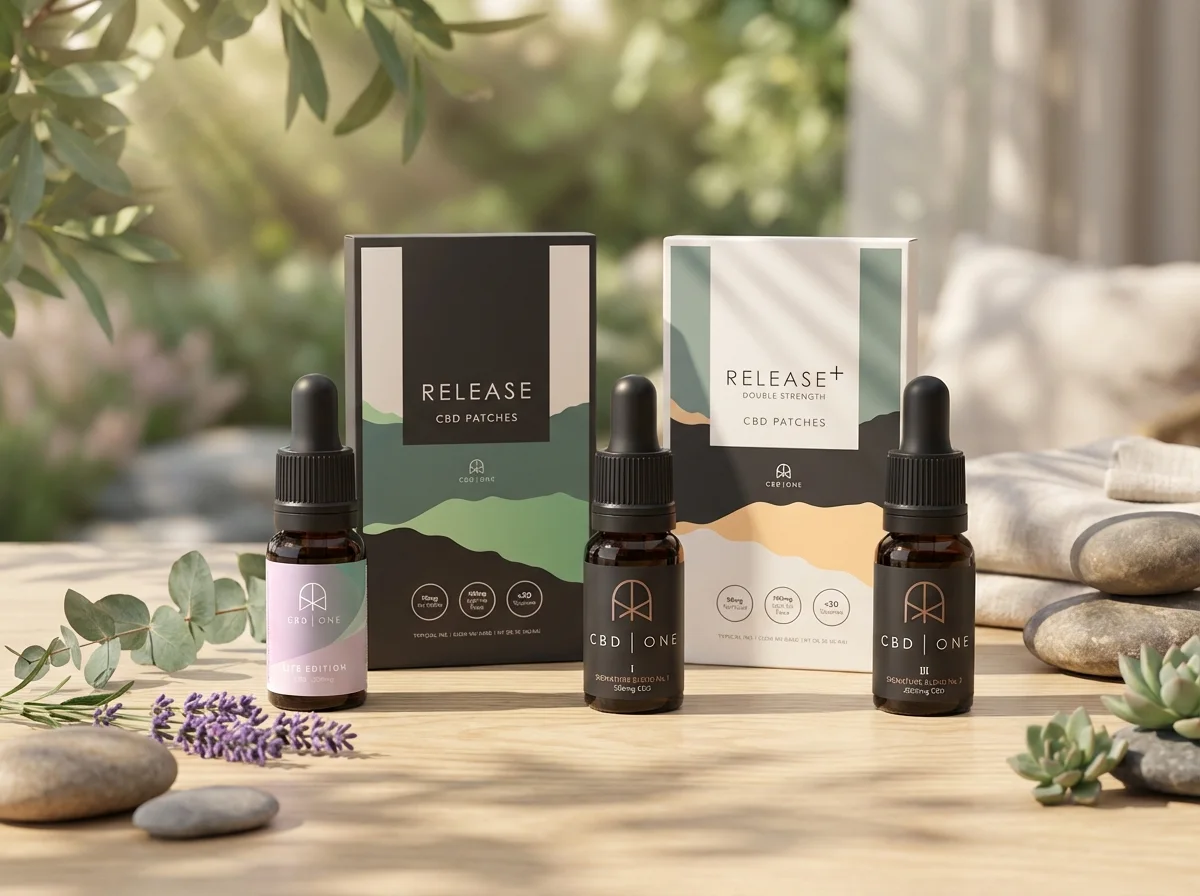
For example, CBD One’s Release patch range uses CBD isolate and is THC-free by design, which can feel like a simpler choice if you want to avoid the “trace THC” conversation altogether.
CBD flower, vaping, smoking: does it change the risk of feeling high?
People often ask this in a very specific way: does CBD get you high if you smoke it?
The reality is that inhalation changes the speed of onset. When you inhale cannabinoids, they can enter the bloodstream quickly, so any effect you do feel can feel more immediate and noticeable.
Does CBD flower get you high?
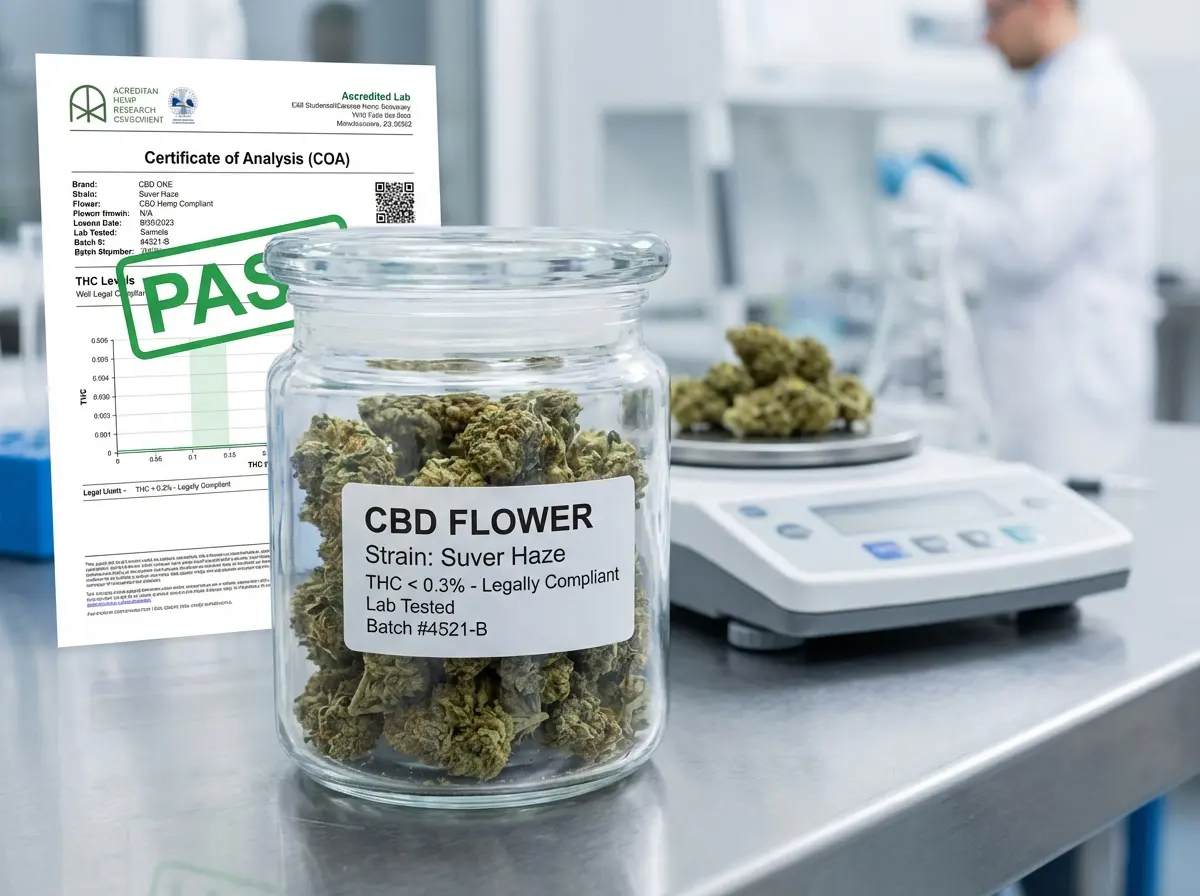
CBD flower is a tricky area because it can look and smell like high-THC cannabis, and the cannabinoid profile can vary widely. Some “CBD flower” products may contain meaningful amounts of THC if they are not properly controlled and tested.
If you are trying to avoid intoxication, choose tested, clearly labelled products from reputable sellers, and be cautious with any product sold as “flower” or intended for smoking or vaping.
Does CBD e liquid get you high?
Most CBD e-liquids are formulated to be non-intoxicating. But again, quality is everything. Mislabelled products exist, and inhalation makes effects feel faster.
If you are sensitive, start with a low amount and do not combine it with alcohol. If your work or sport has testing policies, treat vaping products with extra caution.
How to avoid unwanted effects: dose, timing, and product quality
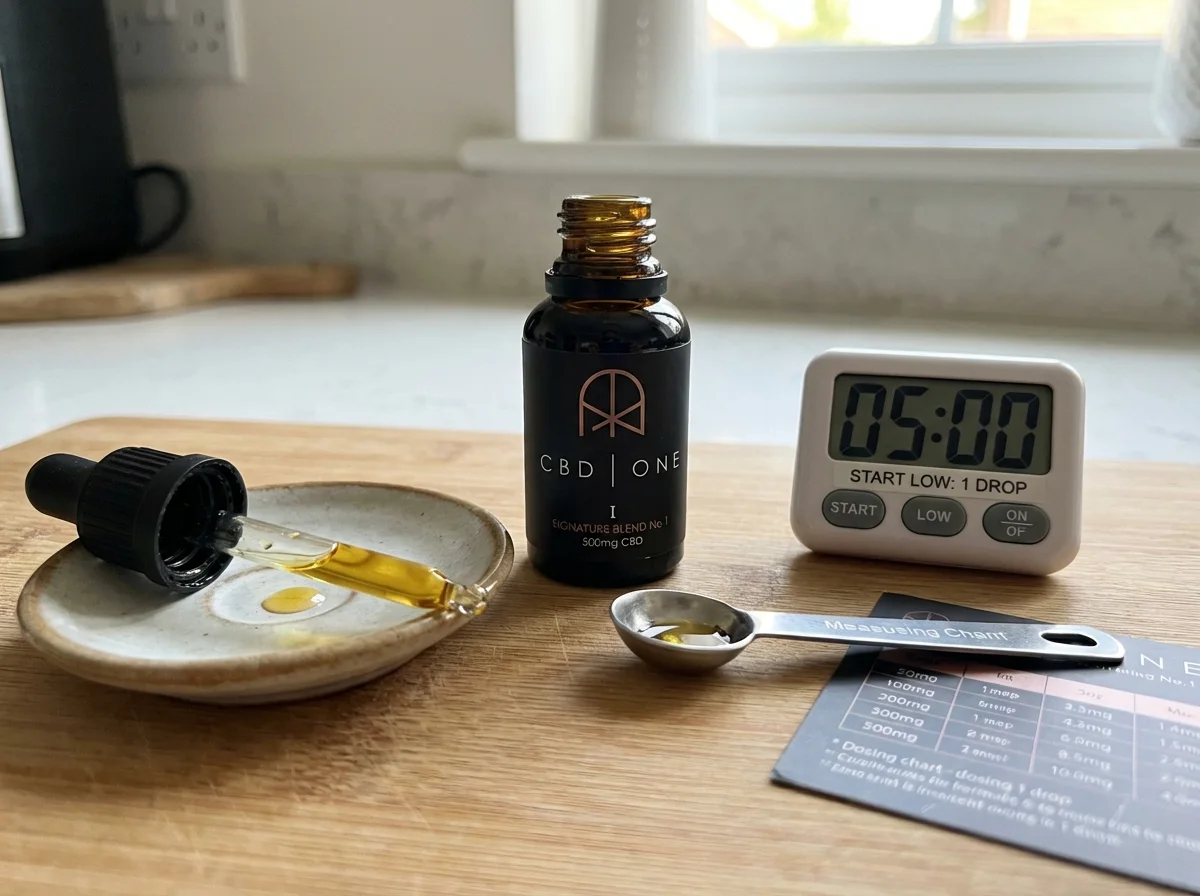
If your goal is simple, “I want to try CBD but I do not want to feel high”, you can stack the odds in your favour.
1) Start low and go slow
Many “bad first CBD experiences” are actually “too much, too soon” experiences. You do not need a big serving to learn how your body responds.
In the UK, the Food Standards Agency (FSA) suggests healthy adults should not exceed 70mg of CBD per day. That is not a target, it is a cautious upper guideline. Plenty of people use less.
If you want help thinking through amounts, the CBD Dosage Calculator can be a useful starting point, then adjust based on your own response.
2) Pick the right time of day
Think of it this way: if you trial something new, choose a calm day where you do not need to be “on it” for driving, meetings, or childcare. Evening can be a safer test window for many people.
If you do drive, it is worth reading CBD Oil And Driving so you understand the practical and legal considerations.
3) Know what you are taking, and why
CBD comes in formats that absorb differently. Oils (taken under the tongue) typically have a different feel and timing compared with patches or water-soluble CBD.
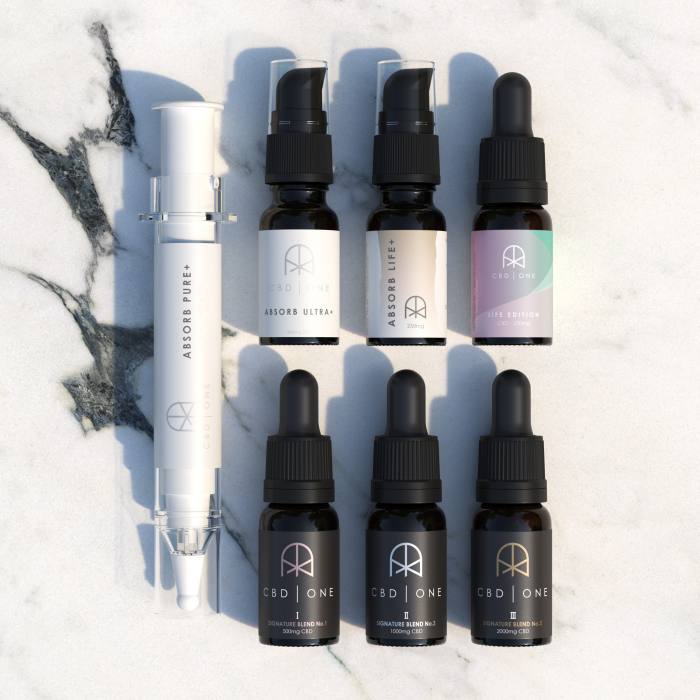
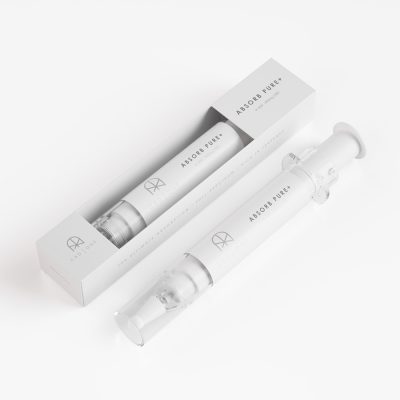
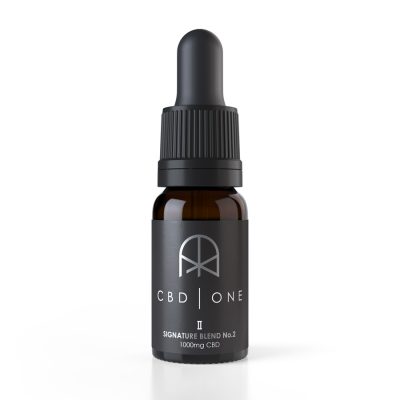
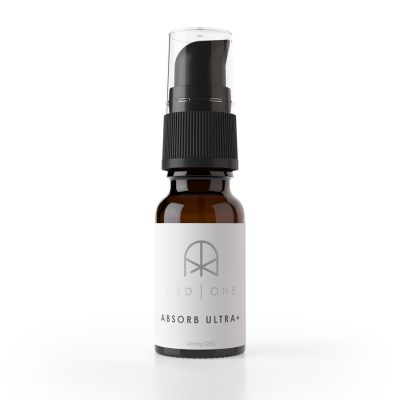
CBD One oils list a bioavailability figure of around 12% for their oil drops, which is one reason some people prefer water-soluble formats for convenience. For example, the Absorb range is designed to mix into a drink as part of a morning routine. You can explore formats on the Water Soluble CBD page.
UK practicalities: legality, labels, and why compliance matters
People often mix up “legal” with “will not show up on a test” and “will not make me feel anything”. Those are different questions.
Legality basics (not legal advice)
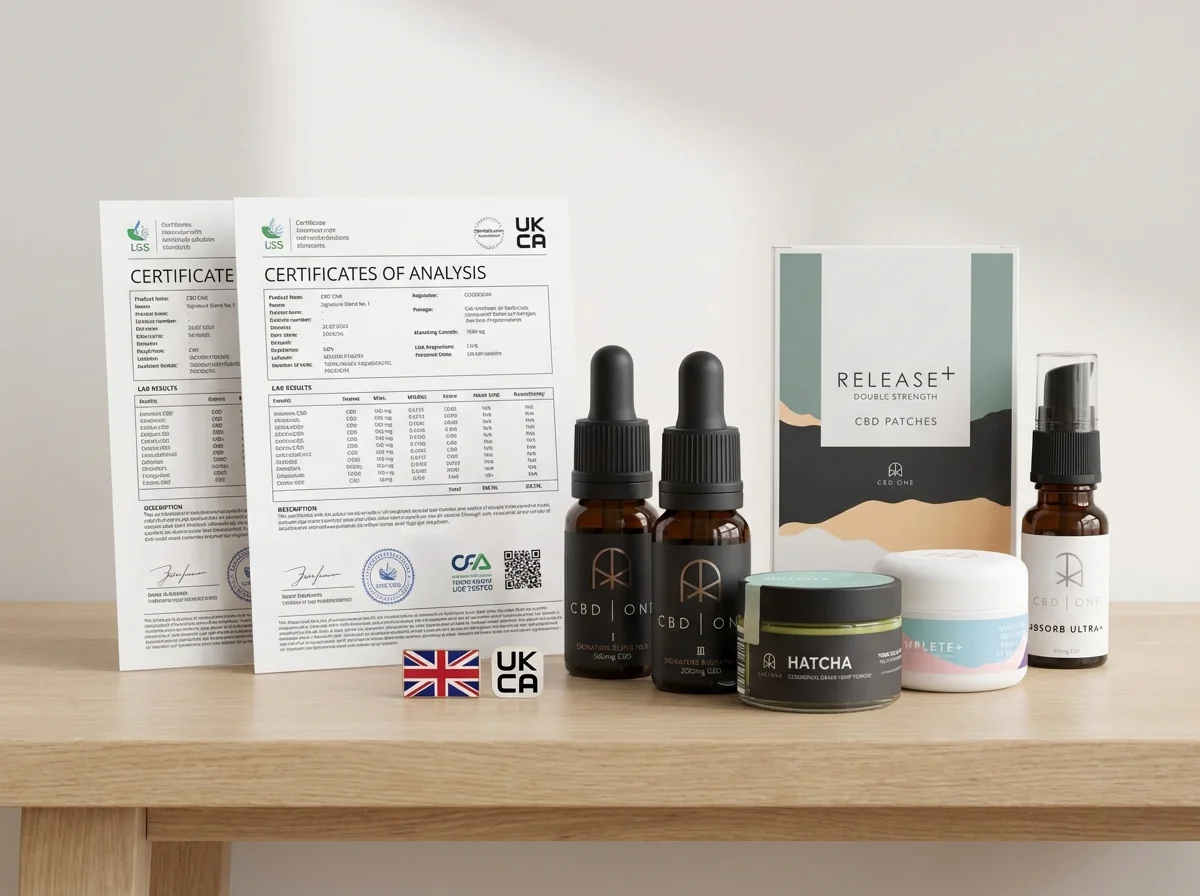
UK-compliant CBD products are sold as wellness supplements, not medicines, and they should meet relevant safety and regulatory expectations (including Novel Food requirements where applicable). Reputable brands will also provide third-party lab reports, so you can verify cannabinoid content.
If you are just getting your bearings, it can help to read a broader primer like what is CBD first, then come back to the “will it get me high?” question with better context.
Drug tests: a quick reality check
Standard workplace drug tests usually look for THC or THC metabolites, not CBD. Using an isolate product can reduce risk, but no supplement can promise a “zero risk” outcome if testing is strict, especially if you use full spectrum products regularly.
If drug testing is a serious concern for you, speak to your employer or governing body and choose products with clear, accessible lab reports.
Choosing a CBD product with confidence (without overthinking it)
There is a lot of noise in CBD. The labels can be confusing, and marketing can get a bit carried away.
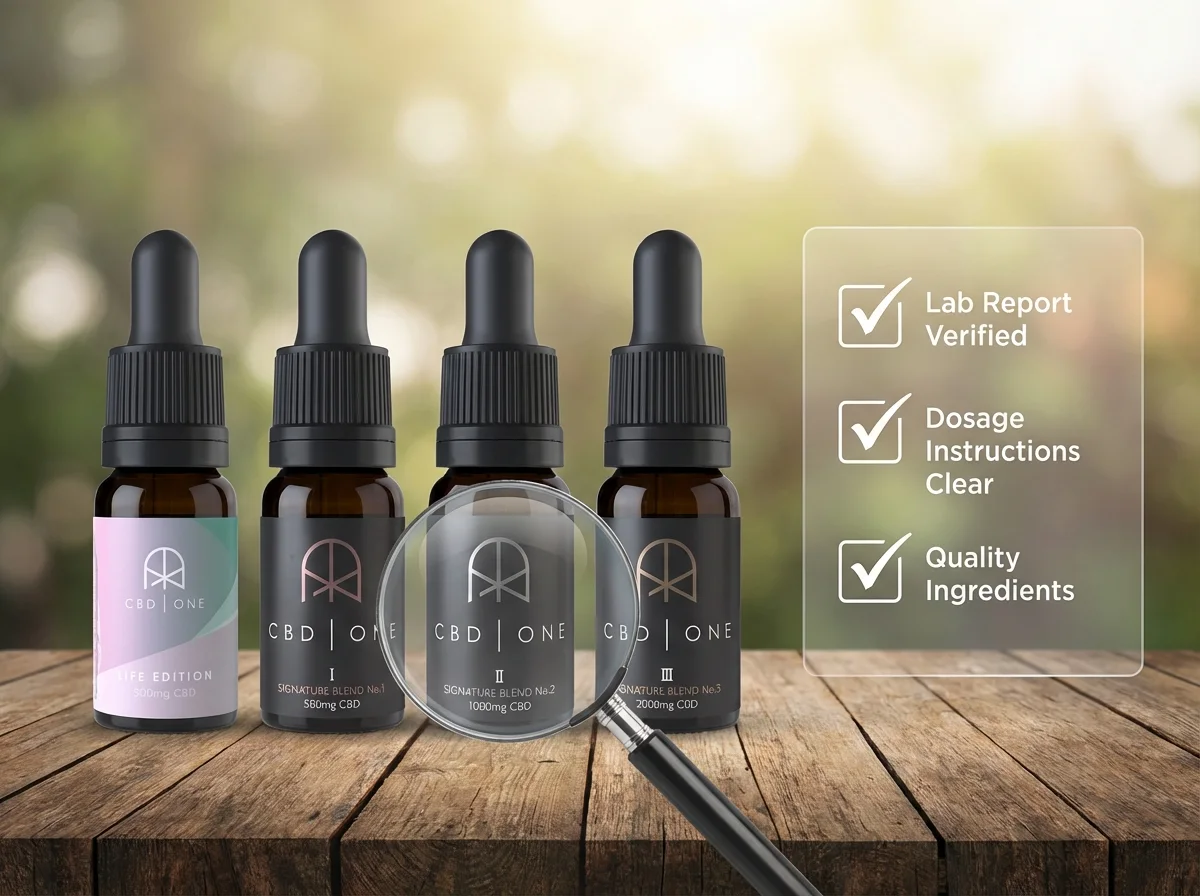
So I would keep it simple and focus on a few quality signals:
- Clear cannabinoid spectrum: full spectrum vs isolate should be stated, not implied.
- Third-party lab testing: ideally easy to find, not hidden.
- Transparent serving guidance: you should be able to work out how much CBD you are taking.
- Realistic language: CBD is not a medicine, and brands should not talk like it is.
From a practical standpoint, a good starting format for many people is a simple oil, taken consistently as part of a routine. If you want to browse that format, you can see options on the CBD Oils category page.
When you are comparing brands, the CBD Buying Guide and CBD Product Comparison can help you spot the differences that actually matter, like testing, spectrum, and serving clarity.
One quick note about our approach at CBD One: we focus on full spectrum across our core oil and water-soluble ranges because we believe the plant’s natural balance is part of the appeal. We also offer THC-free isolate patches for people who need that extra peace of mind.
How CBD can feel: “buzz”, sleepiness, and first-time expectations
A lot of the “will CBD get me high?” worry is really a “how will CBD make me feel?” question.
Many people describe CBD as subtle. Some feel nothing obvious, especially at lower servings. Others notice a gentle shift, like the edges feel slightly softer, or they unwind more easily when they stop for the evening.
Why some people say they feel a “buzz”
Sometimes “buzz” is just the body noticing a change, not intoxication. If you are tense, running on caffeine, or already a bit anxious about the experience, any new sensation can feel bigger than it is.
It can also be as simple as timing: taking CBD on an empty stomach, combining it with alcohol, or jumping straight to a higher serving can make you feel light-headed or unusually tired.
Does CBD make you sleepy or just relaxed?
It can vary. Some people find CBD fits better in the evening because it feels calming as part of a wind-down routine. Others prefer it earlier in the day and feel more balanced rather than drowsy.
If sleepiness is something you want to avoid, start with a small serving, try it when you are at home, and pay attention to the basics too: hydration, food, and how much caffeine you have had that day.
Why format changes what you feel (and why that can be confused with a high)
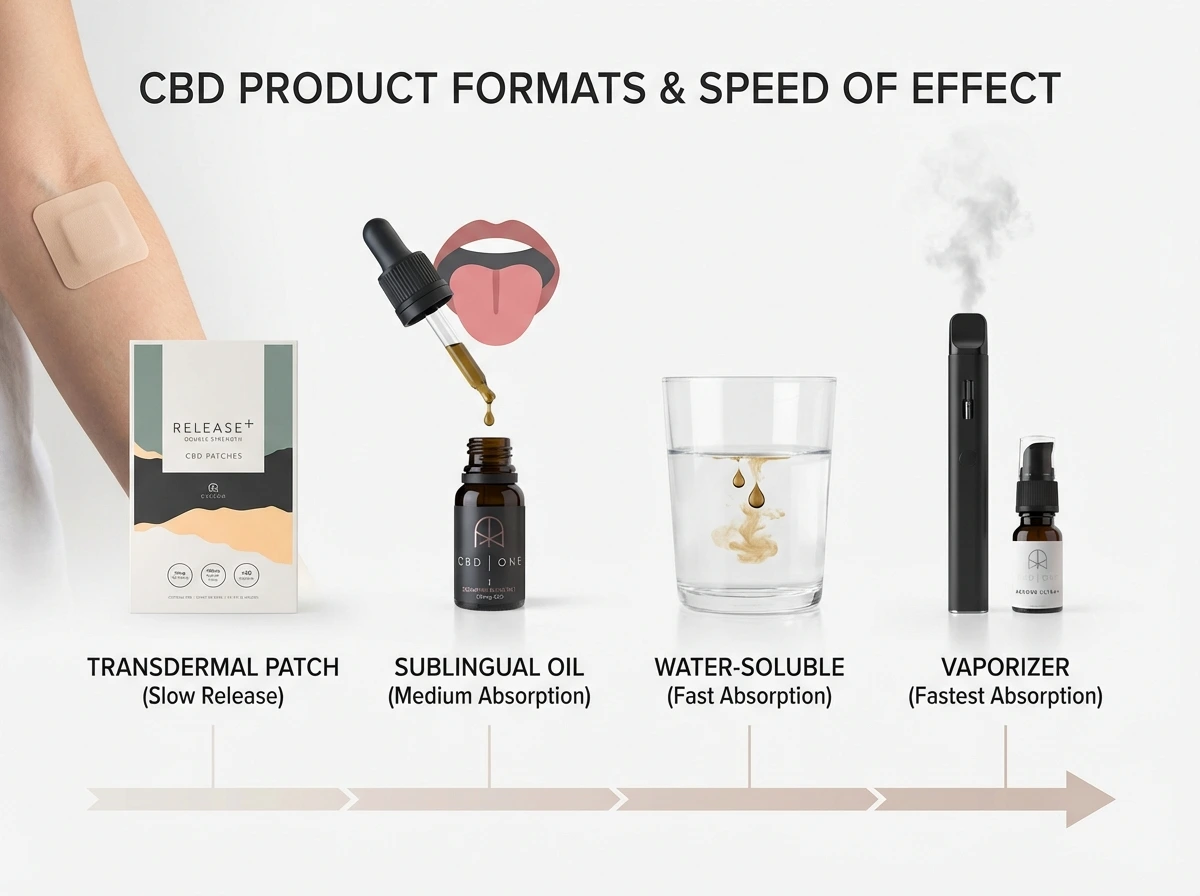
Here’s the thing: people often talk about CBD as if it is one experience, but how you take it changes the timing.
Inhaled products tend to feel fast, which can be mistaken for “strong”. Oils under the tongue tend to feel steadier. Patches can feel more even because they are designed to release slowly. Water-soluble CBD can feel straightforward for people who prefer adding it to a drink and moving on with their day.
Fast onset can feel intense, even if it is not intoxicating
If you feel something within minutes, it is easy to jump to, “That must be a high”. More often it is simply speed: you notice the change quickly, so it grabs your attention.
From a practical standpoint, if you are trying CBD for the first time and you are nervous about the feeling, it can be sensible to start with slower, more controllable formats and avoid stacking lots of variables at once.
Food, alcohol, and expectations are part of the “effect”
CBD does not happen in a vacuum. A large meal, an empty stomach, a couple of drinks, poor sleep, or a stressful day can all change how you interpret what you are feeling. If your goal is clarity, keep your first few trials simple: one product, one serving, one calm setting.
Frequently Asked Questions
Does CBD get you high like weed?
For most people, no. THC is the cannabinoid most associated with feeling high, and CBD is generally considered non-intoxicating. If you use a compliant UK CBD product at sensible servings, you would not expect a “stoned” feeling. Where people can run into problems is with poor-quality products, mislabelling, or products that contain more THC than expected. If you are sensitive or anxious about the feeling, start with a low amount, try it at home first, and pick products with accessible third-party lab reports.
Does CBD oil get you high?
Typically, CBD oil does not get you high. A well-made CBD oil should feel subtle, if you feel anything at all. Some people report feeling calmer or more relaxed, especially when they first start. If the oil is full spectrum, it may contain trace THC within legal limits, which is still not intended to intoxicate you, but it is one reason to use products from reputable brands. If you are unsure where to begin, reading what is CBD can make the basics much clearer.
Can full spectrum CBD make you feel high?
Full spectrum CBD contains a wider mix of hemp compounds, which many people choose for the “whole plant” feel. It may include trace THC, depending on the product. Most users still do not feel intoxicated, but if you are very sensitive, take a large amount, or use a product with inconsistent testing, you might feel effects you do not like. If you want to reduce that risk, consider THC-free CBD isolate products, keep your serving low, and trial new products when you do not need to drive or perform at work.
Does CBD flower get you high?
CBD flower can be more variable than oils or capsules, and it is often where people feel most uncertain. Some products sold as “CBD flower” may contain higher-than-expected THC if they are not properly controlled and tested. Inhalation also makes effects feel quicker, which can be misread as a “high”. If avoiding intoxication is your priority, be cautious with flower, only buy from reputable sellers, and check for clear lab results. If you are brand new to CBD, you might find oils or patches easier to dose consistently.
Does CBD e liquid get you high?
Most CBD e-liquids are intended to be non-intoxicating, but the same rule applies: quality and testing are everything. Because vaping acts quickly, any effect you do feel can seem stronger, especially if you are not expecting it. If you are trying vaping, keep the dose low, avoid mixing with alcohol, and do not use it before driving. If drug testing is a concern, remember that tests usually look for THC, so you would want to be extra cautious about product selection and lab reports.
Does THC get you high or CBD?
THC is the cannabinoid that typically causes a high. CBD does not generally intoxicate you. People sometimes blur the two because they are both cannabinoids from the cannabis plant family, but their effects are not the same. A helpful way to think about it is that “cannabis” is a big umbrella term. Under that umbrella you have different compounds, and they can behave very differently in the body. If you are looking to avoid intoxication, focus on products that clearly state CBD content and provide third-party testing.
Will CBD make me fail a drug test?
CBD itself is not usually what drug tests look for. Most tests focus on THC or its metabolites. That said, full spectrum products may contain trace THC, and frequent use could increase the chance of a positive result, especially with strict testing thresholds. If you are tested for work or sport, you might prefer THC-free isolate products and you should always check lab reports. If the risk is career-critical, speak to your employer or governing body and consider avoiding cannabinoid products altogether.
Is it safe to drive after taking CBD?
CBD is not intended to impair you, but everyone responds differently, especially when you are new. Some people report drowsiness, which is obviously relevant for driving. My advice is to trial CBD at a time when you do not need to drive and see how you personally respond. If you take other supplements or medications, be extra cautious. For a practical UK-focused read, see CBD Oil And Driving.
Can CBD interact with medications and make me feel strange?
CBD can interact with certain medicines for some people, which is one reason you should speak to a GP or pharmacist if you are taking prescription medication. Unusual tiredness, light-headedness, or feeling “off” can sometimes be about timing, dose, or an interaction rather than CBD itself. If you want to understand the topic in plain English, CBD and Medication is a sensible place to start. Never stop or change prescribed medication without medical advice.
How much CBD should I take to avoid unwanted effects?
There is no one perfect number, but the principle is simple: start low and go slow. Choose a small serving, stick with it for several days, and only increase if you feel you need to. In the UK, the FSA recommends healthy adults do not exceed 70mg of CBD per day, but many people use less than that. If you want a structured starting point, the CBD Dosage Calculator can help you estimate a range, then you fine-tune based on your own response.
How does CBD oil make you feel the first time?
Many people feel very little the first time, especially at a low serving. Others notice they feel a touch calmer or more settled, or they feel slightly sleepy if they take it in the evening. If you feel something you do not like, it is often down to taking too much too soon, taking it on an empty stomach, or mixing it with alcohol. Keep your first trial simple, and try it when you do not need to drive or be switched on for work.
Does CBD cream make you high?
A topical CBD cream is not typically used for an intoxicating effect. Most people use topicals as part of a local routine, and they would not expect a THC-style high from that. The bigger risk, if you are concerned about intoxication or testing, is not “cream vs oil”, it is whether the product is properly made and tested, and whether it contains THC. If you are very cautious, look for clear lab reports and consider THC-free options.
Does CBD make you tired?
Some people do report feeling drowsy, particularly at higher servings or when taken in the evening. Others feel no tiredness at all. If you want to avoid feeling sleepy, use a lower serving, trial it at home first, and avoid combining it with alcohol or other supplements that can make you drowsy. If tiredness is persistent or you take prescription medication, it is sensible to speak to a pharmacist or GP.
Key Takeaways
- CBD is generally non-intoxicating. THC is the cannabinoid most associated with feeling high.
- Full spectrum CBD may include trace THC, so quality and lab testing matter.
- Inhalation (flower, vaping) can feel more immediate, which can increase anxiety or confusion about effects.
- Start low, go slow, and trial CBD at a time you do not need to drive or perform.
- If you take medication or are drug tested, speak to a professional and choose products carefully.
Conclusion
If you are asking “does CBD get you high?”, you are already doing the right thing: you are thinking about safety, control, and making an informed choice.
Most UK CBD products are designed to be non-intoxicating, and CBD itself is not the compound that produces a THC-style high. Where people get caught out is usually in the grey areas: poor-quality products, unclear lab reports, taking too much too quickly, or choosing fast-acting formats without understanding what to expect.
Keep it simple. Choose well-tested products, start with a low serving, and build a calm routine around it. If you want help comparing options, the CBD Buying Guide and CBD Product Comparison will steer you away from the common mistakes.
If you are unsure what fits your routine, you can always speak to Nick for free, friendly guidance.