
CBD Stand For: Complete UK Guide (2026 Guide)
What does CBD stand for?
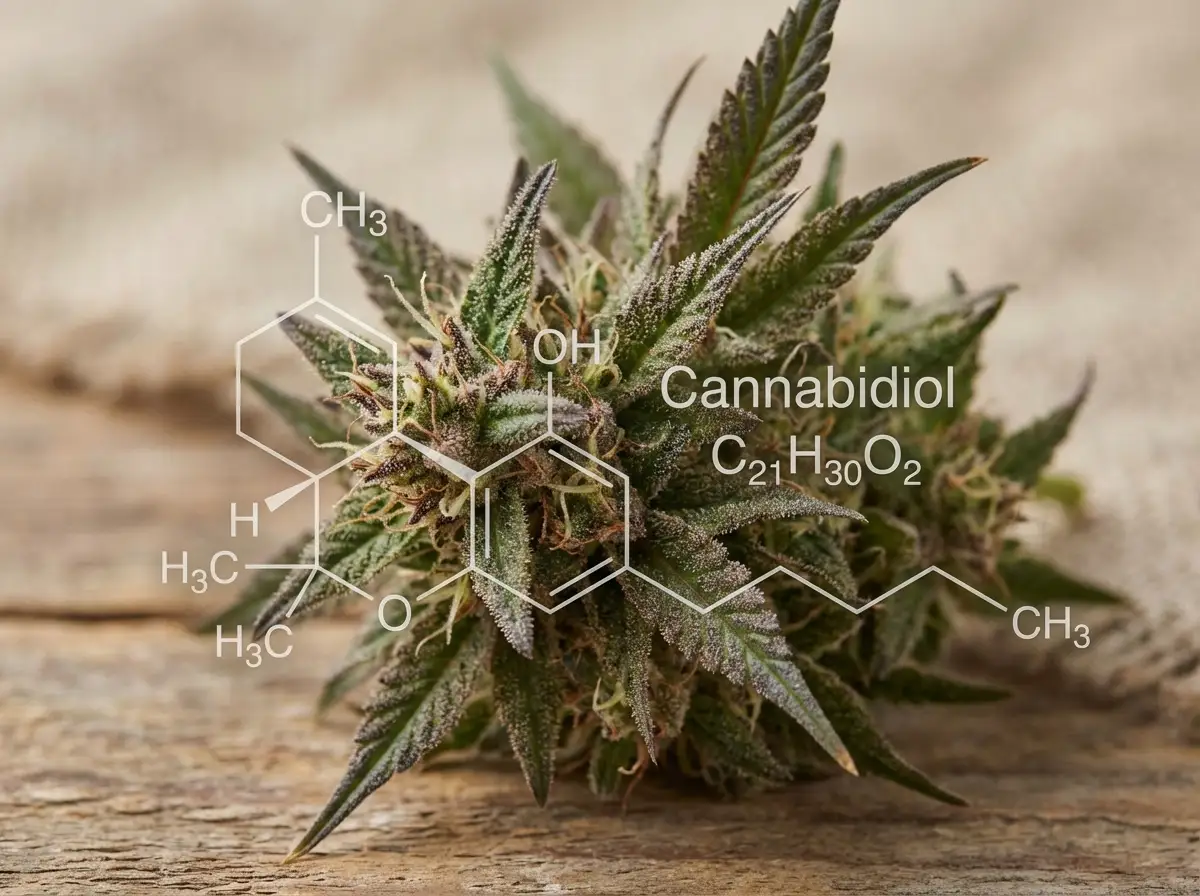
In the context of hemp and wellness products, CBD stands for cannabidiol.
Cannabidiol is one of many naturally occurring compounds found in the Cannabis sativa plant. When you see CBD oils, CBD capsules, CBD skincare, or CBD drinks, the CBD is referring to cannabidiol extracted from hemp (a variety of cannabis grown to contain very low levels of THC).
Now, when it comes to quick online searches, the confusion usually happens because “CBD” is also a common abbreviation in completely different fields. So before we go any further, let us separate the meanings.
What does CBD oil stand for?
“CBD oil” is simply oil that contains cannabidiol. Most often, it is a hemp extract blended into a carrier oil (commonly hempseed oil or MCT), designed for easy dosing. “CBD oil” does not mean hempseed oil on its own, and it does not automatically mean it contains THC. You have to read the label to know the spectrum and the cannabinoid content.
What does CBD stand for in medical terms?
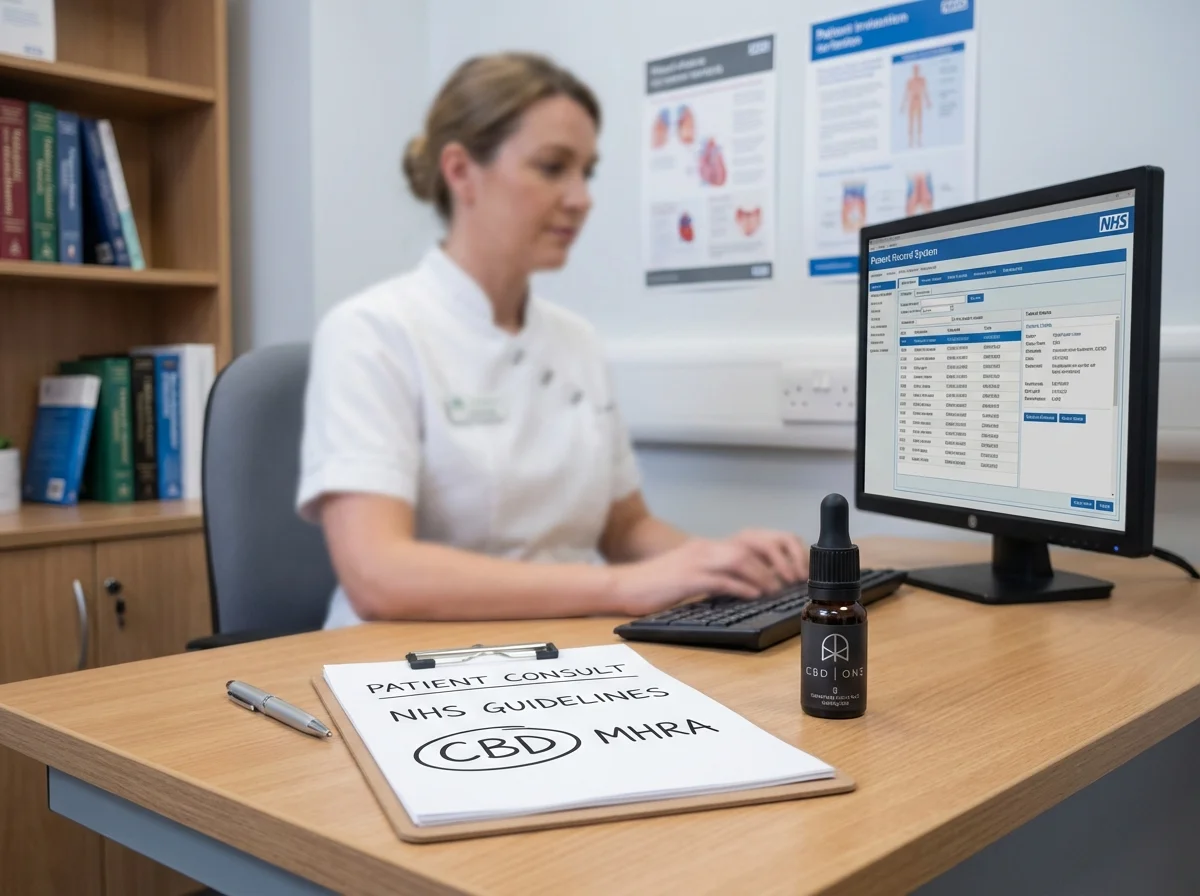
In everyday UK healthcare settings, “CBD” usually still refers to cannabidiol when people are talking about cannabinoids. But “CBD” can also appear as an abbreviation in other medical contexts, depending on the document or specialty. The practical takeaway is simple: if you are reading a medical note or prescription and see “CBD”, do not assume it means cannabidiol. Ask the pharmacist or clinician what they mean.
CBD in wellness vs other meanings (city, geography, Australia)
Consider this. You search “what does cbd stand for city” and the internet tells you it stands for “central business district”. That is correct, just not the CBD you were looking for.
What does CBD stand for in geography?
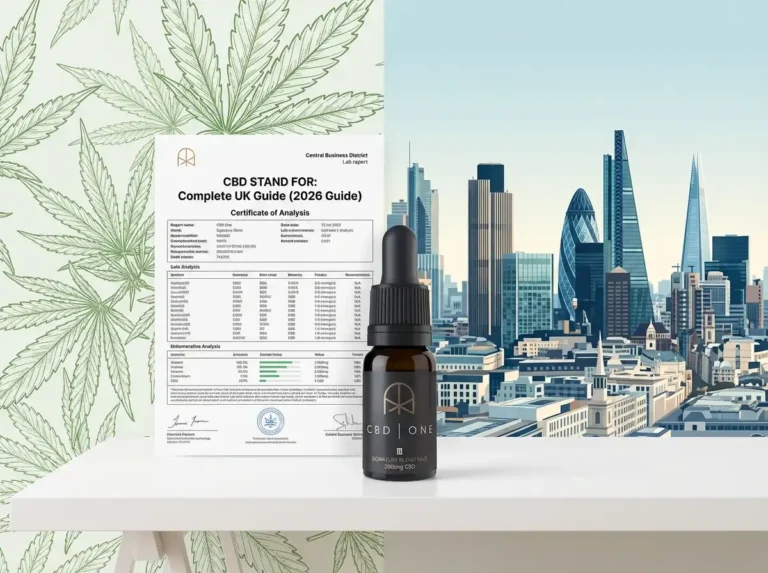
In geography, town planning, and business, CBD often stands for central business district. It means the commercial centre of a city, where you will find offices, shops, and transport hubs.
What does CBD stand for in Australia?
In Australia, people commonly say “the CBD” to mean the city centre. If someone in Sydney says “I am heading into the CBD”, they mean downtown, not cannabidiol.
Why the confusion matters
The reality is that mixed search results can lead to mixed assumptions. I have spoken with plenty of people who thought CBD was a brand name, or assumed it was “medical cannabis” in general. Getting the basic meaning right helps everything else make sense, including legality, product types, and sensible dosing.
What CBD (cannabidiol) actually is
CBD is a non-intoxicating cannabinoid found in hemp. “Non-intoxicating” is important. It means CBD does not create the “high” associated with THC.
Think of the hemp plant like a natural chemical library. Cannabinoids are one group of compounds in that library. Terpenes (aromatic compounds) are another. Flavonoids (plant pigments) are another. Different extraction and manufacturing choices decide how much of that library ends up in your final product.
Where CBD comes from
CBD used in consumer products is typically extracted from hemp flowers and aerial parts of the plant, then refined and formulated into oils, water soluble drops, topical products, or other formats. The end result is not “raw plant” in a bottle. It is a measured ingredient that should be backed by lab testing and clear labelling.
How CBD interacts with the body (in simple terms)
Research is still evolving, but CBD is understood to interact with the body’s endocannabinoid system, a network involved in maintaining balance across many functions. In practice, this is why people often describe CBD as something that supports a sense of steadiness in their daily routine, rather than a quick, dramatic “on off” effect.
It is also why two people can take the same CBD product and describe different experiences. Your body, your dose, your timing, your stress levels, and even what you have eaten can all change the outcome.
CBD vs THC: the “will it get me high?” question
What many people overlook is that “cannabis” is a broad plant family. CBD and THC are two different cannabinoids from that same plant, but they behave very differently.
CBD is not intoxicating
CBD does not cause intoxication. If you want a deeper, plain-English answer to the common fear, read Does CBD Oil Get You High?. It covers the difference between feeling calmer and feeling impaired, which are not the same thing.
Full spectrum vs isolate (why labels matter)
CBD products can be made with different “spectrums”. Full spectrum products contain CBD plus other naturally occurring hemp compounds, including trace THC within legal limits. Isolate products contain CBD only.
From a practical standpoint, this is why athletes or people who need to avoid THC entirely often look at isolate options, while others prefer full spectrum products for the broader plant profile. If you are subject to drug testing, speak to your employer or testing provider and choose cautiously, because even trace THC can be a concern for some tests.
How to read a CBD label in the UK (without getting overwhelmed)
A good CBD label should make it easy to answer four questions: what is it, how much CBD is in it, what type of extract is used, and how do you take it.
1) Total CBD vs CBD per serving
You might see “500mg CBD” on a 10ml bottle. That is usually the total CBD in the whole bottle, not per drop. Brands often also provide an estimate per drop or per pump. This is the number that helps you plan a daily routine.
2) Spectrum: full spectrum, broad spectrum, or isolate
Full spectrum means a wider range of hemp compounds. Isolate means CBD only. Broad spectrum usually means multiple cannabinoids with THC removed, but definitions can vary by brand, so it is worth checking the lab report.
3) Lab reports (COAs)
Look for a Certificate of Analysis (COA) from an independent lab. A COA should confirm cannabinoid content and help you sanity-check that what is on the label matches what is in the bottle.
4) The sensible daily limit in the UK
The UK Food Standards Agency (FSA) advises healthy adults not to exceed 70mg of CBD per day. That is not a “recommended dose” for everyone, it is a cautionary upper level. Many people use less than this, especially at the start.
UK legality in plain English: what “legal CBD” usually means on a label
If you have ever thought, “OK, I know what CBD stands for, but is it actually legal?”, you are not alone. CBD products are common in the UK, but the rules are not just about the three letters on the front label.
Think of UK legality as a mix of what is in the product, how it is made, and how it is marketed. You do not need to memorise every regulation, but you do want a few anchor points so you can spot obvious red flags.
CBD vs “medical cannabis” (not the same thing)
In day-to-day conversation, people sometimes use “CBD” to mean cannabis products in general. The reality is that over-the-counter CBD wellness products are not the same as prescription medical cannabis. They are different routes, different regulations, and very different expectations.
From a consumer point of view, this matters because reputable CBD brands avoid medical claims entirely. If a product is being marketed as if it is a medicine, that is a warning sign, not a benefit.
What you should actually look for
- Clear CBD content in mg (not just “hemp extract”)
- A stated spectrum (full spectrum, broad spectrum, or isolate)
- A third-party COA that matches the batch
- Reasonable, compliant language, not promises or condition claims
A quick word on THC and “THC-free”
In the UK, CBD products are expected to be made in a way that keeps THC within legal expectations. Full spectrum products can contain trace THC, which is why they are not a good fit for everyone.
“THC-free” is usually used to describe isolate products, or products made to remove THC as far as possible. Even then, if avoiding THC is critical for you, it is worth reading the COA and choosing cautiously.
CBD types and product formats (oils, water soluble, patches)
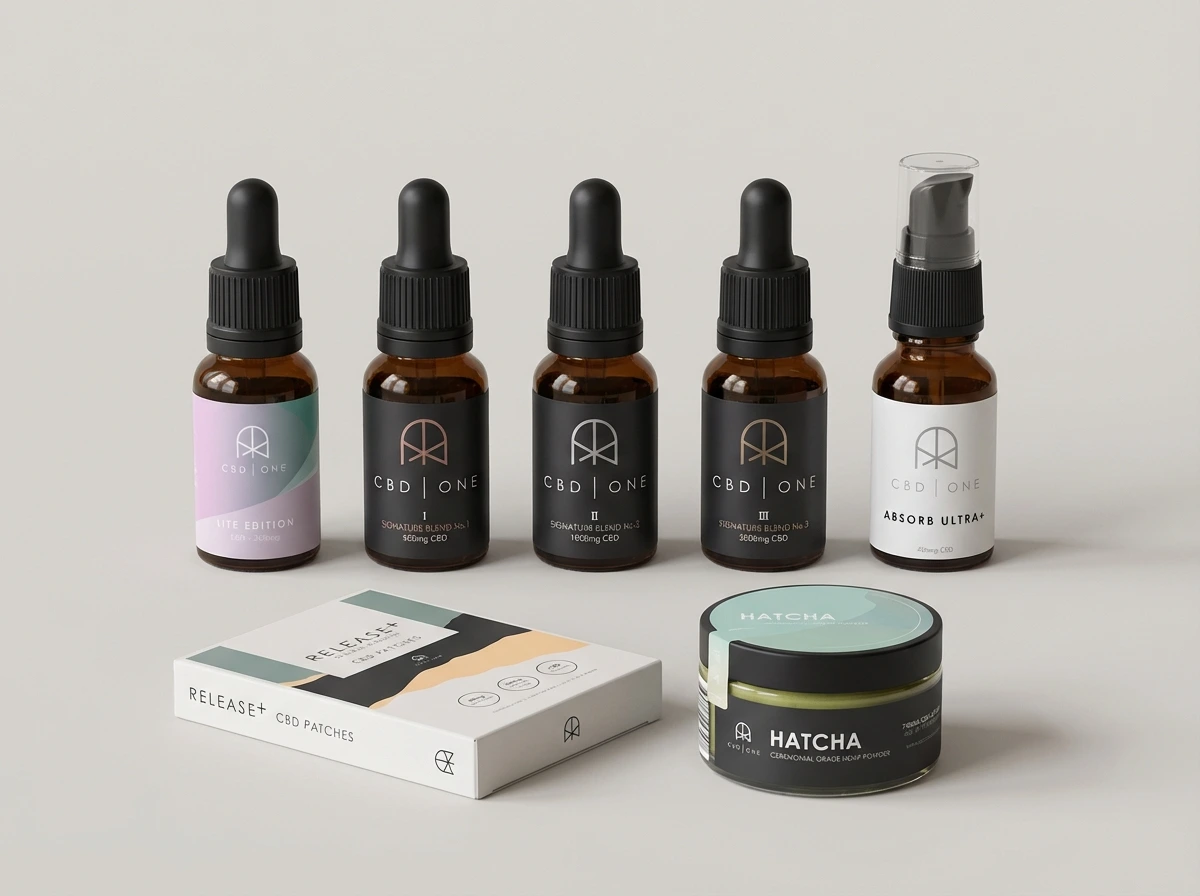
When someone asks “cbd what does it stand for”, they often really mean: “what am I actually meant to take?” Format matters because it changes how CBD is used and how it fits into your day.
CBD oils (drops under the tongue)
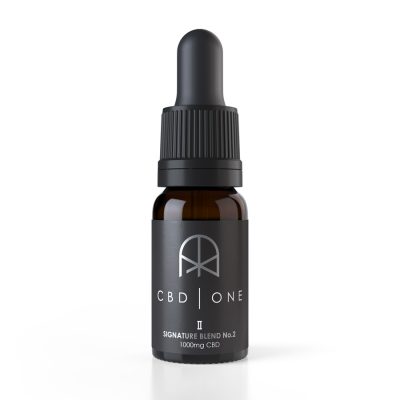
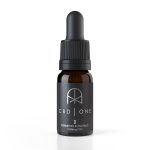
CBD oil is one of the most traditional formats. You place drops under your tongue, hold briefly, then swallow. Many CBD oils list a bioavailability estimate, often around 10 to 12% for standard oil drops, depending on the product and the person.
If you are browsing options, the CBD Oils category is a useful way to compare strengths and decide what feels realistic for your routine.
Water soluble CBD (mix into drinks)
Water soluble CBD is designed to mix into hot or cold drinks, which some people prefer if they dislike the taste of oil. It can also feel easier to build into a morning ritual, like adding it to your tea or coffee.
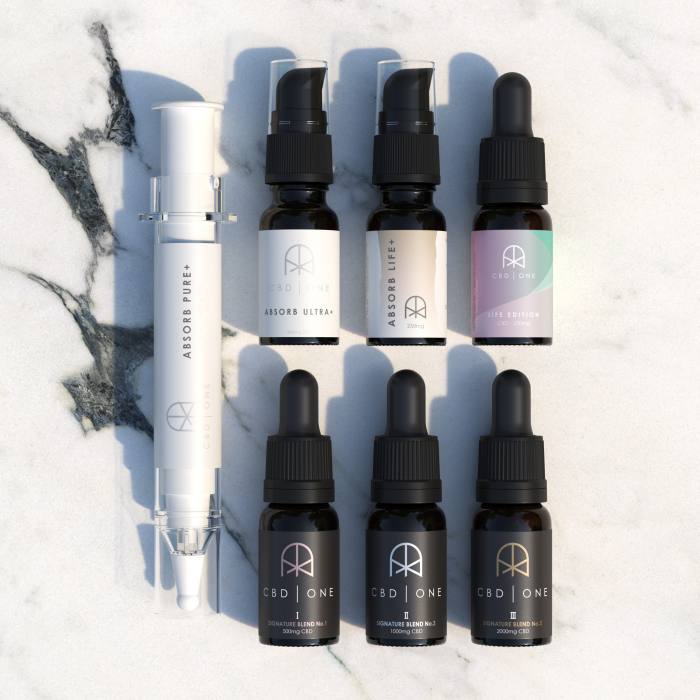
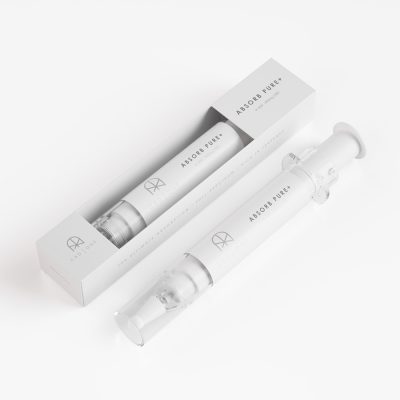
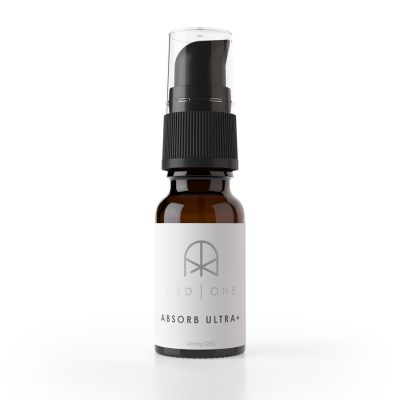
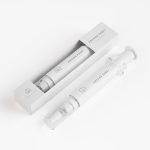
One example is CBD One’s Absorb range, which uses a water soluble format you add by pump. If you want to explore that style of product generally, see the Water Soluble CBD category.
CBD patches (slow release, measured dosing)
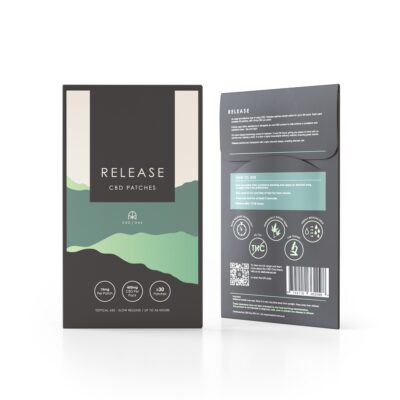
Patches are a different approach again. Instead of taking drops, you apply a patch to clean, dry skin. CBD One’s patch products are made with CBD isolate and are described as THC-free, which some people prioritise for sport or workplace testing. They are also designed for steady release over many hours, which suits those who prefer not to think about multiple doses in a day.
How to choose a CBD product sensibly (and avoid hype)
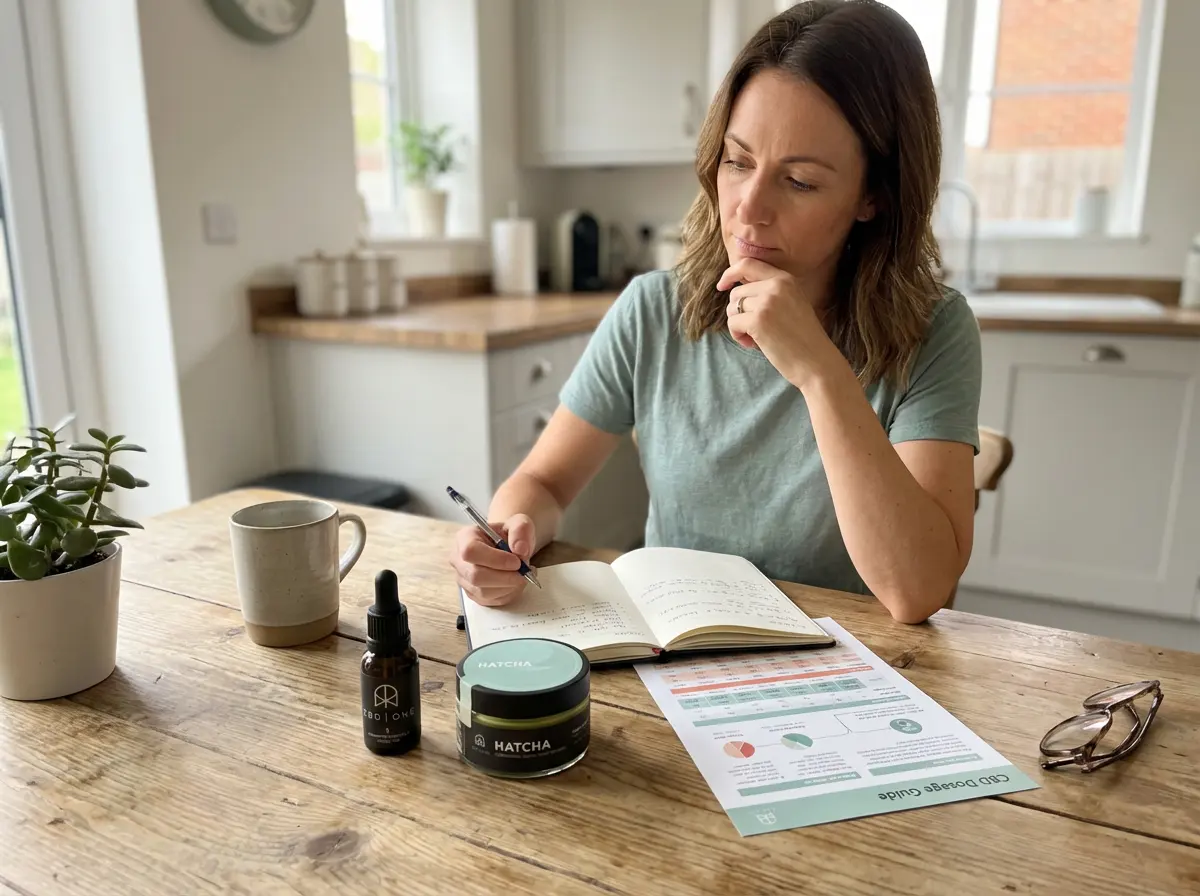
If you are new to CBD, the best mindset is curious and cautious. You are not looking for a miracle. You are looking for a product you can use consistently, track, and adjust.
Start with your “why” and your routine
Ask yourself when you want to use it. Morning? Evening? Only on high-stress days? A format that matches your lifestyle is usually easier to stick with. An oil can be a quiet evening ritual. A water soluble product can sit beside the kettle. A patch can be useful if you want something discreet.
Use tools that keep you grounded
Dosage is where most people either overthink it or rush it. A simple calculator can help you translate “500mg per bottle” into an actual daily amount. If you want help with the maths, take a look at the CBD dosage guide and keep the FSA 70mg per day guidance in mind.
Quality checks that build confidence
- Clear CBD content (total and per serving)
- Spectrum stated (full spectrum, broad spectrum, or isolate)
- Independent lab report available
- Realistic guidance on use, not exaggerated promises
A quick note on CBD One (as one real-world example)
CBD One is a UK family-founded brand created by brothers Nick and Alex Tofalos in honour of their brother Deno. Our approach focuses on clear labelling, plant-based formulas, and using full spectrum extracts across our core ranges because we value the Entourage Effect philosophy. If you are ever unsure, I also offer free health advice to help you think it through sensibly.
If you are comparing brands, do it methodically
When you are ready to compare properly, it helps to use a consistent checklist across products, rather than bouncing between marketing claims. The CBD product comparison page is a good next step once you know what CBD stands for and you are looking at real labels.
And if you want a broader “how to buy” framework
Some people prefer a step-by-step buying guide that covers spectrum, strengths, testing, and red flags. If that is you, read the CBD buying guide when you are done here.
How does CBD make you feel? (and what it should not feel like)

This is one of the most common “unspoken” questions behind searches like “what does CBD stand for”. People are not only asking what the letters mean, they are trying to picture what CBD is like in real life.
Many people describe CBD as subtle. You might notice you feel a bit more settled, or that you find it easier to stick to an evening wind-down routine. Some people notice nothing obvious at all, especially early on. That does not automatically mean it is not worth using, it might just mean the product, the format, or the timing is not quite right for you.
What it should not feel like is being intoxicated or impaired. If you ever feel “high”, spaced out, or uncomfortably drowsy, pause and re-check what you took, how much you took, and what the label says about the spectrum. If you are unsure, speak to a healthcare professional.
Why experiences vary so much
Consider this. Two people can take the same labelled amount and have different results because real life is messy. Body size, sleep, stress, caffeine, food, and other supplements all matter. Even the format matters, because oils, water soluble products, and patches can fit into the body differently.
From a practical standpoint, a short note in your phone can help: what you took, when you took it, and how your day felt. It keeps you grounded and stops you chasing instant answers.
Is CBD a drug? (and what “controlled” means in the UK)
This is another area where the internet creates confusion, because people use the word “drug” in a few different ways.
In everyday language, “drug” can mean anything that changes how you feel, including caffeine. In a legal sense, “controlled drug” is about specific substances and laws. CBD itself is widely sold in the UK as a consumer wellness product, but it still sits in the wider cannabis conversation, which is why the questions keep coming up.
Here is the helpful way to think about it. If a product is being sold as a standard CBD wellness product, it should be clearly labelled, independently tested, and marketed without medical claims. If it is being marketed like a medicine, or it is vague about what is inside, that is when you should be more cautious.
Will CBD show up on a drug test?
Most workplace drug tests are designed to look for THC, not CBD. The complication is that full spectrum products may contain trace THC, and sensitive tests can sometimes pick that up depending on the product and your use.
If passing a drug test is critical for you, do not guess. Ask what the test screens for, read the COA for your exact batch, and consider THC-free options where appropriate.
CBD safety basics: side effects, interactions, and who should be cautious
It is easy to focus on what CBD stands for and forget the more important question: is it suitable for you. CBD is generally described as well tolerated by many adults, but “natural” does not mean “risk-free for everyone”.
Possible side effects (what people commonly report)
Some users report mild side effects, especially when they take more than they need, or when they try CBD for the first time. This can include things like tiredness, changes in appetite, or stomach upset. If you notice anything uncomfortable, the simplest step is usually to reduce the amount, change the timing, or stop and reassess.
Medication interactions (worth taking seriously)
What many people overlook is that CBD may interact with certain medications. If you take regular prescription medicine, especially anything with a “grapefruit warning”, it is sensible to speak to a pharmacist or GP before using CBD. This is not about panic, it is about being careful and informed.
Who should be extra cautious
- Anyone who is pregnant or breastfeeding
- People with ongoing liver concerns or who have been advised to monitor liver function
- Anyone taking regular medication, particularly where interactions are a possibility
- People who need to avoid THC entirely, for sport or workplace testing
A simple “start low, go slow” approach
If you decide to try CBD, small and consistent tends to beat big and sporadic. Stay within the FSA’s 70mg per day advice for healthy adults, and give your routine time to settle before you keep changing variables.
Frequently Asked Questions
What does CBD stand for?
In hemp and wellness products, CBD stands for cannabidiol. It is a naturally occurring cannabinoid found in the Cannabis sativa plant, most commonly extracted from hemp. You will see it in oils, water soluble drops, skincare, and more. Just be aware that CBD can mean other things in different contexts (like “central business district”), so it helps to look at the surrounding words, such as “CBD oil” or “CBD supplement”.
What does CBD stand for city?
In a city or business context, CBD usually stands for central business district. That means the commercial centre of a city, where offices, shops, and transport links are concentrated. This meaning is totally unrelated to cannabidiol. If your search results look like they are talking about town planning or commuting, you are in the “city centre” CBD, not the hemp CBD.
What does CBD stand for in geography?
In geography and urban studies, CBD commonly stands for central business district. You might see it used when describing how cities develop, where jobs cluster, or how land use changes from the centre outwards. Again, it has nothing to do with cannabinoids. The confusion happens because both meanings are so widely used, and search engines often mix them depending on your location and browsing history.
What does CBD stand for in Australia?
In Australia, “the CBD” is everyday slang for the city centre. People might say they are going into the CBD for work, shopping, or a night out. It is short for central business district. If you are reading an Australian travel guide, a property listing, or local news and see “CBD”, this is almost certainly what it means, not cannabidiol.
What does CBD oil stand for?
CBD oil means an oil-based product that contains cannabidiol. Usually it is a hemp extract blended into a carrier oil, with a specific CBD amount listed on the label (for example, total mg per bottle). CBD oil does not automatically mean “high THC”, and it is not the same as hempseed oil. If you want to avoid confusion, check for the words “cannabidiol”, “CBD content”, and the product’s spectrum (full spectrum, broad spectrum, or isolate).
What does CBD stand for in medical terms?
In many medical conversations about cannabinoids, CBD still means cannabidiol. But “CBD” can also be used as an abbreviation for other phrases in certain medical notes or contexts. So if you see CBD written on a form, do not guess. Ask the clinician, pharmacist, or GP what they mean. When it comes to CBD products, it is also worth telling your clinician you are using cannabidiol, especially if you take regular medication.
Does CBD get you high?
CBD is widely described as non-intoxicating, meaning it does not create the “high” linked with THC. That said, products can differ. Full spectrum CBD contains a range of hemp compounds and may include trace THC within legal limits, which is one reason lab reports matter. If you are sensitive, new to CBD, or need to avoid THC entirely (for example due to drug testing), consider that when choosing a product type and always read the COA.
Is CBD legal in the UK?
CBD products are widely sold in the UK, but legality depends on how they are made and how they are marketed. CBD is not a medicine, and brands cannot legally market it as treating or curing health conditions. Products also need to follow UK rules around THC limits and Novel Food compliance. If you are unsure, look for clear labelling, realistic claims, and independent testing, then speak to a professional if you have any concerns.
How much CBD should I take per day?
There is no single dose that suits everyone. Most people do best with a “start low, go slow” approach, tracking how they feel over time. In the UK, the FSA advises healthy adults not to exceed 70mg CBD per day. That guidance is an upper caution level, not a target. If you want help converting bottle strength into a daily amount, use a guide like the CBD dosage guide and speak to a GP if you take medication.
What is the difference between hemp oil and CBD oil?
Hemp oil often means hempseed oil, which is pressed from hemp seeds and typically contains little to no CBD. CBD oil contains cannabidiol and is usually made using hemp extract from the plant’s flowers and aerial parts, then blended into a carrier oil. Labels can be confusing, so focus on the CBD amount in mg and the lab report. If you want a deeper explanation, read Hemp Oil vs CBD Oil.
What should I look for on a CBD label?
At minimum, you want the total CBD amount (mg), a suggested serving size (drops, pumps, or patches), the spectrum (full spectrum, broad spectrum, or isolate), and access to a third-party lab report. Be cautious with products that hide behind vague phrases like “hemp extract” without stating CBD content. Also avoid any product making medical claims. Good CBD should be transparent and boring in the best possible way: clear numbers, clear ingredients, and realistic guidance.
How does CBD make you feel?
Many people describe CBD as subtle and supportive rather than intense. You might feel a bit more settled, or you might simply notice that your usual routine feels easier to stick to. Some people do not feel much at all, especially at the beginning, which is why consistency and tracking matter. CBD should not feel intoxicating. If you feel impaired, stop and re-check the product label and COA, and speak to a healthcare professional if needed.
Is CBD addictive?
CBD is not generally described as intoxicating, and many discussions around dependence focus on THC-containing products rather than cannabidiol itself. Still, if you find you are relying on any supplement in a way that feels compulsive, it is worth taking a step back and speaking to a healthcare professional. A sensible CBD routine should feel supportive and optional, not like something you cannot cope without.
Key Takeaways
- In wellness products, CBD stands for cannabidiol, a non-intoxicating cannabinoid from hemp.
- In cities and geography, CBD often means central business district, especially in Australia.
- Reading labels matters: check total mg, spectrum, and independent lab reports (COAs).
- The UK FSA advises healthy adults not to exceed 70mg CBD per day.
- Choose a format that fits your routine: oils, water soluble drops, or patches.
Conclusion
When people search “cbd stand for”, they are usually trying to cut through noise and get a straight answer. In hemp products, CBD stands for cannabidiol. In city planning, it often means central business district. Once you separate those meanings, it becomes much easier to make sense of CBD oils, CBD drinks, and everything else you see on shelves.
From there, focus on the basics that actually protect you as a consumer: clear CBD content in mg, a stated spectrum, realistic guidance, and a third-party lab report. Keep the FSA’s 70mg per day advice in mind, and if you take medication or have a health condition, speak to your GP before starting.
If you want help choosing a starting point, explore our guides or speak to Nick for free, no-pressure advice.