
Is Hemp Weed? Complete UK Guide (2026 Guide)
What does “hemp” actually mean?
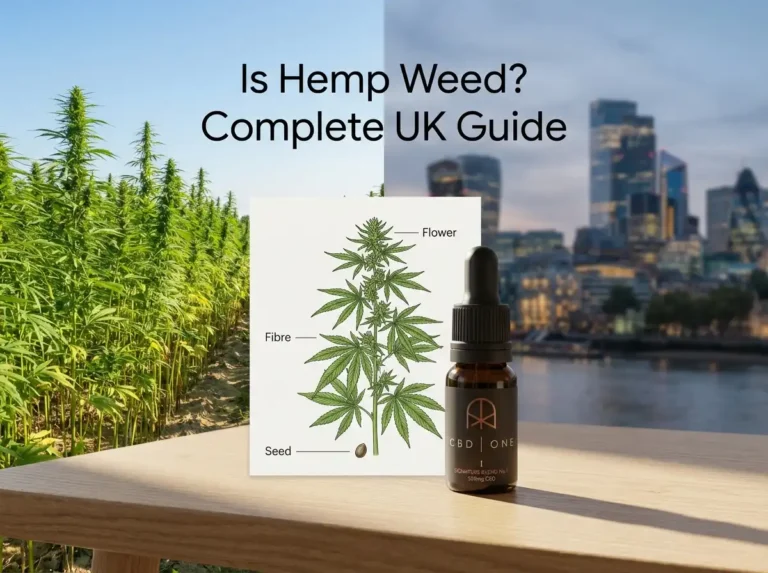
Hemp is a type of Cannabis sativa plant that is grown for practical use. Think fibres (clothing, rope), seeds (food and oil), and naturally occurring cannabinoids like CBD.
When people ask “is hemp weed”, they are usually mixing up two meanings of the word “weed”:
- Weed (slang) meaning high-THC cannabis used for intoxication.
- Weed (gardening) meaning any plant you do not want growing where it is.
From a botany point of view, hemp is cannabis. From a “what does it do?” point of view, hemp is typically grown to be low in THC and higher in CBD compared to drug-type cannabis varieties.
Can hemp be a “weed” in the garden sense?
Consider this: almost any plant can be a weed if it pops up in the wrong place. Hemp is usually cultivated as an agricultural crop, not something you find invading your lawn in the UK. So when you see search terms like “best weed killer” or “weed killer spray” alongside hemp, that is just internet confusion, not a special hemp problem.
What is hemp used for (and why that changes the “weed” conversation)?
When someone says “weed”, the image in their head is almost always about intoxication. Hemp is where that mental picture falls apart, because a lot of hemp is grown for things that have nothing to do with getting high.
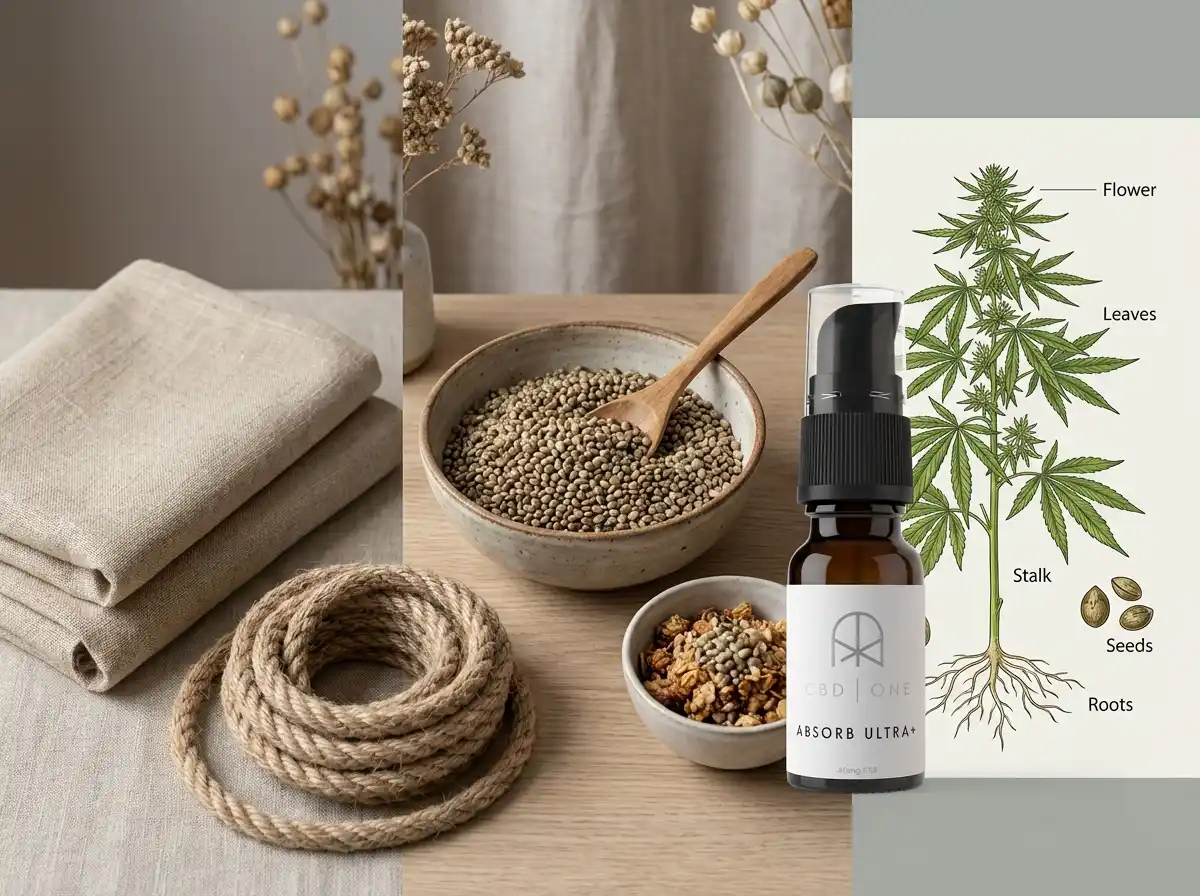
Here are some of the most common uses of hemp:
- Fibre for textiles, rope, and building materials.
- Seeds for food, and hempseed oil for cooking and nutrition.
- Hemp extracts for wellness products, where CBD is one of the better known cannabinoids.
That is why it is more accurate to think in terms of purpose: “hemp” is typically cultivated to be useful in industry and everyday products, whereas “weed” slang usually points to cannabis bred primarily for higher THC.
Hemp vs “weed” cannabis: what is the actual difference?
The reality is that hemp and “weed” (slang) can look similar on paper because they are both cannabis plants. The key difference is the cannabinoid profile, especially THC.
CBD and THC in plain English
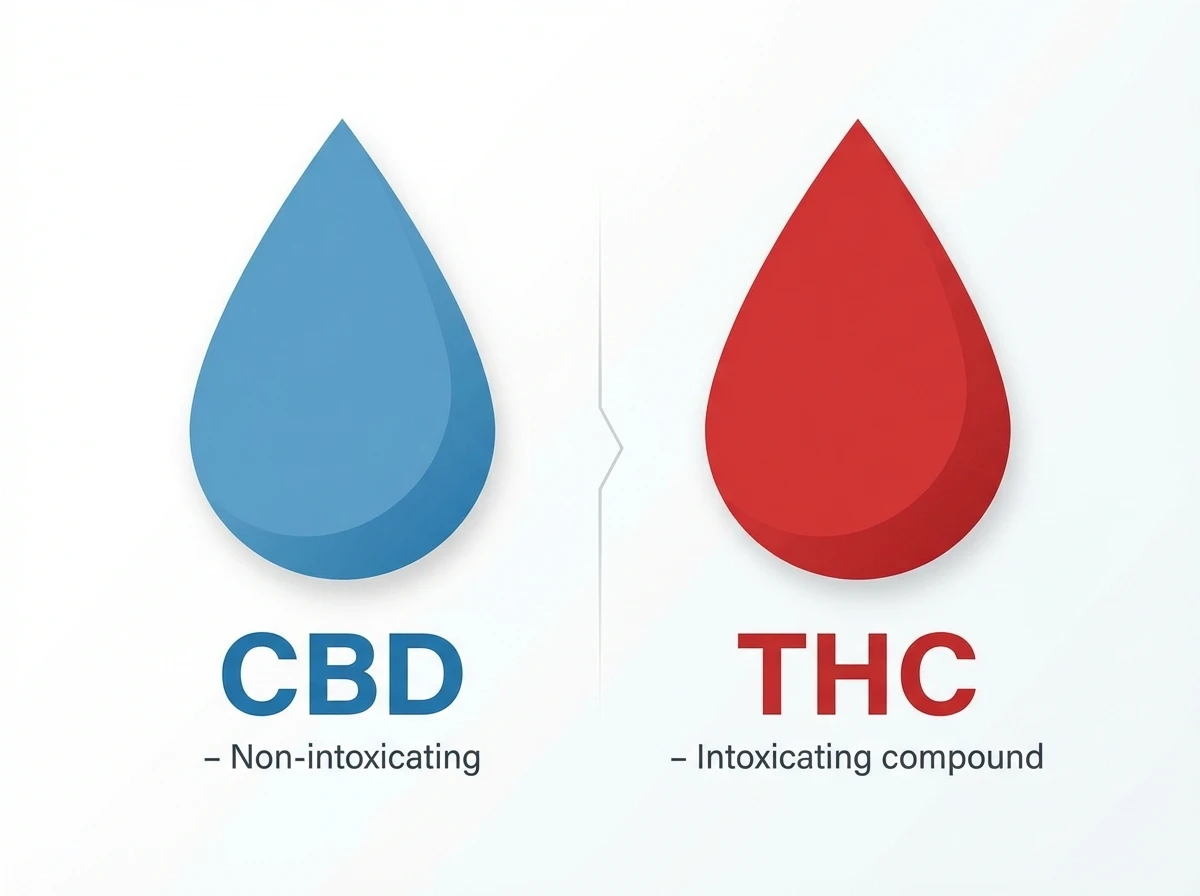
CBD (cannabidiol) is non-intoxicating. THC (tetrahydrocannabinol) is the compound that causes the “high”. Many cannabis plants contain both, but in different ratios.
Hemp is generally grown to keep THC very low and to produce useful fibres, seeds, and hemp extracts. Drug-type cannabis is bred for higher THC.
Does hemp get you high?
Most people mean this when they ask “is hemp weed”. Hemp itself is not grown to intoxicate you. Hemp-derived CBD products sold as wellness supplements in the UK are intended to be non-intoxicating.
If you want a deeper, plain-English explanation of CBD and intoxication, read Does CBD Oil Get You High?.
Why the same plant name causes confusion
Think of it this way: “dog” can mean a Great Dane or a Chihuahua. Same broad category, totally different purpose and effect. Cannabis is similar. “Hemp” is a category within cannabis that is grown for industrial and wellness uses, usually with low THC.
Can you tell hemp and “weed” apart by looking at it?
This is one of those questions that sounds simple, but in real life it is not always reliable. Hemp and high-THC cannabis can look similar, especially to the untrained eye, because they are closely related plants.
What many people overlook is that appearance can shift based on things like genetics, growing conditions, and when the plant was harvested. Even smell is not a reliable shortcut, because terpenes vary widely across hemp varieties too.
From a practical standpoint, if you are trying to work out what a product is, the most dependable route is paperwork, not guesswork. You want clear lab testing and clear labelling that shows cannabinoid content and spectrum, rather than relying on pictures of flower or leaf shape.
Hemp oil vs CBD oil: the label mix-up that catches people out
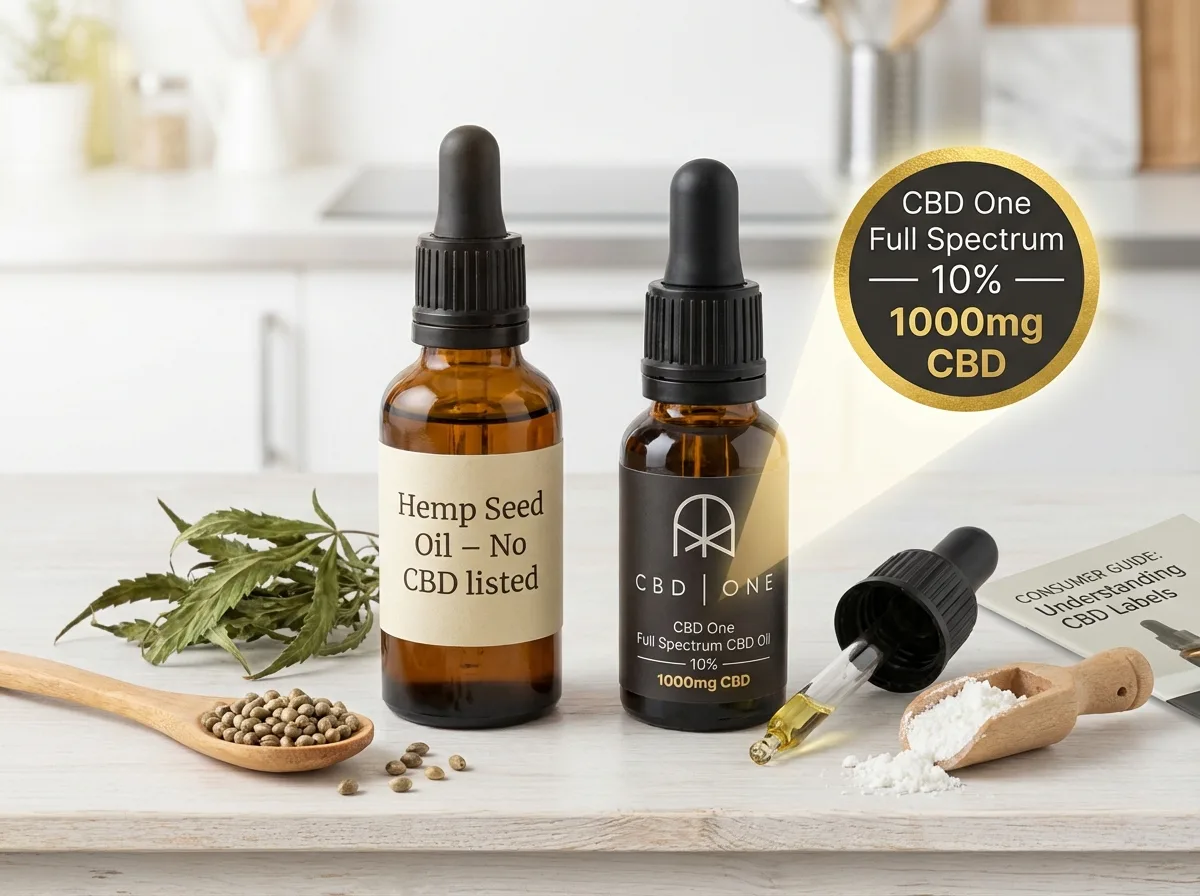
What many people overlook is that “hemp oil” is not automatically “CBD oil”. In shops, “hemp oil” often means hempseed oil, which is made by pressing hemp seeds. It is a nutritious cooking oil, but it typically contains little to no CBD.
CBD oil is usually made from the aerial parts of the hemp plant (flowers and leaves) where cannabinoids are found, then blended into a carrier oil such as hempseed oil.
Quick ways to tell them apart
- If the label lists CBD in milligrams (mg), it is aiming to be a CBD product.
- If it only says “hemp seed oil” with no CBD content listed, it is likely a food oil.
- Look for spectrum language like “full spectrum” or “isolate”, plus lab testing details.
If you want a full breakdown, this is worth bookmarking: Hemp Oil vs CBD Oil.
Where CBD One fits into this (as a practical example)
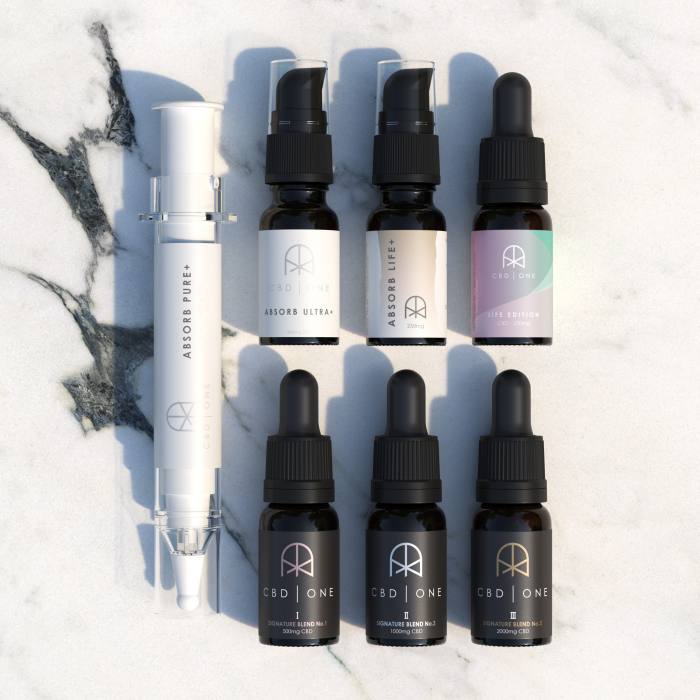
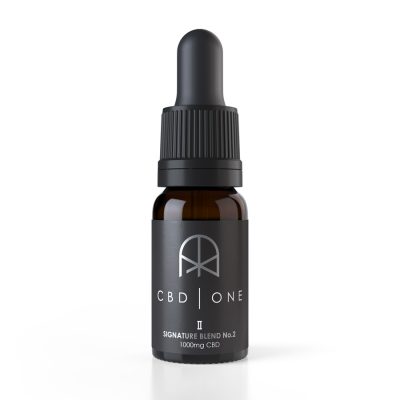
At CBD One, our core oils are listed by CBD strength (for example 5%, 10%, 20%) and use full spectrum hemp extract blended into hempseed oil, so you can see what you are taking and why.
Is hemp legal in the UK?
In general terms, hemp farming can be legal in the UK, but it is regulated and requires appropriate licensing. The rules for selling CBD products are also regulated, including expectations around safety and compliance.
Now, when it comes to CBD specifically, UK-compliant CBD products are sold as supplements, not medicines. Brands also need to pay attention to Novel Food requirements and accurate labelling. If you are ever unsure, a good sign is a company that is transparent with testing and avoids making medical claims.
What about THC limits?
UK law is strict around THC. That is why reputable CBD brands focus heavily on sourcing, extraction, and testing. Full spectrum products may contain trace THC, but they should remain within legal requirements when produced properly.
CBD oils and everyday buying in the UK
If you are comparing products, start with a clear overview of what matters (spectrum, strength, testing, and how you will use it). This is where a straightforward guide helps: CBD Buying Guide.
Will hemp or CBD make you fail a drug test?
This is a very real concern, and it is one of the main reasons the “hemp weed” question keeps coming up.
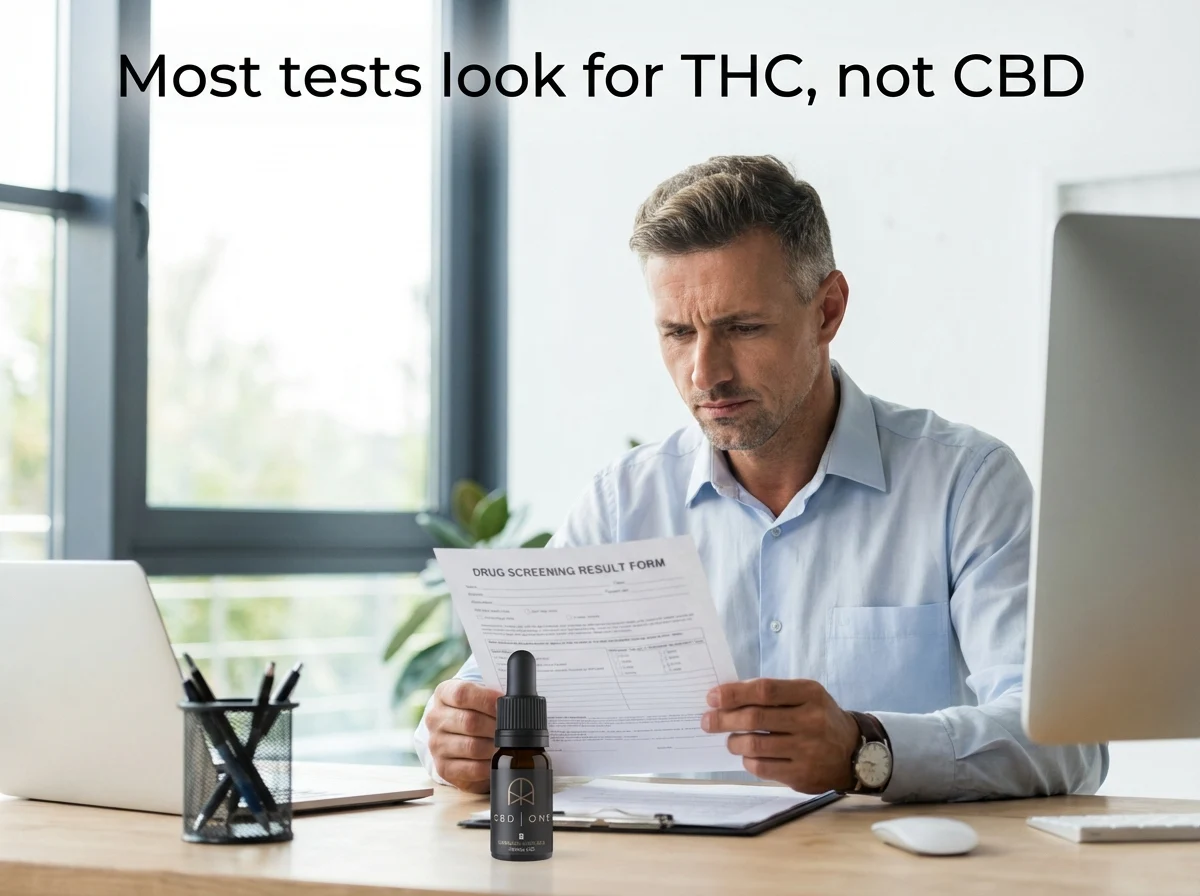
Here is the honest version: most workplace drug tests are looking for THC (or THC metabolites), not CBD. CBD itself is not the target. The complication is that some hemp-derived products, especially full spectrum ones, may contain trace THC.
Many people use full spectrum CBD without any issues, but if you are regularly tested, have a zero-tolerance policy at work, or you simply want to reduce the risk as much as possible, it is worth being cautious. Look for up-to-date independent lab testing and consider whether a CBD isolate product is a better fit for your situation.
If drug testing is part of your life, it is sensible to speak to a healthcare professional before starting any cannabinoid product. It is also worth checking your workplace policy so you can make an informed decision.
“CBD hemp weed”, “hemp hash”, “CBD flower”: what do these mean?
These phrases are common online, and they can mean different things depending on who is using them. The goal is to understand what the product actually is, not just the slang around it.
CBD hemp weed
Usually, people mean hemp flower that is naturally rich in CBD and low in THC. Some sellers use “weed” language because it is familiar, but it can blur legal and practical differences. Always check lab reports and the exact cannabinoid content rather than relying on the nickname.
Hemp hash (sometimes written as “hemphash”)
This typically refers to a compressed resin-like product made from hemp trichomes. The same caution applies: it may be marketed in a way that sounds like traditional cannabis hash, so you want clarity on testing, THC levels, and whether the product is compliant in the UK.
Why this matters for your routine
From a practical standpoint, different formats fit different lifestyles. Some people like oils as a simple daily ritual. Others prefer adding something to a drink, especially if they do not love the taste of natural hemp.
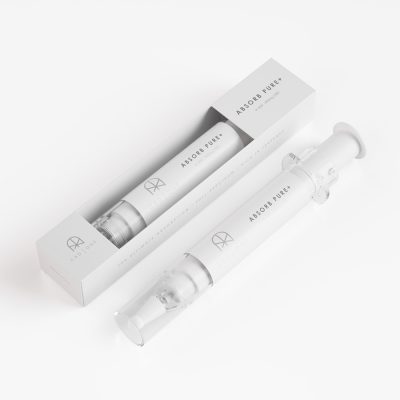
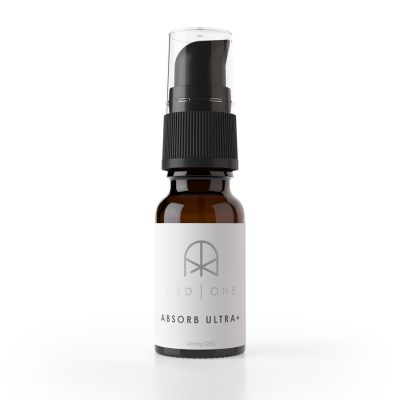
For example, CBD One offers full spectrum oils and water-soluble options that can be mixed into hot or cold drinks. You can explore formats via the CBD Oils and Water Soluble CBD categories.
How CBD is extracted from hemp (and why that matters for quality)
When you buy a CBD oil, you are not buying a “plant in a bottle”. You are buying an extract. That extraction step is one of the biggest reasons quality varies so much across the market.
Different methods can produce different results, but what you want as a customer is surprisingly simple: a product that is consistent, clearly labelled, and backed up by independent testing.
What to look for, without getting too technical
- A clear statement of whether the product is full spectrum or isolate.
- Batch-specific lab testing that matches what is on the label.
- Clean ingredient lists with no mystery blends.
If a brand is vague about extraction, or it hides behind phrases like “proprietary hemp blend” without telling you the CBD content in mg, that is usually a sign to slow down and choose more carefully.
How to choose a quality hemp-derived CBD product (without getting overwhelmed)
Choosing well is mostly about reducing uncertainty. If you know what is in the bottle, you can make calmer decisions and build a consistent routine.
Quality checks that genuinely help
- Clear CBD content in mg, not vague “hemp extract” wording.
- Independent lab testing (Certificate of Analysis) so you can verify what is in it.
- Spectrum stated clearly: full spectrum, broad spectrum, or isolate.
- Realistic marketing: no medical promises, no miracle language.
- Transparent usage guidance: how to take it, and who should avoid it.
Full spectrum vs isolate, in normal language
Full spectrum means CBD plus other naturally occurring cannabinoids and plant compounds, including terpenes, with trace THC within legal limits. Some people like full spectrum because of the “Entourage Effect” idea, which suggests compounds may work better together than alone.
Isolate means CBD on its own, with no other cannabinoids. This is often chosen by people who want to avoid THC entirely.
Comparing formats sensibly
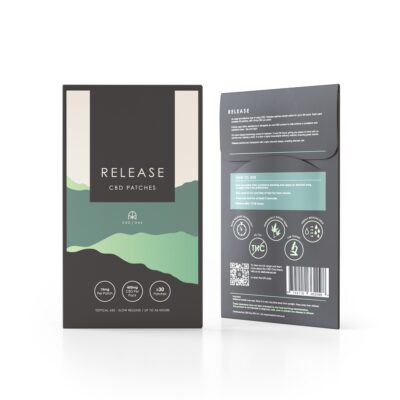
In practice, this means you should choose based on your day, not someone else’s dose or routine. Oils can be a steady, simple option. Water-soluble CBD can be convenient in a morning drink. Patches are all about measured, slow-release use across the day.
If you want help weighing options side-by-side, use CBD Product Comparison as a starting point.
Dosage basics: how much CBD is sensible?
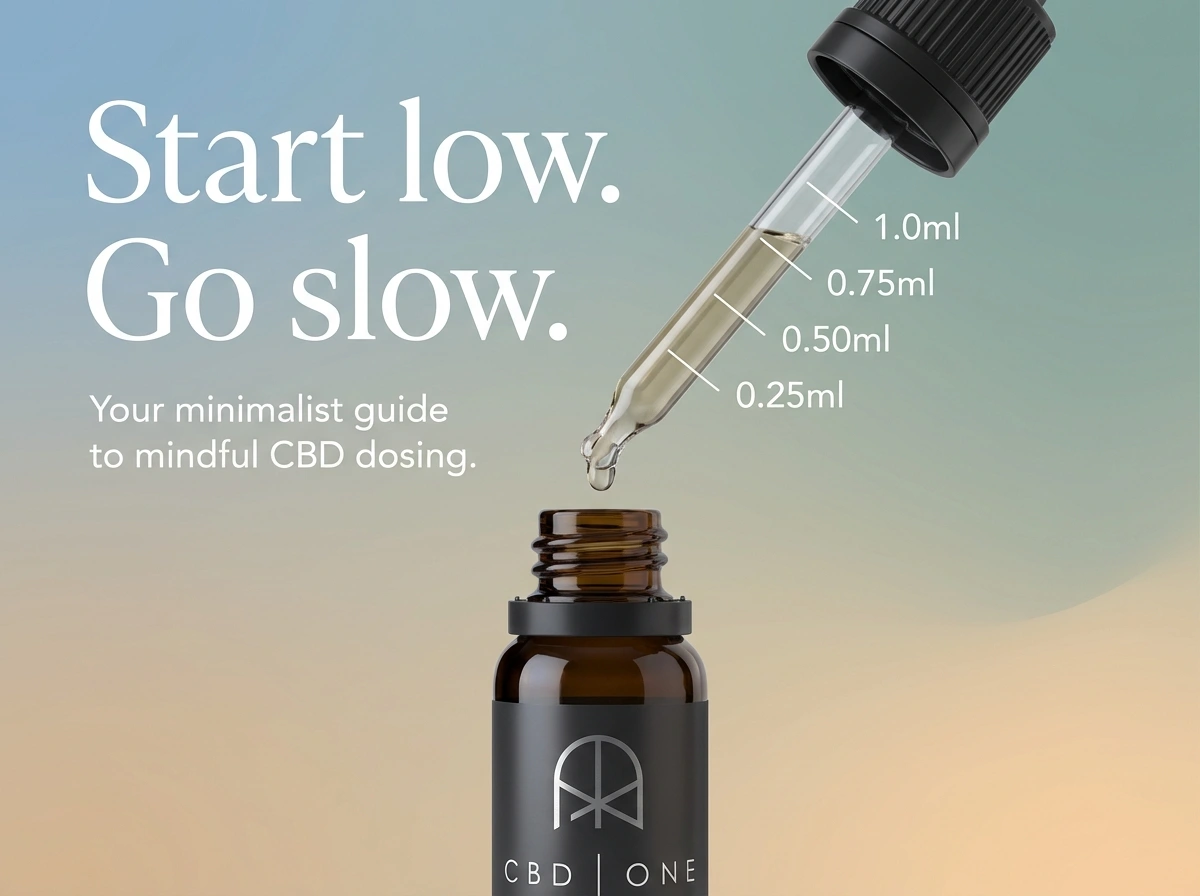
Dosage is where good intentions can get messy. People often jump straight to high numbers, then say “CBD did nothing”, when really they never found their personal sweet spot.
Start low, go slow
Most experienced practitioners will tell you the same thing: start with a low amount, keep it consistent for a few days, and only increase gradually if needed. Consistency tends to beat randomness.
UK daily limit guidance
The UK Food Standards Agency (FSA) recommends healthy adults do not exceed 70mg CBD per day. That is not a target, it is a sensible upper guideline. Many people use less than this, especially when starting out.
Use a calculator if you like clarity
If you want help turning “drops” or “pumps” into milligrams, CBD dosage guide can make it feel much more straightforward.
Frequently Asked Questions
Is hemp weed?
Hemp is cannabis, but it is not “weed” in the slang sense most people mean. Hemp is typically grown to be low in THC and higher in CBD, and it is used for fibres, seeds, and hemp extracts. “Weed” (slang) usually refers to cannabis varieties grown for higher THC levels and intoxicating effects. If you mean “weed” as in an unwanted garden plant, hemp can technically be a weed if it grows where you do not want it, but that is just the gardening definition.
Does hemp contain THC?
Hemp can contain THC, but usually at very low levels compared to high-THC cannabis. In the UK, reputable CBD products aim to be non-intoxicating and must be produced to meet legal requirements. This is why independent lab testing matters. Rather than relying on “THC-free” marketing alone, check whether a brand provides a Certificate of Analysis and clearly states the cannabinoid spectrum (full spectrum vs isolate).
Will hemp or CBD make me feel high?
Hemp-derived CBD products sold as wellness supplements are intended to be non-intoxicating. CBD itself is not considered intoxicating. That said, everyone responds differently, and some products can contain trace THC if they are full spectrum. If you are sensitive, need to avoid THC completely, or are drug-tested, you may prefer CBD isolate-based options. For a fuller explanation, see Does CBD Oil Get You High?.
What does “CBD hemp weed” mean in the UK?
It is usually slang for hemp flower that is rich in CBD and low in THC. The problem is that slang can hide the details that actually matter, such as testing, THC compliance, and whether the product is being sold appropriately. If you see “CBD hemp weed” online, treat it as a marketing phrase and look for specifics: CBD content in mg, a recent lab report, and clear information about the extract type and intended use.
Is hemp oil the same as CBD oil?
Not always. “Hemp oil” commonly means hempseed oil, which is pressed from seeds and used as a food oil. It is nutritious, but it usually contains little to no CBD. CBD oil is made from the parts of hemp where cannabinoids naturally occur, then blended into a carrier oil. If a label does not tell you the CBD content in mg, you cannot assume it is a CBD product. This is covered in more detail here: Hemp Oil vs CBD Oil.
What is hemp hash (hemphash)?
Hemp hash generally refers to a resin-like concentrate made from hemp trichomes. It is often marketed using cannabis-style language, which can confuse buyers. The sensible approach is to ignore the nickname and look at the facts: the cannabinoid content, the presence or absence of THC, and the lab report. If you are unsure whether a product is compliant or appropriate for you, speak to a healthcare professional and choose brands that are transparent about testing and ingredients.
Is hemp legal in the UK?
Hemp cultivation and hemp-derived products can be legal in the UK, but they are regulated. Farming hemp requires licensing, and CBD products are expected to meet safety and labelling standards, including Novel Food expectations. CBD is not a medicine in the UK and should not be marketed as one. If a product makes big medical promises, that is a red flag. If you want to compare options with less guesswork, use a structured guide like the CBD Buying Guide.
How do I choose between CBD oil, water-soluble CBD, and patches?
Choose based on your routine and preferences. Oils are a classic option if you are happy with a natural hemp taste and want flexible dosing. Water-soluble CBD can be easier to take in a drink, which suits people who already have a morning tea or coffee ritual. Patches offer a measured amount in a slow-release format, which some people like for consistency across the day. If you want a side-by-side breakdown, CBD Product Comparison is a helpful read.
How much CBD should I take per day in the UK?
There is no single perfect number because CBD affects everyone differently. Most people do best starting low and increasing slowly, while keeping the routine consistent for a few days at a time. The UK FSA recommends healthy adults do not exceed 70mg CBD per day. If you want help converting a product’s strength into a daily amount, a tool like a CBD dosage guide can be useful. If you take medication, check with your GP or pharmacist first.
What should I look for on a CBD label?
Look for clarity. You want CBD content in mg, the bottle size, and the spectrum type (full spectrum or isolate). You also want evidence of independent lab testing, ideally with an easy-to-find Certificate of Analysis. Check the ingredients list for the carrier oil and any additives. Finally, look for responsible wording: CBD brands should talk about wellness support and routine, not curing or treating conditions. If the label feels vague, it is usually a sign the product is, too.
Is hemp a drug?
“Drug” can mean different things depending on context. In everyday conversation, people usually mean “does it intoxicate you?” Hemp grown for fibre, seed, and compliant CBD products is not intended to intoxicate you. In legal terms, the key issue in the UK is controlled cannabinoids like THC, not the word “hemp” itself. If you are ever unsure, focus on the product’s cannabinoid profile and whether it is backed by independent testing.
What is hemp used for?
Hemp is commonly used for fibre (textiles and industrial materials), seeds (food products), and extracts (including CBD products). That mix of uses is one of the reasons people get confused, because the same plant family is used for very different outcomes depending on how it is grown and processed.
Can hemp make you fail a drug test?
Drug tests are usually looking for THC or THC metabolites. CBD is not typically what those tests target. The risk comes from products that contain THC, including trace THC in some full spectrum products. If you are drug-tested, it is sensible to be cautious, prioritise transparent lab testing, and consider whether an isolate product is more appropriate for you. If in doubt, speak with your GP or pharmacist first.
How can I identify a hemp product that is not really CBD?
A common giveaway is vague labelling. If a product calls itself “hemp oil” or “hemp extract” but never tells you the CBD content in mg, you cannot assume it is a CBD product. Another red flag is missing or outdated lab reports. A reputable CBD product should make it easy to verify what is in it, including the amount of CBD and the spectrum type.
Key Takeaways
- Hemp is cannabis, but it is usually grown to be low in THC and non-intoxicating, unlike “weed” slang which often means high-THC cannabis.
- “Hemp oil” often means hempseed oil, which is not the same as CBD oil unless CBD content is clearly listed in mg.
- Ignore slang like “CBD hemp weed” and focus on facts: lab reports, cannabinoid content, and transparent labelling.
- The UK FSA suggests healthy adults should not exceed 70mg CBD per day. Start low, go slow, and keep it consistent.
- If you are unsure, use structured guides and ask your GP or pharmacist, especially if you take medication.
Conclusion
So, is hemp weed? Botanically, hemp is cannabis, which is why the language gets tangled. But in everyday UK use, “weed” usually means high-THC cannabis, while hemp refers to low-THC cannabis grown for fibre, seeds, and hemp-derived wellness products like CBD. Once you separate plant family from plant purpose, it gets much easier to read labels and avoid buying the wrong thing.
If you take one practical step from this article, make it this: stop relying on marketing nicknames and start checking CBD content in mg, spectrum type, and independent lab testing. Build a steady routine, stay within sensible UK guidance, and speak to a healthcare professional if you are on medication or have a health condition. And if you want to explore formats, browsing categories like CBD Oils or Water Soluble CBD can help you understand what fits your day.
If you are stuck, explore the guides, or speak to Nick for free, sensible product and routine advice.