
Broad Spectrum CBD: Complete UK Guide (2026 Guide)
In this guide, I will walk you through what broad spectrum CBD is, how it compares with full spectrum and isolate, and what to look for on lab reports. No hype, no promises, just the practical stuff you would want to understand before you spend your money.
What is broad spectrum CBD?
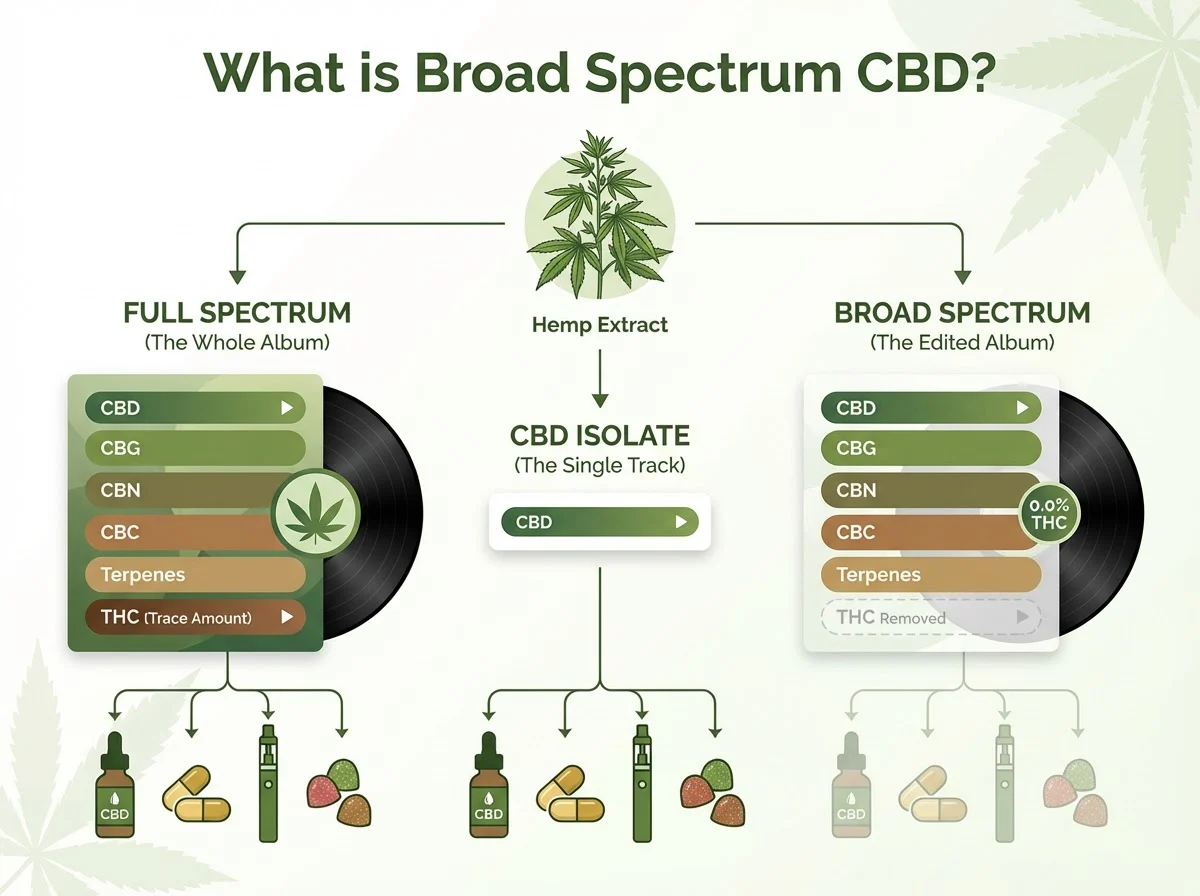
Broad spectrum CBD is a hemp extract that contains CBD plus a range of other hemp compounds, but with THC removed to very low levels, often described as “THC-free”. You will usually see it sold as broad spectrum CBD oil, capsules, vapes, or (outside some brands) broad spectrum CBD gummies.
Think of hemp extract like a playlist. Full spectrum is the full album, including the track that contains THC (still within legal limits when made correctly). Isolate is one track only, CBD on its own. Broad spectrum is an edited album, aiming to keep multiple cannabinoids and terpenes, while removing THC.
What broad spectrum is not
It is not the same as “pure CBD”. If a product is genuinely broad spectrum, it should contain more than just CBD. It is also not a guarantee that you will feel a certain way. Everyone responds differently, and dose, format, and consistency play a big role.
Broad spectrum vs full spectrum vs isolate
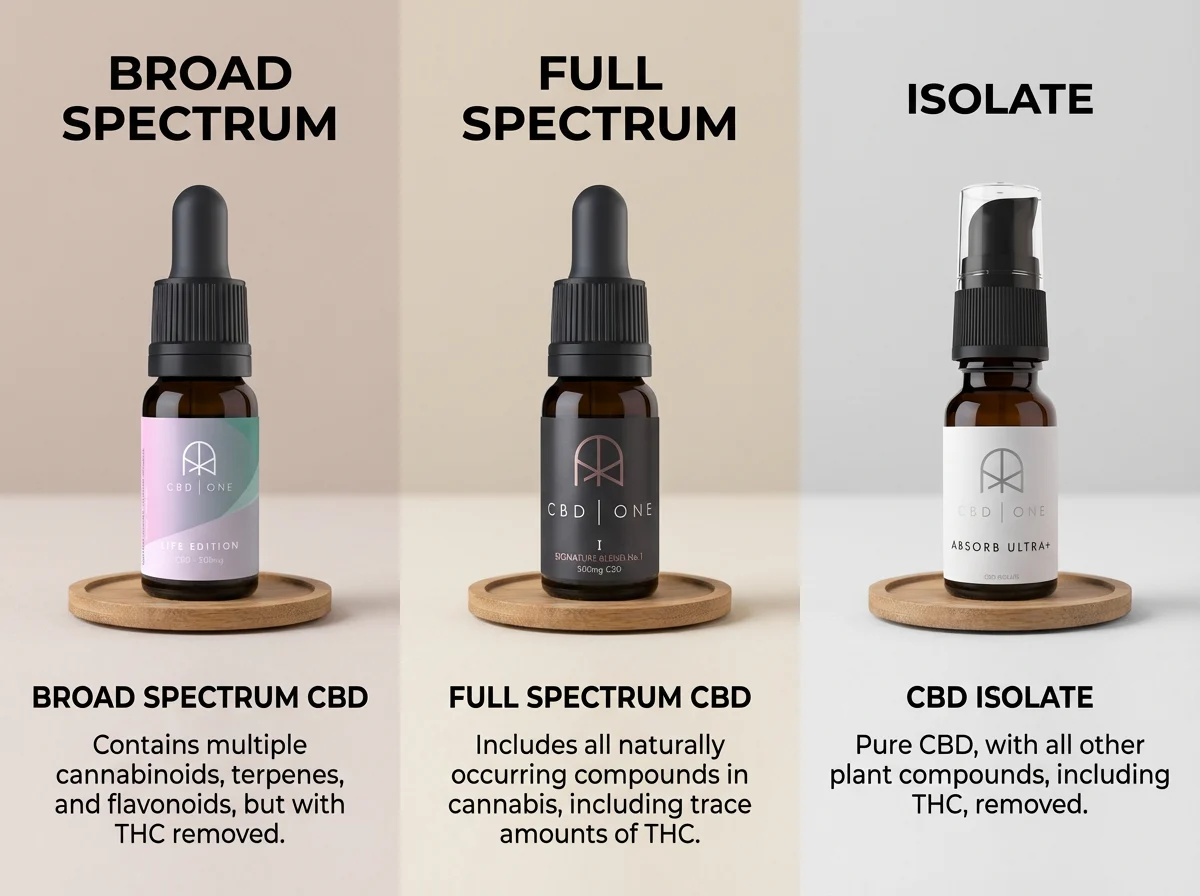
Now, when it comes to choosing between these three, most of the confusion comes down to one question: how much of the original plant chemistry do you want left in the final product?
Full spectrum
Full spectrum extracts contain CBD alongside minor cannabinoids, terpenes, and flavonoids, plus trace THC within legal limits. Many people choose full spectrum because of the “whole plant” philosophy and the potential for compounds to work together. If you want to explore that idea, have a read of The Entourage Effect.
At CBD One, our core range is full spectrum because we like the natural balance of cannabinoids and terpenes, and we publish lab reports so you can see exactly what is in the bottle.
Broad spectrum
Broad spectrum aims to keep some of the “togetherness” of full spectrum, but with THC removed. This appeals to people who are cautious about THC, whether for personal preference, workplace testing, or simply peace of mind.
Consider this: “THC removed” can mean different things in practice. Some brands mean “non-detectable on our lab test at a certain limit”. Others mean “below a stated threshold”. This is why reading the Certificate of Analysis matters.
CBD isolate
Isolate is just CBD, with everything else stripped away. It can be useful if you want a single ingredient approach and you are very sensitive to flavour or other plant compounds. The trade-off is you lose the broader plant profile.
How broad spectrum CBD is made (simple version)
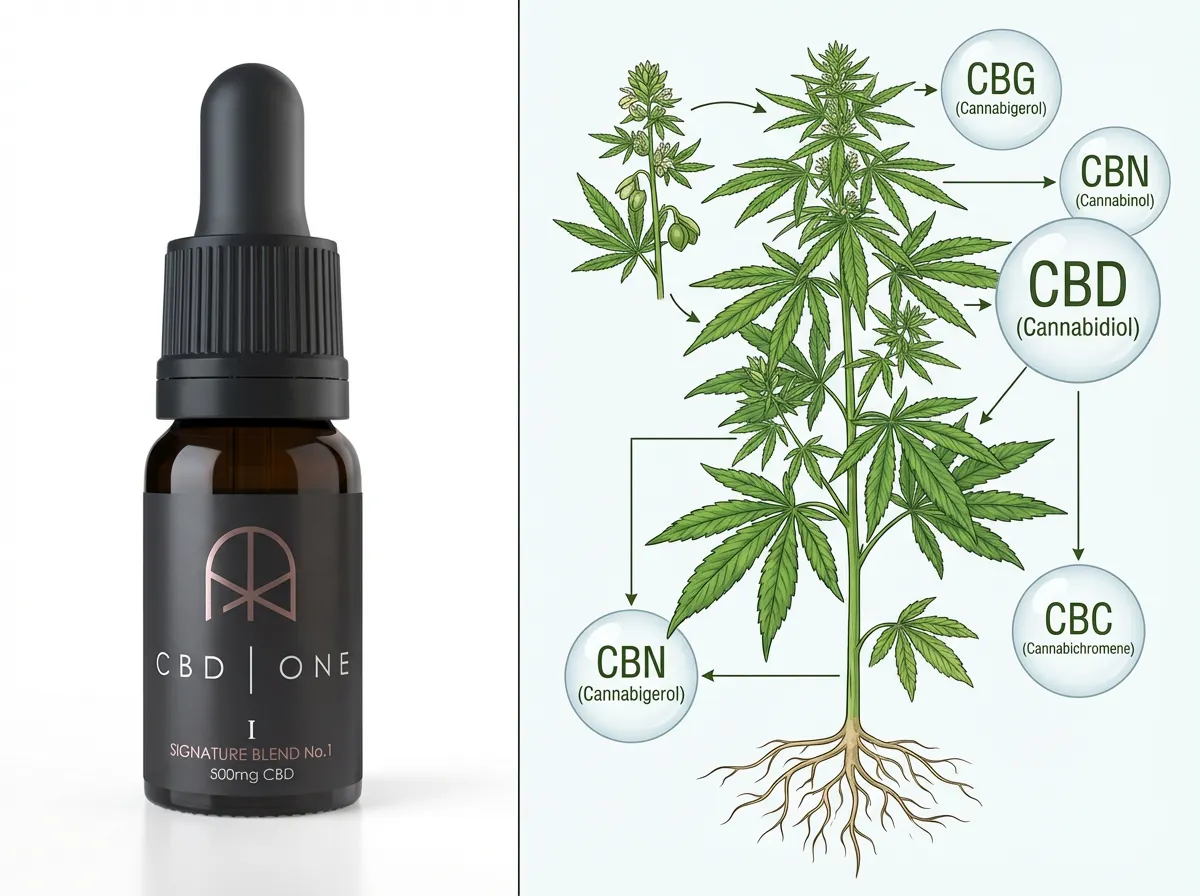
What many people overlook is that “spectrum” is less about marketing, and more about processing. Broad spectrum is typically created in two stages: extract the hemp, then refine it.
Stage 1: extracting hemp compounds
Manufacturers start with a hemp extract (often created via CO2 extraction or ethanol extraction). This crude extract contains a mixture of cannabinoids, terpenes, plant waxes, and other compounds.
Stage 2: removing THC while keeping other compounds
To make broad spectrum, THC is selectively removed or reduced. This might involve distillation, chromatography, or other refinement steps. The goal is to keep CBD and a “broad” set of other cannabinoids and terpenes.
The reality is: the more you refine, the harder it can be to keep a rich terpene profile. Some broad spectrum products add terpenes back in after THC removal, which is not necessarily bad, but it is worth knowing what you are taking.
Broad spectrum CBD in the UK: legality, THC, and honest labels
In the UK, CBD is not a medicine and it cannot be marketed as one. It is sold as a supplement style wellness product, and it should comply with relevant food safety rules and the Novel Food framework where applicable.
THC is the hot topic. Broad spectrum is usually marketed as “THC-free”, but you should read that as “no THC detected” or “THC removed to very low levels” rather than treating it like a legal guarantee. Lab testing and transparent reporting are what matter.
If you are new to CBD generally, it can help to start with the basics first. Our broader overview of CBD oil will give you the foundations, then spectrum choices make a lot more sense.
One more important UK safety point
The Food Standards Agency (FSA) advises healthy adults not to exceed 70mg CBD per day. That is a general guideline, not a target. If you have a medical condition or take medication, it is sensible to speak with your GP first, and you can also read CBD and Medication for a cautious overview.
How to choose a quality broad spectrum CBD product
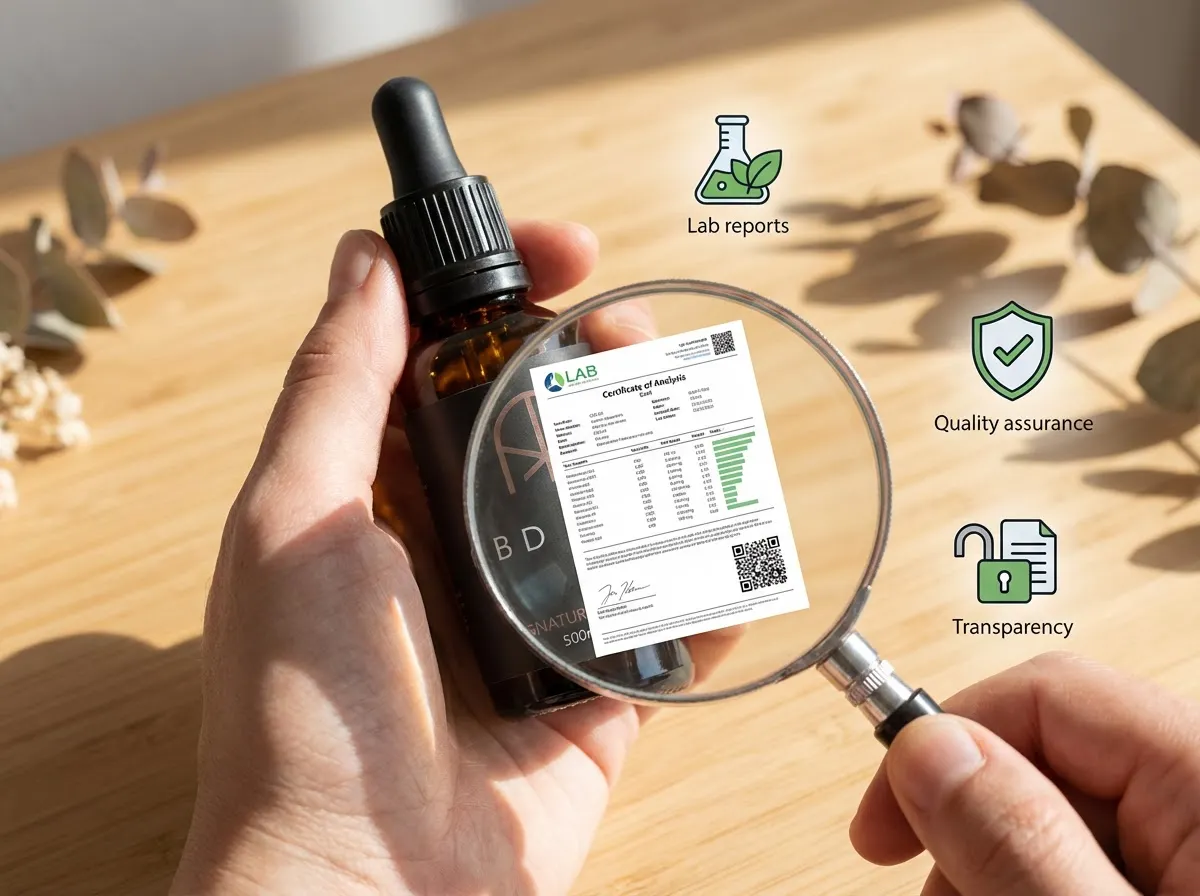
From a practical standpoint, buying broad spectrum CBD is mostly about asking: can I verify what is actually in this product?
Check the Certificate of Analysis (CoA)
A good CoA should show cannabinoid results and ideally contaminant screening (such as heavy metals and residual solvents). For broad spectrum, you want to see CBD clearly listed, plus other cannabinoids if present, and THC either not detected or shown at a very low level.
Look for clear dosing information
Broad spectrum CBD oil labels should tell you total CBD in mg per bottle and ideally mg per ml, not just a vague “high strength” claim. If it is in gummies (broad spectrum CBD gummies are common in the wider market), you should see mg per gummy and how many gummies are in the pack.
Be wary of vague “spectrum” language
Some products use “whole plant” or “hemp extract” without stating spectrum. That does not automatically mean it is poor quality, but it makes it harder to compare products and understand what you are taking.
Think about format and absorption
Different formats suit different routines. Oils are popular, but not everyone loves the taste. Water soluble products are designed to mix into drinks, which some people find easier day to day. You can browse examples of formats on the Water Soluble CBD and CBD Oils category pages, just to get a feel for how brands present dosing and usage.
How to use broad spectrum CBD in a routine (start low, go slow)
Most people do best when they treat CBD like a wellbeing ritual rather than a one-off experiment. Consistency tends to be more helpful than chasing a big dose.
Basic approach
- Start with a low amount and hold it steady for several days.
- Increase gradually only if you feel you need to.
- Keep a simple note of your dose and how you feel, especially around sleep, stress, and exercise recovery.
If you want a practical way to think about amounts, the CBD dosage guide can help you sanity-check your routine. Just keep the FSA 70mg per day guidance in mind, and always be extra cautious if you take medication.
At CBD One we often chat to customers who prefer to avoid the taste of oil. One option some people like is a water soluble format you can add to a morning drink, then keep evenings simple and calm with a consistent bedtime routine.
Who broad spectrum CBD may suit (and who should pause)
Broad spectrum CBD may suit you if you want a more “plant-based” profile than isolate, but you are not comfortable with THC in the mix. It may also appeal if you have tried full spectrum and did not get on with it, although it is hard to predict that in advance.
Think of it this way: spectrum choice is not a ranking. It is a preference based on your goals, sensitivity, and what you can verify on a lab report.
When to pause and get advice
If you are pregnant, breastfeeding, have liver concerns, or take prescription medicines, speak with a healthcare professional before using CBD. This is especially important with medicines that carry a “grapefruit warning”. The CBD and Medication article is a good starting point for the conversation.
If you are comparing options across brands and formats, keep it simple and use a checklist approach. Our CBD buying guide and CBD product comparison are helpful for getting your head around labels, strengths, and quality markers.
What “THC-free” really means on a lab report
This is one of those details that makes or breaks broad spectrum for a lot of people. “THC-free” is usually a marketing shorthand, but labs work in numbers and detection limits, not slogans.
“Not detected” vs “0% THC”
When a CoA shows THC as “not detected”, it normally means the lab did not detect THC above their limit of quantification for that specific test. It does not necessarily mean there is absolutely zero THC in all circumstances. This is why brands that publish clear, batch-specific lab reports tend to be easier to trust than brands that rely on label claims alone.
Why batch testing matters
Hemp extracts are natural products, and broad spectrum involves extra processing. Between raw material variation and refining steps, you want to see that the final batch in your hands was tested, not just a generic report from months ago. If a brand will not show a current CoA for the exact product and batch, I would treat that as a sensible reason to pause.
Broad spectrum CBD: common effects people report (and what influences them)
People often ask what broad spectrum CBD “feels like”. The honest answer is that most people do not describe it as a dramatic sensation, more of a subtle shift in how they settle, unwind, or recover after a busy day.
Some users report broad spectrum feels a little “rounder” than isolate, which could make sense if there are additional cannabinoids and terpenes present. But there are a few practical factors that influence your experience more than the label:
- Consistency: a small amount taken regularly often feels more noticeable than random high days followed by nothing.
- Format: oils, capsules, and water soluble products can all land differently for different people, especially around timing and convenience.
- Food and routine: some people prefer taking CBD alongside a meal, while others prefer a consistent time of day. The key is to keep it steady so you can learn what works for you.
- Your sensitivity: if you are very sensitive to plant compounds, broad spectrum might feel gentler than full spectrum. If you are not sensitive, you might not notice much difference.
Broad spectrum CBD and drug testing: what you should know
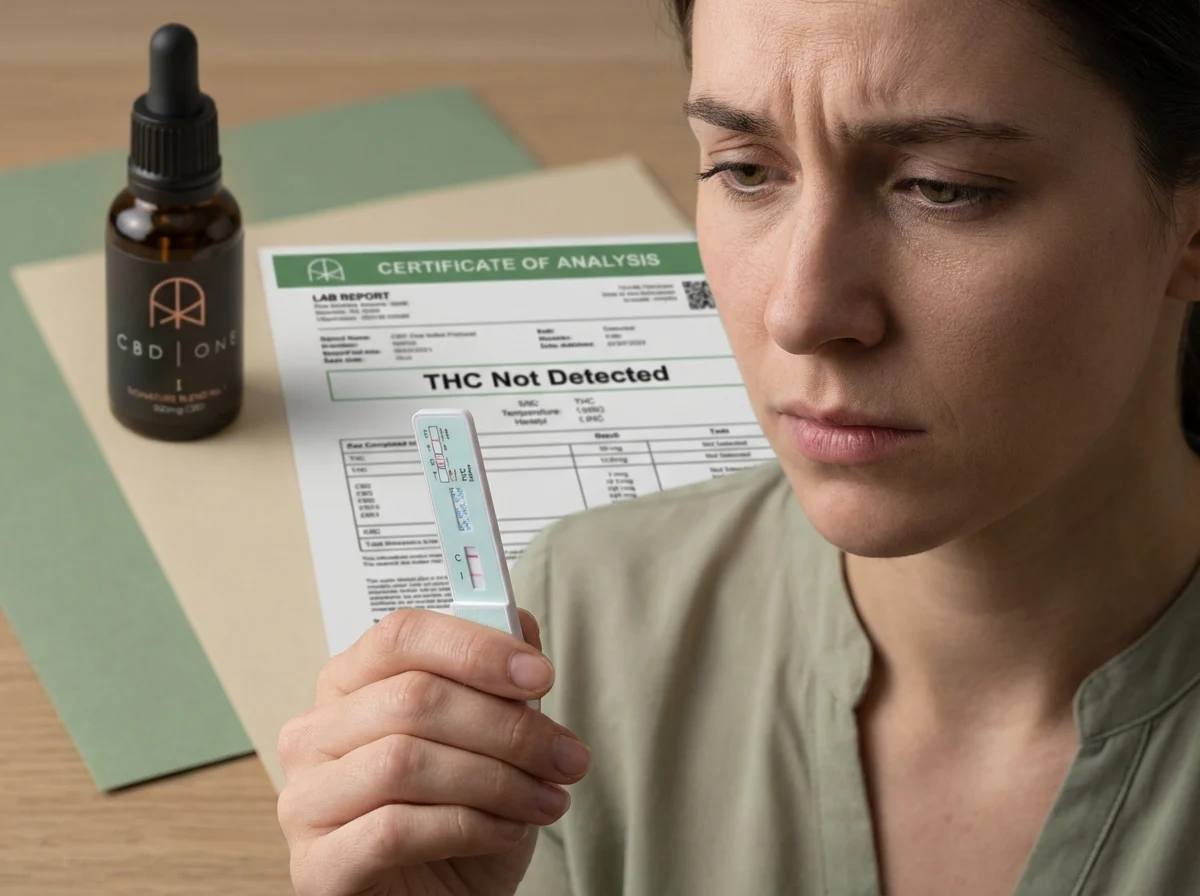
If drug testing is on your mind, broad spectrum is often the format people look at first, because it is designed to have THC removed. That said, it is important to be realistic: no CBD product can honestly promise a zero-risk outcome for every type of test.
Why there can still be uncertainty
Workplace and sports tests vary, and so do lab thresholds. Even with a CoA showing THC as not detected, there are still variables like batch differences, how much you use, and how your body metabolises cannabinoids. If testing is critical for your job or sport, you might consider speaking directly to your testing provider about their policy, and you should choose products with the clearest, most transparent lab reporting you can find.
A practical mindset
From a practical standpoint, if you need to be strict, the goal is to reduce avoidable risk. That means clear CoAs, consistent dosing, and avoiding products with vague spectrum claims.
Frequently Asked Questions
What is broad spectrum CBD, in plain English?
Broad spectrum CBD is a hemp extract that contains CBD plus other helpful plant compounds, with THC removed to very low levels. It sits between full spectrum (which contains trace THC) and isolate (which is CBD only). The key is transparency: a genuine broad spectrum product should come with a lab report showing its cannabinoid profile, including what the test found for THC. If a label just says “hemp extract” without details, it is harder to know what you are actually taking.
Is broad spectrum CBD the same as THC-free CBD?
Broad spectrum is often marketed as “THC-free”, but the wording can be a bit slippery. Some brands mean THC is “non-detectable” at the lab’s testing limit, rather than absolutely zero in every scenario. If you need to be strict, check the Certificate of Analysis and look for THC results that match the claim. If workplace testing is a concern, it is worth speaking to your employer or testing provider as policies vary, and no CBD product can offer a risk-free promise.
Broad spectrum vs full spectrum CBD: which is better?
Neither is “better” across the board. Full spectrum keeps the plant profile intact, including trace THC within legal limits, and many people choose it for a more complete extract. Broad spectrum aims to keep a similar feel, but removes THC, which suits people who prefer to avoid it. Your decision comes down to personal preference, sensitivity, and what you can verify on lab reports. If you want to understand the “working together” idea, read The Entourage Effect.
Can broad spectrum CBD oil make you feel high?
CBD itself is non-intoxicating. Broad spectrum CBD oil is designed to have THC removed, which reduces the likelihood of any intoxicating effect. That said, how you feel after CBD can still vary because of dose, your individual sensitivity, and whether other cannabinoids and terpenes are present. If you are brand new, start with a low amount and see how you respond before increasing. If you have concerns about driving or safety-critical work, be cautious and speak to a professional.
Is broad spectrum CBD legal in the UK?
Broad spectrum CBD products are sold legally in the UK when they meet relevant rules, including appropriate THC control and compliant marketing. CBD is not a medicine in the UK, so products cannot claim to treat or cure medical conditions. Quality brands provide clear lab testing and responsible guidance. If you are still getting your bearings, it can help to read a general overview of CBD oil first, then come back to spectrum choices with a clearer baseline.
Does broad spectrum CBD work better than CBD isolate?
Some users report they prefer broad spectrum over isolate because it contains more of the plant’s natural compounds, not just CBD. Research is still exploring how different cannabinoids and terpenes may interact, and there is no guaranteed “works better” outcome for everyone. The best approach is to choose a high-quality, well-tested product, start low, and assess your response over time. If you want to compare options clearly, our CBD product comparison is a good practical read.
How much broad spectrum CBD should I take?
There is no single perfect dose. Many people do well starting low and slowly increasing until they find a comfortable routine. In the UK, the FSA advises healthy adults not to exceed 70mg of CBD per day. If you are unsure where to begin, use a guide like the CBD dosage guide to sense-check amounts, and keep notes for a week or two. If you take medications, speak with your GP first due to potential interactions.
What should I look for on a broad spectrum lab report?
You want to see CBD clearly listed (often as CBD and sometimes other forms depending on the product), plus other cannabinoids if the product claims a broad profile. For THC, look for a result that supports the “THC-free” claim, such as “not detected” at the lab’s limit of quantification, or a very low measured value. It is also reassuring to see contaminant screening such as residual solvents and heavy metals. If a brand does not share lab reports, I would personally treat that as a red flag.
Are broad spectrum CBD gummies a good option?
Gummies can be convenient because each piece is a fixed dose, which some people find easier than counting drops. The trade-off is they are still an edible product, so onset can be slower and dosing is less flexible. You also want to look closely at sugar content, flavourings, and whether the brand clearly states mg of CBD per gummy with independent testing. At CBD One, we focus on oils, water soluble options, patches, and topicals rather than gummies, mainly because we prefer formats where dosing and lab testing are easier to keep consistent.
Can I take broad spectrum CBD with medication?
If you take prescription medication, speak with a pharmacist or GP before using CBD. CBD can affect how your body metabolises certain medicines, and the safest approach is to get personalised advice. This is especially important if your medication has a grapefruit warning, or if you take medicines for epilepsy, blood thinning, or mood. For a careful overview of the topic, read CBD and Medication and use it as a starting point for a sensible conversation.
What is broad spectrum CBD used for?
In the UK, CBD products are positioned as general wellbeing supplements rather than medicines, so it is best to think in terms of support rather than treatment. Many people use broad spectrum CBD as part of a daily routine to support calm, balance, sleep habits, or post-exercise recovery. What matters is your consistency and your expectations: give yourself time, keep notes, and avoid chasing a dramatic effect.
Will broad spectrum CBD show up on a drug test?
Broad spectrum is designed to have THC removed, which may reduce risk compared to full spectrum. But different tests have different thresholds, and individual factors like dose and metabolism can influence results. If testing is a serious concern for you, choose products with batch-specific lab reports showing THC results, and speak to your employer, testing provider, or a healthcare professional for guidance.
Is broad spectrum CBD stronger than full spectrum?
“Stronger” is not always the right way to look at it. Full spectrum keeps the widest range of the plant’s compounds, including trace THC within legal limits, while broad spectrum aims to remove THC. Some people prefer the fuller profile of full spectrum, others prefer the peace of mind of broad spectrum. Your best option is the one you can verify on a lab report and use consistently.
Key Takeaways
- Broad spectrum CBD is a multi-compound hemp extract with THC removed to very low levels, often described as “THC-free”.
- Full spectrum keeps trace THC; isolate is CBD only. Your best choice depends on preference and what you can verify.
- Always check the Certificate of Analysis for cannabinoids (including THC) and ideally contaminant testing.
- Start low, go slow, and remember the UK FSA guidance: healthy adults should not exceed 70mg CBD per day.
- If you take medication or have health concerns, speak to a GP or pharmacist before using CBD.
Conclusion
Broad spectrum CBD can be a sensible middle ground if you want more than CBD isolate but prefer to avoid THC. The key is not getting carried away by the label. What matters is the lab report, the clarity of dosing, and whether the product fits your day-to-day routine.
In practice, this means choosing a format you will actually use consistently, starting with a low amount, and giving yourself time to assess how you feel. If you are comparing options, a structured checklist helps. That is why resources like our CBD buying guide and CBD product comparison can save you a lot of guesswork.
If you are unsure where to start, explore your options and speak to Nick for free, practical guidance.