
Hemp Seeds UK: UK Delivery & Best Prices (2026)
Hemp seeds in the UK: what they are (and are not)
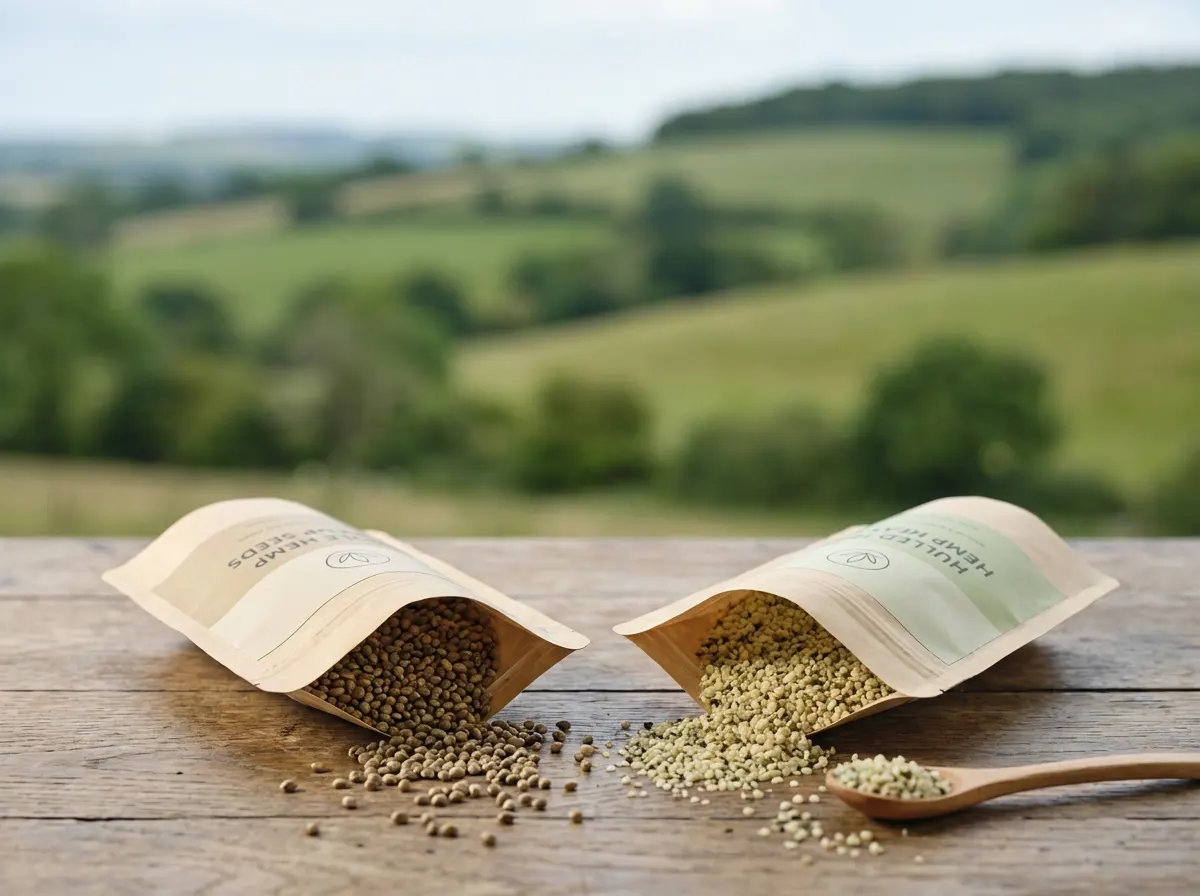
Hemp seeds come from industrial hemp varieties (Cannabis sativa L.). In the UK, they are commonly sold as a food ingredient, often hulled (sometimes called “hemp hearts”) or whole. People buy them for their mild, nutty taste and because they are an easy way to add plant-based nutrition to breakfast bowls, smoothies, and baking.
Where things get messy is when retailers blend “hemp” language with “CBD” language. Hemp seeds are pressed to make hemp seed oil (a culinary oil). CBD products, on the other hand, are made from the flowers and aerial parts of hemp, where cannabinoids naturally occur at far higher levels.
So if your search includes terms like “hemp seeds CBD” or “CBD hemp seeds UK”, it is worth being blunt: for most shoppers, hemp seeds are a great food, but not a realistic CBD source. If you want CBD, you will usually get better value and clearer dosing from a dedicated CBD product (for example a full spectrum CBD oil or water-soluble CBD).
If you want the deeper breakdown, this guide also pairs well with our explainer: Hemp Oil vs CBD Oil.
What to look for when buying hemp seeds UK (so you get the best price)
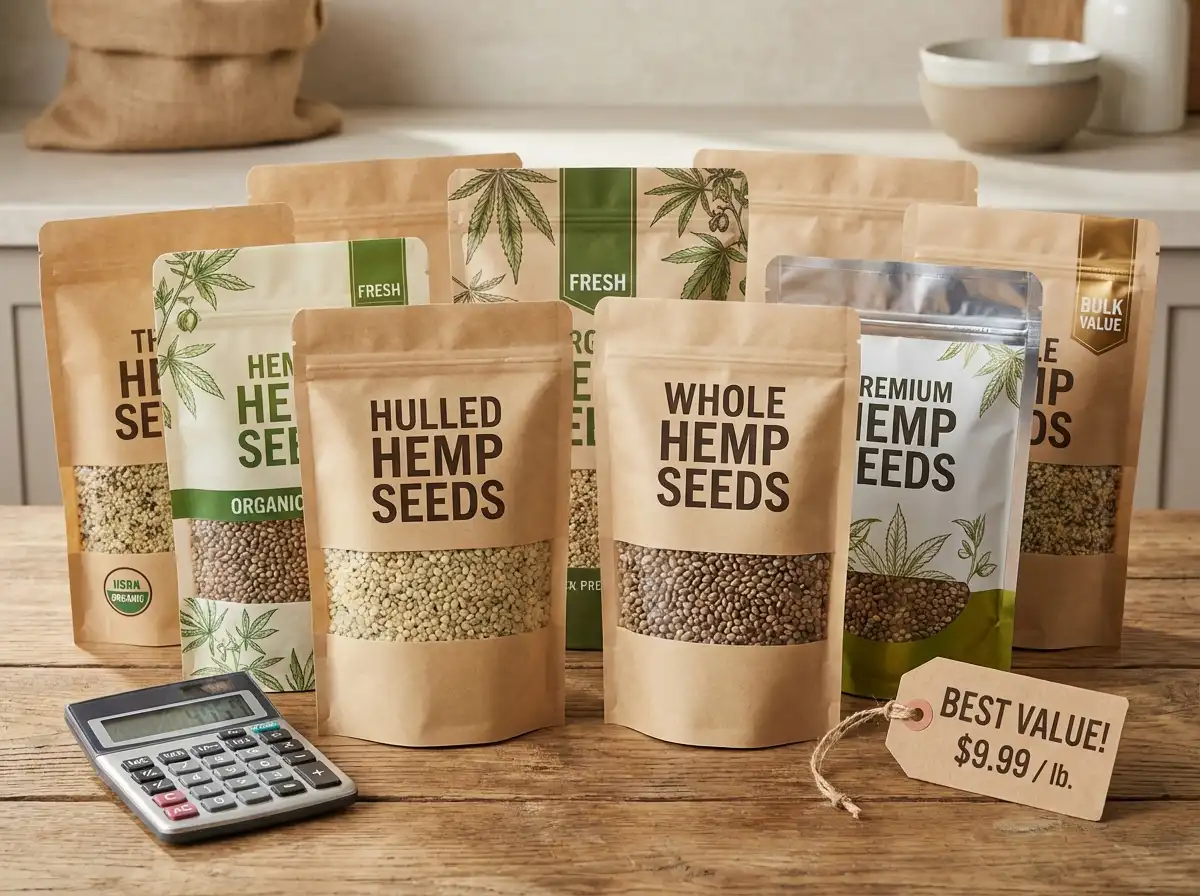
Because hemp seeds are a food, the “best” option is usually about freshness, quality controls, and value per 100g, rather than chasing CBD claims. Here is a practical checklist to use whether you are buying online, in a supermarket, or from a high-street retailer (including “hemp seeds Holland and Barrett” style searches).
1) Hulled vs whole: choose based on how you will use them
- Hulled hemp seeds (hemp hearts): softer texture, easier to sprinkle on yoghurt, oats, and salads.
- Whole hemp seeds: more crunch, can be a little harder to digest for some people, often better for baking.
2) Packaging and freshness (this matters more than most people think)
Hemp seeds contain oils that can go stale. Look for opaque, resealable packaging, a clear best-before date, and avoid bags that have been sitting open in refill bins unless turnover is high. At home, store them sealed in a cool, dark cupboard. Some people prefer refrigeration once opened.
3) Country of origin and batch information
Origin does not automatically equal quality, but transparent brands will tell you where the seeds are grown and processed. Batch codes are a good sign that the supplier takes traceability seriously.
4) Price per 100g (ignore the “CBD” hype)
For “best prices”, compare like-for-like: hulled vs whole, organic vs non-organic, and pack size. Bigger bags often work out cheaper per 100g, but only if you will use them before they lose freshness.
5) Avoid misleading “CBD hemp seeds” positioning
Searches like “high CBD hemp seeds” are common, but they usually reflect marketing rather than meaningful CBD content. Even when trace cannabinoids exist due to contamination from resin or plant material, you cannot reliably dose CBD from standard hemp seeds in the way you can from a labelled CBD oil or water-soluble CBD product.
Pros and Cons
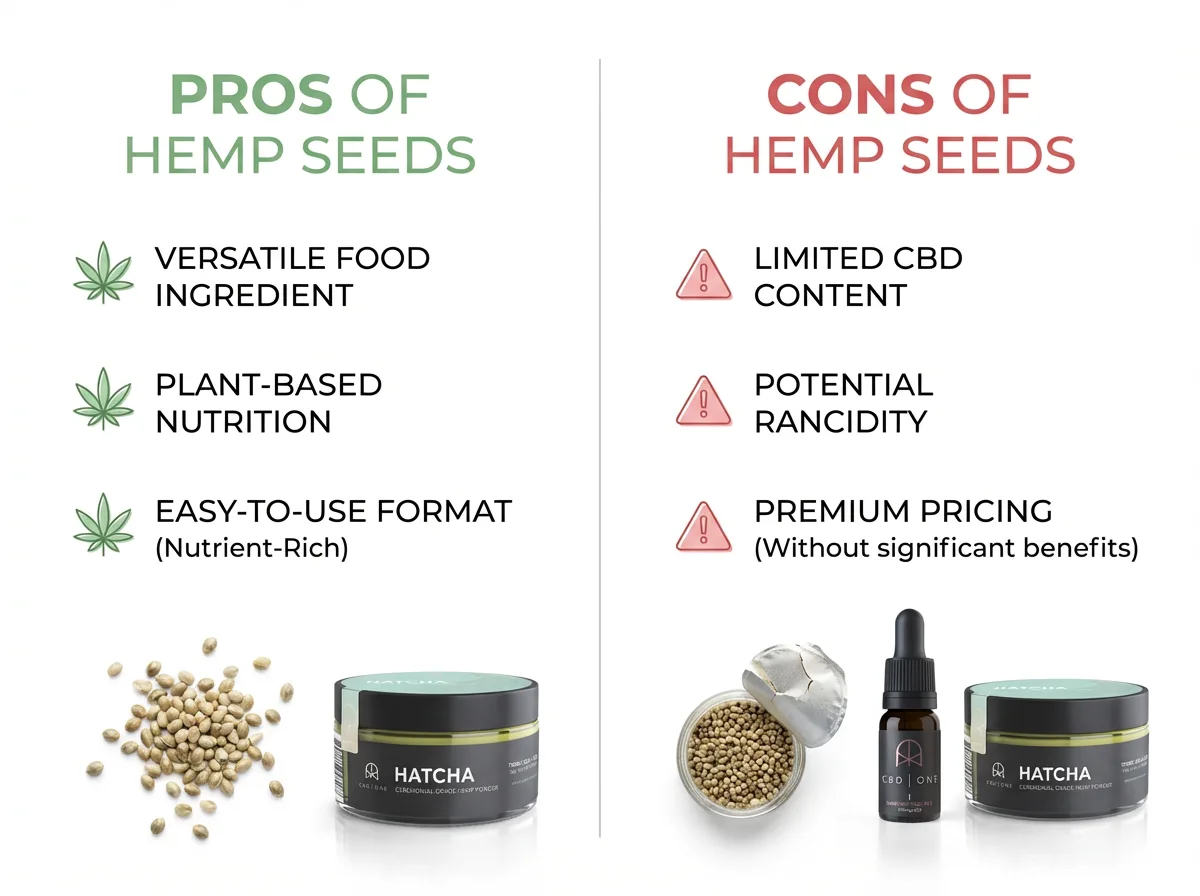
Strengths
- Versatile food ingredient: easy to use in breakfasts, salads, baking, and smoothies.
- Mild, nutty flavour that tends to work with both sweet and savoury recipes.
- Simple “whole food” format with no need for measuring drops or counting milligrams.
- Often good value when bought in larger packs and stored properly.
- Suitable for many dietary preferences (commonly plant-based and naturally gluten-free, but always check your brand’s allergen statements).
Considerations
- Not a meaningful or reliable source of CBD, despite common search terms and some retailer positioning.
- Can go rancid if stored poorly, especially after opening (taste and smell are your clues).
- “Organic” and “premium” labels can increase the price without a clear benefit for every shopper.
- Some people find large servings do not agree with them at first, so it can be worth starting small and increasing gradually.
Who hemp seeds are for (and who they are not)
Hemp seeds are a strong choice if you want a convenient pantry staple to add texture and plant-based nutrition to everyday meals, without needing to think about CBD dosing. They are also handy if you want a non-cannabis “vibe” product that still comes from hemp.
They are not the right buy if your main goal is CBD. If your search includes “hemp seeds CBD” because you want calm, sleep support, or recovery support, you will typically do better with a dedicated CBD product with clear milligrams per serving and lab verification.
Want CBD too? A better way to buy (CBD One alternatives)
If you are looking at hemp seeds because you want CBD, my honest advice is to keep these purchases separate. Buy hemp seeds for food. Then, if you also want CBD, choose a product where the CBD content is stated clearly in milligrams and the dosing is easy to control.
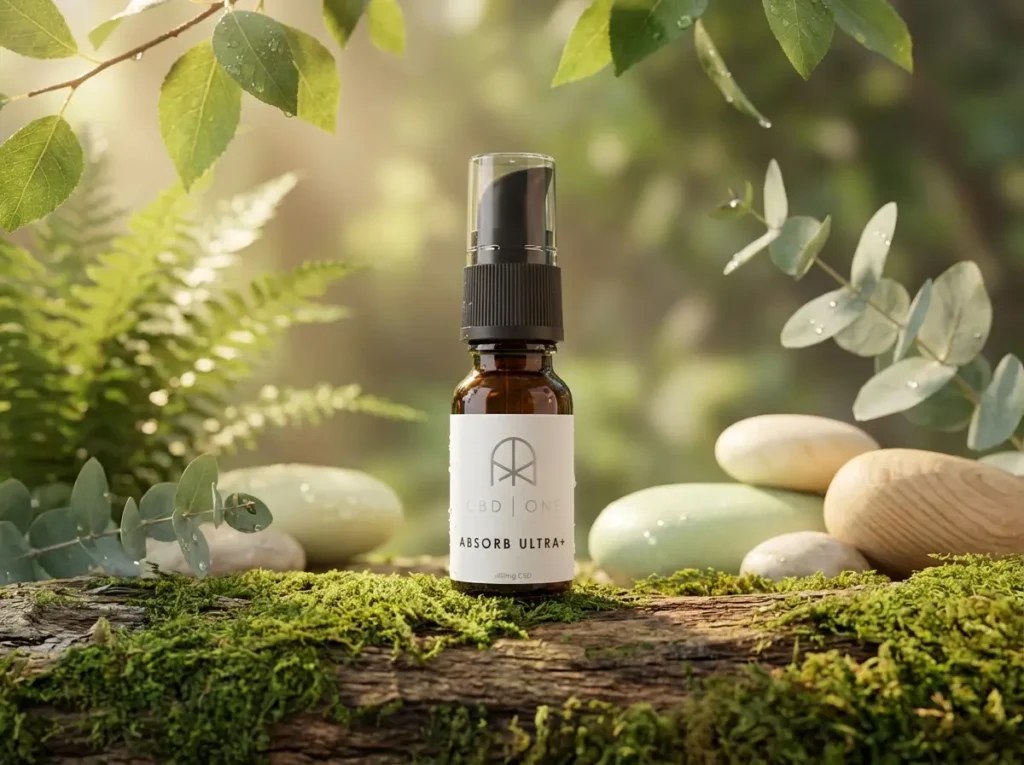
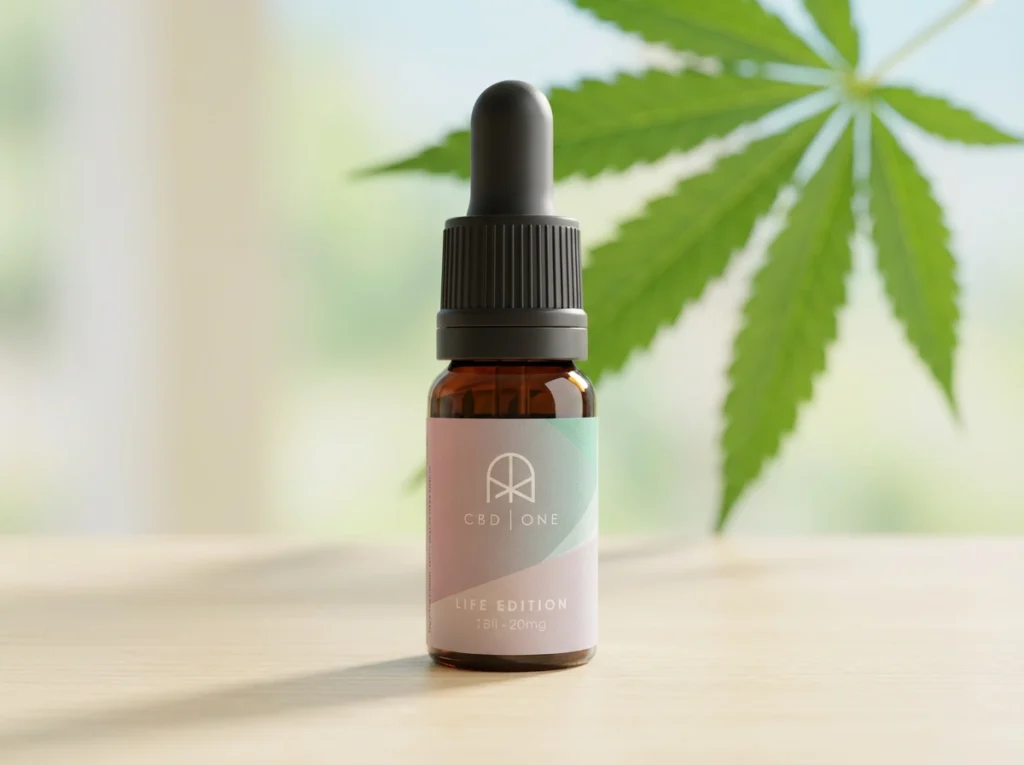
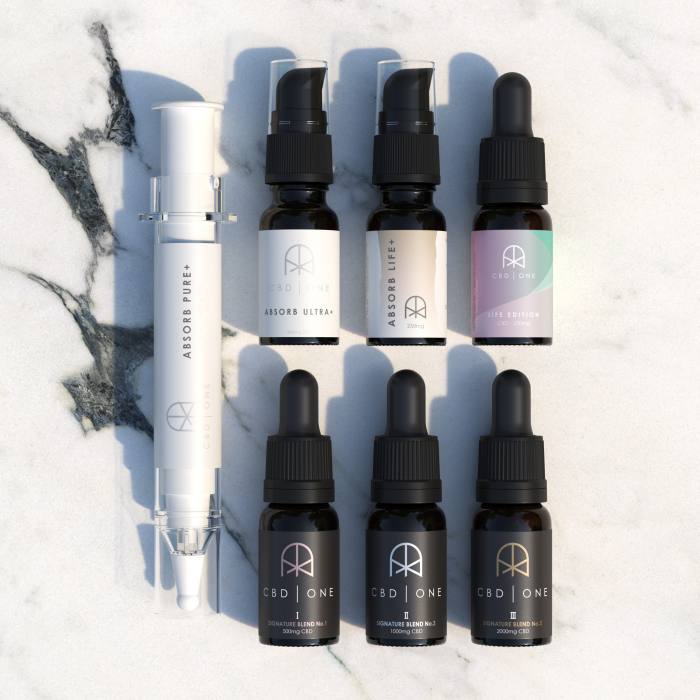
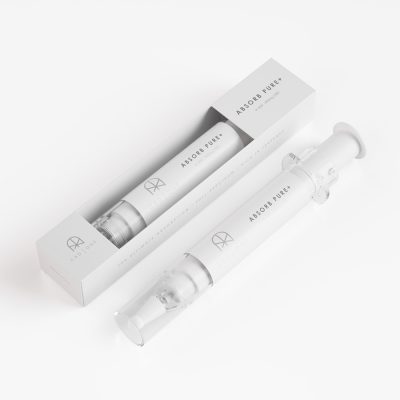
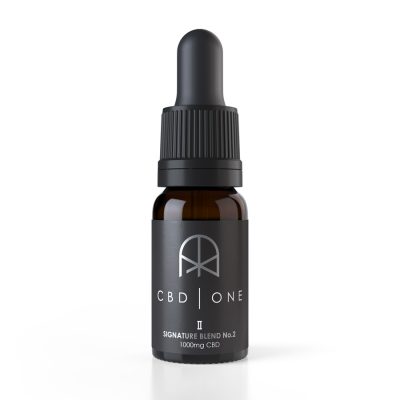
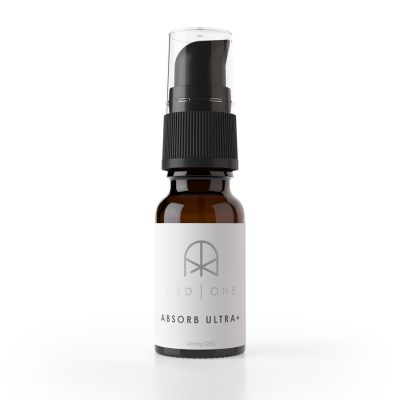
At CBD One, our range is smaller than some high-street brands (and we do not sell CBD gummies), and we sit at the premium end. The upside is we focus on full spectrum options and lab-verified formulations. For a simple starting point, consider 2.5% CBD Oil [250mg CBD] | Life Edition (£19.99). If you would rather avoid oils and add CBD to drinks, Absorb Life+ (£29.99) is a water-soluble full spectrum option, and Hatcha CBD Powder (£24.99) is a versatile hemp-based powder you can use in smoothies and recipes (do not heat above 160°C).
Buying guide: hemp seeds vs hemp oil vs CBD (what to buy for your goal)
Here is a simple way to make the right purchase without paying extra for confusing buzzwords.
1) If your goal is nutrition and recipes: buy hemp seeds (food-grade)
- Choose hulled if you want easy sprinkling and a softer bite.
- Choose whole if you want more crunch and do more baking.
- Prioritise freshness, packaging, and value per 100g.
2) If your goal is a culinary oil: buy hemp seed oil (not CBD oil)
Hemp seed oil is made by pressing the seeds and is typically used like other cooking oils (often best unheated or gently used, depending on the product). It is not the same thing as CBD oil. CBD oil is a hemp extract blended into a carrier oil and labelled in milligrams of CBD.
3) If your goal is CBD support: buy a CBD product with clear mg dosing
For CBD, you want measurable dosing, consistent batches, and transparency. That usually means choosing between:
- Full spectrum: contains CBD plus minor cannabinoids and terpenes, and may include trace THC within legal limits. Many users choose it for the so-called entourage effect.
- Broad spectrum: similar, but with THC removed.
- CBD isolate: CBD only, no other cannabinoids.
One important UK note: the Food Standards Agency suggests healthy adults should not exceed 70mg of CBD per day. If you are pregnant, breastfeeding, or taking medication, check with a clinician first. Our guidance article on interactions is here: CBD and Medication.
4) Decide your preferred format (oils vs water-soluble)
- CBD oils are popular and simple, especially taken under the tongue. Explore the range here: CBD Oils.
- Water-soluble CBD can be easier to add to drinks and routines. Browse here: Water Soluble CBD.
5) Check your expectations (and avoid “miracle” marketing)
CBD is not a medicine and it is not a guaranteed fix. Some people report it may support calm, sleep quality, or post-exercise recovery, but results vary and depend on dose, product type, and individual factors. The same goes for hemp foods: they are useful as part of an overall diet, not a shortcut.
How to use hemp seeds (and keep them fresh)
From a practical standpoint, hemp seeds are at their best when you treat them like any other delicate seed or nut: use them often, keep them sealed, and do not let heat and light do the damage.
Easy everyday serving ideas
- Stir into porridge or overnight oats after cooking, so you keep the flavour and texture.
- Blend into smoothies for a slightly creamier mouthfeel.
- Sprinkle over yoghurt, soups, or salads as a finishing touch.
- Fold into pancake batter, bread mixes, or homemade snack bars.
Storage tips to reduce rancidity
Hemp seeds contain natural oils, and those oils can oxidise over time. Keep the bag tightly sealed, store it in a cool, dark place, and consider the fridge if your kitchen runs warm or you buy larger packs. If the seeds smell sharp, bitter, or “paint-like”, that is a sign they have likely gone stale.
Hemp seeds nutrition basics (why people call them a “superfood”)
What many people overlook is that most of the real value of hemp seeds has nothing to do with cannabinoids. People tend to buy them because they are an easy way to add a bit more plant-based protein, fibre (especially in whole seeds), and naturally occurring fats to meals without changing the flavour too much.
You will also see hemp compared with chia and flax. Think of it this way: they are all useful, but they behave differently in food. Hemp seeds are softer and more “sprinkle friendly”, chia swells and thickens, and flax tends to have a stronger taste and is often ground. The right choice usually comes down to the recipe and what you will actually use consistently.
Cold-pressed hemp seed oil: when it makes sense (and when it does not)
If your search is drifting into “hemp oil” territory, it is worth understanding the most common product you will see on supermarket shelves: cold-pressed hemp seed oil. This is a food oil made by pressing the seeds, and it is typically used like other speciality oils.
When hemp seed oil is a sensible buy
- You want a nutty-tasting finishing oil for salads, dressings, or dips.
- You prefer liquids to seeds, or you want something that mixes smoothly into sauces.
- You like buying one ingredient that is easy to pour and portion.
When it is not the right purchase
- You are buying it mainly for CBD. Hemp seed oil is not the same as CBD oil, and it typically is not labelled with CBD milligrams.
- You want something you can dose consistently for CBD support. In that case, a dedicated CBD product is the clearer option.
Now, when it comes to cooking, many people use hemp seed oil unheated or gently warmed. If a bottle is marketed for high-heat frying, check the label carefully and use common sense. Like any oil, flavour and quality can change with excessive heat.
Safety notes and who should be cautious
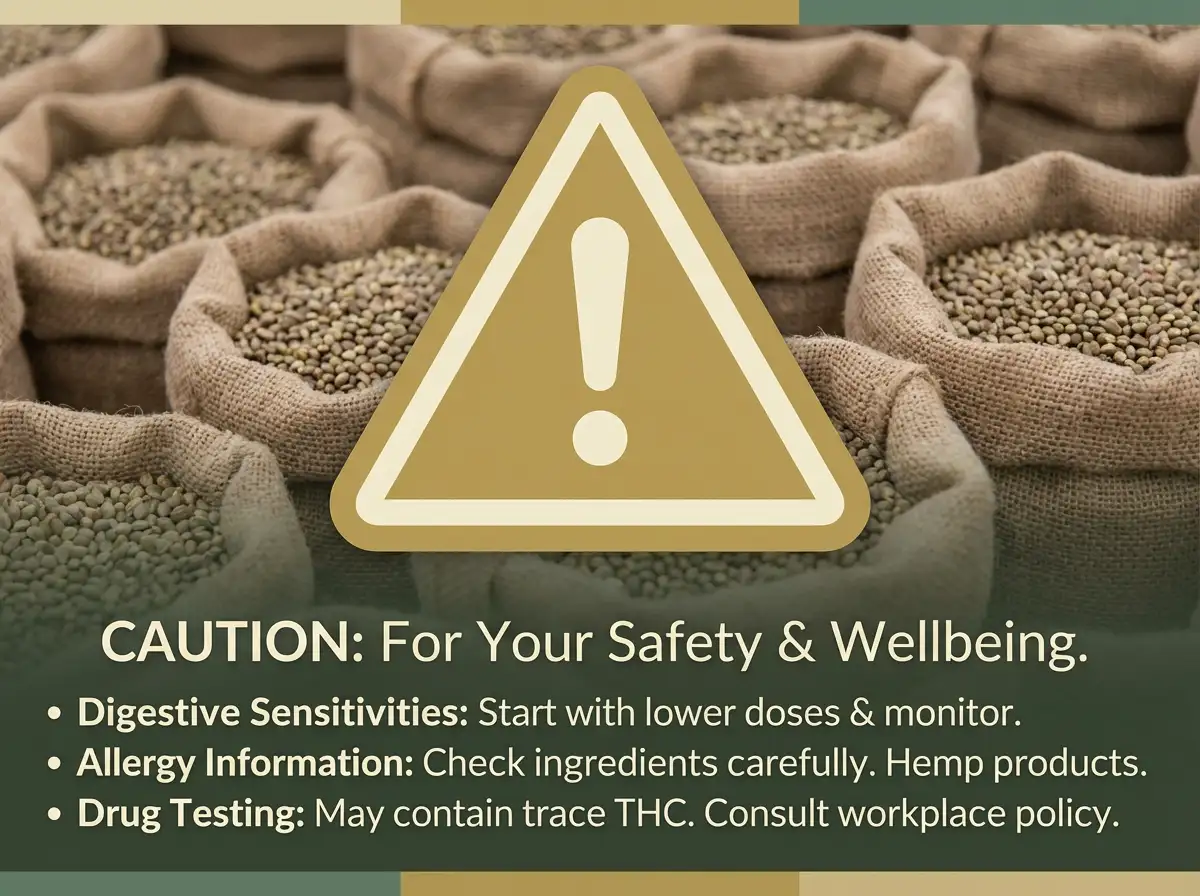
Hemp seeds are widely used as a food, but a couple of common-sense notes can make the experience smoother.
Digestive comfort
If you are new to hemp seeds, large servings can feel a bit heavy for some people. Starting with a smaller sprinkle and building up over a week or two is often the easiest way to see how you get on.
Allergies and cross-contamination
True hemp seed allergy is not common, but it can happen. Also, because seeds are often packed in facilities handling other allergens (like nuts and sesame), it is worth reading the allergen statement if you are sensitive.
Drug testing caution (food vs CBD)
There is already a FAQ below on drug tests, but the simple takeaway is this: if testing matters to you, be cautious with all hemp-derived products, including some foods and full spectrum CBD options, because trace cannabinoids can exist. If your workplace or sport has strict rules, check directly with the testing body.
Quick label reality check: “CBD hemp seeds”, “hemp oil”, and lab reports
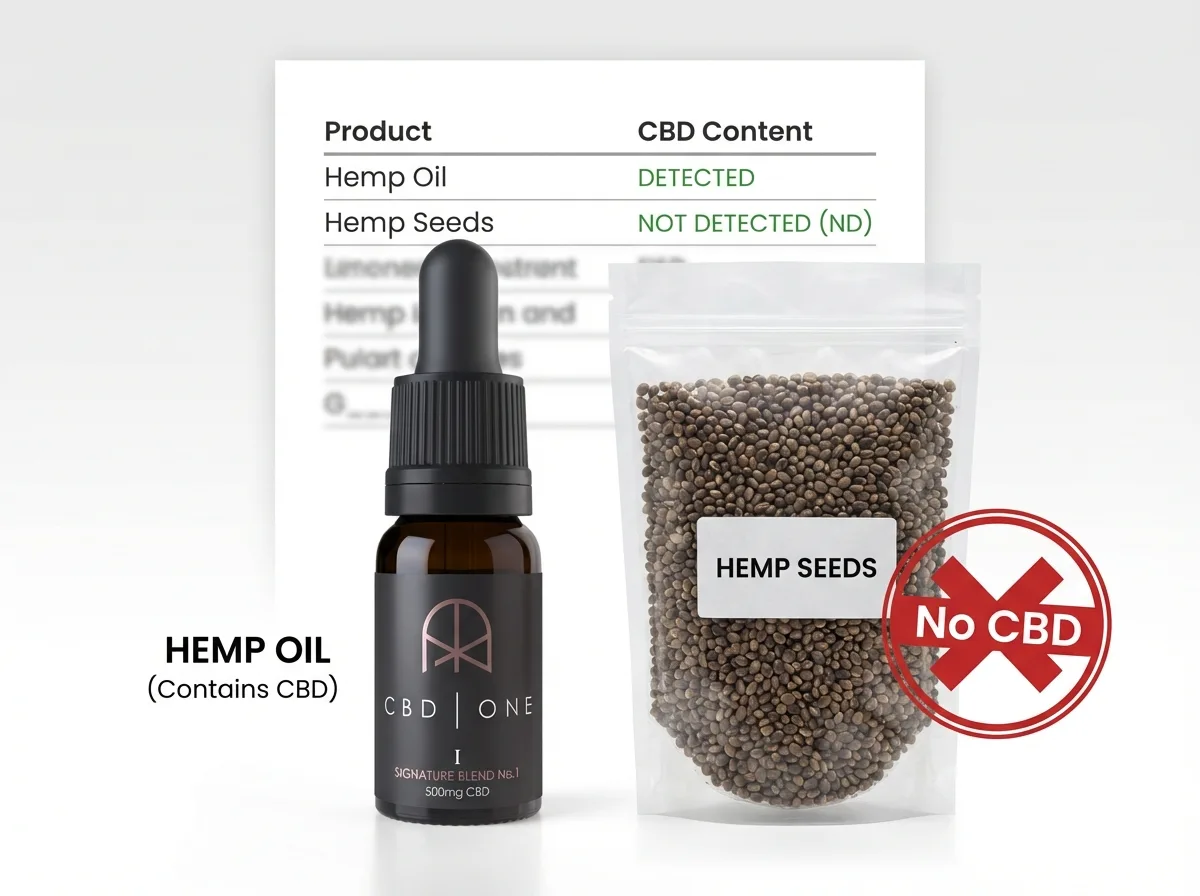
Consider this before you pay a premium: hemp is one plant, but the product categories are completely different, and labels can blur the lines.
“CBD hemp seeds”
If a listing implies the seeds themselves are a CBD product, look for a clear CBD amount per serving in milligrams, and a matching cannabinoid test report for that batch. If none is provided, you are usually looking at ordinary hemp hearts with CBD-flavoured marketing.
“Hemp oil”
In UK shops, “hemp oil” often means hemp seed oil. That can be a perfectly good food, but it is not the same as CBD oil. CBD oils should be labelled with CBD content in milligrams, and the product should be positioned as a CBD supplement-style product, not a cooking oil.
When lab reports actually help
Lab reports matter most when you are buying cannabinoids, because they help confirm what is in the bottle and whether batches are consistent. For basic food-grade hemp seeds, you are usually better off focusing on freshness, storage, and sensible packaging rather than chasing cannabinoid paperwork that is not relevant to how you will use them.
Frequently Asked Questions
Do hemp seeds have CBD?
In practical terms, no. Hemp seeds are primarily a food ingredient, and they are not considered a reliable source of CBD. CBD is found mainly in the flowers and aerial parts of hemp, not in the seed itself. If you want CBD you can actually measure and repeat, it is better to buy a labelled CBD product with clear mg-per-serving information.
What are “CBD hemp seeds” or “hemp seeds CBD” products?
Most of the time, these phrases are marketing language or search-driven wording rather than a meaningful CBD product category. Standard edible hemp seeds are not designed for CBD dosing. If a seller implies you can get “high CBD” from regular hemp seeds, ask for evidence such as cannabinoid lab results and serving-size CBD amounts.
Are hemp seeds legal in the UK?
Yes, hemp seeds sold as food are widely legal and commonly available in the UK. The confusion usually comes from mixing up hemp foods with cannabinoid products. If you are buying CBD specifically, you should also consider whether the product complies with UK Novel Food expectations and includes appropriate quality and safety information.
Are hemp seeds the same as hemp oil?
No. Hemp seeds are the edible seed. Hemp seed oil is a culinary oil pressed from those seeds. Both are typically used as foods. CBD oil is different again: it is a hemp extract (rich in cannabinoids) blended into a carrier oil. If you want the clean comparison, read Hemp Oil vs CBD Oil.
Are hemp seeds the same as CBD oil?
They are completely different purchases. Hemp seeds are a food. CBD oil is a supplement-style product with labelled CBD content in milligrams. If your main goal is CBD, hemp seeds are unlikely to be good value because you cannot reliably track your CBD intake from them.
Can I fail a drug test from eating hemp seeds?
Most people will not have an issue from normal food servings, but drug testing is complex and depends on the type of test, the sensitivity, and the product. Some hemp foods can contain trace cannabinoids due to contamination. If you are tested for work or sport, take a cautious approach and consider discussing options with your testing body.
What does “full spectrum” mean for CBD products?
Full spectrum CBD typically means the extract contains CBD plus minor cannabinoids and terpenes, and may contain trace THC within legal limits. Some users prefer full spectrum for the so-called entourage effect, where compounds may work together. If you need THC removed, you may prefer broad spectrum or isolate products instead.
What is the safest daily amount of CBD in the UK?
The UK Food Standards Agency advises healthy adults not to exceed 70mg of CBD per day. That is a general safety guideline, not personalised medical advice. If you have health conditions, are pregnant or breastfeeding, or take medicines, it is sensible to speak with a GP or pharmacist first, especially because CBD may interact with some medications.
Is water-soluble CBD better than CBD oil drops?
“Better” depends on what you will stick to. Oils are straightforward and popular under the tongue. Water-soluble CBD can be more convenient if you prefer adding it to coffee, tea, or smoothies. The most important factors are consistency, clear dosing, and choosing a product that is lab verified and suited to your routine.
If I want both hemp foods and CBD, what is a sensible shopping plan?
Buy hemp seeds based on freshness, packaging, and value per 100g, and use them as a food ingredient. Then buy CBD separately based on measurable mg dosing, spectrum type (full, broad, or isolate), and third-party verification. Keeping them separate stops you overpaying for “CBD hemp seeds” style marketing.
How much hemp seed should I eat per day?
There is no single right amount for everyone, because it depends on your diet and what else you are eating. Many people simply use hemp seeds as a “sprinkle” ingredient rather than a big daily portion. If you are new to them, start small and see how your digestion responds.
Is hemp seed oil the same as CBD oil?
No. Hemp seed oil is a food oil pressed from seeds. CBD oil is a cannabinoid-rich extract blended into a carrier oil and labelled in milligrams of CBD. The names sound similar, which is why people get caught out.
Do hemp seeds make you high?
No. Hemp seeds sold as food do not have the effect people associate with high-THC cannabis. The confusion comes from the plant family name, not the food itself.
Are hulled hemp seeds better than whole hemp seeds?
It depends on how you will use them. Hulled hemp seeds are softer and easier to sprinkle. Whole seeds tend to be crunchier and can suit baking. If you want the simplest everyday option, hulled seeds are usually the easiest place to start.
Key Takeaways
- Hemp seeds are a nutritious food, but they are not a meaningful source of CBD.
- For best prices, compare value per 100g and prioritise freshness and packaging.
- Do not confuse hemp seed oil (food) with CBD oil (labelled CBD in mg).
- If you want CBD, choose a product with clear dosing and lab verification, and stay within the UK FSA 70mg/day guidance for healthy adults.
- CBD One is a premium option with a smaller range (no gummies), focusing on full spectrum oils and water-soluble formats.
Conclusion
If you are shopping for hemp seeds in the UK, the best deal is usually the simplest one: fresh, food-grade seeds in sensible packaging at a good price per 100g. Be wary of “CBD hemp seeds” positioning, because hemp seeds are not a dependable way to take CBD. If your aim is CBD support, you will get clearer dosing and better buying confidence by choosing a dedicated CBD product instead. If you want to explore options, you can browse our CBD Oils or look at water-soluble options like Absorb Life+ (£29.99) for an easy add-to-drinks routine.