
Is CBD Weed? Complete UK Guide (2026)
In this guide I will walk you through what CBD actually is, how it differs from THC cannabis, what UK rules focus on, and how to make sensible choices so you feel confident reading labels.
What people mean by “weed” (and why the word causes confusion)
When most people say “weed”, they mean cannabis flower that contains enough THC to cause intoxication. That is the classic recreational use most of us associate with the term.
When people say “CBD weed”, they usually mean one of three things:
- Hemp flower that is naturally high in CBD and low in THC
- CBD added to a product that looks like a cannabis product (pre-rolls, “buds”, vape liquids)
- Any CBD product at all, simply because it comes from hemp
Consider this: two products can look similar and still be worlds apart in how they are regulated, how they are used, and what they are likely to do in your body. That is why it is worth being precise with the language.
If you are brand new to the basics, it can help to start with a simple overview of CBD oil and the common formats you will see in UK shops.
Is CBD from the same plant as cannabis?
Hemp vs cannabis: same family, different purpose
CBD (short for cannabidiol) is a naturally occurring compound found in Cannabis sativa. Hemp and marijuana (what many people call “weed”) are both types of Cannabis sativa. The key difference is how the plant has been grown and selected over time.
Think of it like dog breeds. Same species, different traits. Hemp is typically cultivated for fibre, seeds, and cannabinoid extracts with naturally lower THC. High-THC cannabis is cultivated for resin and stronger intoxicating effects.
CBD products are extracts, not “buds”
Most UK CBD oils, capsules, and drink mixes are made using hemp extracts. These extracts can be:
- Full spectrum: CBD plus other naturally occurring hemp compounds, including trace THC within legal limits
- Broad spectrum: similar to full spectrum but with THC removed as far as possible
- CBD isolate: CBD on its own, with other compounds stripped out
This is where a lot of “is CBD weed” confusion begins. CBD can come from the cannabis plant family, but a regulated CBD extract product is not the same thing as a high-THC cannabis product.
THC, the “high” question, and what CBD feels like
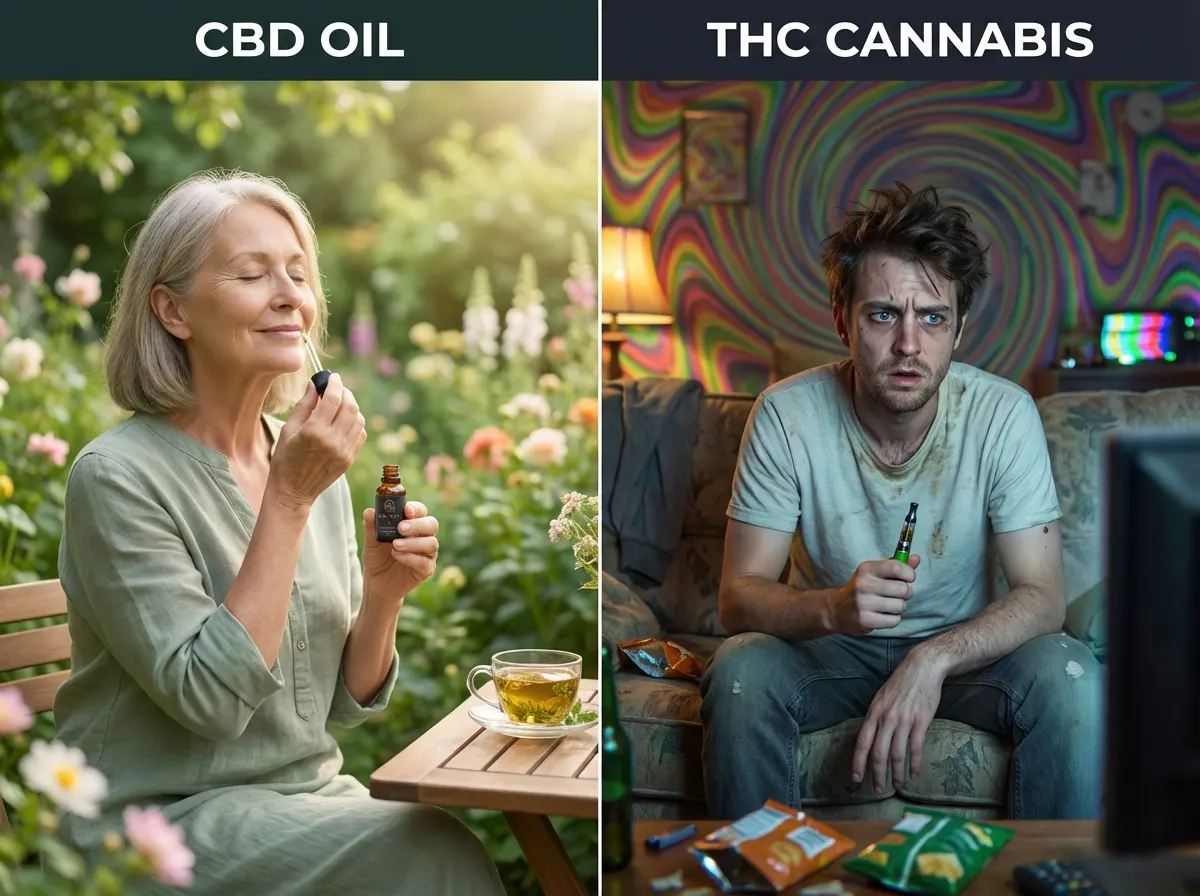
The reality is: when people ask “is CBD weed?”, they are often really asking “will CBD get me high?”
CBD is considered non-intoxicating. THC (tetrahydrocannabinol) is the cannabinoid most associated with feeling high. CBD and THC can both interact with the body’s endocannabinoid system, but they do it in different ways.
If you want a focused answer on intoxication, this article is worth a read: Does CBD Oil Get You High?
Full spectrum: why trace THC does not equal “weed”
Some full spectrum products include tiny, legally controlled amounts of THC. That does not make them “weed”. It does mean you should be aware of two practical points:
- If you are sensitive, start low and go slow, and pay attention to how you feel.
- If you are drug-tested (sport, safety-critical roles), you may prefer THC-free options. No brand can honestly promise “zero risk” with drug tests, but isolate products are often chosen for this reason.
From a practical standpoint, CBD is best thought of as a wellness supplement some people use to support calm, better evenings, or recovery routines, rather than something that changes your mental state.
Is CBD psychoactive, addictive, or classed as a drug?
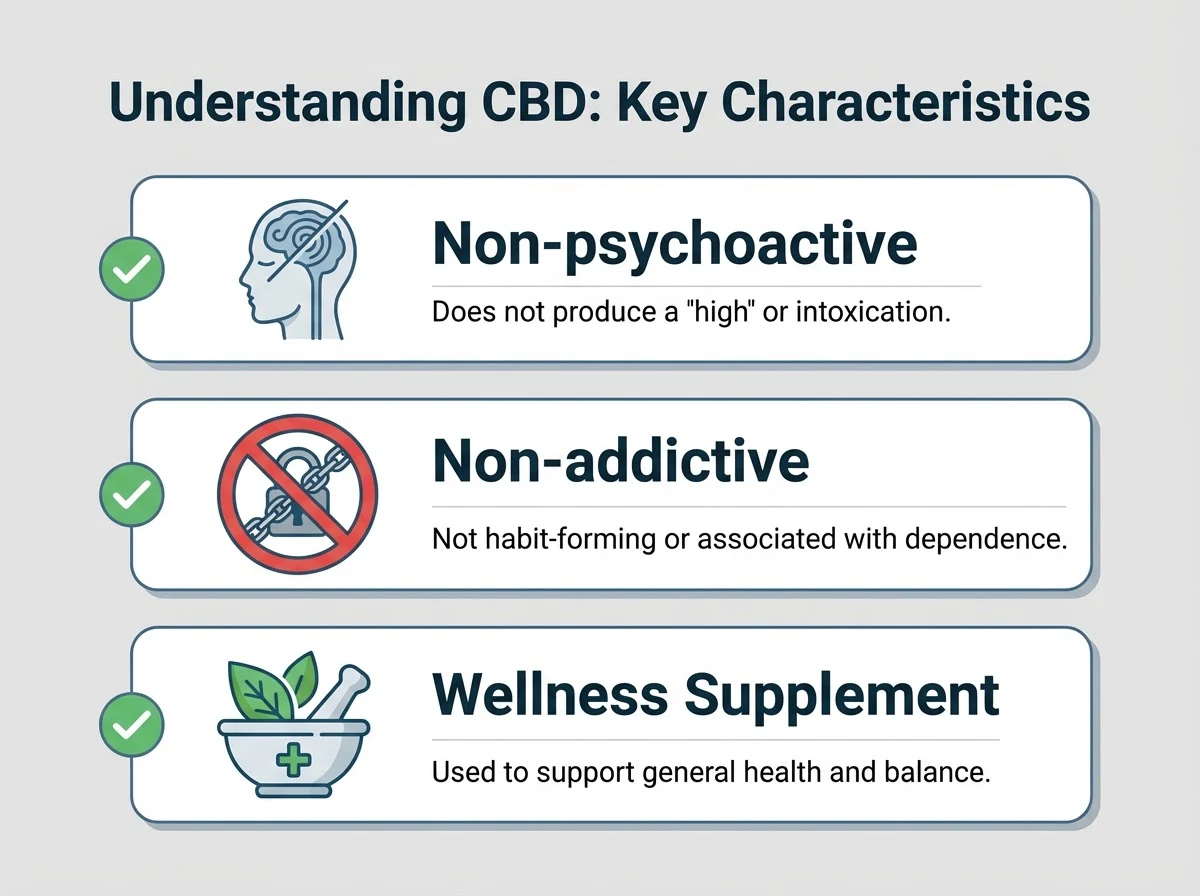
This is one of the most common follow-up questions behind “is CBD weed?”, and it is a good one because different countries and different websites use these words loosely.
Is CBD psychoactive?
People often use “psychoactive” to mean “makes you feel high”. In that everyday sense, CBD is generally not viewed as psychoactive because it is not typically associated with intoxication in the way THC is.
That said, CBD can still be noticeable. Some people describe feeling more settled, less switched on at night, or simply a bit more even. That is not the same thing as being stoned, and it should not feel like losing control of your mind.
Is CBD addictive?
CBD is not generally talked about as an addictive substance in the way nicotine or high-THC cannabis can be. Still, any wellness routine can become a bit of a psychological crutch if you let it, so it is worth keeping your approach grounded: measured use, clear expectations, and regular breaks if you feel you are leaning on it too heavily.
Is CBD classed as a drug in the UK?
In the UK, reputable CBD brands sell CBD as a food supplement or cosmetic, depending on the format, not as a medicine. That is why you will see careful language like “supports” and “may help maintain” rather than medical promises.
What matters for you as a consumer is not the slang category, it is whether the product is compliant, accurately labelled, and appropriate for your situation, especially if you are taking medication.
CBD weed UK: what is legal, what is risky
Now, when it comes to UK rules, there are two separate conversations that often get muddled:
- CBD as a consumer wellness product (oils, capsules, drinks, topicals)
- Cannabis flower and products sold as “buds” or “pre-rolls”
CBD products sold in the UK must meet specific requirements around safety and compliance. The Food Standards Agency (FSA) also advises healthy adults not to exceed 70mg of CBD per day.
Hemp flower products are a more complex area and can carry extra legal and practical risk, even when marketed as “CBD flower”. Rules and enforcement are not always straightforward for consumers, which is why I generally encourage people to stick to clearly compliant ingestible products from reputable brands.
For a wider legal overview, read Is CBD Oil Legal in the UK?. It clears up a lot of the confusion in plain English.
What about “Hollyweed” searches and overseas CBD shops?
Search terms like “cbd shop hollyweed”, “cbd pas cher hollyweed”, “tisane cbd hollyweed”, or “cbd sommeil hollyweed” usually point to overseas marketplaces or non-UK listings. The risk is not just price or delivery. The bigger concern is whether the product is tested, accurately labelled, and suitable for the UK market.
What many people overlook is that CBD quality is not obvious from a pretty pack or a trendy product name. You want boring evidence: lab reports, batch consistency, and clear cannabinoid content.
CBD flower, buds, and “CBD weed”: why it is a grey area in the UK
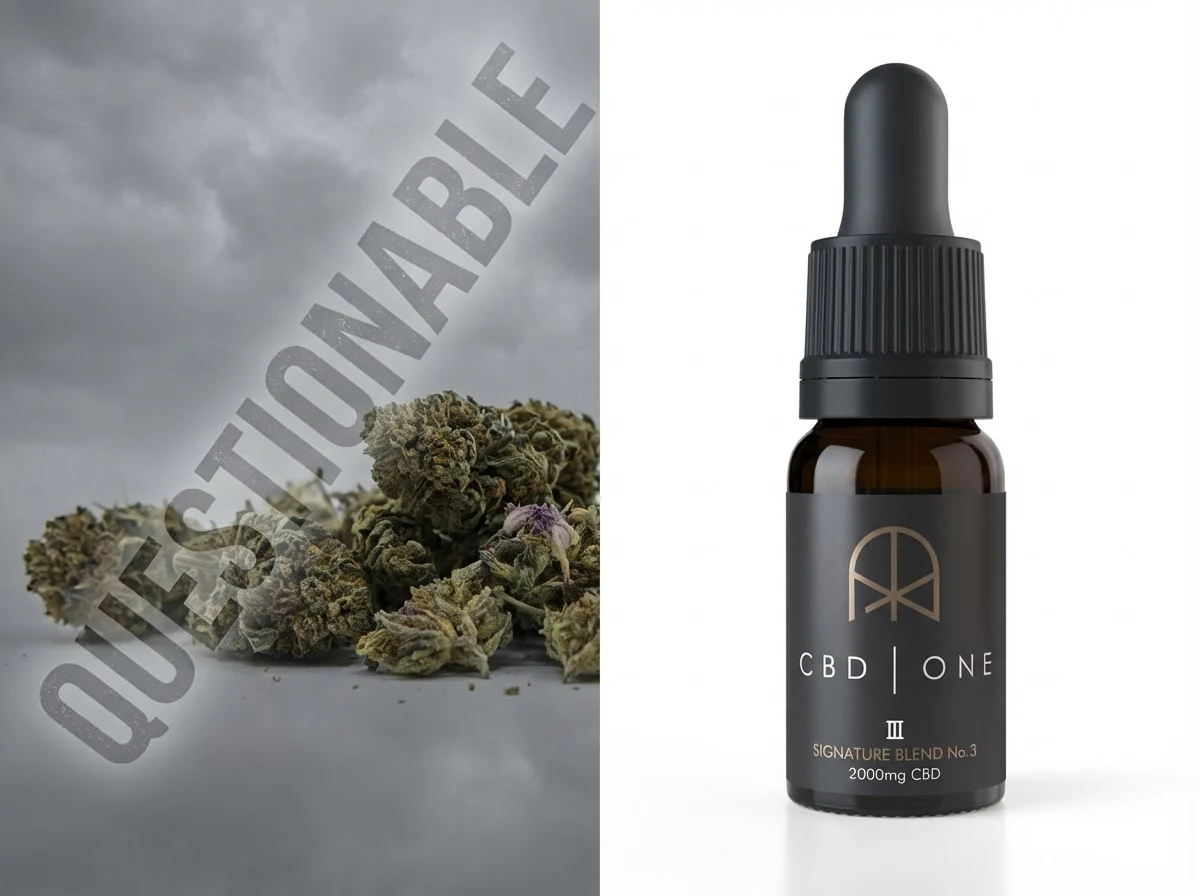
If you have ever seen “CBD buds” or “CBD flower” online, you will understand why people call it CBD weed. It looks like weed. It smells like weed. It is often sold in the same style of packaging too.
Here’s the thing: in the UK, the most straightforward, low-hassle route for consumers is typically CBD in formats like oils, capsules, or drink mixes that are designed and labelled as wellness products. Flower is where things can get messy.
Why CBD flower can be risky, even if it says “low THC”
Even when a seller claims a flower is “CBD only” or “below limits”, the practical issues for buyers are:
- It can be difficult to verify what you have in your hand without reliable, batch-specific testing.
- Some products are labelled vaguely, which makes it hard to judge compliance and content.
- Because it looks and smells like THC cannabis, it can invite misunderstandings if you are carrying it, travelling, or sharing a space with others.
On top of that, smoking anything is not a wellness habit I encourage. If your goal is measured, repeatable use, extracts are simply easier to control.
What if someone offers you a CBD “pre-roll”?
Ask two questions before anything else: what is it actually made from, and do you have proof of what is in it? If the answers are vague, or you are being pushed with hype, it is usually a sign to walk away.
If you still want CBD in your routine, choosing a measured format tends to keep you in safer, clearer territory.
CBD formats and why “CBD weed” is often the wrong category
If someone offers you “CBD weed”, it is worth asking: what format is it actually, and how are you meant to use it?
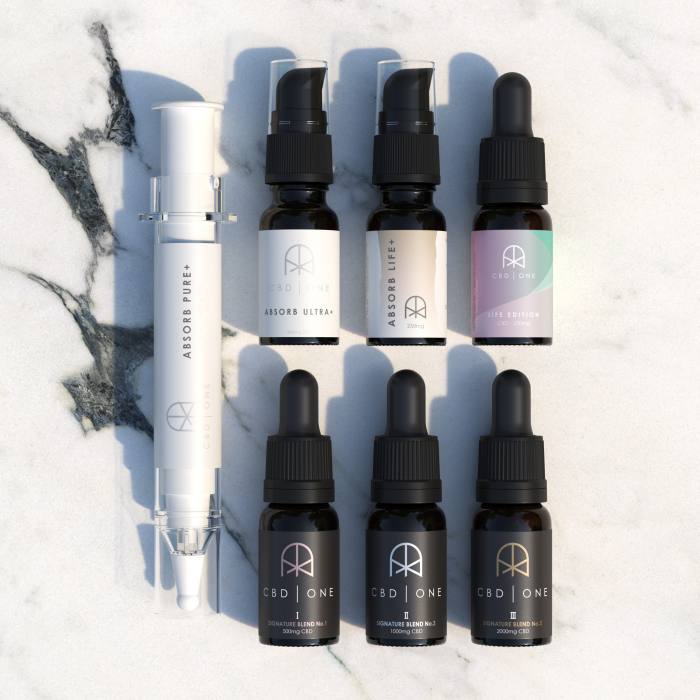
Common UK CBD formats
In the UK you will most often see:
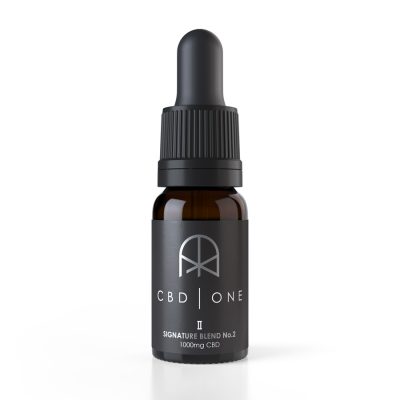
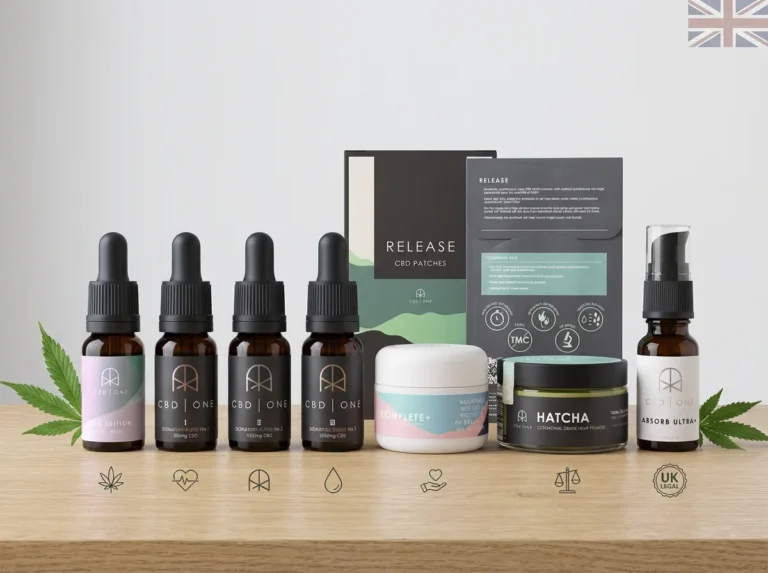
- CBD oil drops: taken sublingually (under the tongue) for steady, measured use
- Water soluble CBD: mixed into a drink for convenience
- Topicals: creams and balms applied to skin
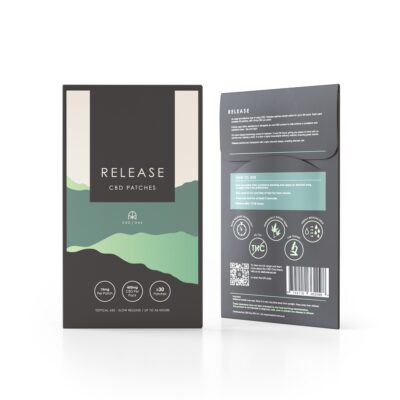
- Transdermal patches: slow release, measured delivery through the skin
In practice, this means your experience depends as much on the format as it does on the milligrams. Absorption and onset time can differ, so “it worked for my friend” is not a great measuring stick unless you are using the same type and similar dose.
One example from our own range at CBD One is that we focus heavily on full spectrum extracts in our oils and water soluble products, because we believe the plant’s compounds work best together (often called the Entourage Effect). That is a philosophy choice, not a magic trick, and it may or may not be what you prefer.
If you want to browse by format, the most relevant category pages are CBD Oils and Water Soluble CBD.
How CBD is made: extraction, distillation, and why it matters for “CBD weed” claims
One reason “CBD weed” marketing works is that it leans on the look and smell of cannabis. What it does not always explain is the boring bit: how CBD actually gets into a bottle, a capsule, or a drink mix.
From plant to extract
Most CBD products start with hemp, then the cannabinoids are extracted from the plant material. The aim is to create an extract with known cannabinoid content that can be measured and repeated from batch to batch.
After extraction, the extract can be refined further. This is where the difference between full spectrum, broad spectrum, and isolate becomes more than just a label. It is about how much of the original plant profile you keep.
Why this matters when you are comparing “CBD weed” products
If a product is trying to feel like weed, it might focus heavily on aroma, flavour, or strain-style naming. None of that guarantees quality or safety. What gives you confidence is:
- Clear cannabinoid content in milligrams
- Batch-specific lab testing that matches the label
- A product format that fits the way you actually want to use CBD
Think of it this way: a consistent extract with a consistent label is usually a better starting point than anything designed to look like a bud.
How to choose CBD safely in the UK
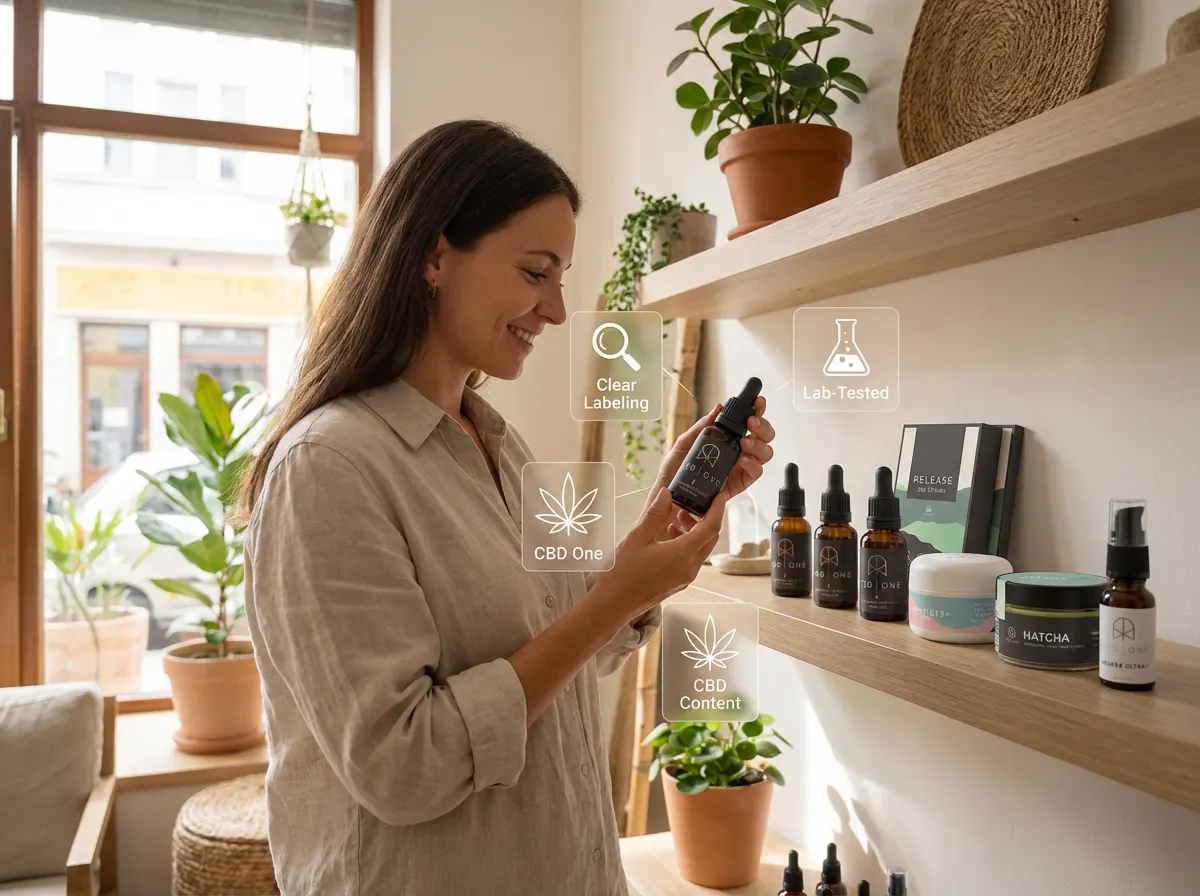
Choosing CBD should feel a bit like choosing olive oil. Anyone can say “premium”, but the label, the testing, and the source tell the real story.
Quality checks that actually matter
When you are deciding whether a product is trustworthy, look for:
- Clear CBD content in mg per bottle and ideally per serving
- Independent lab testing (Certificate of Analysis) with cannabinoids listed
- A sensible ingredients list you can understand
- Realistic guidance and responsible warnings (especially around pregnancy, breastfeeding, and medications)
If you are comparing options, use a structured page rather than bouncing between tabs. This is why guides like the CBD buying guide and a side-by-side CBD product comparison can save you time and costly mistakes.
Be careful with “cheap CBD weed” claims
Terms like “pas cher” (cheap) pop up a lot in searches, and I get it, nobody wants to overspend. Still, ultra-cheap CBD products can be cheap for a reason: weak extracts, poor testing, or vague labelling.
The reality is: you do not need the strongest product to start. You need a consistent one, used consistently.
Why CBD can feel different for different people
If you have ever heard one person say CBD “did nothing” and another say they “really noticed it”, that difference is normal. It does not automatically mean one product is amazing and another is useless. A few practical variables change the experience.
Format and absorption
Oil drops, water soluble CBD, topicals, and patches all deliver CBD differently. That affects how quickly you notice it, how long it feels like it lasts, and how easy it is to keep your routine consistent.
Food, timing, and routine
Some people take CBD with a meal, others take it on an empty stomach. Some use it once in the evening, others split it. If you constantly change timing, product, and amount, it is hard to learn what works for you.
What many people overlook is the value of a simple experiment: keep one product, one format, and one daily time for a couple of weeks. Then adjust, gently.
Sensitivity and expectations
CBD is not meant to feel like a “hit”. If you are expecting a sudden wave, you will often be disappointed. Many people who like CBD describe it as subtle, like the background noise being turned down a notch.
If you feel unexpectedly drowsy, unsettled, or just not yourself, take that seriously. Use less, switch to a different type, or pause. If you are on medication, speak to a GP or pharmacist before continuing.
Getting started: a simple, sensible routine
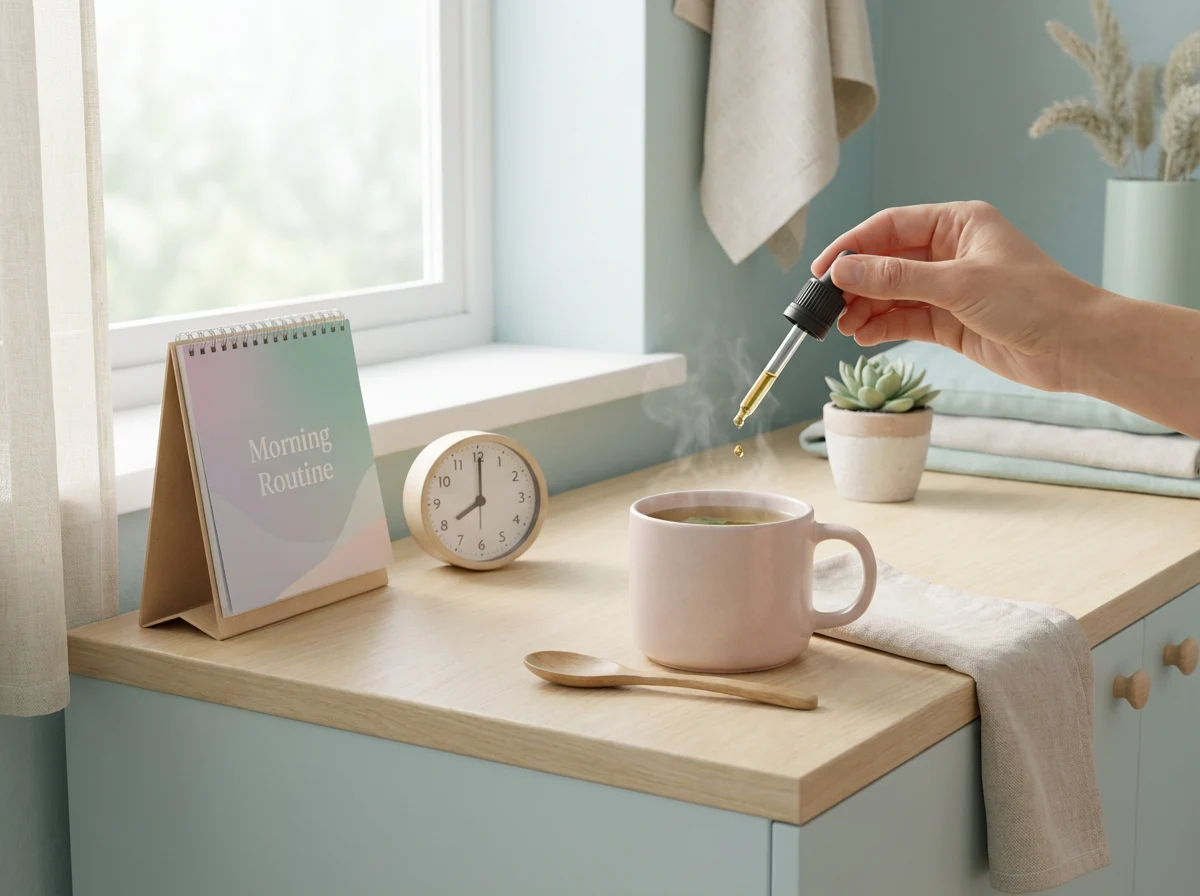
Think of CBD like a daily ritual rather than a one-off fix. Many people who report the best experience keep it boring and consistent.
Start low, go slow, stay under UK guidance
If you are healthy and trying CBD for general wellbeing, consider a gentle approach:
- Pick one format (oil or water soluble are easiest to measure)
- Start with a low amount, once per day
- Give it a week or two before changing anything
- Do not exceed the FSA guidance of 70mg CBD per day for healthy adults
If you want help working out a sensible starting point, a tool like a CBD dosage calculator can be a helpful starting reference. Your body weight, sensitivity, and the product format all matter.
At CBD One, we see people do well when they match the format to real life. For example, some prefer water soluble CBD because it is easy to add to a morning drink, while others like classic oil drops as an evening wind-down routine. No hype, just what you will actually stick with.
Frequently Asked Questions
So, is CBD weed?
CBD is not “weed” in the sense most people mean it. CBD is a non-intoxicating cannabinoid usually extracted from hemp, which is a variety of the cannabis plant. “Weed” usually refers to cannabis flower that is high in THC and causes a high. The confusion comes from language and from products that look like cannabis (buds, pre-rolls) but are marketed as CBD. If you want clarity, focus on what is in the product: CBD content, THC content, and whether it is lab tested.
Is CBD the same as cannabis?
CBD is a compound found in cannabis, but it is not the same thing as cannabis as a whole. Cannabis is a plant with hundreds of compounds including cannabinoids (like CBD and THC) and terpenes (aromatic compounds). A CBD oil is an extract designed to deliver a measured amount of CBD, often with other hemp compounds depending on whether it is full spectrum, broad spectrum, or isolate. So CBD can come from cannabis, but a CBD product is a specific preparation, not the plant itself.
Will CBD make me feel high or stoned?
CBD is generally described as non-intoxicating, so it should not make you feel high in the way THC cannabis can. Some people report feeling calmer or more settled, but that is different from intoxication. Full spectrum CBD products can contain trace THC within legal limits, which is one reason to start with a small amount and see how you respond. If you are worried about any THC at all, look into CBD isolate products, and always check lab reports.
What is “CBD weed UK” actually referring to?
Usually it is a search term people use when they are looking for CBD flower or cannabis-like products that are high in CBD. Sometimes they also mean standard CBD oils and simply use “weed” as shorthand. In the UK, the most straightforward route for consumers is typically regulated CBD products like oils, capsules, and water soluble CBD. Flower products can be legally and practically complicated, so be cautious and make sure you understand what you are buying and how it fits UK rules.
Are CBD pre-rolls the same as CBD oil?
No, they are very different in format and in how they are used. CBD oil is taken under the tongue or added to food, giving you measured, repeatable dosing. Pre-rolls are designed to be smoked, which brings its own health considerations and is not a route I encourage as a wellness professional. On top of that, legality and quality control can be more uncertain with “smokable” CBD products. If your goal is predictable dosing and a consistent routine, oils or water soluble options are usually simpler.
What does “CBD sommeil” or “CBD tisane” mean in overseas listings?
These terms are often French-language marketing. “Sommeil” refers to sleep, and “tisane” is a herbal tea. You will see similar phrases attached to CBD products online, including “huile CBD” (CBD oil). Be careful with any product that is marketed with strong health promises, especially around sleep or anxiety. In the UK, CBD cannot be marketed as a medicine. If you buy from overseas, you also risk getting products that are not properly tested or not intended for the UK market.
How do I know if a CBD product is good quality?
Look for clear cannabinoid content (mg), a batch-specific Certificate of Analysis from an independent lab, and transparent ingredients. A trustworthy brand should also give sensible usage guidance and clear warnings, especially if you are pregnant, breastfeeding, or taking medications. If a product feels vague, makes big promises, or hides behind trendy terms like “CBD weed”, that is a red flag. Quality is about consistency and testing, not just strength.
Can I take CBD every day?
Many people choose to use CBD daily as part of a routine, but daily use is still a personal decision. If you do, keep it measured and stay within the UK FSA guidance of no more than 70mg CBD per day for healthy adults. Start with a small amount and build slowly based on how you feel. If you have a medical condition or take prescription medicines, speak with your GP or pharmacist first because CBD can interact with some medications.
What if I am taking medication?
This is where you should be cautious. CBD can affect how your body processes certain medicines, which could change how they work for you. It does not mean you cannot use CBD, but it does mean you should speak to a healthcare professional who knows your medication list. Bring the product label with you so they can see the strength and suggested use. If you want a deeper safety-focused read, CBD One has a dedicated article on CBD and medication interactions (separate from this guide).
Is full spectrum CBD “stronger” than isolate?
Some users report they prefer full spectrum products because they contain a wider range of hemp compounds, not just CBD alone. This is often discussed as the Entourage Effect. That said, “stronger” is not a scientific guarantee, and it depends on your body, your sensitivity, and your goals. Isolate products can be a good fit for people who want a THC-free option. The best approach is to choose one product type, use it consistently, and track how you respond.
Is CBD legal in the UK?
Many CBD products are sold legally in the UK, but legality depends on the exact product, its cannabinoid content, and how it is supplied and labelled. If you are unsure, stick to reputable brands that provide independent lab reports, clear cannabinoid content, and responsible guidance, and avoid anything that tries to blur the line with cannabis flower-style marketing.
How does CBD make you feel?
Most people do not describe CBD as intoxicating. Some users report feeling more relaxed, more settled, or that it is easier to wind down, especially when used consistently as part of a routine. Effects can be subtle and can vary by person and by format, so it helps to keep your approach simple and consistent for a couple of weeks before deciding whether it is for you.
Is CBD addictive?
CBD is not typically described as addictive in the way nicotine or high-THC cannabis can be. Still, it is sensible to keep your use measured, stay within UK guidance, and take breaks if you feel you are becoming overly reliant on any supplement as a coping tool.
Is CBD psychoactive?
In everyday conversation, “psychoactive” usually means “makes you feel high”. In that sense, CBD is generally considered non-intoxicating. Some people still notice a change in how settled they feel, but it should not feel like being stoned or losing control.
Key Takeaways
- CBD comes from hemp (a type of cannabis), but CBD products are not the same as high-THC “weed”.
- CBD is non-intoxicating. THC is the cannabinoid linked with feeling high.
- In the UK, prioritise lab-tested, clearly labelled products over “CBD weed” style marketing.
- Start low, go slow, and keep within the FSA guidance of 70mg CBD per day for healthy adults.
- If you take medications, speak to a GP or pharmacist before using CBD.
Conclusion
If you have been wondering “is CBD weed?”, you are not alone. CBD sits in the same plant family as cannabis, so the language overlap is real. Still, the intention and the experience are usually very different. Most UK CBD products are made to be non-intoxicating and used as part of a steady wellness routine, not for a high.
What matters is not the slang term. It is the detail on the label: CBD in milligrams, the type of extract (full spectrum, broad spectrum, or isolate), independent lab testing, and sensible guidance. If you are ever unsure, keep it simple, choose a format you will actually use consistently, and stay within the FSA recommendation of 70mg per day for healthy adults.
If you want a second pair of eyes on a product choice, explore our guides or speak to Nick for free advice.